In the ever-evolving world of digital signage and visual communication, LED technology has become a cornerstone for delivering vibrant, dynamic content. Among the various forms of LED displays, the LED curtain display stands out for its unique blend of transparency, flexibility, and visual impact. This article delves into the intricacies of LED curtain displays, explaining their technology, applications, advantages, and considerations for businesses and event organizers looking to harness their potential.
Understanding LED Curtain Displays: What Are They?
LED curtain displays are a type of LED screen characterized by their lightweight, semi-transparent design. Unlike traditional LED panels that are solid and opaque, LED curtains consist of vertical strips or panels of LEDs spaced apart to create a mesh-like appearance. This design allows light and air to pass through, making them ideal for installations where visibility and airflow are important.
Typically, LED curtain displays are constructed with LED strips mounted on a flexible frame or rigging system. The spacing between LEDs varies depending on the pixel pitch—the distance from the center of one LED to the next—which affects image resolution and transparency. For example, a pixel pitch of 10mm offers higher resolution but less transparency, whereas a 25mm pitch increases transparency but reduces image detail.
The combination of these features makes LED curtain displays particularly suited for large-scale outdoor and indoor applications, such as building facades, stage backdrops, and retail storefronts, where maintaining natural light and airflow is crucial.
Key Technical Features
Some of the defining technical characteristics of LED curtain displays include:
- Transparency: Ranges from 30% to over 80%, allowing for see-through effects that integrate digital content with physical environments.
- Lightweight and Flexible: Designed for easy installation and transport, often weighing less than 10 kilograms per square meter.
- Brightness: High brightness levels, typically between 5,000 to 10,000 nits, ensure visibility even in direct sunlight.
- Energy Efficiency: LED technology consumes less power compared to traditional display systems, reducing operational costs.
- Modularity: Panels or strips can be connected to create large-scale displays of various sizes and shapes.
In addition to their technical advantages, LED curtain displays also offer significant creative potential for designers and advertisers. The ability to project dynamic visuals while allowing for ambient light to filter through creates a unique canvas for storytelling and branding. For instance, during concerts or events, these displays can be programmed to change colors or patterns in sync with the music, enhancing the overall experience for the audience. Furthermore, their semi-transparent nature allows for innovative designs that can blend seamlessly with architectural elements, creating a harmonious integration of digital and physical spaces.
Moreover, the versatility of LED curtain displays extends beyond entertainment and advertising. They are increasingly being utilized in art installations, where artists can manipulate light and transparency to evoke emotions and provoke thought. This adaptability makes them a popular choice for modern art galleries and public spaces, where the interplay of light and shadow can transform a simple installation into an immersive experience. As technology continues to evolve, the potential applications for LED curtain displays are likely to expand even further, paving the way for new forms of visual communication and artistic expression.
How LED Curtain Displays Work: The Technology Behind the Magic
At the core of LED curtain displays lies the light-emitting diode (LED) technology, which converts electrical energy into light. The arrangement and control of these LEDs define the display’s performance and visual quality.
Pixel Pitch and Resolution
The pixel pitch is a critical factor determining the sharpness of the displayed image. Smaller pixel pitches mean LEDs are closer together, resulting in higher resolution and finer image detail. However, this also reduces transparency, which is a trade-off that must be carefully balanced based on the intended application.
For instance, a retail store window might prioritize transparency to allow customers to see inside the store, opting for a larger pixel pitch. Conversely, a concert stage backdrop may prioritize image clarity with a smaller pixel pitch.
Control Systems and Content Management
LED curtain displays are driven by sophisticated control systems that manage the timing and intensity of each LED. These systems receive video signals from media servers or content management software, processing the data to display images, videos, or animations seamlessly across the curtain’s surface.
Modern LED controllers support real-time content updates, synchronization with audio and lighting effects, and remote management capabilities. This flexibility enables event organizers and advertisers to deliver engaging, dynamic content tailored to their audience.
Installation and Maintenance
The modular nature of LED curtain displays simplifies installation and maintenance. Panels can be quickly assembled or disassembled, making them ideal for temporary events or touring productions. Additionally, the lightweight design reduces structural load on buildings or stages.
Maintenance typically involves routine cleaning and periodic checks of LED modules and power supplies. The durability of LEDs also ensures long operational lifespans, often exceeding 50,000 hours of use.
Applications of LED Curtain Displays: Where and Why They Shine
LED curtain displays have found widespread adoption across various industries due to their unique features and versatility. Their ability to combine transparency with high-impact visuals opens up creative possibilities that traditional LED screens cannot match.
Architectural and Building Facades
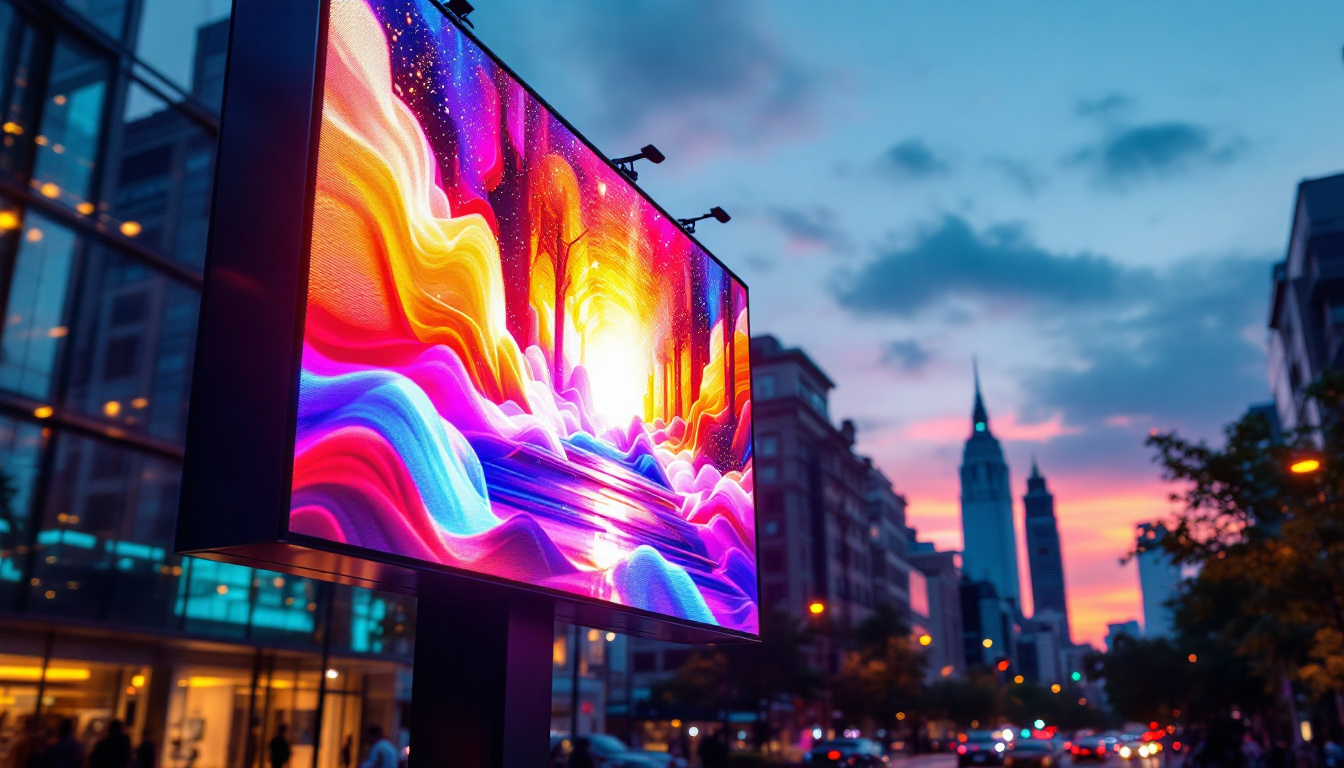
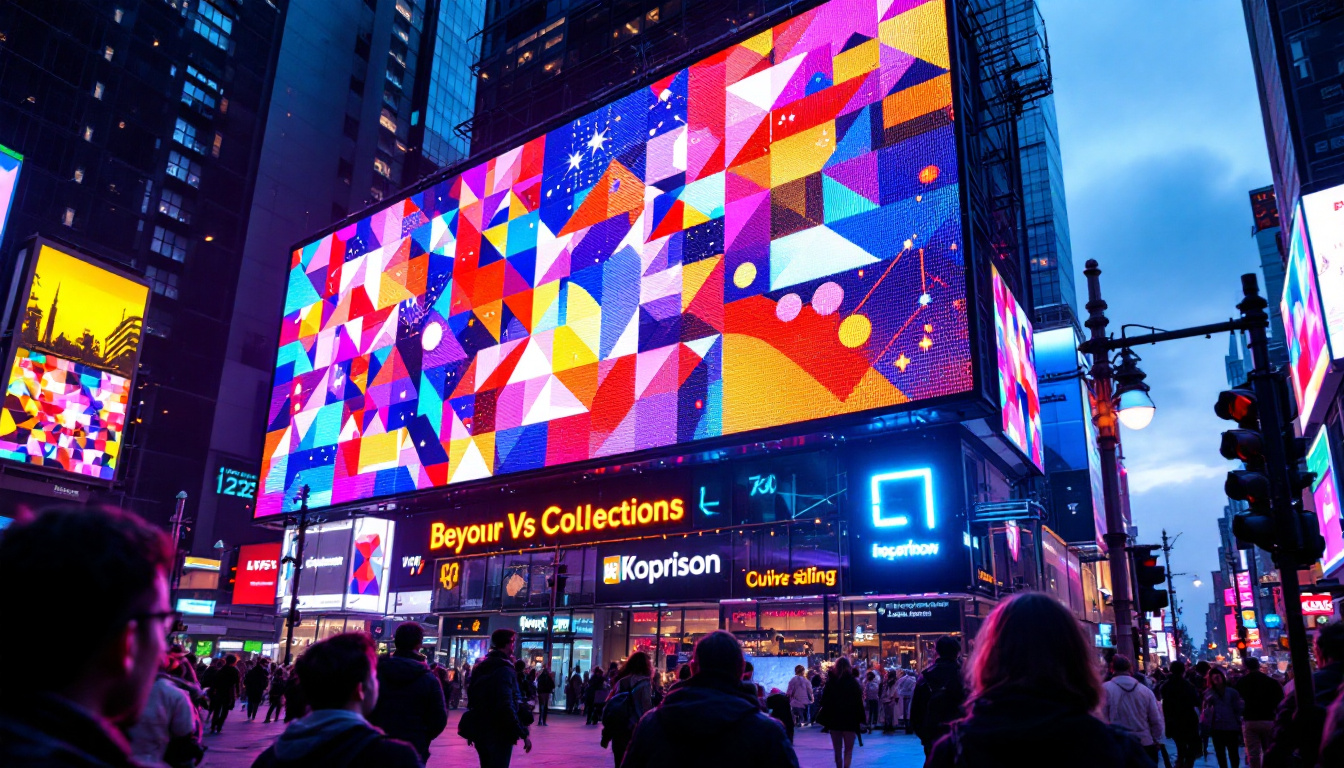
One of the most popular uses of LED curtain displays is in architectural applications. Buildings with glass facades can integrate these displays without obstructing natural light or views. This creates stunning visual effects that transform the building into a dynamic canvas for advertising, branding, or artistic installations.
For example, iconic landmarks and commercial skyscrapers in cities like New York, Shanghai, and Dubai utilize LED curtain displays to showcase vibrant content that enhances the urban landscape while maintaining the building’s aesthetic integrity.
Entertainment and Events
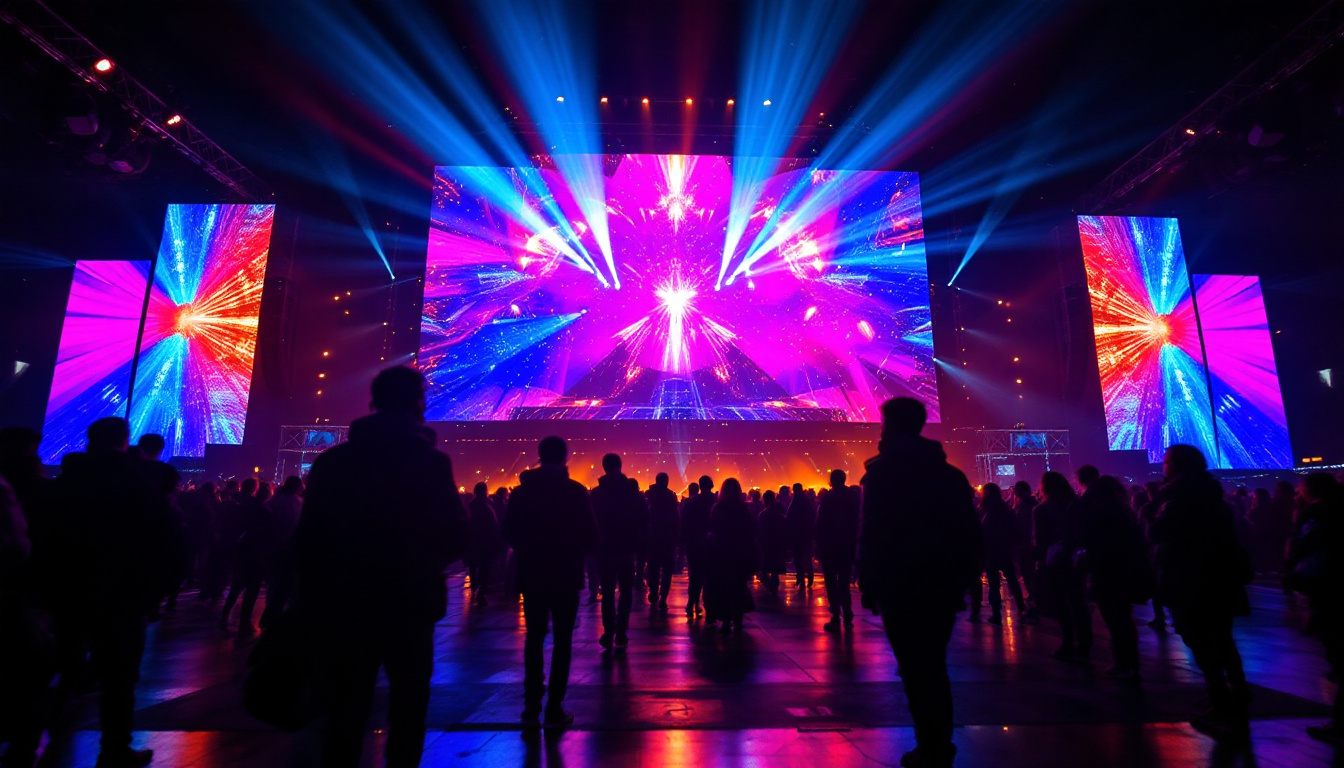
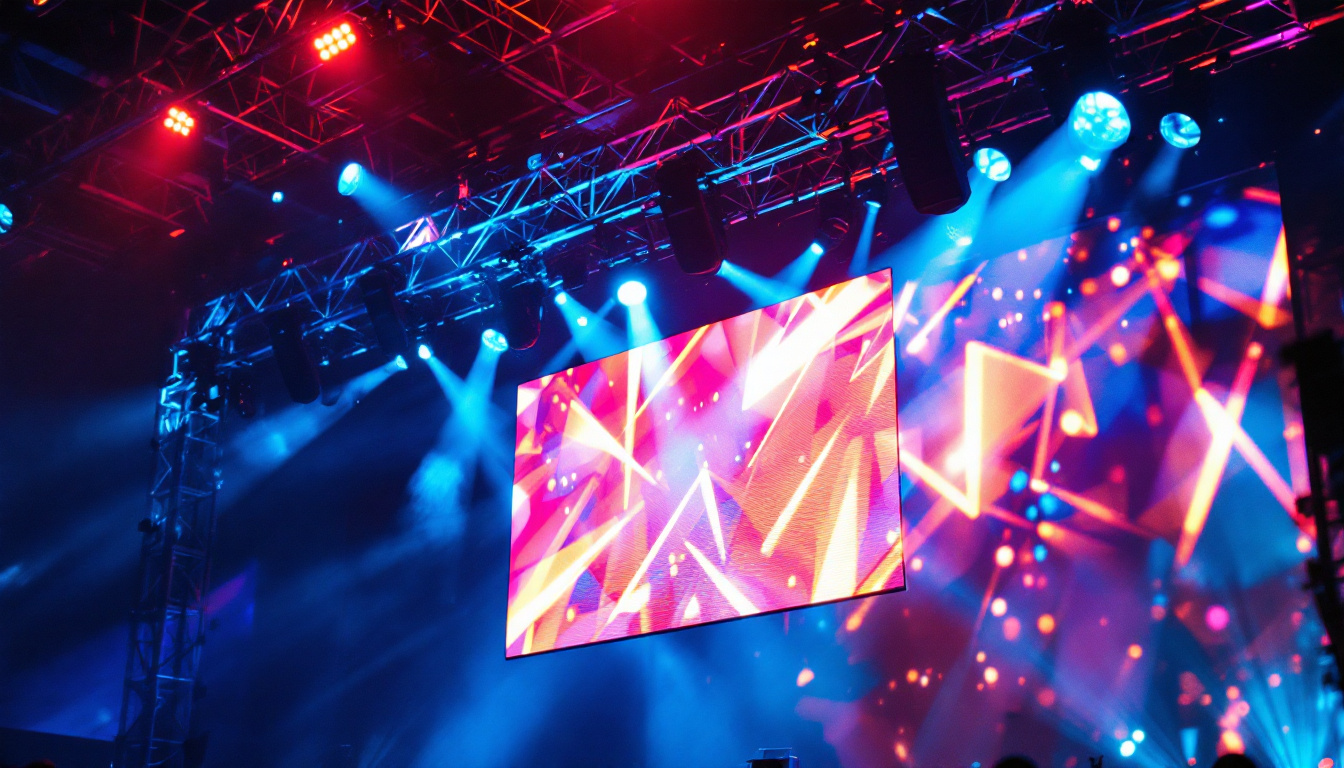
In the entertainment industry, LED curtain displays serve as captivating backdrops for concerts, theatrical performances, and exhibitions. Their lightweight and flexible design allow for creative stage setups that can be quickly changed between acts or events.
Moreover, the transparency of these displays enables innovative lighting effects and interactions between performers and digital content, enriching the audience’s experience.
Retail and Advertising
Retailers leverage LED curtain displays to attract customers with eye-catching visuals on storefront windows. The see-through nature of these displays means that products inside the store remain visible, blending physical merchandise with digital advertising seamlessly.
In high-traffic areas such as shopping malls and airports, LED curtains provide an effective means to deliver promotional messages without compromising spatial openness.
Transportation Hubs and Public Spaces
Airports, train stations, and other public venues use LED curtain displays for wayfinding, information dissemination, and advertising. Their transparency ensures that natural light and architectural features are preserved, contributing to a pleasant environment for travelers and visitors.
Advantages of LED Curtain Displays Over Traditional LED Screens
While traditional LED screens remain popular for many applications, LED curtain displays offer several distinct advantages that make them preferable in specific contexts.
Transparency and Aesthetic Integration
The primary advantage is their transparency, which allows these displays to blend into their surroundings rather than dominate them. This is particularly important for architectural applications where preserving the design intent of a building or space is critical.
Reduced Weight and Structural Load
Due to their lightweight construction, LED curtain displays impose less stress on mounting structures. This reduces installation costs and expands the range of possible installation sites, including delicate glass facades or temporary event rigs.
Energy Efficiency and Sustainability
LED technology is inherently energy-efficient, and the design of curtain displays further reduces power consumption by using fewer LEDs per square meter compared to solid panels. This contributes to lower operational costs and aligns with sustainability goals.
Flexibility and Modularity
The modular design enables customized configurations, allowing displays to be tailored to specific dimensions and shapes. This flexibility is valuable for creative installations and for adapting to varying venue requirements.
Considerations and Challenges When Choosing LED Curtain Displays
Despite their many benefits, LED curtain displays come with certain considerations that potential users should evaluate to ensure they meet project requirements.
Resolution vs. Transparency Trade-Off
As mentioned earlier, higher transparency reduces image resolution. Selecting the appropriate pixel pitch requires balancing the need for visual clarity against the desire for see-through effects. For applications demanding high-definition content, this trade-off may limit the effectiveness of LED curtains.
Viewing Distance and Angle
Due to their design, LED curtain displays are best viewed from a distance. Close-up viewing may reveal the gaps between LEDs, affecting image quality. Additionally, the viewing angle can influence color and brightness uniformity, which should be considered during installation planning.
Environmental Factors
Outdoor installations must account for weather resistance, including waterproofing and protection against dust and wind. While many LED curtain displays are rated for outdoor use, verifying their IP (Ingress Protection) rating is essential for longevity and performance.
Cost Implications
LED curtain displays can be more expensive upfront compared to traditional LED panels due to their specialized design and technology. However, their energy savings, reduced installation costs, and unique capabilities often justify the investment over time.
Future Trends in LED Curtain Display Technology
The LED display industry continues to innovate rapidly, and LED curtain displays are no exception. Emerging trends promise to enhance their capabilities and broaden their applications.
Higher Resolution and Enhanced Transparency
Advancements in LED miniaturization and materials science are enabling smaller pixel pitches without sacrificing transparency. This will allow for sharper images and more detailed content while maintaining the see-through effect.
Integration with Smart Technologies
Future LED curtain displays are expected to integrate with Internet of Things (IoT) platforms and smart building systems. This will enable dynamic content that responds to environmental conditions, audience behavior, or real-time data feeds.
Improved Energy Efficiency and Sustainability
Ongoing improvements in LED efficiency and the use of eco-friendly materials will reduce the environmental impact of LED curtain displays, aligning with global sustainability initiatives.
Conclusion
LED curtain displays represent a remarkable fusion of technology and design, offering transparent, flexible, and visually striking solutions for a variety of applications. Their ability to integrate seamlessly with architectural elements, deliver captivating content, and adapt to diverse environments makes them a valuable asset for businesses, event organizers, and urban planners alike.
By understanding the technical aspects, advantages, and challenges associated with LED curtain displays, stakeholders can make informed decisions that maximize impact and return on investment. As technology continues to advance, LED curtain displays are poised to become an even more integral part of the digital signage landscape, shaping the way we experience visual communication in public and private spaces.
Discover the Future of Visual Communication with LumenMatrix
Ready to elevate your space with the latest in LED display technology? LumenMatrix is at the forefront of innovation, offering a wide array of LED display solutions that promise to transform your brand’s visibility and audience engagement. From mesmerizing Indoor and Outdoor LED Wall Displays to versatile Vehicle and Sports LED Displays, our products are designed to captivate and inspire. Experience the revolution in visual communication with our Transparent and Custom LED Displays, and let your message resonate with clarity and impact. Check out LumenMatrix LED Display Solutions today and join the myriad of businesses already reaping the benefits of advanced LED technology.