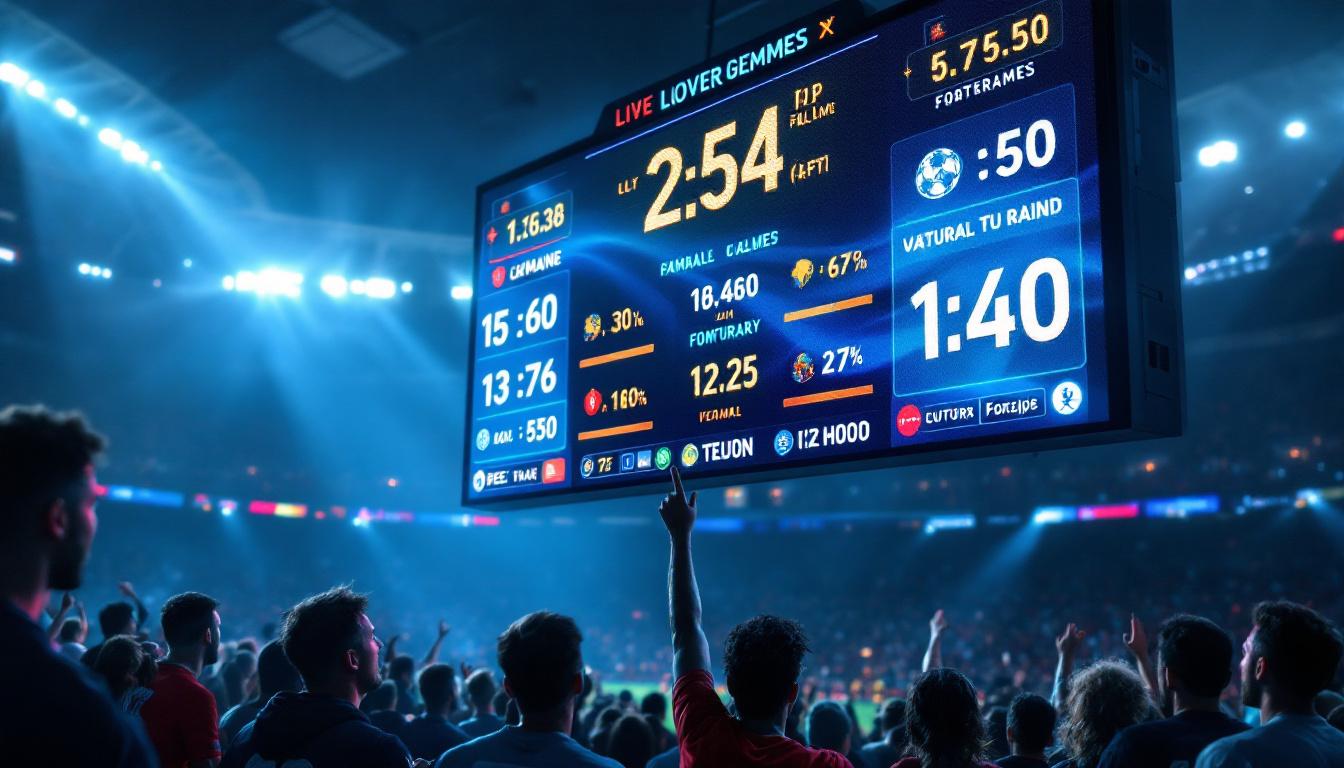
In the fast-paced world of football, where every second counts and every play is scrutinized by fans and coaches alike, the scoreboard is more than just a timekeeper. It’s a central hub of information, a beacon that keeps everyone informed and engaged throughout the game. Over the past few decades, traditional mechanical and analog scoreboards have largely been replaced by sophisticated digital LED displays. These modern scoreboards not only provide real-time scores and time updates but also enhance the overall stadium experience with dynamic visuals and interactive features.
This article delves into the technology behind digital football scoreboards, focusing on LED displays. It explains how these systems work, their advantages, and why they have become the preferred choice for football stadiums worldwide. Whether you’re a stadium manager, sports technology enthusiast, or simply curious about how those bright numbers and graphics appear so seamlessly, this comprehensive guide will shed light on the subject.
Understanding LED Technology in Football Scoreboards
What is an LED Display?
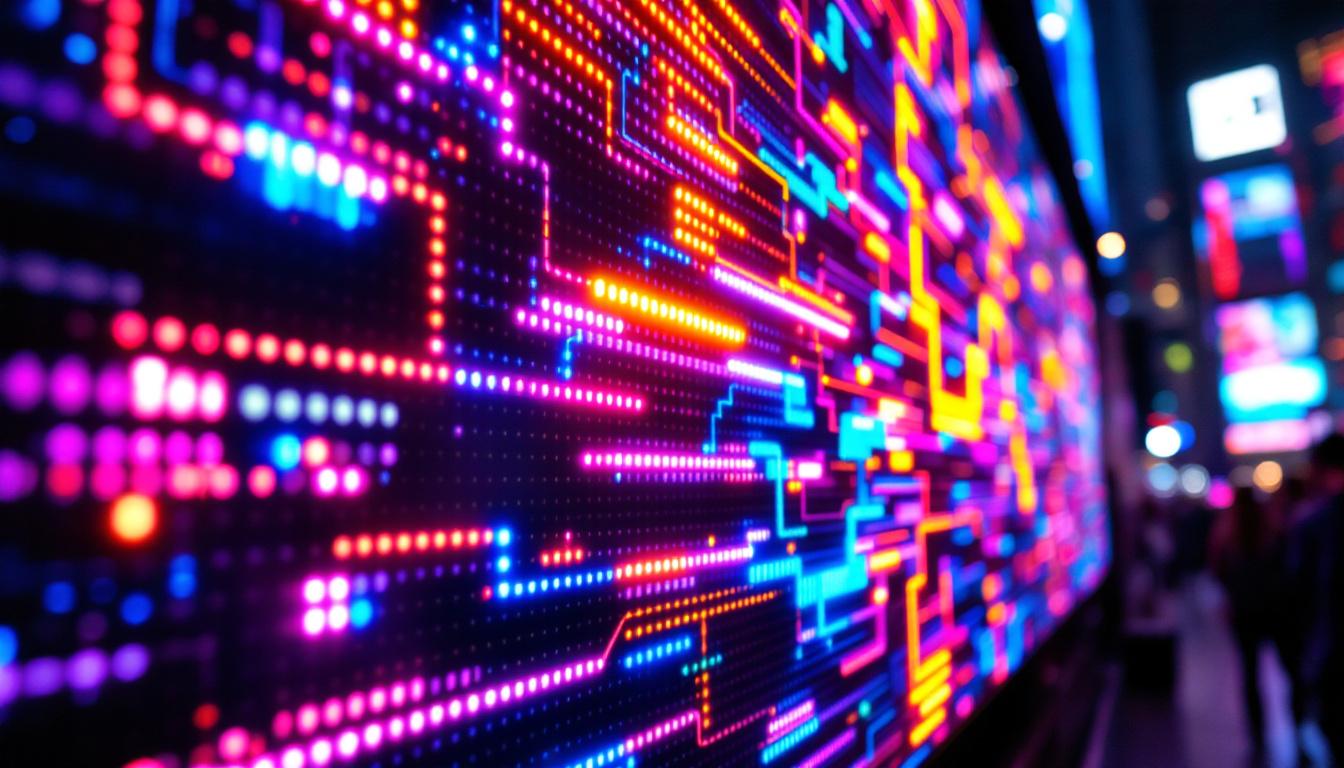
LED stands for Light Emitting Diode, a semiconductor device that emits light when an electric current passes through it. LED displays are composed of many tiny LEDs arranged in a grid to form pixels. These pixels can light up in different colors and intensities, creating images, numbers, and animations visible from great distances.
In football scoreboards, LED technology allows for bright, clear, and highly visible displays that can be seen even under direct sunlight. This is crucial for outdoor stadiums where lighting conditions vary throughout the day and night. The ability to adjust brightness dynamically ensures that the scoreboard remains legible regardless of the time of day or weather conditions, which is essential for maintaining an engaging spectator experience. Furthermore, the longevity of LED technology means that these displays can withstand the rigors of outdoor environments, reducing maintenance costs and downtime.
Types of LED Displays Used in Scoreboards
There are primarily two types of LED displays used in football scoreboards: single-color and full-color (RGB) LED displays.
- Single-color LED displays: Typically use red or amber LEDs and are used to show scores, time, and basic numeric information. They are cost-effective and energy-efficient but limited in visual appeal.
- Full-color LED displays: Use red, green, and blue LEDs to create a wide spectrum of colors. These displays can show detailed graphics, animations, advertisements, and live video feeds, enhancing the fan experience significantly.
Modern football stadiums often combine both types, using single-color LEDs for essential game information and full-color displays for dynamic content. The integration of full-color displays not only captivates fans with vibrant visuals but also opens up opportunities for sponsorship and advertising, allowing teams to generate additional revenue. Moreover, these displays can be programmed to showcase player statistics, replays, and even fan interactions through social media, creating a more immersive atmosphere. As technology advances, the potential for interactive features, such as augmented reality overlays, is becoming a reality, further enriching the viewing experience for fans both in the stadium and at home.
Key Components of a Digital Football Scoreboard
LED Modules and Panels
The core of any LED scoreboard is the LED module, a small panel containing a matrix of LEDs. Multiple modules are assembled to form larger panels, and these panels are combined to create the full scoreboard. The size and resolution of the scoreboard depend on the number of modules and the pixel pitch—the distance between individual LEDs.
Pixel pitch is a critical factor influencing display clarity. For football scoreboards, a pixel pitch between 10mm and 20mm is common, balancing visibility from a distance with image sharpness. A lower pixel pitch means a higher resolution, which is particularly beneficial for close-up viewing, such as in stadiums with seating near the field. This allows for detailed graphics, animations, and even instant replays to be displayed clearly, enhancing the overall spectator experience.
Control System and Software
The control system is the brain behind the scoreboard. It manages the content displayed on the LED panels, including scores, timers, player stats, and advertisements. Modern systems use specialized software that allows operators to update information in real-time via computers, tablets, or even smartphones.
Advanced control software can integrate with official game timing systems and statistics databases, ensuring accuracy and synchronization. Some systems also support remote operation, enabling centralized control for multiple venues. This capability is particularly useful for organizations that host numerous events across different locations, allowing a single team to manage scoreboards efficiently without needing to be physically present at each site. Additionally, many software solutions offer customizable templates and graphics, enabling teams to create visually appealing displays that resonate with fans and enhance the game-day atmosphere.
Power Supply and Cooling
LED scoreboards require a stable power supply to function reliably. High-quality power units ensure consistent brightness and prevent flickering. Additionally, since LEDs generate heat, especially in large installations, cooling mechanisms such as fans or heat sinks are incorporated to maintain optimal operating temperatures and prolong the lifespan of the display.
Moreover, the power supply system often includes backup solutions, such as uninterruptible power supplies (UPS), to prevent disruptions during critical moments of the game. This redundancy is essential, as even a brief outage could lead to confusion among fans and players alike. Furthermore, the cooling systems are designed not only to protect the electronics but also to ensure that the scoreboard can withstand varying weather conditions, from sweltering summer heat to chilly winter nights, thereby guaranteeing year-round functionality and reliability.
Advantages of LED Digital Scoreboards in Football
Enhanced Visibility and Readability
One of the most significant benefits of LED scoreboards is their superior visibility. Unlike traditional scoreboards that rely on painted numbers or incandescent bulbs, LED displays are bright and easily readable from all seating areas, regardless of lighting conditions. This is especially important in large stadiums where spectators are seated far from the scoreboard. The clarity of the LED screens ensures that fans can quickly grasp the current score, time remaining, and other critical game information without straining their eyes. Moreover, the high contrast and vibrant colors of LED technology allow for better differentiation between teams, enhancing the overall viewing experience.
Dynamic Content and Interactivity
LED scoreboards can display more than just scores and time. They can show player statistics, instant replays, sponsor advertisements, and interactive fan messages. This versatility transforms the scoreboard into a multi-functional entertainment platform, enhancing fan engagement and generating additional revenue streams for stadium operators. For instance, during halftime, the scoreboard can showcase highlight reels or fan polls, encouraging audience participation. Additionally, the ability to integrate social media feeds allows fans to see their tweets or posts displayed live, creating a more immersive and interactive atmosphere that keeps the energy high throughout the game.
Durability and Low Maintenance
LED displays are known for their durability and long operational life, often exceeding 100,000 hours. They are resistant to weather conditions such as rain, snow, and extreme temperatures, making them ideal for outdoor football stadiums. Maintenance is generally minimal compared to mechanical or bulb-based scoreboards, reducing operational costs. Furthermore, many modern LED scoreboards are designed with modular components, allowing for easy repairs and upgrades without the need for complete replacements. This adaptability ensures that stadiums can keep up with technological advancements and maintain high-quality displays over time, providing fans with the best possible viewing experience.
Energy Efficiency
LEDs consume significantly less power than traditional lighting technologies. This energy efficiency translates into lower electricity bills and a smaller environmental footprint, aligning with the growing emphasis on sustainability in sports venues. The reduced energy consumption not only benefits the stadium’s operational budget but also supports broader initiatives aimed at reducing carbon emissions in the sports industry. Many stadiums are now incorporating solar panels and other renewable energy sources to power their LED scoreboards, further enhancing their commitment to sustainability. This eco-friendly approach resonates with fans who are increasingly concerned about environmental issues, fostering a positive image for teams and venues alike.
Installation and Maintenance Considerations
Site Assessment and Customization
Before installing a digital LED scoreboard, a thorough site assessment is essential. Factors such as viewing distance, ambient lighting, mounting structures, and electrical infrastructure must be evaluated. Customizing the scoreboard size, resolution, and features ensures optimal performance and user experience.
Regular Maintenance Protocols
While LED scoreboards require less maintenance than older technologies, regular checks are necessary to maintain peak performance. This includes cleaning the LED panels to remove dust and debris, inspecting power supplies and connectors, and updating software to fix bugs or add new features.
Technical Support and Upgrades
Partnering with a reputable scoreboard manufacturer or service provider ensures access to technical support and timely upgrades. As technology evolves, upgrading components such as control software or LED modules can extend the scoreboard’s lifespan and capabilities.
The Future of Digital Scoreboards in Football
Integration with Smart Stadium Technologies
Digital scoreboards are increasingly becoming part of the broader smart stadium ecosystem. Integration with mobile apps, augmented reality (AR), and real-time analytics enables personalized fan experiences and improved game-day operations.
Higher Resolution and Flexible Displays
Advancements in LED technology are driving the development of higher-resolution and flexible displays. This allows for more detailed graphics and innovative scoreboard designs that can curve or wrap around stadium structures, creating immersive visual experiences.
Environmental Sustainability
Future digital scoreboards will likely emphasize eco-friendly materials, energy harvesting technologies, and improved recyclability. These innovations support the global push towards greener sports venues.
Conclusion
Digital LED scoreboards have revolutionized the way football games are presented and experienced. Their superior visibility, versatility, and durability make them indispensable in modern stadiums. Understanding the technology behind these displays helps stakeholders make informed decisions about installation, maintenance, and upgrades.
As football continues to evolve with technology, digital scoreboards will play a central role in enhancing fan engagement and operational efficiency. Investing in high-quality LED display systems is not just about keeping score—it’s about creating an unforgettable game-day atmosphere that resonates with fans and players alike.
Illuminate Your Stadium with LumenMatrix
Ready to elevate the game-day experience with unparalleled clarity and dynamic content? Discover how LumenMatrix’s innovative LED display solutions can transform your football stadium into a vibrant hub of excitement and engagement. From the roar of the crowd to the thrill of the play, ensure every moment is captured in stunning detail. Check out LumenMatrix LED Display Solutions today and join the revolution in visual communication.