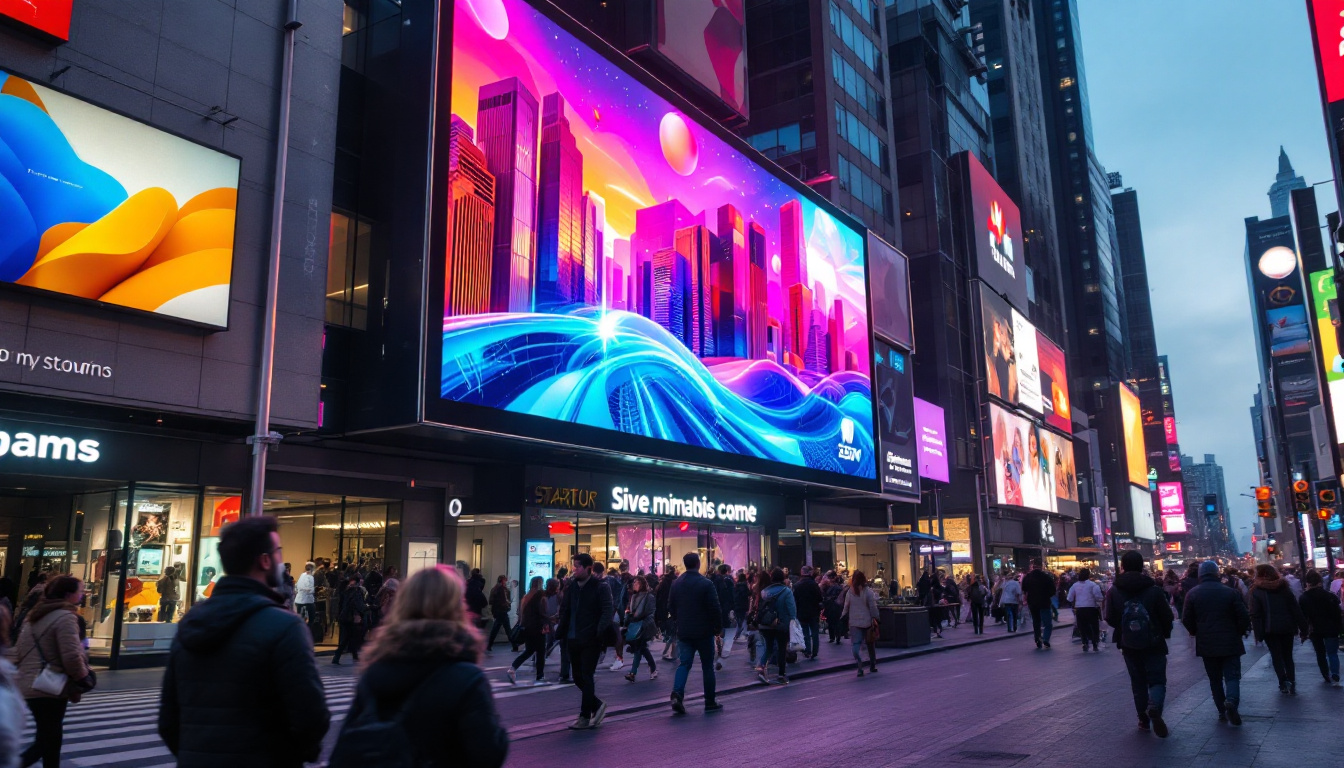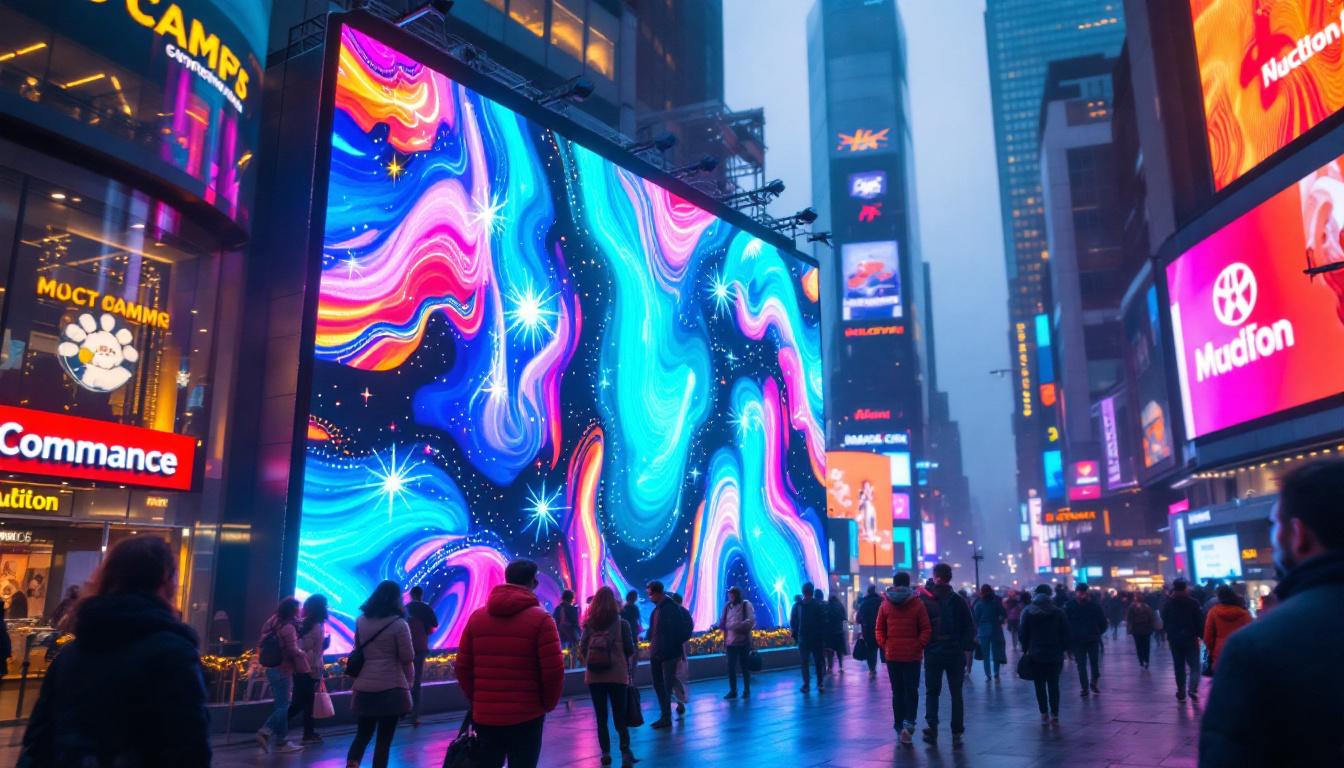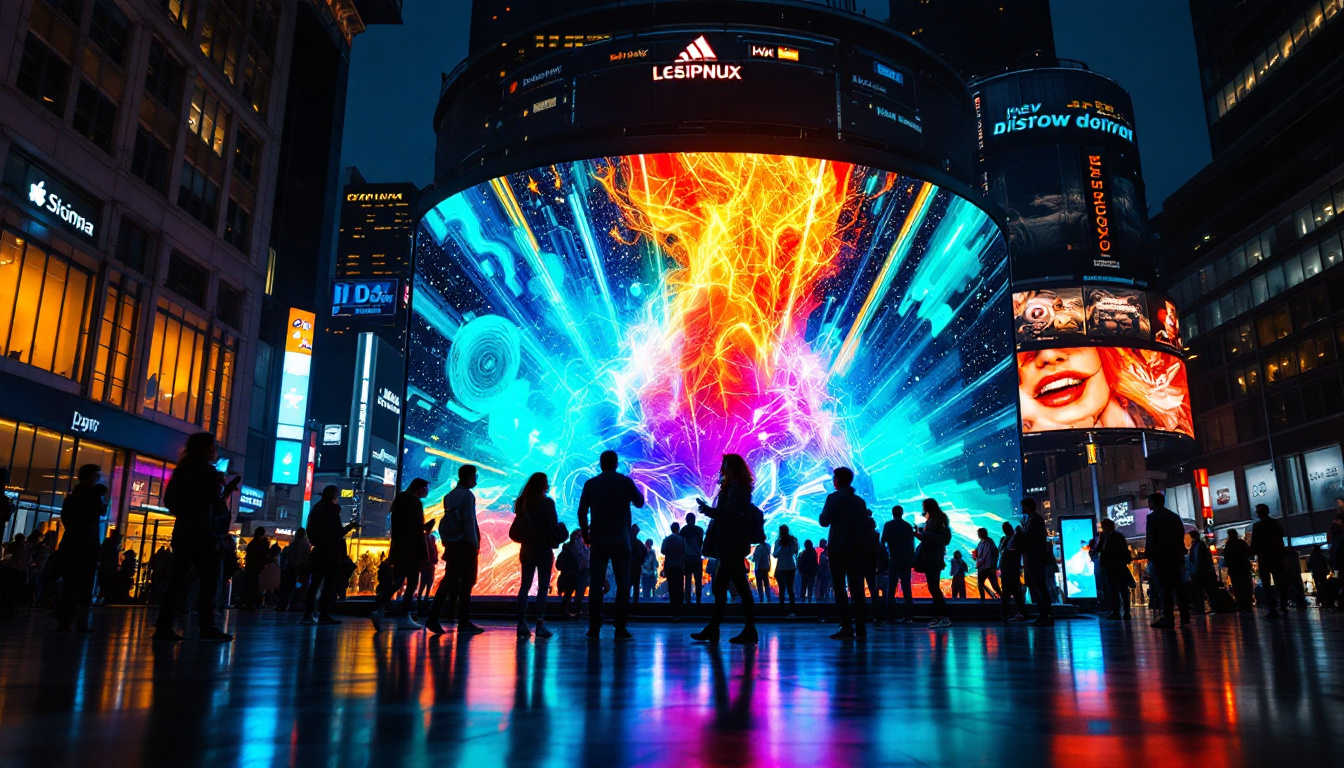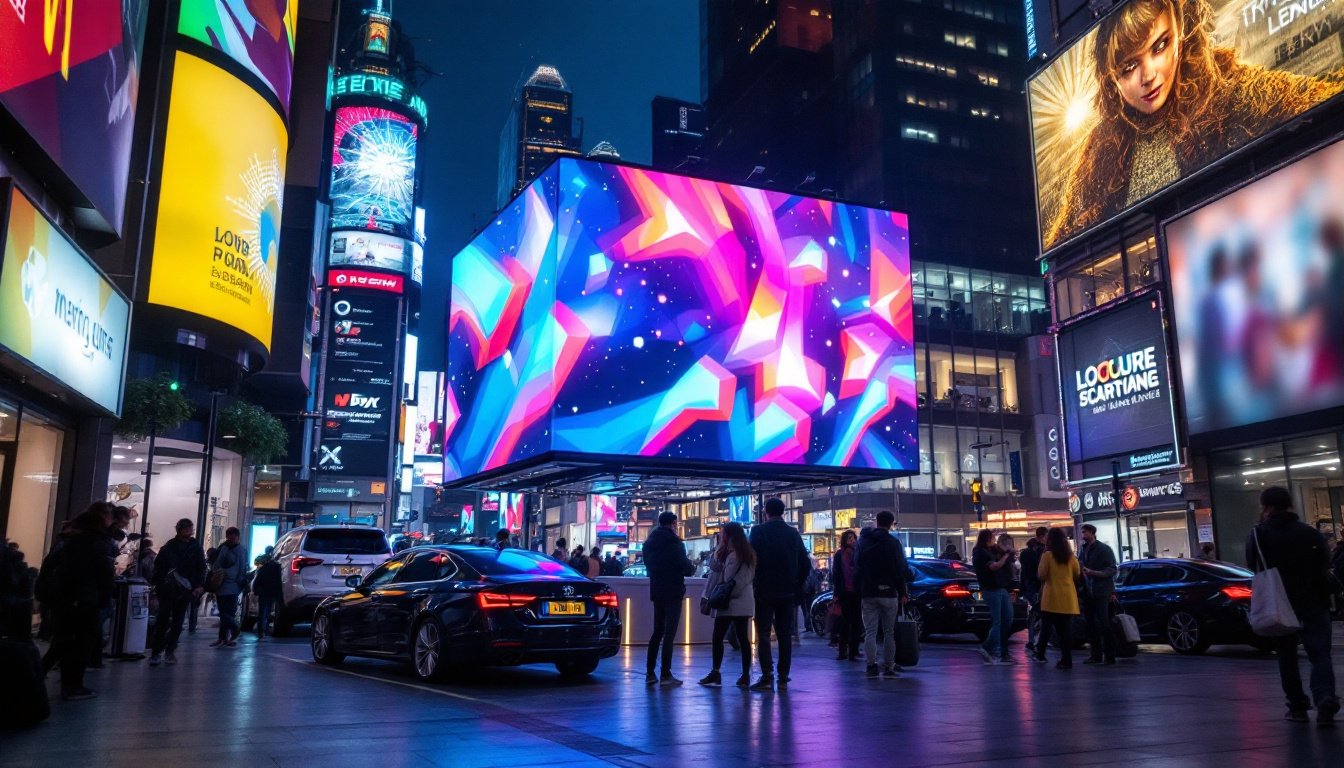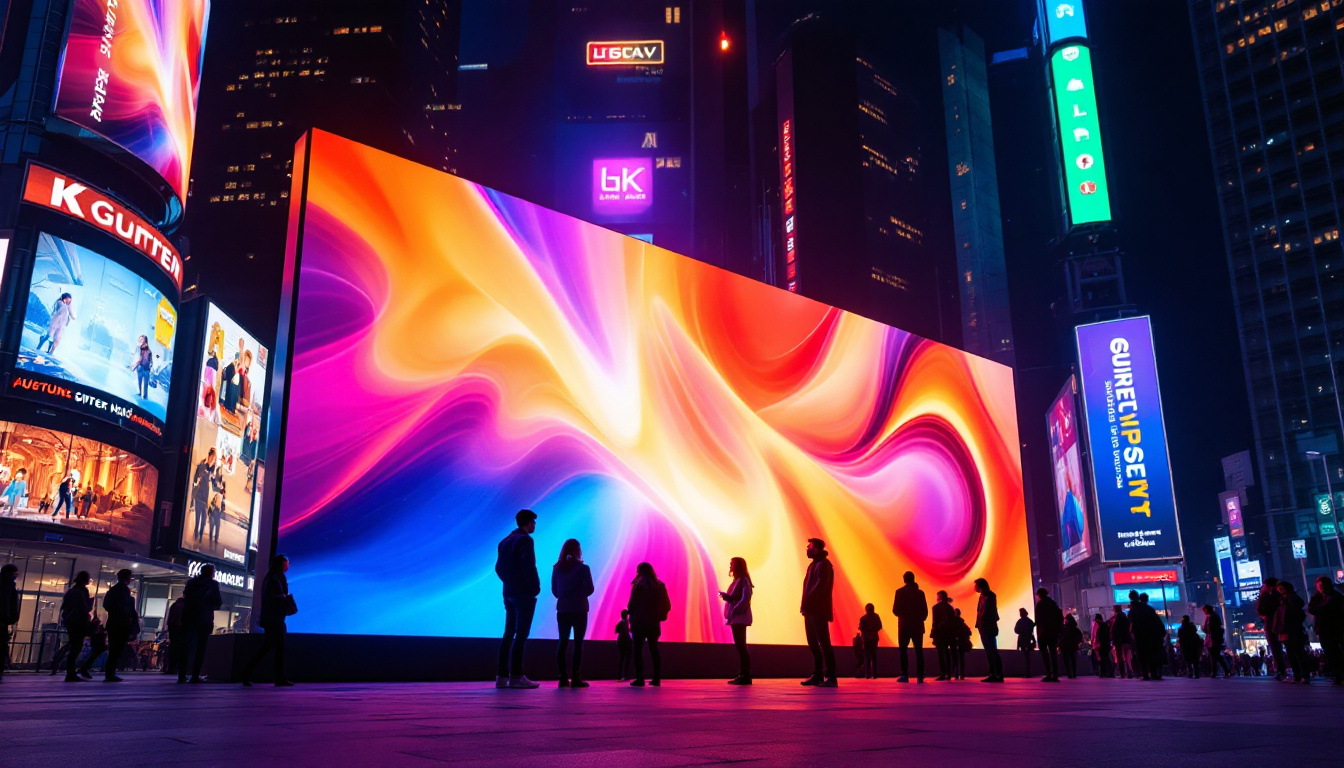
In the rapidly evolving world of advertising, electronic billboards have emerged as a powerful tool for businesses seeking high-impact visibility. LED displays, in particular, have revolutionized outdoor advertising by offering dynamic, eye-catching visuals that can be updated in real time. However, understanding the costs associated with electronic billboards, especially LED displays, is crucial for companies planning to invest in this technology.
This article delves into the various factors influencing the cost of electronic billboards, explains the technology behind LED displays, and provides insights into budgeting for such an investment. Whether you are a marketing professional, business owner, or advertising agency, this comprehensive guide will help you navigate the complexities of LED billboard costs and make informed decisions.
Understanding LED Technology in Electronic Billboards
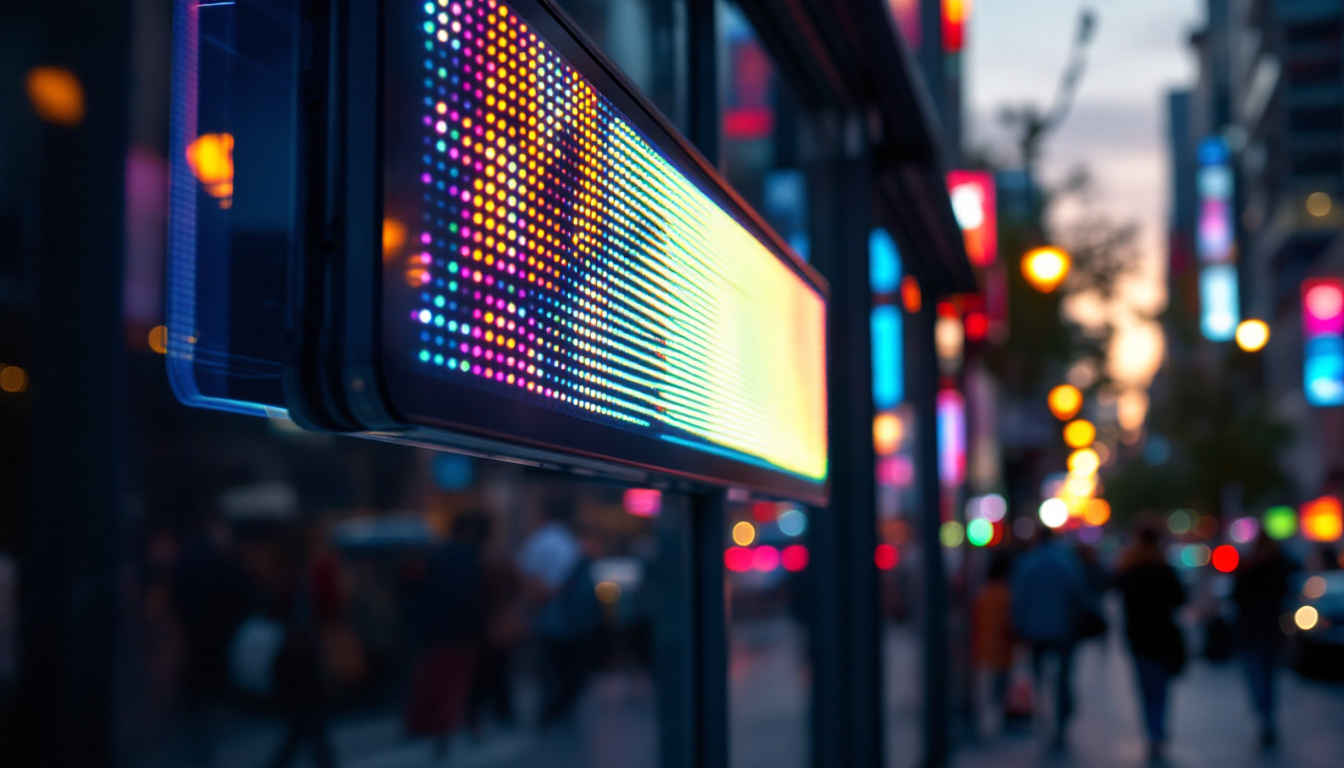
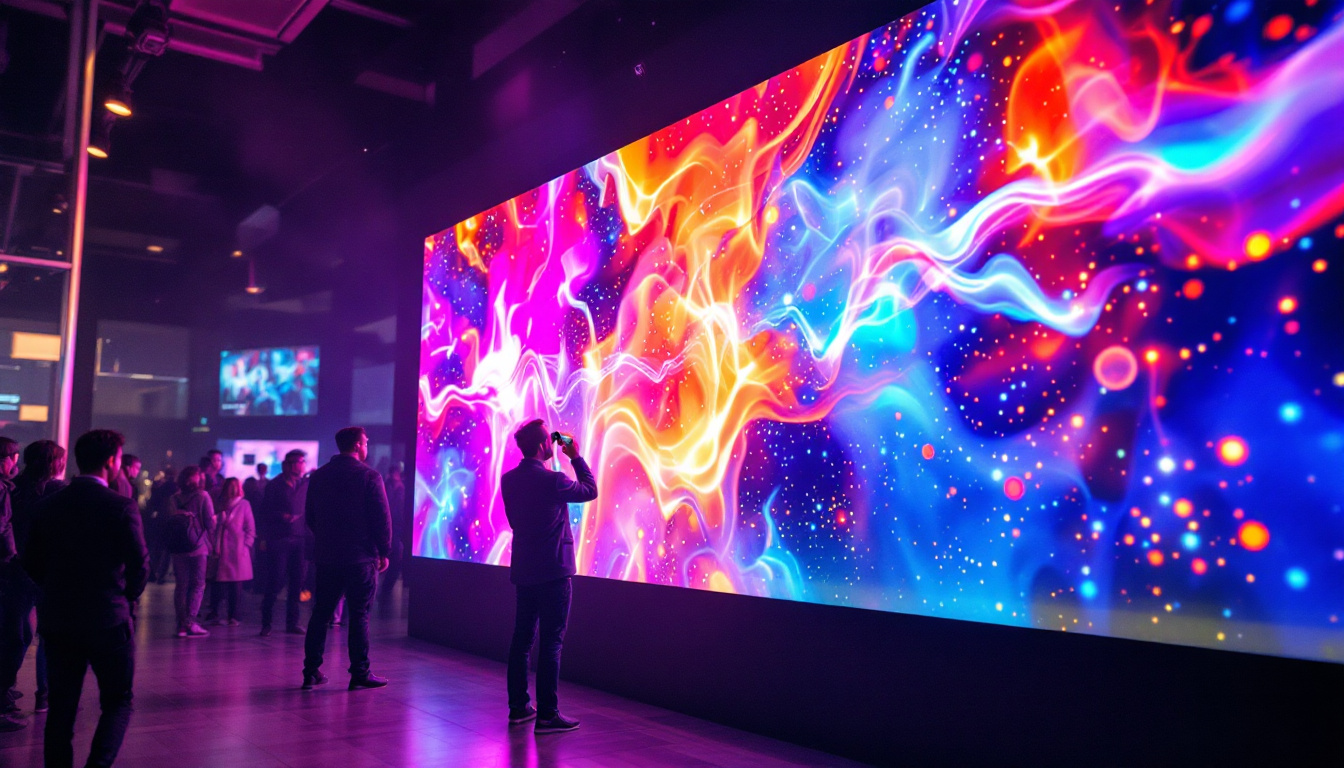
LED, or Light Emitting Diode, technology is at the heart of modern electronic billboards. Unlike traditional static billboards, LED displays use thousands of tiny diodes that emit light when powered, creating vibrant images and videos visible even in bright daylight.
The key advantages of LED technology include high brightness, energy efficiency, and the ability to display dynamic content. These features make LED billboards more engaging and versatile compared to older forms of outdoor advertising. Moreover, the ability to change content quickly allows businesses to adapt their messaging in real-time, responding to current events or promotions, which is a significant advantage in today’s fast-paced marketing environment.
How LED Displays Work
Each LED pixel consists of red, green, and blue diodes that combine to produce a wide spectrum of colors. By controlling the intensity of each diode, the display can render detailed images and videos. The resolution and clarity of the billboard depend on the pixel pitch—the distance between each pixel. Smaller pixel pitches result in higher resolution but also increase the cost. This balance between cost and quality is crucial for advertisers, as it directly impacts the effectiveness of their campaigns.
Modern LED billboards use advanced control systems that allow advertisers to schedule content, adjust brightness based on ambient light, and even interact with viewers through sensors or mobile integration. This interactivity can enhance viewer engagement significantly, as advertisements can be tailored to specific demographics or times of day, making the advertising experience more personal and relevant.
Types of LED Displays Used in Billboards
There are several types of LED displays commonly used in electronic billboards:
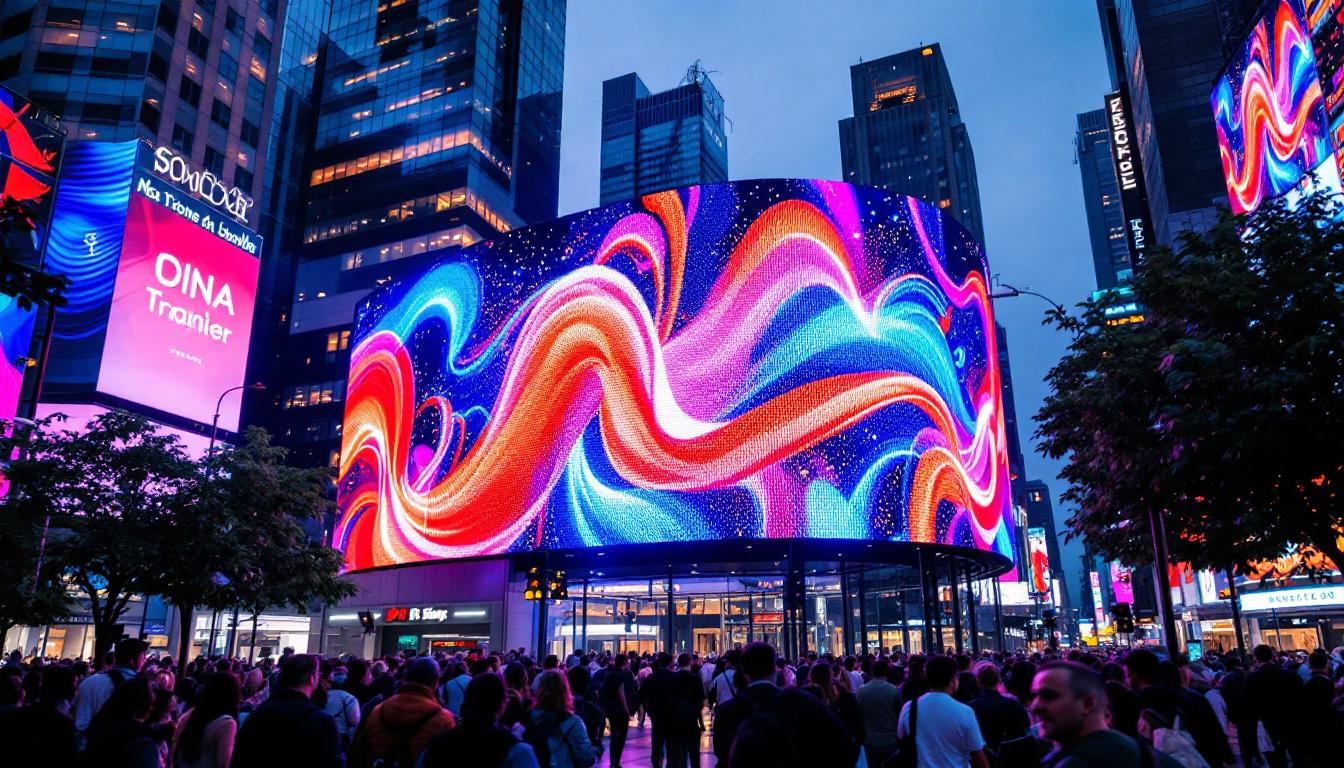
- Outdoor LED Displays: Designed to withstand harsh weather conditions, these displays feature waterproof and dustproof casings, high brightness levels (typically 5,000 to 8,000 nits), and robust construction. Their durability ensures that they can operate continuously in various climates, from scorching heat to heavy rain, making them a reliable choice for outdoor advertising.
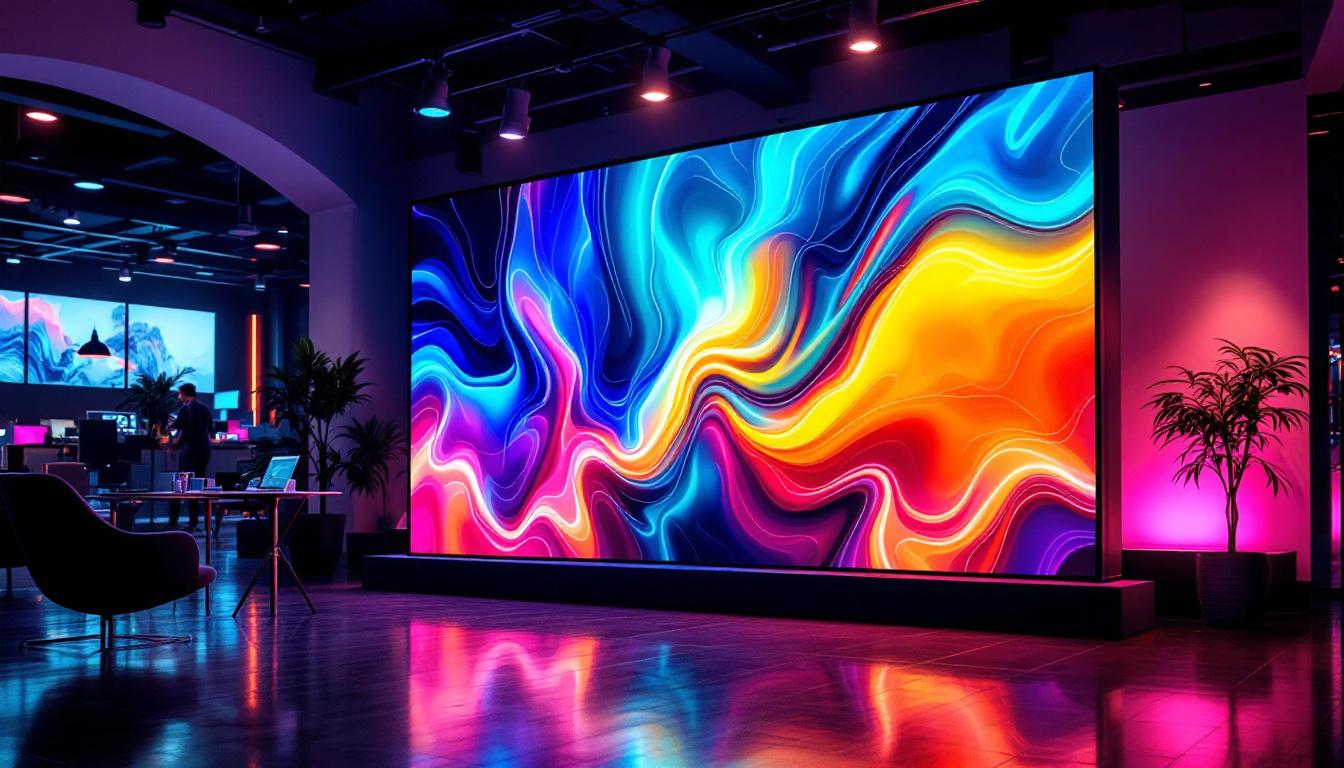
- Indoor LED Displays: Used mainly in shopping malls or transit hubs, these have lower brightness requirements but offer higher resolution for close viewing distances. The clarity and detail of these displays can captivate audiences in confined spaces, often leading to increased foot traffic and sales for nearby businesses.
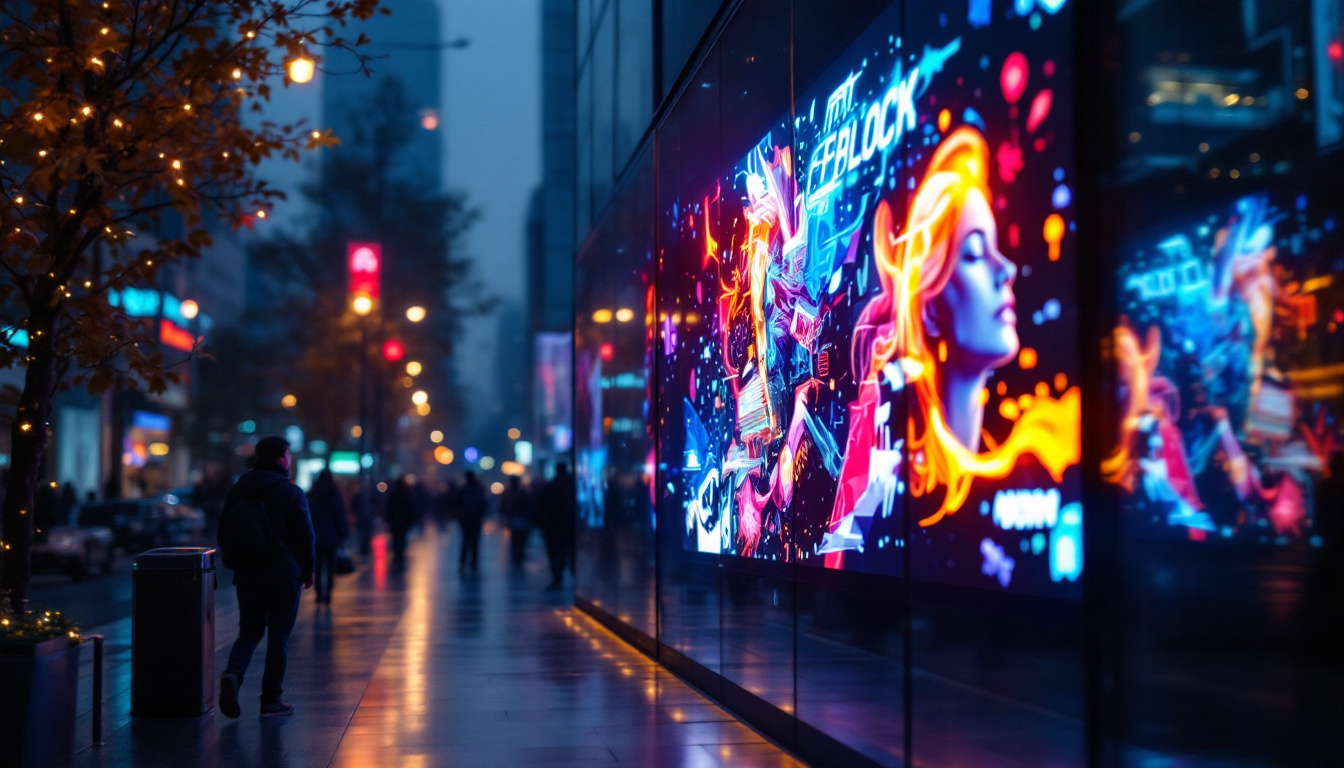
- Transparent LED Displays: These allow light to pass through, making them suitable for glass surfaces and innovative advertising spaces. Their unique design not only serves as a medium for advertisements but also maintains visibility of the environment behind them, creating a seamless blend of advertising and architecture.
Additionally, the rise of smart city initiatives has led to the integration of LED billboards with urban infrastructure. These displays can serve multiple purposes, such as providing real-time information about traffic conditions, public transport schedules, or emergency alerts, while simultaneously showcasing advertisements. This multifunctionality not only enhances the utility of LED billboards but also contributes to a more informed and connected community.
As technology continues to evolve, the future of LED billboards looks promising. Innovations like 3D displays and augmented reality integration are on the horizon, offering even more immersive advertising experiences. Advertisers are excited about the potential to create captivating campaigns that engage audiences in ways never before possible, pushing the boundaries of traditional advertising into a new realm of creativity and interaction.
Key Factors Influencing Electronic Billboard Costs
The cost of an electronic billboard is influenced by multiple variables, ranging from the size and resolution of the display to installation and maintenance expenses. Understanding these factors helps in creating a realistic budget and evaluating return on investment.
Size and Resolution
Size is one of the most straightforward cost drivers. Larger billboards require more LED modules and supporting infrastructure, which increases material and labor costs. For example, a 10-foot by 20-foot billboard will cost significantly less than a 20-foot by 60-foot display.
Resolution, determined by pixel pitch, also impacts cost. A billboard with a 10mm pixel pitch (meaning pixels are 10 millimeters apart) will be less expensive than one with a 4mm pitch, which offers sharper images suitable for closer viewing distances.
Brightness and Weatherproofing
Outdoor LED billboards must be bright enough to compete with sunlight, often requiring brightness levels between 5,000 and 8,000 nits. Higher brightness demands more powerful LEDs and energy consumption, increasing both initial and operational costs.
Additionally, weatherproofing is essential for durability. Waterproof and dustproof enclosures, temperature control systems, and corrosion-resistant materials add to the overall expense but are necessary for long-term performance.
Installation and Infrastructure
Installation costs vary depending on location, mounting type, and local regulations. Urban areas may require permits, traffic control during installation, and specialized mounting structures, all of which add to the cost.
Infrastructure considerations include electrical wiring, power supply units, and data connectivity for content updates. Some locations may need additional groundwork or structural reinforcement, further increasing expenses.
Content Management and Software
Modern LED billboards rely on sophisticated content management systems (CMS) that allow remote scheduling, real-time updates, and integration with data feeds. Licensing fees for CMS software and ongoing subscription costs should be included in the budget.
Some providers offer turnkey solutions that bundle hardware, software, and support, which can simplify management but may come at a premium.
Maintenance and Operating Costs
LED billboards require regular maintenance to ensure optimal performance. This includes cleaning, software updates, and hardware repairs. Annual maintenance contracts typically range from 5% to 10% of the initial installation cost.
Energy consumption is another ongoing expense. While LED technology is energy-efficient compared to older lighting methods, large displays running 24/7 can still incur significant electricity costs.
Typical Cost Breakdown of Electronic LED Billboards
To provide a clearer picture, here is a typical cost breakdown for a mid-sized outdoor LED billboard measuring approximately 14 feet by 48 feet, a common size for highway advertising:
Hardware Costs
The LED panels themselves usually account for 50% to 60% of the total cost. For a billboard of this size, hardware costs can range from $150,000 to $300,000 depending on resolution and brightness.
Installation and Infrastructure
Installation, including mounting structures, electrical work, and permits, typically represents 20% to 30% of the budget. This can range from $50,000 to $100,000 depending on site complexity.
Software and Content Management
CMS software and licensing fees may cost between $5,000 and $15,000 initially, with ongoing subscription fees of $1,000 to $3,000 annually.
Maintenance and Operating Expenses
Annual maintenance contracts generally cost between $10,000 and $25,000. Energy expenses vary widely but can range from $5,000 to $15,000 per year depending on usage and local electricity rates.
Case Studies: Real-World Examples
Examining actual installations can provide valuable insights into the costs and benefits of electronic LED billboards.
Urban Retail District Billboard
A retailer in a busy metropolitan area installed a 12-foot by 36-foot LED billboard with a 6mm pixel pitch. The total project cost was approximately $220,000, including hardware, installation, and software. The billboard’s dynamic content increased foot traffic by 18% within six months, demonstrating a strong return on investment.
Highway Advertising Billboard
An advertising company installed a 14-foot by 48-foot LED billboard along a major interstate highway. The installation cost was about $280,000, with ongoing maintenance and energy costs totaling $30,000 annually. The billboard’s ability to display time-sensitive promotions and real-time traffic alerts attracted premium advertisers, boosting revenue significantly.
Budgeting Tips for Electronic Billboard Projects
Planning and budgeting carefully can help maximize the value of an electronic billboard investment.
Assess Your Advertising Goals
Define clear objectives for your billboard campaign. Are you aiming for brand awareness, event promotion, or direct sales? Your goals will influence the size, resolution, and location of the billboard, which in turn affect cost.
Choose the Right Location
Location is critical for visibility and impact. High-traffic areas command higher installation and permit costs but can deliver better returns. Conduct thorough site analysis to balance cost and exposure.
Consider Total Cost of Ownership
Look beyond the initial purchase price. Factor in installation, software, maintenance, energy, and potential upgrade costs over the billboard’s lifespan, typically 8 to 12 years.
Work with Experienced Providers
Select vendors with proven track records in LED billboard installations. Experienced providers can help navigate regulatory requirements, optimize design, and provide reliable support.
The Future of LED Electronic Billboards
LED technology continues to advance, promising even more cost-effective and innovative advertising solutions.
Improved Energy Efficiency
Newer LED modules consume less power while delivering higher brightness, reducing operational costs. Integration with solar power systems is also becoming more feasible.
Higher Resolution and Flexibility
Smaller pixel pitches and modular designs allow for ultra-high-definition displays and creative shapes, expanding advertising possibilities.
Interactive and Data-Driven Advertising
Future billboards will increasingly incorporate sensors, cameras, and AI to deliver personalized and context-aware content, enhancing engagement and effectiveness.
Conclusion
Electronic billboards with LED displays represent a significant investment but offer unparalleled advantages in visibility, flexibility, and impact. Understanding the technology and the factors influencing cost is essential for making informed decisions and achieving a strong return on investment.
By carefully considering size, resolution, location, and ongoing expenses, businesses can tailor their electronic billboard projects to meet their marketing goals effectively. As LED technology evolves, these dynamic advertising platforms will continue to shape the future of outdoor marketing.
Illuminate Your Brand with LumenMatrix
Ready to take your advertising to the next level with high-impact LED displays? LumenMatrix is at the forefront of LED display technology, offering a wide array of innovative solutions tailored to your needs. From Indoor and Outdoor LED Wall Displays to specialized options like Vehicle, Sports, and Floor LED Displays, we have the tools to bring your brand to life. Embrace the future of visual communication with our Custom, All-in-One, and Transparent LED Displays, designed to captivate your audience and amplify your message. Check out LumenMatrix LED Display Solutions today and transform your advertising strategy with clarity and impact.