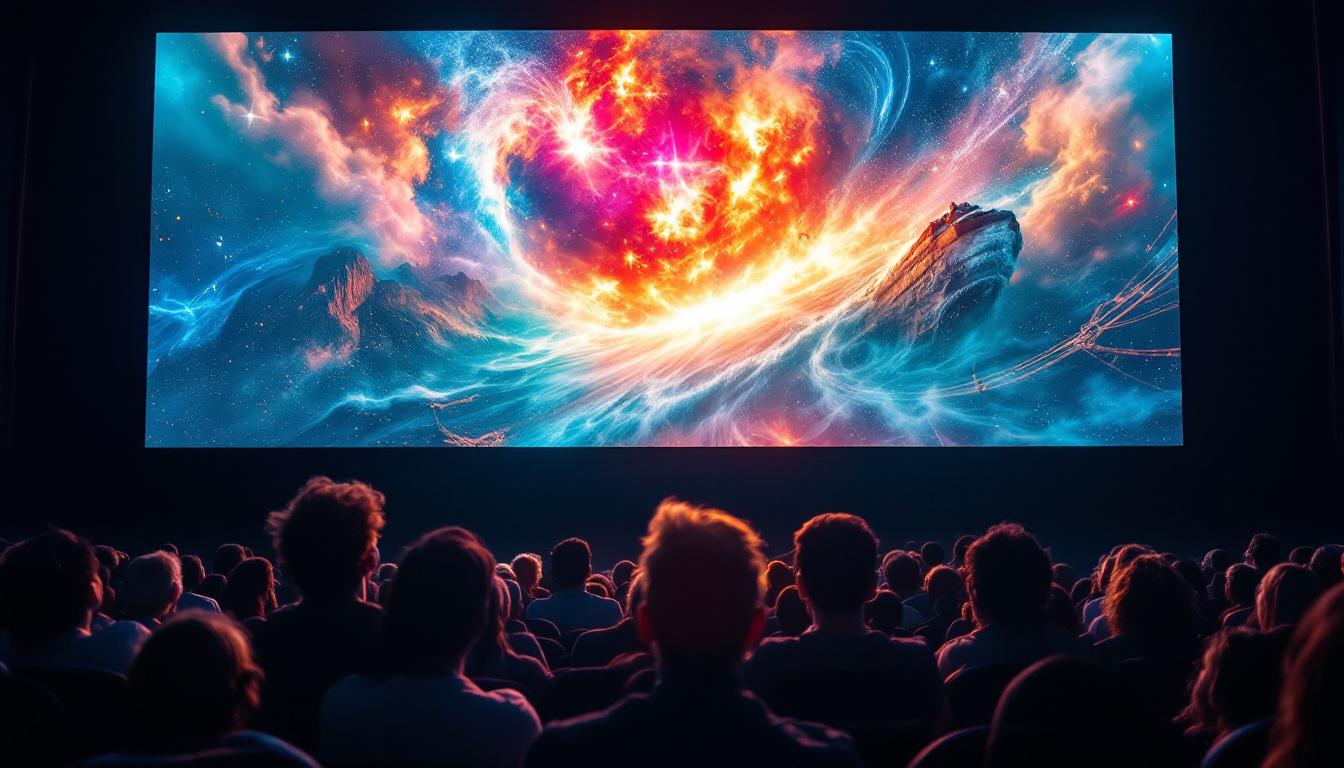
The cinematic experience has evolved dramatically over the past century, from grainy black-and-white films to immersive 3D and IMAX presentations. One of the most significant advancements in recent years is the emergence of massive LED screens in movie theaters, pushing the boundaries of visual clarity, brightness, and scale. This article delves into the world’s biggest movie theater screen, exploring how LED display technology is revolutionizing the way audiences experience films.
The Rise of LED Screens in Cinemas
For decades, movie theaters relied primarily on traditional projection systems, where powerful projectors cast images onto large screens. While these systems have improved over time, they come with inherent limitations, such as reduced brightness in larger venues and image degradation due to ambient light or screen material quality.
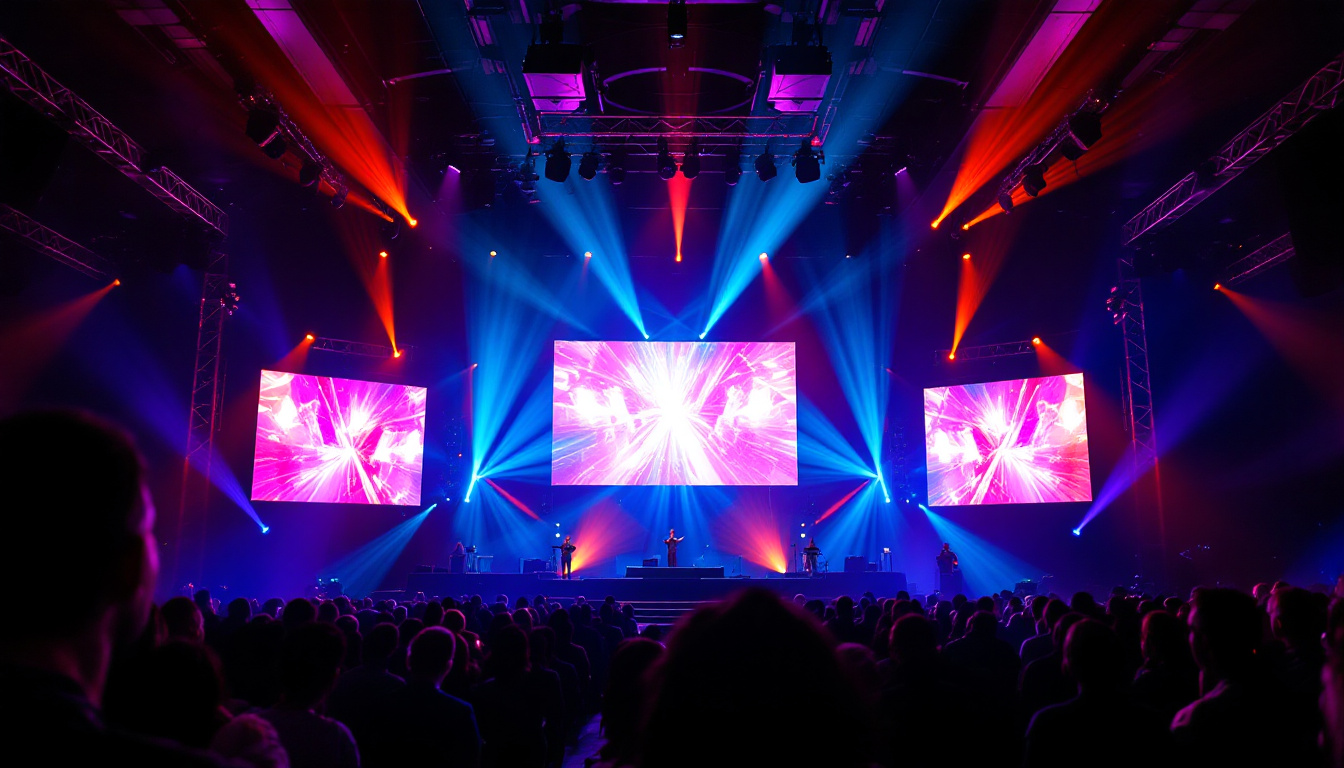
LED (Light Emitting Diode) technology, originally popularized in outdoor advertising and stadium displays, has gradually made its way into cinema settings. Unlike projection, LED screens are self-illuminating, meaning each pixel emits its own light. This results in superior brightness, contrast, and color accuracy, even in brightly lit environments.
The transition to LED screens in theaters represents a paradigm shift, offering filmmakers and audiences a more vivid and immersive viewing experience. This technology also allows for unprecedented screen sizes without the usual compromises associated with projection.
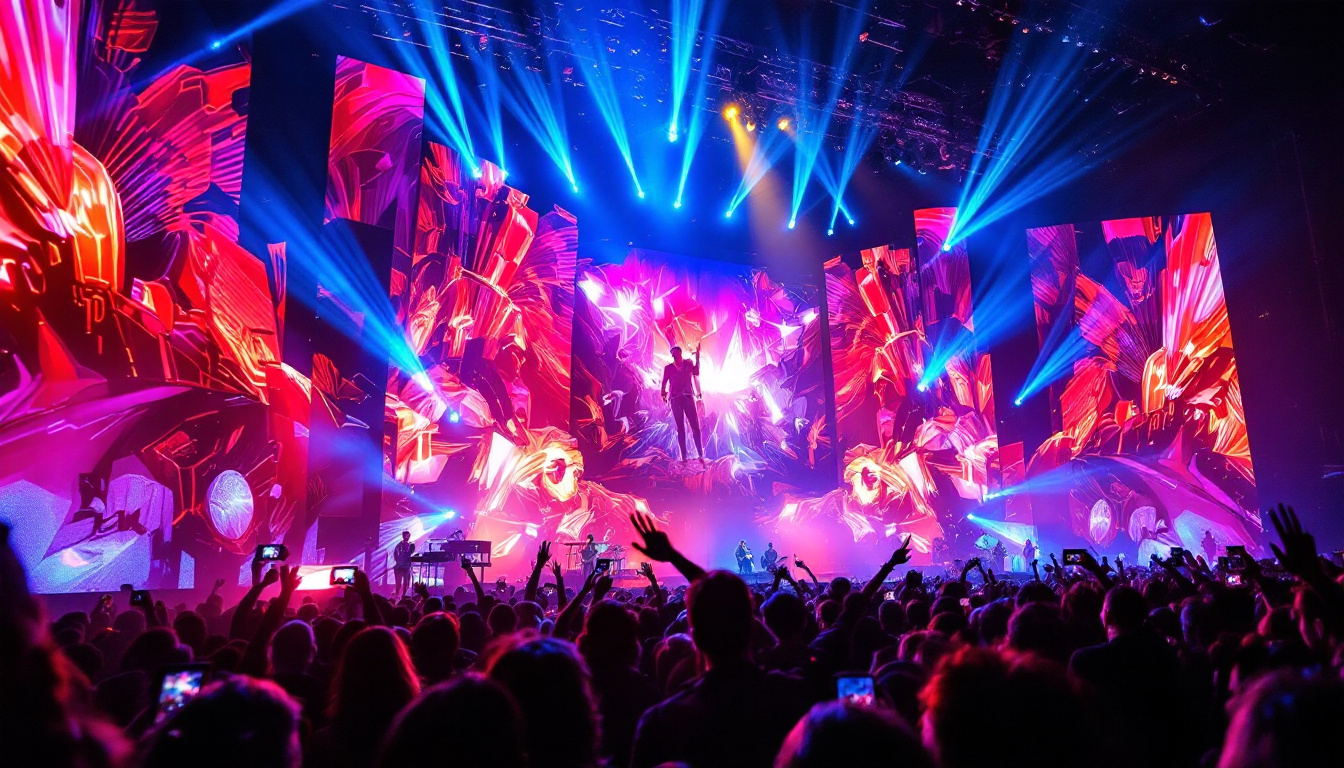
Moreover, LED screens can be configured in various shapes and sizes, enabling creative installations that enhance the storytelling experience. For instance, curved screens can wrap around the audience, immersing them in the film’s world and making them feel part of the action. This flexibility opens up new avenues for filmmakers to experiment with visual narratives, creating a more dynamic relationship between the audience and the content. Additionally, the durability of LED technology means that screens can maintain their quality over time, reducing maintenance costs and ensuring that every showing is as vibrant as the last.
As cinemas continue to adopt LED technology, the potential for enhanced sound integration also emerges. With advancements in audio-visual synchronization, theaters can create a multisensory experience that captivates viewers on multiple levels. The combination of high-definition visuals and immersive soundscapes can transform a standard movie night into an unforgettable event, attracting more audiences and revitalizing the cinema industry in an era where streaming services dominate. This evolution not only enhances the cinematic experience but also redefines the role of theaters as communal spaces for storytelling and entertainment.
The World’s Largest Movie Theater LED Screen: An Overview
Location and Dimensions
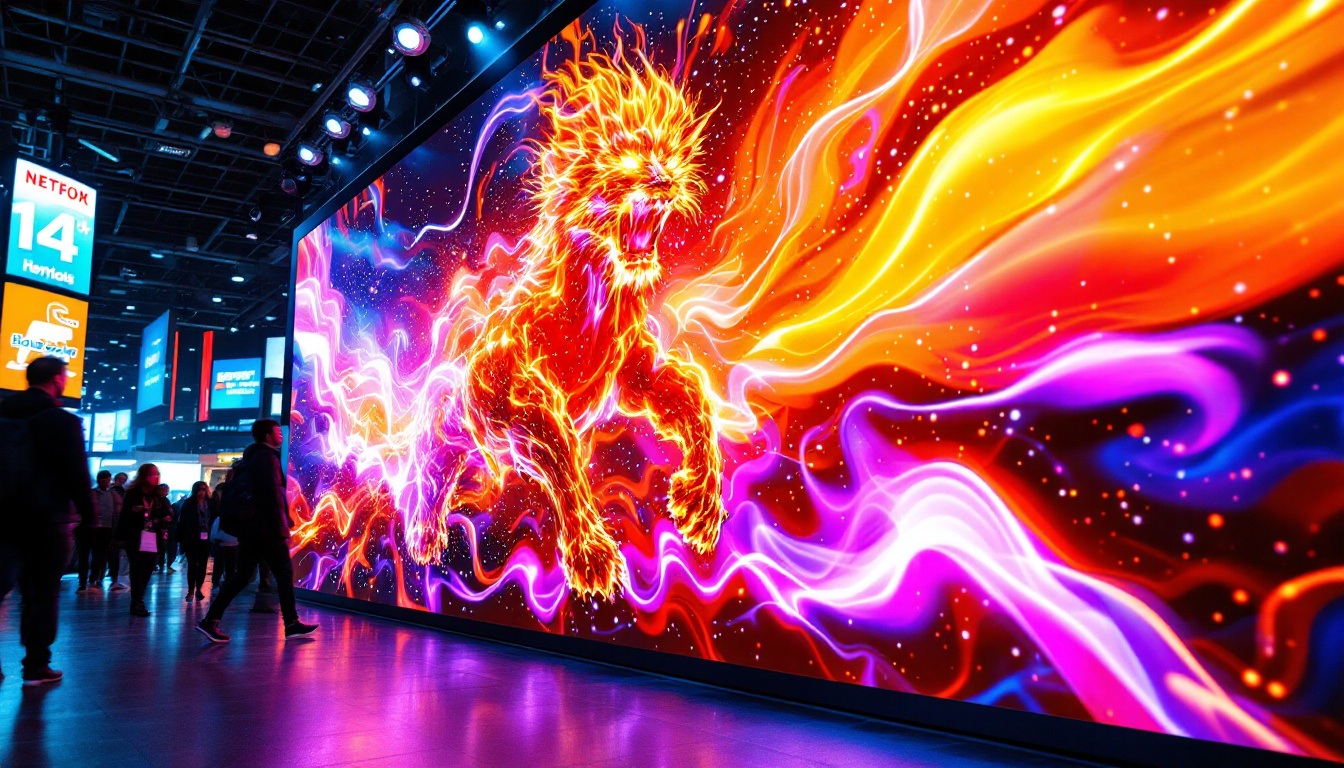
The biggest movie theater screen in the world is located in the United States, specifically at the AMC Theatre in New York City’s flagship venue. This colossal LED screen measures approximately 105 feet wide by 45 feet tall, covering an area of about 4,725 square feet. To put this into perspective, it is roughly the size of a small billboard but designed with much higher pixel density and image quality tailored for cinematic presentations.
These dimensions surpass traditional IMAX screens, which typically max out around 80 feet wide, making this LED screen a groundbreaking development in theater display technology. The sheer scale of the screen not only enhances the viewing experience but also transforms the theater into a visual spectacle, drawing in crowds eager to experience films in a way that feels larger than life. This innovative setup has sparked interest among filmmakers and audiences alike, as it offers an unprecedented platform for storytelling through cinema.
Technical Specifications
The screen utilizes cutting-edge MicroLED technology, which offers several advantages over conventional LED and projection systems. With a pixel pitch of 1.2 millimeters, the screen delivers ultra-high resolution, ensuring that even viewers seated at the back of the theater enjoy crystal-clear images without visible pixelation.
Brightness levels on this screen reach up to 1,000 nits, far exceeding the typical 48-60 nits brightness of traditional cinema projectors. This enhanced luminance allows for vibrant colors and deep blacks, even in scenes with high dynamic range (HDR). The ability to display such a wide range of brightness levels means that filmmakers can create more dynamic visuals, allowing for a richer storytelling experience where every detail is captured and rendered beautifully.
Additionally, the screen supports a wide color gamut, covering over 90% of the DCI-P3 standard, which is the industry benchmark for digital cinema color reproduction. This means the colors are more lifelike and immersive, closely matching what filmmakers intend. The technology behind this screen also includes advanced image processing capabilities that enhance motion clarity and reduce blur, making fast-paced action sequences and intricate visual effects appear smooth and captivating. As a result, audiences are not just watching a film; they are experiencing it in a way that engages all their senses, making each visit to the theater an unforgettable event.
How LED Technology Enhances the Moviegoing Experience
Superior Brightness and Contrast
One of the most noticeable benefits of LED screens is their ability to produce much higher brightness levels compared to traditional projection. This is crucial for HDR content, where scenes transition from dark shadows to bright highlights. The LED screen’s high brightness ensures that no detail is lost in either extreme, making the viewing experience more dynamic and engaging.
Moreover, LED displays offer true blacks because individual pixels can be turned off completely. This contrasts with projection systems, where ambient light and screen reflectivity can cause blacks to appear grayish or washed out. The result is a higher contrast ratio, which significantly enhances image depth and realism.
Uniform Image Quality Across the Theater
Traditional projectors can suffer from issues like light falloff, where the image appears dimmer towards the edges or back of the theater. LED screens, being self-illuminating and uniformly lit, provide consistent brightness and color accuracy across the entire viewing area. This ensures that every seat in the house offers a premium experience.
Reduced Maintenance and Longevity
LED screens have a longer lifespan than projector lamps, which typically need replacement after a few thousand hours of use. This reduces downtime and maintenance costs for theaters. Additionally, LED screens are less susceptible to issues like dust accumulation and mechanical failures, contributing to more reliable operation.
Challenges and Considerations in Implementing Massive LED Screens
Cost and Installation Complexity
Building the world’s largest LED movie theater screen is a costly endeavor. The materials, manufacturing, and installation require significant investment, often running into millions of dollars. The screen’s modular design involves thousands of individual LED panels, each meticulously calibrated to ensure seamless image quality.
Installation can be complex, requiring structural reinforcements to support the screen’s weight and integration with theater acoustics and lighting. The theater must also upgrade its content delivery systems to handle the high-resolution video streams necessary for such a large display.
Content Creation and Compatibility
While LED screens offer superior image quality, filmmakers and studios must adapt their content to leverage the technology fully. This includes mastering films in HDR and wider color gamuts, as well as ensuring that the aspect ratios and resolutions align with the screen’s specifications.
Currently, not all movies are produced with LED cinema screens in mind, which can limit the availability of optimized content. However, as the technology gains traction, more studios are expected to embrace these standards.
Audience Adaptation and Viewing Habits
Large LED screens can alter traditional viewing dynamics. For example, the intense brightness and vivid colors may require viewers to adjust their expectations and seating preferences. Some audiences might find the experience more immersive, while others could perceive it as overwhelming if not calibrated properly.
Theaters must balance these factors to ensure that the LED screen enhances rather than detracts from the moviegoing experience.
The Future of Cinema Screens: Beyond the Largest LED Display
Emerging Technologies and Innovations
While the current largest LED screen sets a new benchmark, the future promises even more exciting developments. Technologies such as MicroLED and OLED continue to evolve, offering higher pixel densities, better energy efficiency, and flexible form factors.
Some experimental theaters are exploring curved and wraparound LED screens that envelop the audience, creating a 270-degree or even 360-degree viewing environment. This could redefine immersion, making viewers feel as if they are inside the movie itself.
Integration with Virtual and Augmented Reality
The combination of massive LED screens with virtual reality (VR) and augmented reality (AR) technologies could open new storytelling possibilities. For instance, interactive films where the audience influences the narrative or experiences multi-sensory environments synchronized with the visuals.
Such integrations will require sophisticated synchronization between the LED displays and VR/AR hardware but hold the potential to transform cinema into a truly participatory medium.
Environmental and Energy Considerations
Large LED screens consume significant power, raising concerns about environmental impact. However, advancements in LED efficiency and smart energy management systems are helping theaters reduce their carbon footprint.
Future designs may incorporate renewable energy sources or adaptive brightness controls that optimize power usage based on ambient conditions and content requirements.
Conclusion: Redefining the Moviegoing Experience with the World’s Largest LED Screen
The introduction of the world’s largest movie theater LED screen marks a milestone in cinematic technology. By combining unprecedented size with superior brightness, contrast, and color fidelity, LED displays are setting new standards for immersive storytelling.
While challenges remain in cost, content adaptation, and audience adjustment, the benefits of LED technology are undeniable. As more theaters adopt this innovation and filmmakers tailor their content accordingly, audiences worldwide can look forward to richer, more vibrant, and more captivating movie experiences.
Ultimately, the biggest LED movie theater screen is not just about scale—it’s about enhancing every frame, every color, and every moment, bringing stories to life like never before.
Experience the Future of Cinema with LumenMatrix
As the cinematic landscape continues to evolve, LumenMatrix stands at the forefront, offering a suite of innovative LED display solutions that redefine the essence of visual storytelling. From the grandeur of Indoor LED Wall Displays to the dynamic Outdoor LED Wall Displays, and the versatility of Custom LED Displays, LumenMatrix is committed to enhancing your cinematic journey. Embrace the next level of immersive movie experiences with our cutting-edge technology that promises to captivate and engage like never before. Check out LumenMatrix LED Display Solutions and be a part of the visual revolution that’s transforming theaters across the globe.