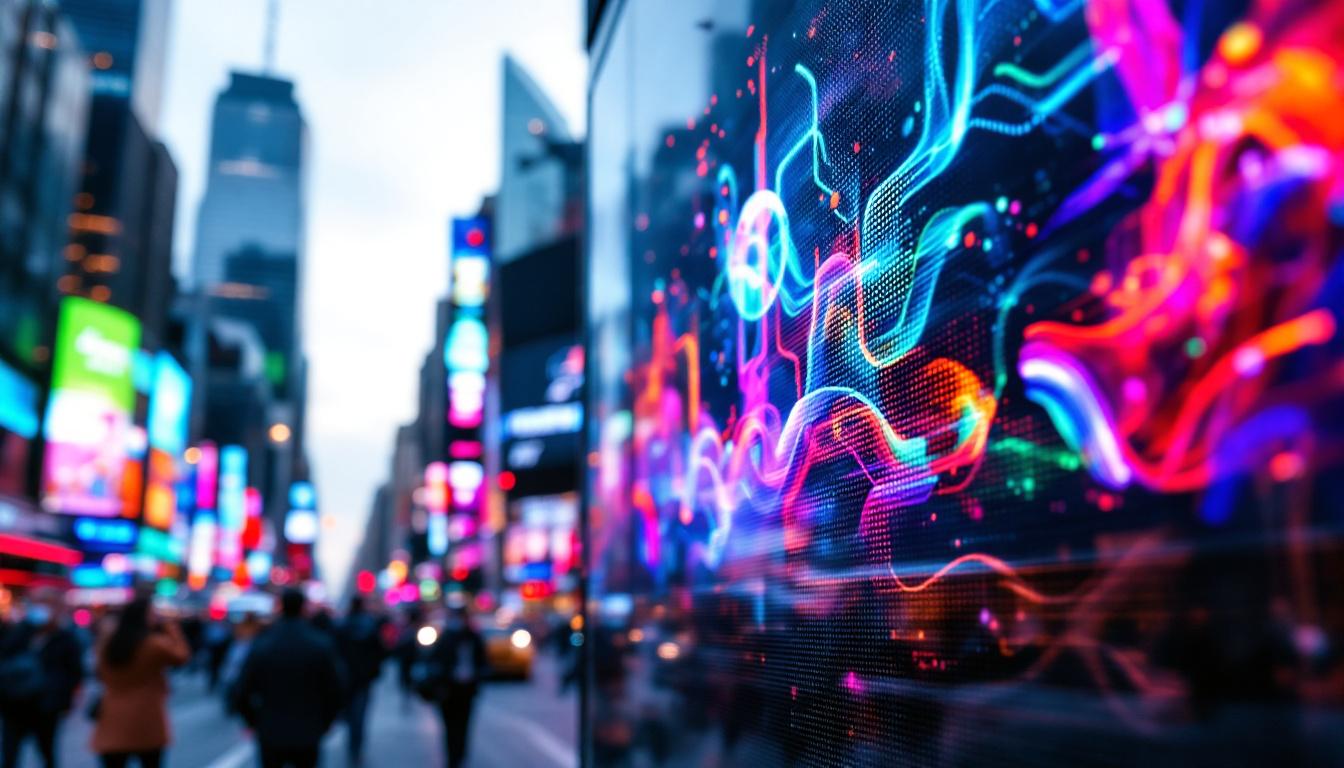
In the rapidly evolving world of display technology, understanding the nuances of LCD resolution and LED displays is essential for consumers, professionals, and tech enthusiasts alike. Whether purchasing a new television, monitor, or digital signage, knowing what resolution means and how LED backlighting influences image quality can make a significant difference in your viewing experience. This article delves into the fundamentals of LCD resolution, the role of LED technology in displays, and how these factors interplay to deliver the vibrant images we see today.
Understanding LCD Resolution: What Does It Mean?
The Basics of LCD Technology
Liquid Crystal Display (LCD) technology has been a cornerstone of modern screens for decades. Unlike older cathode ray tube (CRT) displays, LCDs use liquid crystals sandwiched between two polarizing filters. When an electric current passes through, these crystals align to allow varying amounts of light to pass through, creating images on the screen. However, the clarity and detail of these images largely depend on the resolution of the display.
In addition to their fundamental operation, LCDs are also known for their energy efficiency and slim profile compared to CRTs. This has made them the preferred choice for everything from televisions to smartphones. The advancement of LCD technology has led to the development of various types, such as IPS (In-Plane Switching) and TN (Twisted Nematic), each offering different benefits in terms of color accuracy and response times. As a result, consumers can select displays that not only fit their resolution needs but also their viewing preferences and usage scenarios.
Defining Resolution: Pixels and Their Impact
Resolution refers to the number of pixels displayed on the screen, typically described by the number of horizontal pixels multiplied by the number of vertical pixels. For example, a Full HD display has a resolution of 1920×1080 pixels, meaning it contains 1920 pixels horizontally and 1080 pixels vertically, totaling over 2 million pixels. The higher the resolution, the more pixels there are, resulting in sharper and more detailed images.
Pixels are the smallest units of a digital image, and each pixel can display a specific color. When combined, millions of pixels form the images and videos we see. Therefore, resolution directly influences image sharpness, text clarity, and overall visual fidelity. For instance, 4K resolution (3840×2160 pixels) offers four times the pixel count of Full HD, providing much finer detail, especially noticeable on larger screens. This increase in pixel density not only enhances the viewing experience but also allows for larger displays without compromising image quality, making it ideal for immersive gaming and high-definition movie watching.
Common LCD Resolutions in the Market
LCD displays come in various resolutions tailored to different uses and budgets. Some of the most common include:
- HD (1280×720 pixels): Often found in budget laptops and smaller TVs, suitable for basic viewing needs.
- Full HD (1920×1080 pixels): The standard for most consumer electronics, balancing quality and cost effectively.
- Quad HD (2560×1440 pixels): Popular among gamers and professionals requiring sharper images and more screen real estate.
- 4K Ultra HD (3840×2160 pixels): Increasingly common in high-end TVs and monitors, delivering exceptional clarity and detail.
- 8K Ultra HD (7680×4320 pixels): Emerging technology primarily for commercial and specialized uses, offering unparalleled resolution.
Choosing the right resolution depends on the intended use, screen size, and viewing distance. For example, a 24-inch monitor might not show significant differences between Full HD and 4K at typical desk distances, whereas a 65-inch TV would benefit greatly from higher resolutions to maintain image sharpness. Additionally, the content being viewed plays a critical role; streaming services, gaming consoles, and Blu-ray players often offer content optimized for specific resolutions, enhancing the overall experience. As technology evolves, consumers are increasingly faced with the challenge of balancing cost, performance, and the latest advancements in display technology.
The Role of LED in LCD Displays
What Does LED Mean in Displays?
While LCD refers to the liquid crystal technology used to create images, LED stands for Light Emitting Diode, which is a type of backlighting used in LCD screens. Traditional LCDs used cold cathode fluorescent lamps (CCFLs) for backlighting, but modern displays predominantly use LED backlights due to their efficiency, brightness, and color capabilities.
LED backlighting does not change the fundamental LCD technology but enhances the way light is delivered through the liquid crystals. This distinction is crucial because many consumers mistakenly believe LED TVs are a different type of display, whereas they are essentially LCD panels with LED backlighting. The transition from CCFL to LED has been a significant leap in display technology, allowing manufacturers to create thinner, lighter, and more energy-efficient screens that cater to the demands of modern consumers.
Types of LED Backlighting
LED backlighting comes in several configurations, each affecting display quality differently:
- Edge-lit LED: LEDs are placed along the edges of the screen, and light is diffused across the panel. This design allows for thinner screens and is cost-effective but can sometimes result in uneven brightness.
- Direct-lit LED: LEDs are positioned directly behind the LCD panel, offering more uniform brightness but often resulting in thicker displays.
- Full-array LED: A more advanced form of direct lighting where LEDs are spread evenly across the back panel and can be dimmed in zones (local dimming) to improve contrast and black levels.
- Mini-LED: An emerging technology using thousands of tiny LEDs to provide even more precise local dimming, enhancing contrast and HDR performance significantly.
In addition to these configurations, the advancement of quantum dot technology has further enhanced LED backlighting. Quantum dots are semiconductor nanocrystals that emit specific colors when illuminated by a light source. When combined with LED backlighting, they can produce a broader spectrum of colors, resulting in more vivid and lifelike images. This innovation has paved the way for high-end displays that cater to professional content creators and avid gamers, who require the highest levels of color accuracy and brightness.
Impact of LED Backlighting on Image Quality
LED backlighting affects several aspects of display performance:
- Brightness: LEDs can achieve higher brightness levels compared to CCFLs, making screens more visible in well-lit environments.
- Color Accuracy: LED backlights can be tuned to produce a wider color gamut, resulting in more vibrant and true-to-life colors.
- Contrast Ratio: With technologies like local dimming, LED backlighting can enhance contrast by dimming dark areas while keeping bright areas illuminated.
- Energy Efficiency: LEDs consume less power than CCFLs, contributing to longer device battery life and lower electricity bills.
Moreover, the advantages of LED backlighting extend beyond just visual quality; they also influence the longevity of the displays. LED technology is known for its durability, which means that screens can maintain their brightness and color accuracy over time, reducing the need for frequent replacements. This reliability is particularly beneficial in commercial settings, where displays are used extensively and require consistent performance. As the technology continues to evolve, we can expect even more innovations that will further enhance the viewing experience, making LED backlighting an integral part of modern display technology.
How LCD Resolution and LED Backlighting Work Together
Enhancing Visual Experience Through Synergy
The combination of high LCD resolution and advanced LED backlighting technologies defines the overall quality of modern displays. High resolution ensures detailed and sharp images, while LED backlighting enhances brightness, contrast, and color accuracy. This synergy is particularly important in applications such as gaming, professional photo and video editing, and home theaters, where image quality is paramount.
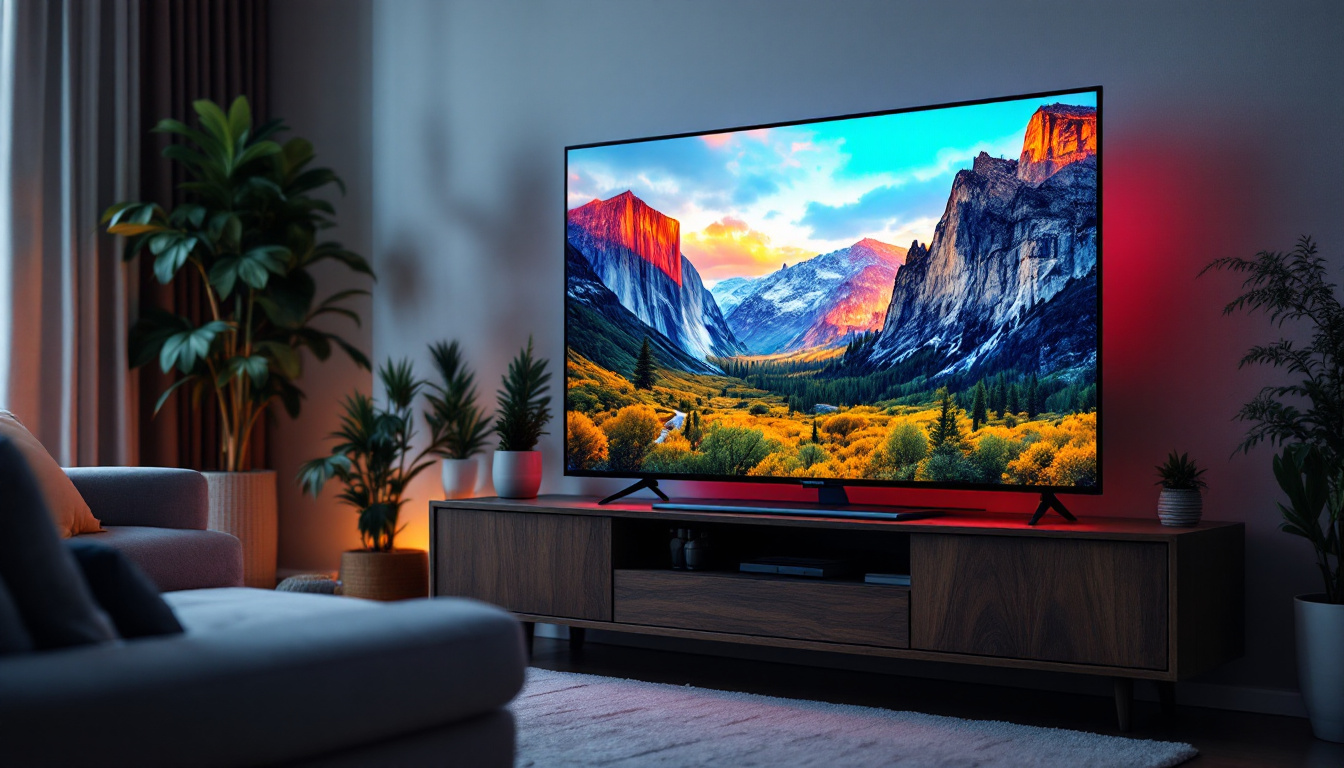
For example, a 4K LCD panel paired with full-array local dimming LED backlighting can deliver stunning visuals with deep blacks and vibrant colors, elevating the viewing experience beyond what resolution alone can achieve.
Considerations for Buyers: Resolution vs. Backlighting
When selecting a display, understanding the balance between resolution and backlighting technology is critical. A high-resolution screen with poor backlighting may suffer from washed-out colors and low contrast, while a lower-resolution display with excellent LED backlighting might offer a more visually pleasing experience in certain contexts.
Additionally, the content being viewed plays a role. Streaming services and gaming consoles are increasingly supporting 4K and HDR content, which benefits from both high resolution and superior backlighting. Conversely, for everyday tasks like browsing or office work, Full HD resolution with standard LED backlighting may suffice.
Emerging Trends and Future Directions in LCD and LED Displays
Mini-LED and Micro-LED Technologies
Mini-LED technology is revolutionizing LED backlighting by using thousands of smaller LEDs to achieve finer control over brightness and contrast. This results in displays with better HDR performance, deeper blacks, and less blooming around bright objects. Many high-end monitors and TVs now incorporate mini-LED backlights, offering a significant step up from traditional full-array LED designs.
Micro-LED, a more futuristic technology, integrates microscopic LEDs directly into the display panel, potentially eliminating the need for a separate backlight. This approach promises exceptional brightness, contrast, and energy efficiency, rivaling OLED displays without their drawbacks such as burn-in. Although still in early stages and costly, micro-LED is poised to shape the future of display technology.
Higher Resolutions and Beyond
While 4K resolution has become mainstream, 8K displays are gradually entering the market, primarily targeting large-screen TVs and professional applications. Despite limited native 8K content currently available, advancements in upscaling algorithms and content production are expected to drive adoption.
Moreover, innovations in display panels, such as quantum dot technology, are enhancing color reproduction and brightness, complementing both resolution and LED backlighting improvements.
Conclusion: Making Informed Choices in Display Technology
Understanding LCD resolution and LED display technology is vital for making informed decisions when purchasing or evaluating screens. Resolution determines the sharpness and detail of images, while LED backlighting influences brightness, color accuracy, and contrast. Together, they shape the overall visual experience.
As technology advances, options like mini-LED and micro-LED promise even greater enhancements, pushing the boundaries of what LCD displays can achieve. Consumers should consider their specific needs, content types, and viewing environments to select the most suitable combination of resolution and backlighting technology.
In an era where screens are central to work, entertainment, and communication, grasping these concepts ensures that investments in display technology deliver the best possible performance and satisfaction.
Discover the Future of Visual Display with LumenMatrix
Ready to experience the ultimate in display technology? LumenMatrix is at the forefront of LED innovation, offering a wide array of cutting-edge LED display modules that bring your visual communication to life. Whether you’re looking for an Indoor LED Wall Display, a dynamic Outdoor LED Wall Display, or specialized solutions like Vehicle LED Displays and LED Sports Displays, LumenMatrix has the perfect fit for your needs. Elevate your brand’s visibility and captivate your audience with our vibrant and energy-efficient LED solutions. Don’t just take our word for it; check out LumenMatrix LED Display Solutions today and see how we can transform your space with unparalleled clarity and impact.