In the rapidly evolving world of digital displays, transparent LED panels have emerged as a groundbreaking technology that combines visibility, aesthetics, and functionality. These innovative displays are transforming how businesses, advertisers, and architects integrate digital content into physical spaces without obstructing natural light or views. This article delves into the technology behind transparent LED panels, their applications, benefits, and considerations for adoption.
What Are Transparent LED Panels?
Transparent LED panels are advanced display screens designed to allow light and images to pass through them simultaneously. Unlike traditional LED displays that are opaque and block the view behind them, transparent LED panels maintain a high level of see-through capability while showing vibrant digital content.
These panels are typically composed of a matrix of LED lights embedded within a transparent substrate such as glass or acrylic. The LEDs can be individually controlled to display images, videos, or animations, while the spaces between LEDs remain clear, enabling transparency. This unique structure allows the display to function as both a digital screen and a window. The versatility of transparent LED panels makes them particularly appealing for retail environments, where they can showcase advertisements without obstructing the view of products behind them, creating an engaging shopping experience.
Moreover, the aesthetic appeal of these panels is significant; they can be seamlessly integrated into architectural designs, enhancing the overall ambiance of a space. By allowing natural light to filter through while still delivering captivating visual content, transparent LED panels contribute to a modern and innovative atmosphere. They can be used in various settings, from shopping malls and airports to museums and corporate offices, offering a unique blend of functionality and style.
How Do Transparent LED Panels Work?
The core principle behind transparent LED panels is the strategic placement of LEDs with gaps that permit light transmission. The LED modules are arranged in a grid with a pixel pitch that balances resolution and transparency. Pixel pitch refers to the distance between the centers of two adjacent LEDs; a larger pitch increases transparency but reduces image resolution, while a smaller pitch enhances image clarity but decreases transparency.
Modern transparent LED panels utilize surface-mounted device (SMD) LEDs, which are small and energy-efficient. The panels are often integrated with a driver circuit that controls the brightness and color of each LED pixel. This setup enables dynamic content display while maintaining a see-through effect, making it ideal for applications where natural light and visibility are essential. Additionally, advancements in technology have led to the development of interactive transparent LED panels, which can respond to touch or gestures, further enhancing user engagement. This interactivity opens up new possibilities for advertising and information dissemination, allowing for a more immersive experience for viewers.
Furthermore, the installation of transparent LED panels is becoming increasingly straightforward, with many manufacturers offering modular designs that can be easily assembled and customized to fit various spaces. This adaptability not only reduces installation time but also allows businesses to create unique configurations that suit their specific branding needs. As the demand for innovative display solutions continues to grow, transparent LED panels stand out as a cutting-edge option that combines functionality with modern design aesthetics.
Key Advantages of Transparent LED Displays
Transparent LED panels offer several compelling benefits that distinguish them from conventional LED screens and other display technologies such as LCD or OLED.
1. Maintaining Natural Light and Visibility
One of the most significant advantages is the ability to preserve natural light flow and visibility. For retail storefronts, corporate offices, or museums, this means that the display does not block the view or daylight, creating an open and inviting atmosphere. Studies have shown that natural light in commercial spaces can improve employee productivity by up to 15%, making transparent displays a smart choice for work environments.
2. Energy Efficiency
Transparent LED panels consume less power compared to traditional LED walls because they use fewer LEDs per square meter due to the spacing required for transparency. Additionally, their ability to leverage ambient light reduces the need for high brightness levels, further lowering energy consumption. This efficiency aligns with growing corporate sustainability goals and can reduce operational costs.
3. Lightweight and Slim Design
These panels are typically thinner and lighter than conventional LED screens, which simplifies installation and reduces structural load. This feature is particularly beneficial for glass facades or historic buildings where preserving architectural integrity is critical.
4. Versatility and Customization
Transparent LED displays can be customized in size, shape, and pixel pitch to suit various applications. They can be curved, segmented, or combined with other materials, offering architects and designers creative freedom. The ability to display high-resolution content while maintaining transparency makes them suitable for advertising, information dissemination, and decorative purposes.
Applications of Transparent LED Panels
The unique properties of transparent LED panels have led to their adoption across multiple industries, each leveraging the technology in innovative ways.
Retail and Advertising
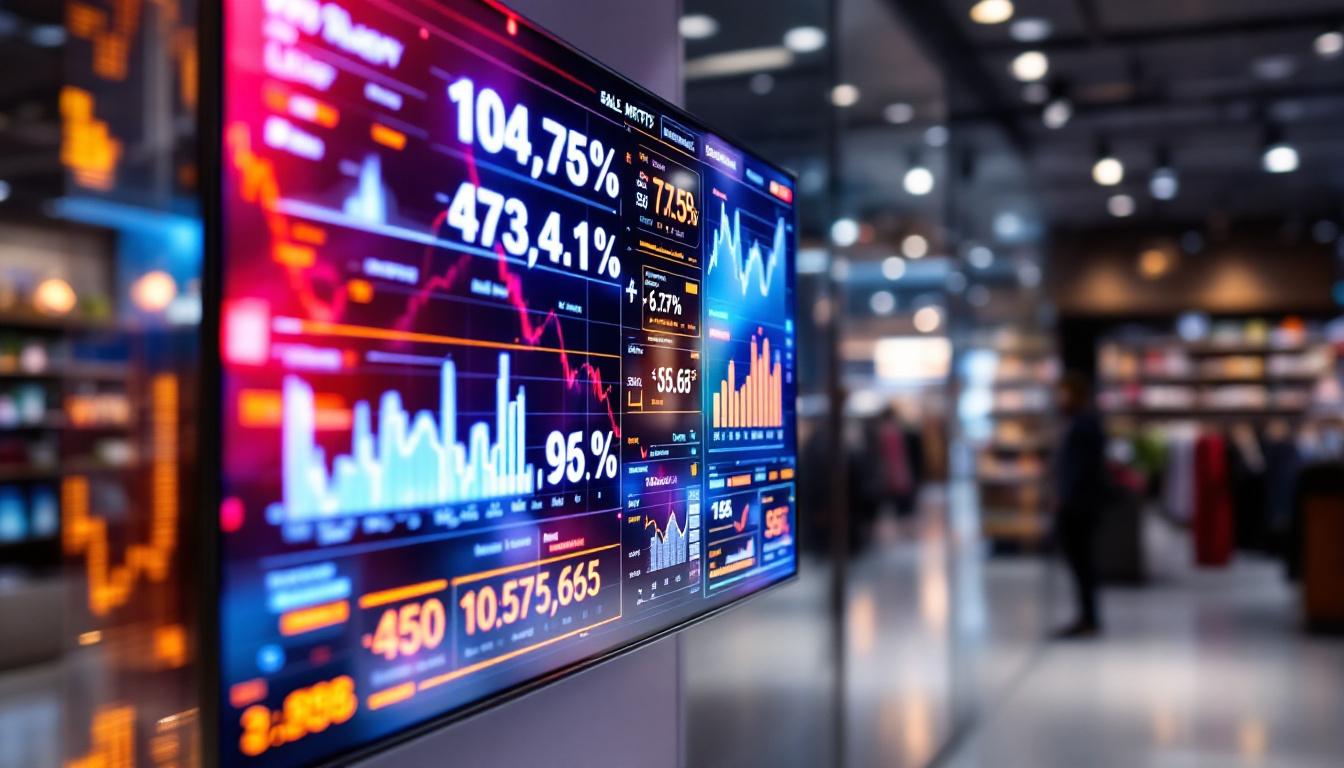
Retailers use transparent LED displays in storefront windows to attract customers with dynamic advertisements without obstructing the view into the store. For example, luxury brands in flagship locations often employ these panels to create captivating visuals that enhance brand presence while maintaining an open storefront ambiance. According to market research, digital signage in retail can increase sales by up to 30%, highlighting the effectiveness of such displays.
Corporate and Office Environments
In corporate settings, transparent LED panels serve as interactive information boards, meeting room partitions, or branding elements. Their transparency allows for privacy without complete isolation, enabling light flow and visual connection between spaces. Additionally, they can be used in lobbies to display company news, achievements, or welcome messages, enhancing visitor experience.
Architecture and Interior Design
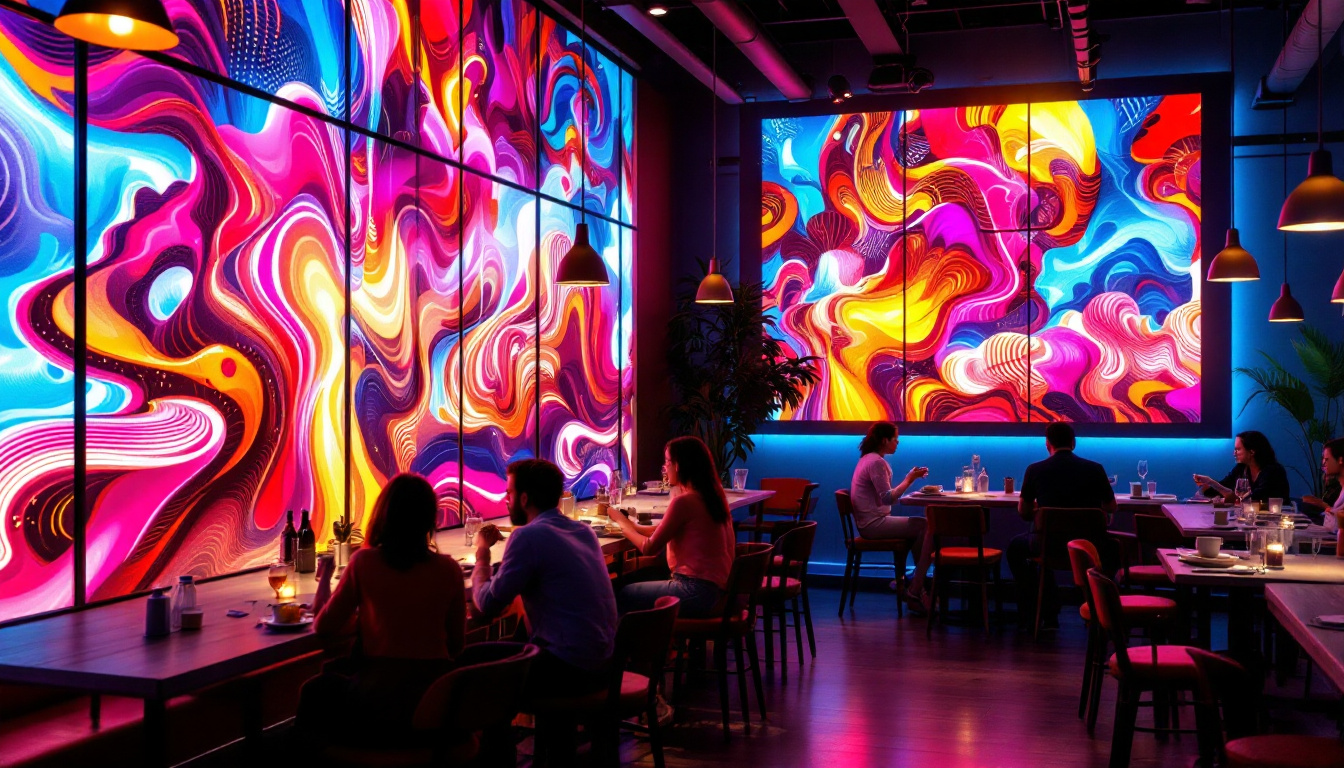
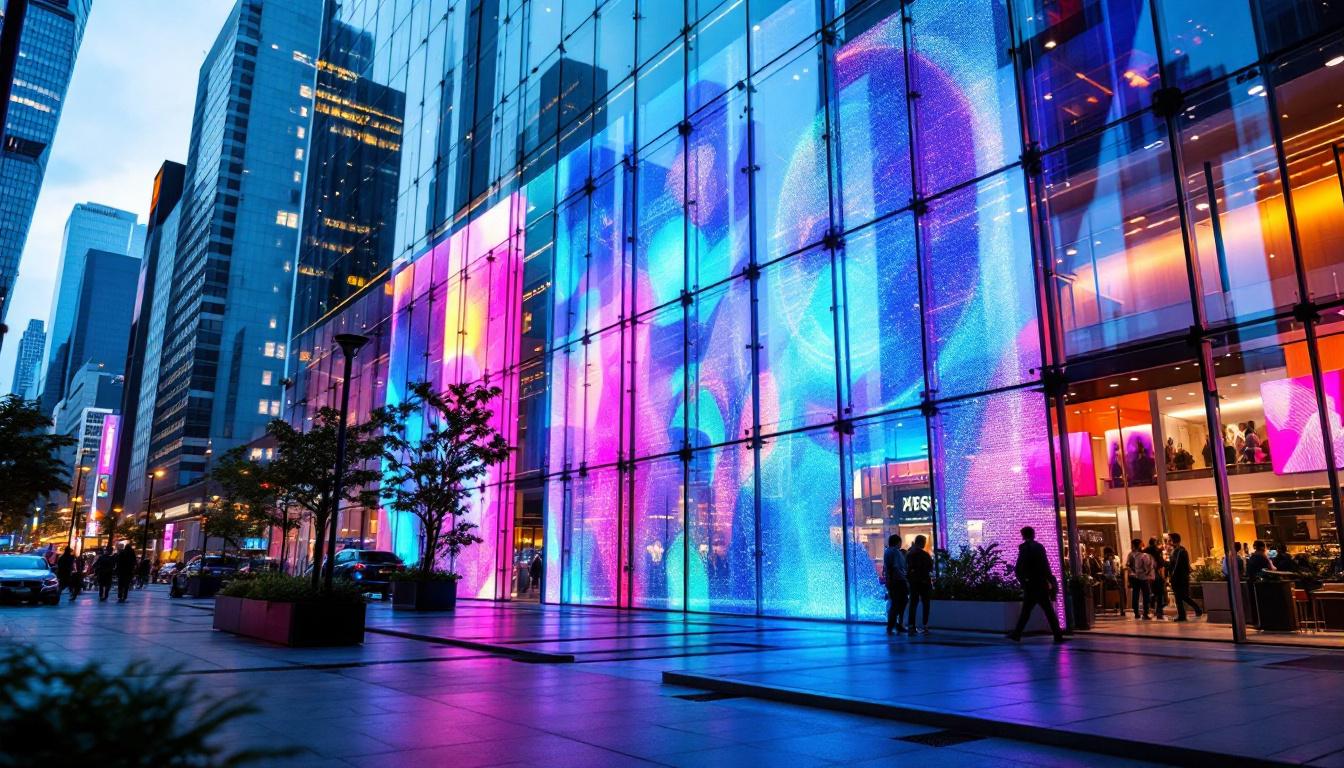
Architects integrate transparent LED panels into building facades and interior walls to add dynamic visual elements that change with time or events. This integration supports smart building concepts where the environment adapts to occupant needs. For instance, a building facade might display weather updates or artistic visuals while preserving the building’s transparency and aesthetics.
Transportation Hubs and Public Spaces
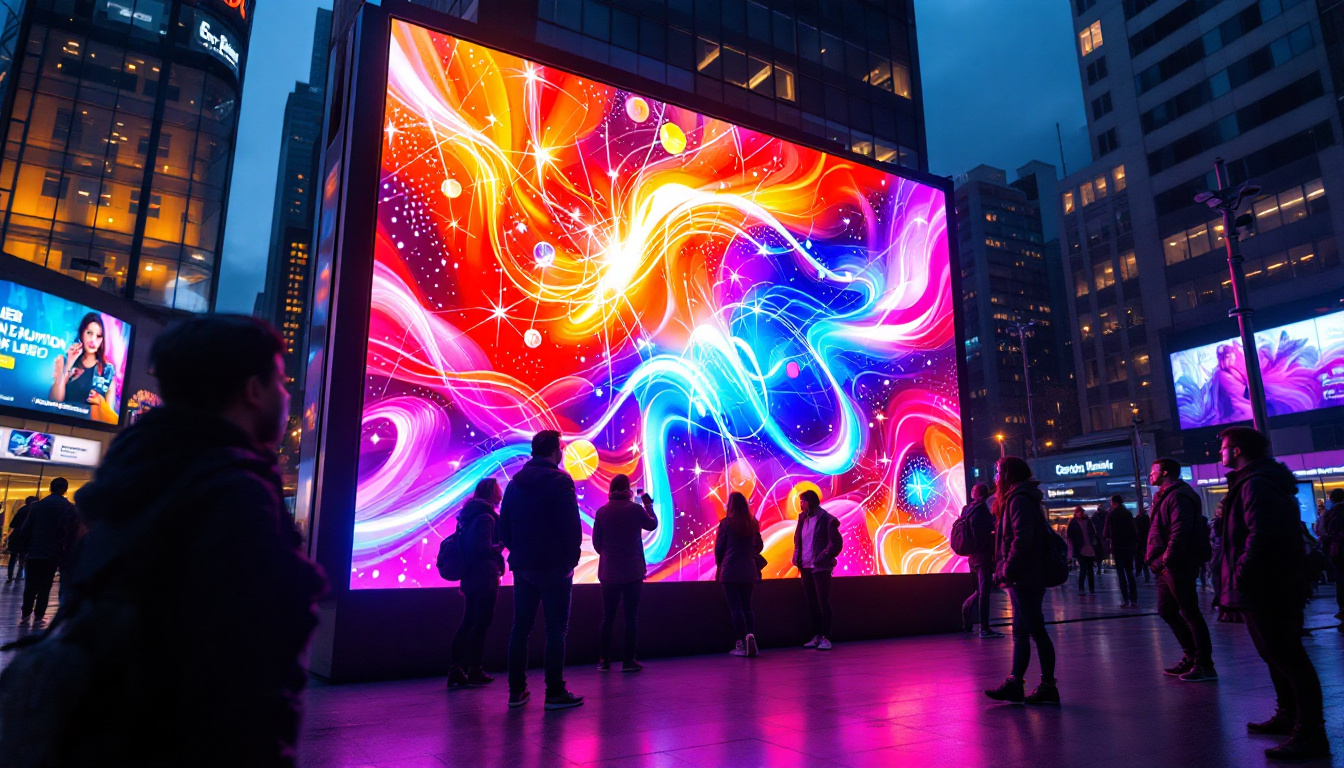
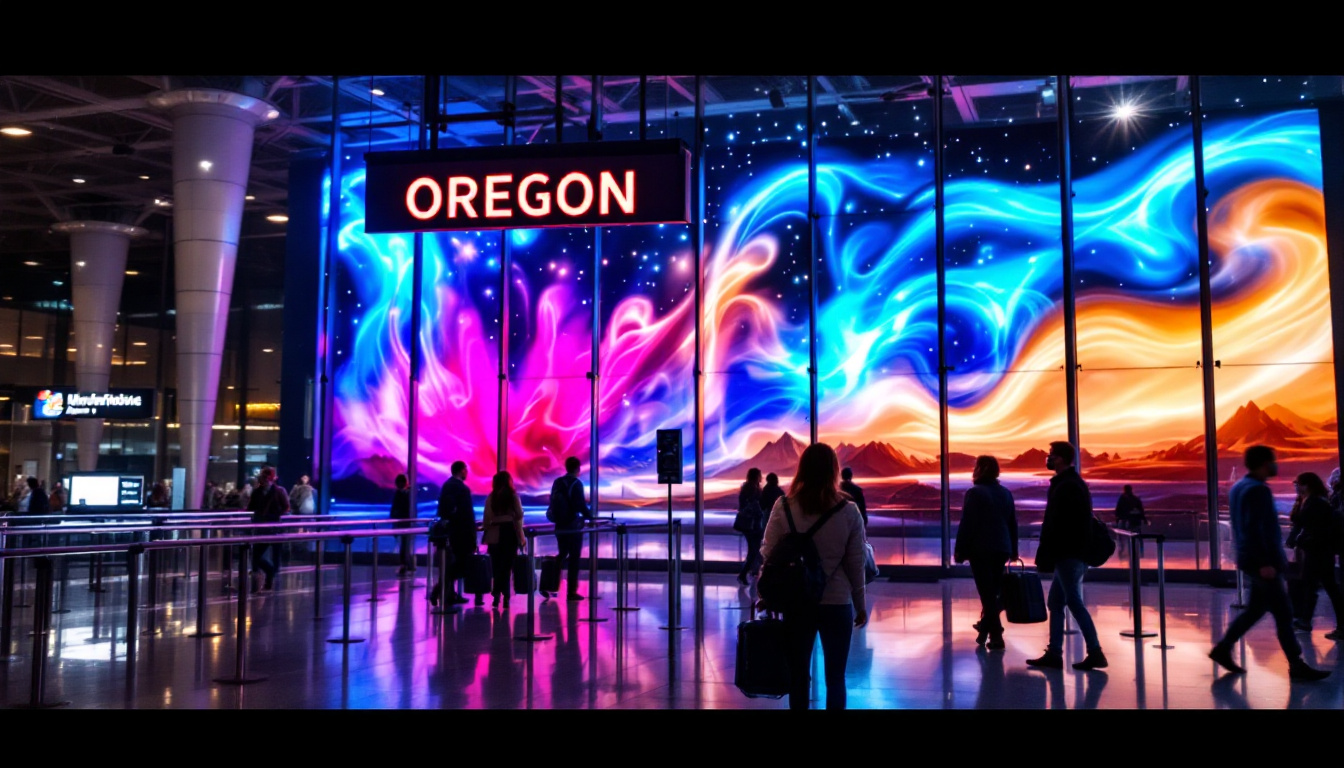
Airports, train stations, and other public venues utilize transparent LED displays for wayfinding, advertising, and information dissemination. Their ability to blend into glass structures makes them ideal for environments where space is limited and visibility is crucial. Transparent displays can also reduce clutter by combining signage with architectural elements.
Technical Considerations and Challenges
While transparent LED panels offer numerous benefits, there are important technical factors and challenges to consider when planning their implementation.
Brightness and Contrast
Because transparent LED panels allow light to pass through, their perceived brightness can be affected by ambient lighting conditions. In brightly lit environments, the display’s contrast may diminish, making content harder to see. To address this, manufacturers optimize LED brightness and use high-contrast content design. However, achieving perfect visibility in all lighting conditions remains a challenge.
Resolution and Pixel Pitch Trade-Off
As mentioned earlier, there is an inherent trade-off between transparency and resolution. Applications requiring detailed images or videos may need a smaller pixel pitch, which reduces transparency. Conversely, maximizing transparency may limit the display to simpler visuals or text. Selecting the appropriate pixel pitch depends on the intended use case and viewing distance.
Installation and Maintenance
Installing transparent LED panels requires careful planning to ensure structural support, electrical connections, and integration with building systems. Maintenance can also be more complex than traditional displays due to the panels’ fragility and the need to preserve transparency. Regular cleaning and inspection are necessary to maintain optimal performance and appearance.
Cost Considerations
Transparent LED technology is generally more expensive than standard LED displays due to the specialized manufacturing process and materials. However, the investment can be justified by the unique visual impact, energy savings, and enhanced user experience. As the technology matures and production scales up, costs are expected to decrease.
Future Trends and Innovations
The transparent LED panel market is poised for significant growth, driven by advancements in materials science, LED efficiency, and digital content capabilities.
Integration with Smart Glass and IoT
Emerging trends include combining transparent LED panels with smart glass technologies that can switch between opaque and transparent states. This integration enables dynamic control over privacy and display functions. Additionally, connecting these panels to the Internet of Things (IoT) allows for real-time content updates and interaction based on environmental data or user behavior.
Higher Resolution and Enhanced Transparency
Research is ongoing to develop LEDs and substrates that support higher pixel densities without sacrificing transparency. Innovations such as micro-LEDs and quantum dot technology promise brighter, more colorful displays with finer detail. These improvements will expand the range of applications and improve user engagement.
Sustainability and Eco-Friendly Materials
As sustainability becomes a priority, manufacturers are exploring eco-friendly materials and production methods for transparent LED panels. Efforts to reduce hazardous substances, improve recyclability, and lower energy consumption align with global environmental goals and appeal to environmentally conscious consumers and businesses.
Conclusion
Transparent LED panels represent a fusion of technology and design that opens new possibilities for digital communication and architectural expression. Their ability to deliver vibrant content while maintaining transparency makes them ideal for a wide range of applications, from retail and corporate environments to public spaces and smart buildings. While challenges such as brightness optimization and cost remain, ongoing innovations are steadily enhancing performance and accessibility.
For businesses and designers seeking to create impactful visual experiences without compromising natural light or openness, transparent LED displays offer a compelling solution. As the technology continues to evolve, it is set to become a staple in the future of digital signage and architectural integration.
Discover Cutting-Edge Transparent LED Solutions with LumenMatrix
Ready to elevate your space with the latest in transparent LED technology? LumenMatrix is at the forefront of LED display innovation, offering a diverse range of solutions tailored to your unique needs. From Indoor and Outdoor LED Walls to specialized displays for Vehicles, Sports, and even customizable options, our mission is to transform your visual communication strategy. Experience the future of digital signage and create unforgettable visual experiences. Check out LumenMatrix LED Display Solutions today and see your vision come to life.