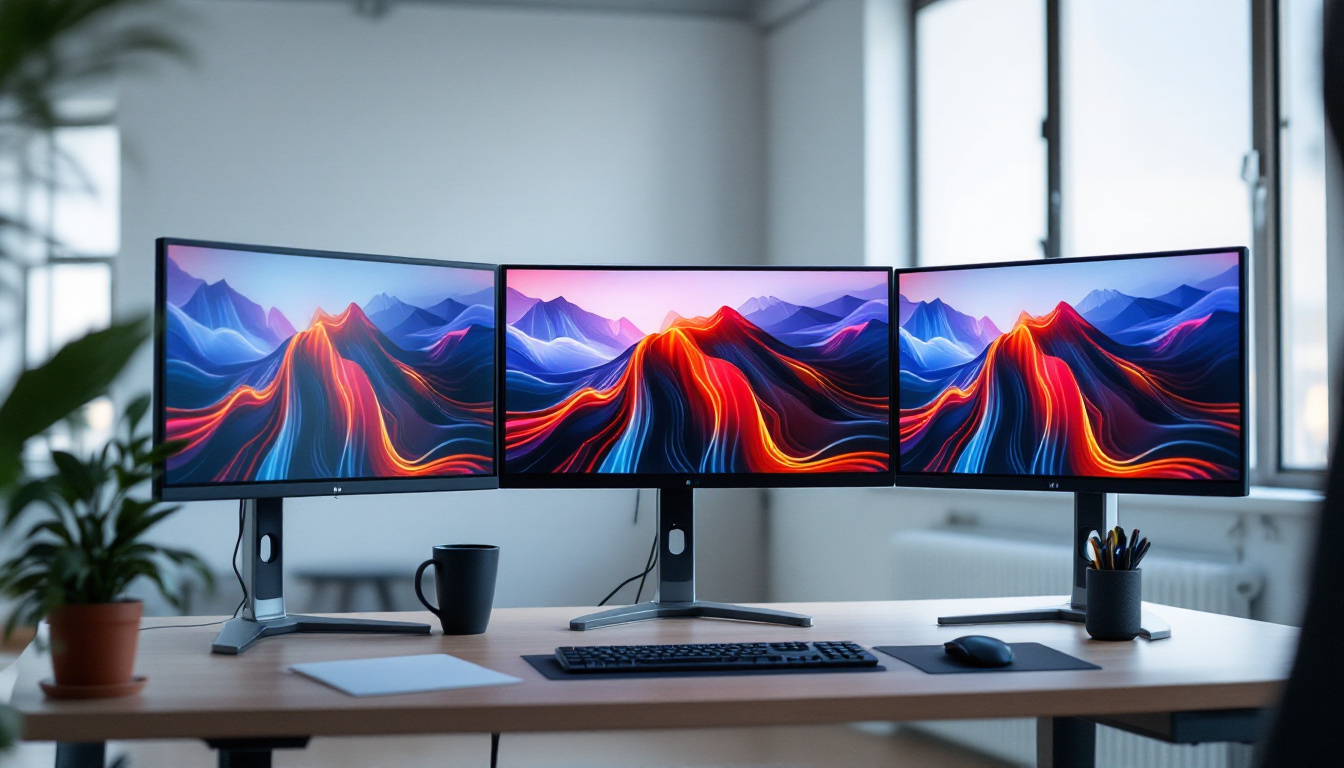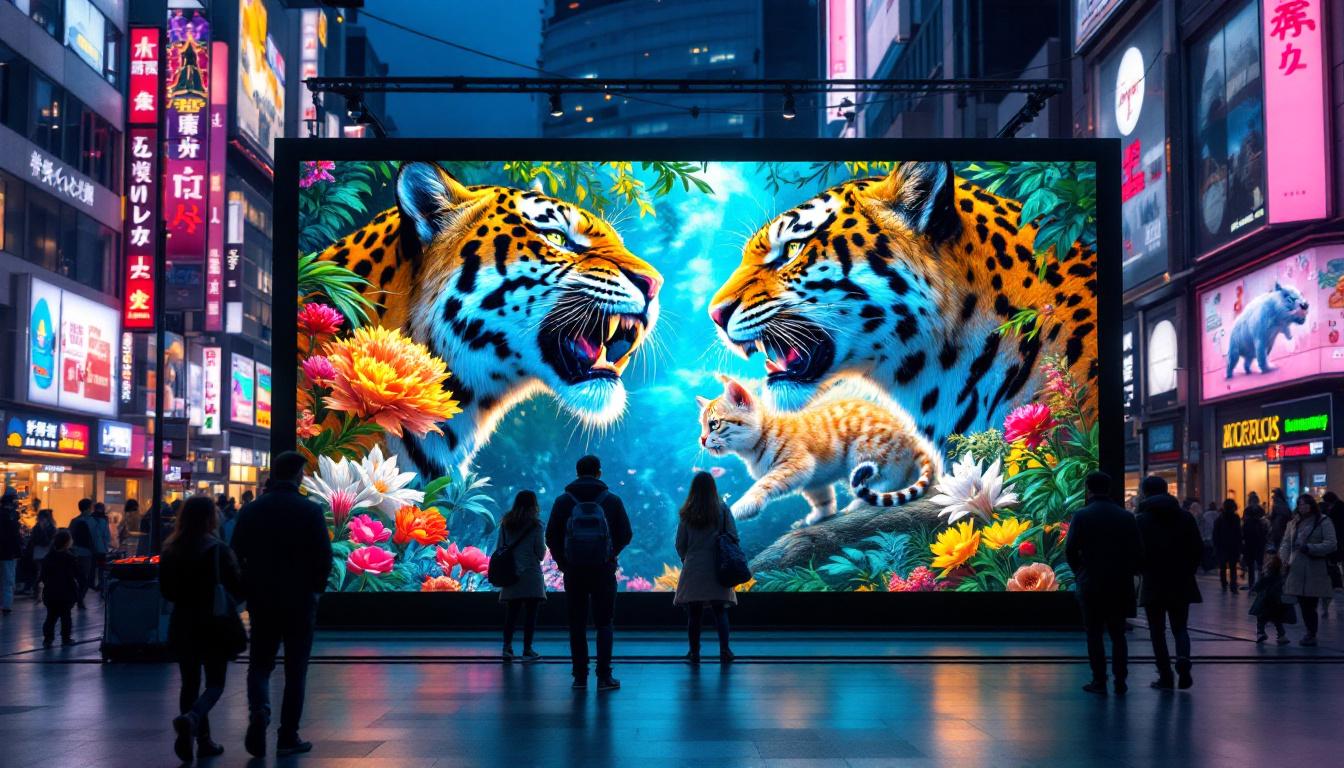
In today’s digital age, LED LCD displays have become ubiquitous, powering everything from smartphones and laptops to televisions and large-scale advertising billboards. Understanding the lifespan and technology behind these displays is essential for consumers, businesses, and tech enthusiasts alike. This article delves into the intricacies of LED LCD technology, explores factors affecting their longevity, and offers insights to help you make informed decisions when purchasing or maintaining LED displays.
Understanding LED LCD Technology
What is an LED LCD Display?
LED LCD displays are a type of flat-panel display that combines Liquid Crystal Display (LCD) technology with Light Emitting Diode (LED) backlighting. Unlike traditional LCDs that use cold cathode fluorescent lamps (CCFLs) for backlighting, LED LCDs utilize LEDs to illuminate the screen. This shift has revolutionized display quality, energy efficiency, and form factor.
The LCD component controls the image by manipulating liquid crystals to block or allow light through colored filters, creating the pixels you see on the screen. The LED backlight provides the illumination necessary for the image to be visible, replacing older, less efficient lighting methods. The result is a display that not only offers vibrant colors and deeper blacks but also consumes significantly less power, making it a more environmentally friendly choice.
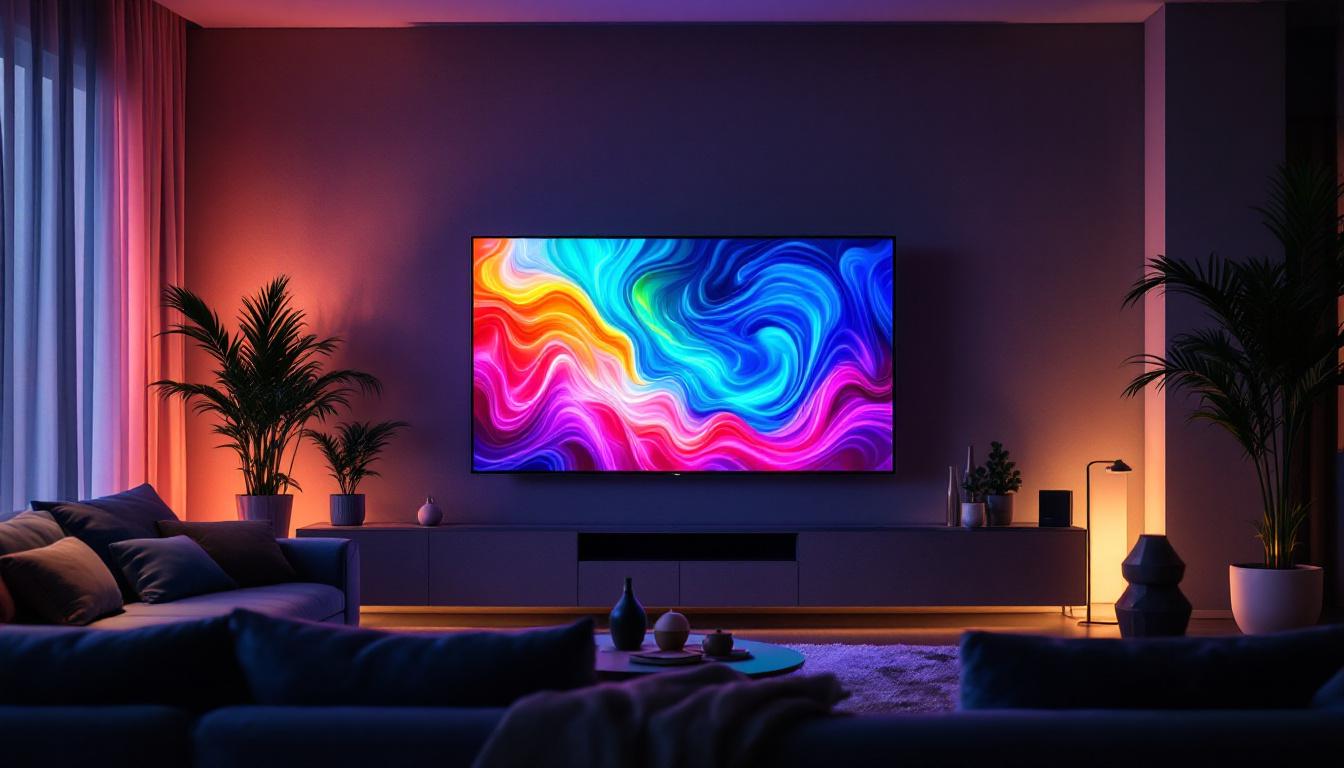
Additionally, LED LCD displays have become increasingly popular in various applications, from televisions to computer monitors and mobile devices. Their ability to deliver high-definition resolutions and wide viewing angles has made them a preferred choice for both casual viewers and professional content creators. As technology has advanced, features such as 4K resolution and HDR (High Dynamic Range) support have further enhanced the viewing experience, allowing for more lifelike images that capture the subtleties of light and shadow.
Types of LED Backlighting
LED backlighting comes primarily in two forms: edge-lit and direct-lit (or full-array). Edge-lit LED displays place LEDs along the edges of the screen, using light guides to distribute illumination evenly. This design allows for thinner and lighter displays but can sometimes lead to uneven brightness or “hot spots.” Consumers often appreciate the sleek design of edge-lit displays, which can fit seamlessly into modern aesthetics, but they may sacrifice some picture quality in darker scenes.
Direct-lit LED displays position LEDs directly behind the LCD panel, often in a grid. This arrangement enables better control over brightness and contrast, particularly when paired with local dimming technology, which can turn off or dim specific LED zones to enhance black levels and overall picture quality. This method not only improves the depth of blacks but also enhances the overall dynamic range of the image, making it ideal for watching movies or playing video games where visual fidelity is paramount. Furthermore, advancements in local dimming algorithms have allowed manufacturers to create displays that can intelligently adjust lighting based on the content being viewed, resulting in an even more immersive experience.
Factors Influencing LED LCD Lifespan
Typical Lifespan of LED LCD Displays
The lifespan of LED LCD displays is generally measured in terms of the number of operational hours before the display brightness diminishes to half its original intensity, often referred to as the half-life. Modern LED LCDs typically boast lifespans ranging from 30,000 to 100,000 hours, depending on the quality of components and usage conditions.
For context, a display used for eight hours a day at the midpoint of this range (around 50,000 hours) would last approximately 17 years before noticeable degradation occurs. However, this is a theoretical figure; real-world factors often influence actual longevity. For example, many users may not consider the cumulative effects of daily usage patterns, such as frequent adjustments in brightness or the impact of varying content types, which can all play a role in the display’s overall lifespan.
Key Factors Affecting Lifespan
Quality of LEDs and Components
The quality of the LEDs used in the backlight significantly impacts lifespan. Premium LEDs with superior heat management and stable electrical characteristics tend to last longer and maintain brightness better over time. Additionally, the quality of the LCD panel itself and the manufacturing process affect durability. Manufacturers that adhere to strict quality control measures and utilize high-grade materials often produce displays that not only last longer but also provide better color accuracy and contrast, enhancing the viewing experience.
Operating Conditions
Environmental factors such as temperature, humidity, and exposure to direct sunlight can accelerate wear. High temperatures, in particular, can degrade LED efficiency and cause premature failure. Ensuring adequate ventilation and avoiding prolonged exposure to extreme conditions can extend display life. Moreover, the placement of the display can make a significant difference; for instance, keeping it away from heat sources like radiators or direct sunlight can help maintain optimal operating temperatures, thereby prolonging its functional lifespan.
Usage Patterns
Displays that are used continuously at high brightness levels tend to age faster. Conversely, reducing brightness settings and enabling power-saving modes can prolong lifespan. Additionally, static images displayed for extended periods may cause image retention or “burn-in,” particularly in certain types of LCD panels. It’s also worth noting that varying the content displayed can help mitigate these risks; for example, using screensavers or rotating images can prevent static content from causing long-term damage.
Maintenance and Care
Regular cleaning to prevent dust accumulation and ensuring stable power supply can help maintain optimal performance. Power surges or unstable voltage can damage internal components, reducing lifespan. Furthermore, using surge protectors and uninterruptible power supplies (UPS) can safeguard against electrical fluctuations that might otherwise harm the display. Regularly checking for firmware updates can also enhance performance and longevity, as manufacturers often release updates that improve efficiency and address potential issues.
In addition to these factors, user habits play a crucial role in the lifespan of LED LCD displays. For instance, turning off the display when not in use, rather than leaving it in standby mode, can significantly reduce wear and tear. Educating users about best practices, such as avoiding overly bright settings in darker environments, can also contribute to a longer lifespan. By taking proactive steps in both usage and maintenance, users can maximize the longevity of their LED LCD displays, ensuring they remain vibrant and functional for years to come.
Comparing LED LCD Lifespan to Other Display Technologies
LED LCD vs. OLED
Organic Light Emitting Diode (OLED) displays are often praised for their superior contrast ratios and color accuracy. However, OLEDs typically have shorter lifespans compared to LED LCDs, with half-lives around 20,000 to 30,000 hours. This is primarily due to the organic materials used, which degrade faster over time.
LED LCDs, with their inorganic LED backlights, generally maintain brightness and color fidelity longer, making them a more durable choice for long-term use, especially in environments requiring consistent performance.
LED LCD vs. Traditional LCD with CCFL Backlighting
Traditional LCDs that use CCFL backlighting usually have shorter lifespans, averaging around 20,000 to 30,000 hours. Additionally, CCFLs consume more power and contain mercury, raising environmental and safety concerns. The transition to LED backlighting has improved not only lifespan but also energy efficiency and environmental impact.
Practical Tips to Maximize LED LCD Lifespan
Optimal Brightness Settings
Running your display at maximum brightness continuously can significantly reduce its lifespan. It is advisable to adjust brightness to the lowest comfortable level based on ambient lighting conditions. Many modern displays include ambient light sensors that automatically adjust brightness, balancing visibility and longevity.
Enable Power-Saving Features
Utilizing features such as sleep mode, screen savers, and automatic shutdown after periods of inactivity can prevent unnecessary wear. These settings reduce the number of operational hours, effectively prolonging the display’s usable life.
Avoid Static Images for Extended Periods
While LED LCDs are less prone to burn-in than OLEDs, displaying static images for long durations can still cause image retention or ghosting effects. Using screen savers or periodically changing the displayed content can mitigate this risk.
Maintain Proper Ventilation and Environmental Conditions
Heat is one of the primary enemies of electronic components. Ensuring your display has adequate ventilation and is not exposed to direct sunlight or high ambient temperatures can prevent overheating and extend component life.
Use Surge Protectors and Stable Power Sources
Power fluctuations can damage internal circuits. Employing surge protectors or uninterruptible power supplies (UPS) helps safeguard your display from voltage spikes and power outages.
When to Replace Your LED LCD Display
Signs of Aging and Degradation
Over time, LED LCD displays may exhibit reduced brightness, color shifts, flickering, or dead pixels. These symptoms indicate that the backlight or LCD panel is deteriorating. While some issues can be addressed through calibration or repairs, persistent problems often warrant replacement.
Cost-Benefit Analysis of Repair vs. Replacement
Given the decreasing cost of high-quality LED LCD displays and the complexity of repairs, replacing an aging or malfunctioning display is often more economical. Additionally, newer models offer improved energy efficiency, better color accuracy, and enhanced features that can justify the investment.
Future Trends in LED LCD Technology
Mini-LED and Micro-LED Innovations
Emerging technologies such as Mini-LED and Micro-LED promise to further enhance LED LCD performance. Mini-LEDs use thousands of tiny LEDs as backlights, enabling finer local dimming zones and improved contrast ratios. Micro-LEDs, composed of microscopic LEDs that emit their own light, blur the line between LED LCD and OLED, offering superior brightness, longevity, and energy efficiency.
Improved Materials and Manufacturing
Advancements in materials science and manufacturing processes continue to improve the durability and lifespan of LED LCD displays. Innovations in heat dissipation, LED phosphors, and panel design contribute to longer-lasting, more reliable screens.
Conclusion
LED LCD displays represent a mature and reliable technology that balances performance, energy efficiency, and lifespan. Understanding the factors that influence their longevity enables users to optimize usage and maintenance, ensuring the best return on investment. As technology evolves, new innovations promise even longer-lasting and higher-quality displays, making LED LCDs a smart choice for a wide range of applications.
Whether selecting a display for home entertainment, professional use, or commercial signage, considering lifespan alongside other performance metrics will help ensure satisfaction and durability in the years to come.
Discover LumenMatrix’s Advanced LED Display Solutions
As you consider the longevity and performance of your next LED LCD display, let LumenMatrix guide you to the perfect solution. With our commitment to innovation and quality, we offer a wide array of LED display modules designed to elevate your visual experience. From captivating Indoor LED Walls to dynamic Outdoor LED Displays, and from versatile Vehicle LED Displays to sleek LED Poster Displays, our solutions are crafted to meet your unique needs. Experience the future of visual communication with LumenMatrix’s LED Sports Displays, interactive Floor LED Displays, and the revolutionary All-in-One and Transparent LED Displays. Check out LumenMatrix LED Display Solutions today and transform your space into a vibrant hub of engagement and message clarity.