In today’s fast-evolving world of lighting and display technology, LED lighting has emerged as a leading solution for energy efficiency, longevity, and versatility. Among the various aspects of LED technology, RoHS compliance and LED displays stand out as critical components that influence both environmental responsibility and visual performance. This article delves into the essentials of RoHS LED lighting, focusing particularly on LED displays, their benefits, regulatory considerations, and applications.
Understanding RoHS Compliance in LED Lighting
What is RoHS?
The Restriction of Hazardous Substances Directive (RoHS) is a European Union regulation that restricts the use of specific hazardous materials found in electrical and electronic products. Introduced in 2003 and updated several times since, RoHS aims to reduce environmental and health risks by limiting substances such as lead, mercury, cadmium, hexavalent chromium, and certain flame retardants.
For LED lighting products, RoHS compliance means that manufacturers must ensure their LEDs and related components do not contain these harmful substances beyond specified thresholds. This not only protects consumers but also facilitates safer recycling and disposal of electronic waste.
Why RoHS Matters for LED Lighting
LED lighting is often touted for its energy efficiency and long lifespan, but environmental impact extends beyond energy consumption. The materials used in LED components can pose serious environmental hazards if not properly regulated. RoHS compliance ensures that LED lighting products are manufactured with safer materials, reducing toxic waste and promoting sustainability.
Moreover, RoHS compliance is increasingly becoming a market requirement. Many countries and regions outside the EU have adopted similar regulations or require RoHS certification for imported products. For manufacturers and distributors, adhering to RoHS standards is essential for market access and consumer trust.
In addition to regulatory compliance, RoHS also encourages innovation in the LED lighting industry. Manufacturers are motivated to explore alternative materials and production methods that minimize environmental impact. This drive for innovation can lead to the development of new technologies that not only meet safety standards but also enhance the performance and efficiency of LED products. For instance, advancements in phosphor technology and encapsulation materials can improve light quality while ensuring compliance with RoHS directives.
Furthermore, the implications of RoHS compliance extend to the entire lifecycle of LED products. From production to end-of-life disposal, manufacturers are compelled to consider the environmental footprint of their products. This holistic approach fosters a culture of responsibility within the industry, prompting companies to implement sustainable practices such as eco-design and circular economy principles. As a result, RoHS compliance not only safeguards public health but also paves the way for a greener future in lighting technology.
LED Displays: Technology and Applications
What is an LED Display?
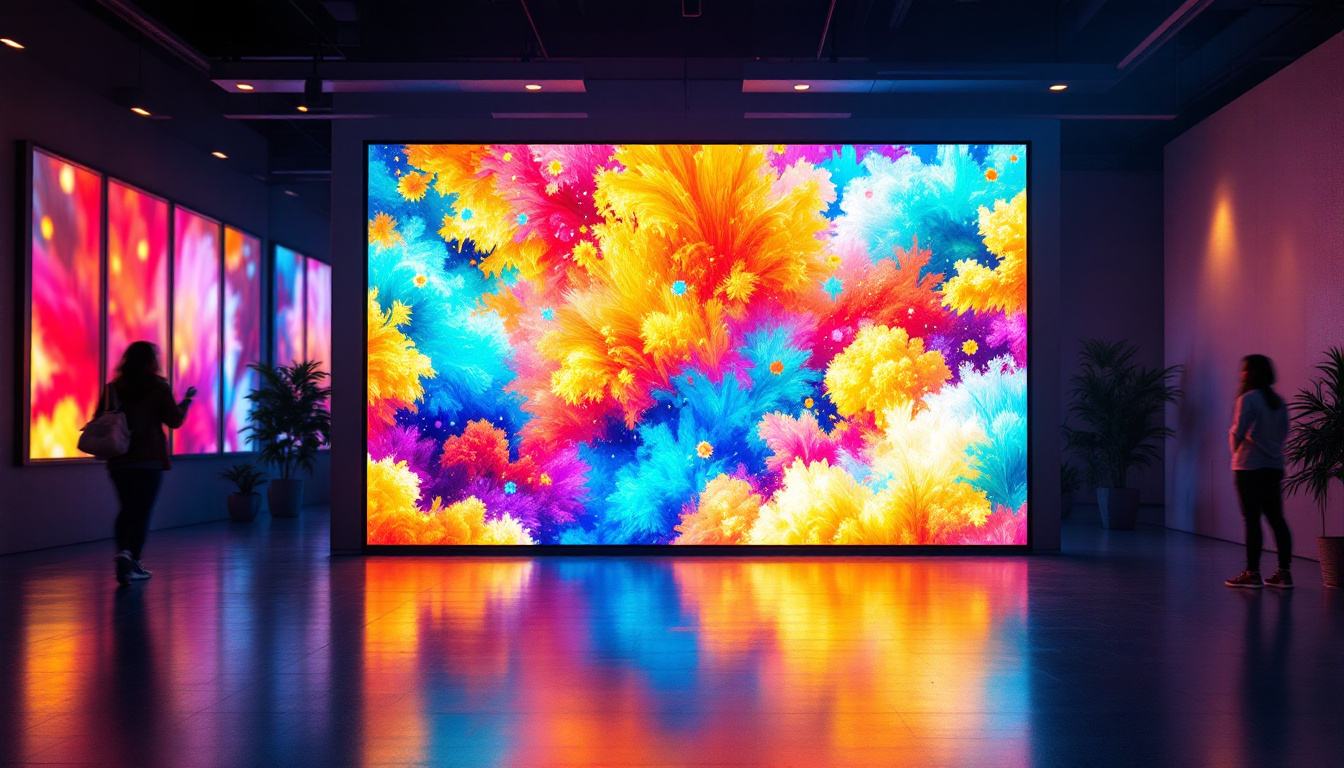
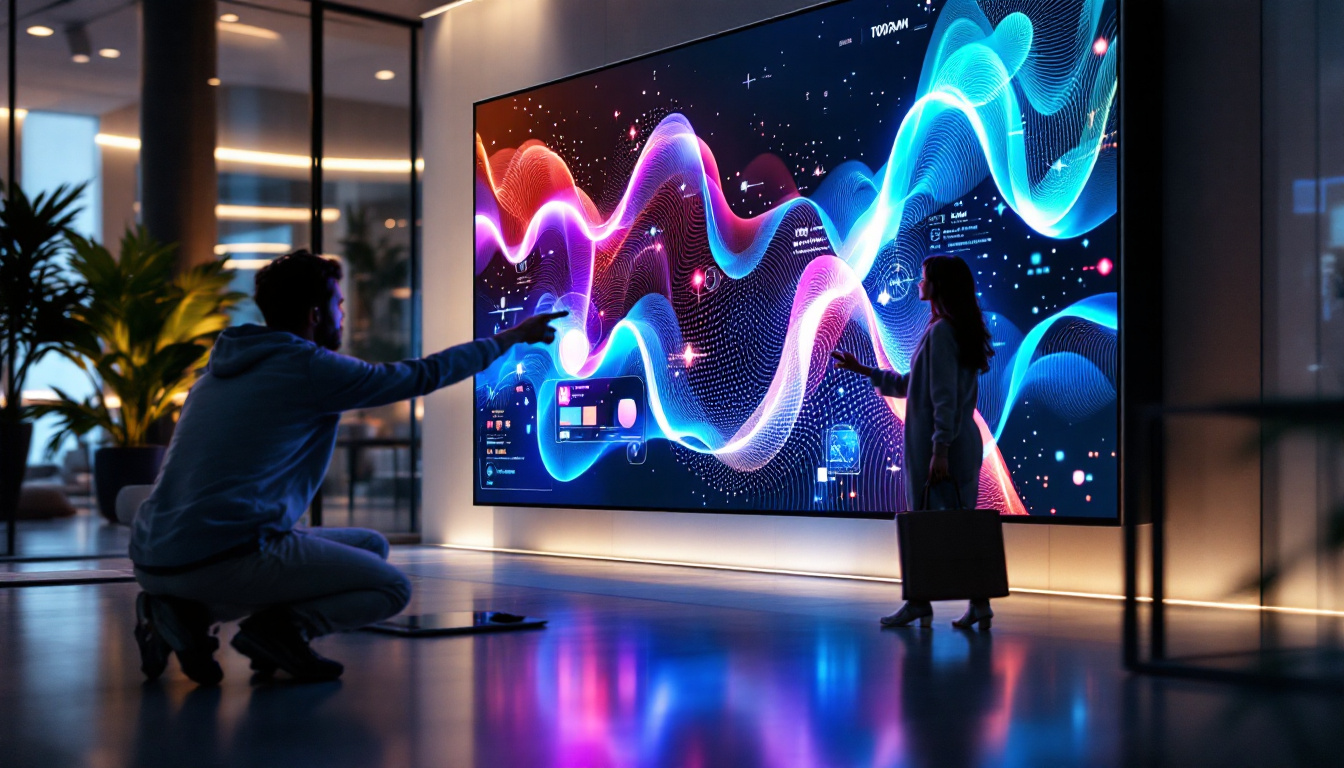
An LED display is a flat panel display that uses light-emitting diodes as pixels to create images and videos. These displays are widely used in various applications, from small digital signage to massive outdoor billboards and video walls. The core advantage of LED displays lies in their brightness, color accuracy, and energy efficiency.
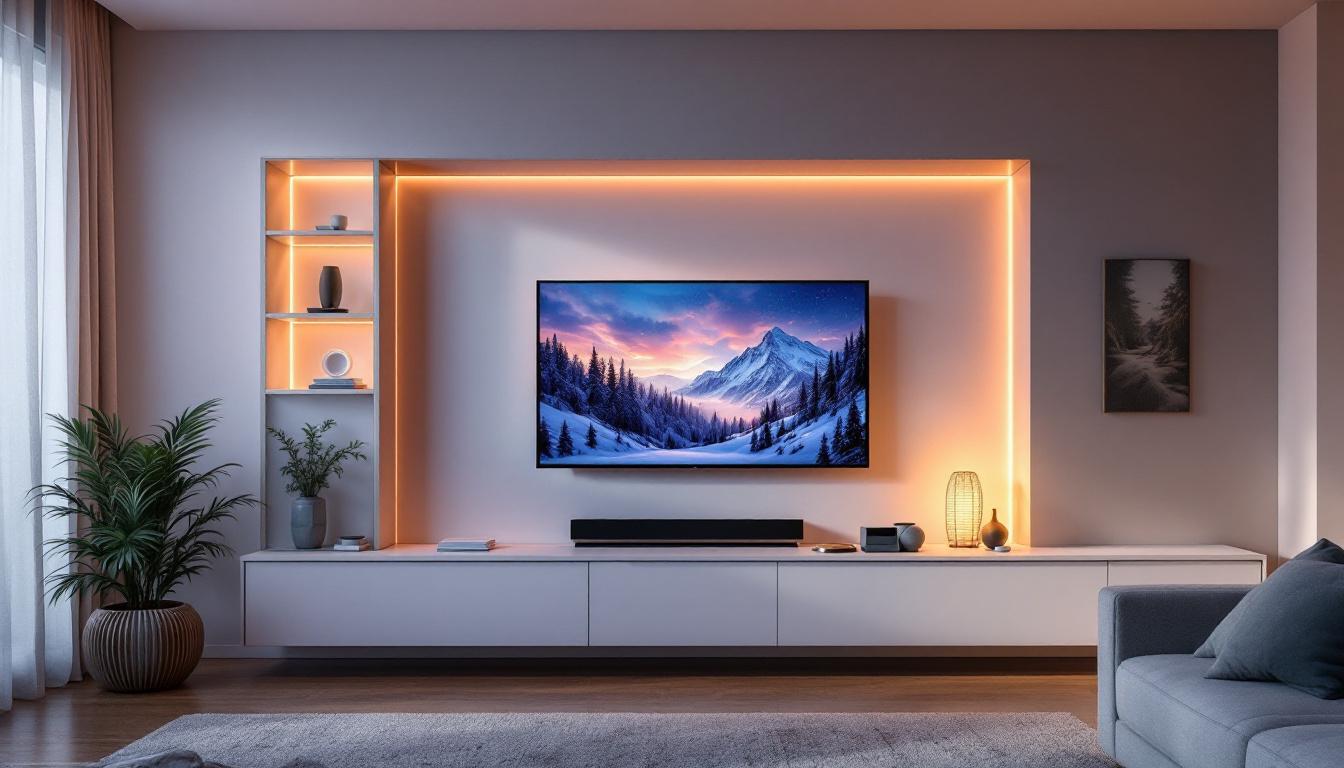
LED displays can be categorized into two main types: direct-view LED displays and LED-backlit LCD displays. Direct-view LED displays consist of individual LEDs that form the image directly, while LED-backlit LCDs use LEDs as a backlight source behind a liquid crystal display panel. The technology behind these displays has evolved significantly, allowing for higher resolutions and better performance in diverse lighting conditions.
Moreover, advancements in LED technology have led to the development of organic light-emitting diodes (OLEDs), which offer even greater contrast ratios and flexibility in design. OLED displays are particularly popular in high-end televisions and mobile devices due to their ability to produce true blacks and a wider color gamut, further enhancing the viewing experience.
Advantages of LED Displays
LED displays offer several benefits over traditional display technologies such as LCD or plasma:
- Brightness and Visibility: LED displays can achieve higher brightness levels, making them suitable for both indoor and outdoor use, even in direct sunlight.
- Energy Efficiency: LEDs consume less power compared to other light sources, reducing operational costs and environmental impact.
- Longevity: LEDs have a longer lifespan, often exceeding 50,000 hours, which reduces maintenance and replacement frequency.
- Color Accuracy and Contrast: LED displays provide vibrant colors and deep blacks, enhancing image quality and viewer experience.
- Flexibility and Scalability: LED modules can be combined to create displays of virtually any size and shape, from small retail signs to enormous stadium screens.
In addition to these advantages, LED displays are also known for their rapid response times, which is crucial for applications requiring real-time updates, such as stock tickers or live sports broadcasts. The ability to refresh images quickly allows for smooth transitions and animations, making them ideal for dynamic content. Furthermore, the modular design of LED displays facilitates easy upgrades and repairs, ensuring that businesses can keep their signage current without extensive downtime.
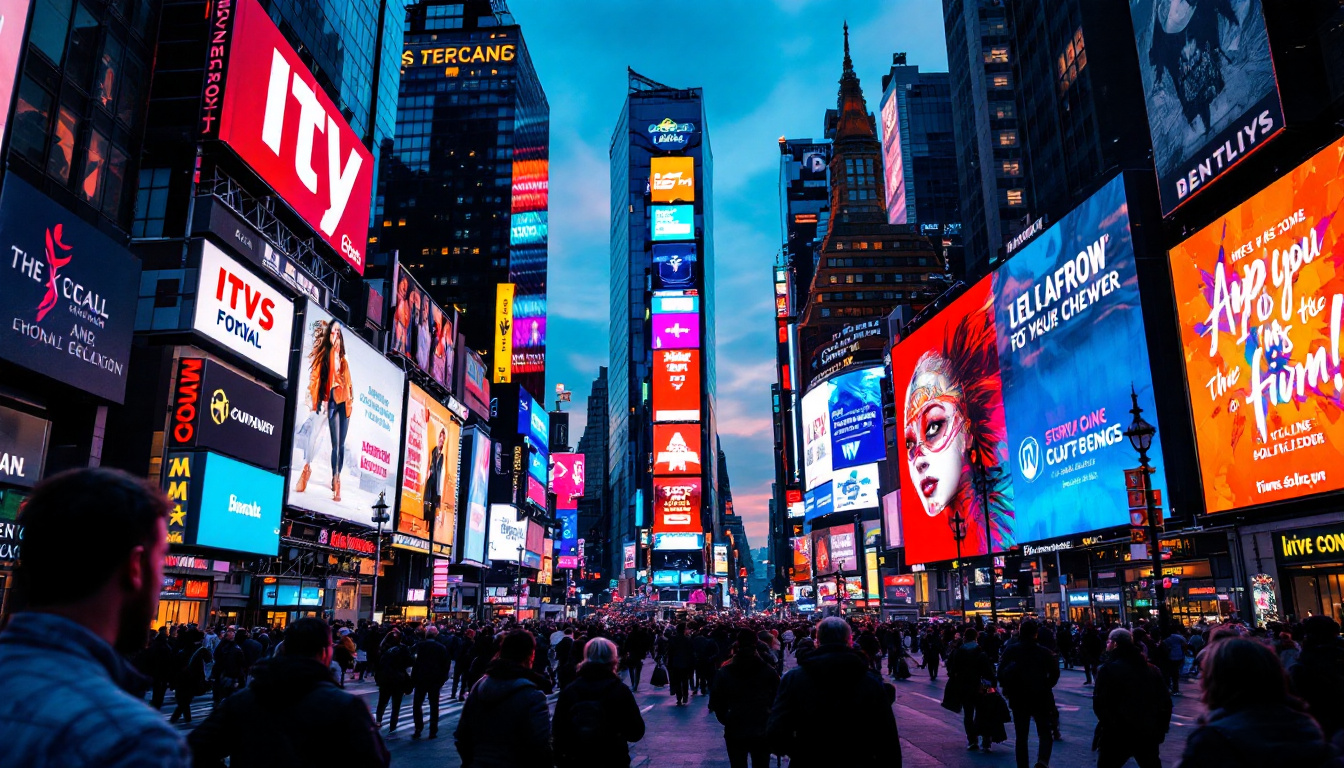
Another significant aspect of LED displays is their adaptability to various environments. For instance, outdoor LED displays are designed to withstand harsh weather conditions, featuring protective coatings and robust construction to resist water, dust, and UV exposure. This durability makes them a preferred choice for advertising in busy urban areas, where they can capture the attention of pedestrians and drivers alike. Indoor LED displays, on the other hand, can be tailored for specific venues, such as theaters or shopping malls, enhancing the ambiance and engagement of the space.
RoHS Compliance in LED Displays: What You Need to Know
Materials and Components Under Scrutiny
RoHS compliance in LED displays involves careful selection and testing of components to ensure restricted substances are within permissible limits. Key materials under scrutiny include:
- Lead (Pb): Often used in soldering, lead is restricted due to its toxicity.
- Mercury (Hg): Although less common in LEDs, mercury is restricted because of its environmental impact.
- Cadmium (Cd): Sometimes used in semiconductors, cadmium is highly toxic and restricted.
- Hexavalent Chromium (Cr6+): Used for corrosion protection, it is limited due to carcinogenic properties.
- Polybrominated Biphenyls (PBB) and Polybrominated Diphenyl Ethers (PBDE): Flame retardants restricted for their persistence in the environment.
Manufacturers must ensure that the LEDs, circuit boards, solder, and other components comply with these restrictions to achieve RoHS certification. This compliance not only protects the health of consumers but also contributes to a more sustainable electronics industry. The careful selection of materials can lead to innovations in the design and manufacturing processes, as companies seek alternatives that meet both performance standards and environmental regulations.
Testing and Certification Process
To verify RoHS compliance, LED display manufacturers typically undergo rigorous testing procedures. These include chemical analysis techniques such as X-ray fluorescence (XRF), inductively coupled plasma mass spectrometry (ICP-MS), and others to detect restricted substances. The testing process is not only crucial for compliance but also serves as a quality assurance measure, ensuring that products meet high safety standards before they reach the market.
Once compliance is confirmed, products can be certified and labeled accordingly. This certification not only assures customers of environmental safety but also helps manufacturers avoid legal penalties and market restrictions. Furthermore, achieving RoHS compliance can enhance a company’s reputation, as consumers increasingly prefer products that are environmentally friendly. As a result, many manufacturers are investing in research and development to find safer alternatives to hazardous materials, fostering a culture of innovation that benefits both the industry and the planet.
Applications of RoHS-Compliant LED Displays
Retail and Advertising
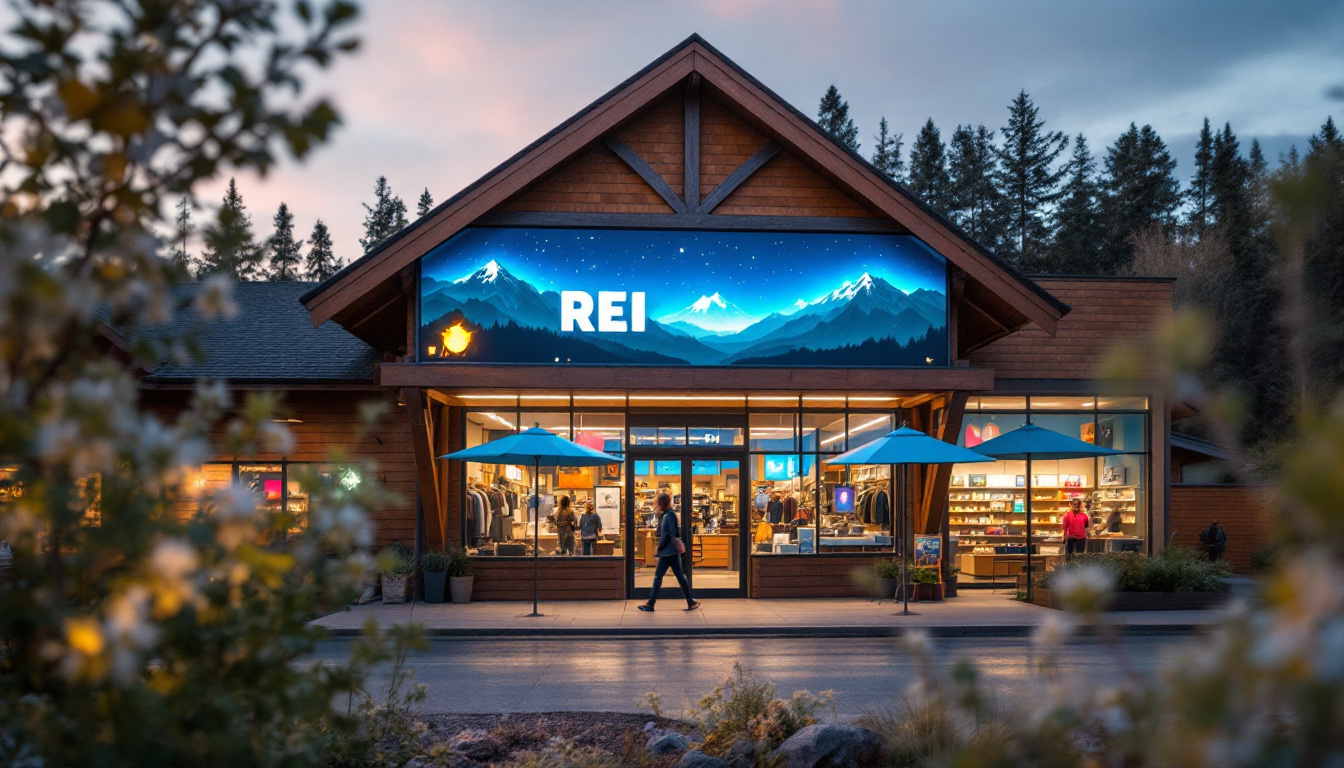
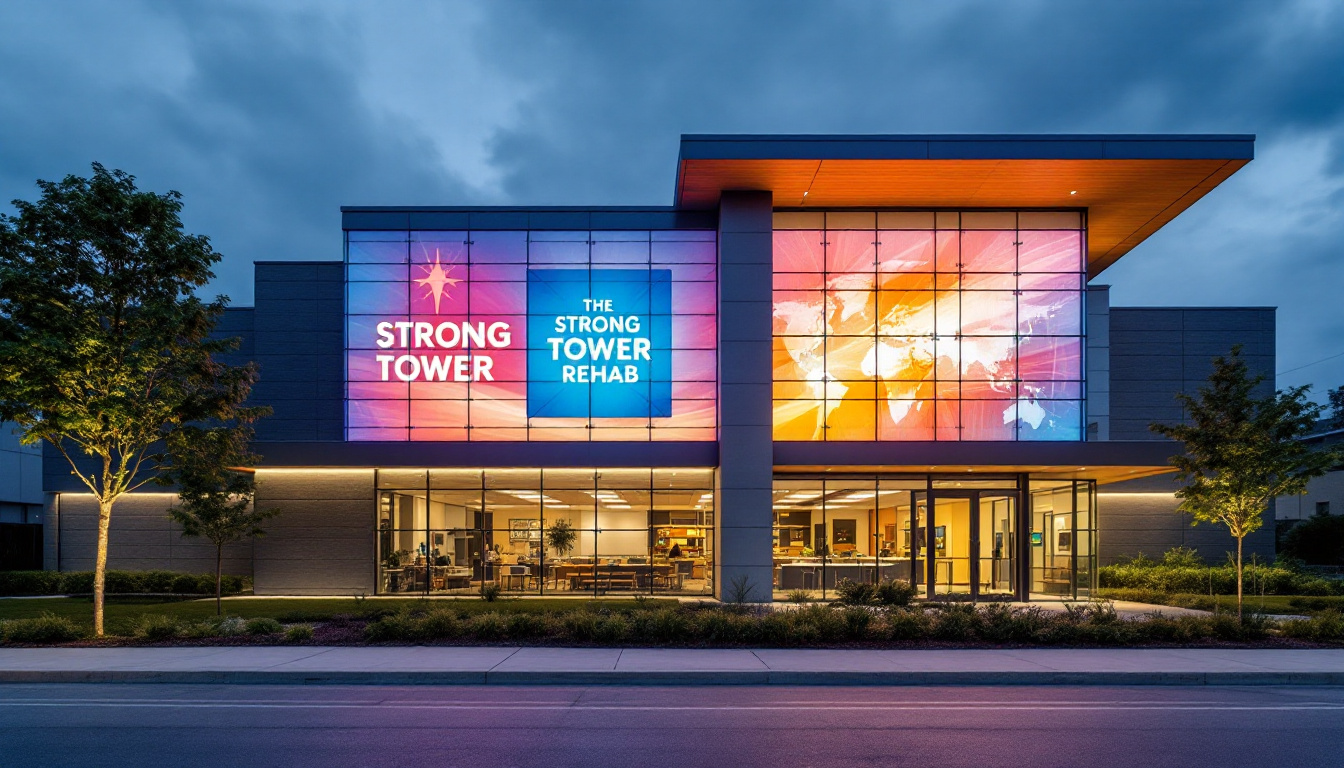
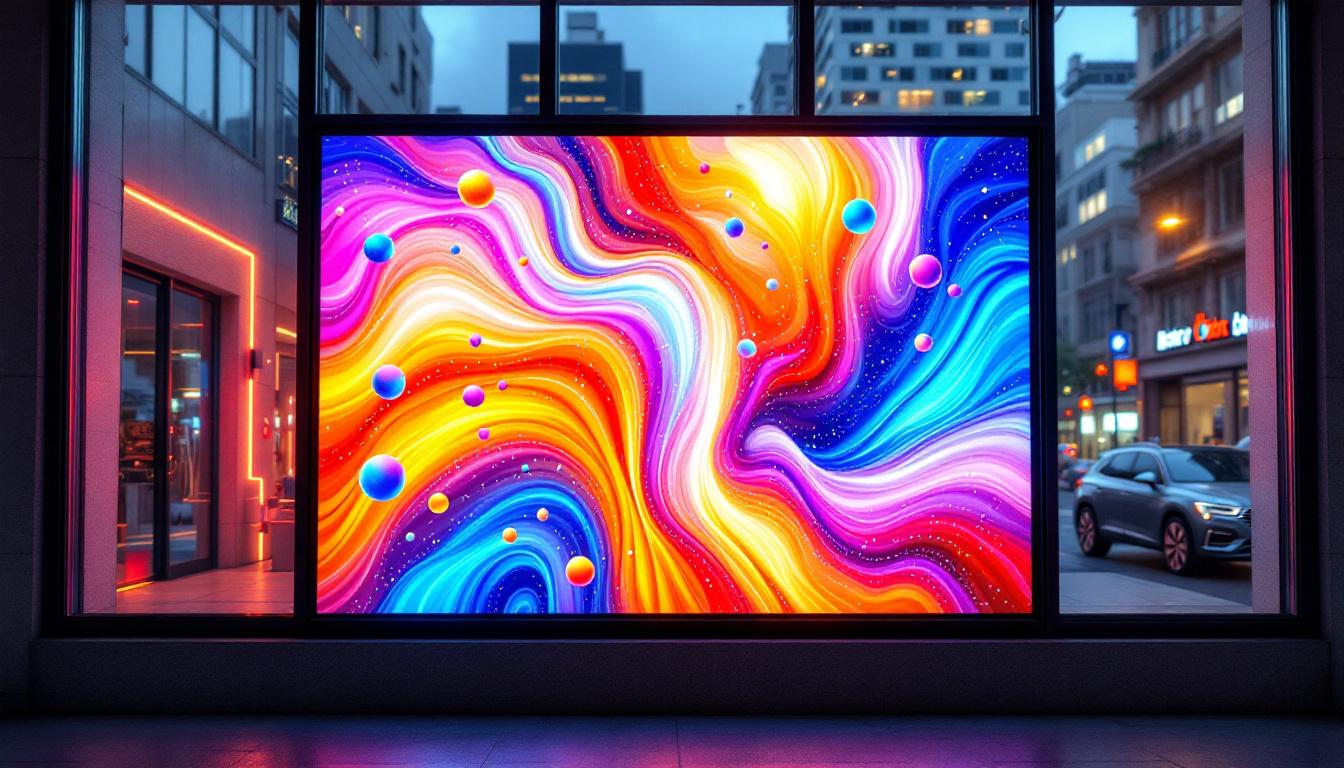
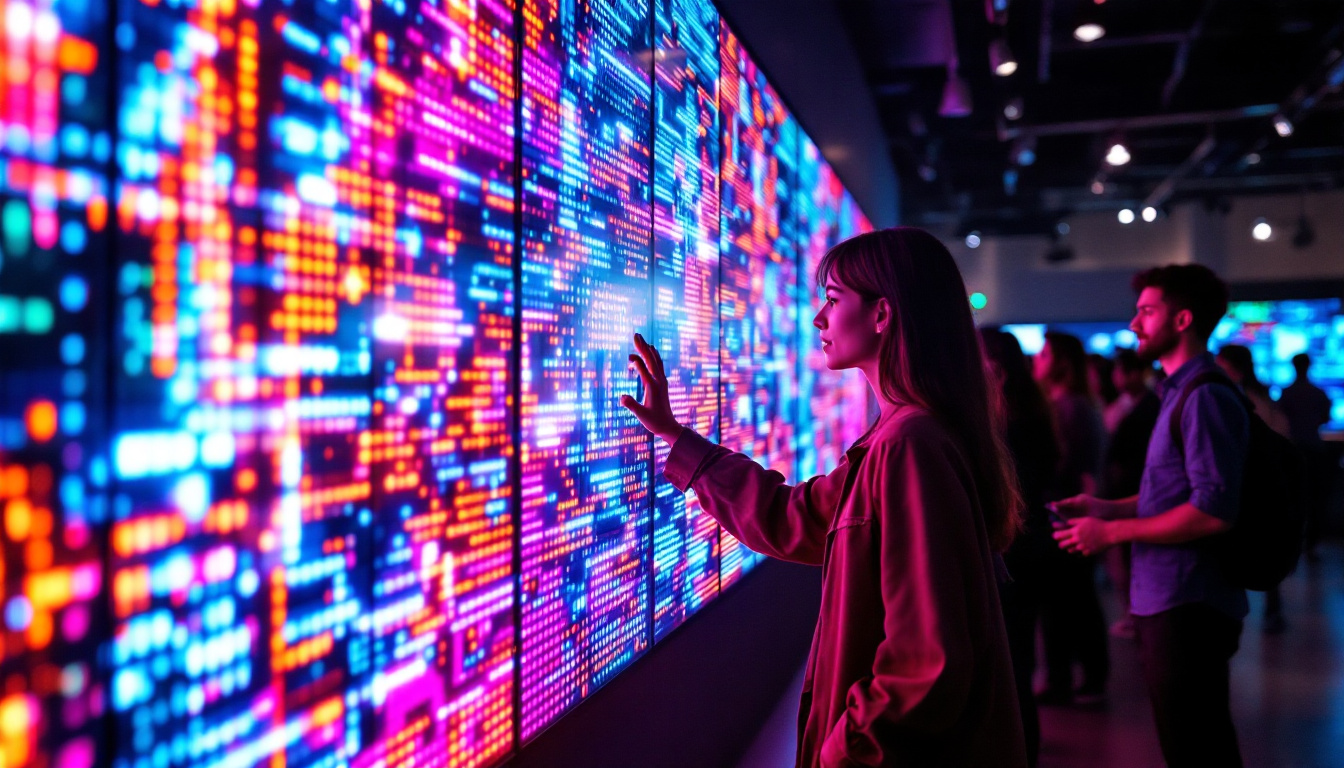
Retail environments increasingly rely on LED displays for dynamic advertising and customer engagement. RoHS-compliant LED displays ensure that these installations meet environmental regulations while delivering high-impact visuals. From storefront signs to in-store digital shelves, LED displays offer vibrant, eye-catching content that can be updated in real-time.
Public Spaces and Transportation
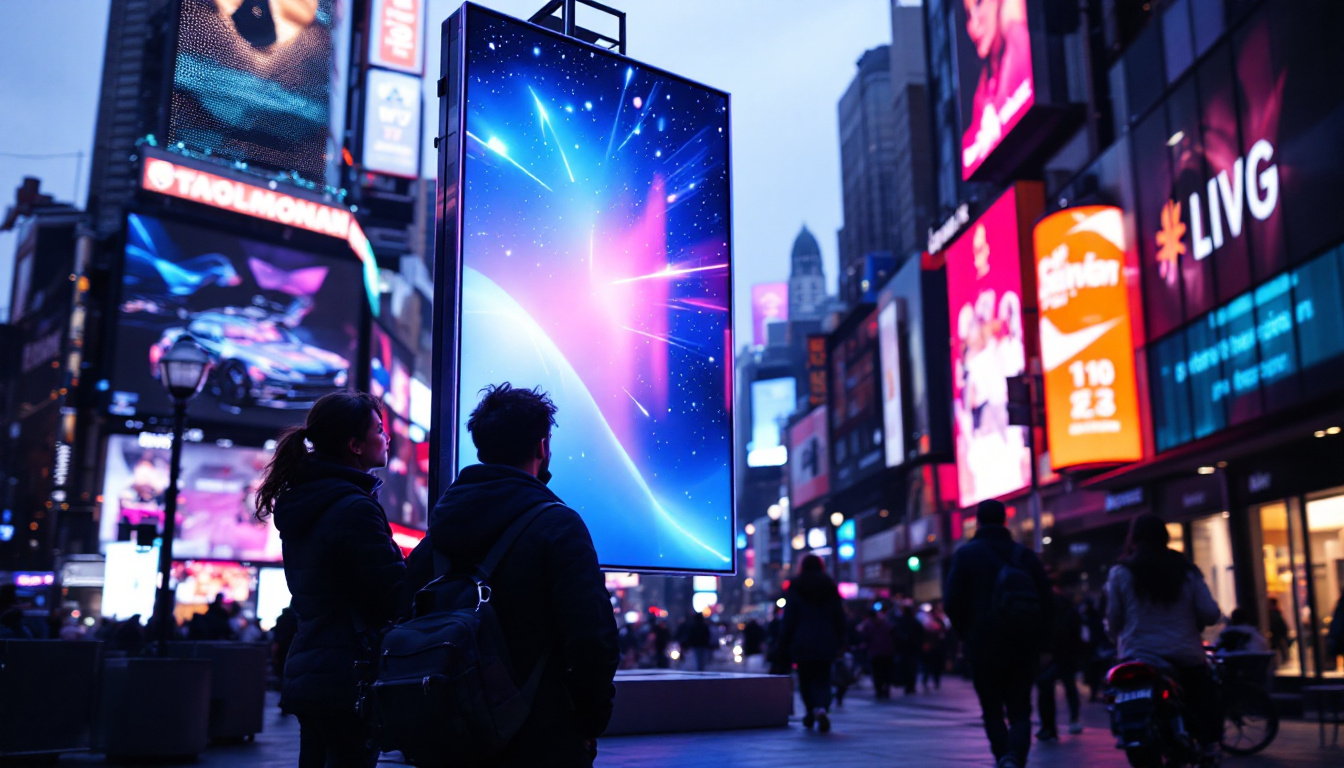
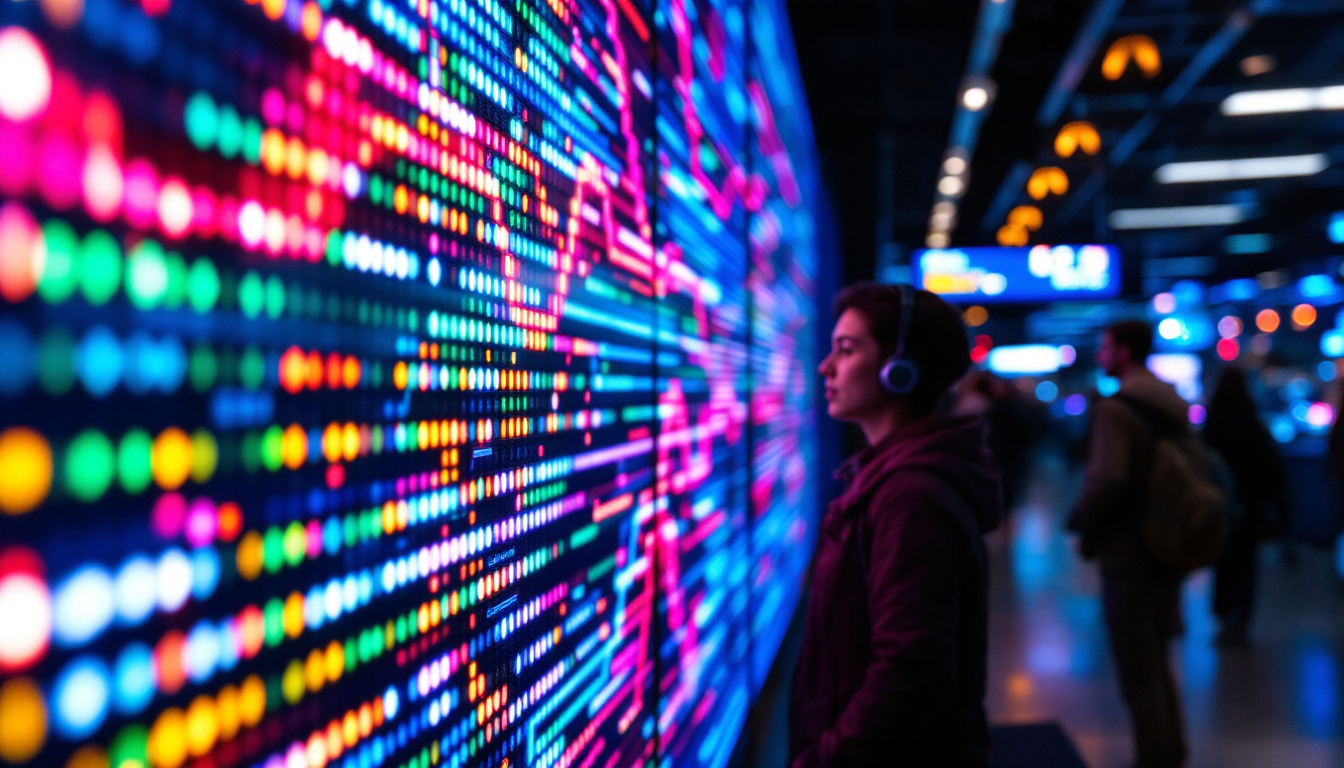
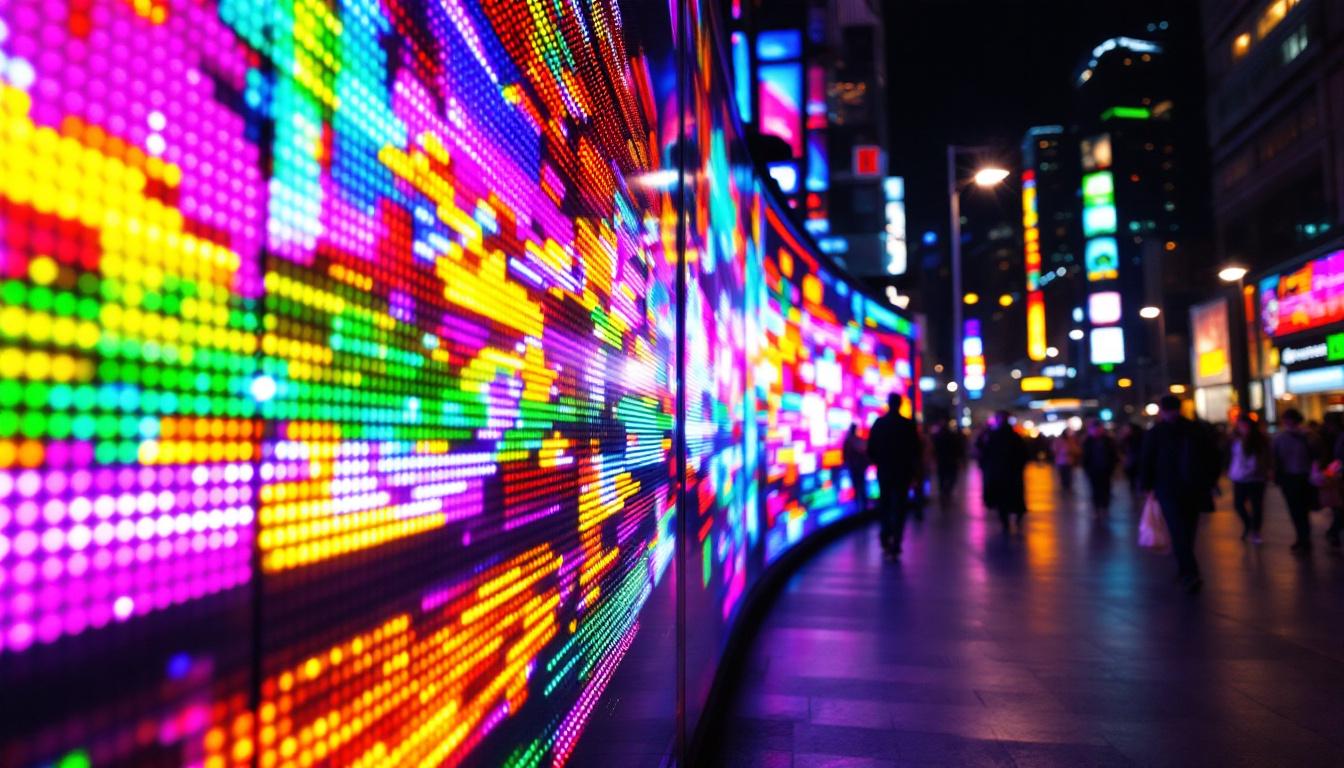
LED displays are commonly used in public transportation hubs, airports, and city centers for information dissemination and advertising. RoHS compliance is particularly important in these applications to minimize environmental hazards in densely populated areas. Additionally, the durability and brightness of LED displays ensure clear visibility in various lighting conditions.
Sports and Entertainment Venues
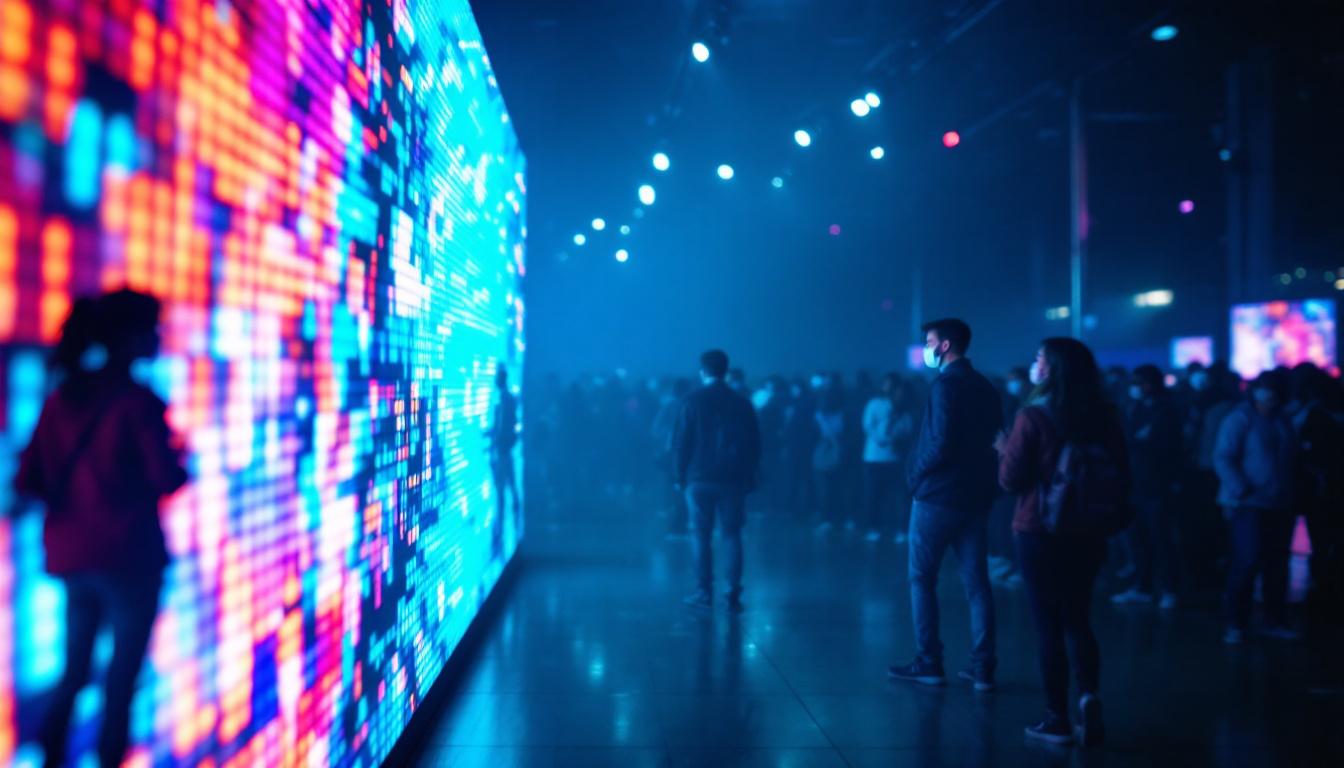
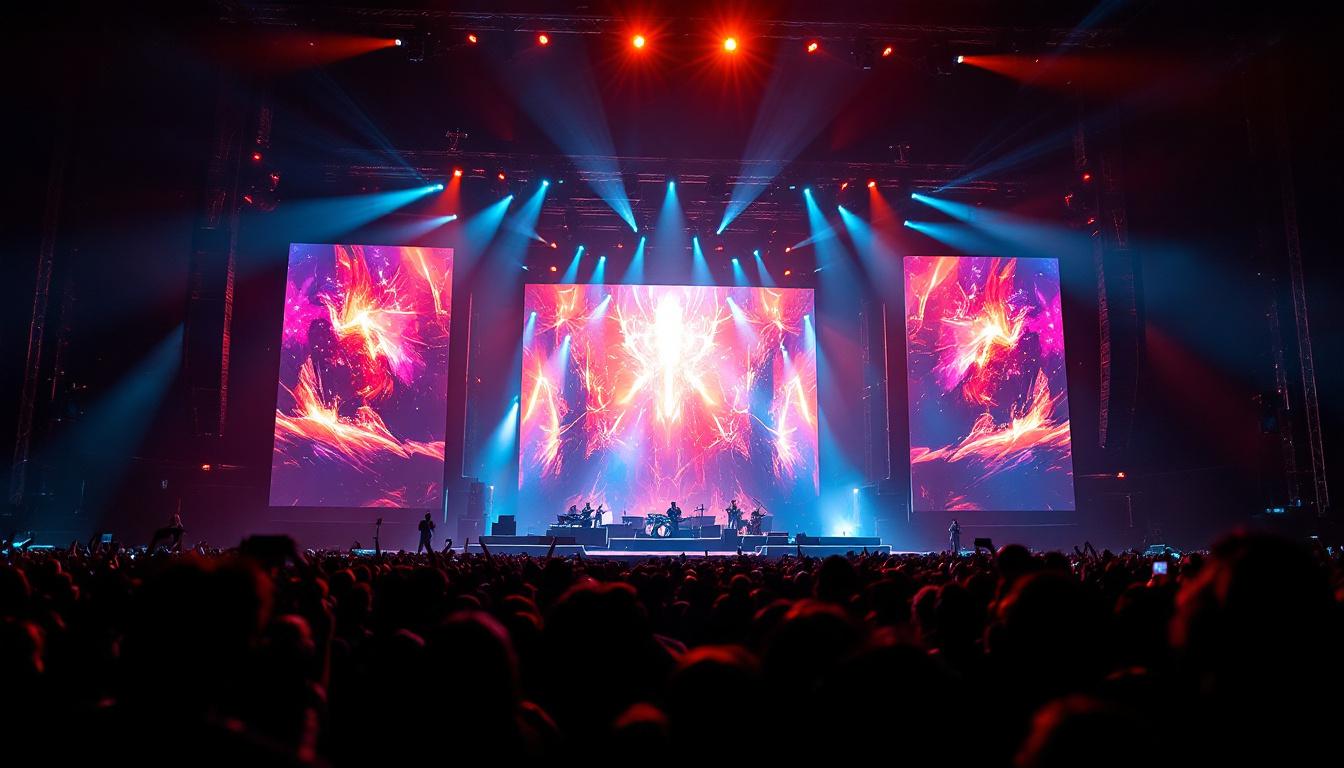
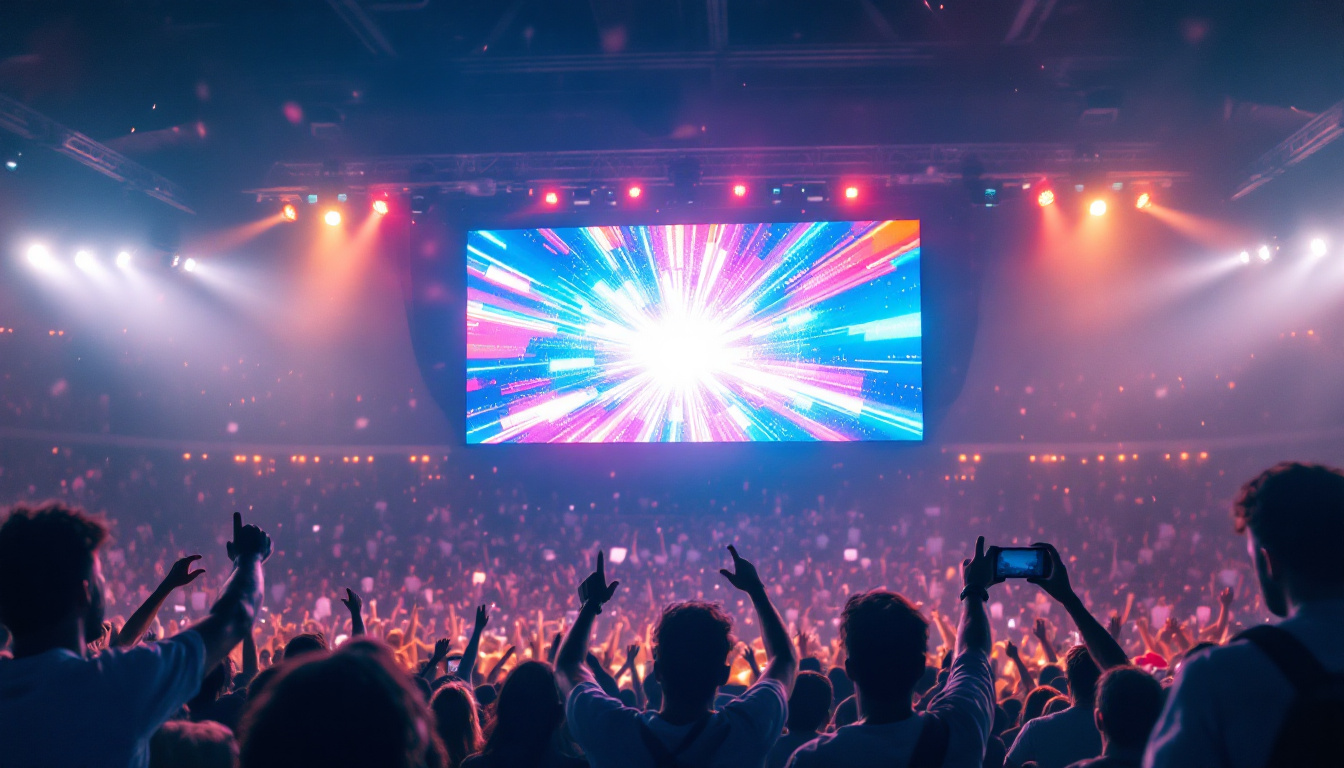
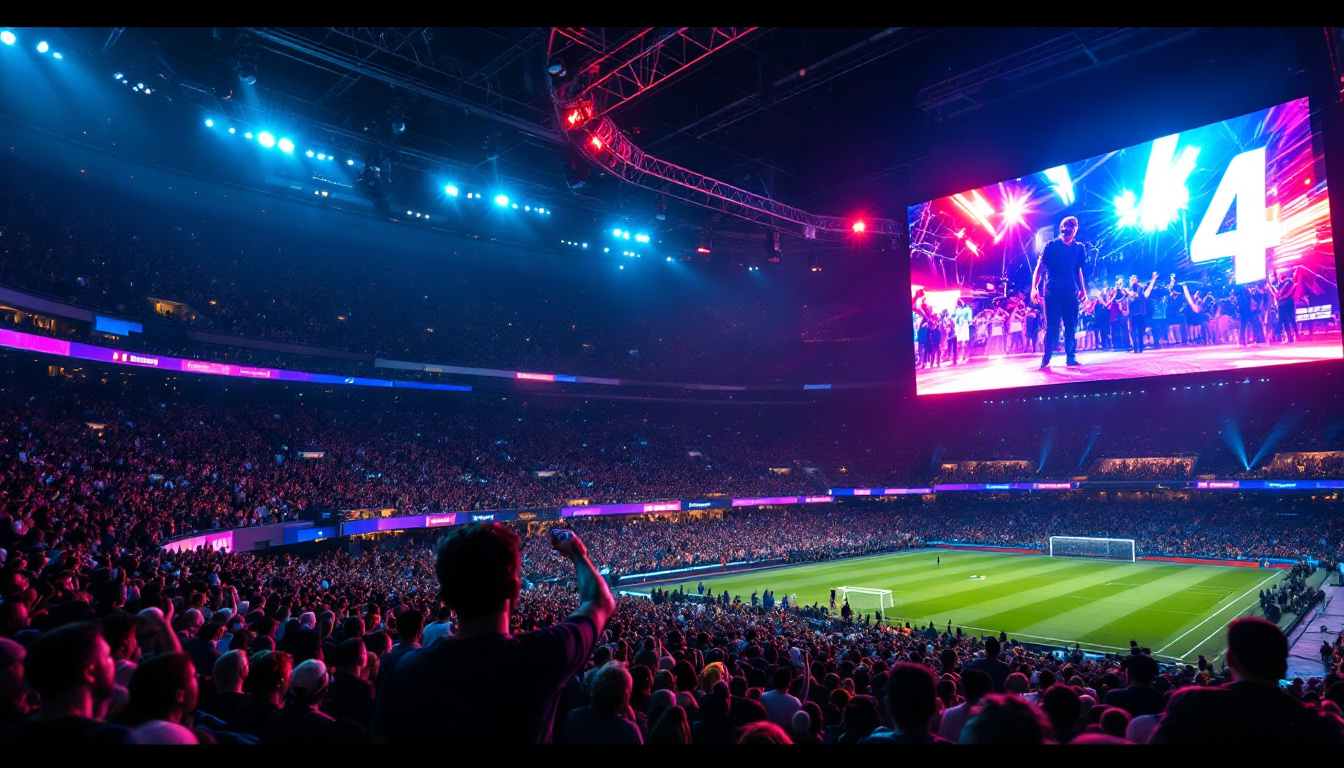
Large-scale LED video walls are a staple in stadiums, arenas, and concert venues. These displays provide immersive experiences for audiences by delivering high-resolution video and graphics. Using RoHS-compliant components helps venue operators meet sustainability goals and regulatory requirements, which is increasingly important in modern facility management.
Future Trends in RoHS LED Lighting and Displays
Advancements in Eco-Friendly Materials
As environmental concerns grow, the LED industry is investing in research to develop even safer and more sustainable materials. Innovations include lead-free solder alternatives, biodegradable substrates, and non-toxic phosphors. These advancements will further enhance RoHS compliance and reduce the environmental footprint of LED displays.
Integration with Smart Technologies
LED displays are becoming smarter, incorporating IoT (Internet of Things) capabilities for remote monitoring, adaptive brightness control, and energy management. RoHS compliance remains a priority as these technologies evolve, ensuring that new smart components also meet environmental standards.
Global Regulatory Harmonization
While RoHS originated in the European Union, many countries have adopted similar regulations or are working towards harmonizing standards. This global trend simplifies compliance for manufacturers and promotes widespread adoption of environmentally responsible LED lighting and display products.
Conclusion
RoHS LED lighting and displays represent a convergence of technological innovation and environmental responsibility. Understanding the importance of RoHS compliance helps manufacturers, distributors, and consumers make informed decisions that support sustainability without compromising performance. LED displays, with their superior brightness, energy efficiency, and versatility, continue to transform industries ranging from retail to entertainment.
As regulations tighten and consumer awareness grows, the demand for RoHS-compliant LED products will only increase. Staying informed about these standards and advancements ensures that stakeholders remain competitive and contribute positively to a greener future.
Illuminate Your Space with LumenMatrix
Embrace the future of visual display technology with LumenMatrix. As a pioneer in LED display innovation, we offer an extensive array of solutions tailored to your unique needs. Whether you’re looking to captivate shoppers with an Indoor LED Wall Display, make a statement in the great outdoors with an Outdoor LED Wall Display, or drive engagement with a Custom LED Display, LumenMatrix has the expertise to bring your vision to life. Our commitment to RoHS compliance ensures that our products not only deliver exceptional performance but also uphold environmental standards. Don’t miss the opportunity to transform your space. Check out LumenMatrix LED Display Solutions today and see how we can help you share your message with brilliance and precision.