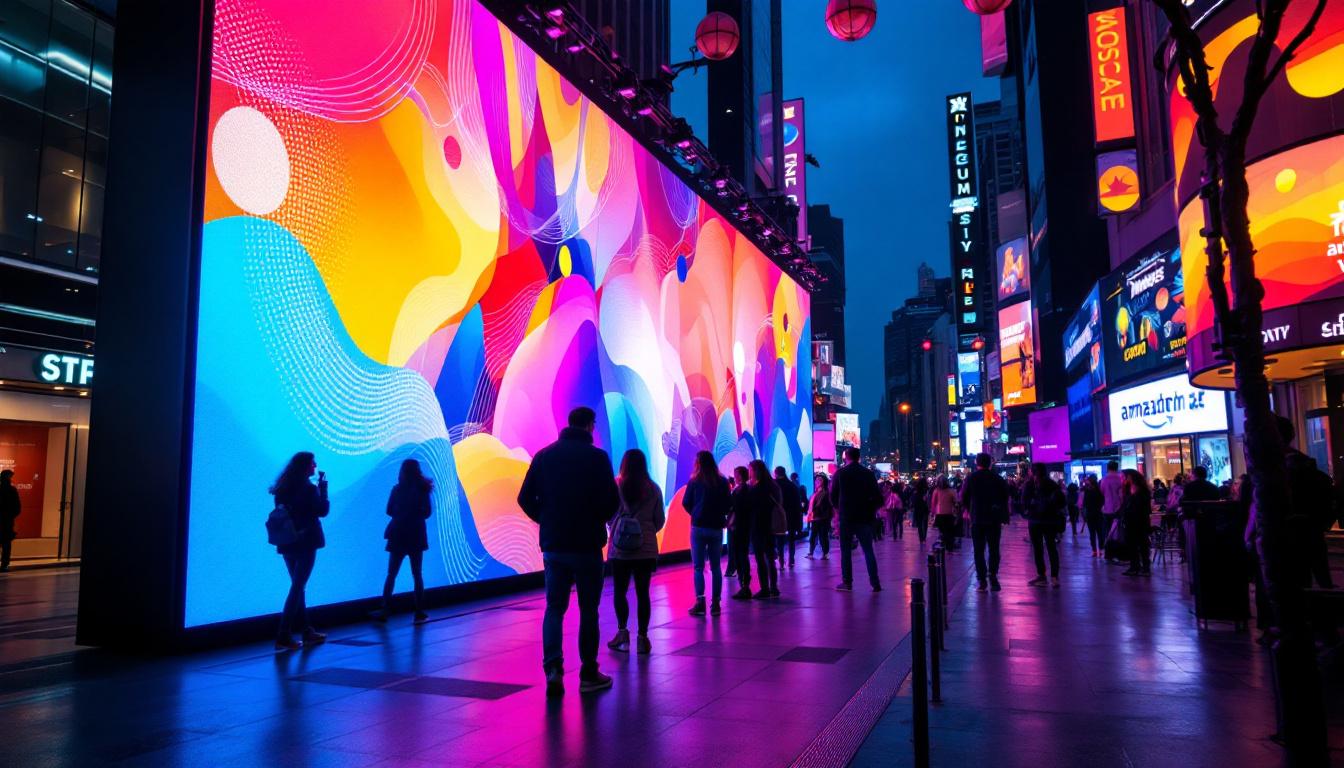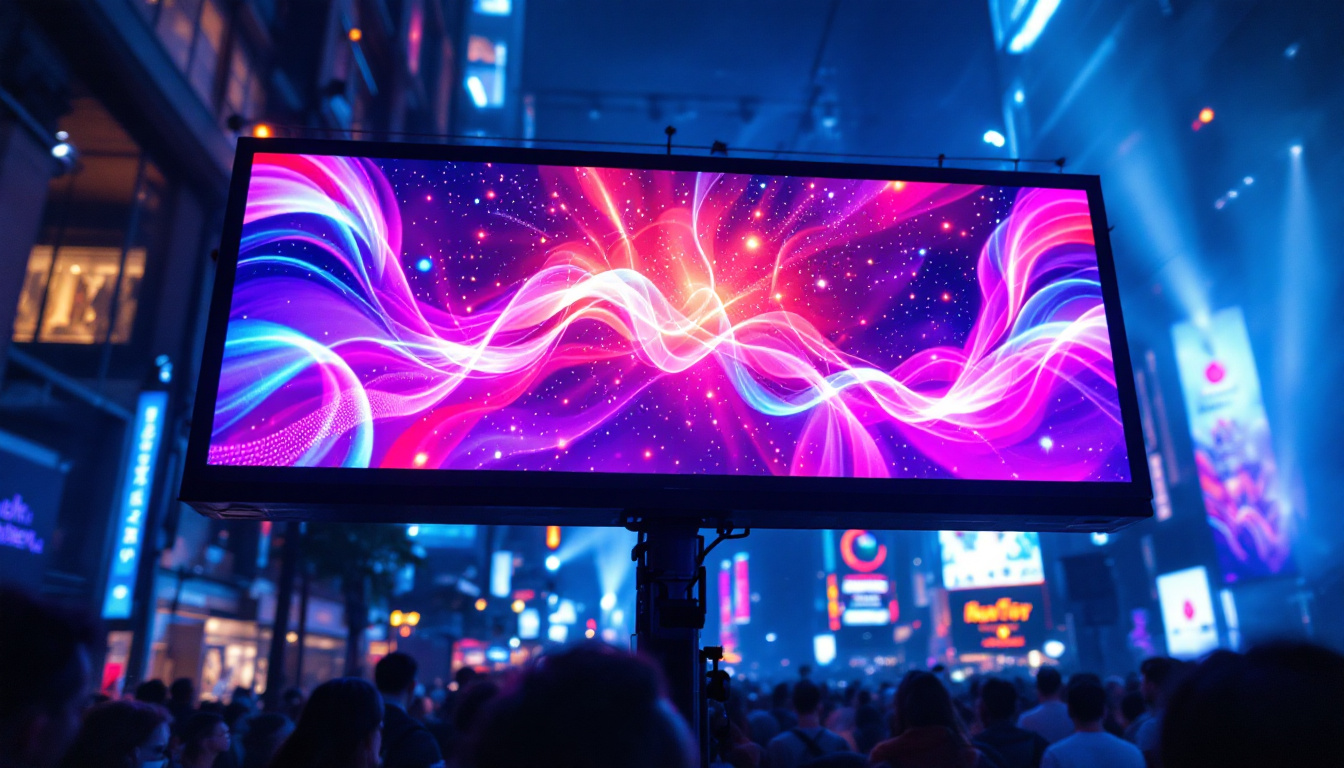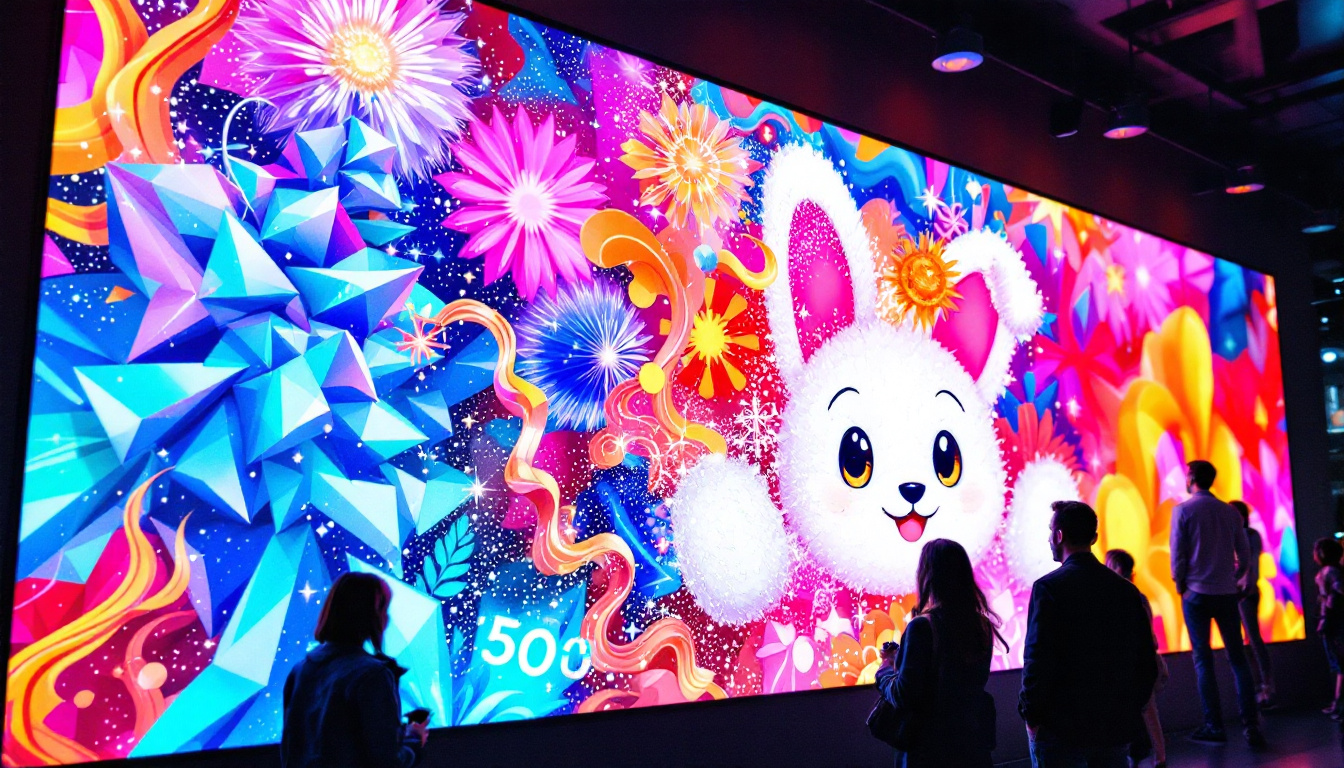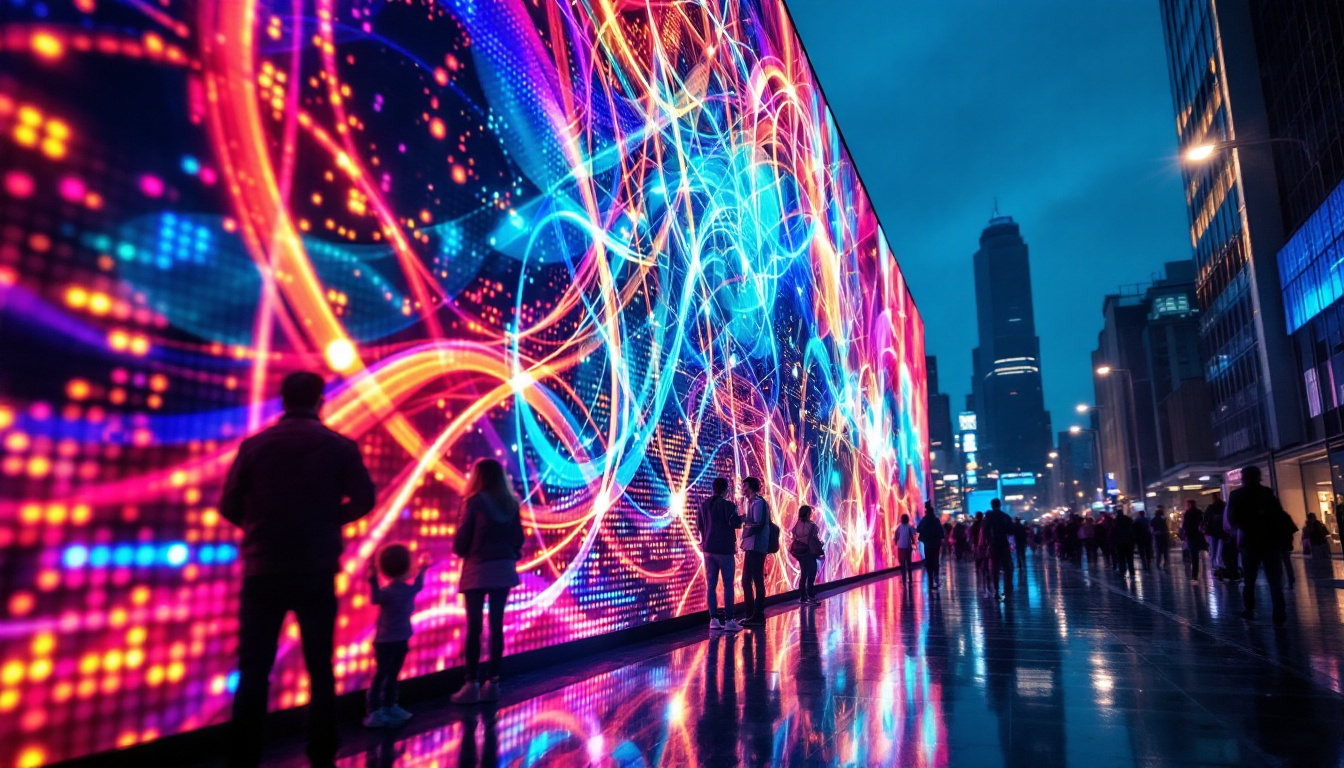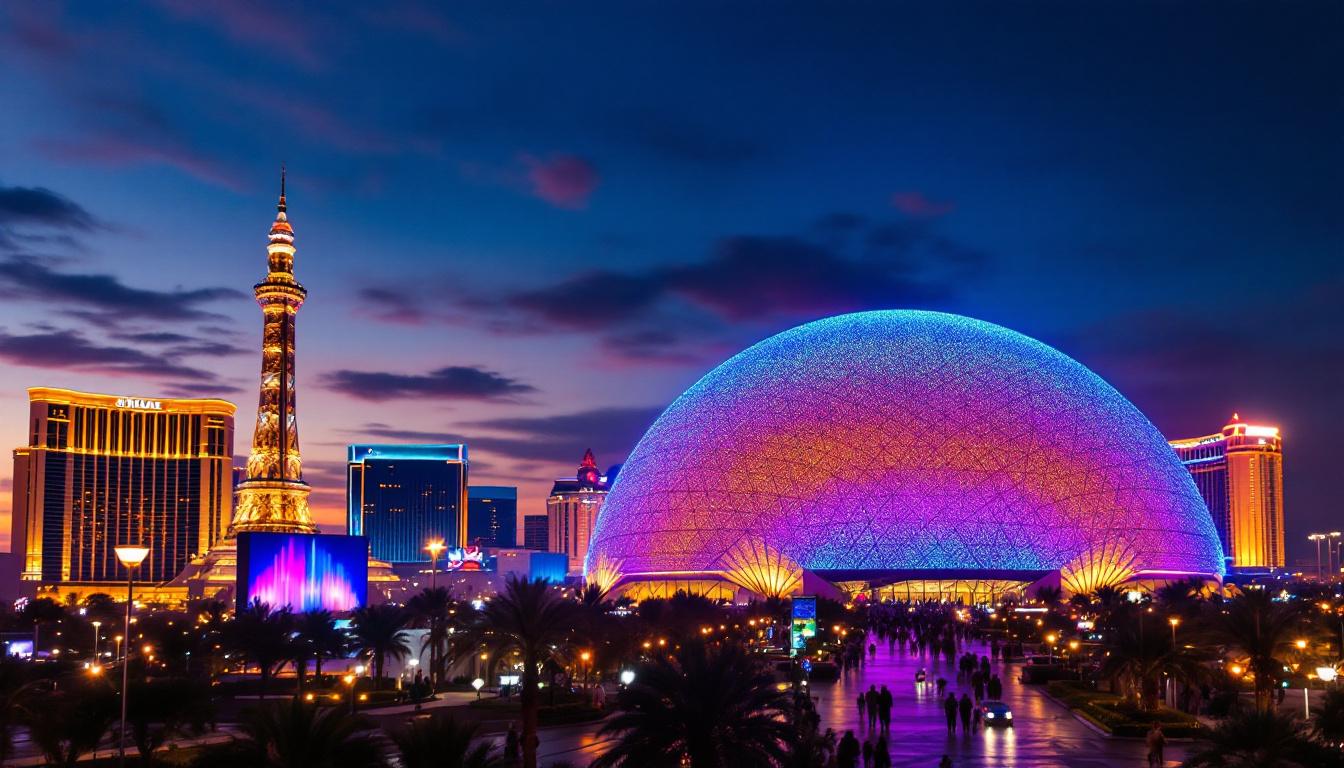
Las Vegas has long been synonymous with dazzling lights and cutting-edge entertainment technology. Among its latest marvels is a giant dome featuring an expansive LED display that captivates visitors with immersive visuals and dynamic content. This article delves into the technology behind this impressive structure, exploring how it works, its impact on the entertainment industry, and what it means for the future of large-scale digital displays.
The Rise of LED Technology in Large-Scale Displays
LED (Light Emitting Diode) technology has revolutionized the world of digital displays, offering unparalleled brightness, energy efficiency, and flexibility. Unlike traditional display technologies such as LCD or projection, LEDs emit light directly, resulting in vivid colors and high contrast even in bright environments like Las Vegas.
Over the past decade, advancements in LED manufacturing and design have enabled the creation of massive, curved, and even spherical displays. These innovations have expanded the possibilities for architects and designers, allowing them to integrate LED screens into unconventional structures like domes, tunnels, and building facades. The ability to create dynamic visual environments has transformed public spaces, making them more engaging and interactive for visitors and residents alike.
Why LEDs Are Ideal for a Giant Dome
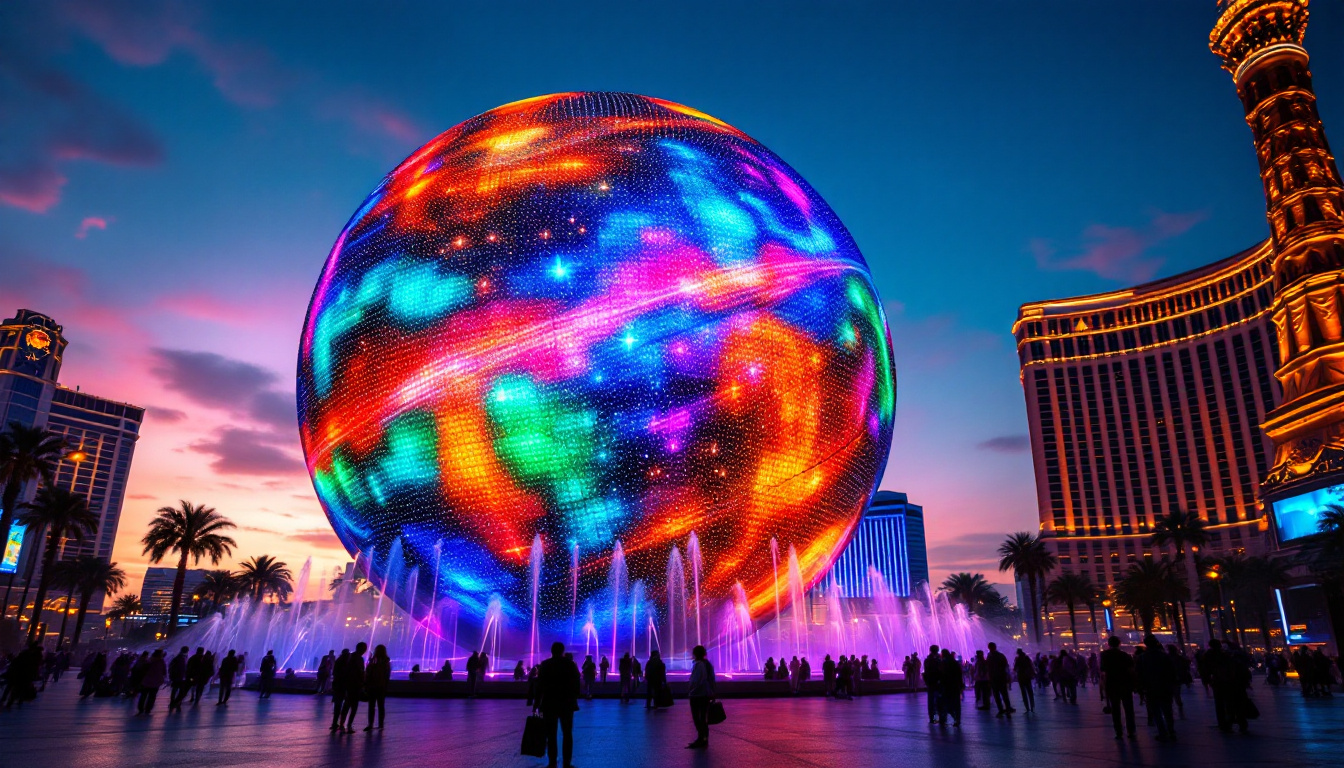
The giant dome in Las Vegas leverages the unique advantages of LED technology to deliver a seamless, immersive experience. Key reasons for choosing LEDs include:
- Brightness: LEDs can achieve luminance levels upwards of 5,000 nits, ensuring visibility in daylight and under the intense lighting conditions of the Las Vegas Strip.
- Durability: Designed to withstand extreme temperatures and weather conditions, LEDs are ideal for outdoor and semi-outdoor installations.
- Flexibility: The modular nature of LED panels allows for custom shapes and sizes, enabling the dome’s curved surface to be fully covered without distortion.
- Energy Efficiency: LEDs consume significantly less power compared to traditional lighting, making large installations more sustainable and cost-effective to operate.
Moreover, the integration of LED technology into such large-scale displays has also opened up new avenues for creative expression. Artists and designers can use the dome as a canvas, projecting intricate animations, vibrant colors, and even live feeds that transform the atmosphere of the surrounding area. This capability not only enhances the aesthetic appeal but also creates a sense of community engagement, drawing in crowds and encouraging interaction. Events, concerts, and public gatherings can be amplified through these displays, making them a focal point for entertainment and social connection.
In addition to artistic applications, the use of LED technology in large-scale displays contributes to urban branding and identity. Cities can leverage these dynamic installations to showcase local culture, history, and events, fostering a unique sense of place. For instance, the dome can serve as a platform for promotional content, tourism information, or public service announcements, effectively communicating with both locals and visitors. As cities continue to evolve, the role of LED displays will likely become even more integral to their infrastructure, enhancing the urban experience in ways previously unimagined.
Engineering the Dome’s LED Display
Constructing an LED display on a giant dome involves intricate engineering and precise coordination between hardware and software components. The dome in Las Vegas is a testament to modern engineering prowess, combining structural design with advanced display technology.
Modular LED Panels and Seamless Integration
The dome’s surface is covered with thousands of individual LED modules. Each module contains numerous tiny LEDs arranged in a grid, capable of producing millions of colors through varying intensities of red, green, and blue diodes. These modules are carefully aligned and calibrated to create a continuous, high-resolution image across the curved surface.
To accommodate the dome’s spherical shape, the LED panels are manufactured with slight curvature or mounted on adjustable frames. This ensures minimal gaps and uniform pixel density, which are critical for maintaining image clarity and preventing visual distortion.
Pixel Pitch and Resolution Considerations
Pixel pitch—the distance between the centers of adjacent pixels—is a crucial factor in determining display resolution and viewing experience. For the giant dome, a pixel pitch of around 6 to 10 millimeters strikes a balance between image sharpness and cost-effectiveness, given the typical viewing distance of visitors.
With a dome diameter exceeding 150 feet, the total number of pixels runs into the millions, enabling 4K or even 8K equivalent resolutions. This high pixel count allows for detailed animations, videos, and interactive content that can be seen clearly from various vantage points around the dome.
Advanced Control Systems and Content Management
Behind the scenes, a sophisticated control system manages the LED display’s content and performance. This system synchronizes thousands of LED modules, ensuring color consistency, brightness uniformity, and real-time responsiveness.
Content management software allows operators to schedule shows, adjust brightness based on ambient light, and integrate live feeds or interactive elements. The system also monitors the health of each LED module, enabling predictive maintenance to minimize downtime.
Impact on Entertainment and Visitor Experience
The giant LED dome in Las Vegas is more than just a technological marvel; it is a transformative platform for entertainment, advertising, and immersive experiences. Its presence has reshaped how visitors engage with the city’s vibrant atmosphere.
Immersive Visual Storytelling
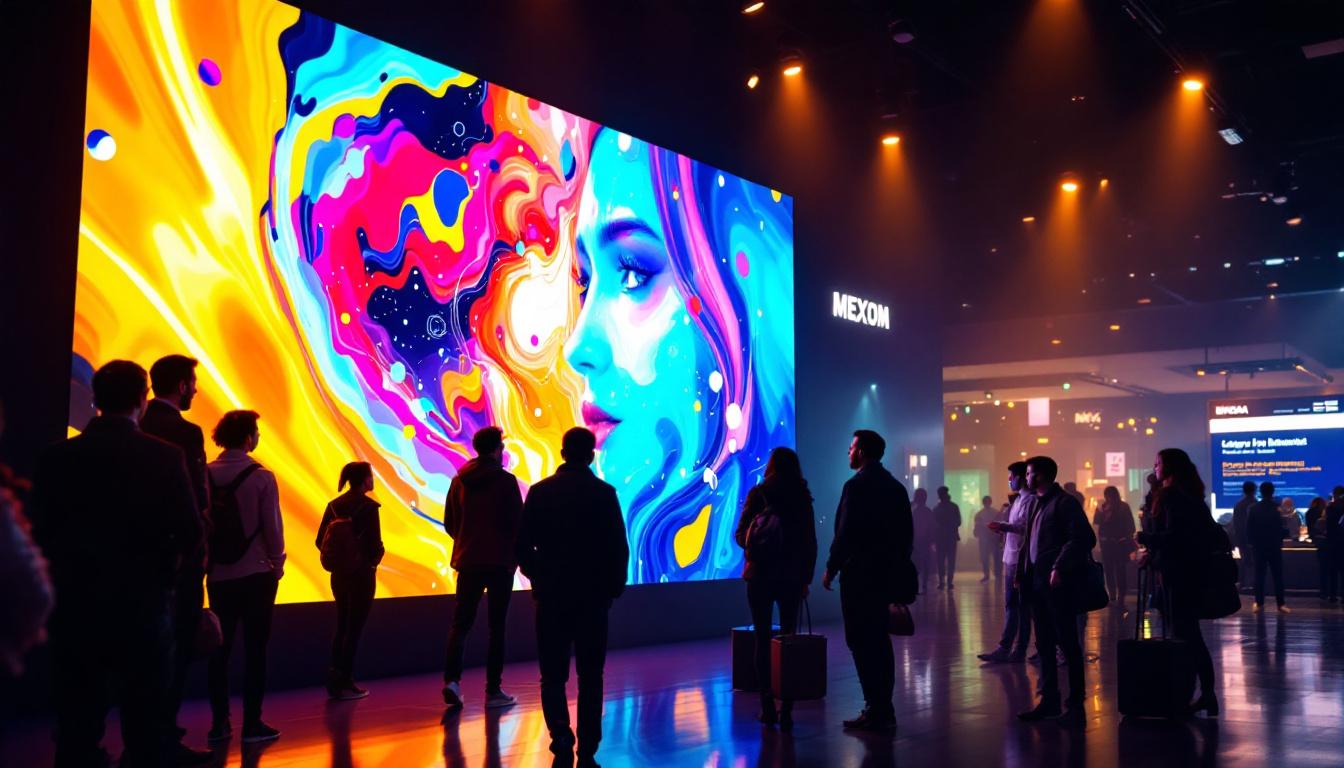
The dome’s 360-degree display capability allows for immersive storytelling that surrounds visitors with dynamic visuals. From breathtaking natural landscapes to abstract art and live event broadcasts, the content can transport audiences to entirely new worlds.
For example, during major events or holidays, the dome can showcase synchronized light shows that blend music, animation, and interactive elements, creating memorable experiences that encourage social sharing and repeat visits.
Advertising and Branding Opportunities
Given Las Vegas’s status as a global entertainment hub, the dome offers unparalleled advertising opportunities. Brands can leverage the massive screen real estate to deliver high-impact campaigns that reach millions of visitors annually.
Interactive advertising, such as augmented reality elements or user-generated content, can also be integrated, enhancing engagement and providing valuable data insights for marketers. This fusion of technology and creativity represents a new frontier in experiential marketing.
Enhancing Urban Aesthetics and Nightlife
The LED dome contributes to the city’s iconic skyline, adding a futuristic and artistic element to the urban landscape. Its vibrant displays complement the surrounding neon lights and architectural features, enhancing the overall ambiance of the Las Vegas Strip.
At night, the dome becomes a beacon of light and color, attracting tourists and locals alike. This effect boosts foot traffic to nearby businesses and supports the city’s economy by reinforcing its image as a premier entertainment destination.
Challenges and Innovations in Dome LED Displays
While the giant LED dome is a remarkable achievement, its development and operation come with unique challenges. Addressing these issues requires continuous innovation and collaboration among engineers, designers, and content creators.
Heat Management and Energy Consumption
LEDs generate heat, and when thousands are packed closely together on a large dome, effective heat dissipation is critical to maintain performance and longevity. Engineers incorporate advanced cooling systems, such as passive heat sinks and active airflow mechanisms, to regulate temperature.
Energy consumption is another concern, especially for a display that operates for many hours daily. Innovations in LED efficiency and smart power management help reduce the environmental footprint while maintaining brightness and quality.
Weatherproofing and Maintenance
Exposure to sun, wind, dust, and occasional rain requires the dome’s LED modules to be rugged and weatherproof. Specialized coatings and sealing techniques protect the electronics without compromising display quality.
Maintenance teams employ drones and robotic systems for inspection and cleaning, minimizing human risk and downtime. Predictive analytics also play a role by identifying potential failures before they occur.
Content Creation for Curved Surfaces
Designing content for a spherical LED display differs significantly from flat screens. Content creators must account for curvature, viewing angles, and distortion effects to ensure visuals appear natural and engaging from multiple perspectives.
Advanced software tools simulate the dome environment, allowing artists and technicians to preview and adjust content before deployment. This collaborative process pushes the boundaries of digital art and interactive media.
The Future of LED Dome Displays
The success of the giant LED dome in Las Vegas signals a broader trend toward immersive, large-scale digital environments. As technology evolves, these displays will become more sophisticated, interactive, and integrated with other emerging technologies.
Integration with Augmented and Virtual Reality
Future iterations of LED domes may incorporate augmented reality (AR) and virtual reality (VR) elements, creating hybrid experiences that blend physical and digital worlds. Visitors could interact with content through mobile devices or wearable tech, personalizing their experience.
Smart City Applications
Beyond entertainment, LED domes could serve as hubs for smart city initiatives, displaying real-time information such as traffic updates, emergency alerts, or environmental data. This multifunctionality enhances urban living and public safety.
Advances in LED Materials and Design
Emerging LED materials, such as micro-LEDs and quantum dot LEDs, promise even higher resolution, better color accuracy, and lower power consumption. These advancements will enable more compact and flexible displays, expanding the possibilities for dome design and functionality.
Conclusion
The giant LED dome in Las Vegas stands as a landmark achievement in display technology and urban entertainment. Combining engineering excellence with creative vision, it offers an immersive experience that captivates audiences and redefines public digital displays.
As LED technology continues to advance, such domes will likely become more prevalent worldwide, transforming how cities engage residents and visitors alike. For now, the Las Vegas dome remains a shining example of what is possible when innovation meets imagination.
Explore Cutting-Edge LED Displays with LumenMatrix
As you marvel at the technological wonder of the giant LED dome in Las Vegas, imagine the possibilities for your own space. LumenMatrix, a pioneer in LED display technology, offers a wide array of solutions that bring your vision to life. From Indoor and Outdoor LED Wall Displays to innovative LED Sports and Transparent Displays, our products are designed to captivate and engage. Elevate your brand visibility and create immersive visual experiences with LumenMatrix. Check out LumenMatrix LED Display Solutions and join the revolution in visual communication.