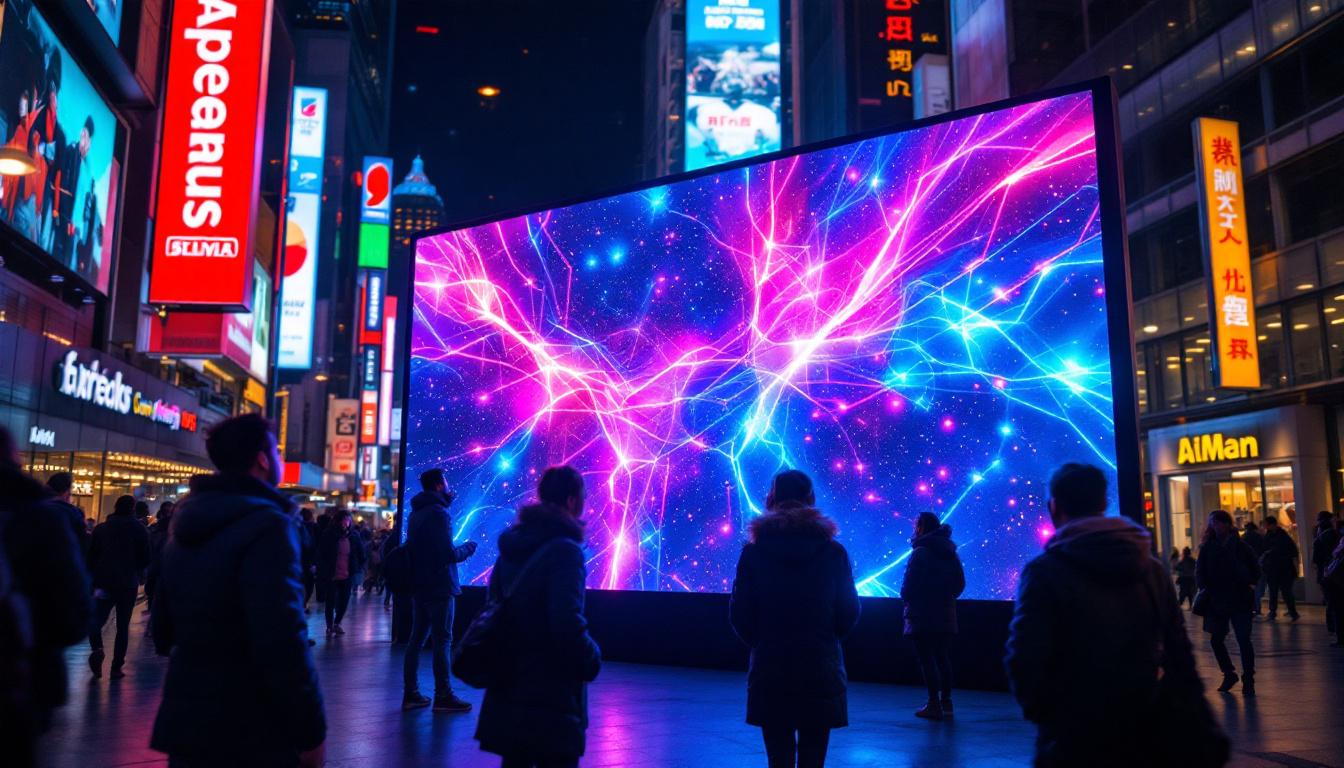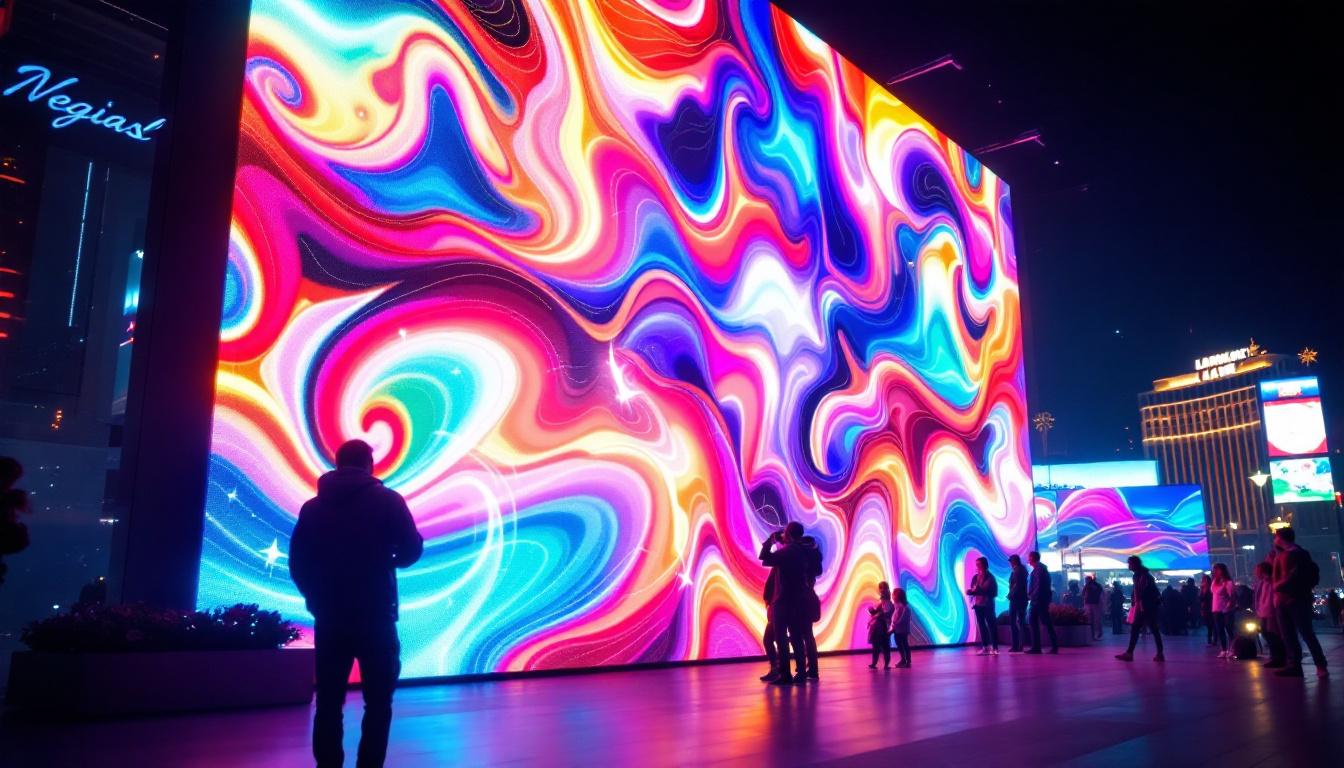
Las Vegas, often dubbed the Entertainment Capital of the World, is synonymous with dazzling lights, vibrant nightlife, and eye-catching displays. Among the many technologies that contribute to its iconic visual appeal, LED displays stand out as a cornerstone. From the colossal billboards on the Strip to the intricate signage inside casinos, LED technology plays a pivotal role in shaping the city’s unique atmosphere.
This article dives deep into the world of LED displays in Las Vegas—exploring their technology, applications, and why they are indispensable in such a dynamic environment. Whether you’re a business owner considering an LED installation or simply fascinated by the technology behind Vegas’s bright lights, this guide offers a comprehensive understanding of LED displays in this vibrant city.
Understanding LED Display Technology
What is an LED Display?
LED stands for Light Emitting Diode, a semiconductor device that emits light when an electric current passes through it. An LED display is a flat panel display that uses an array of these tiny LEDs as pixels to create images, videos, or text. Unlike traditional lighting or display technologies, LEDs are highly energy-efficient, long-lasting, and capable of producing vivid colors with high brightness.
In Las Vegas, where visibility and impact are paramount, LED displays are preferred for their ability to capture attention even under direct sunlight or in the midst of the city’s intense lighting environment. The vibrant colors and sharp contrasts offered by LED technology make them an ideal choice for the bustling atmosphere of the Strip, where competition for attention is fierce. Additionally, the ability to change content quickly allows businesses to adapt their advertising strategies in real-time, promoting special events or last-minute deals to attract tourists and locals alike.
Types of LED Displays Commonly Used in Las Vegas
LED displays come in various forms, each suited to different applications. The most common types found in Las Vegas include:
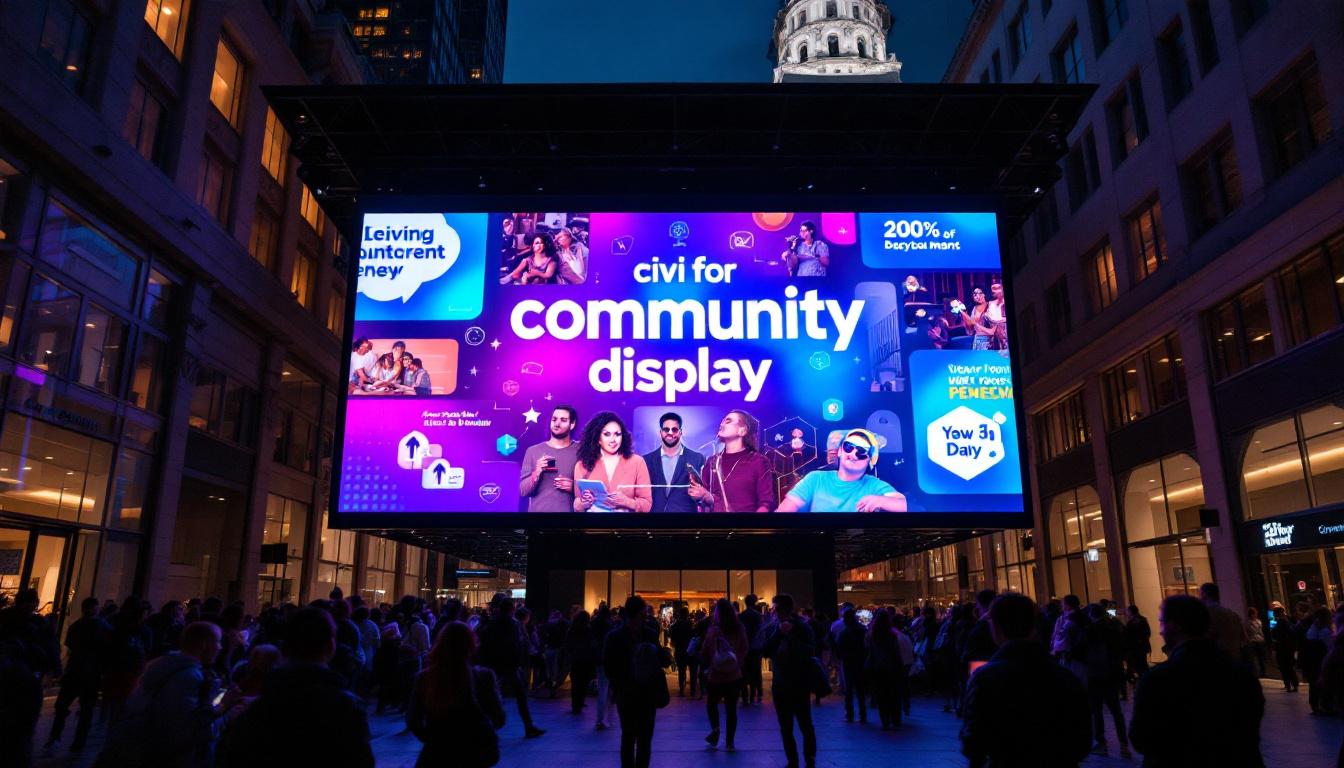
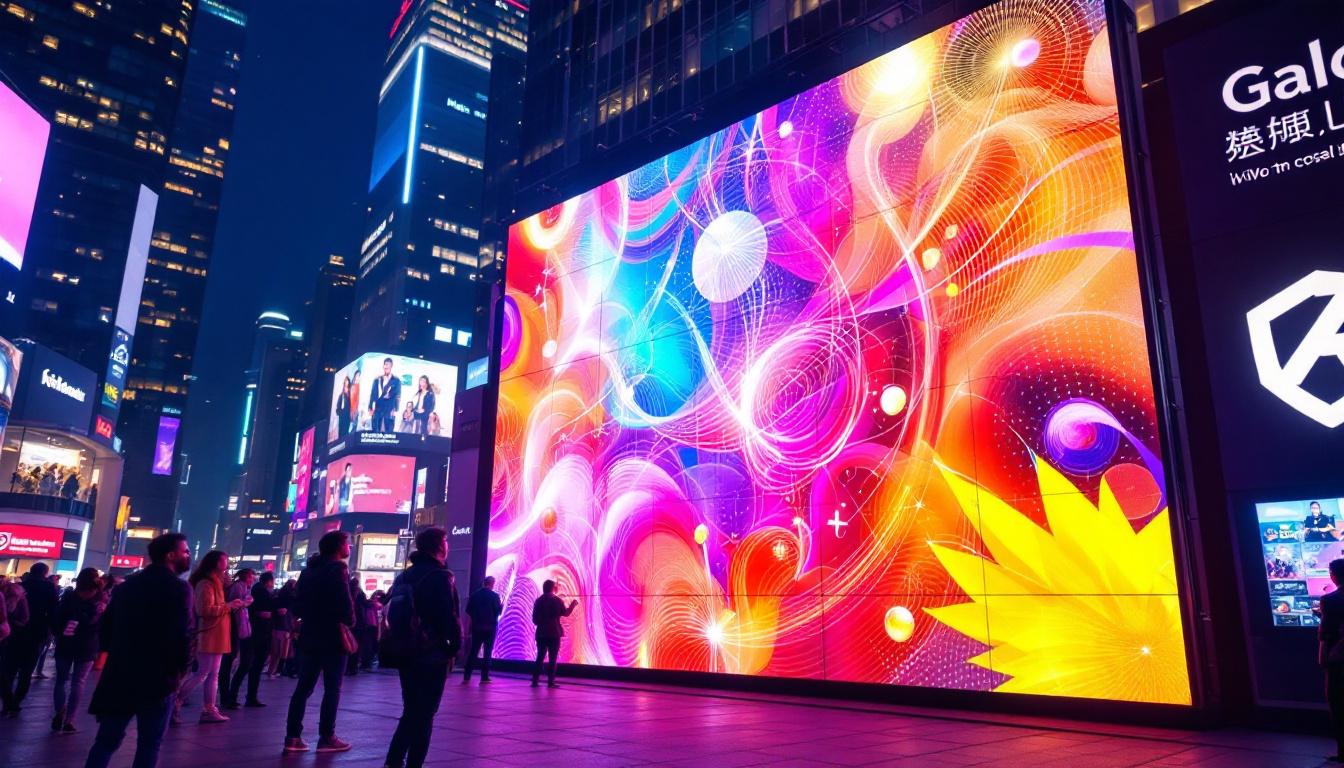
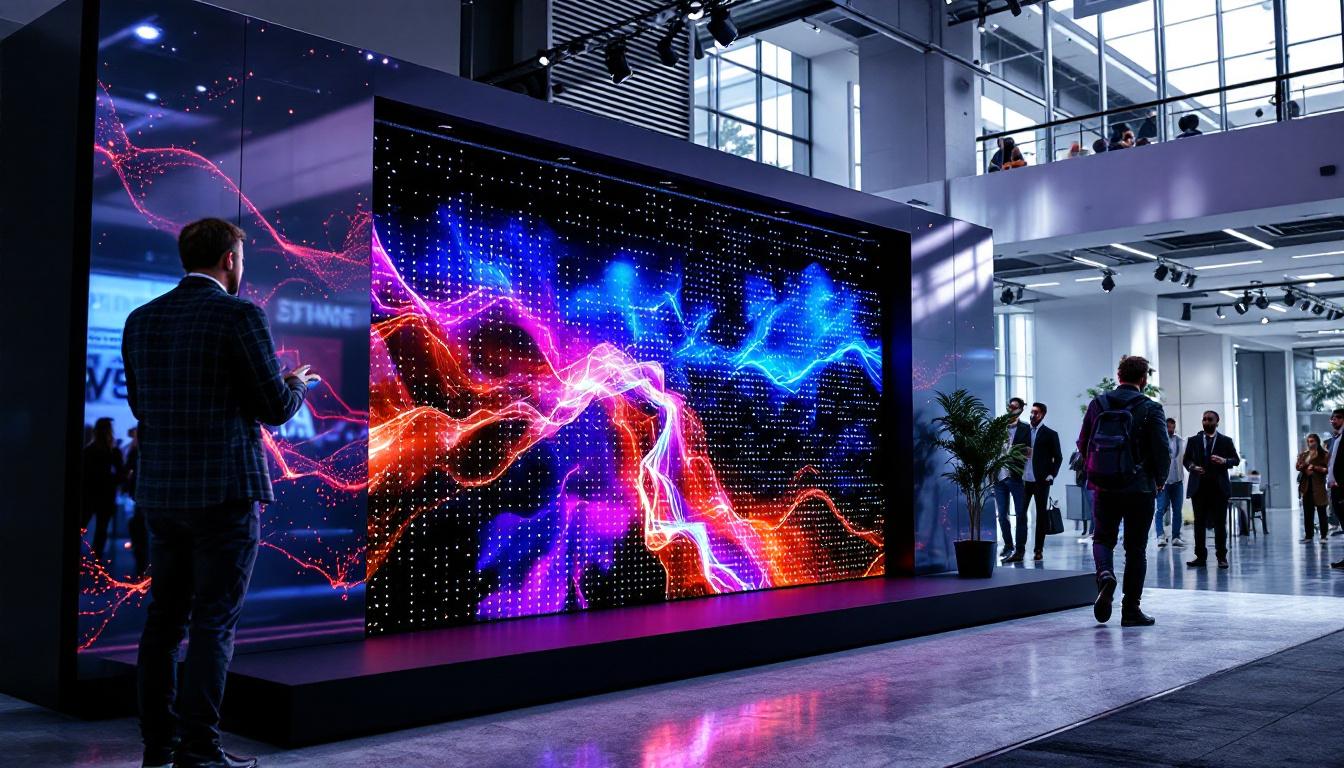
- Outdoor LED Billboards: Massive, high-brightness screens designed to be visible from great distances, often used for advertising along the Strip and major roadways.
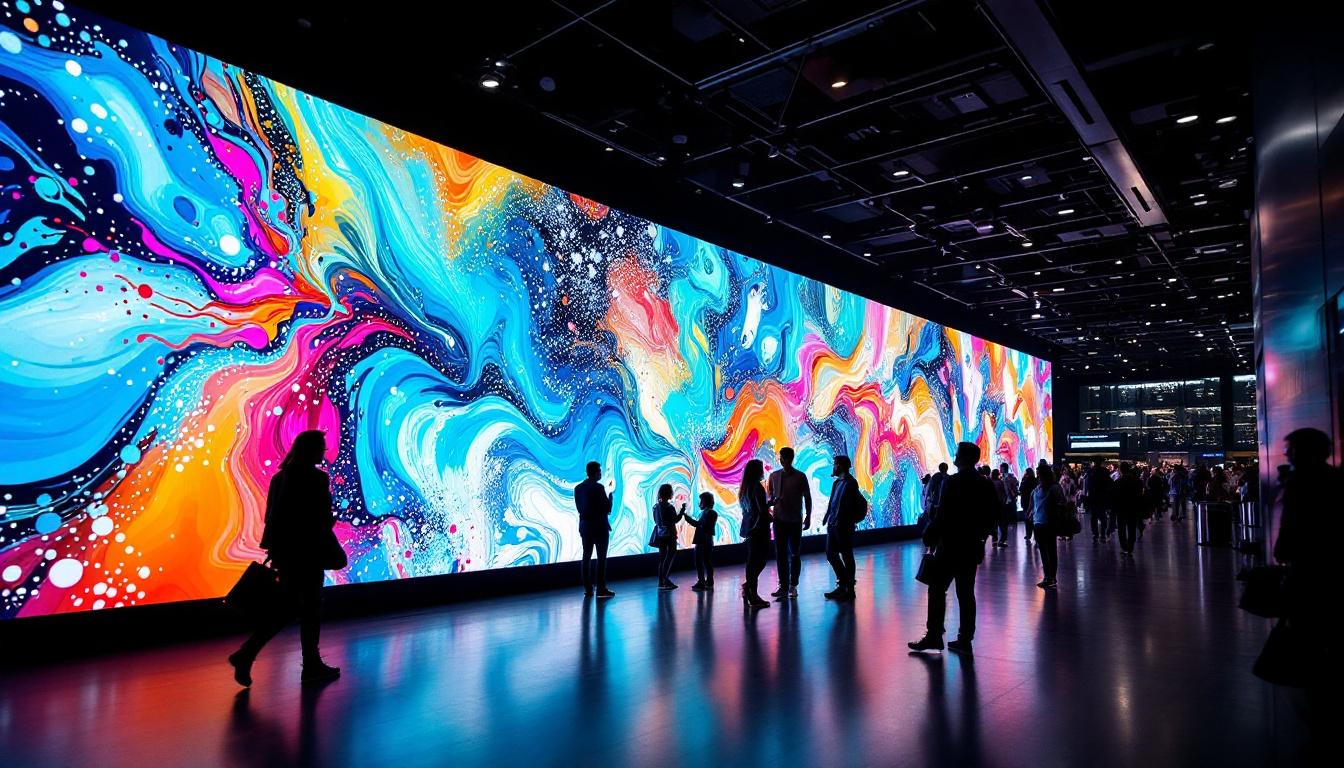
- Indoor LED Screens: Smaller, high-resolution displays used inside casinos, theaters, and retail spaces for dynamic content and promotions.
- Transparent LED Displays: Innovative screens that allow light to pass through, ideal for storefront windows and architectural installations.
- Flexible LED Panels: Curved or bendable displays used in creative installations, such as wrapping around columns or ceilings.
Each type offers unique advantages, tailored to the specific needs of Las Vegas’s diverse entertainment and advertising sectors. For instance, outdoor LED billboards are engineered to withstand the elements, featuring weather-resistant designs that ensure longevity even in the desert climate. Indoor LED screens, on the other hand, boast high pixel density, providing crystal-clear imagery that enhances the customer experience in casinos and theaters. Furthermore, the rise of transparent LED displays has opened up new avenues for creative advertising, allowing businesses to showcase their products while maintaining visibility into their stores, thus merging aesthetics with functionality. The flexibility of these displays not only inspires innovative designs but also allows for seamless integration into existing architecture, making them a favorite among designers and advertisers seeking to push the boundaries of visual communication.
The Role of LED Displays in Las Vegas’s Economy and Culture
Driving Tourism and Entertainment
Las Vegas attracts over 40 million visitors annually, many drawn by its world-famous entertainment and visual spectacle. LED displays contribute significantly to this allure by transforming the cityscape into a constantly evolving canvas of light and motion.
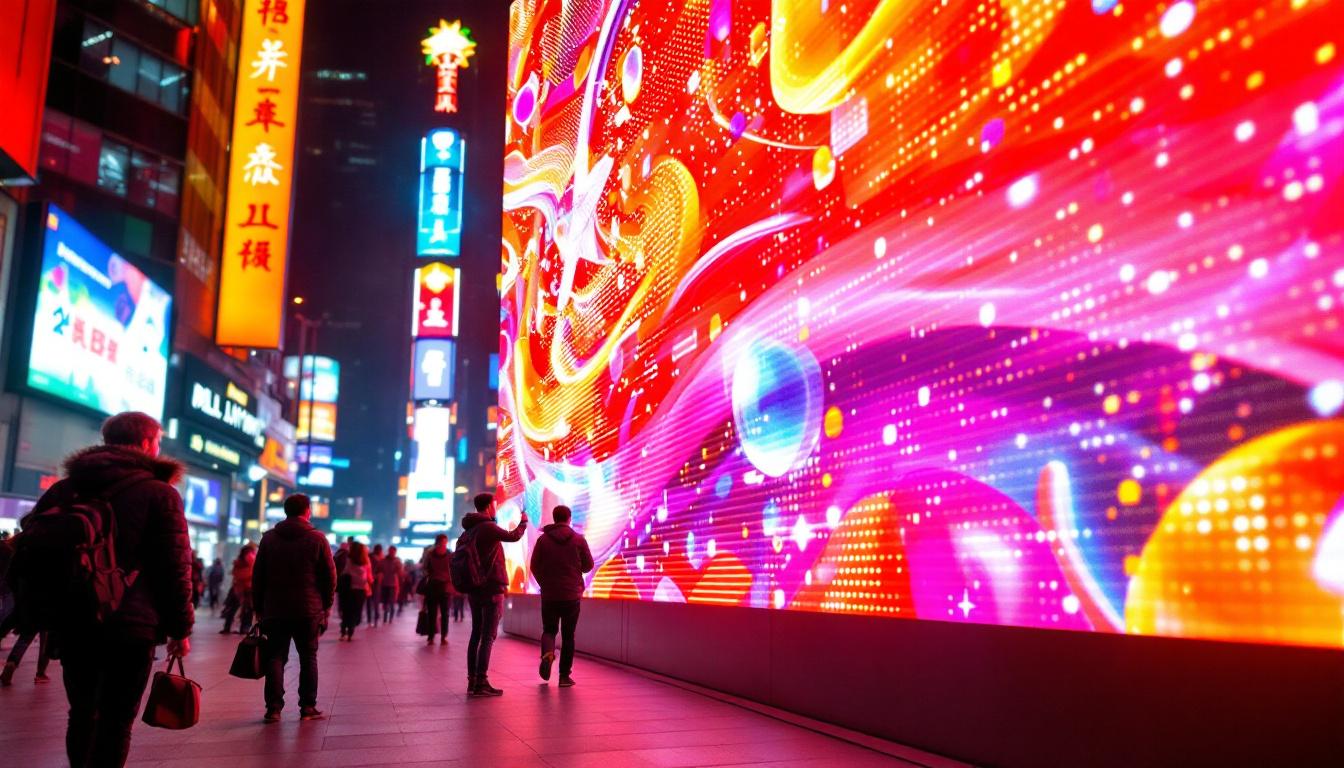
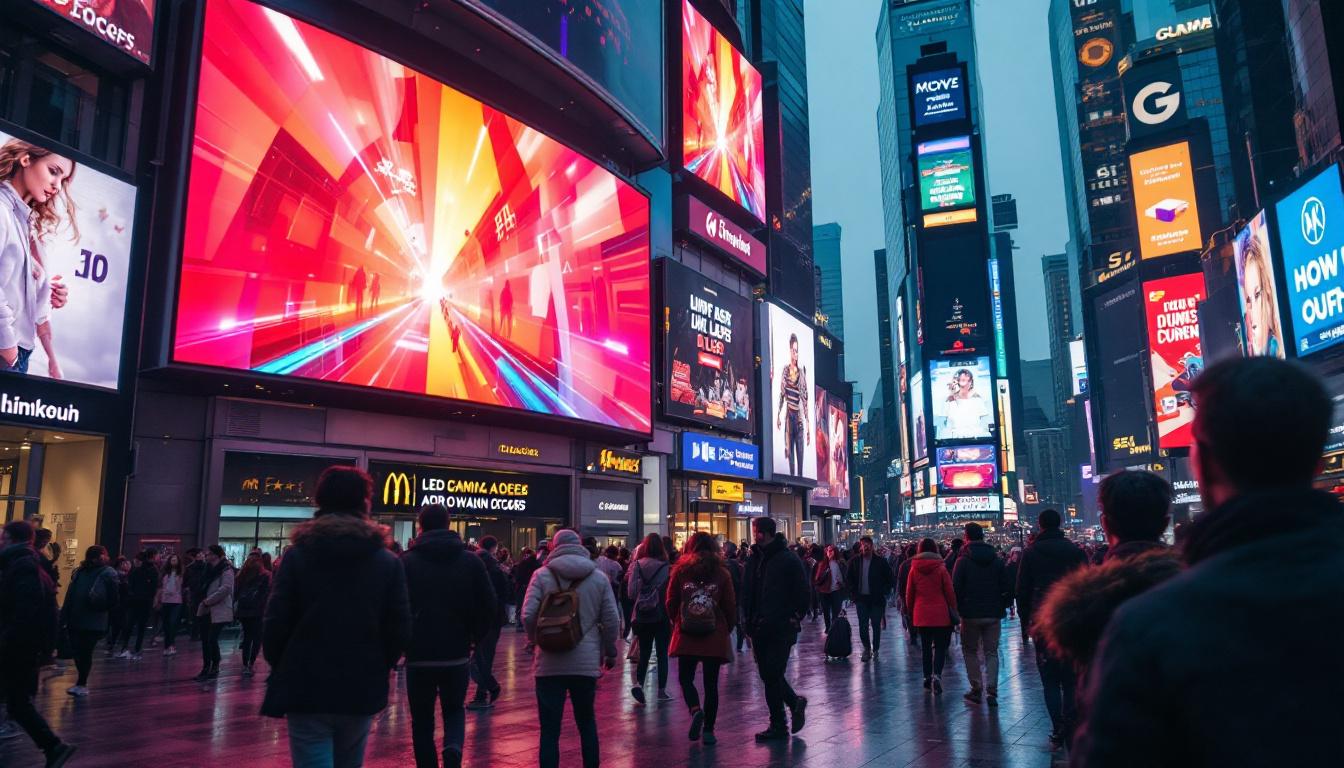
For example, the Fremont Street Experience features a canopy of LED lights stretching over a pedestrian mall, creating immersive light shows that captivate crowds nightly. Similarly, the massive LED billboards along the Strip not only advertise but also enhance the city’s identity as a high-energy entertainment hub.
Advertising and Marketing Powerhouse
In a city where competition for attention is fierce, LED displays provide businesses with an effective medium to stand out. According to recent industry reports, LED advertising can increase brand recall by up to 47% compared to static signage. This is crucial in Las Vegas, where casinos, hotels, and entertainment venues constantly vie for visitors’ attention.
Moreover, the flexibility of LED technology allows for real-time content updates, enabling businesses to promote events, special offers, or emergency information instantly. This adaptability is vital in a fast-paced environment like Vegas, where timing can make all the difference.
Technical Considerations for LED Installations in Las Vegas
Brightness and Visibility
One of the most critical factors for LED displays in Las Vegas is brightness. The city’s outdoor environment is flooded with competing light sources, from neon signs to vehicle headlights. LED displays must therefore offer high luminance levels, often exceeding 5,000 nits, to ensure clear visibility both day and night.
Advanced sensors are often integrated to adjust brightness automatically based on ambient light conditions, optimizing energy use while maintaining optimal display quality.
Durability and Weather Resistance
Las Vegas experiences extreme weather conditions, including intense heat, dust storms, and occasional monsoon rains. LED displays installed outdoors must be ruggedized to withstand these elements.
High-quality LED modules used in Vegas typically feature IP65 or higher ratings, indicating strong protection against dust and water ingress. Additionally, robust cooling systems are essential to prevent overheating in the desert climate, ensuring consistent performance and longevity.
Pixel Pitch and Resolution
Pixel pitch refers to the distance between individual LED pixels, measured in millimeters. It directly affects the resolution and viewing distance of the display. For large outdoor billboards, pixel pitches of 10mm or higher are common, as viewers are typically far away. Conversely, indoor displays require finer pixel pitches—sometimes as low as 1.5mm—to deliver crisp images up close.
Choosing the right pixel pitch is crucial for maximizing impact while managing costs, especially in a city like Las Vegas where both massive outdoor screens and detailed indoor displays coexist.
Innovations and Trends in LED Displays in Las Vegas
Interactive and Immersive Experiences
Las Vegas is at the forefront of integrating interactive LED displays that engage audiences beyond passive viewing. Touch-sensitive LED walls, motion-responsive installations, and augmented reality overlays are becoming increasingly common in casinos and entertainment venues.
These technologies create immersive experiences that enhance visitor engagement, encouraging longer stays and higher spending. For example, some resorts use interactive LED floors that respond to footsteps, adding an element of playfulness and novelty.
Energy Efficiency and Sustainability
With growing awareness of environmental impact, many Las Vegas businesses are prioritizing energy-efficient LED solutions. Modern LEDs consume significantly less power than traditional neon or incandescent lighting, reducing operational costs and carbon footprints.
Additionally, innovations such as solar-powered LED displays and smart energy management systems are being piloted to further enhance sustainability. These efforts align with broader city initiatives aimed at promoting green tourism and responsible energy use.
Integration with Smart City Infrastructure
Las Vegas is exploring the integration of LED displays with smart city technologies. This includes real-time data feeds for traffic updates, emergency alerts, and public service announcements displayed on LED screens throughout the city.
Such integration not only improves public safety and convenience but also opens new avenues for dynamic advertising and community engagement. The convergence of LED technology with IoT and AI promises to transform the urban landscape into an intelligent, responsive environment.
Challenges and Considerations for LED Display Deployment
Regulatory and Zoning Restrictions
Despite their benefits, LED displays in Las Vegas face regulatory challenges. The city enforces strict signage codes to balance commercial interests with aesthetic and safety concerns. For instance, brightness limits and operational hours may be regulated to prevent light pollution and driver distraction.
Businesses planning LED installations must navigate these regulations carefully, often requiring permits and compliance with design guidelines. Collaboration with city planners and experienced LED providers can streamline this process.
Cost and Maintenance
While LED technology has become more affordable, initial installation costs for large-scale displays remain significant. This includes not only the hardware but also structural supports, electrical wiring, and content management systems.
Ongoing maintenance is another consideration. LEDs generally have long lifespans—often exceeding 100,000 hours—but require periodic cleaning, calibration, and occasional repairs to maintain optimal performance. In the harsh Las Vegas environment, proactive maintenance is essential to prevent downtime and preserve visual quality.
Content Creation and Management
The effectiveness of an LED display depends heavily on the quality and relevance of its content. Creating engaging, dynamic visuals that resonate with diverse audiences requires skilled designers and marketers.
Furthermore, managing content across multiple displays—sometimes spread across large properties or city areas—necessitates robust software platforms. These tools enable scheduling, remote updates, and performance monitoring, ensuring that the displays remain fresh and impactful.
Future Outlook: The Evolution of LED Displays in Las Vegas
As technology advances, LED displays in Las Vegas are poised to become even more sophisticated and integrated. Emerging trends such as microLED and miniLED promise higher resolutions, better color accuracy, and thinner form factors, expanding creative possibilities.
Moreover, the fusion of LED technology with artificial intelligence and augmented reality will likely redefine how visitors experience the city’s visual landscape. Personalized content, adaptive lighting, and interactive storytelling may become the norm, further enhancing Las Vegas’s reputation as a leader in entertainment innovation.
In conclusion, LED displays are more than just bright lights in Las Vegas—they are vital tools that shape the city’s identity, economy, and culture. Understanding their technology, applications, and challenges provides valuable insight into how this vibrant metropolis continues to captivate the world.
Illuminate Your Space with LumenMatrix
Ready to elevate your visual presence in the heart of Las Vegas or beyond? Discover how LumenMatrix can transform your space into a beacon of engagement. With our comprehensive range of LED display solutions, from the vibrant Indoor LED Wall Display to the dynamic Outdoor LED Wall Display, and the innovative LED Transparent Display, we are committed to revolutionizing your visual communication. Experience the future of digital signage and create unforgettable experiences with LumenMatrix. Check out LumenMatrix LED Display Solutions today and light up your brand with clarity and impact.