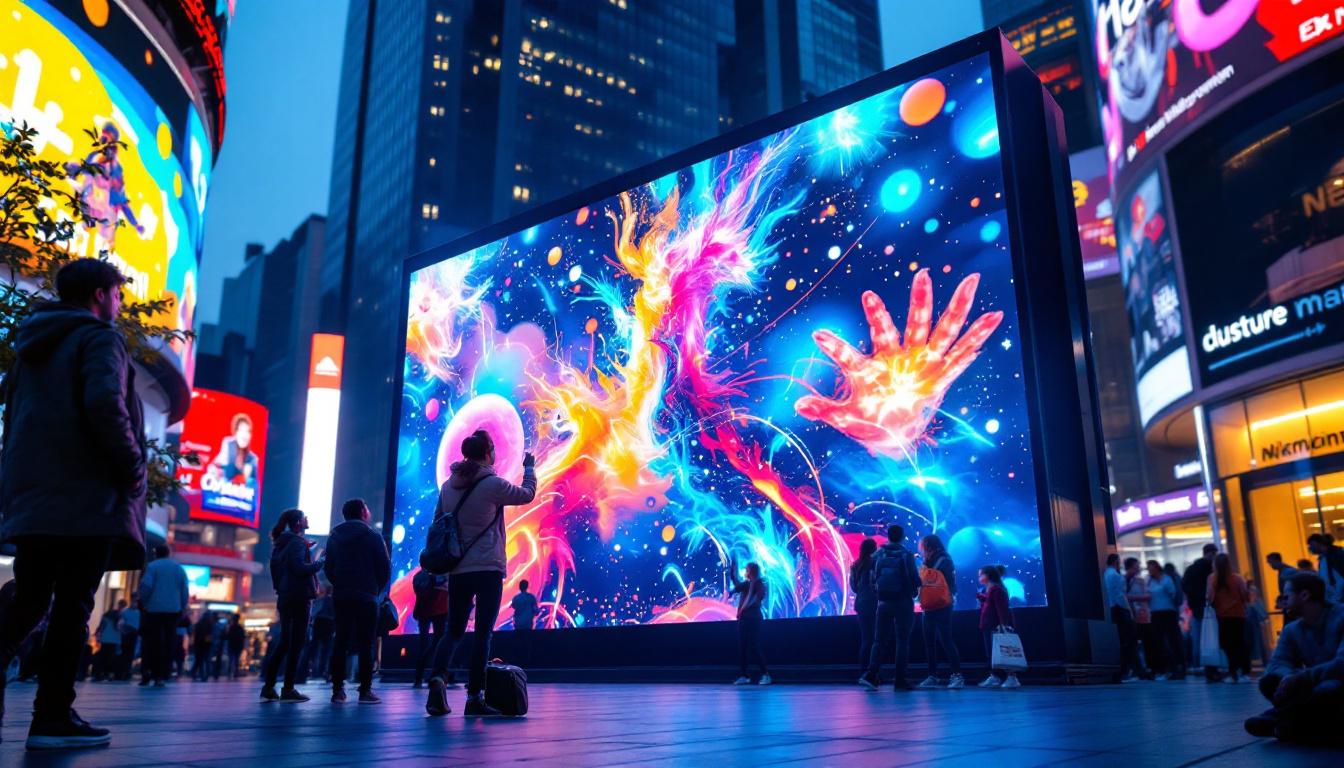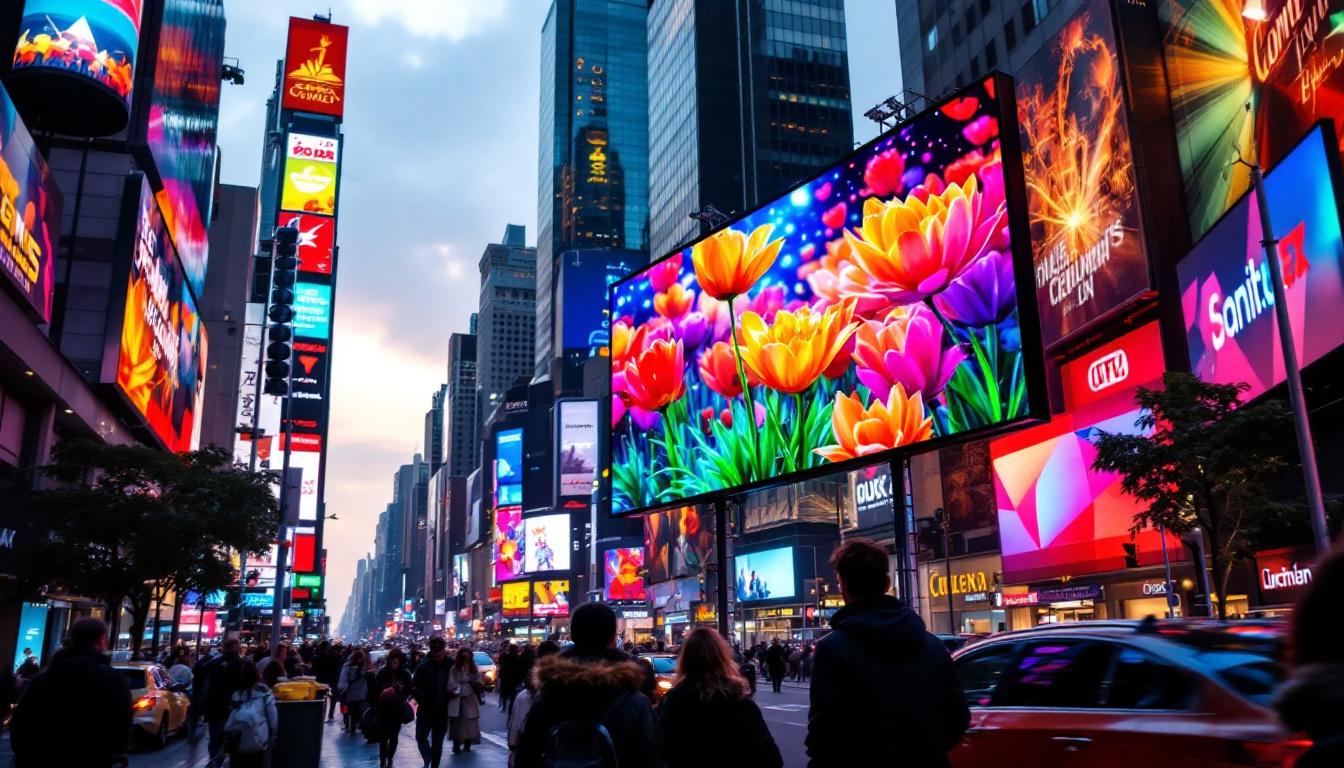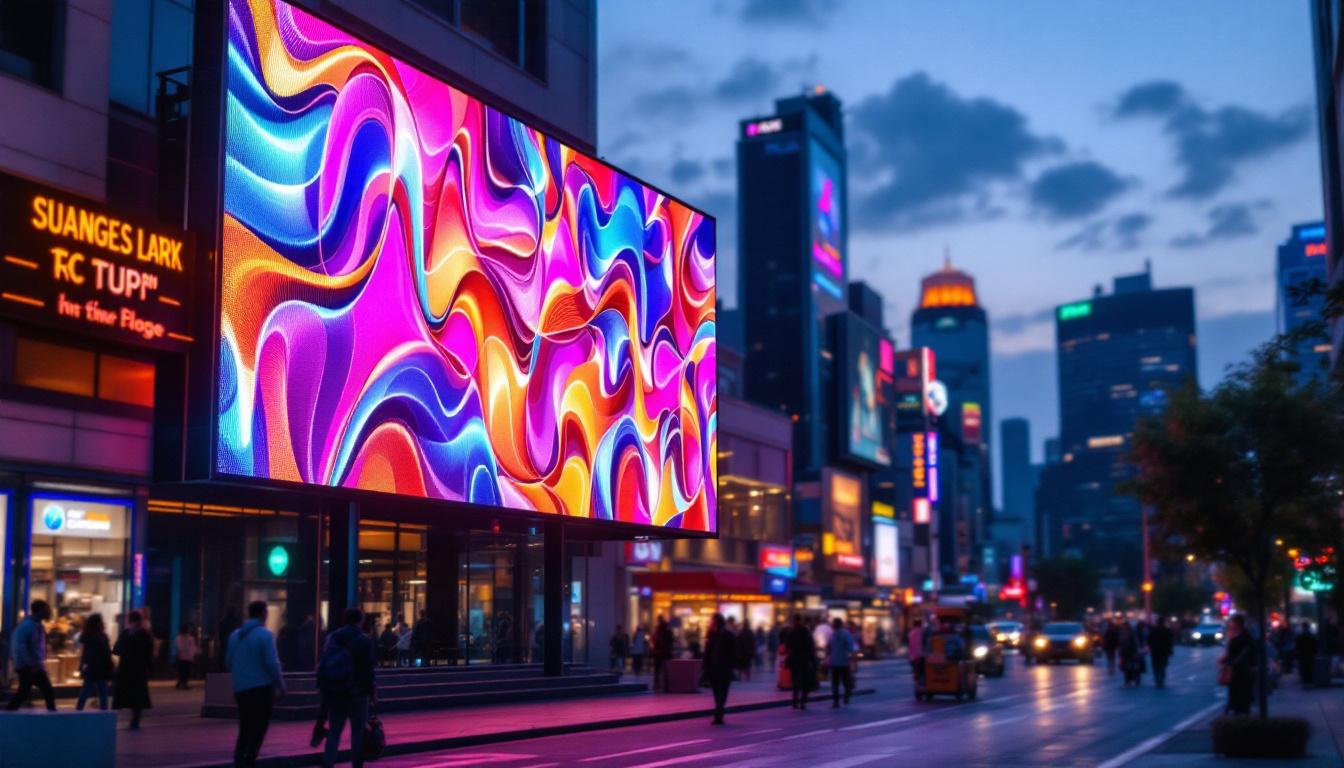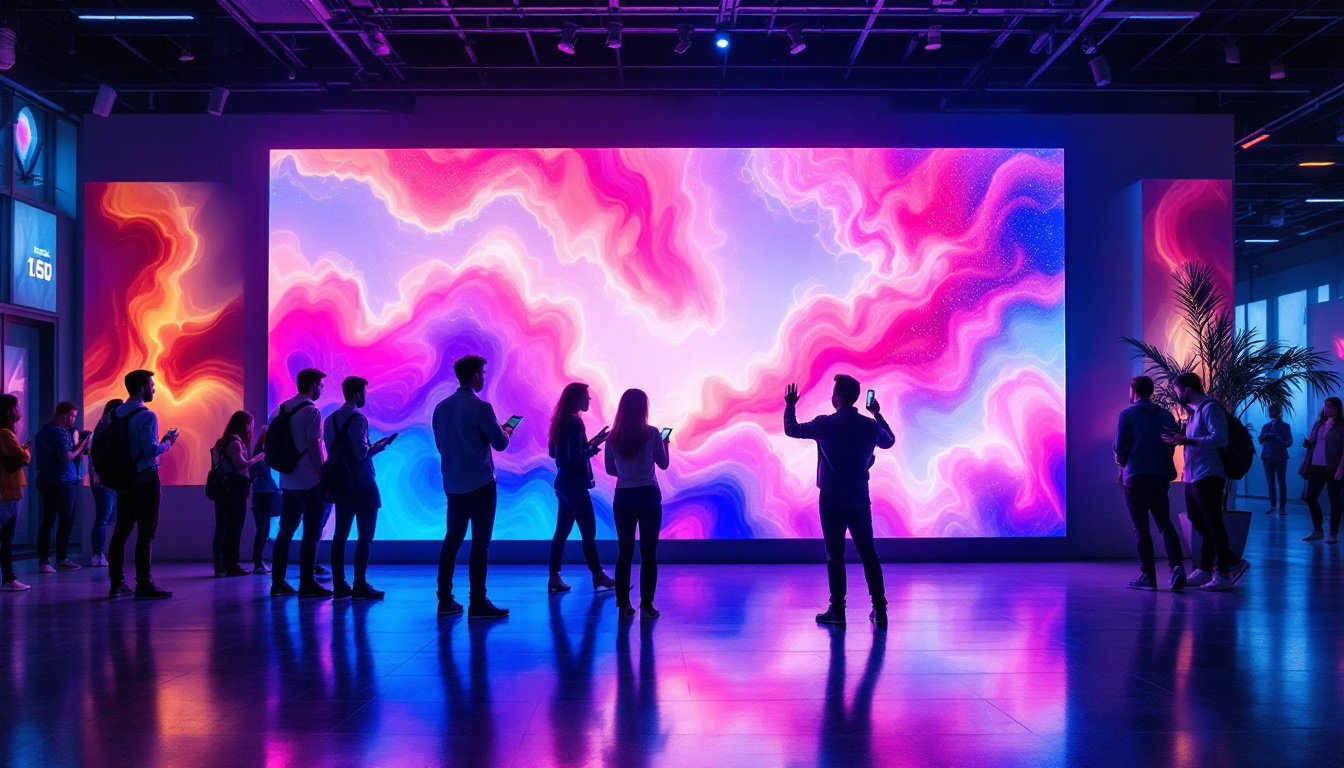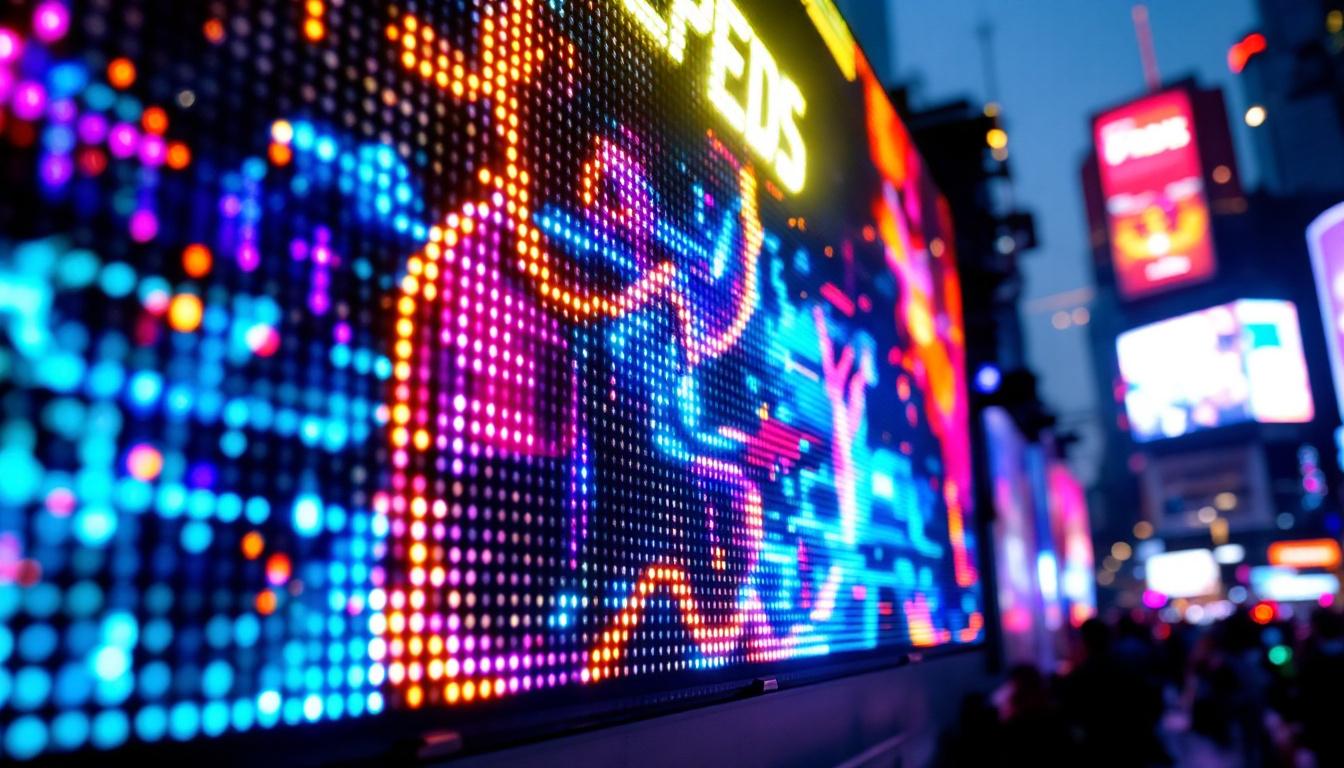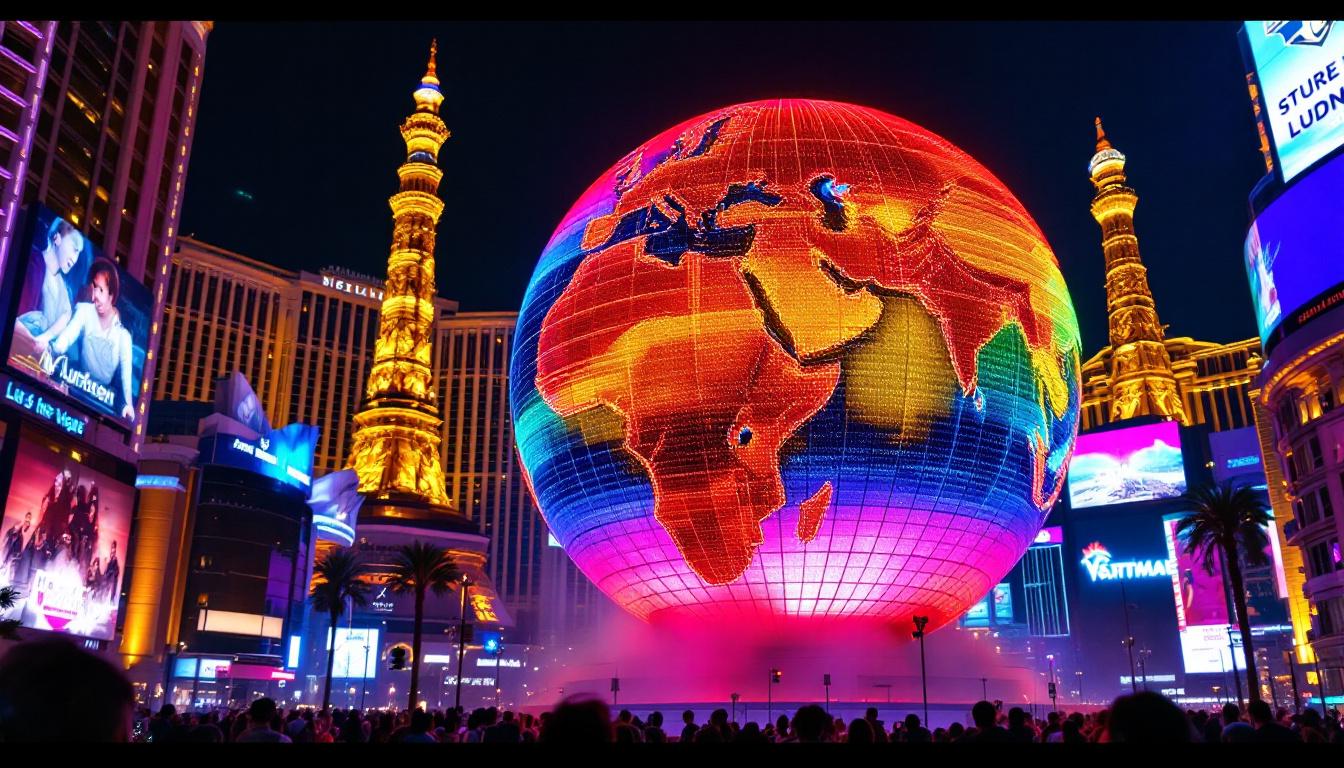
Las Vegas is renowned worldwide for its dazzling lights, vibrant entertainment, and architectural marvels that captivate millions of visitors every year. Among its many iconic features, the big globe LED display stands out as a modern marvel of technology and design. This massive spherical screen, often seen illuminating the Las Vegas Strip, combines cutting-edge LED technology with innovative engineering to create an immersive visual experience that is both captivating and functional.
This article delves into the fascinating world of the big globe LED display in Las Vegas, explaining its technology, design, and significance. Whether you are a technology enthusiast, a visitor planning a trip, or simply curious about how such an impressive installation works, this comprehensive guide will illuminate every aspect of this spectacular display.
The Evolution of LED Displays in Public Spaces
LED (Light Emitting Diode) technology has revolutionized the way information and advertisements are presented in public spaces. Since the early 2000s, LED displays have evolved from simple rectangular billboards to complex, large-scale installations with high resolution and vibrant colors.
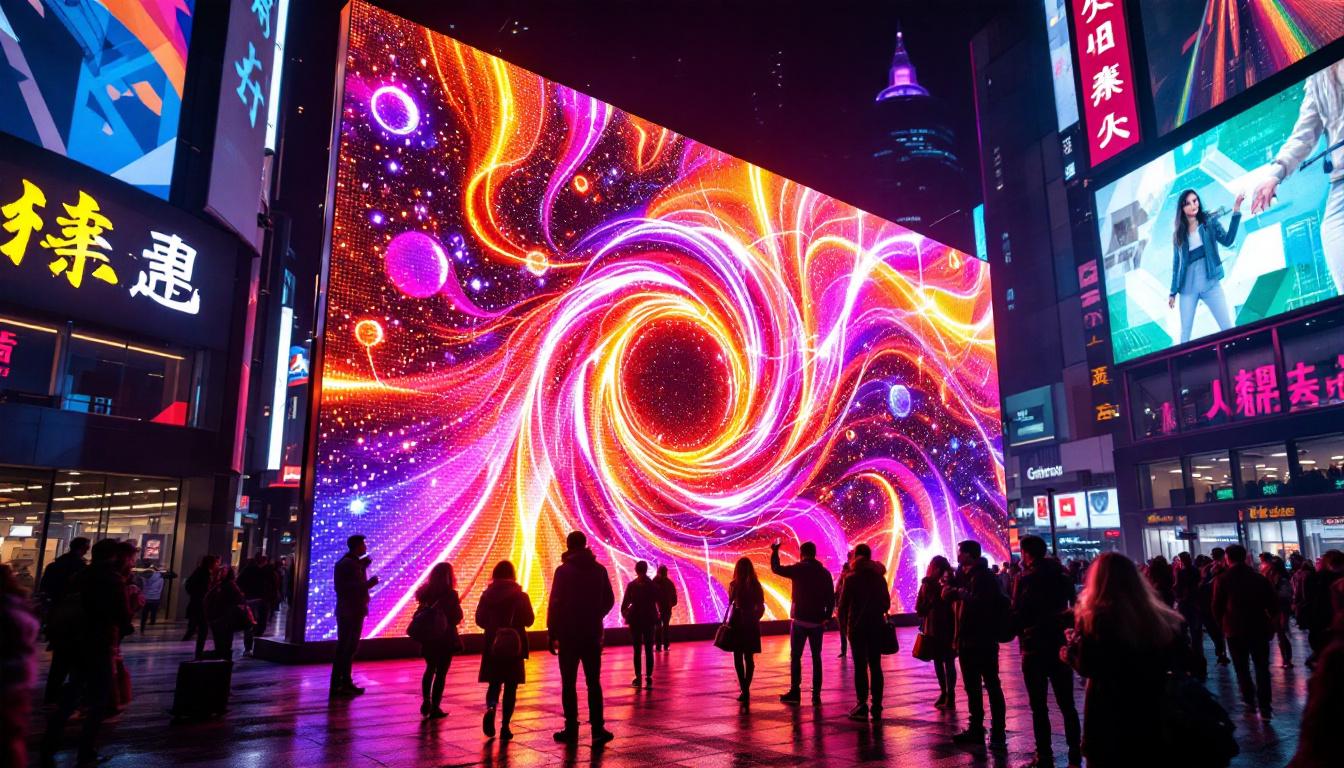
Las Vegas, known for pushing the boundaries of entertainment and spectacle, embraced LED technology early on. The transition from traditional neon signs to LED screens allowed for dynamic content, energy efficiency, and longer-lasting installations. The big globe LED display represents the pinnacle of this evolution, combining form and function in a spherical design that maximizes visibility from multiple angles.
Why LED Technology?
LEDs offer several advantages over older display technologies such as incandescent bulbs or LCD screens. They consume less power, have a longer lifespan, and provide brighter, more vivid colors. Additionally, LEDs can be configured in flexible shapes and sizes, which is essential for creating curved or spherical displays like the big globe.
In the context of Las Vegas, where visibility and impact are crucial, LED technology ensures that the display remains vibrant and eye-catching even under the intense desert sun and through the night. The adaptability of LED technology has also allowed for innovative marketing strategies; businesses can change their advertising content in real-time, tailoring messages to specific audiences or events. This flexibility has transformed the advertising landscape, enabling a more interactive and engaging experience for passersby.
Moreover, the integration of smart technology with LED displays has opened new avenues for creativity. Displays can now incorporate sensors and data analytics, allowing them to respond to environmental conditions or audience demographics. For instance, a display might change its brightness based on the time of day or adjust its content based on the age group of the viewers detected nearby. This level of interactivity not only enhances the viewer’s experience but also maximizes the effectiveness of advertising campaigns, making LED displays an essential tool for modern marketing in bustling urban environments.
Design and Engineering Behind the Big Globe LED Display
The big globe LED display in Las Vegas is not just a screen; it is a feat of engineering. Creating a spherical LED display involves overcoming significant challenges related to curvature, pixel alignment, and structural integrity.
Structural Framework
The globe’s framework is typically constructed from lightweight yet durable materials such as aluminum or steel. This skeleton supports thousands of LED modules arranged meticulously to form a seamless spherical surface. The design must accommodate expansion and contraction due to temperature changes, as well as withstand high winds and other environmental factors common in Las Vegas. Engineers conduct extensive simulations to predict how the structure will respond to various forces, ensuring that it remains stable and secure throughout its operational life. Additionally, the framework is often designed with maintenance in mind, allowing for easy access to the internal components for repairs or upgrades without disrupting the display’s functionality.
Pixel Mapping and Resolution
One of the most complex aspects of the globe display is pixel mapping. Unlike flat screens, a sphere requires careful calibration to ensure that images and videos display correctly without distortion. Specialized software is used to map content onto the curved surface, adjusting for angles and curvature. This process involves a detailed understanding of geometry and optics, as the visual experience must be immersive from multiple viewing angles. The creative team behind the display collaborates closely with engineers to design content that takes full advantage of the globe’s unique shape, often incorporating 3D effects that enhance the viewer’s experience.
The resolution of the globe is determined by the density of LED pixels per square foot. Higher pixel density results in sharper images but also increases the cost and complexity of the installation. The big globe in Las Vegas strikes a balance, offering high resolution that is visible from a distance while maintaining energy efficiency. To achieve this, the display utilizes advanced LED technology that not only provides vibrant colors but also minimizes power consumption, making it a sustainable choice for such a prominent installation.
Content Management Systems (CMS)
Behind the stunning visuals is a sophisticated content management system that controls what is displayed on the globe. This system allows operators to schedule content, update advertisements, and synchronize visuals with events or music. Real-time control is essential for a dynamic environment like the Las Vegas Strip, where the display might change multiple times a day to reflect different promotions or celebrations. The CMS is designed to be user-friendly, enabling operators to create and modify content on the fly, ensuring that the display remains fresh and engaging for visitors. Furthermore, analytics tools integrated into the system provide insights into viewer engagement, helping advertisers tailor their messages to maximize impact.
Moreover, the content management system supports a variety of media formats, allowing for a diverse range of presentations, from high-definition videos to interactive displays. This versatility not only enhances the visual appeal of the globe but also opens up opportunities for collaboration with artists and brands, creating unique experiences that resonate with audiences. The integration of augmented reality (AR) features is also on the horizon, promising to further elevate the interactivity and engagement levels of the display, making it a focal point of innovation in the entertainment capital of the world.
Impact and Significance of the Big Globe LED Display
The big globe LED display is more than just a technological spectacle; it plays a crucial role in the branding and entertainment ecosystem of Las Vegas.
Tourism and Visual Landmark
Las Vegas attracts over 40 million visitors annually, many of whom seek out iconic landmarks for photo opportunities and entertainment. The globe serves as a visual anchor, drawing attention and providing a unique backdrop for events and celebrations. Its 360-degree visibility ensures that it can be seen from multiple vantage points, enhancing the overall aesthetic of the Strip.
Advertising and Revenue Generation
Advertising on the globe is a lucrative opportunity for brands aiming to reach a diverse and international audience. The dynamic nature of LED content allows for creative campaigns that can be tailored to specific times of day or events, maximizing engagement. This flexibility increases the value of advertising space and generates significant revenue for the operators.
Technological Showcase
The globe also serves as a showcase for technological innovation, demonstrating how LED technology can be applied in unconventional formats. It inspires other cities and companies to explore spherical and curved displays, pushing the boundaries of digital signage.
Challenges and Maintenance of the Big Globe LED Display
Maintaining a large-scale LED globe in a demanding environment like Las Vegas requires ongoing effort and expertise.
Environmental Factors
The desert climate presents challenges such as extreme heat, dust, and occasional sandstorms. These conditions can affect the lifespan of LED modules and the structural components. To mitigate these effects, the globe is equipped with weather-resistant coatings and cooling systems to prevent overheating.
Technical Maintenance
Regular inspections and maintenance are essential to ensure that all LEDs function correctly and that the display remains visually consistent. Technicians use specialized tools and software to detect dead pixels, color inconsistencies, and other issues. Repairs often involve replacing individual LED modules without dismantling the entire structure.
Energy Consumption and Sustainability
While LED technology is energy-efficient compared to older lighting methods, the scale of the globe means it still consumes a significant amount of power. Operators often implement energy-saving measures such as dimming during low-traffic hours and using renewable energy sources where possible to reduce the environmental footprint.
The Future of Spherical LED Displays in Urban Environments
The success of the big globe LED display in Las Vegas signals a growing trend toward innovative, immersive digital signage in urban environments worldwide.
Advancements in LED Technology
Emerging technologies such as micro-LEDs and flexible OLEDs promise even higher resolution, better color accuracy, and greater energy efficiency. These advancements will enable more intricate and visually stunning spherical displays in the future.
Integration with Interactive Technologies
Future globes may incorporate interactive elements such as touch sensitivity, augmented reality (AR), or integration with mobile devices. This would transform the globe from a passive display into an engaging platform for communication and entertainment.
Expanding Applications
Beyond advertising and entertainment, spherical LED displays could be used for educational purposes, public information dissemination, and artistic installations. Cities around the world are exploring how such displays can enhance public spaces and foster community engagement.
Conclusion
The big globe LED display in Las Vegas exemplifies the fusion of technology, design, and urban culture. It is a testament to how LED technology has evolved to create immersive, dynamic visual experiences that captivate audiences and serve practical purposes. As LED technology continues to advance, the possibilities for spherical displays and other innovative formats are virtually limitless.
For visitors to Las Vegas, the globe is more than just a landmark; it is a symbol of the city’s commitment to innovation and entertainment. For industry professionals and technology enthusiasts, it represents a case study in overcoming engineering challenges and pushing the boundaries of digital signage.
Understanding the technology and significance behind the big globe LED display enriches the experience of seeing it in person and highlights the remarkable achievements that make Las Vegas a global icon of spectacle and innovation.
Illuminate Your Vision with LumenMatrix
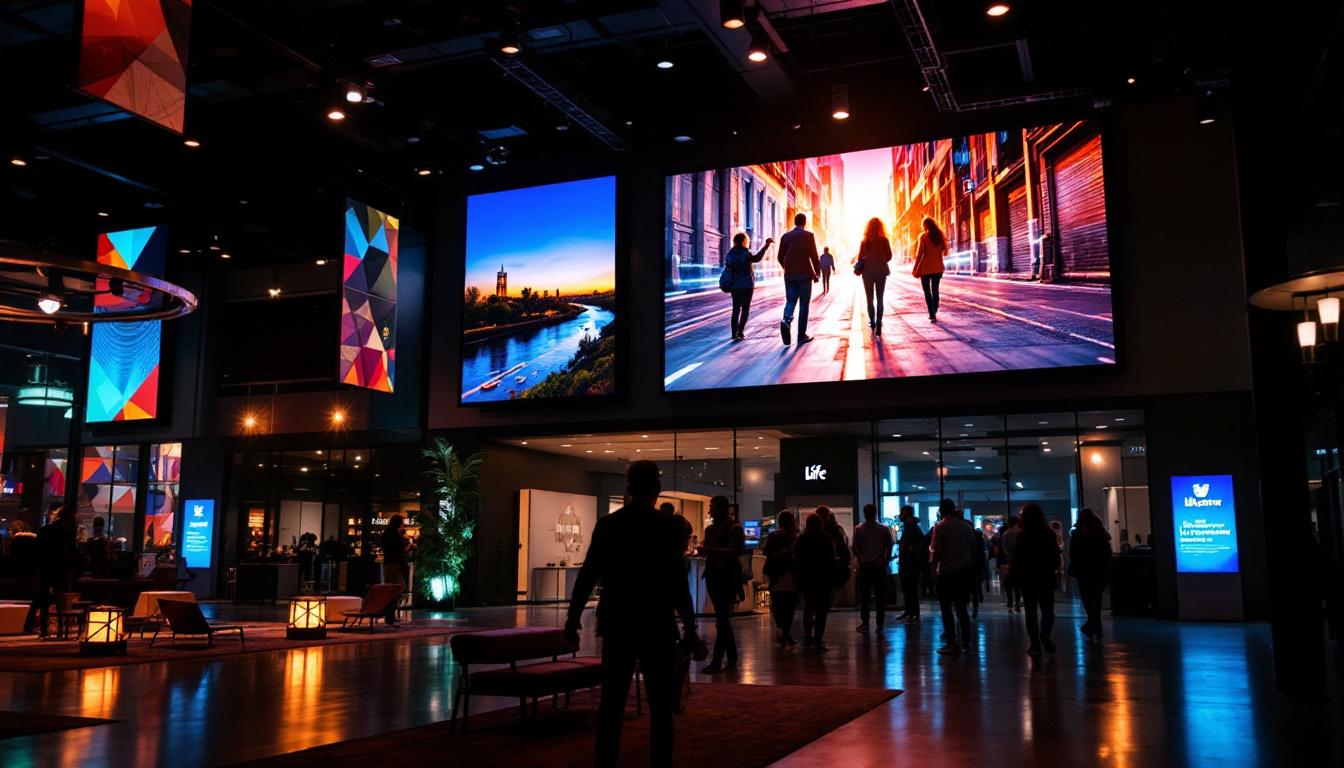
As you marvel at the technological wonders of Las Vegas, consider how LumenMatrix can bring a similar level of innovation and engagement to your own projects. As a leader in LED display technology, LumenMatrix offers a wide array of solutions that transform spaces and captivate audiences. From Indoor and Outdoor LED Wall Displays to specialized options like Vehicle LED Displays, LED Sports Displays, and even Custom LED solutions, our mission is to revolutionize your visual communication. Ready to create your own iconic visual experience? Check out LumenMatrix LED Display Solutions and see how we can illuminate your brand’s message with clarity and impact.