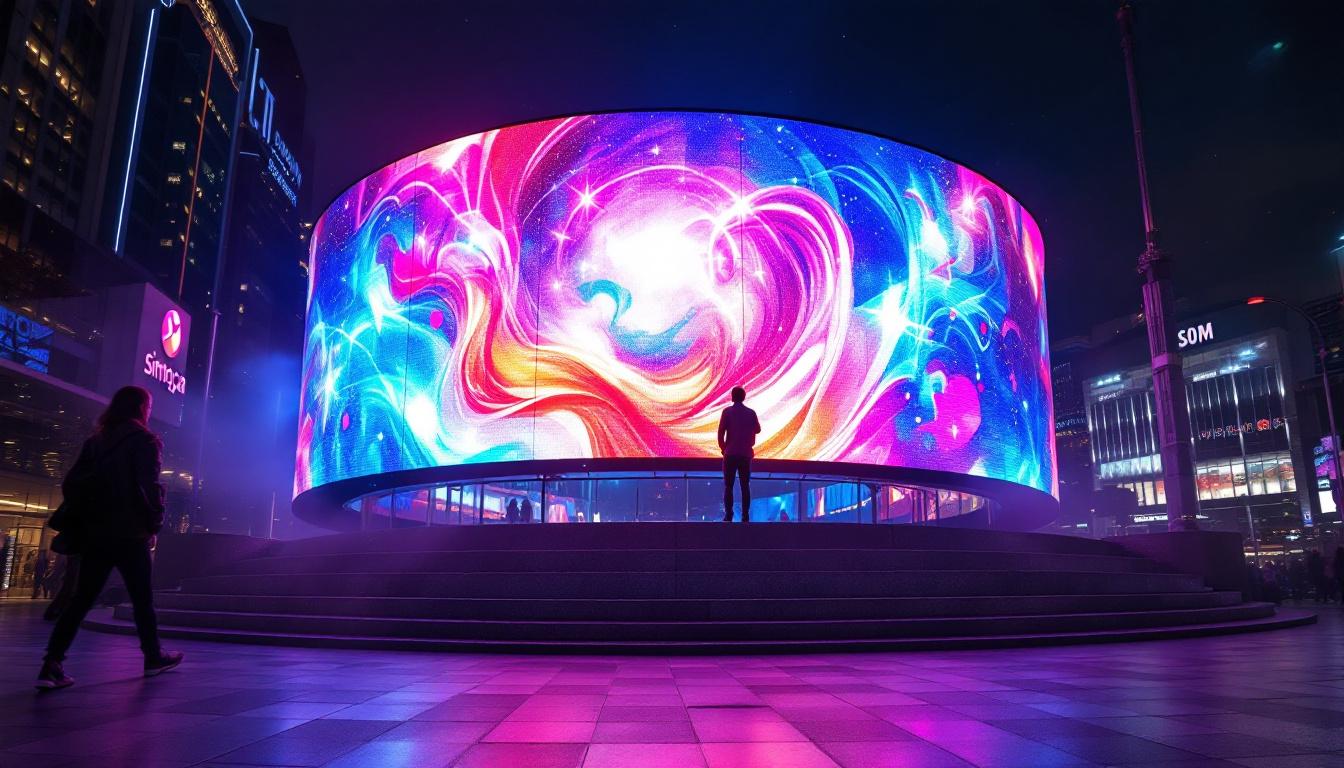
In the rapidly evolving world of digital displays, 360 degree LED technology has emerged as a groundbreaking innovation. Unlike traditional LED screens that offer a limited viewing angle, 360 degree LED displays provide a full panoramic view, transforming the way content is presented and experienced. This article delves into the fundamentals of 360 degree LED displays, exploring their technology, applications, benefits, and future potential.
Understanding 360 Degree LED Technology
What is a 360 Degree LED Display?
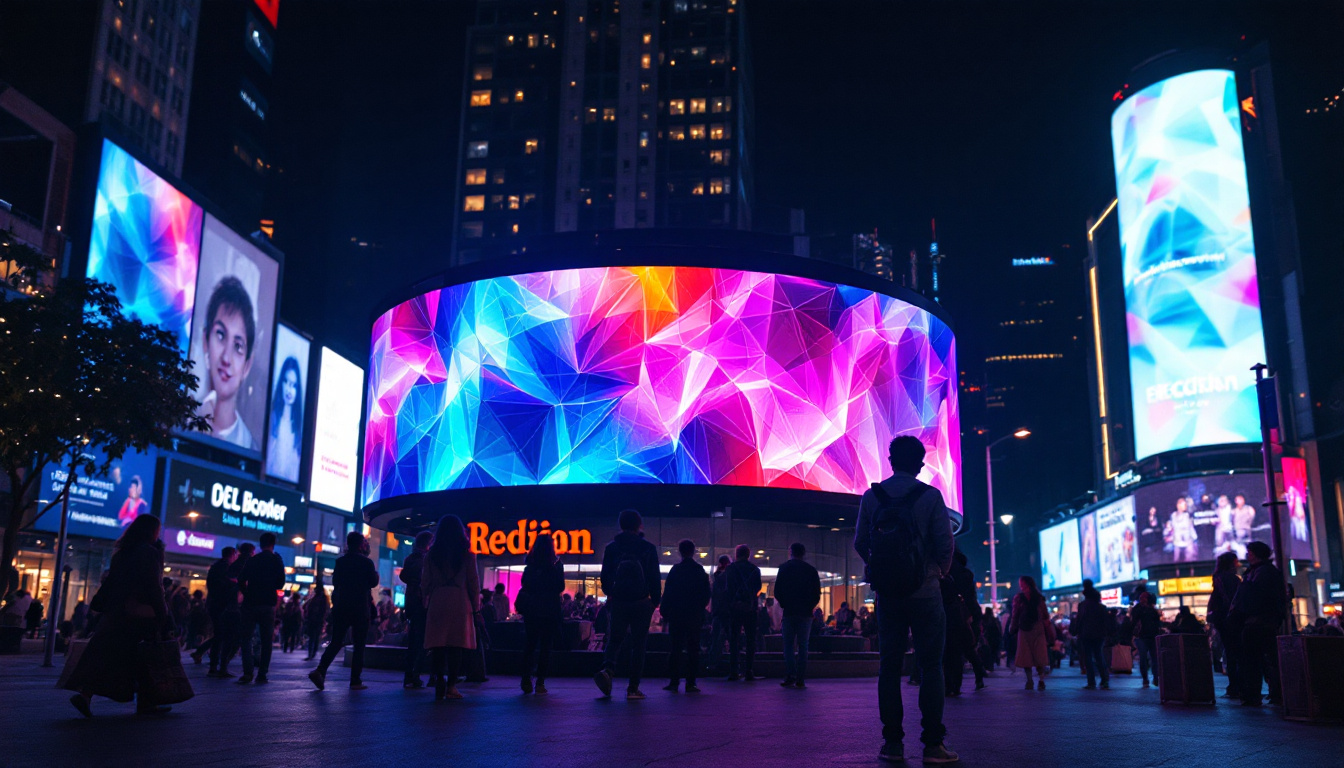
A 360 degree LED display is a type of digital screen designed to be viewed from all angles around its circumference. Unlike conventional flat LED panels that provide visibility primarily from the front, these displays are cylindrical or spherical and use LED modules arranged to cover the entire surface. This design allows viewers to engage with the content from any direction, making it ideal for environments where audience movement is dynamic and multi-directional.
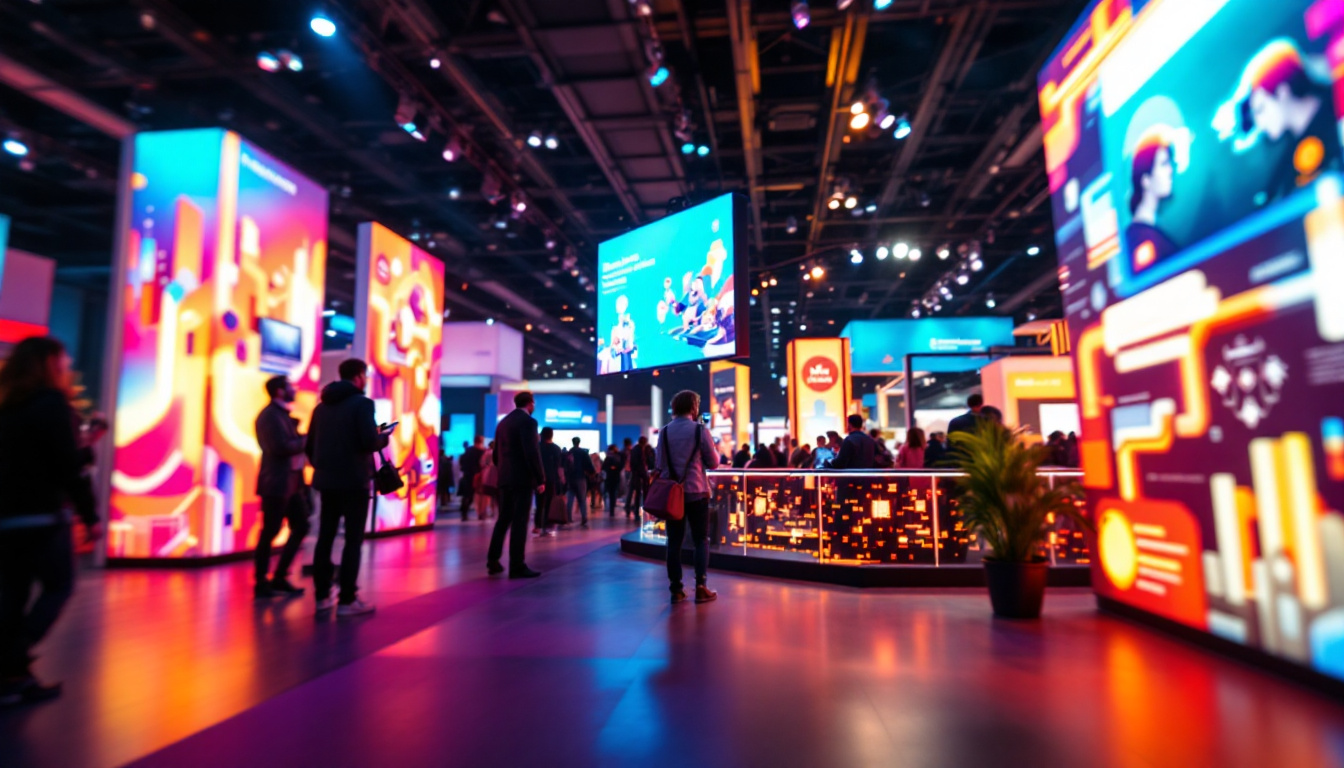
These displays typically consist of high-resolution LED pixels embedded in a circular or polygonal frame, enabling seamless content delivery in a 360-degree format. The technology integrates advanced control systems that synchronize the visuals across the entire surface, ensuring clarity and consistency regardless of the viewer’s position. This feature is particularly beneficial in settings such as trade shows, concerts, and immersive art installations, where the audience is often moving around the display, creating a need for versatile viewing angles.
Moreover, the versatility of 360 degree LED displays extends beyond mere aesthetics. They can be programmed to showcase a variety of content, from advertisements and promotional videos to interactive experiences that engage viewers in real-time. This adaptability makes them a powerful tool for marketers and event planners, allowing for creative storytelling and brand engagement that captivates audiences in a way traditional displays cannot.
How Does 360 Degree LED Work?
The core principle behind 360 degree LED displays is the strategic placement of LED modules around a central axis, creating a wrap-around screen. Each LED module contains numerous tiny diodes that emit light in various colors, collectively forming vivid images and videos. The display’s control system manages pixel brightness, color calibration, and refresh rates to maintain image integrity.
To achieve uniform brightness and color fidelity, manufacturers use high-density LED pixels and sophisticated processing algorithms. These ensure the content remains sharp and vibrant even when viewed from oblique angles. Additionally, the modular design allows for scalable sizes, from small cylindrical displays used in retail to massive spherical screens in public spaces. This scalability means that businesses can tailor their displays to fit specific environments, whether it’s a small boutique or a large stadium, maximizing the impact of their visual communications.
Furthermore, the integration of smart technology into 360 degree LED displays enhances their functionality. Many of these displays can be connected to the internet, allowing for real-time updates and remote management. This capability is particularly advantageous for businesses that need to change their messaging frequently or respond to current events. The ability to display live feeds, social media updates, or interactive content creates a dynamic viewing experience that keeps audiences engaged and informed, making 360 degree LED displays a cutting-edge solution in the realm of digital signage.
Applications of 360 Degree LED Displays
Advertising and Marketing
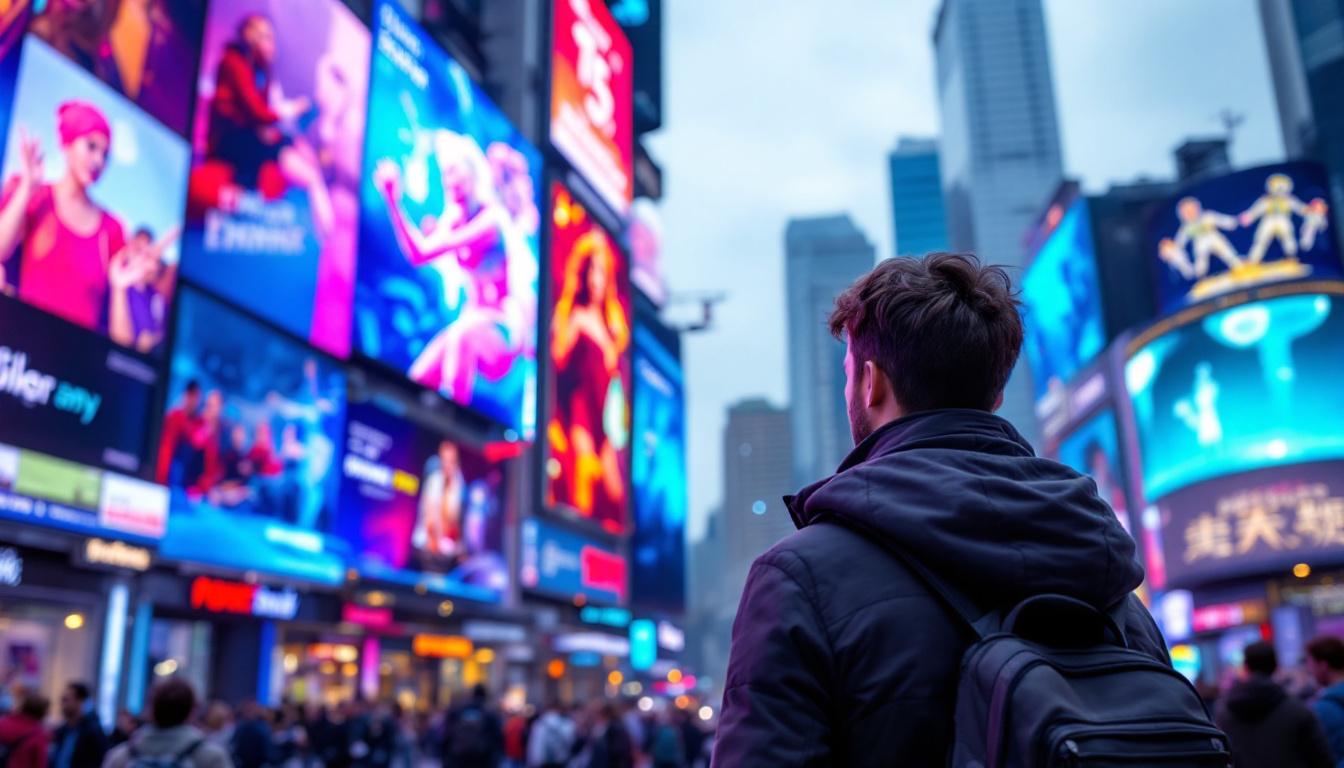
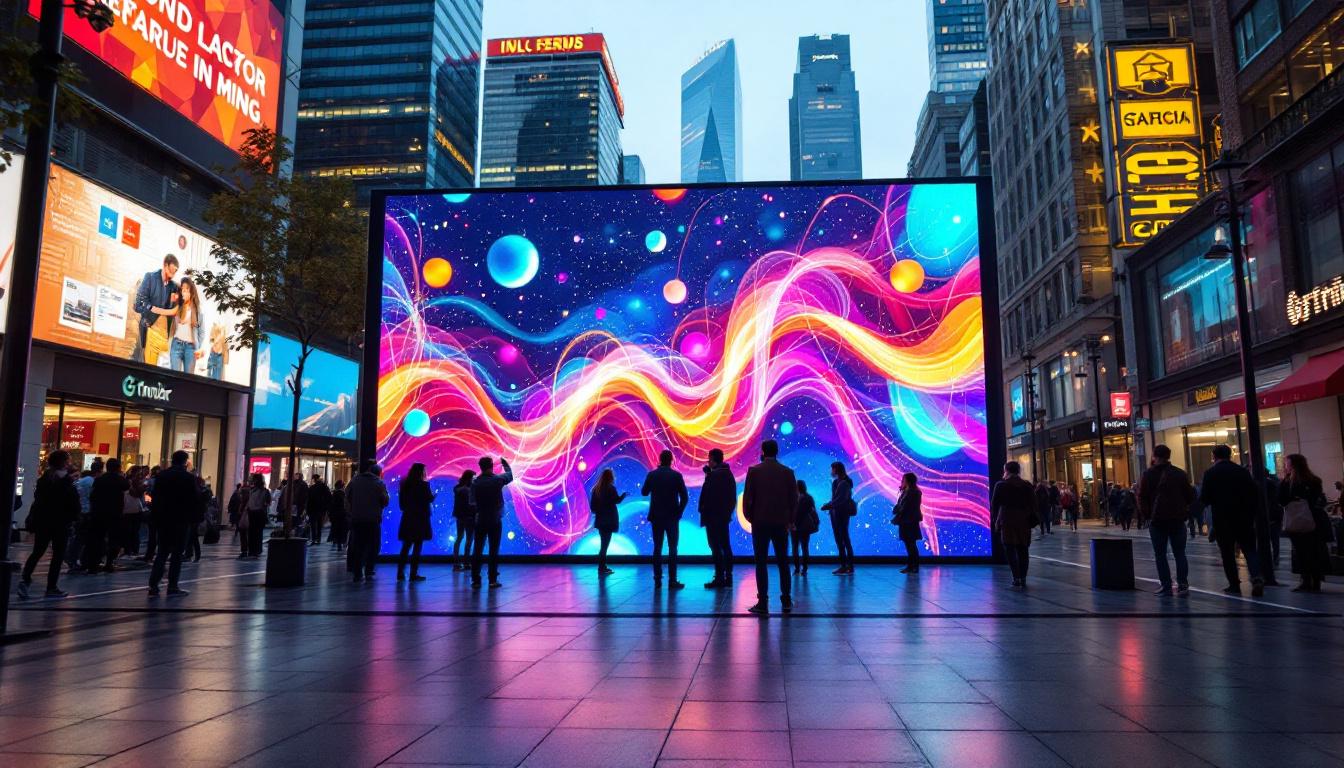
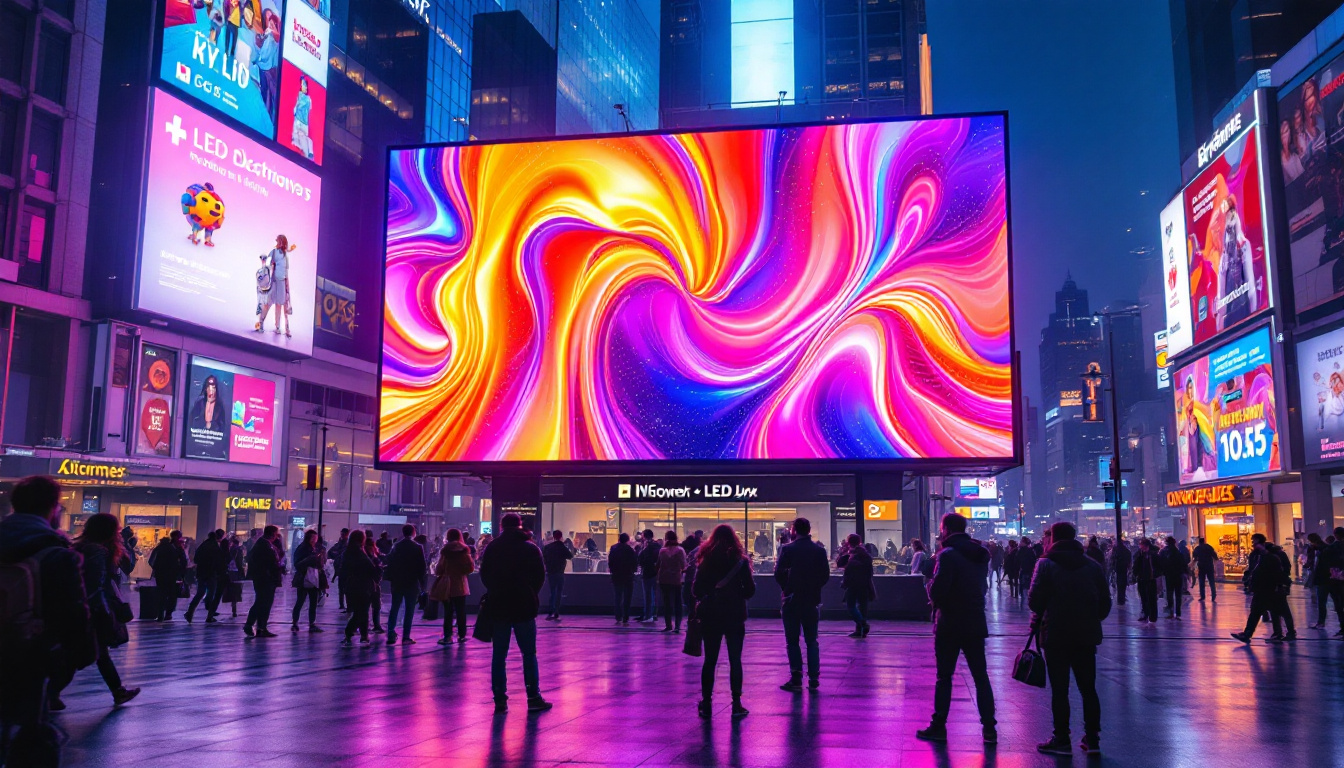
One of the most prominent uses of 360 degree LED displays is in advertising. Retailers, event organizers, and brands leverage these displays to capture consumer attention in crowded spaces. The ability to showcase dynamic content visible from all sides makes these displays highly effective in malls, trade shows, and urban centers.
For example, a cylindrical 360 degree LED display placed in the center of a shopping mall can broadcast promotional videos, product launches, and interactive content, engaging shoppers from every angle. This immersive experience increases brand recall and encourages spontaneous purchases. Additionally, the flexibility of content allows brands to tailor messages to specific times of day or events, ensuring that the advertising remains relevant and engaging. Seasonal promotions or limited-time offers can be highlighted, drawing in foot traffic and enhancing the shopping experience.
Entertainment and Events
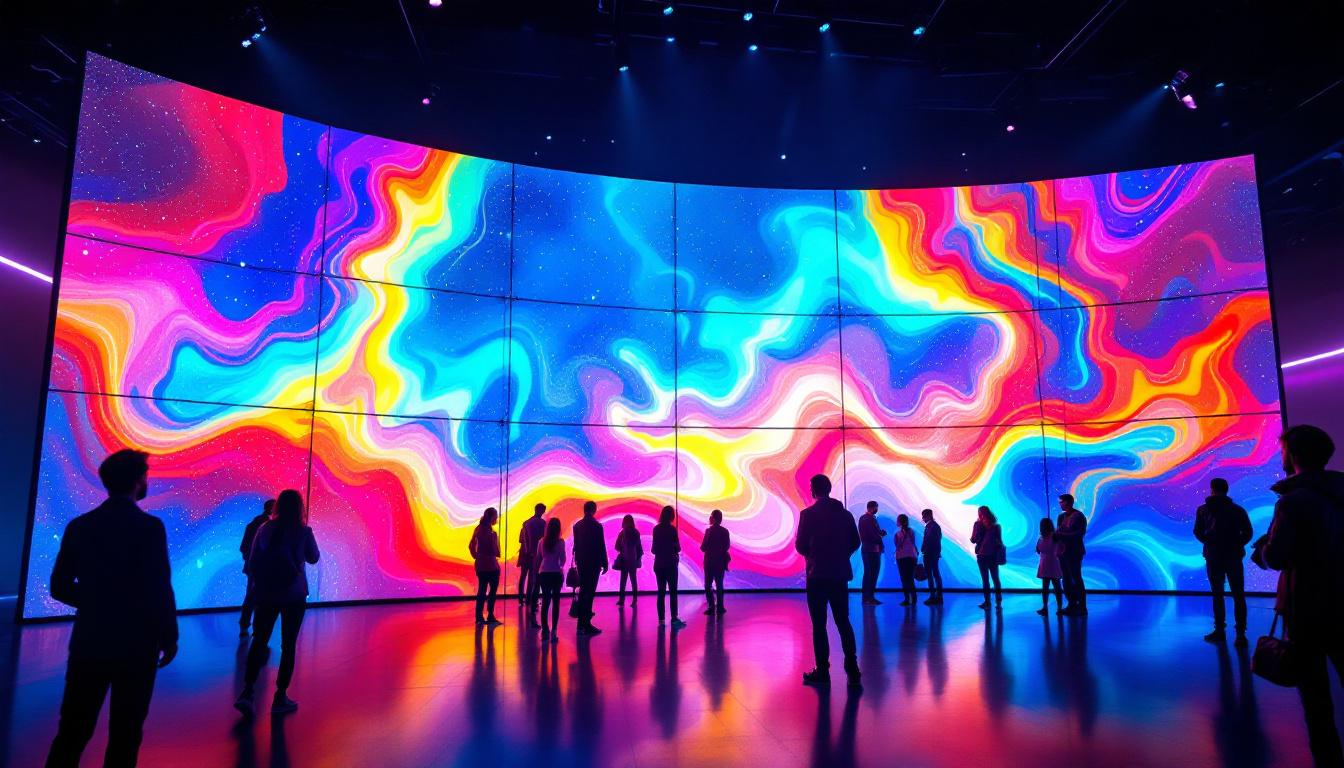
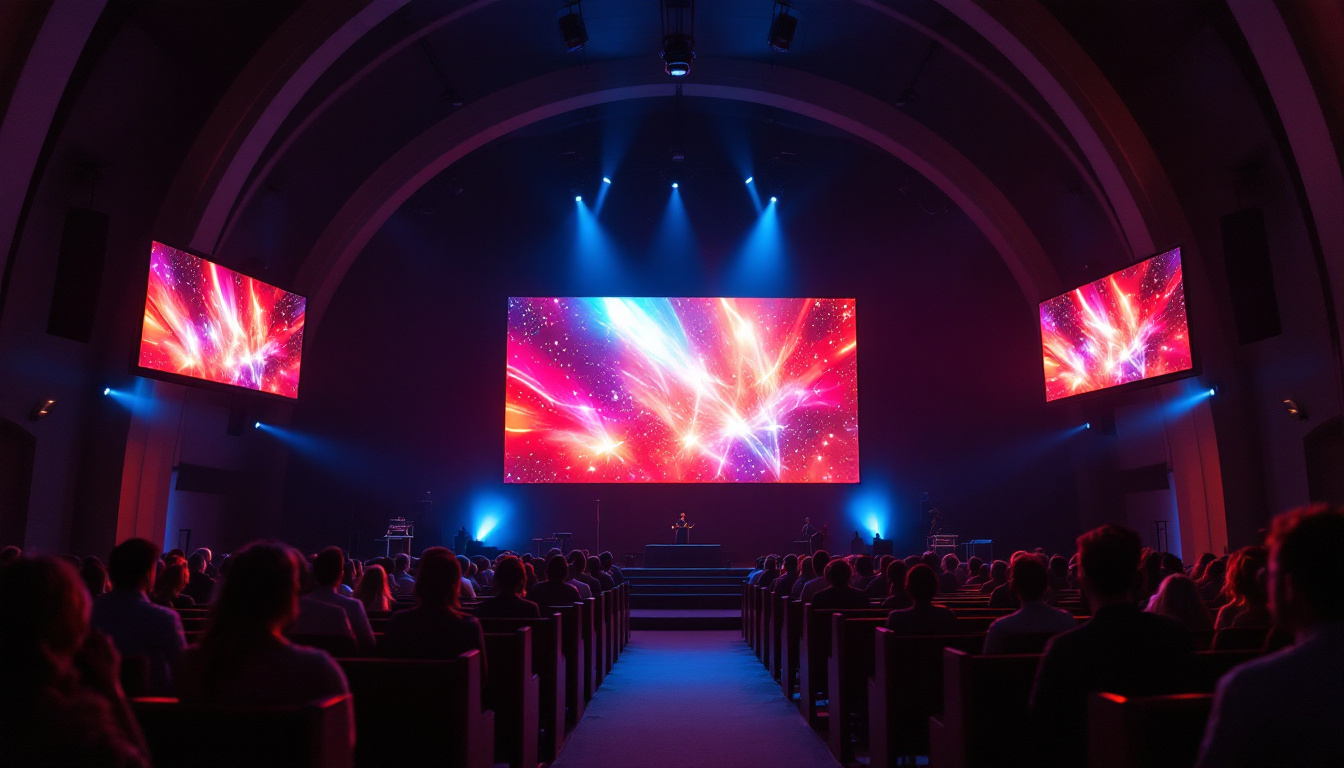
In the entertainment industry, 360 degree LED displays enhance live performances, concerts, and exhibitions. These displays create immersive environments by surrounding audiences with synchronized visuals that complement the event’s theme. For instance, music festivals often use circular LED screens to provide panoramic visual effects, amplifying the overall sensory experience.
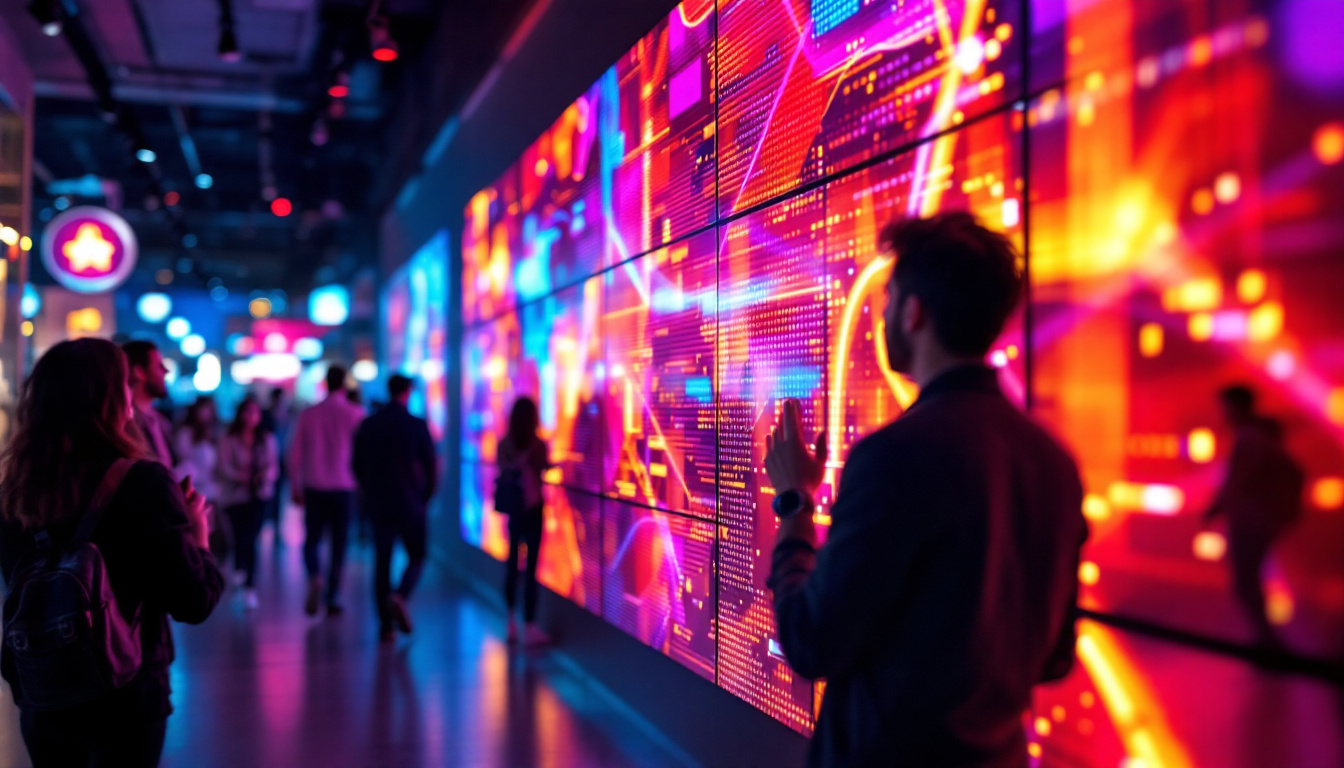
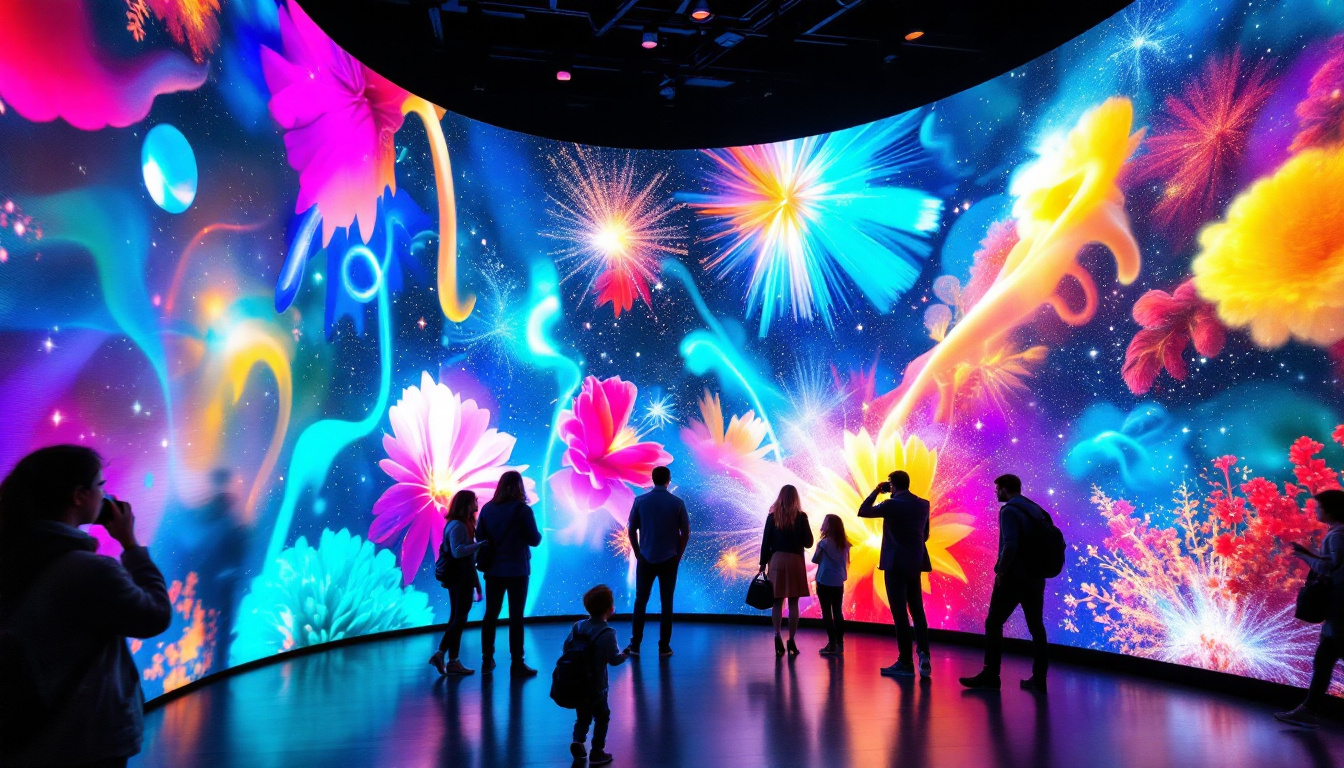
Moreover, museums and galleries incorporate 360 degree LED technology to present interactive exhibits. Visitors can walk around the display, exploring content from multiple perspectives, which enriches educational engagement and storytelling. This technology not only captivates audiences but also encourages social sharing, as attendees are more likely to capture and post their experiences on social media platforms, further promoting the event or exhibition. The integration of augmented reality features with these displays can also elevate the experience, allowing viewers to interact with the content in real-time, making learning both fun and memorable.
Architectural and Public Installations
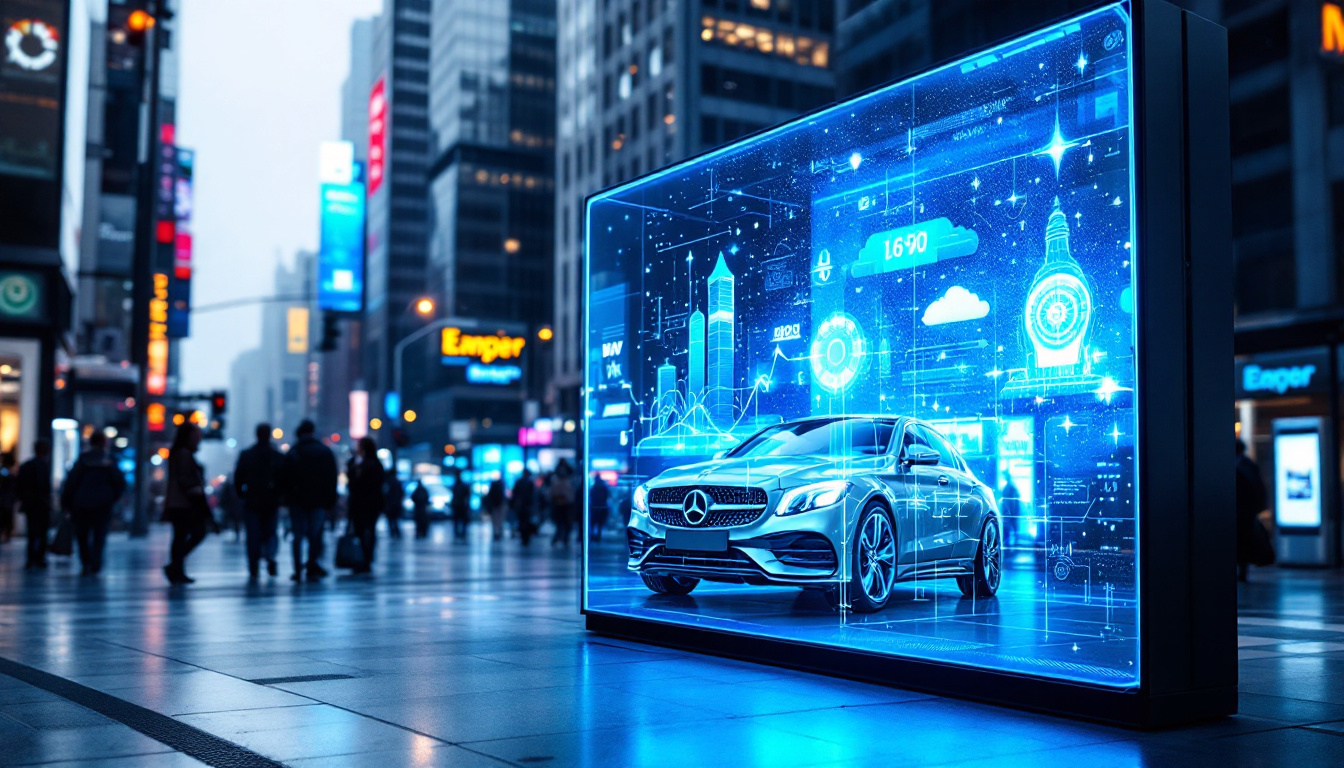
Urban planners and architects are increasingly integrating 360 degree LED displays into public spaces to create dynamic landmarks. These installations serve both aesthetic and functional purposes, such as displaying real-time information, weather updates, or public announcements.
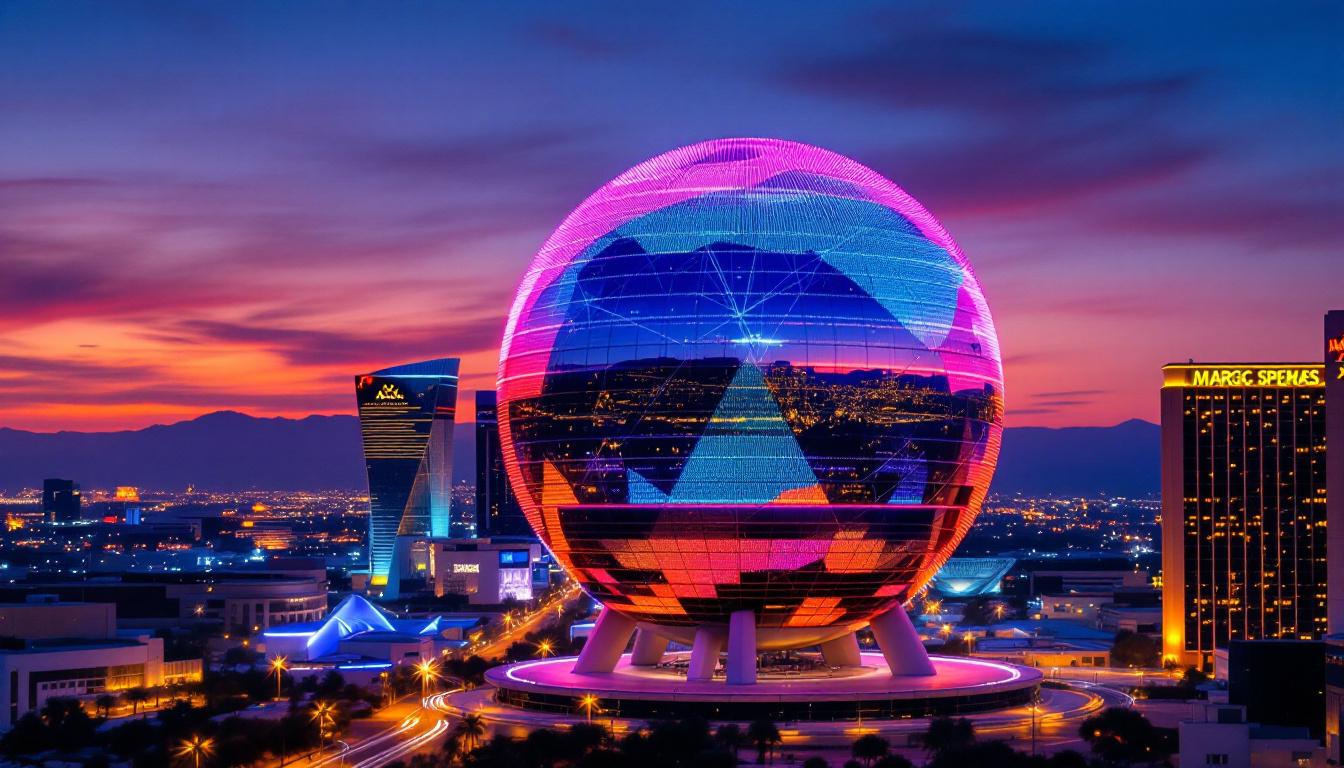
Iconic examples include cylindrical LED towers in city squares or spherical LED globes in parks. These installations not only beautify the environment but also foster community interaction and connectivity. By incorporating artistic designs and vibrant colors, these displays can transform ordinary public spaces into vibrant hubs of activity. Furthermore, they can be programmed to change visuals based on local events or holidays, creating a sense of community pride and engagement. As cities continue to evolve, the integration of 360 degree LED displays is likely to play a crucial role in enhancing urban landscapes and promoting cultural initiatives, making them essential components of modern city planning.
Advantages of 360 Degree LED Displays
Enhanced Visibility and Engagement
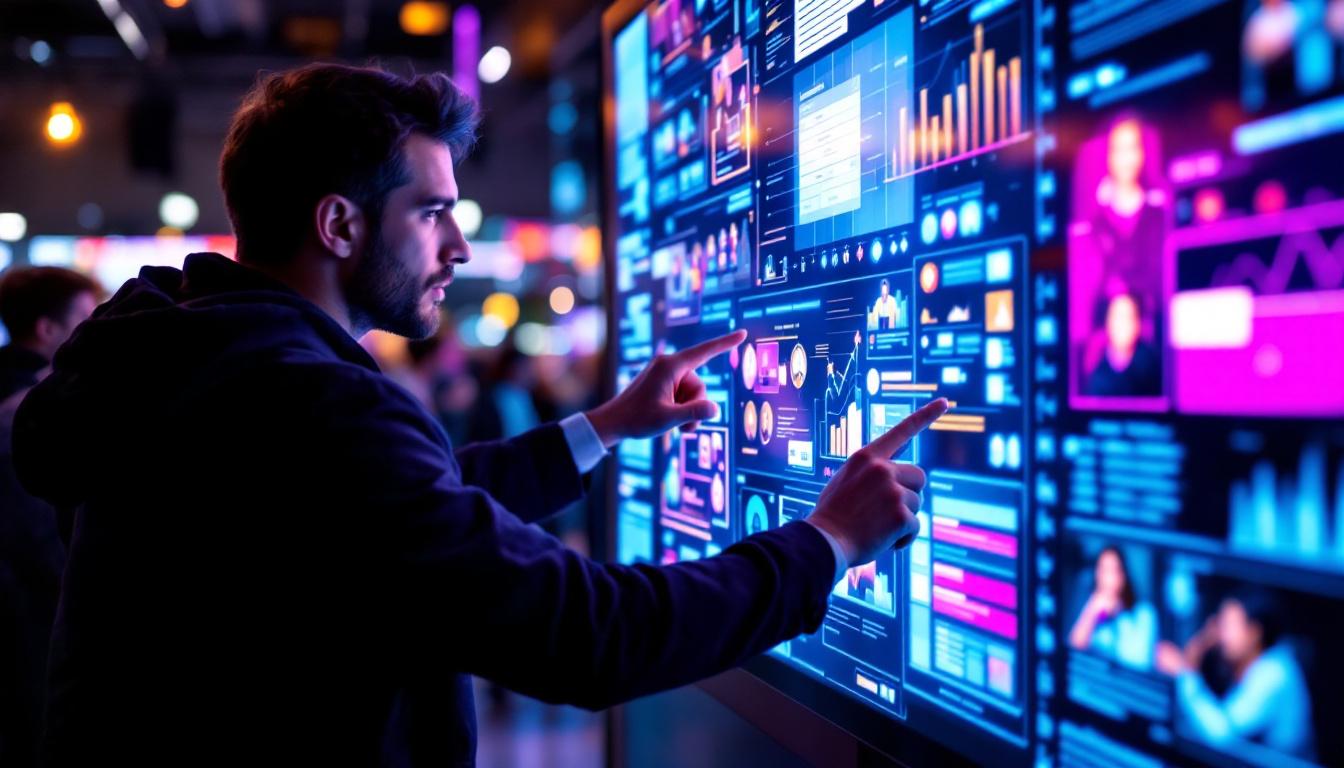
The primary advantage of 360 degree LED displays is their unparalleled visibility. Since the content can be seen from any angle, they attract a larger audience and maintain engagement longer than traditional flat screens. This feature is particularly valuable in high-traffic areas where viewers are constantly moving.
Studies indicate that displays with wider viewing angles can increase viewer engagement by up to 50%, translating into higher foot traffic and improved conversion rates for advertisers. The immersive nature of 360 degree LED screens also encourages social sharing, amplifying marketing reach organically.
Flexibility and Customization
360 degree LED displays offer remarkable flexibility in design and content delivery. Their modular construction allows for custom shapes and sizes, adapting to various spatial constraints and creative visions. Content can be tailored to suit different audiences, times of day, or specific events, enhancing relevance and impact.
Additionally, these displays support interactive technologies such as motion sensors and augmented reality, enabling personalized user experiences. This adaptability makes them a versatile tool across industries.
Durability and Energy Efficiency
Modern 360 degree LED displays are built with robust materials to withstand outdoor conditions, including rain, wind, and sunlight. High-quality LEDs have long lifespans, often exceeding 100,000 hours, reducing maintenance costs and downtime.
Furthermore, advancements in LED technology have significantly improved energy efficiency. Compared to traditional lighting and display methods, 360 degree LED systems consume less power while delivering brighter and more vivid images. This efficiency aligns with growing environmental concerns and sustainability goals.
Challenges and Considerations
Cost and Installation Complexity
Despite their benefits, 360 degree LED displays can represent a significant investment. The cost of high-resolution LED modules, control systems, and structural components is higher than standard LED screens. Installation also requires specialized expertise to ensure proper alignment, calibration, and safety compliance.
Organizations must carefully assess their budget and project scope before committing to such installations. However, the long-term advantages in engagement and brand visibility often justify the initial expenditure.
Content Creation and Management
Creating content for 360 degree LED displays demands a different approach compared to flat screens. Designers must consider the wrap-around nature of the display, ensuring visuals are seamless and coherent from every angle. This often requires specialized software and creative strategies.
Additionally, managing and updating content across the entire display can be complex. Effective content management systems (CMS) are essential for scheduling, monitoring, and optimizing the displayed material to maintain audience interest.
The Future of 360 Degree LED Displays
Technological Innovations
As LED technology continues to advance, 360 degree displays are expected to become more affordable, brighter, and higher in resolution. Innovations such as micro-LED and mini-LED promise even finer pixel density and improved color accuracy, enhancing visual experiences.
Integration with emerging technologies like artificial intelligence and the Internet of Things (IoT) will enable smarter displays that adapt content based on real-time data, audience demographics, and environmental factors. This evolution will make 360 degree LED displays more interactive and contextually relevant.
Expanding Use Cases
The versatility of 360 degree LED technology will drive its adoption across new sectors. For example, in healthcare, these displays could be used for immersive patient education or therapeutic environments. In transportation hubs, they might provide dynamic wayfinding and safety information.
Moreover, the rise of virtual and augmented reality could see 360 degree LED displays complementing immersive digital experiences, bridging the gap between physical and virtual worlds.
Conclusion
360 degree LED displays represent a significant leap forward in digital visualization, offering unmatched visibility, engagement, and flexibility. Their ability to deliver vivid, panoramic content makes them invaluable in advertising, entertainment, public installations, and beyond. While challenges such as cost and content creation exist, ongoing technological advancements promise to mitigate these barriers.
As industries continue to seek innovative ways to captivate audiences and communicate messages effectively, 360 degree LED technology stands poised to play a central role in shaping the future of digital displays.
Discover the Future of Visual Engagement with LumenMatrix
Ready to elevate your visual communication to new heights? LumenMatrix is at the forefront of LED display innovation, offering a wide array of solutions that bring your brand to life. From Indoor and Outdoor LED Wall Displays to specialized options like Vehicle, Sports, and Floor LED Displays, our technology is designed to captivate and engage. Experience the transformative power of 360 degree LED displays and join the revolution in digital signage. Check out LumenMatrix LED Display Solutions today and see your vision become a panoramic reality.