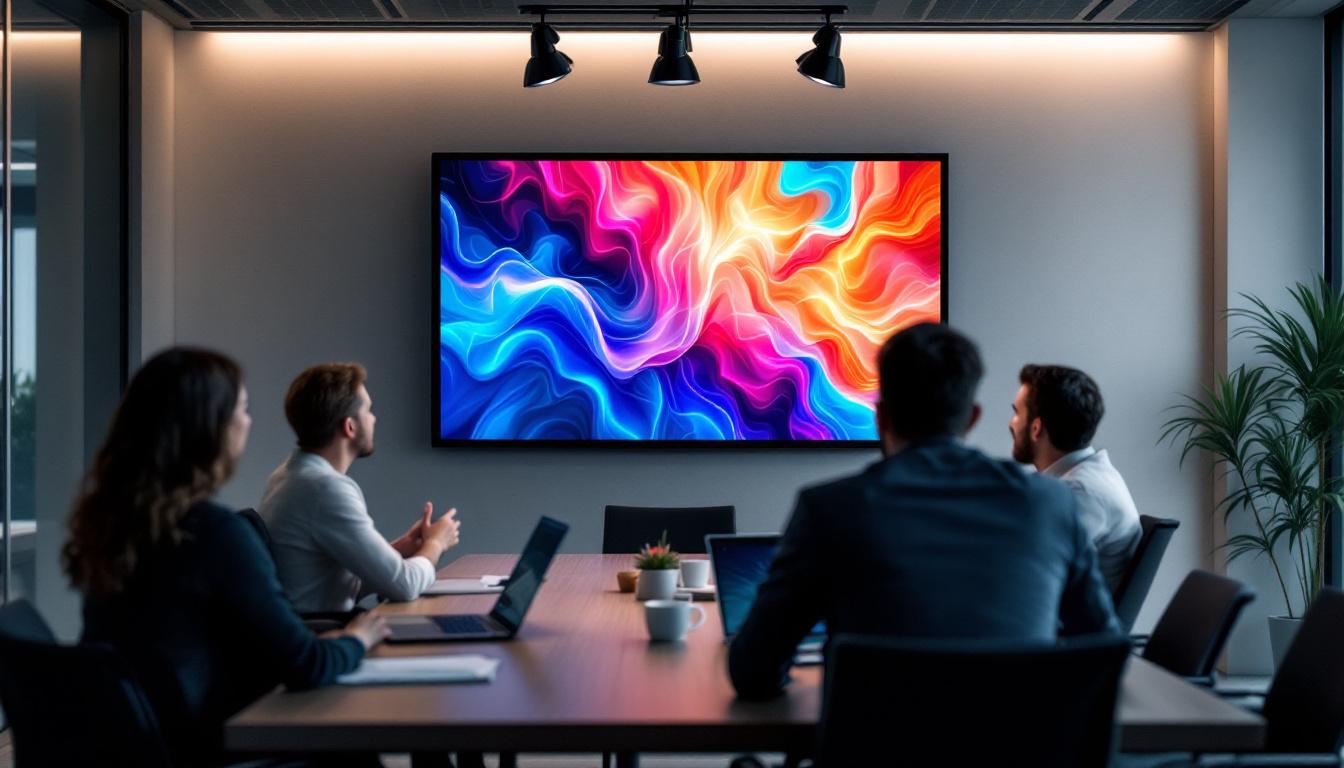
In today’s fast-paced business environment, effective communication and collaboration are paramount. Conference rooms serve as the epicenter for meetings, presentations, and brainstorming sessions, making the quality of display technology crucial. Among the various display options available, LED displays have emerged as a leading choice for conference room monitors due to their superior brightness, clarity, and versatility. This article delves into the world of LED displays for conference rooms, explaining their technology, benefits, and practical considerations to help businesses make informed decisions.
Understanding LED Display Technology
What is an LED Display?
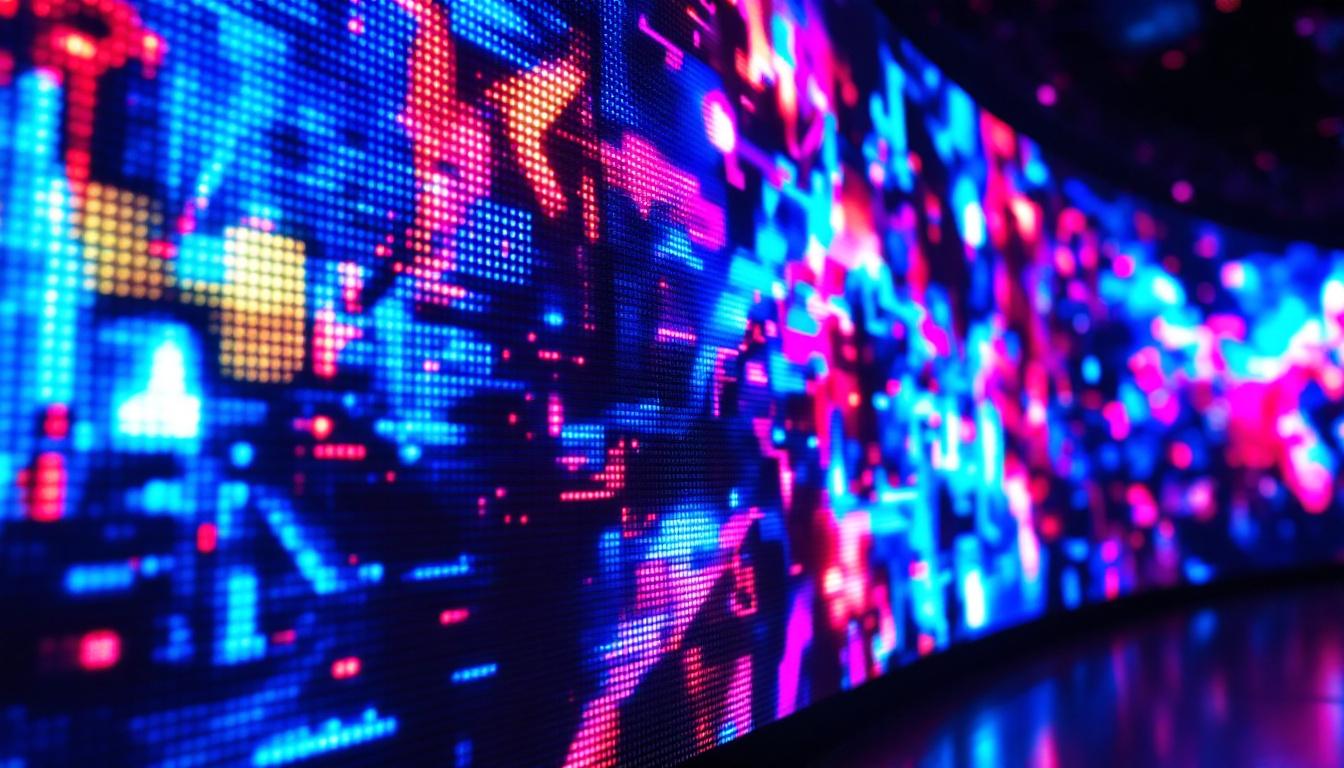
LED stands for Light Emitting Diode, a semiconductor device that emits light when an electric current passes through it. An LED display is a flat panel that uses an array of these diodes to produce images, videos, and text. Unlike traditional LCD screens that rely on backlighting, LED displays use individual diodes as light sources, resulting in brighter and more vibrant visuals.
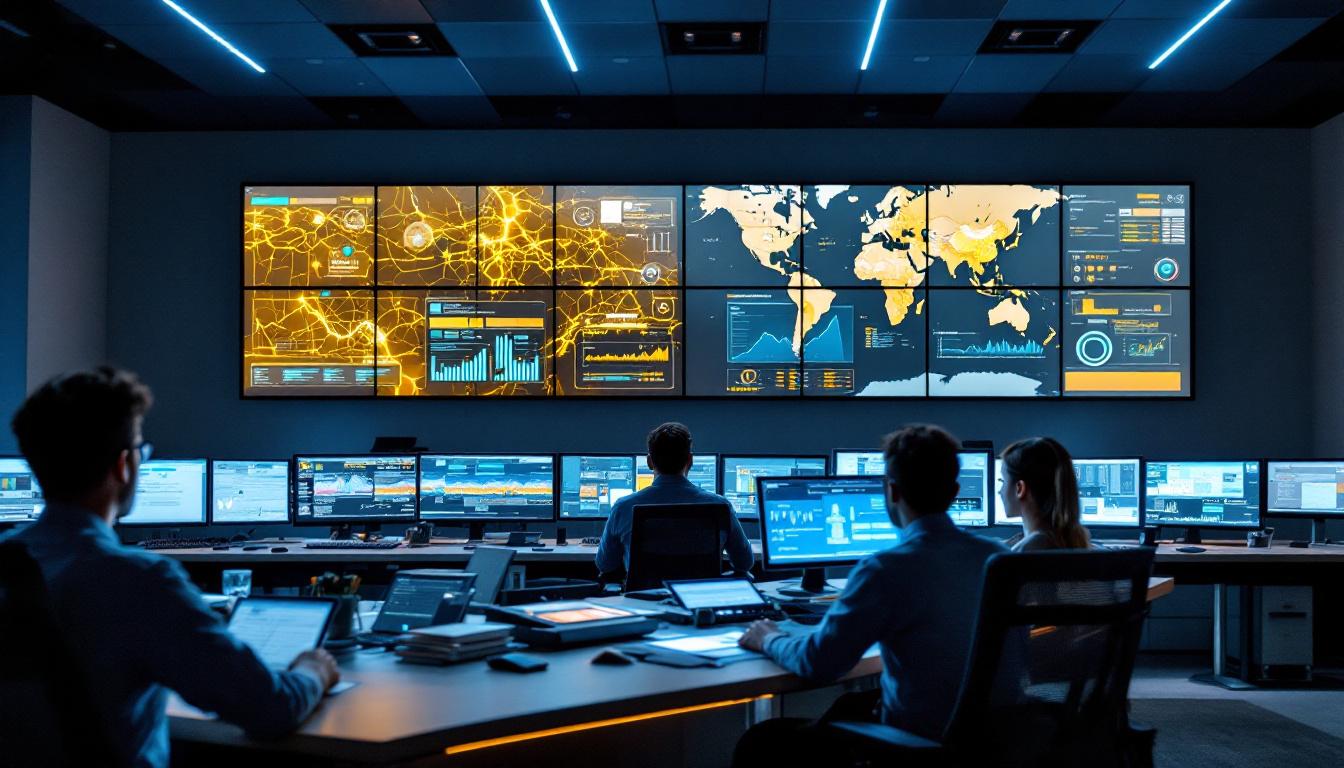
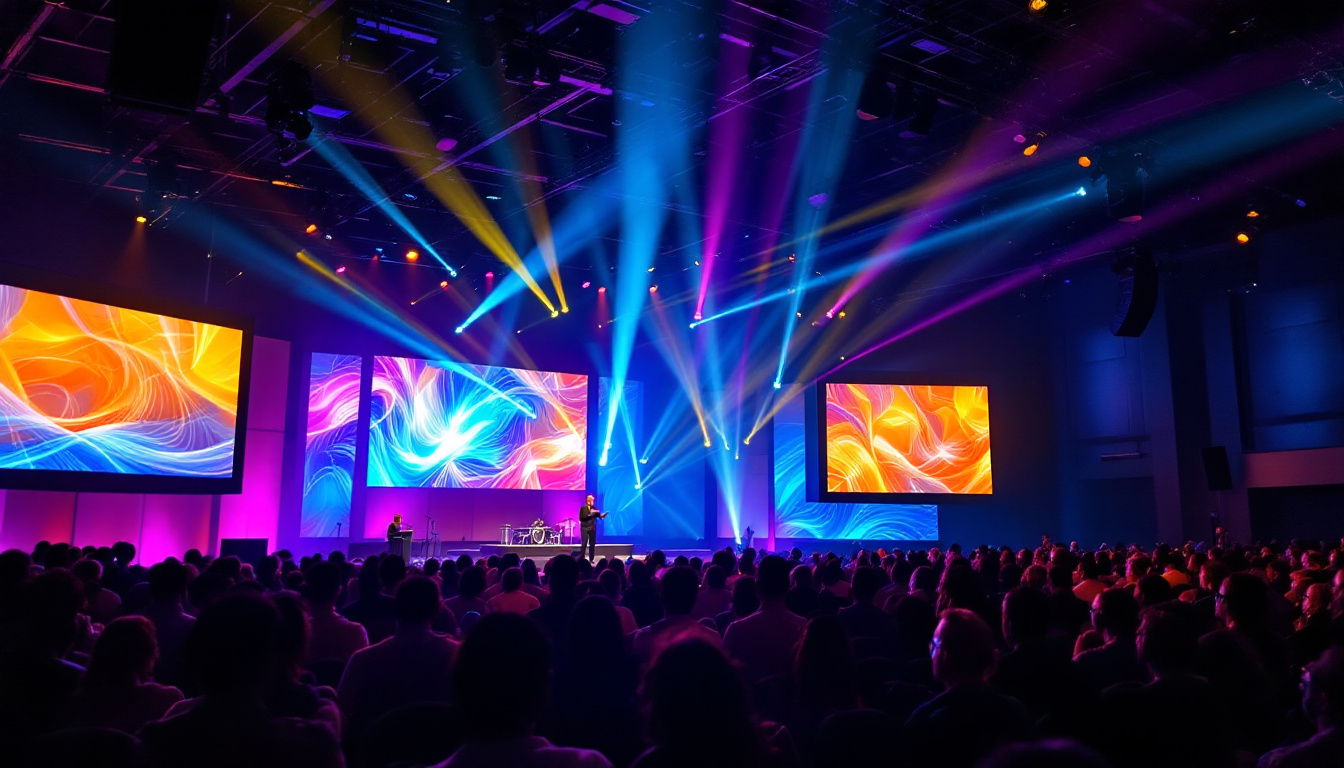
In the context of conference rooms, LED displays are often used as large-format monitors or video walls, providing clear visibility even in well-lit environments. These displays can vary in size from standard 55-inch monitors to expansive multi-panel walls that span several meters. The ability to customize the size and configuration of LED displays makes them particularly versatile, allowing for seamless integration into various room layouts and designs. Moreover, with advancements in technology, many LED displays now support high-definition resolutions, ensuring that every detail is crisp and clear, which is essential for presentations, video conferencing, and collaborative work.
Types of LED Displays Used in Conference Rooms
There are primarily two types of LED displays commonly found in conference rooms:
- Direct View LED (DVLED): This technology uses tiny LEDs arranged in a grid to create the image directly. It offers exceptional brightness and contrast, making it ideal for large rooms and spaces with high ambient light.
- LED-backlit LCD: These are traditional LCD screens that use LED lights as a backlight source. While not as bright as DVLED, they are more affordable and suitable for smaller conference rooms.
Understanding the differences between these types is essential for selecting the right display based on room size, lighting conditions, and budget. Additionally, it’s worth noting that DVLED displays often come with advanced features such as modular designs, which allow for easy upgrades and repairs. This flexibility can be particularly beneficial for businesses that anticipate growth or changes in their presentation needs. On the other hand, LED-backlit LCDs, while more budget-friendly, may lack some of the high-end features found in DVLEDs, such as deeper blacks and wider viewing angles, which can impact the overall viewing experience during critical presentations.
Benefits of LED Displays in Conference Rooms
Superior Image Quality and Visibility
One of the most significant advantages of LED displays is their outstanding image quality. LED technology delivers higher brightness levels compared to other display types, which translates to better visibility even in rooms with large windows or strong overhead lighting. This is particularly important during daytime meetings where glare can hinder readability.
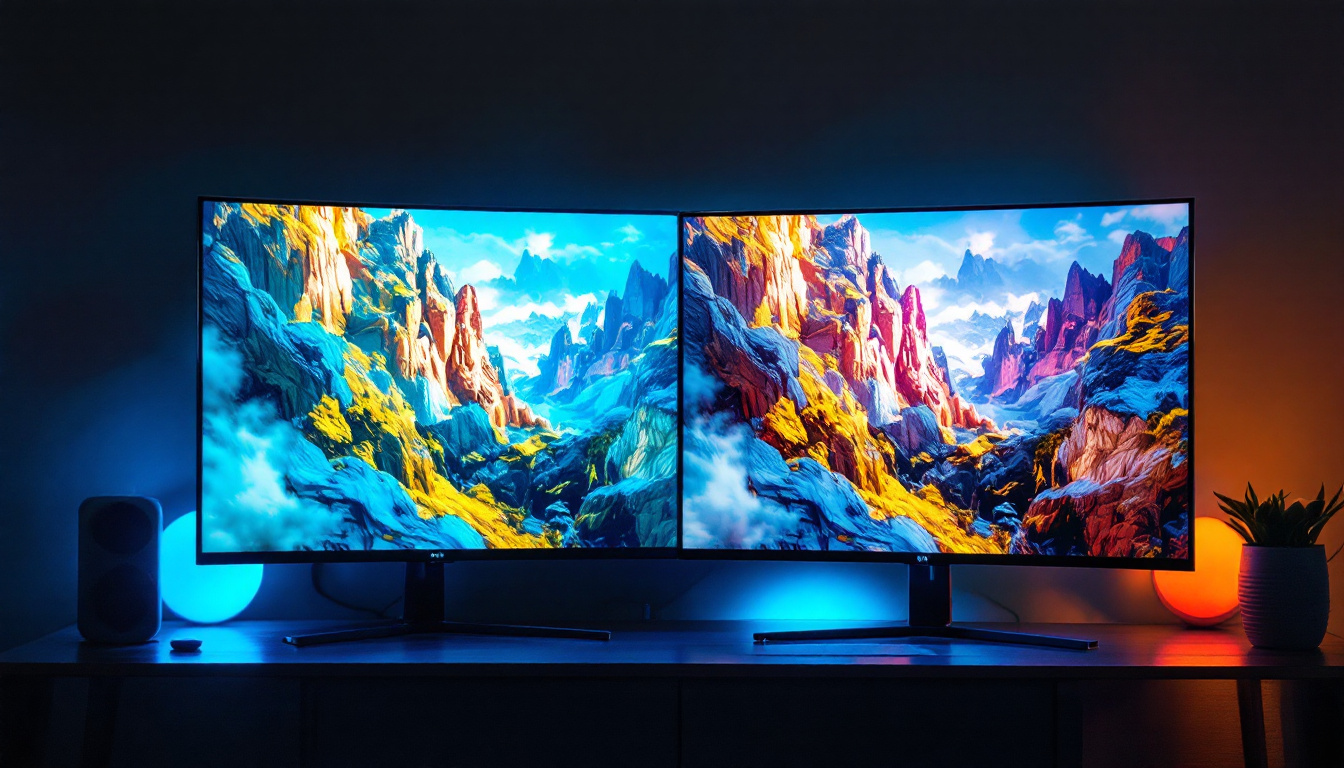
Additionally, LED displays offer excellent color accuracy and contrast ratios. This means presentations, charts, and videos appear crisp and vibrant, enhancing audience engagement and comprehension. According to a 2023 report by AVIXA, 78% of meeting participants reported improved understanding when visuals were displayed on high-quality LED screens.
Energy Efficiency and Longevity
LED displays are known for their energy efficiency. They consume less power than traditional LCD or plasma screens, which can lead to substantial cost savings over time, especially in organizations with multiple conference rooms or frequent usage.
Moreover, LEDs have a longer lifespan, often exceeding 50,000 hours of use before brightness diminishes significantly. This durability reduces maintenance costs and the frequency of replacements, making LED displays a long-term investment.
Flexibility and Scalability
LED displays offer remarkable flexibility in terms of size and configuration. Businesses can choose from standalone monitors for small rooms or create expansive video walls by combining multiple LED panels seamlessly. This scalability allows organizations to tailor their conference room setups to specific needs, whether it’s a small team huddle or a large corporate presentation.
Furthermore, LED displays support various input sources and connectivity options, including HDMI, DisplayPort, USB, and wireless casting technologies. This versatility ensures compatibility with laptops, smartphones, and conferencing systems, streamlining the meeting experience.
Key Features to Consider When Choosing an LED Conference Room Monitor
Resolution and Pixel Pitch
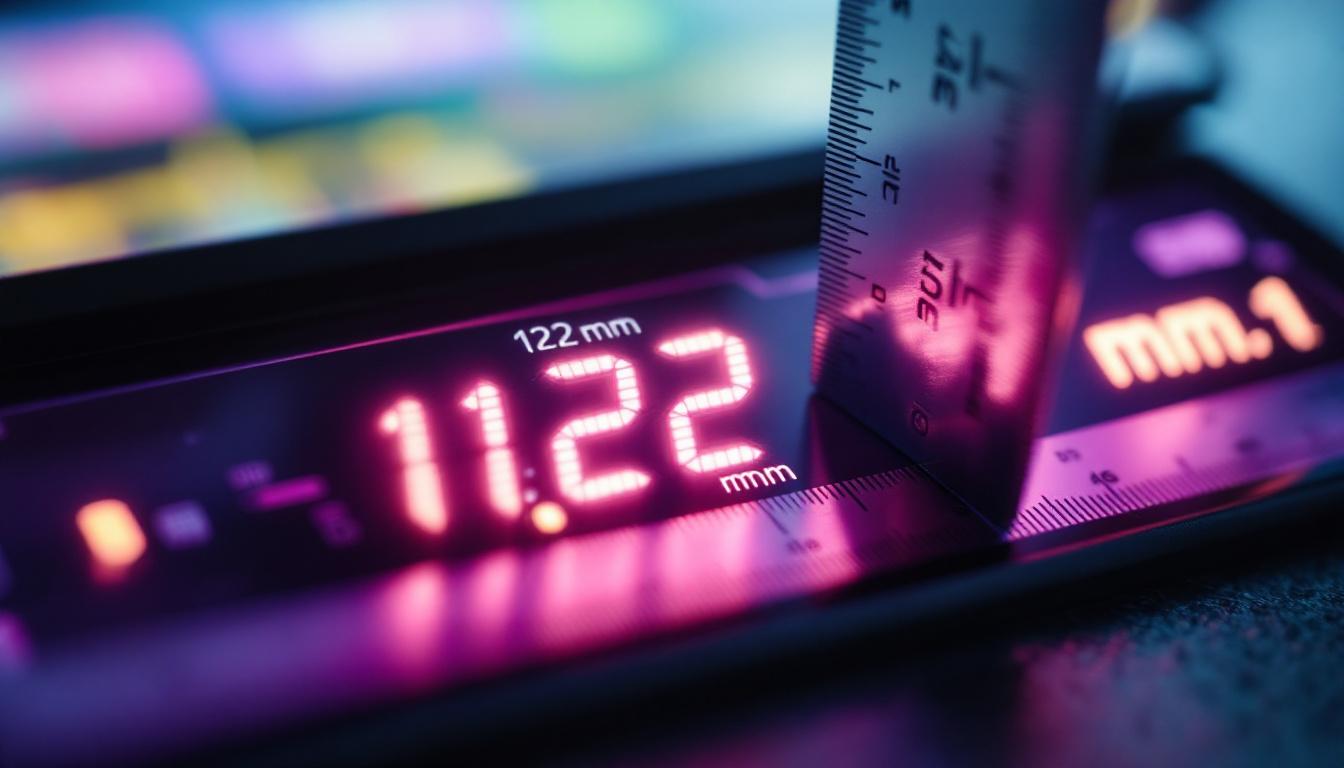
Resolution refers to the number of pixels displayed on the screen, while pixel pitch is the distance between individual LEDs. For conference rooms, higher resolution and smaller pixel pitch translate to sharper images and better detail, especially when displaying text-heavy content or intricate graphics.
For typical conference room sizes, a 4K resolution display with a pixel pitch of 1.5mm to 2.5mm is generally recommended. This range balances image clarity with cost-effectiveness. Larger rooms or video walls may require different specifications to maintain image quality at greater viewing distances.
Brightness and Contrast Ratio
Brightness is measured in nits, and for conference rooms with ambient light, a display with at least 500 to 700 nits is advisable. Higher brightness ensures that the content remains visible without straining the eyes.
Contrast ratio, which compares the luminance of the brightest white to the darkest black, affects how vivid and lifelike the images appear. LED displays typically offer high contrast ratios, often exceeding 3000:1, which enhances the viewing experience during presentations and video calls.
Connectivity and Integration
Modern conference rooms often integrate multiple devices and platforms. When selecting an LED display, it’s important to consider connectivity options such as HDMI, USB-C, wireless casting (e.g., Miracast, AirPlay), and compatibility with video conferencing systems like Zoom, Microsoft Teams, or Cisco Webex.
Some LED displays also support advanced features like touch interactivity, built-in cameras, and microphones, which can further enhance collaboration and streamline meeting workflows.
Installation and Maintenance
The physical installation of an LED display can vary significantly depending on its size and type. Direct View LED video walls may require professional installation and calibration to ensure seamless panel alignment and color uniformity.
Maintenance considerations include ease of access for cleaning, firmware updates, and potential repairs. Choosing a display with robust manufacturer support and warranty coverage is crucial to minimize downtime and ensure reliable operation.
Practical Applications of LED Displays in Conference Rooms
Enhancing Presentations and Collaboration
LED displays elevate the quality of presentations by providing clear, bright visuals that capture attention. Whether showcasing sales data, product demos, or strategic plans, the enhanced image quality helps convey information more effectively.
Interactive LED displays enable real-time collaboration, allowing participants to annotate documents, brainstorm ideas, and manipulate content directly on the screen. This fosters a more dynamic and engaging meeting environment.
Supporting Video Conferencing and Hybrid Meetings
With the rise of remote work and hybrid meeting models, LED displays play a critical role in bridging the gap between in-person and virtual attendees. Large, high-resolution screens ensure that remote participants are visible to everyone in the room, while integrated audio and video features improve communication clarity.
Some LED displays come equipped with AI-powered cameras and microphones that automatically track speakers and reduce background noise, enhancing the overall meeting experience.
Digital Signage and Room Scheduling
Beyond meetings, LED displays can serve as digital signage outside conference rooms, displaying real-time scheduling information, meeting agendas, or corporate announcements. This functionality helps optimize room utilization and keeps employees informed.
Interactive scheduling panels allow users to book rooms on the spot, reducing conflicts and improving workflow efficiency.
Cost Considerations and ROI
Initial Investment vs. Long-Term Value
While LED displays, especially Direct View LED video walls, may require a higher upfront investment compared to traditional monitors or projectors, their long-term value often justifies the cost. The combination of energy efficiency, durability, and enhanced meeting productivity can lead to significant savings and improved business outcomes.
Organizations should evaluate total cost of ownership, including installation, maintenance, and potential upgrades, alongside the expected benefits in communication effectiveness and employee engagement.
Case Study: Corporate Adoption of LED Conference Room Displays
A multinational technology firm recently upgraded its conference rooms with 4K Direct View LED video walls. Post-installation surveys indicated a 30% increase in meeting satisfaction scores and a 25% reduction in meeting duration due to more efficient communication. Additionally, the company reported a 15% decrease in energy costs related to display usage.
This example highlights how investing in high-quality LED displays can positively impact both operational efficiency and employee experience.
Future Trends in Conference Room LED Displays
Mini-LED and Micro-LED Technologies
Emerging display technologies such as Mini-LED and Micro-LED promise even greater brightness, contrast, and energy efficiency. These advancements enable thinner, lighter displays with improved color accuracy and longer lifespans, making them ideal for next-generation conference room monitors.
Integration with Smart Building Systems
Future LED displays will increasingly integrate with smart building ecosystems, allowing for automated brightness adjustments based on ambient light, voice-activated controls, and seamless interoperability with other IoT devices. This will create more intuitive and responsive meeting environments.
Augmented Reality (AR) and Mixed Reality (MR) Enhancements
As AR and MR technologies mature, LED displays may incorporate holographic or 3D elements to enrich presentations and collaborative sessions. This could revolutionize how teams visualize complex data and interact with digital content in conference rooms.
Conclusion
LED displays have transformed the landscape of conference room technology by delivering superior image quality, energy efficiency, and versatile configurations. Whether upgrading a small meeting room or outfitting a large boardroom, understanding the nuances of LED technology is essential for making informed decisions that enhance communication and collaboration.
By considering factors such as resolution, brightness, connectivity, and installation requirements, businesses can select the ideal LED display solution to meet their unique needs. With ongoing advancements in display technology and integration capabilities, LED conference room monitors will continue to play a pivotal role in shaping the future of workplace collaboration.
Discover LumenMatrix’s Advanced LED Display Solutions
Ready to elevate your conference room with the latest in LED display technology? LumenMatrix offers a comprehensive range of innovative LED display solutions tailored to meet the demands of modern collaboration and communication. From Indoor LED Wall Displays that bring presentations to life to Custom LED Displays designed to fit your unique space, our products are crafted to enhance engagement and ensure your message resonates with clarity. Experience the future of visual communication with LumenMatrix. Check out LumenMatrix LED Display Solutions today and transform your conference room into a hub of productivity and innovation.