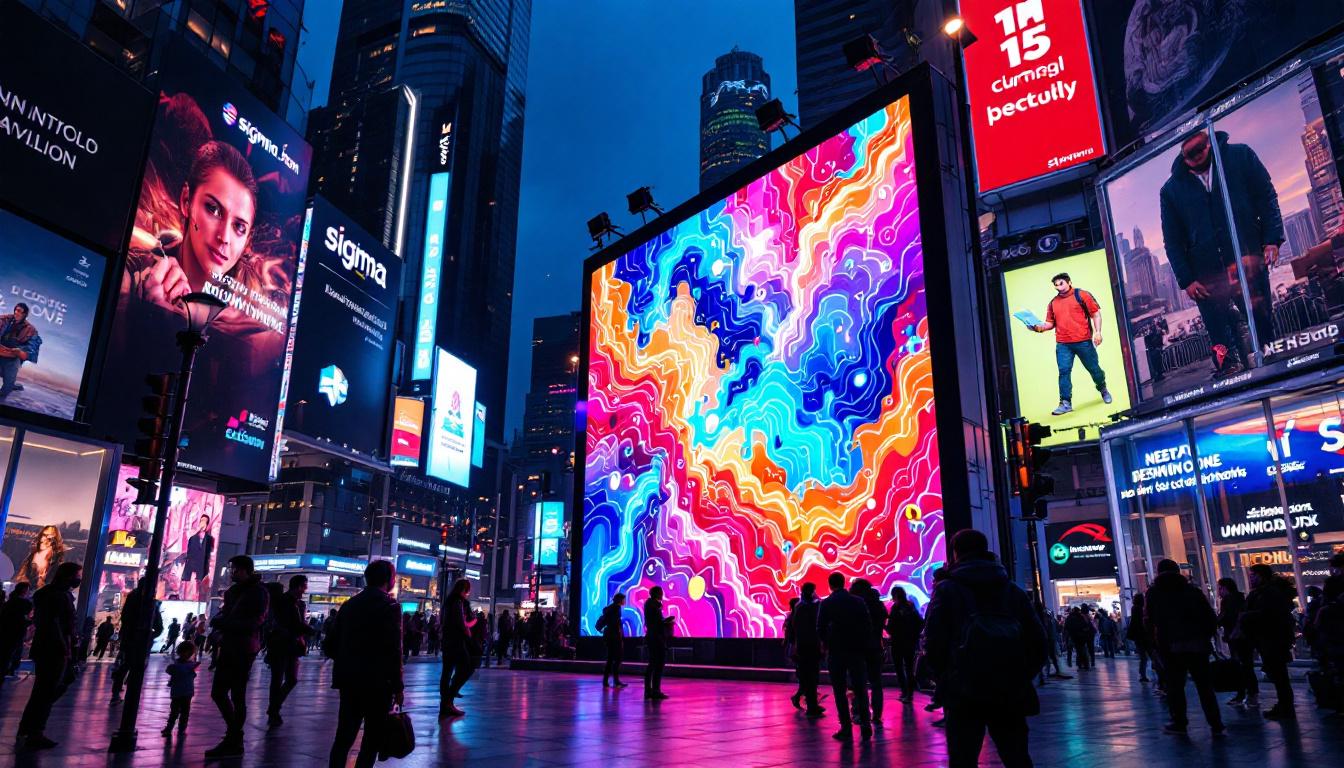
What Are LCDs: LED Display Explained
In the rapidly evolving world of display technology, terms like LCD and LED are often used interchangeably, causing confusion among consumers and professionals alike. Understanding what LCDs are, how LED displays fit into the picture, and the distinctions between these technologies is essential for making informed decisions—whether purchasing a new television, designing digital signage, or exploring the latest in display innovations.
Understanding LCD Technology
What Is an LCD?
LCD stands for Liquid Crystal Display, a technology that has been a cornerstone of digital screens for decades. At its core, an LCD panel uses liquid crystals that do not emit light directly. Instead, these crystals manipulate light passing through them to create images. The liquid crystals align in different ways when an electric current is applied, controlling the amount of light that passes through each pixel.
This technology revolutionized displays by enabling thinner, lighter, and more energy-efficient screens compared to older cathode ray tube (CRT) monitors. Today, LCDs are ubiquitous, found in everything from smartphones and laptops to televisions and instrument panels. The versatility of LCD technology has also allowed for its adaptation in various applications, including digital signage, automotive displays, and even wearable technology, showcasing its importance in modern life.
How Does an LCD Work?
LCD panels require a backlight to illuminate the liquid crystals since the crystals themselves do not produce light. This backlight shines through several layers, including polarizing filters and the liquid crystal layer, before reaching the viewer’s eyes. By adjusting the orientation of the liquid crystals, the display controls the intensity and color of the light passing through each pixel.
In traditional LCDs, the backlight is typically provided by cold cathode fluorescent lamps (CCFLs). However, modern LCDs predominantly use LED backlighting, which offers better energy efficiency, brightness, and color accuracy. The introduction of LED technology has not only improved the overall quality of the display but has also led to the development of various types of LCDs, such as IPS (In-Plane Switching) and TN (Twisted Nematic) panels, each with distinct advantages in terms of color reproduction, viewing angles, and response times. As a result, consumers can choose displays that best fit their needs, whether for gaming, professional graphic design, or casual viewing.
The Role of LED in Displays
What Does LED Mean in Displays?
LED stands for Light Emitting Diode, a semiconductor device that emits light when an electric current passes through it. In the context of displays, LEDs serve primarily as backlighting sources for LCD panels. This is why many screens are marketed as “LED TVs” or “LED monitors,” although the actual image-forming layer remains an LCD.
Using LEDs as a backlight instead of CCFLs brings several advantages, including lower power consumption, thinner panels, and improved color reproduction. Additionally, LEDs can be arranged in various configurations to enhance picture quality. The ability to produce a wider color gamut and higher brightness levels has made LED technology a preferred choice for many manufacturers and consumers alike. Furthermore, the longevity of LEDs compared to traditional lighting options means that users can enjoy their displays for longer periods without the need for frequent replacements, thus offering both economic and environmental benefits.
Types of LED Backlighting
There are two primary methods of LED backlighting used in LCD displays:
- Edge-Lit LED: LEDs are placed along the edges of the screen, and light is distributed across the panel using light guides. This design allows for ultra-thin displays but may suffer from uneven brightness or contrast in some cases. Edge-lit displays are particularly popular in sleek, modern designs where space is at a premium, making them a common choice for wall-mounted televisions and portable monitors.
- Direct-Lit or Full-Array LED: LEDs are positioned directly behind the LCD panel in a grid. This arrangement enables local dimming, where specific zones can be dimmed or brightened independently, resulting in better contrast and deeper blacks. Full-array LED technology is often favored for high-end displays, as it allows for more precise control over lighting, enhancing the viewing experience for movies and gaming by providing richer details in shadows and highlights.
In addition to these two primary types, there are also variations like Mini-LED and Micro-LED technologies that are gaining traction in the market. Mini-LED utilizes thousands of tiny LEDs to create a more refined backlight, offering improved brightness and contrast ratios compared to traditional full-array backlighting. Micro-LED, on the other hand, represents a significant leap forward, as each pixel is an individual micro-sized LED, allowing for unprecedented levels of brightness, color accuracy, and energy efficiency. These advancements are paving the way for the next generation of displays, promising an even more immersive visual experience for users.
Distinguishing Between LCD, LED, and OLED
Common Misconceptions
One of the most common misunderstandings is that LED displays are fundamentally different from LCDs. In reality, LED displays are a subset of LCD technology, where the backlighting source is LEDs instead of fluorescent lamps. This distinction is crucial for consumers to understand when evaluating display specifications and marketing claims. Many consumers might be swayed by the term “LED,” believing it to signify a newer or superior technology, when in fact, it is merely a variation of the existing LCD framework.
Another source of confusion arises when comparing LED-backlit LCDs with OLED (Organic Light Emitting Diode) displays. OLED is a fundamentally different technology where each pixel emits its own light, eliminating the need for a backlight altogether. This independence of each pixel allows for more intricate designs and thinner screens, which can be particularly appealing for modern aesthetics in home entertainment systems.
Comparing LCD/LED and OLED Technologies
OLED displays offer several advantages over LCD/LED screens, including superior contrast ratios, faster response times, and wider viewing angles. Because OLED pixels emit light individually, they can achieve true blacks by turning off pixels completely. This results in more vibrant images and better energy efficiency when displaying darker content. The ability to produce a broader color spectrum also enhances the viewing experience, making OLEDs particularly favored among filmmakers and gamers who seek the most immersive visuals.
However, OLEDs tend to be more expensive to produce and may suffer from issues like burn-in over time. This phenomenon occurs when static images remain on the screen for prolonged periods, leading to ghosting effects. LCD/LED displays, on the other hand, remain popular for their affordability, brightness in well-lit environments, and longer lifespan. Additionally, advancements in LCD technology, such as quantum dot enhancements, have significantly improved color accuracy and brightness levels, allowing them to compete more effectively with OLEDs in various scenarios, including brightly lit rooms or outdoor settings. As technology continues to evolve, the debate between these display types remains dynamic, with ongoing innovations shaping consumer choices and preferences.
Applications and Advantages of LCD and LED Displays
Where Are LCDs and LED Displays Used?
LCD technology with LED backlighting is prevalent across a wide range of applications:
- Consumer Electronics: Smartphones, tablets, laptops, desktop monitors, and televisions commonly use LED-backlit LCD panels due to their balance of cost, image quality, and energy efficiency.
- Digital Signage: Large-format LED-backlit LCD displays are favored for digital billboards, retail signage, and public information screens because of their brightness and durability.
- Automotive Displays: Instrument clusters, infotainment systems, and heads-up displays often utilize LCD technology with LED backlighting for clear visibility under various lighting conditions.
- Medical and Industrial Equipment: High-resolution LCDs with LED backlighting provide precise imaging necessary for diagnostic tools and control panels.
Advantages of LED-Backlit LCDs
The integration of LED backlighting into LCDs has brought significant improvements:
- Energy Efficiency: LEDs consume less power than CCFLs, contributing to longer battery life in portable devices and lower electricity costs in larger displays.
- Improved Brightness and Color: LED backlights can deliver higher brightness levels and a wider color gamut, enhancing picture quality.
- Thinner and Lighter Designs: LEDs are smaller and more versatile in placement, allowing manufacturers to create slimmer and lighter screens.
- Environmental Benefits: LEDs do not contain mercury, unlike CCFLs, making disposal and recycling safer and more environmentally friendly.
Future Trends in LCD and LED Display Technologies
Mini-LED and Micro-LED Innovations
Recent advancements have introduced mini-LED and micro-LED technologies, pushing the boundaries of LCD and LED displays further. Mini-LEDs are smaller than traditional LEDs, allowing for thousands of dimming zones in a single display. This results in even greater contrast ratios and improved HDR (High Dynamic Range) performance.
Micro-LED technology, meanwhile, represents a hybrid between LED and OLED. Each micro-LED pixel emits its own light, similar to OLED, but with higher brightness and longer lifespan. Though still emerging, micro-LED displays promise to combine the best qualities of LCD and OLED technologies.
Quantum Dot Enhancements
Quantum Dot technology is another significant development that enhances LCD displays. By incorporating quantum dots into the backlight or color filters, manufacturers can achieve more accurate and vibrant colors. Quantum Dot LCDs, often marketed as QLEDs, offer improved color performance and energy efficiency without the drawbacks of OLED.
Conclusion: Making Sense of LCD and LED Displays
Understanding the relationship between LCD and LED technologies is key to navigating the modern display market. LCDs form the foundation of many screens, while LED backlighting has elevated their performance and efficiency. Distinguishing these from OLED and emerging technologies helps consumers and professionals select the right display for their needs.
As display technology continues to advance with innovations like mini-LED, micro-LED, and quantum dots, the future promises even more stunning visuals, energy savings, and versatile applications. Whether for entertainment, work, or specialized uses, knowing how these technologies work empowers better choices and appreciation of the screens that have become integral to daily life.
Discover Cutting-Edge LED Displays with LumenMatrix
Ready to experience the future of display technology? LumenMatrix is at the forefront of LED innovation, offering a wide array of advanced LED display solutions that bring your visual communications to life. From captivating Indoor and Outdoor LED Wall Displays to dynamic Vehicle and Sports LED Displays, our products are designed to maximize brand visibility and audience engagement. Explore our versatile range, including LED Poster Displays, Floor LED Displays, and Custom LED solutions, all crafted to deliver unparalleled visual experiences. Elevate your message with clarity and impact—check out LumenMatrix LED Display Solutions today.