In the rapidly evolving world of digital signage and display technology, lattice panel screens have emerged as a transformative solution, particularly in the realm of LED displays. These innovative screens combine structural ingenuity with advanced LED technology to deliver visually stunning and highly adaptable display options. Whether for advertising, entertainment, or architectural applications, understanding lattice panel screens and their LED components is crucial for businesses and professionals aiming to leverage cutting-edge visual communication tools.
What is a Lattice Panel Screen?
A lattice panel screen is a type of LED display characterized by its open, grid-like structure. Unlike traditional LED screens, which have a solid backing and dense pixel arrangement, lattice panel screens feature a framework that allows light and air to pass through. This design not only reduces the overall weight of the screen but also offers unique advantages in terms of installation flexibility and environmental adaptability.
These screens are constructed from interconnected panels forming a lattice or mesh pattern. Each panel houses LED modules arranged in a precise matrix, enabling the display to render images, videos, and animations with vibrant colors and high brightness. The open structure is particularly beneficial for outdoor use, as it minimizes wind resistance and heat buildup, which are common challenges with conventional LED displays.
Key Characteristics of Lattice Panel Screens
One of the defining features of lattice panel screens is their transparency. Depending on the design, these screens can achieve transparency levels ranging from 30% to over 70%, allowing natural light to filter through. This makes them ideal for applications on glass facades, where maintaining visibility from inside a building is important.
Additionally, the modular nature of lattice panels means they can be assembled into various shapes and sizes, including curved surfaces and irregular architectural forms. This adaptability expands creative possibilities for designers and advertisers alike.
Another significant advantage of lattice panel screens is their energy efficiency. The innovative design not only reduces the amount of material needed for construction but also allows for lower energy consumption compared to traditional LED displays. Many lattice panel screens incorporate advanced technologies such as automatic brightness adjustment, which optimizes power usage based on ambient light conditions. This feature not only contributes to sustainability efforts but also ensures that the displayed content remains vivid and clear, regardless of the surrounding environment.
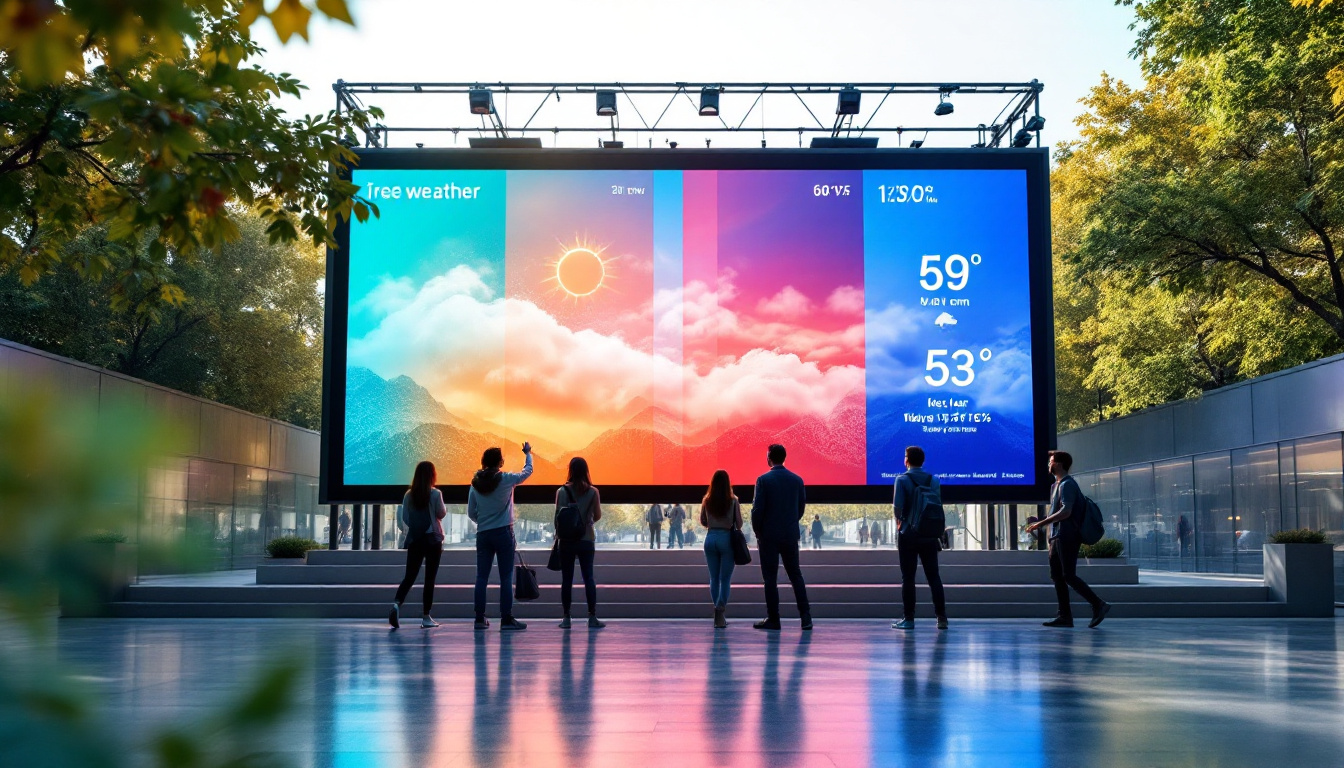
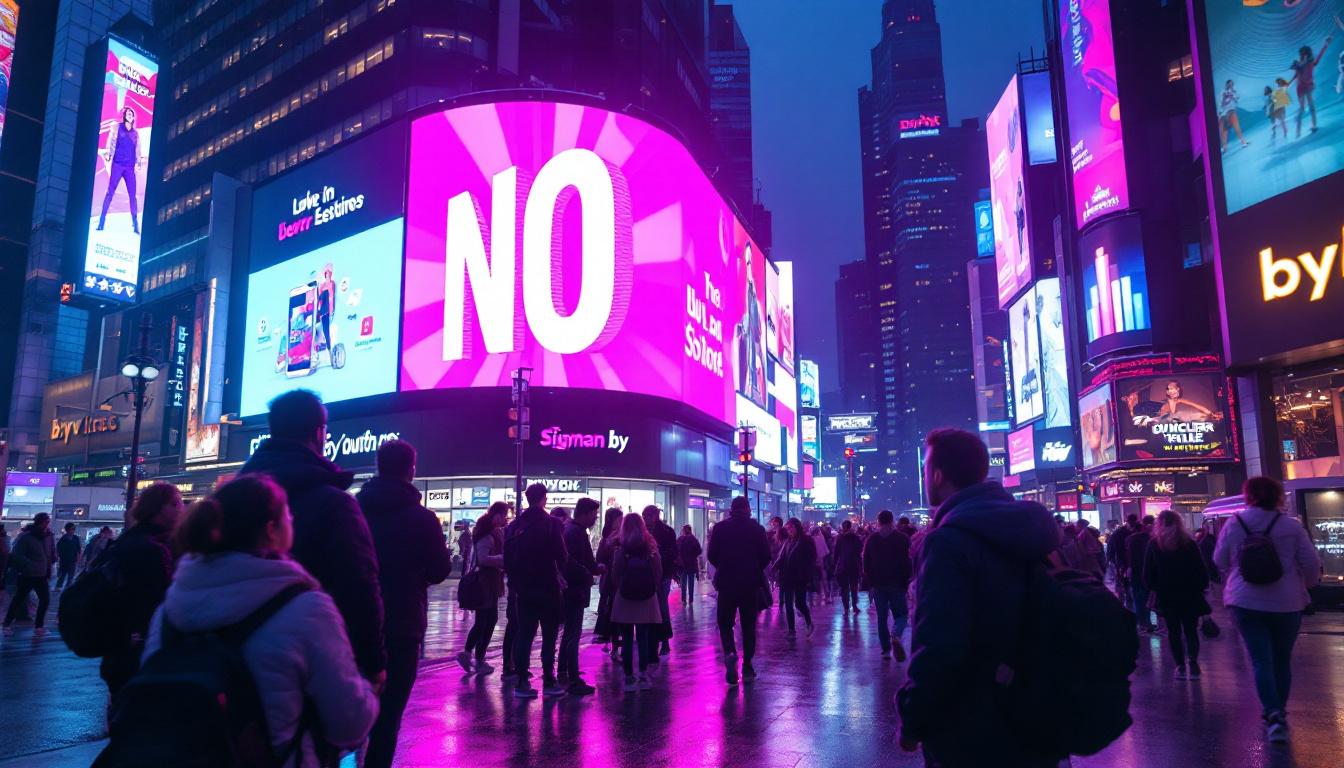
Furthermore, the versatility of lattice panel screens extends beyond mere aesthetics; they can also serve functional purposes. For instance, they are increasingly used in urban environments as dynamic advertising platforms that can change content in real-time, adapting to different audiences or events. Their ability to blend seamlessly into architectural designs makes them popular in modern construction, where they can enhance the overall aesthetic while providing essential information or entertainment to passersby. As cities evolve, lattice panel screens are likely to play a pivotal role in the integration of technology into urban landscapes.
How LED Technology Integrates with Lattice Panels
LED (Light Emitting Diode) technology is at the heart of lattice panel screens. LEDs are semiconductor devices that emit light when an electric current passes through them. Their efficiency, brightness, and longevity make them the preferred choice for modern digital displays.
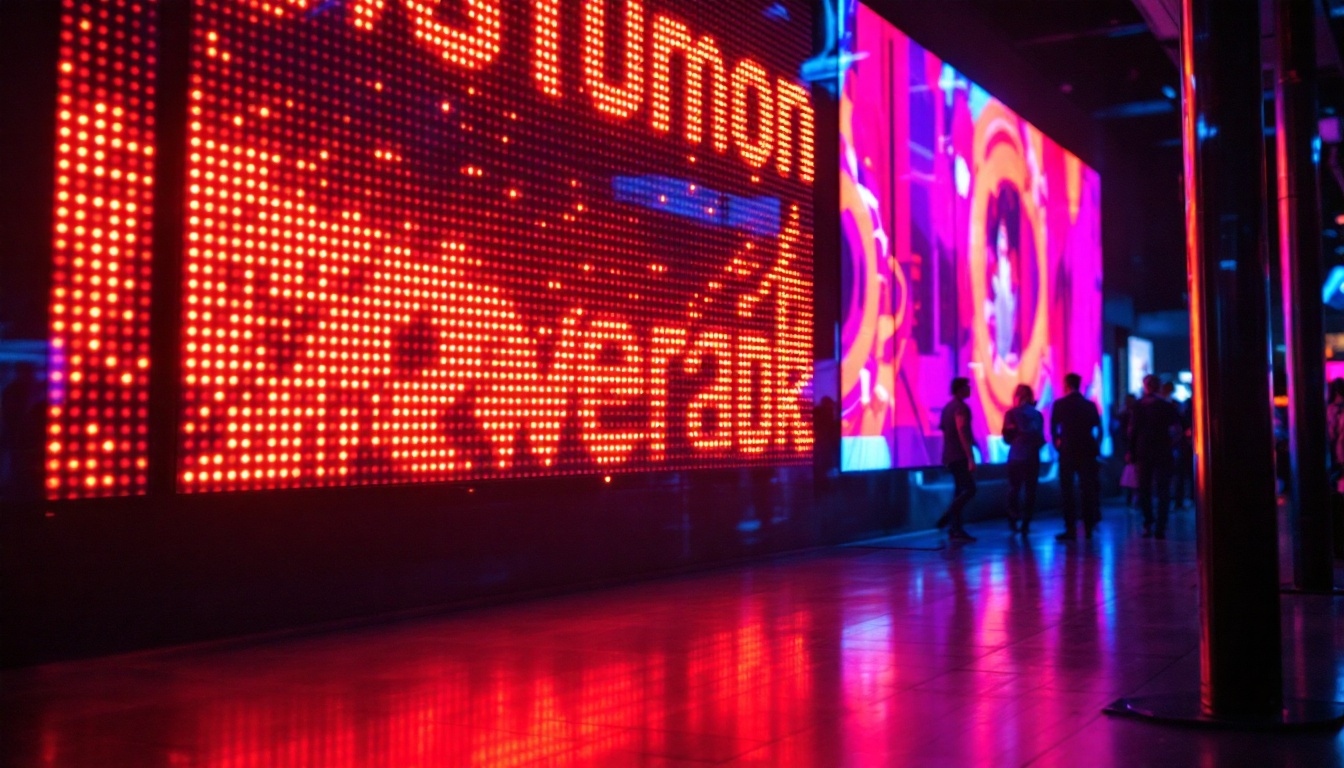
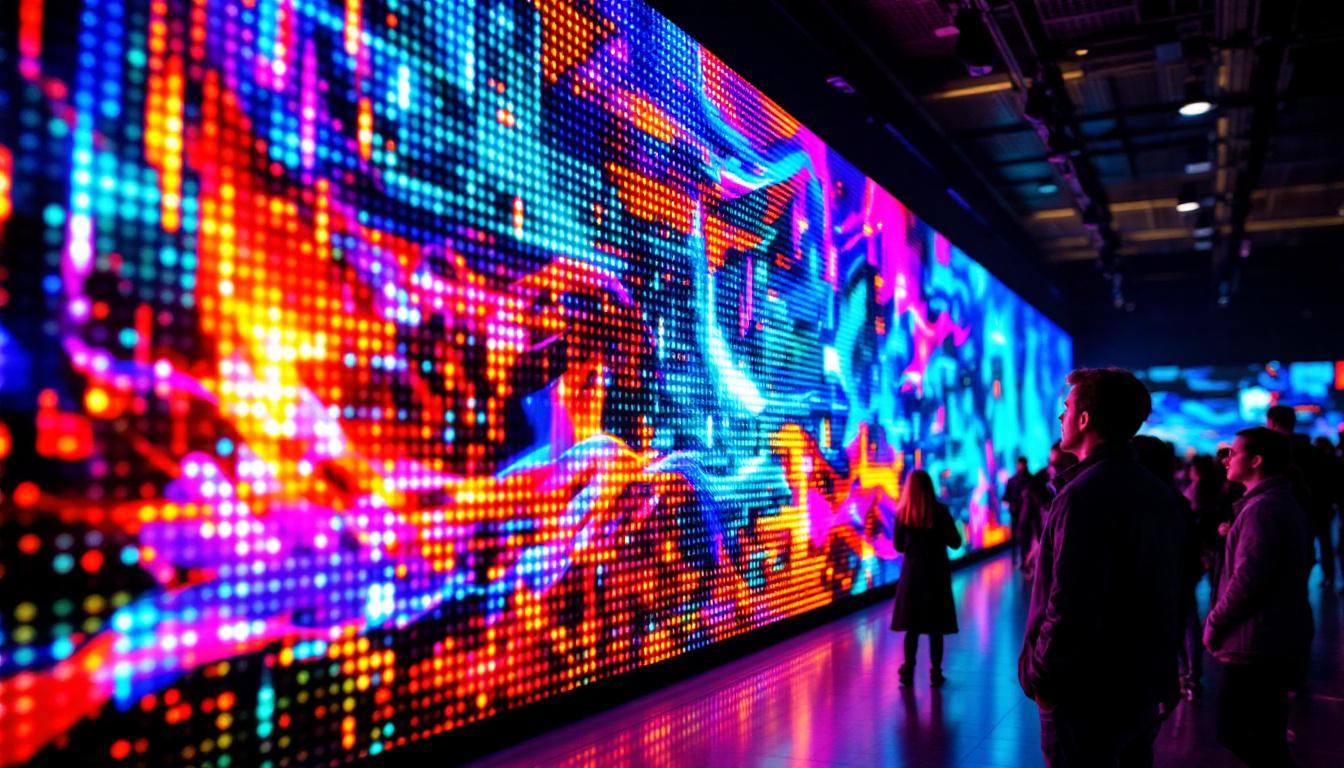
In lattice panel screens, LEDs are mounted onto lightweight circuit boards arranged within the lattice framework. The pixel pitch—the distance between individual LEDs—plays a crucial role in determining the resolution and viewing distance of the screen. Smaller pixel pitches yield higher resolution and are suitable for close-up viewing, while larger pitches are optimal for distant viewing scenarios. This versatility allows designers to tailor the screens for various applications, from advertising billboards to artistic installations, catering to the specific needs of each environment.
Brightness and Visibility
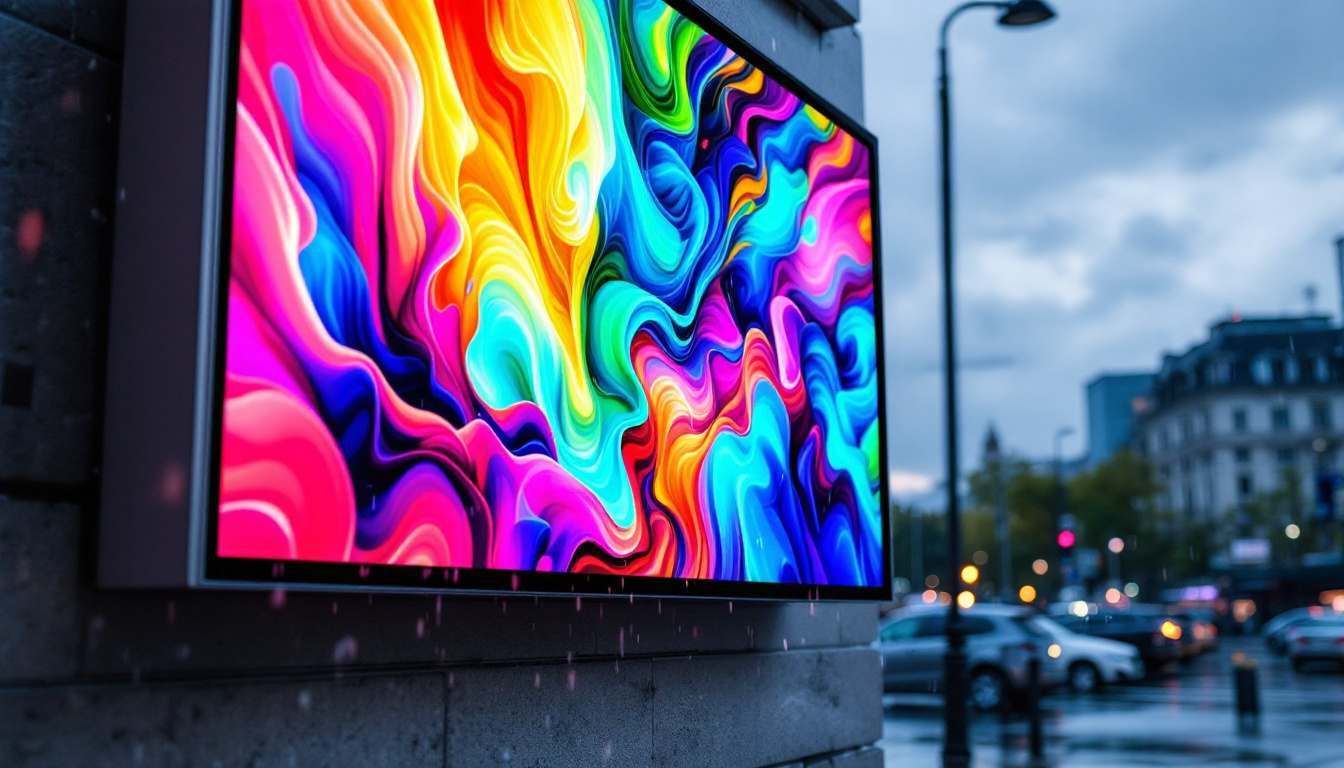
One of the standout advantages of LED lattice panels is their exceptional brightness. Outdoor LED displays typically require brightness levels between 5,000 and 7,000 nits to remain visible under direct sunlight. Lattice panel screens can easily achieve this range, ensuring clear visibility even in challenging lighting conditions.
Moreover, the open lattice design reduces glare and reflections, enhancing the overall viewing experience. This is particularly important for urban environments where ambient light can vary dramatically throughout the day. The ability to maintain visibility in such conditions makes lattice panels an ideal choice for public spaces, where they can convey important information or advertisements without being overshadowed by natural or artificial light sources.
Energy Efficiency and Durability
LEDs are renowned for their energy efficiency compared to other lighting technologies such as LCD or projection systems. Lattice panel screens benefit from this efficiency, consuming less power while delivering bright and vivid imagery. This not only reduces operational costs but also aligns with sustainability goals increasingly prioritized by businesses and municipalities.
Durability is another critical factor. The materials used in lattice panels are typically weather-resistant aluminum alloys and tempered glass, which protect the LEDs from environmental factors like rain, dust, and temperature fluctuations. Additionally, the open design facilitates natural cooling, reducing the risk of overheating and extending the lifespan of the display. This resilience is particularly advantageous in regions with extreme weather conditions, where traditional displays may fail or require frequent maintenance. Furthermore, the modular nature of lattice panels allows for easy repairs and upgrades, ensuring that the technology can evolve alongside advancements in LED capabilities without necessitating a complete overhaul of the system.
Applications of Lattice Panel LED Displays
The versatility of lattice panel LED screens has led to their adoption across a wide range of industries and use cases. Their unique combination of transparency, brightness, and structural flexibility makes them suitable for both functional and aesthetic purposes.
Architectural Integration
One of the most exciting applications of lattice panel screens is in architectural integration. Buildings with glass facades can incorporate these screens to display dynamic content without compromising natural light or views from inside. This creates a seamless blend of technology and design, turning building exteriors into interactive canvases.
For example, iconic landmarks and commercial towers in cities like New York, Shanghai, and Dubai have utilized lattice LED panels to showcase advertisements, art installations, and event promotions, enhancing urban vibrancy and engagement.
Advertising and Marketing
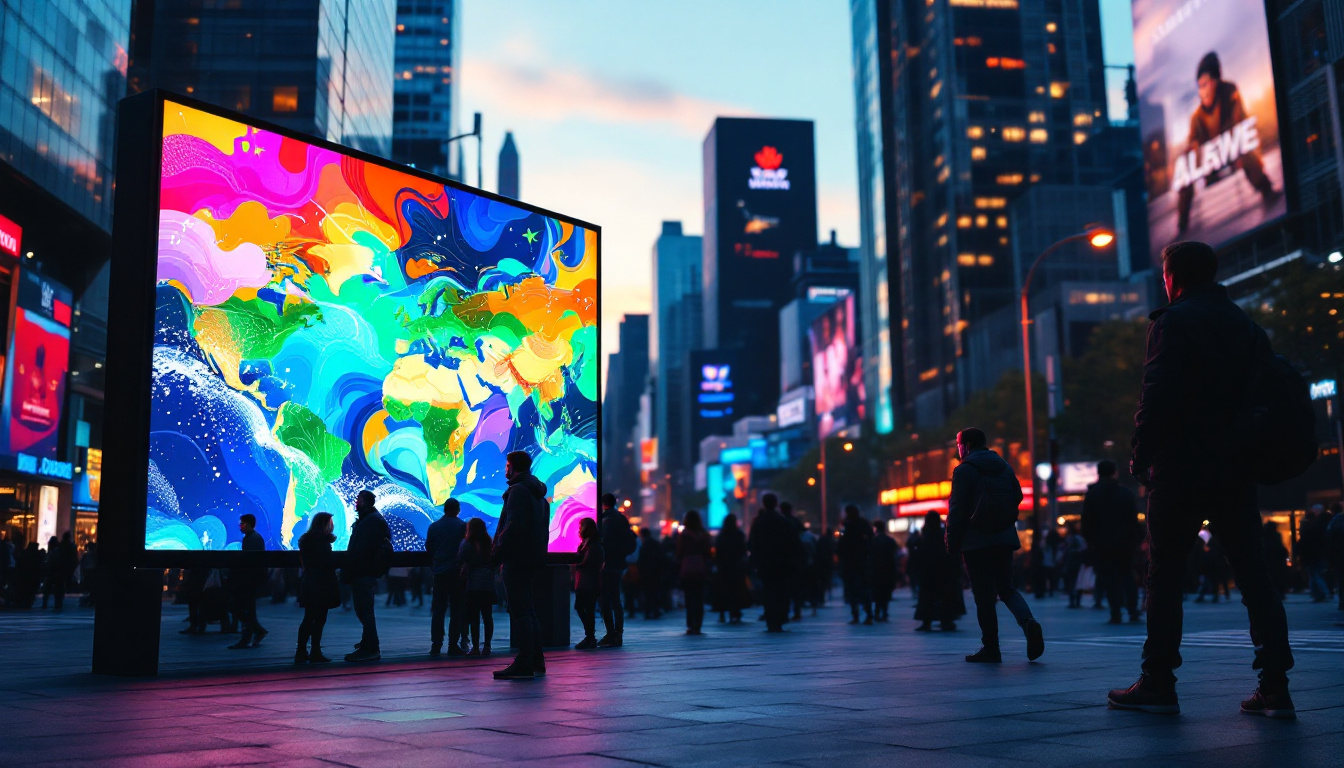
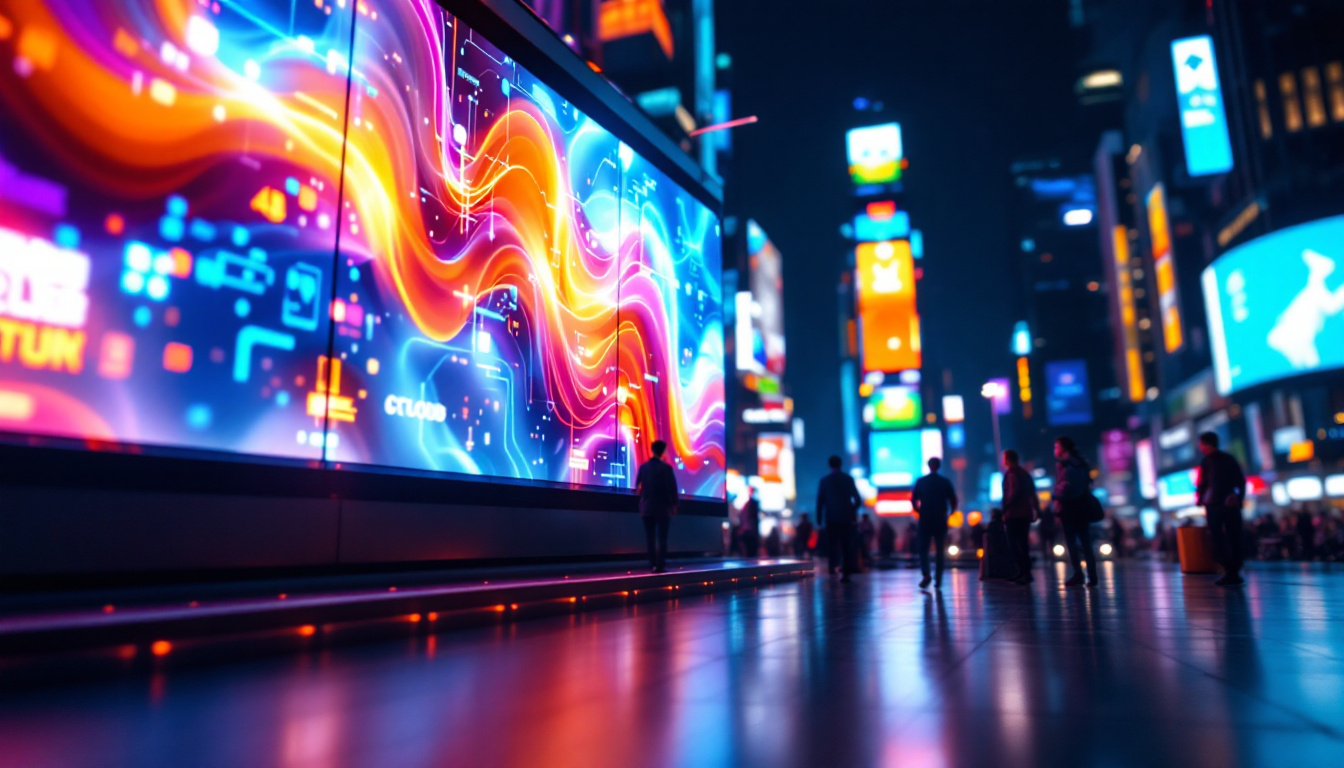
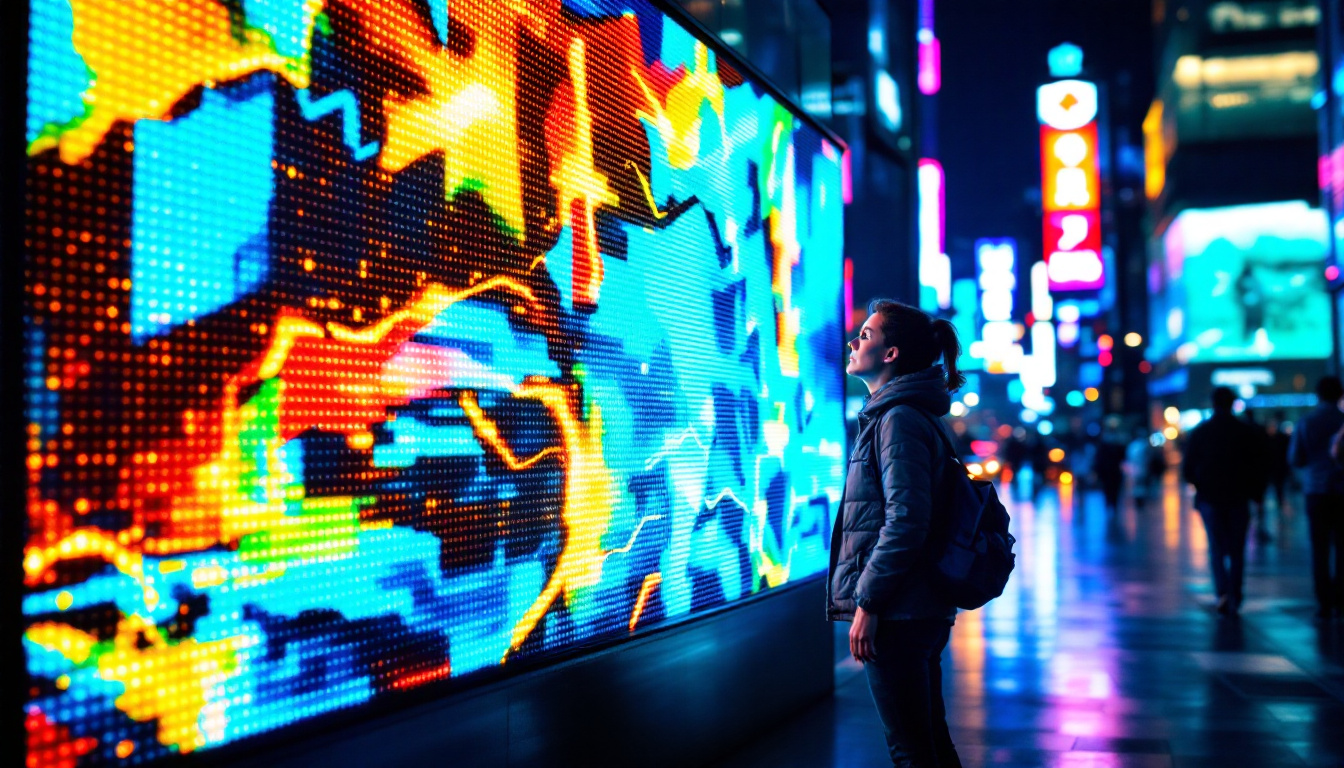
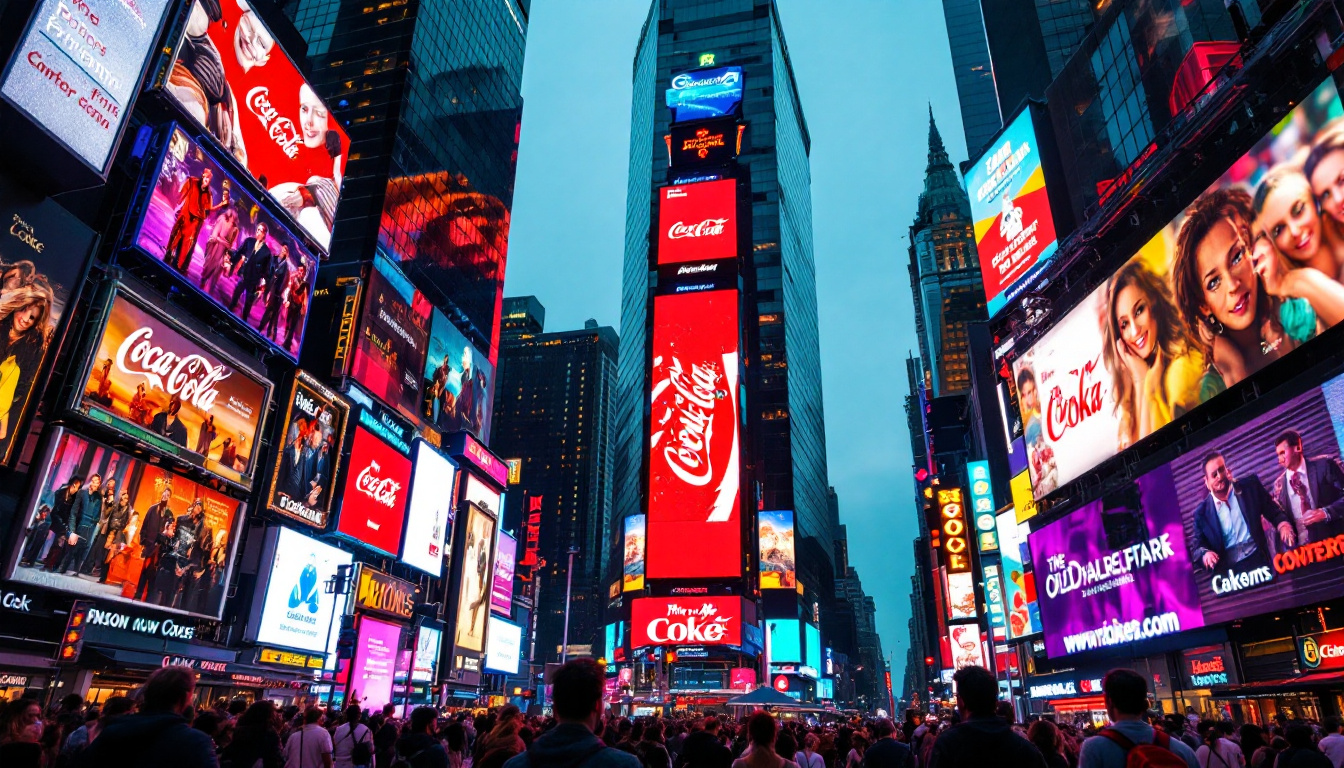
Outdoor advertising benefits significantly from lattice panel screens. Their high brightness and weather resistance make them ideal for billboards, stadium displays, and transit hubs. The open structure allows for large-scale installations that withstand environmental stress while captivating audiences with vivid visuals.
Brands can leverage these screens for real-time content updates, interactive campaigns, and immersive storytelling. The ability to customize screen shapes and sizes also means advertisers can create unique, eye-catching displays that stand out in crowded urban landscapes.
Entertainment and Events
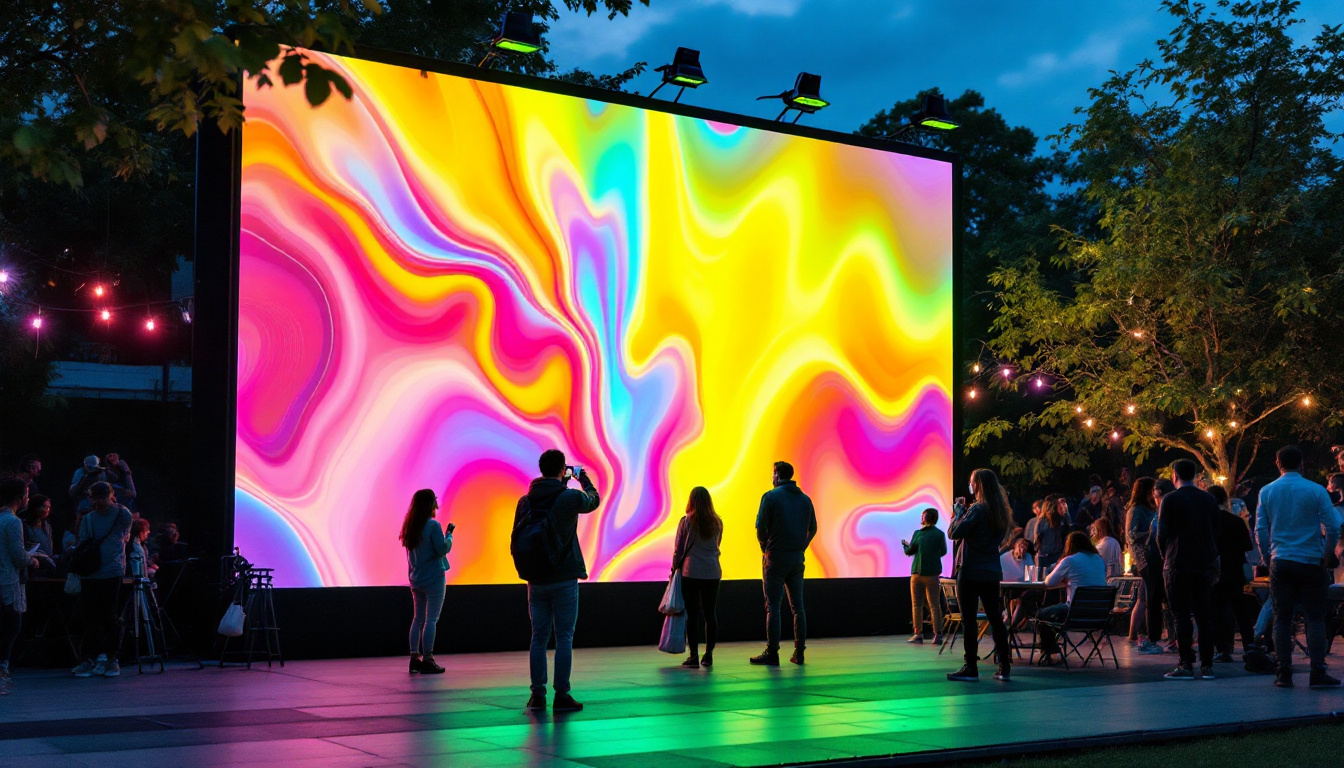
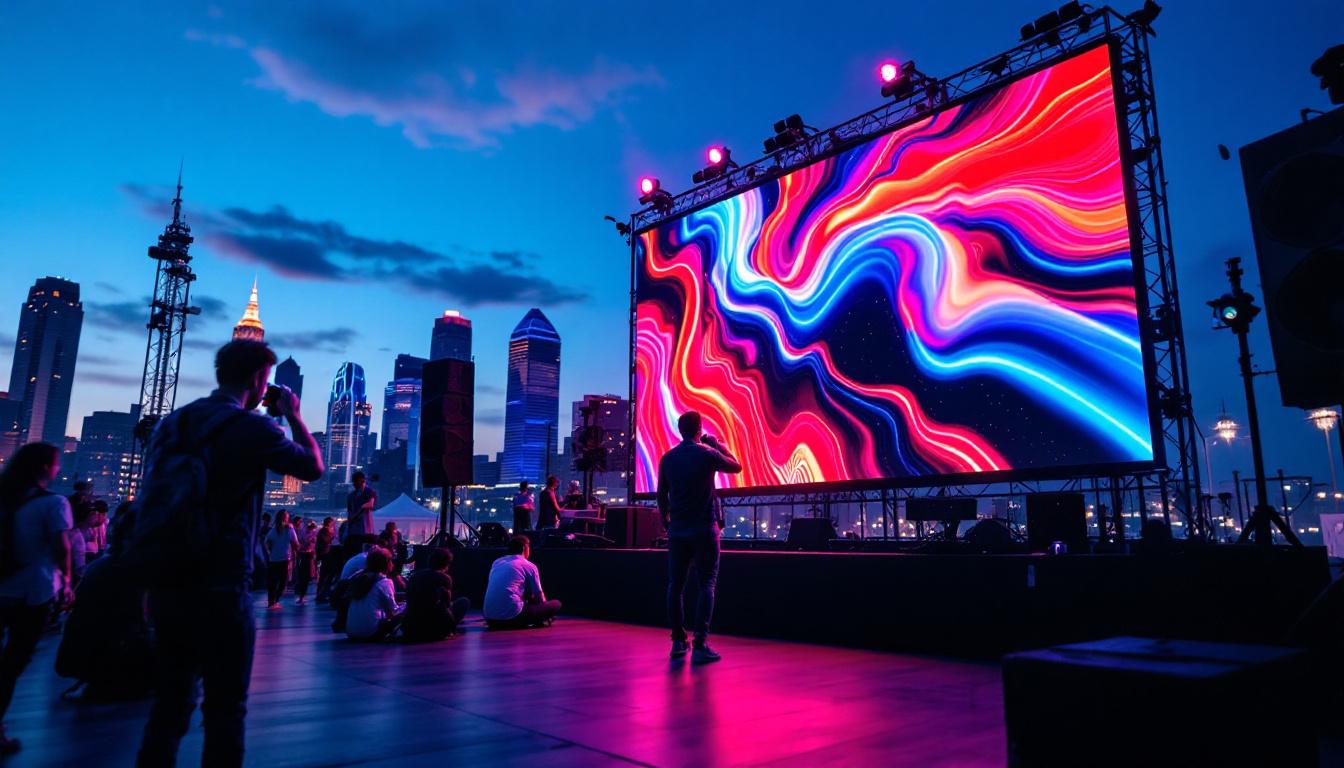
In the entertainment industry, lattice panel LED displays are used for concerts, festivals, and sports events. Their lightweight and modular design facilitate quick assembly and disassembly, essential for temporary installations. The high refresh rates and color accuracy of LED technology ensure that visuals remain sharp and engaging, even in fast-paced environments.
Additionally, the transparency feature allows for creative stage designs where screens blend with lighting effects and physical structures, enhancing the overall audience experience.
Choosing the Right Lattice Panel LED Display
Selecting the appropriate lattice panel screen involves considering several factors to ensure the display meets specific needs and conditions.
Pixel Pitch and Resolution
The pixel pitch determines the clarity of the image and the optimal viewing distance. For applications where viewers are close to the screen, such as retail windows or indoor displays, a smaller pixel pitch (e.g., 3mm to 6mm) is preferable. For large outdoor installations viewed from afar, a larger pitch (e.g., 10mm to 20mm) can be more cost-effective without compromising visibility.
Transparency Level
Depending on the application, the desired transparency level varies. Retail environments might require higher transparency to maintain window visibility, while advertising billboards may prioritize image density over transparency. It’s essential to balance these requirements to achieve both aesthetic appeal and functional performance.
Environmental Considerations
Outdoor installations must account for weather resistance, temperature range, and wind load. Lattice panel screens excel in these areas due to their open design and robust materials, but verifying IP ratings (Ingress Protection) and structural certifications is critical for safety and longevity.
Installation and Maintenance
The modular design of lattice panels simplifies installation and maintenance. However, considerations such as mounting structures, electrical connections, and access for repairs should be planned in advance. Partnering with experienced suppliers and installers ensures the system operates reliably over time.
The Future of Lattice Panel LED Displays
As LED technology continues to advance, lattice panel screens are poised to become even more versatile and impactful. Innovations in miniaturization, color accuracy, and smart connectivity are expanding their capabilities.
Emerging trends include integration with IoT (Internet of Things) for dynamic content management, AI-driven analytics for targeted advertising, and enhanced energy-saving features. Furthermore, developments in flexible and transparent LED materials may lead to even more seamless architectural applications, blurring the line between digital and physical environments.
With global LED market growth projected to reach over $40 billion by 2027, lattice panel screens represent a significant segment of this expansion, driven by demand for innovative, sustainable, and engaging display solutions.
Conclusion
Lattice panel LED screens are redefining the possibilities of digital displays by merging advanced LED technology with innovative structural design. Their transparency, brightness, energy efficiency, and adaptability make them ideal for a wide range of applications, from architectural facades to large-scale advertising and live events.
Understanding the technical aspects and practical considerations of lattice panel screens empowers businesses, designers, and event planners to make informed decisions that maximize impact and return on investment. As technology evolves, these screens will undoubtedly play a pivotal role in shaping the future of visual communication.
Discover LumenMatrix LED Display Innovations
Ready to elevate your visual communication strategy with the latest in LED display technology? Look no further than LumenMatrix, where innovation meets impact. Our extensive range of solutions, from Indoor and Outdoor LED Wall Displays to Custom and Transparent LED Displays, is designed to captivate your audience and amplify your message. Experience the future of digital signage with LumenMatrix and transform your space into a dynamic visual experience. Check out LumenMatrix LED Display Solutions today and see the difference cutting-edge technology can make.