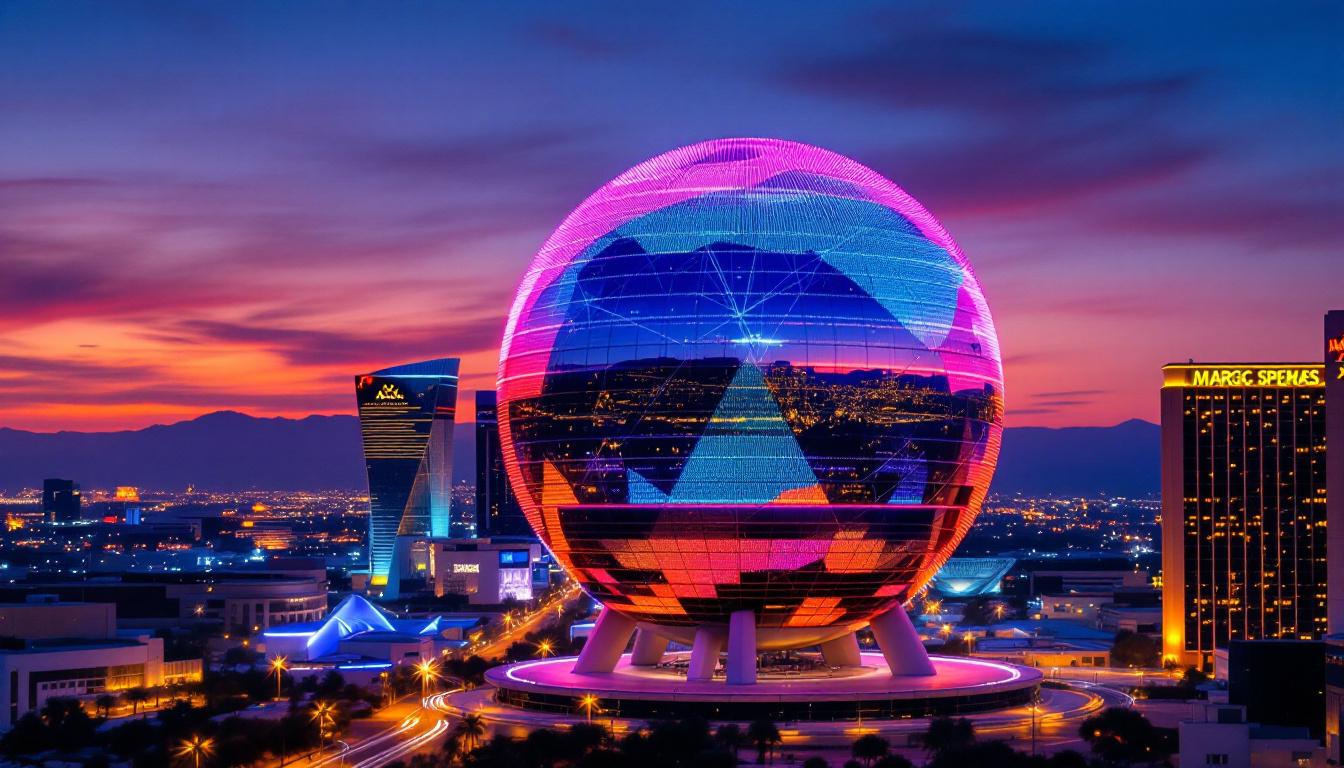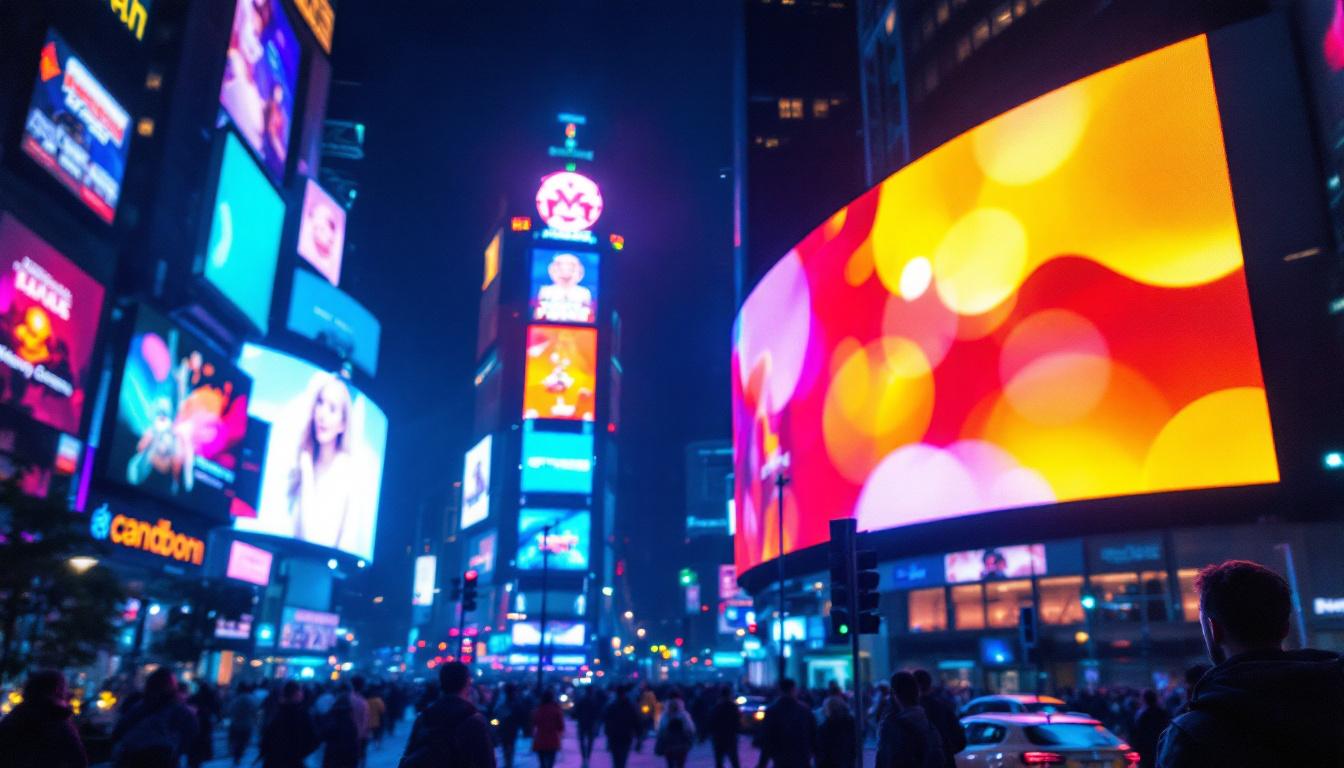
In the rapidly evolving world of visual communication, LED displays have emerged as a dominant technology, revolutionizing how information and entertainment are presented across various industries. From massive stadium screens to dynamic advertising billboards, LED displays offer unparalleled brightness, flexibility, and durability. This comprehensive guide delves into the fundamentals of LED display technology, its applications, advantages, and future trends, equipping professionals and enthusiasts alike with a thorough understanding of this transformative medium.
Understanding LED Display Technology
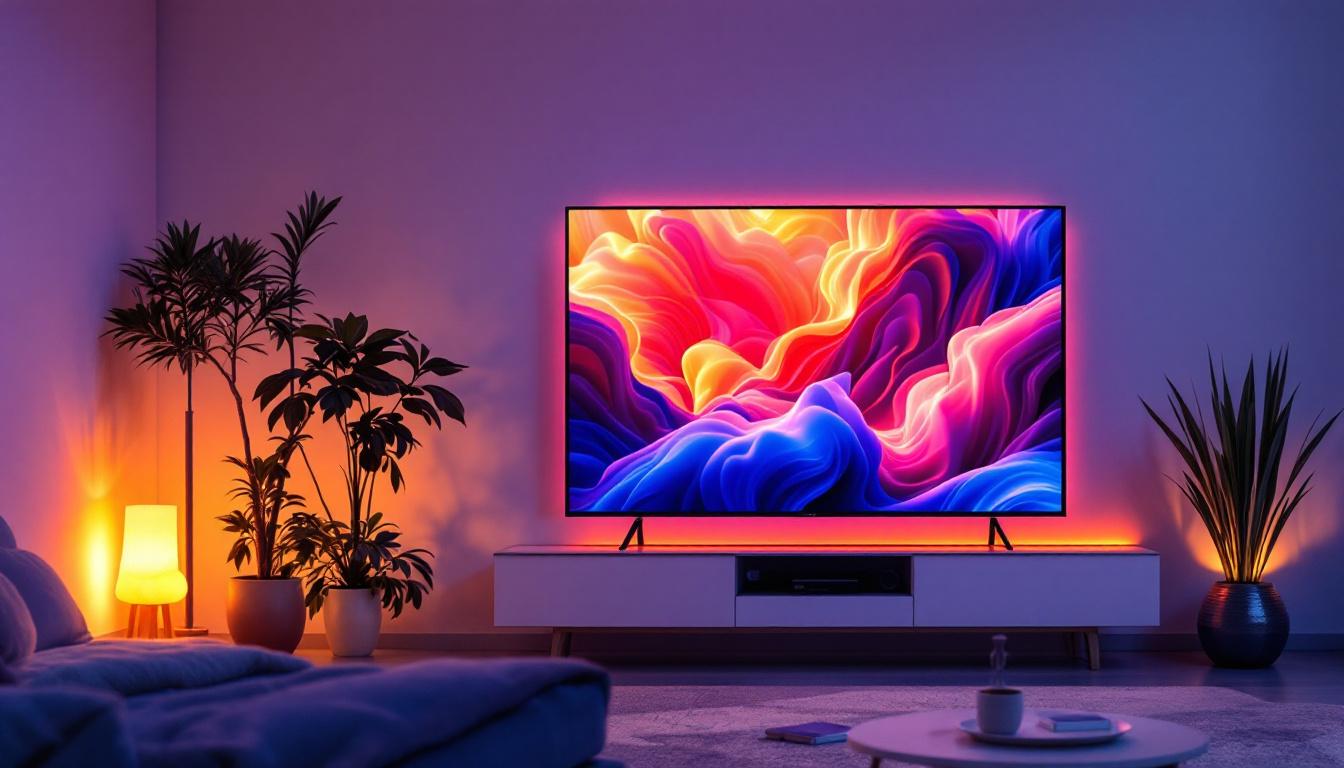
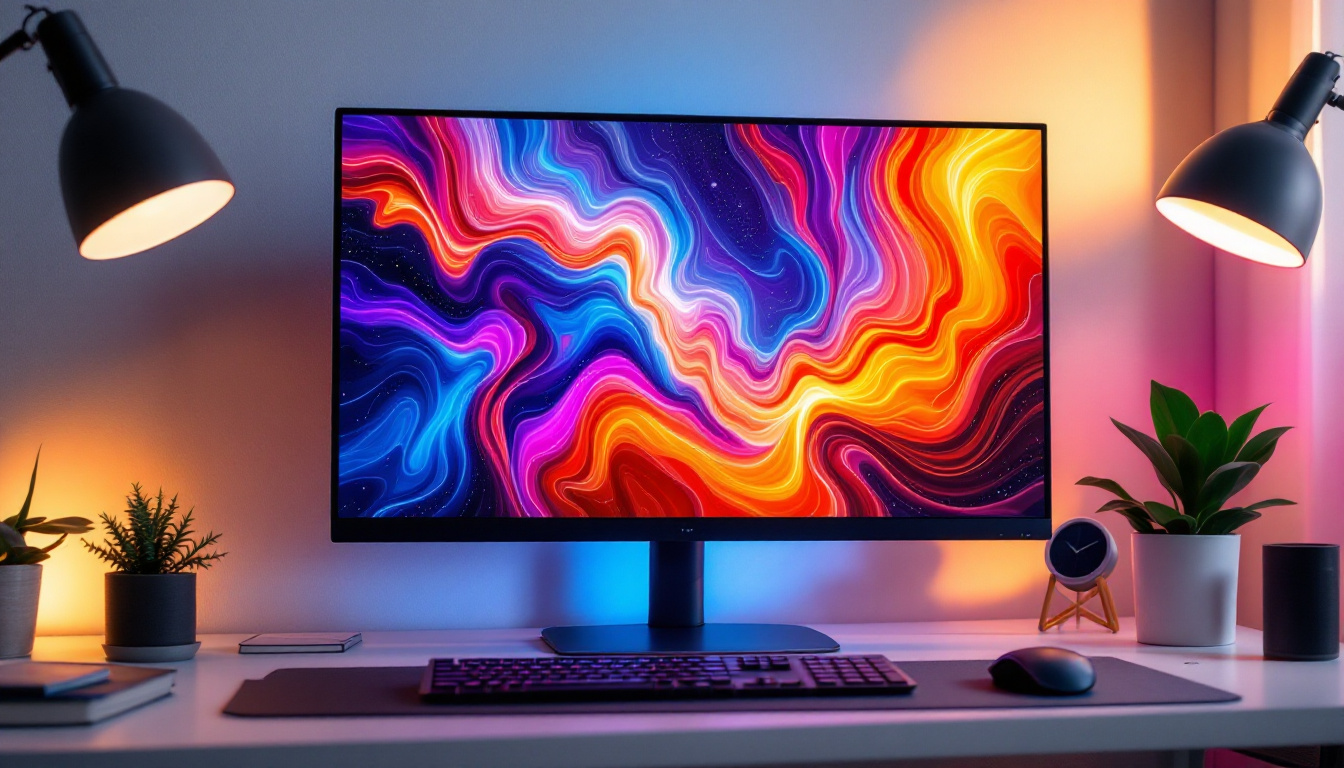
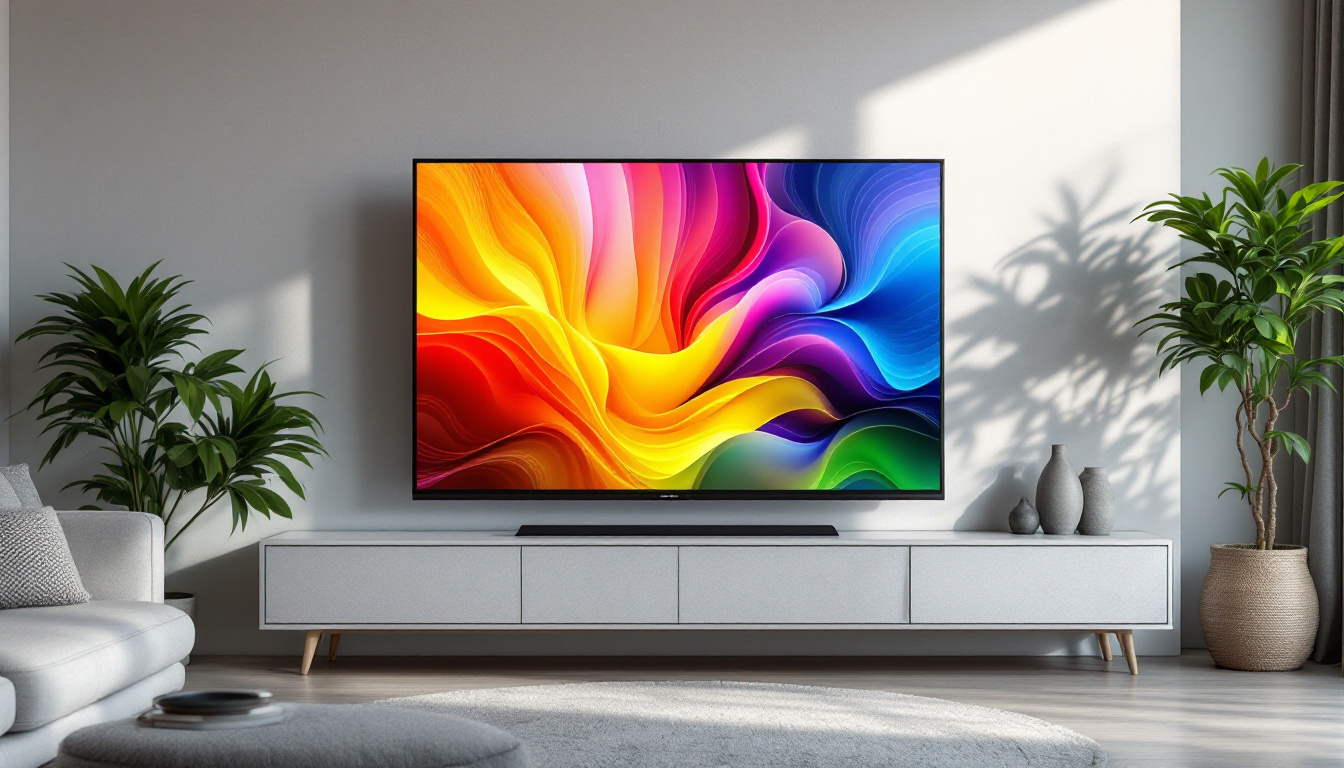
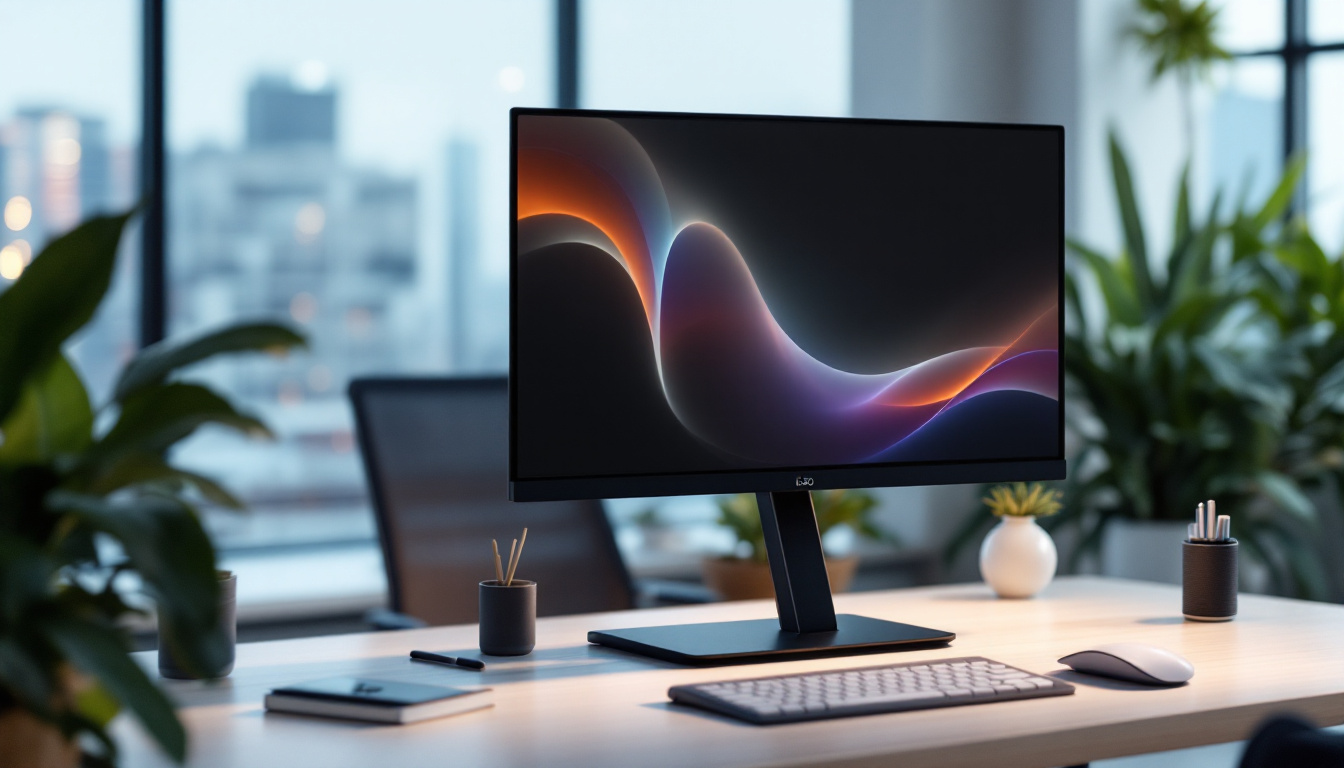
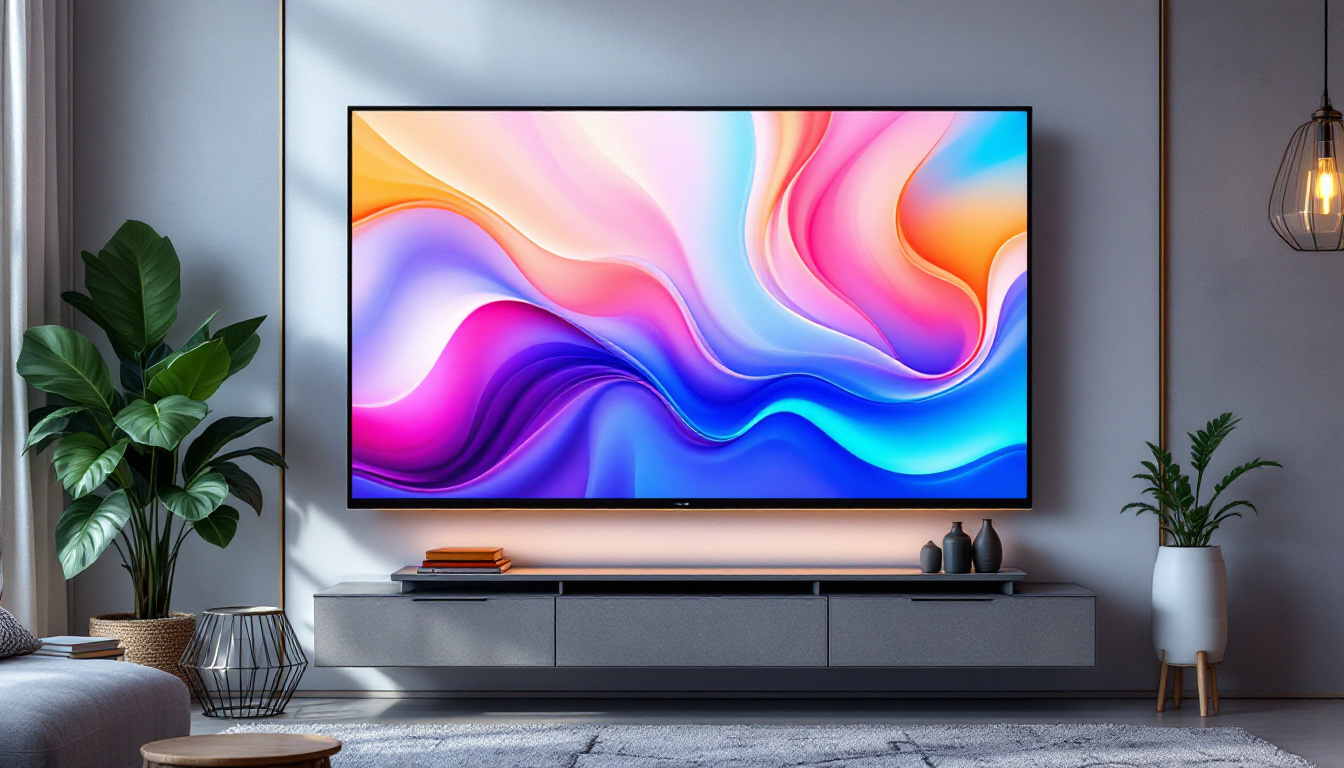
At its core, an LED (Light Emitting Diode) display is a flat panel that uses an array of light-emitting diodes as pixels to create images and videos. Unlike traditional display technologies such as LCD or plasma, LEDs emit their own light, which contributes to their superior brightness and contrast ratios. This self-emitting characteristic allows LED displays to achieve vibrant colors and deep blacks, making them ideal for a variety of applications, from televisions and computer monitors to large-scale outdoor advertising screens.
How LED Displays Work
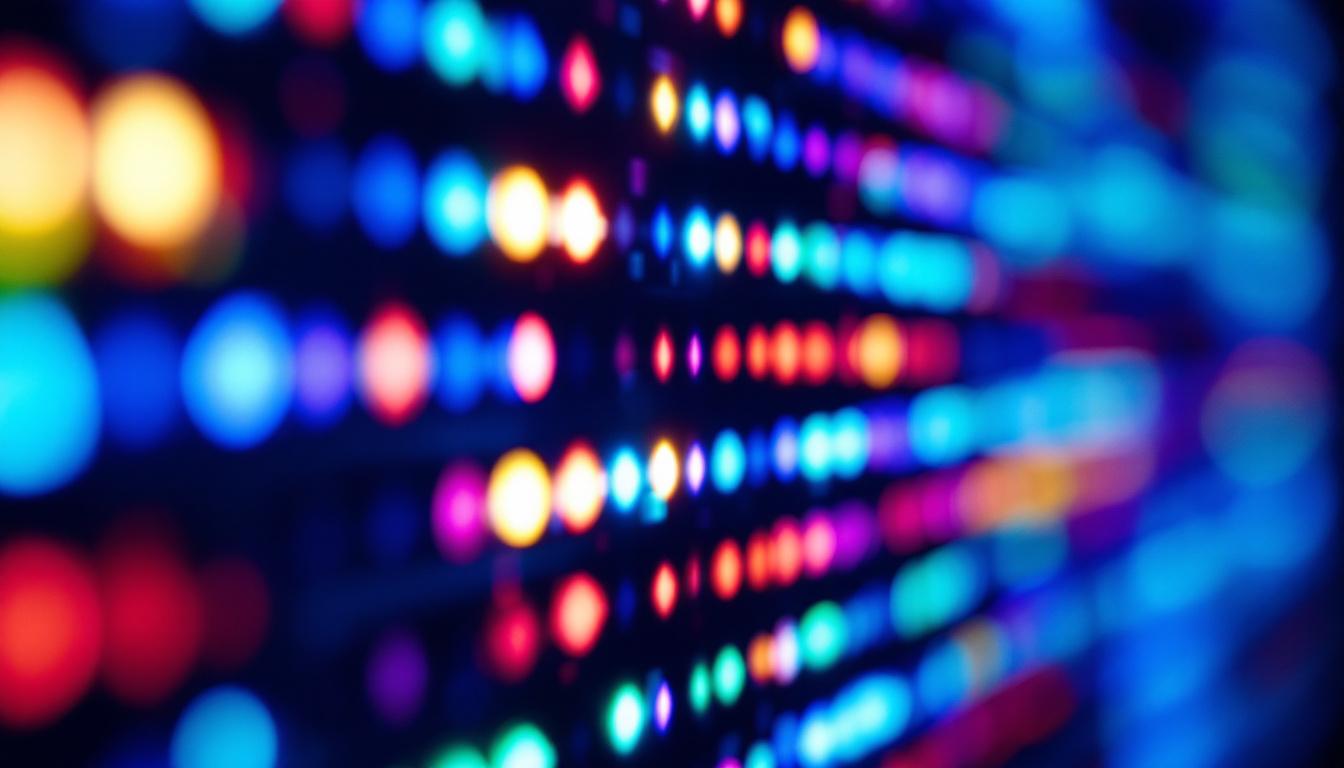
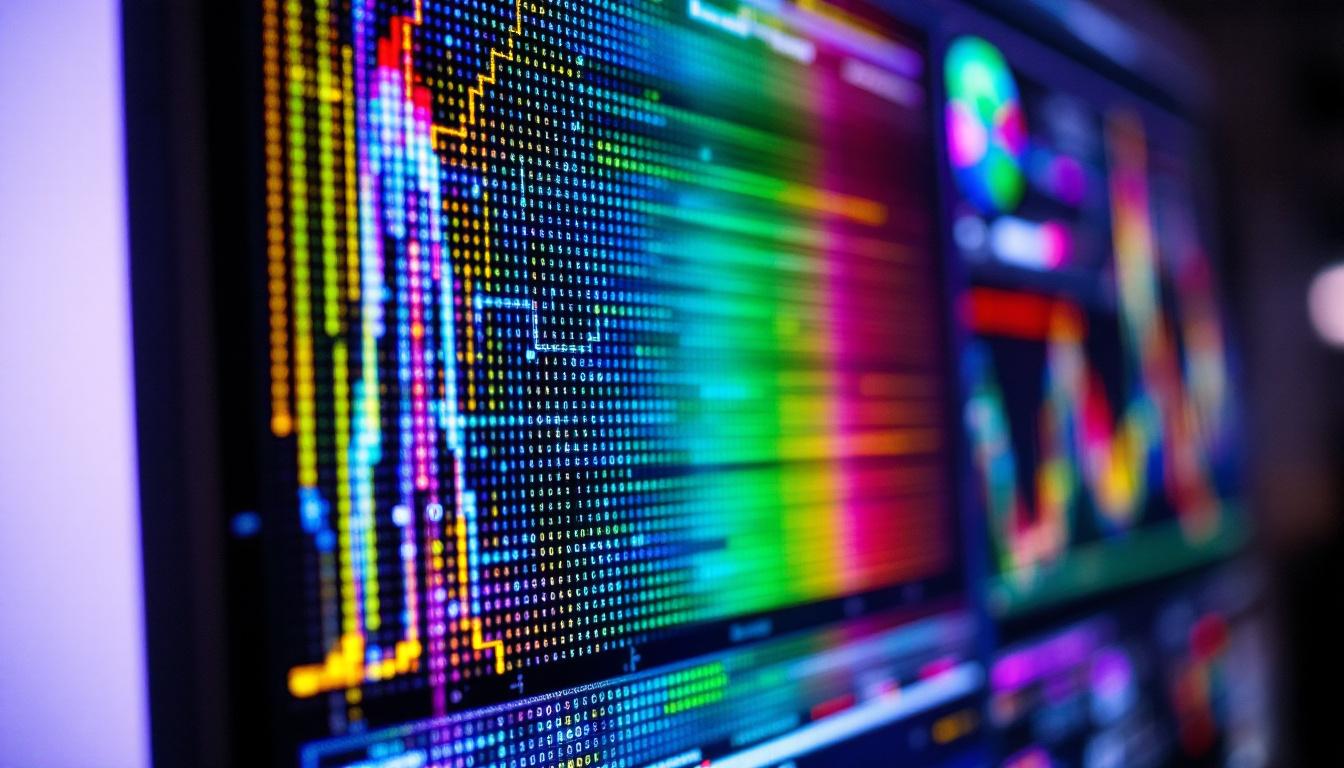
Each pixel in an LED display consists of one or more tiny LEDs that emit red, green, and blue light. By varying the intensity of these LEDs, the display can produce a wide spectrum of colors. The pixels are arranged in a grid, and the display controller manages which LEDs light up to form the desired image. This precise control over each pixel allows for dynamic content that can change in real-time, making LED displays particularly effective for environments where information needs to be updated frequently, such as in transportation hubs or sports arenas.
Modern LED displays often use surface-mounted device (SMD) technology, where red, green, and blue LEDs are packaged together in a single module, allowing for higher resolution and better color accuracy. This contrasts with older technologies, such as the traditional DIP (Dual In-line Package) LEDs, which have separate LEDs for each color. SMD technology not only enhances the visual quality but also allows for thinner and lighter display designs, which are crucial for applications where space and weight are considerations, such as in mobile devices or digital signage.
Key Components of an LED Display
Understanding the main components helps clarify how LED displays function and what factors influence their performance:
- LED Modules: These are the building blocks containing the LEDs arranged in a matrix. The pixel pitch, or the distance between the centers of two adjacent pixels, determines the display’s resolution and viewing distance. A smaller pixel pitch results in a higher resolution, making it suitable for close viewing, while a larger pitch is often used for larger displays viewed from a distance.
- Power Supply: LED displays require a stable power source to maintain consistent brightness and color fidelity. The efficiency of the power supply can significantly impact the overall performance and longevity of the display, as fluctuations in power can lead to color inconsistencies and reduced lifespan.
- Control System: This includes the hardware and software responsible for processing input signals and managing the LED modules to display the correct images. Advanced control systems can support various input formats and enable features like real-time video processing, which enhances the viewing experience by ensuring smooth transitions and high frame rates.
- Cabinet and Frame: The physical structure that houses the LED modules, providing protection and facilitating installation. Cabinets are often designed to be modular, allowing for easy maintenance and scalability, which is particularly beneficial for large installations that may require frequent upgrades or repairs.
In addition to these components, LED displays often incorporate advanced technologies such as HDR (High Dynamic Range) and local dimming, which further enhance image quality by improving contrast and color accuracy. HDR allows for a broader range of colors and brightness levels, making images appear more lifelike, while local dimming adjusts the brightness of specific areas of the screen to achieve deeper blacks and brighter highlights. These innovations are pushing the boundaries of what LED displays can achieve, making them increasingly popular in both consumer electronics and professional applications.
Applications of LED Displays Across Industries
The versatility of LED displays makes them suitable for a wide range of applications, from advertising and entertainment to public information and industrial use.
Outdoor Advertising and Digital Billboards
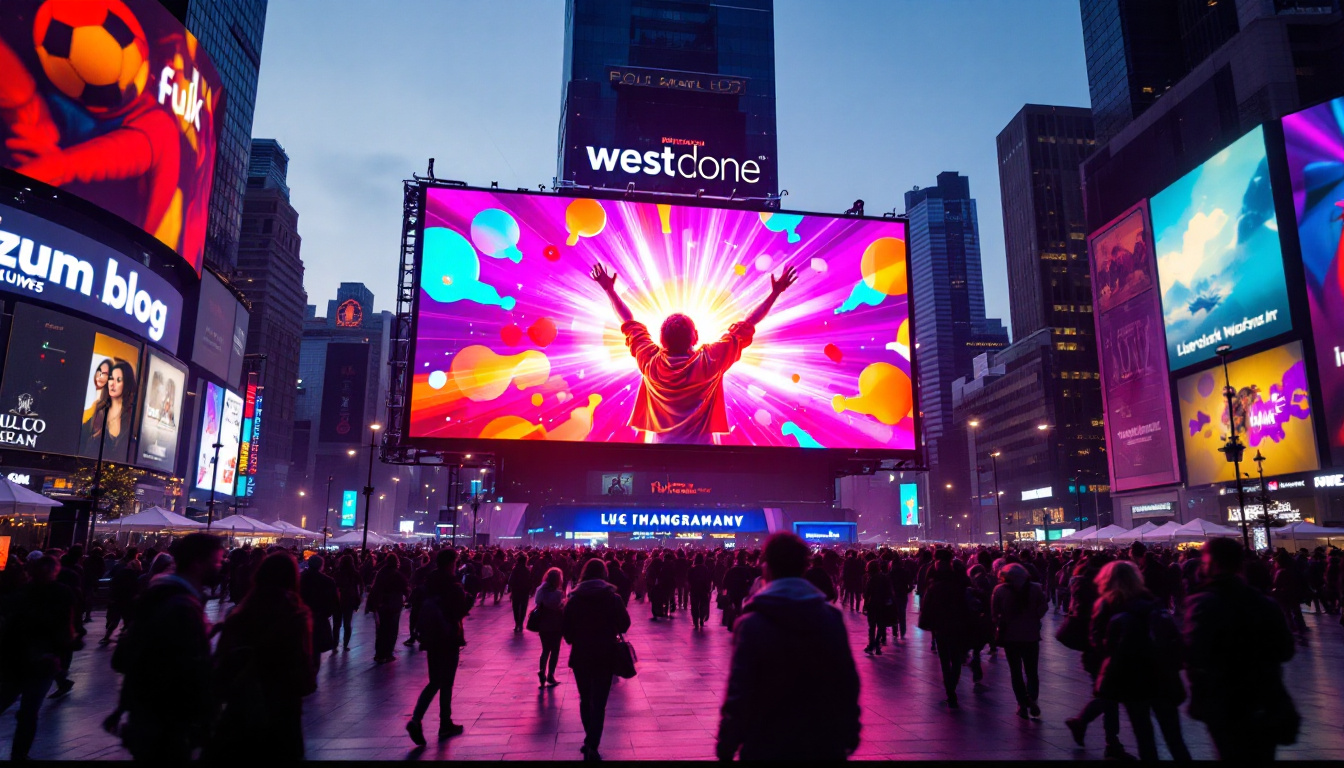
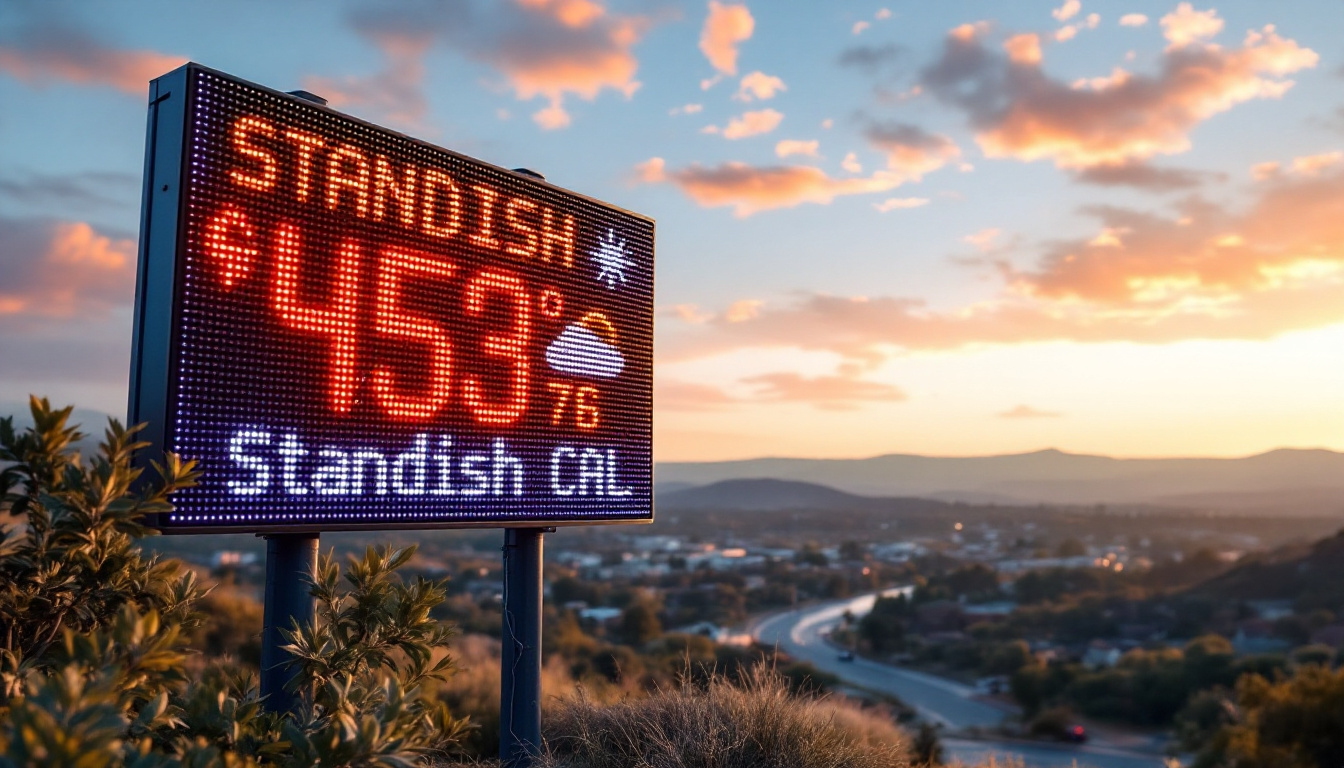
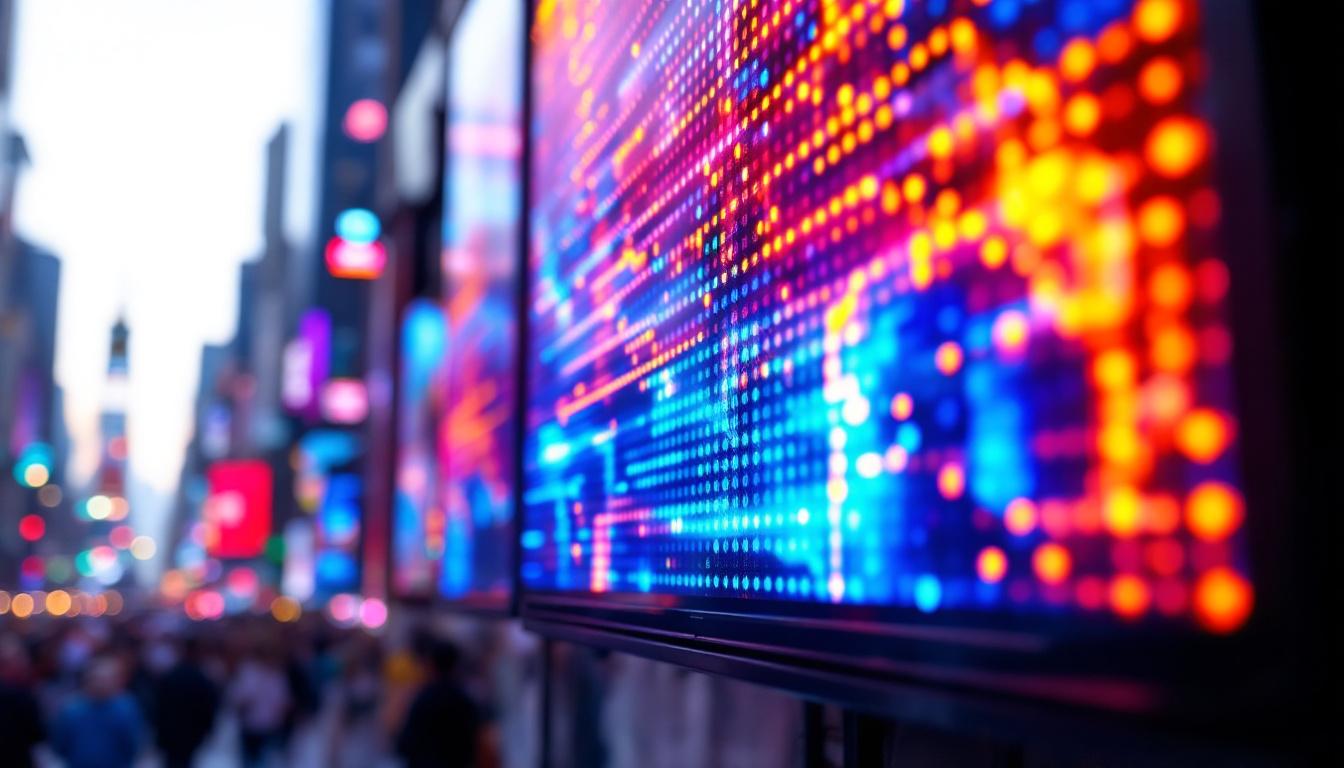
Outdoor LED billboards have become a staple in urban environments worldwide. Their high brightness allows them to remain visible even in direct sunlight, making them ideal for advertising in busy city centers and along highways. According to recent market research, the global digital out-of-home advertising market is expected to grow at a compound annual growth rate (CAGR) of over 10% through 2028, largely driven by the adoption of LED billboards.
These displays also offer dynamic content capabilities, enabling advertisers to change messages in real-time, schedule campaigns, and even interact with mobile devices or social media platforms.
Sports Arenas and Entertainment Venues
LED displays have transformed the spectator experience in sports and entertainment venues. From giant jumbotrons that broadcast live game footage to ribbon boards displaying real-time statistics, LED technology enhances engagement and immersion. For example, the AT&T Stadium in Texas features one of the largest high-definition LED displays in the world, measuring over 160 feet wide and 72 feet tall.
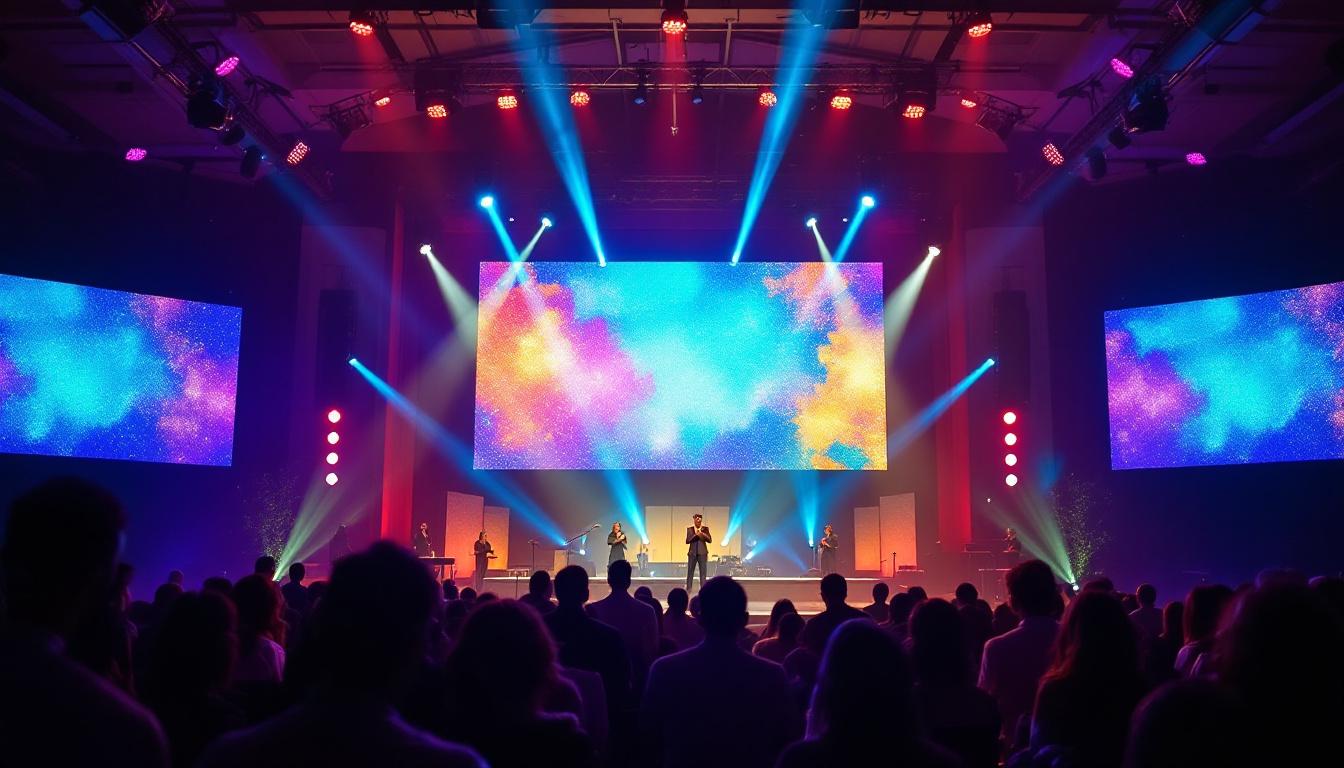
Beyond sports, concert stages and theaters use LED walls and floors to create visually stunning backdrops and effects, pushing the boundaries of live performance design.
Corporate and Retail Environments
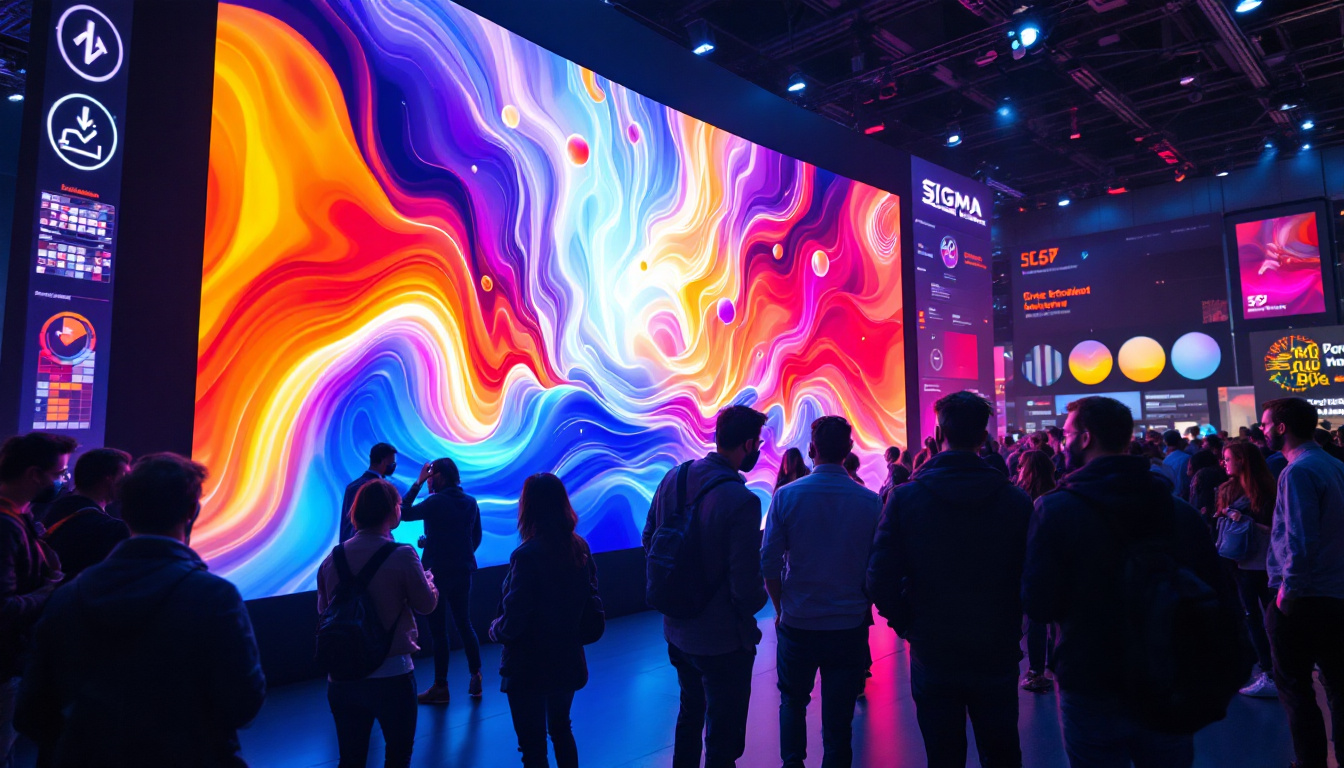
In corporate settings, LED displays serve as powerful tools for presentations, video conferencing, and digital signage. Retailers use LED screens to attract customers, promote products, and create interactive shopping experiences. The flexibility of LED displays allows for custom shapes and sizes, fitting seamlessly into various architectural designs.
Transportation and Public Information Systems
LED displays are integral to transportation hubs such as airports, train stations, and bus terminals. They provide real-time updates on schedules, delays, and safety information. Their reliability and visibility make them essential for managing large crowds and ensuring smooth operations.
Advantages of LED Displays Over Other Technologies
LED displays offer several key advantages that have contributed to their widespread adoption and continued growth.
Superior Brightness and Visibility
One of the most significant benefits of LED displays is their exceptional brightness, often exceeding 5,000 nits, which ensures visibility even under direct sunlight. This makes them ideal for outdoor use where ambient light conditions can be challenging for other display types.
Energy Efficiency and Longevity
Compared to traditional lighting and display technologies, LEDs consume less power while delivering higher brightness. This energy efficiency translates into lower operating costs and a smaller environmental footprint. Additionally, LED displays typically have a lifespan of 50,000 to 100,000 hours, far surpassing that of LCD or plasma screens.
Flexibility and Scalability
LED displays can be manufactured in virtually any size and shape, from small indoor panels to massive outdoor walls. Their modular design allows for easy installation, maintenance, and scalability. This adaptability is crucial for projects requiring unique configurations or future expansion.
High Refresh Rates and Color Accuracy
Modern LED displays support high refresh rates, reducing flicker and motion blur, which is particularly important for broadcasting live events and video content. Advances in LED technology have also improved color accuracy and uniformity, providing vibrant and true-to-life images.
Technical Considerations When Choosing an LED Display
Selecting the right LED display involves evaluating several technical factors to ensure optimal performance for the intended application.
Pixel Pitch and Resolution
Pixel pitch is a critical specification that determines the display’s resolution and optimal viewing distance. A smaller pixel pitch means more pixels per unit area, resulting in sharper images suitable for close-up viewing. Conversely, larger pixel pitches are cost-effective for large-scale outdoor displays viewed from a distance.
For example, indoor LED displays often have pixel pitches ranging from 1.2mm to 4mm, while outdoor displays typically range from 6mm to 20mm or more.
Brightness and Contrast Ratio
The required brightness depends on the environment. Outdoor displays must have high brightness to combat sunlight, while indoor displays can operate at lower levels to prevent eye strain. Contrast ratio, the difference between the brightest white and darkest black, affects image depth and clarity.
Viewing Angle
A wide viewing angle ensures the content remains visible and consistent from different perspectives. LED displays typically offer viewing angles of 120 degrees or more horizontally and vertically, which is essential in public spaces.
Durability and Weather Resistance
For outdoor installations, LED displays must be weatherproof, resistant to dust, moisture, and temperature fluctuations. IP (Ingress Protection) ratings indicate the level of protection, with IP65 or higher being standard for outdoor use.
Maintenance and Serviceability
Modular LED displays facilitate easier maintenance by allowing individual modules to be replaced without dismantling the entire screen. Consideration of service accessibility is important, especially for large or high-mounted installations.
Emerging Trends and the Future of LED Displays
The LED display industry continues to innovate, driven by advances in materials science, electronics, and software integration.
MicroLED and MiniLED Technologies
MicroLED and MiniLED represent the next generation of LED display technology, offering even higher resolution, better contrast, and improved energy efficiency. MicroLEDs are microscopic LEDs that can be individually controlled, enabling displays with exceptional brightness and color fidelity without the need for backlighting.
Flexible and Transparent LED Displays
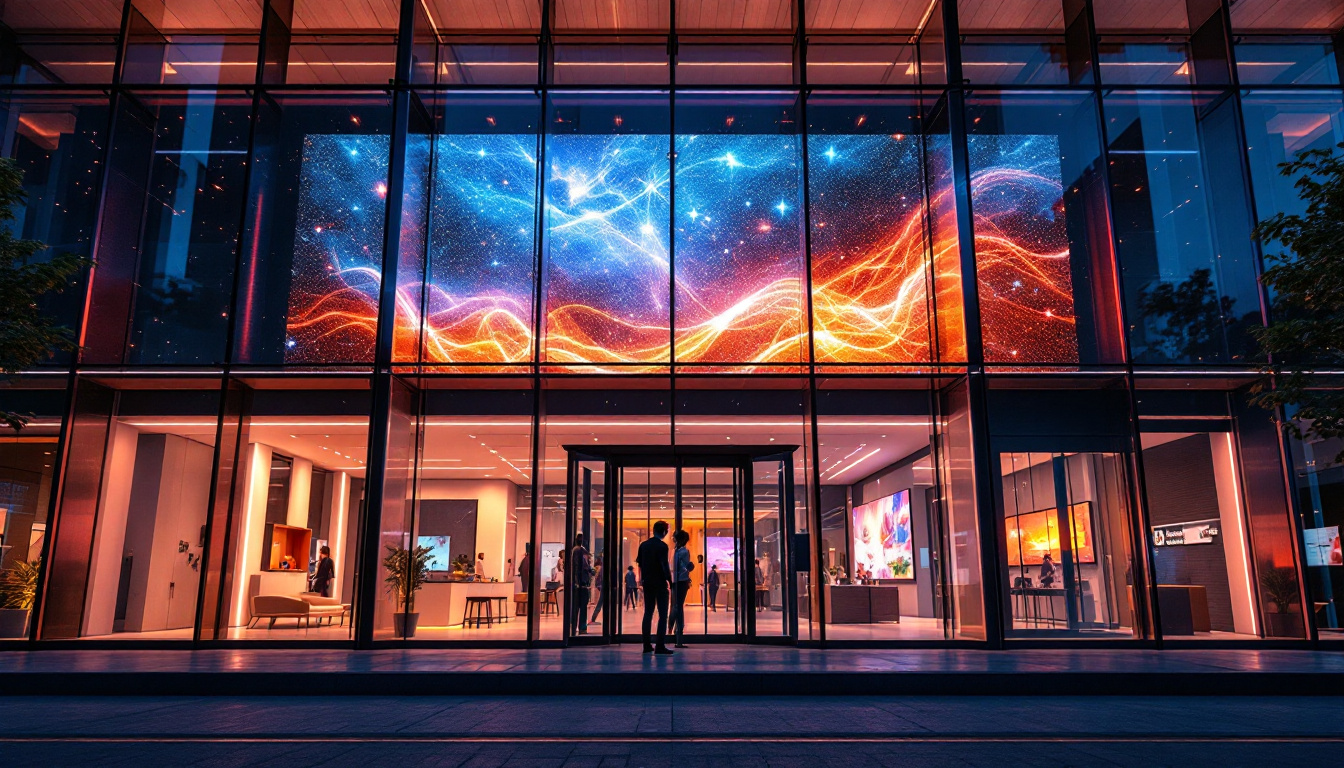
Flexible LED panels allow for curved or irregularly shaped displays, expanding creative possibilities in architecture and design. Transparent LED screens can be integrated into glass surfaces, enabling dynamic advertising or informational displays without obstructing views.
Integration with IoT and AI
Smart LED displays connected to the Internet of Things (IoT) can adapt content based on environmental conditions, audience demographics, or real-time data. Artificial intelligence (AI) algorithms can optimize display brightness, content scheduling, and interactive features, enhancing user engagement and operational efficiency.
Sustainability and Eco-Friendly Design
Manufacturers are increasingly focusing on sustainable materials and energy-saving designs to reduce the environmental impact of LED displays. Recycling programs and longer-lasting components contribute to a circular economy in the display industry.
Conclusion
LED displays have fundamentally transformed the landscape of visual communication, offering unmatched brightness, versatility, and longevity. Their applications span from outdoor advertising and sports arenas to corporate environments and public information systems, demonstrating their broad utility and appeal.
As technology advances, emerging innovations such as MicroLED, flexible displays, and AI integration promise to further enhance the capabilities and impact of LED displays. For businesses and organizations looking to invest in dynamic visual solutions, understanding the technical nuances and industry trends is essential to making informed decisions and maximizing return on investment.
Mastering the knowledge of LED display technology empowers professionals to harness its full potential, creating compelling, vibrant, and effective visual experiences that captivate audiences and drive engagement in today’s competitive digital landscape.
Explore Cutting-Edge LED Display Solutions with LumenMatrix
Ready to elevate your visual communication strategy with the latest in LED display technology? Look no further than LumenMatrix, a pioneer in crafting immersive LED display modules tailored to your unique needs. Whether you’re seeking to captivate with an Indoor LED Wall Display, make a statement with an Outdoor LED Wall Display, or innovate with Custom and Transparent LED solutions, LumenMatrix has you covered. Embrace the future of digital signage and create unforgettable visual experiences. Check out LumenMatrix LED Display Solutions today and transform your space into a dynamic canvas.