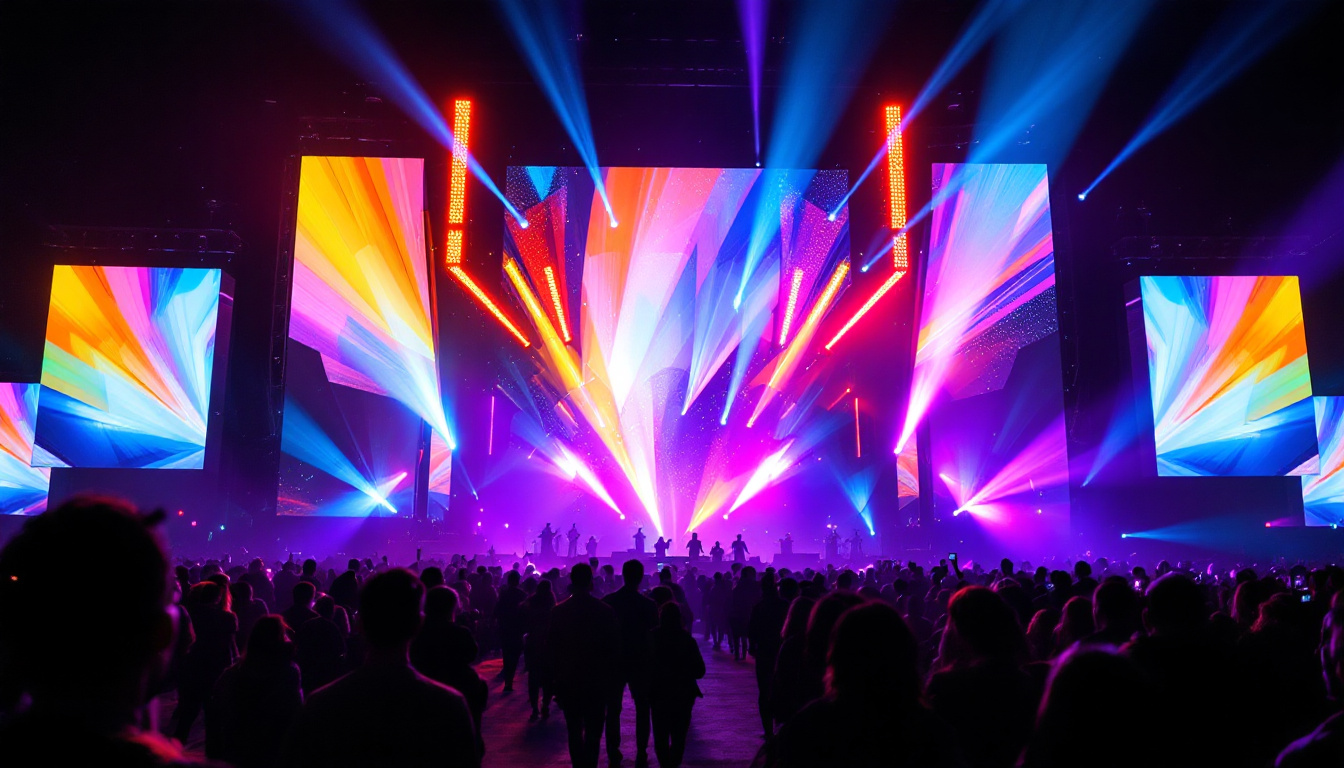
In today’s rapidly evolving digital landscape, LED displays have become a cornerstone technology, powering everything from massive outdoor billboards to sleek indoor monitors. Understanding the semiconductor solutions that drive these displays is essential for professionals in electronics, advertising, event management, and consumer technology sectors. This article delves into the fundamentals of LED display technology, explores the critical role of semiconductors, and highlights the latest innovations shaping the industry.
Understanding LED Display Technology
What is an LED Display?
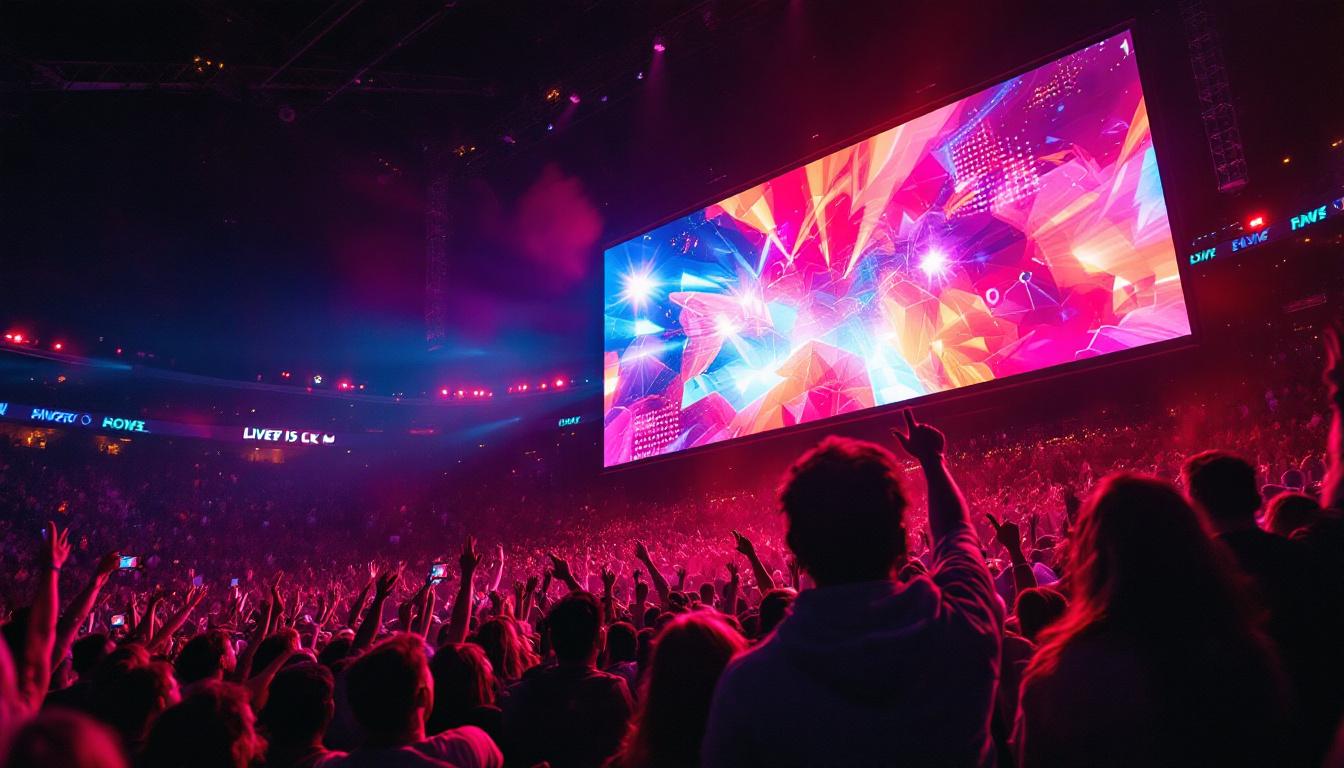
LED, or Light Emitting Diode, displays are screens that use an array of tiny light-emitting diodes to produce images. Unlike traditional LCD screens that rely on backlighting, LED displays generate their own light, resulting in higher brightness, better contrast, and improved energy efficiency. This self-illumination capability makes LED displays ideal for various applications, including outdoor advertising, stadium screens, and indoor digital signage.
LED displays can be categorized into two main types: direct-view LED and LED-backlit LCD. Direct-view LED displays consist of individual LEDs arranged in a grid, where each LED acts as a single pixel. This configuration allows for vibrant colors and excellent viewing angles. In contrast, LED-backlit LCDs use LEDs as a backlight source behind an LCD panel, improving brightness and color accuracy but not offering the same level of contrast as direct-view LEDs. The choice between these two types often depends on the specific needs of the installation, such as the desired viewing distance and the ambient lighting conditions.
Key Advantages of LED Displays
One of the most significant advantages of LED displays is their superior brightness. Outdoor LED billboards can reach brightness levels exceeding 5,000 nits, ensuring visibility even under direct sunlight. Furthermore, LED displays offer excellent color reproduction, with the ability to cover a wide color gamut, which is crucial for advertising and branding purposes. This capability allows businesses to create eye-catching advertisements that stand out in crowded environments, ultimately capturing the attention of potential customers more effectively than traditional displays.
Energy efficiency is another critical benefit. LEDs consume less power compared to traditional display technologies, leading to lower operational costs and reduced environmental impact. Additionally, LED displays boast longer lifespans, often exceeding 100,000 hours, minimizing maintenance and replacement expenses. This longevity is particularly advantageous for businesses that rely on continuous operation, such as retail stores and transportation hubs. Moreover, advancements in LED technology have led to the development of smart displays that can adjust brightness levels automatically based on ambient light, further enhancing energy savings and user experience.
Another noteworthy aspect of LED technology is its versatility in design and application. LED displays can be manufactured in various shapes and sizes, from large-scale video walls to small, intricate screens for handheld devices. This flexibility allows for innovative installations in diverse environments, such as museums, concert venues, and corporate offices. Additionally, the modular nature of many LED systems enables easy scaling and customization, making it possible to create unique visual experiences tailored to specific events or branding requirements. As the technology continues to evolve, we can expect even more creative uses for LED displays in the future, pushing the boundaries of digital communication and visual storytelling.
The Role of Semiconductors in LED Displays
Semiconductor Materials Behind LEDs
At the heart of every LED is a semiconductor material that emits light when an electric current passes through it. The most commonly used semiconductor materials in LEDs are compounds from groups III and V of the periodic table, such as gallium arsenide (GaAs), gallium phosphide (GaP), and gallium nitride (GaN). The choice of semiconductor material determines the color and efficiency of the emitted light.
Gallium nitride (GaN) has revolutionized LED technology due to its ability to emit bright blue and green light efficiently. This breakthrough enabled the development of white LEDs by combining blue LEDs with phosphor coatings, which convert some of the blue light into other colors. The result is a broad spectrum of visible light suitable for display applications. Additionally, the development of quantum dot technology has further enhanced the color range and brightness of LEDs, allowing for more vibrant displays that can accurately reproduce a wider array of colors, making them ideal for everything from televisions to digital billboards.
Semiconductor Chip Design and Manufacturing
The semiconductor chip, or LED die, is fabricated through complex processes involving epitaxial growth, photolithography, etching, and doping. These processes create the p-n junctions necessary for electroluminescence. Advances in semiconductor manufacturing have led to smaller, more efficient LED chips, which contribute to higher resolution displays with finer pixel pitches. The miniaturization of these chips has been a game-changer, allowing for the creation of ultra-thin displays that can be seamlessly integrated into various applications, from smartphones to large-scale video walls.
Innovations such as flip-chip technology improve heat dissipation and electrical performance by mounting the LED chip upside down on the substrate. This design reduces resistance and enhances light extraction efficiency, crucial for high-brightness applications like outdoor displays. Furthermore, the integration of thermal management solutions, such as heat sinks and advanced cooling systems, ensures that these displays maintain optimal performance even in demanding environments, extending their lifespan and reliability.
Driver ICs and Control Semiconductors
Beyond the LED chips themselves, semiconductor solutions extend to driver integrated circuits (ICs) and control electronics that regulate current flow and manage display functions. Driver ICs ensure consistent brightness and color accuracy by modulating the current supplied to each LED pixel. They also enable features like dimming, color calibration, and refresh rate control. The sophistication of these driver ICs has increased significantly, allowing for real-time adjustments that enhance the viewing experience, particularly in environments with varying ambient light conditions.
Microcontrollers and field-programmable gate arrays (FPGAs) are often employed to handle complex image processing and synchronization tasks. These control semiconductors are critical for delivering smooth video playback and dynamic content on large-scale LED displays. As the demand for interactive and immersive experiences grows, the role of these control systems becomes even more vital, facilitating advanced features such as touch interactivity and augmented reality overlays that can transform how audiences engage with content. The ongoing evolution of semiconductor technology promises to further enhance the capabilities of LED displays, paving the way for innovative applications in entertainment, advertising, and beyond.
Applications and Industry Trends
Outdoor and Indoor Display Solutions
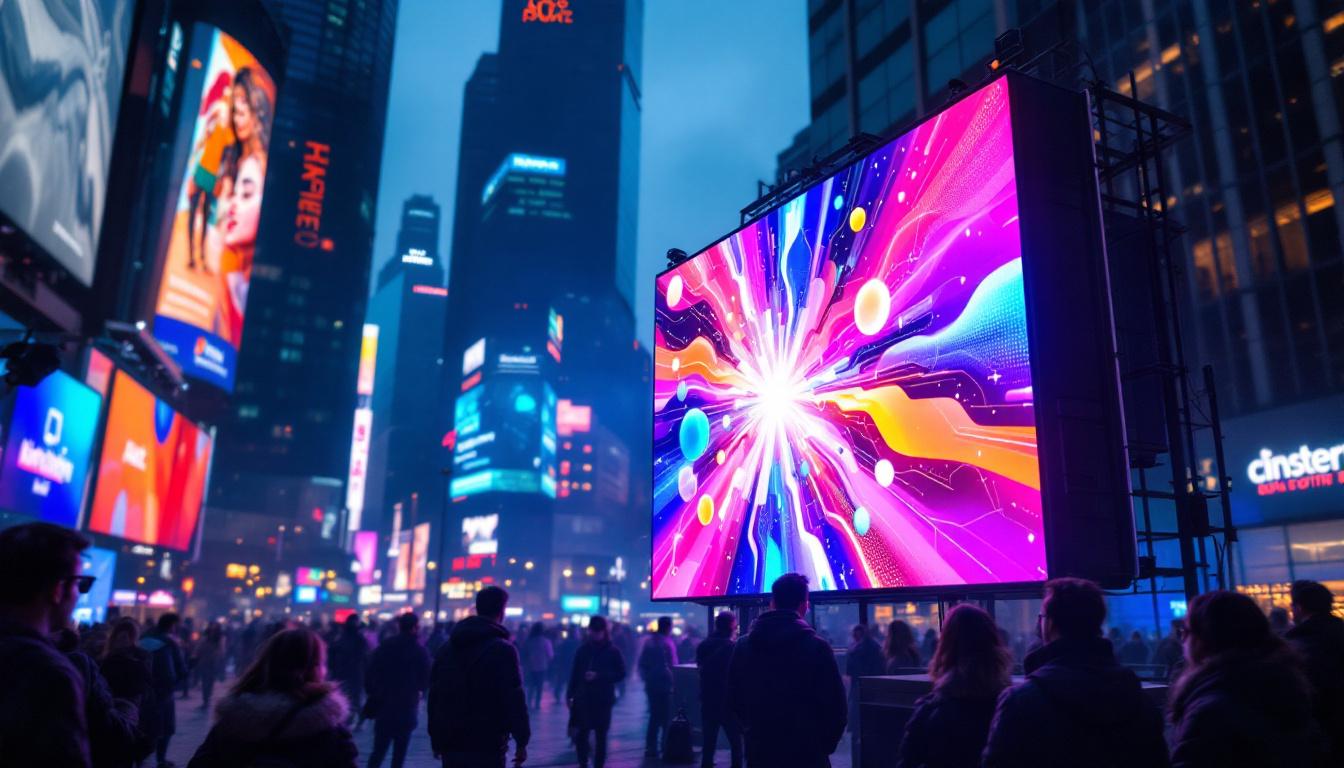
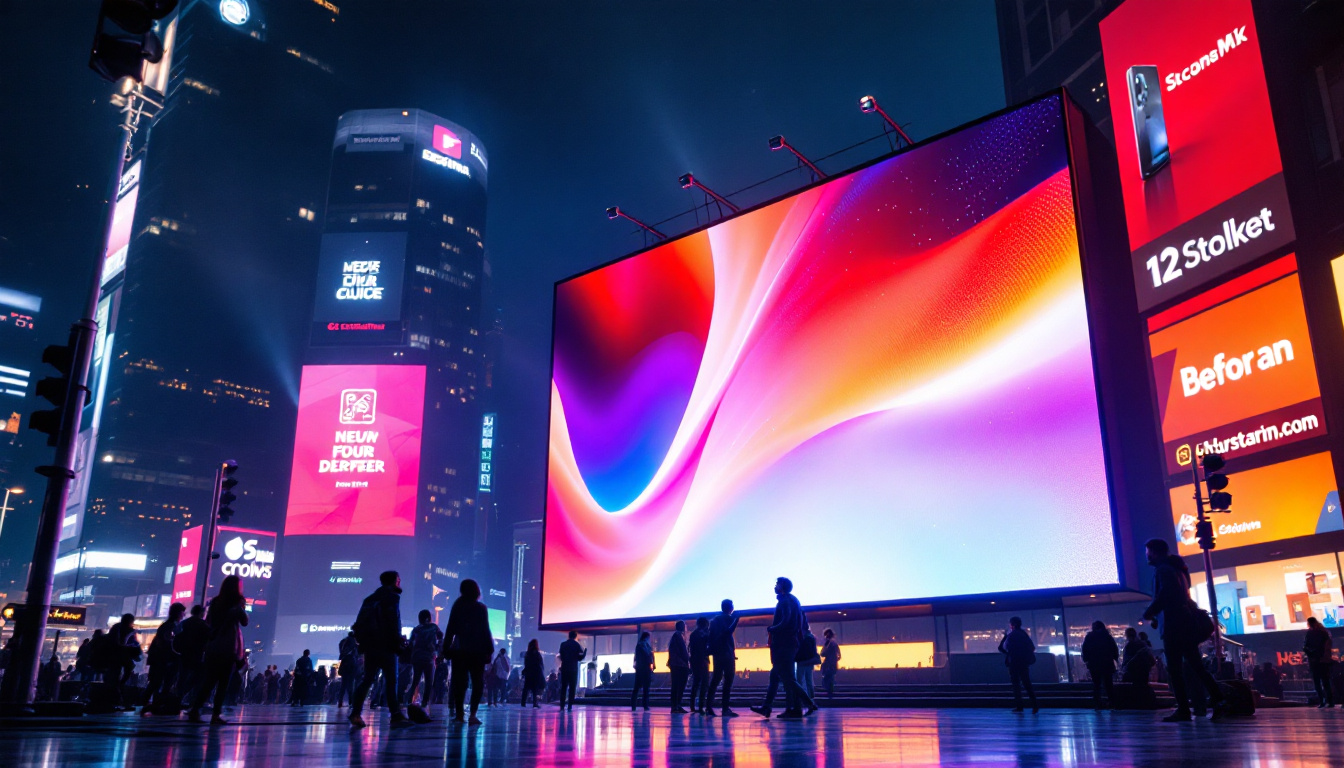
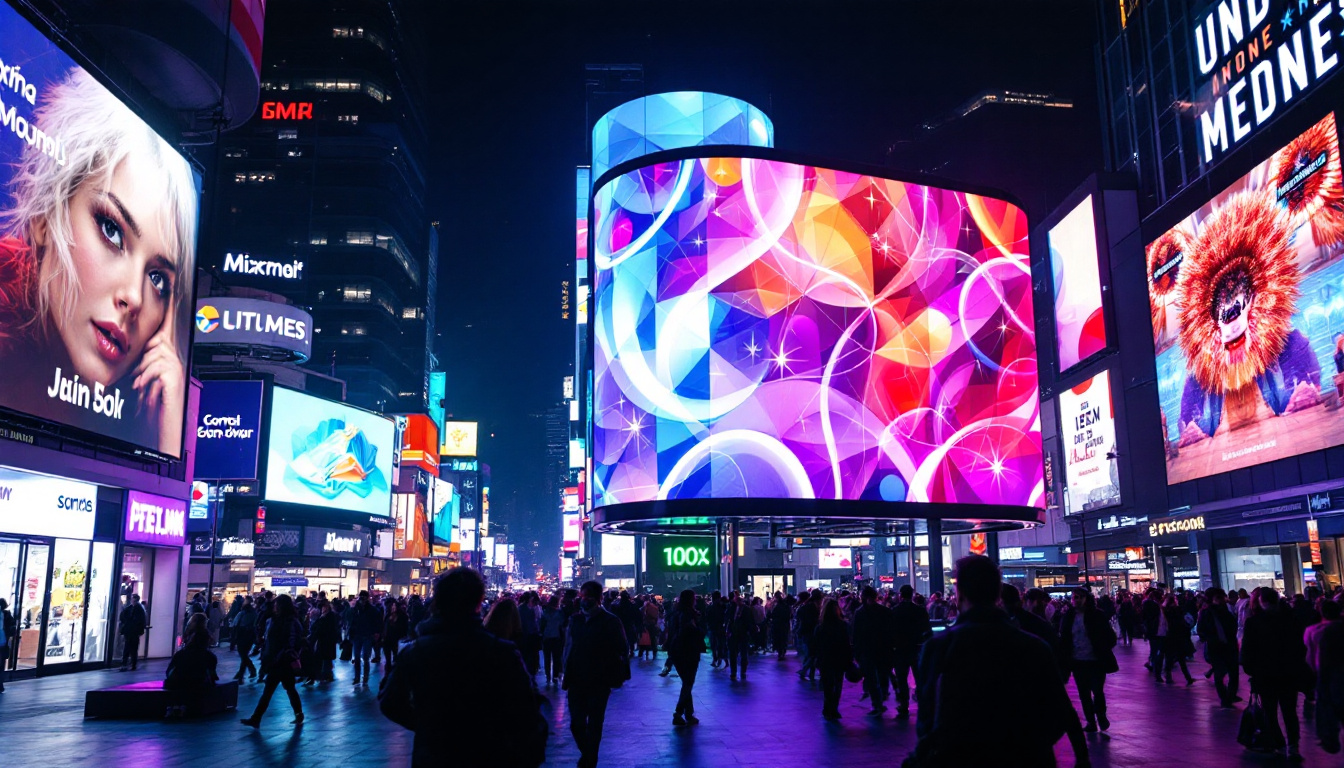
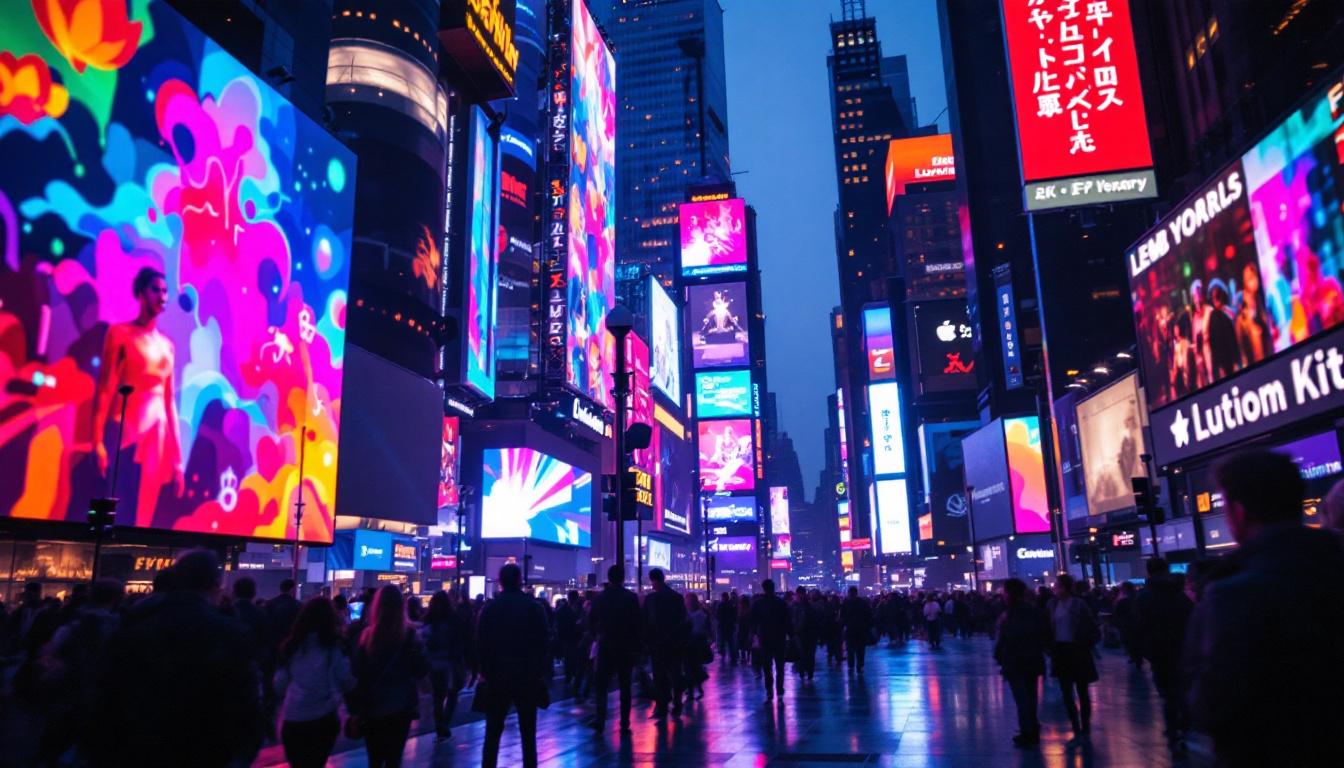
Outdoor LED displays are widely used for advertising, public information, and event broadcasting. Their robustness against weather conditions and high brightness levels make them indispensable in urban environments. For example, Times Square in New York City features some of the world’s largest and most advanced LED billboards, showcasing the technology’s potential for mass communication.
Indoor LED displays, on the other hand, prioritize high resolution and color fidelity. Applications include retail signage, corporate presentations, control rooms, and entertainment venues. The rise of microLED technology is pushing indoor displays to new heights, offering pixel-level control and even better image quality.
Emerging Technologies: MicroLED and MiniLED
MicroLED and MiniLED technologies represent the next frontier in LED display innovation. MicroLEDs are microscopic LEDs that enable ultra-high resolution displays with excellent brightness and contrast. Unlike OLEDs, MicroLEDs do not suffer from burn-in issues and offer longer lifespans, making them attractive for premium TVs, augmented reality (AR) devices, and wearable displays.
MiniLEDs, slightly larger than MicroLEDs, serve as advanced backlighting solutions for LCD panels. They provide better local dimming capabilities, resulting in improved contrast ratios and HDR performance. Both technologies rely heavily on semiconductor advancements to achieve mass production and cost-effectiveness.
Sustainability and Energy Efficiency
As environmental concerns grow, the LED display industry is focusing on sustainability. Semiconductor manufacturers are developing materials and processes that reduce energy consumption and carbon footprint. For instance, the use of GaN-on-GaN substrates enhances efficiency and reduces defects, leading to longer-lasting LEDs with lower power requirements.
Recyclability and the reduction of hazardous substances in semiconductor fabrication are also priorities. Industry standards and regulations encourage manufacturers to adopt greener practices, ensuring that LED displays contribute positively to sustainable development goals.
Choosing the Right Semiconductor Solutions for LED Displays
Factors Influencing Semiconductor Selection
Selecting the appropriate semiconductor solution depends on multiple factors, including the intended application, environmental conditions, and performance requirements. Outdoor displays demand semiconductors that can withstand temperature fluctuations and UV exposure, while indoor displays prioritize color accuracy and resolution.
Cost considerations also play a role. High-performance GaN LEDs may offer superior brightness and efficiency but come at a higher price point. Balancing performance with budget constraints is essential for project success.
Partnering with Semiconductor Manufacturers
Collaboration with semiconductor manufacturers and suppliers is crucial for integrating the latest technologies into LED display designs. Leading semiconductor companies offer tailored solutions, technical support, and customization options to meet specific project needs.
Staying informed about industry trends and emerging materials helps businesses maintain a competitive edge. Attending trade shows, participating in industry forums, and engaging with research institutions can provide valuable insights into semiconductor advancements.
Conclusion
LED displays represent a dynamic intersection of semiconductor technology, materials science, and digital innovation. Understanding the semiconductor solutions that power these displays is vital for professionals seeking to leverage LED technology effectively. From the choice of semiconductor materials to advanced driver ICs and emerging MicroLED innovations, the industry continues to evolve rapidly, offering exciting opportunities for enhanced visual experiences.
As LED display applications expand across advertising, entertainment, and information dissemination, the importance of selecting the right semiconductor solutions cannot be overstated. By embracing cutting-edge semiconductor technologies and sustainable practices, the LED display industry is poised to illuminate the future with brighter, more efficient, and more vibrant screens.
Illuminate Your Brand with LumenMatrix
Ready to elevate your visual communication with the most advanced LED display technology? Look no further than LumenMatrix, a pioneer in crafting LED display modules that make your brand shine. Whether you need an Indoor LED Wall Display for your corporate headquarters, an Outdoor LED Wall Display for high-impact advertising, or any of our specialized solutions like Vehicle LED Displays and Custom LED Displays, LumenMatrix is your partner in creating immersive and engaging visual experiences. Embrace the future of digital signage with our All-in-One LED Display or captivate passersby with the innovative LED Transparent Display. Check out LumenMatrix LED Display Solutions today and transform how your business communicates with the world.