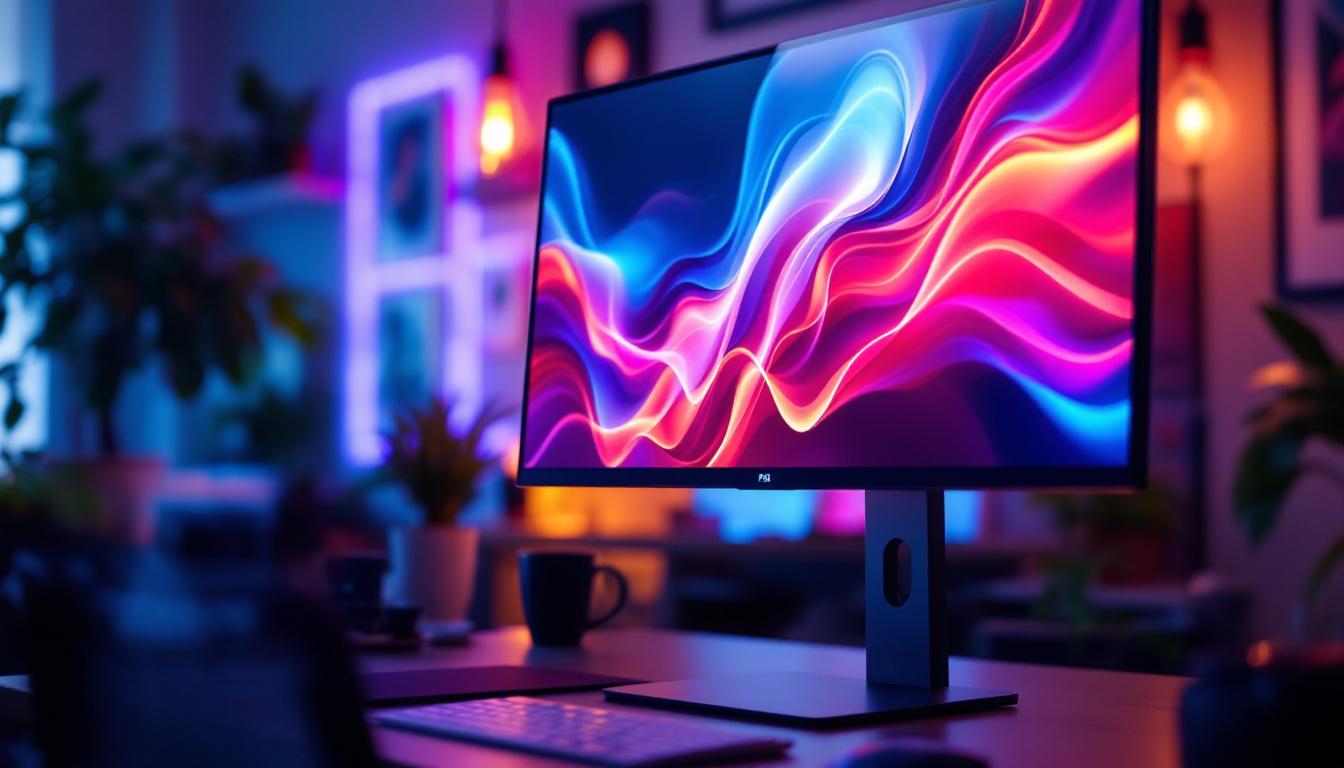
In the rapidly evolving world of display technology, touch monitors with 4K resolution and LED backlighting have become increasingly popular across various industries. From professional graphic design to interactive kiosks, these devices offer a blend of high-definition visuals and intuitive user interaction. This article delves into the essentials of 4K touch monitors with LED displays, explaining their technology, benefits, applications, and what to consider when choosing one.
Understanding 4K Resolution and LED Display Technology
What Does 4K Resolution Mean?
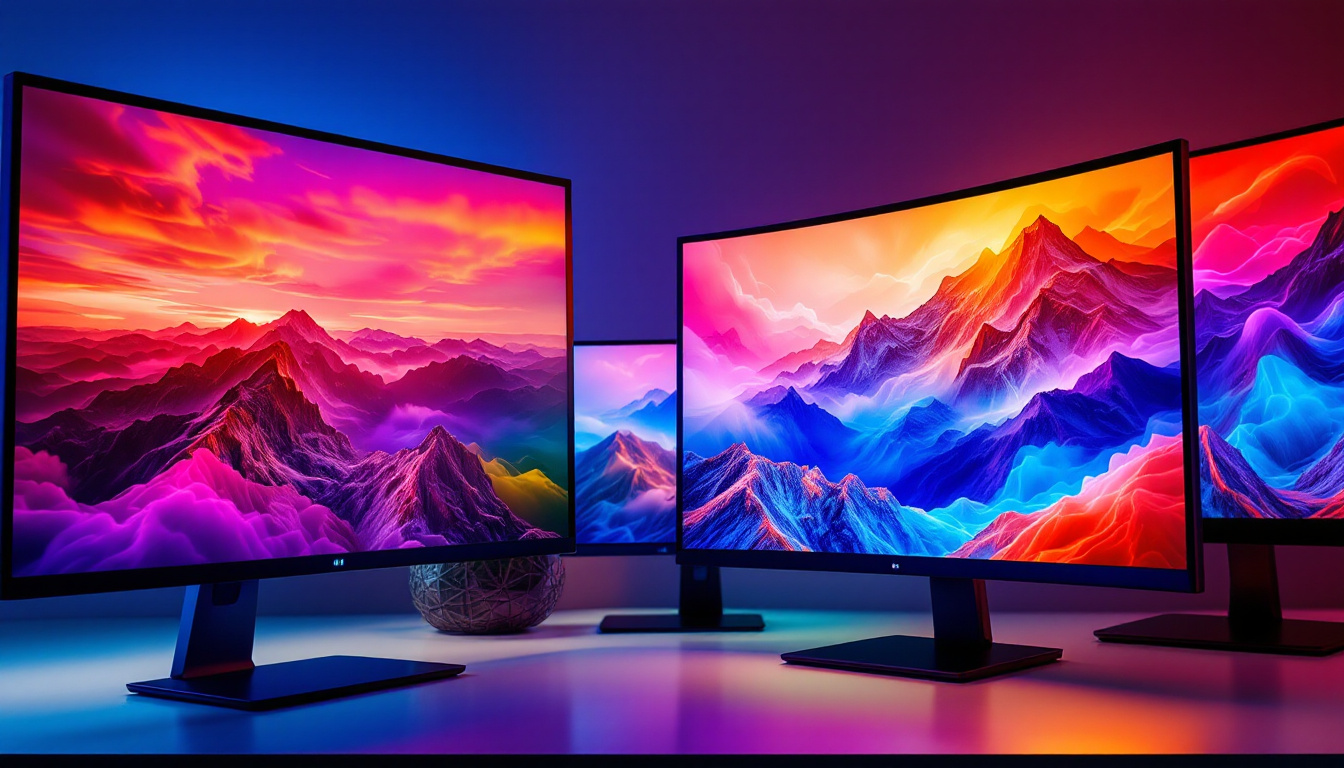
4K resolution, often referred to as Ultra High Definition (UHD), is a display resolution of approximately 3840 x 2160 pixels. This resolution delivers four times the pixel count of Full HD (1920 x 1080), resulting in sharper images, finer details, and more immersive viewing experiences. The increased pixel density allows users to view content with exceptional clarity, which is especially important for tasks requiring precision, such as photo editing, video production, and CAD modeling.
In practical terms, a 4K monitor offers a workspace that can display more content simultaneously without sacrificing clarity. For example, professionals can open multiple windows side-by-side, enhancing productivity. Additionally, the higher resolution benefits entertainment applications by providing stunning visuals for movies and games.
How LED Displays Work
LED (Light Emitting Diode) displays use an array of tiny LEDs as a backlight source behind an LCD panel. Unlike older CCFL (Cold Cathode Fluorescent Lamp) backlights, LEDs are more energy-efficient, provide better brightness, and allow for thinner screen designs. They also contribute to improved color accuracy and contrast.
There are two common types of LED backlighting: edge-lit and full-array. Edge-lit LED monitors position LEDs along the edges of the screen, using light guides to distribute illumination evenly. Full-array LED monitors have LEDs spread directly behind the screen, enabling local dimming zones that enhance contrast by dimming dark areas and brightening light areas independently. This results in deeper blacks and more vibrant colors.
The Integration of Touch Technology in 4K LED Monitors
Types of Touchscreen Technologies
Touch monitors incorporate various technologies to detect user input. The most prevalent types include:
- Capacitive Touch: Utilizes the electrical properties of the human body to detect touch. It supports multi-touch gestures and offers high responsiveness and clarity. Commonly found in smartphones and tablets, capacitive touch is increasingly used in professional monitors.
- Resistive Touch: Consists of two flexible layers that detect pressure when pressed together. While it supports single-touch input and is cost-effective, resistive touchscreens generally have lower clarity and responsiveness compared to capacitive types.
- Infrared Touch: Uses an array of IR sensors around the screen edges to detect touch by interruption of the light beams. Infrared touchscreens are durable and work with any input device, including gloves or styluses.
- Surface Acoustic Wave (SAW): Employs ultrasonic waves across the screen surface. Touch is detected when waves are absorbed by a finger or stylus. SAW offers high image clarity but is more susceptible to environmental damage.
Among these, capacitive touch technology is most commonly paired with 4K LED monitors due to its precision, multi-touch capability, and minimal impact on display quality.
Benefits of Touch Integration in 4K Displays
Incorporating touch functionality into 4K LED monitors enhances user interaction by enabling direct manipulation of on-screen content. This is particularly advantageous in fields such as digital art, education, retail, and industrial control systems. The combination of ultra-high resolution and touch input allows for detailed work and intuitive navigation.
For example, graphic designers can zoom in on high-resolution images and make precise edits using touch gestures, while educators can create interactive lessons that engage students more effectively. In retail environments, touch monitors serve as self-service kiosks, improving customer experience by providing easy access to product information and transactions.
Key Advantages of 4K Touch LED Monitors
Enhanced Visual Clarity and Detail
The primary advantage of 4K resolution is the exceptional image quality it delivers. With over 8 million pixels, these monitors provide crisp text, smooth lines, and vibrant colors. This clarity reduces eye strain during prolonged use and allows users to work with intricate details that would be difficult to discern on lower-resolution screens.
Improved Productivity and Workflow
High-resolution touch monitors enable multitasking by displaying multiple applications or windows simultaneously without compromising readability. The touch interface adds a layer of efficiency by allowing quick access to functions through gestures and direct manipulation, reducing reliance on peripheral devices like a mouse or keyboard.
Energy Efficiency and Longevity
LED backlighting consumes less power compared to traditional display technologies, contributing to lower energy costs and a smaller environmental footprint. Additionally, LED displays typically have longer lifespans and better reliability, making them a cost-effective investment over time.
Versatility Across Applications
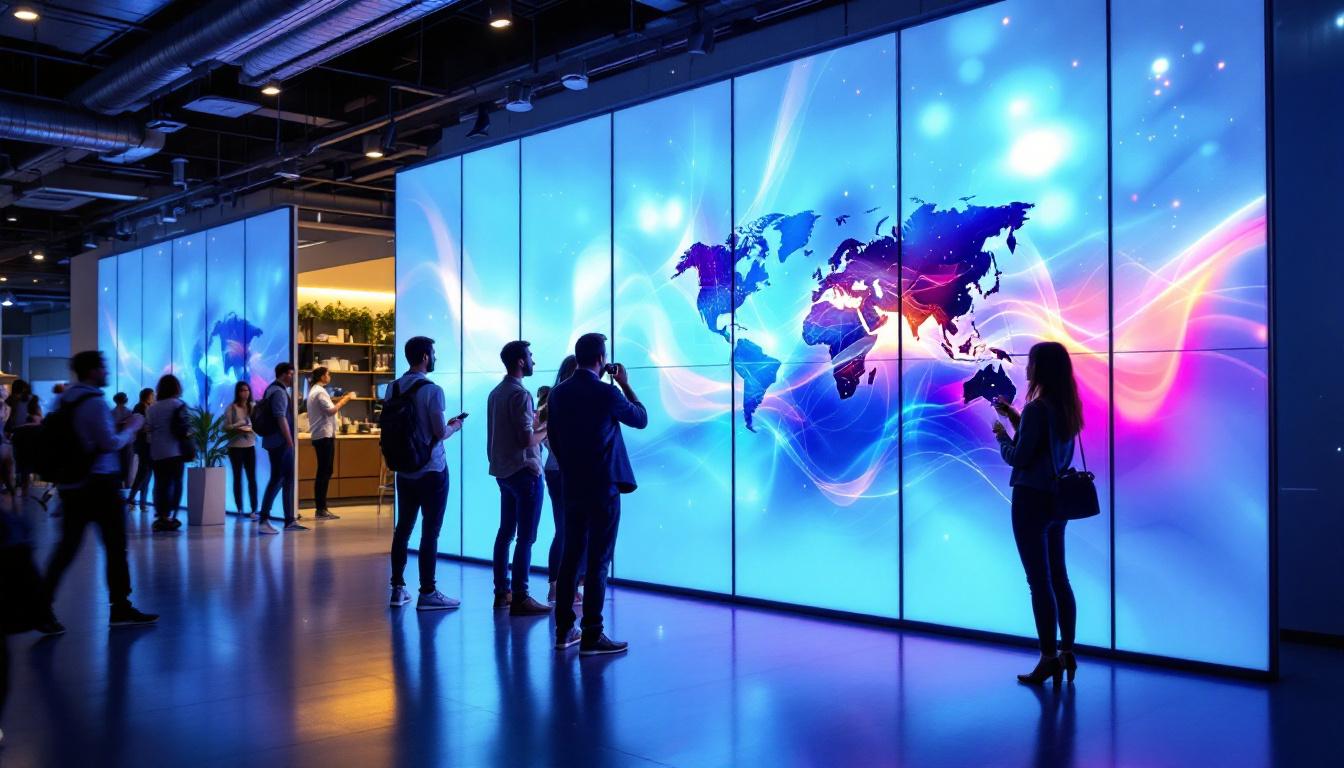
The combination of 4K resolution, touch capability, and LED technology makes these monitors suitable for a wide range of applications. They are used in professional environments such as video editing suites, medical imaging, and engineering, as well as in public spaces like interactive kiosks, digital signage, and point-of-sale systems.
Applications of 4K Touch LED Monitors
Creative and Professional Workstations
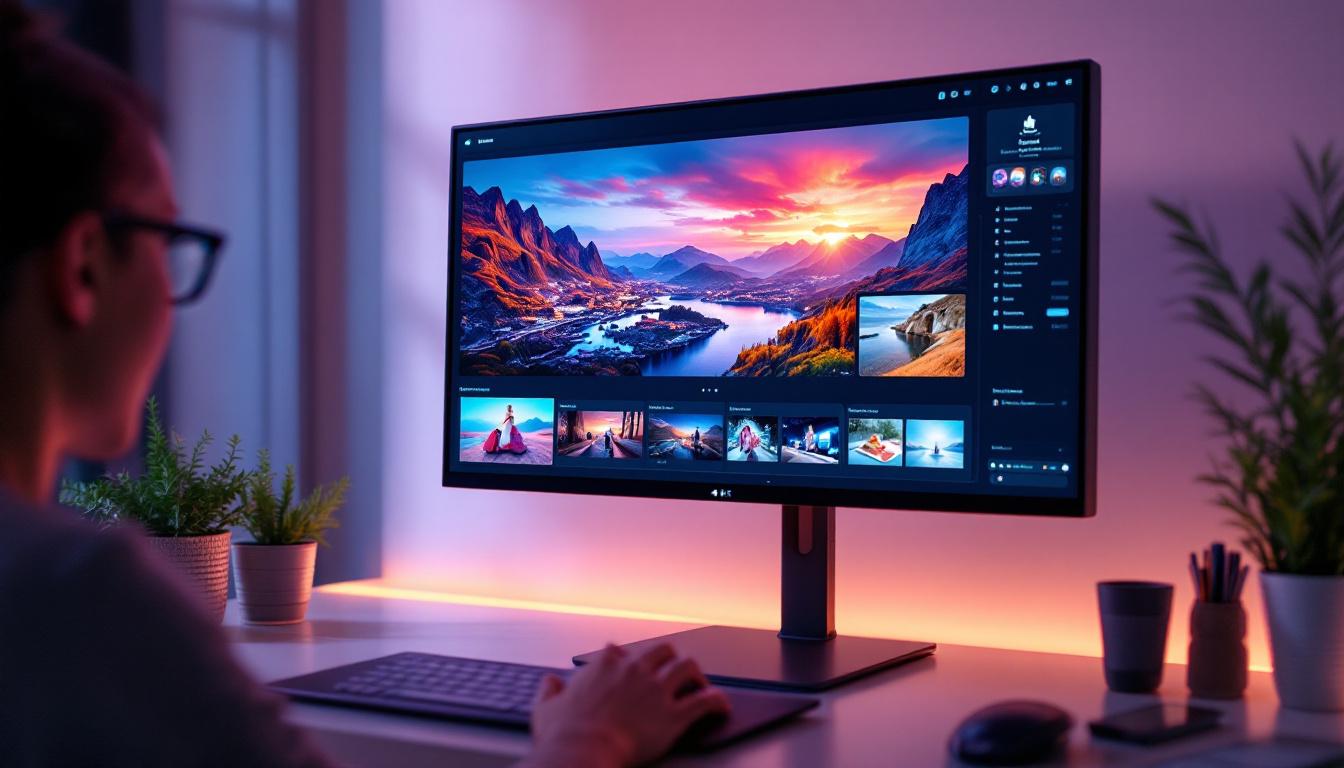
Creative professionals demand high-resolution displays that accurately render colors and fine details. 4K touch LED monitors meet these requirements by providing precise color reproduction and the ability to interact directly with digital content. Artists and designers can use styluses and multi-touch gestures to create and edit artwork with greater control and fluidity.
Healthcare and Medical Imaging
In medical fields, accurate visualization of images such as X-rays, MRIs, and ultrasounds is critical. 4K monitors enhance diagnostic accuracy by displaying images with exceptional clarity. Touch functionality allows healthcare professionals to zoom, annotate, and navigate images efficiently during consultations or procedures.
Education and Training
Interactive touch monitors transform traditional classrooms into dynamic learning environments. Teachers can present high-resolution content, annotate lessons in real-time, and engage students through interactive activities. The large screen size and touch capability facilitate collaborative learning and improve information retention.
Retail and Hospitality
Touch-enabled 4K monitors are widely used in retail for self-service kiosks, digital signage, and point-of-sale terminals. The high resolution ensures that product images and promotional content are visually appealing, while touch interaction simplifies customer navigation and transactions, enhancing overall user experience.
Industrial and Control Systems
In manufacturing and industrial settings, 4K touch monitors provide operators with detailed visual data and intuitive control interfaces. The durability of LED displays combined with responsive touchscreens supports complex monitoring and control tasks, improving operational efficiency and safety.
Choosing the Right 4K Touch LED Monitor
Screen Size and Aspect Ratio
4K monitors come in various sizes, typically ranging from 24 to 32 inches or larger. The choice depends on the intended use; larger screens offer more workspace and better immersion, while smaller monitors may fit limited desk spaces. The standard aspect ratio for 4K displays is 16:9, which suits most applications, but some professionals may prefer ultra-wide formats for expanded horizontal workspace.
Touch Technology and Responsiveness
Consider the type of touch technology that best fits the environment and use case. Capacitive touchscreens provide smooth, multi-finger gestures and high accuracy, ideal for creative and office work. Infrared or resistive touchscreens might be preferred in industrial or public settings due to their durability and ability to register input from gloves or styluses.
Color Accuracy and Calibration
For professionals in photography, video editing, or design, color accuracy is paramount. Look for monitors that cover wide color gamuts such as Adobe RGB or DCI-P3 and offer factory calibration or hardware calibration support. This ensures the colors displayed are true to life and consistent across devices.
Connectivity Options
Modern 4K touch monitors should provide multiple connectivity options, including HDMI 2.0 or higher, DisplayPort 1.4, and USB-C with DisplayPort Alternate Mode. USB hubs and touch input interfaces (such as USB or Bluetooth) facilitate easy integration with computers and peripherals.
Ergonomics and Build Quality
Adjustable stands that allow height, tilt, swivel, and pivot adjustments enhance comfort during extended use. Additionally, monitors with anti-glare coatings and blue light filters can reduce eye fatigue. Build quality is also important, especially for monitors used in public or industrial environments where durability is essential.
Future Trends in 4K Touch LED Monitors
Higher Refresh Rates and HDR Support
As 4K content becomes more prevalent, monitors are evolving to support higher refresh rates (up to 120Hz or more) and HDR (High Dynamic Range) standards. These features enhance motion clarity and expand the range of colors and brightness levels, providing a more lifelike viewing experience.
Integration with AI and Gesture Recognition
Emerging technologies are incorporating AI-driven features and advanced gesture recognition into touch monitors. This allows for more natural and efficient user interactions, such as air gestures without physical contact, voice commands, and adaptive interfaces that learn user preferences.
Flexible and Transparent Displays
Research into flexible OLED and transparent LED displays promises new form factors for touch monitors. These innovations could lead to curved, foldable, or see-through screens that open up novel applications in retail, automotive, and augmented reality environments.
Conclusion
4K touch LED monitors represent a convergence of high-resolution display technology and interactive input methods, delivering exceptional clarity, responsiveness, and versatility. Whether for professional creative work, healthcare, education, or retail, these monitors enhance user experience and productivity by combining stunning visuals with intuitive touch controls.
When selecting a 4K touch LED monitor, it is essential to consider factors such as screen size, touch technology, color accuracy, connectivity, and ergonomics to ensure the device meets specific needs. As technology advances, these monitors will continue to evolve, offering even more immersive and efficient ways to interact with digital content.
Discover the Future of Visual Display with LumenMatrix
Ready to elevate your visual experience with the latest in 4K touch LED monitor technology? LumenMatrix is at the forefront of LED display innovation, offering a wide array of solutions that bring your content to life. From Indoor LED Wall Displays to Custom and Transparent LED options, our products are designed to captivate and engage. Embrace the future of digital signage and enhance your brand’s visibility with our cutting-edge displays. Check out LumenMatrix LED Display Solutions today and transform the way you communicate visually.