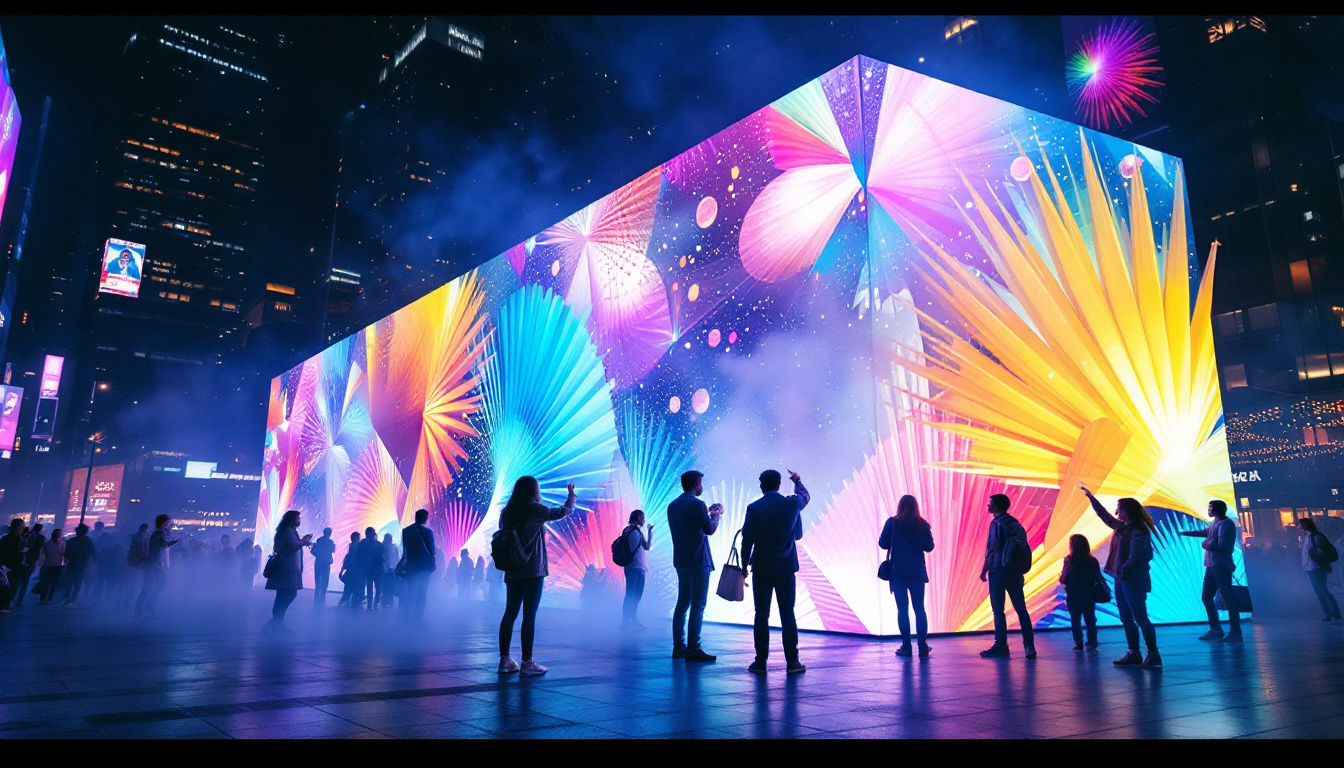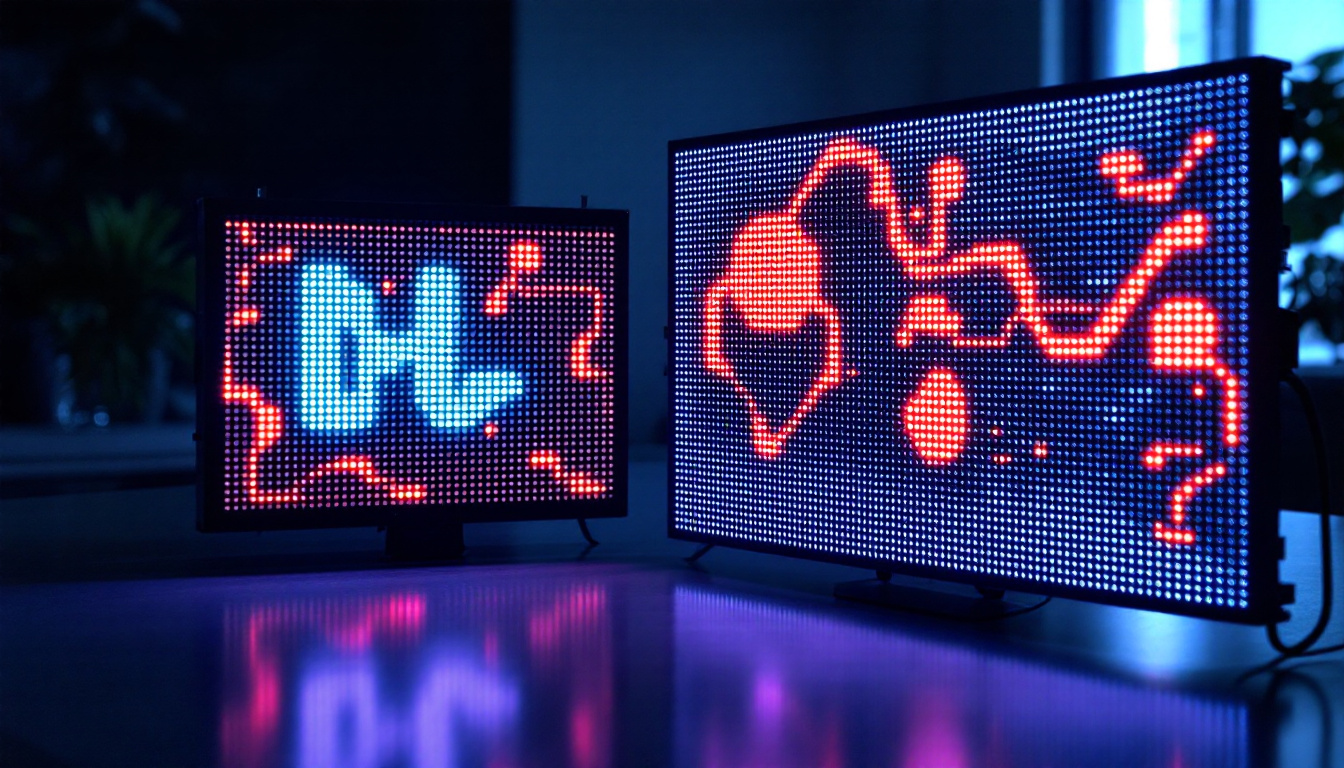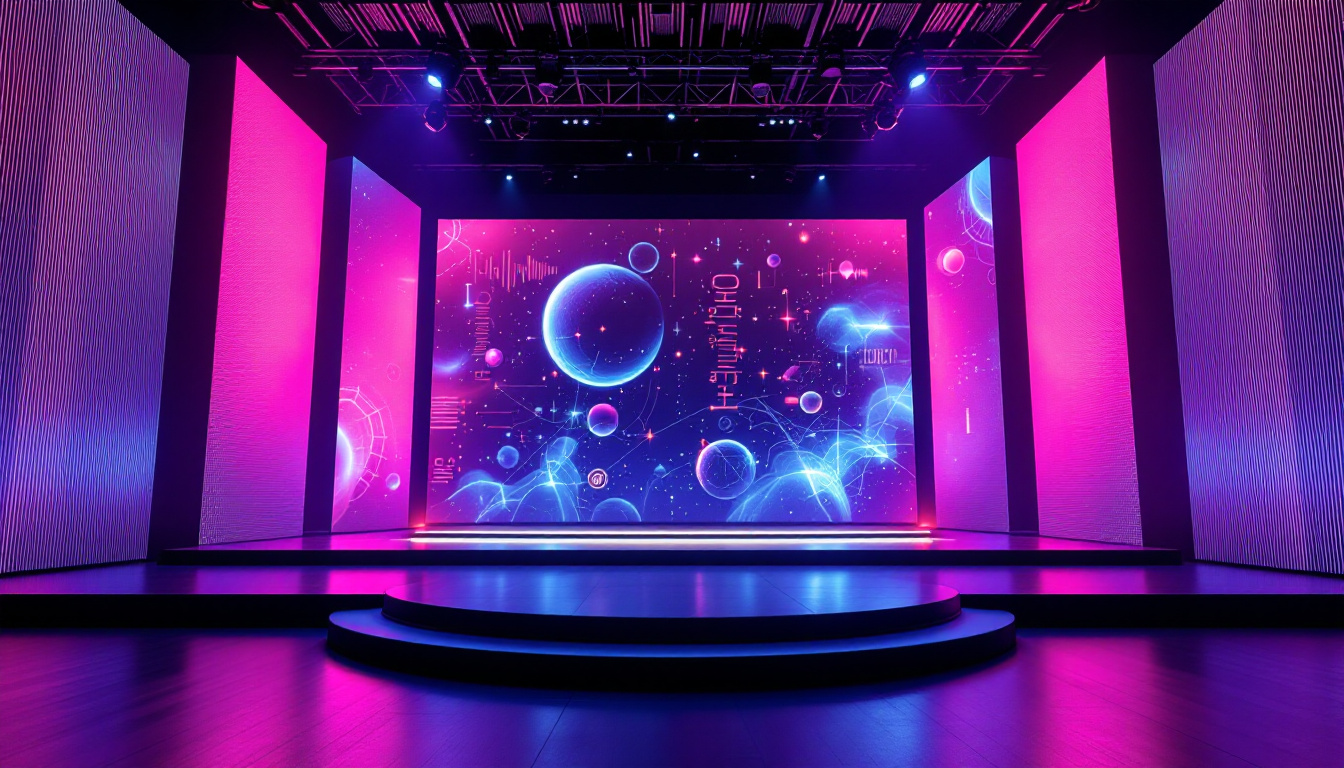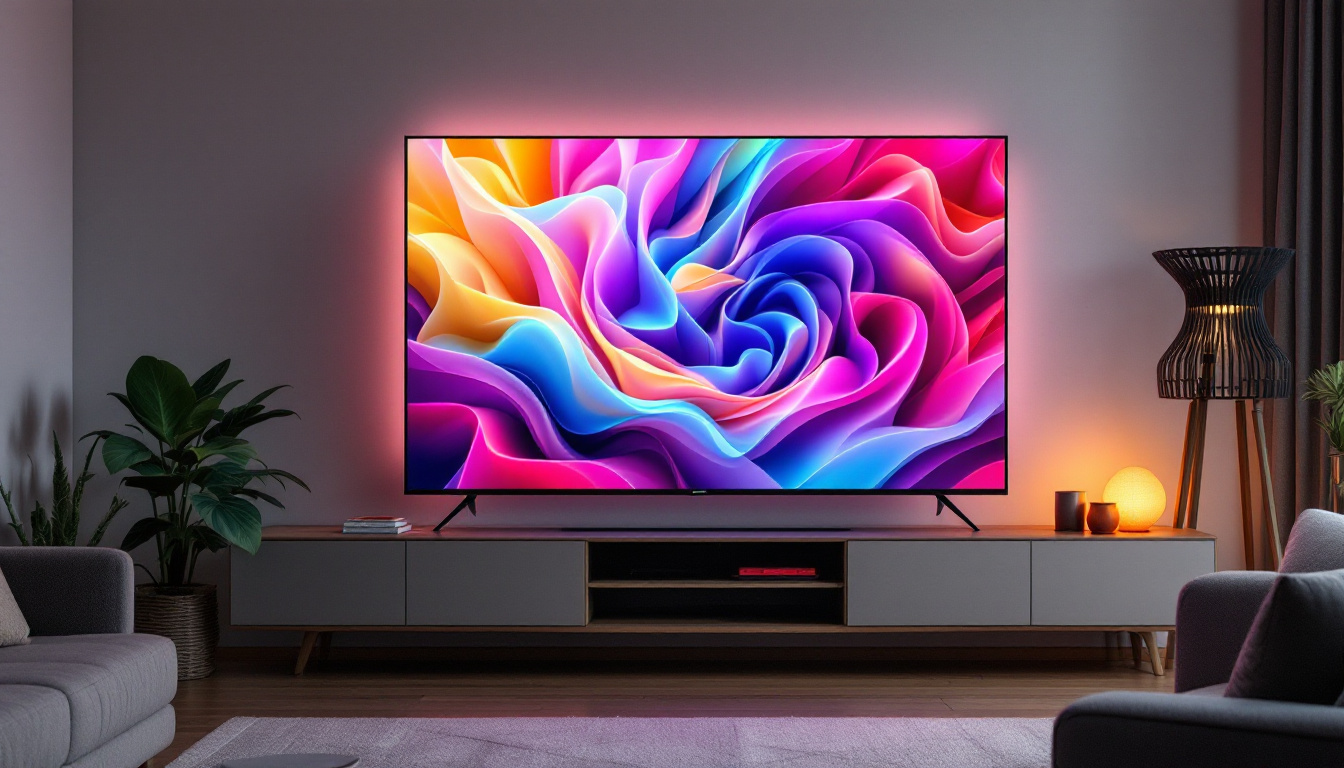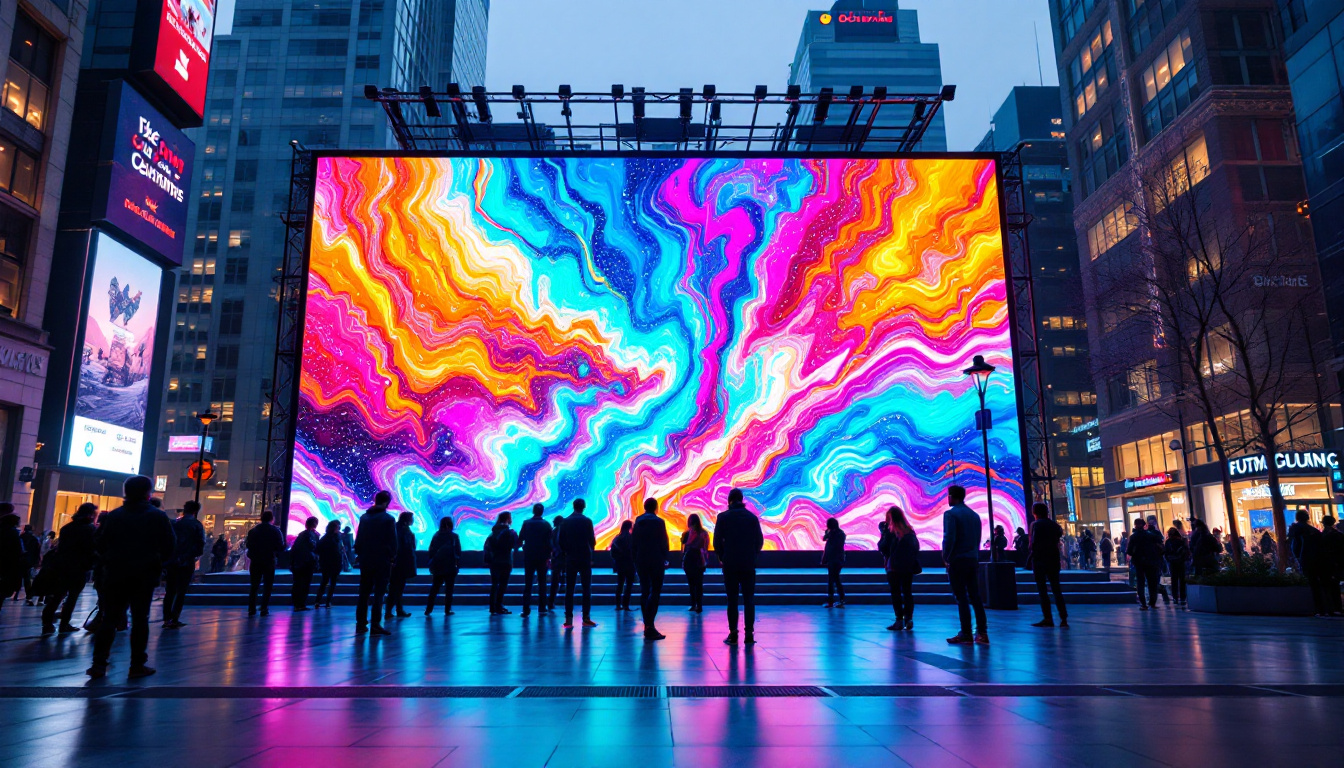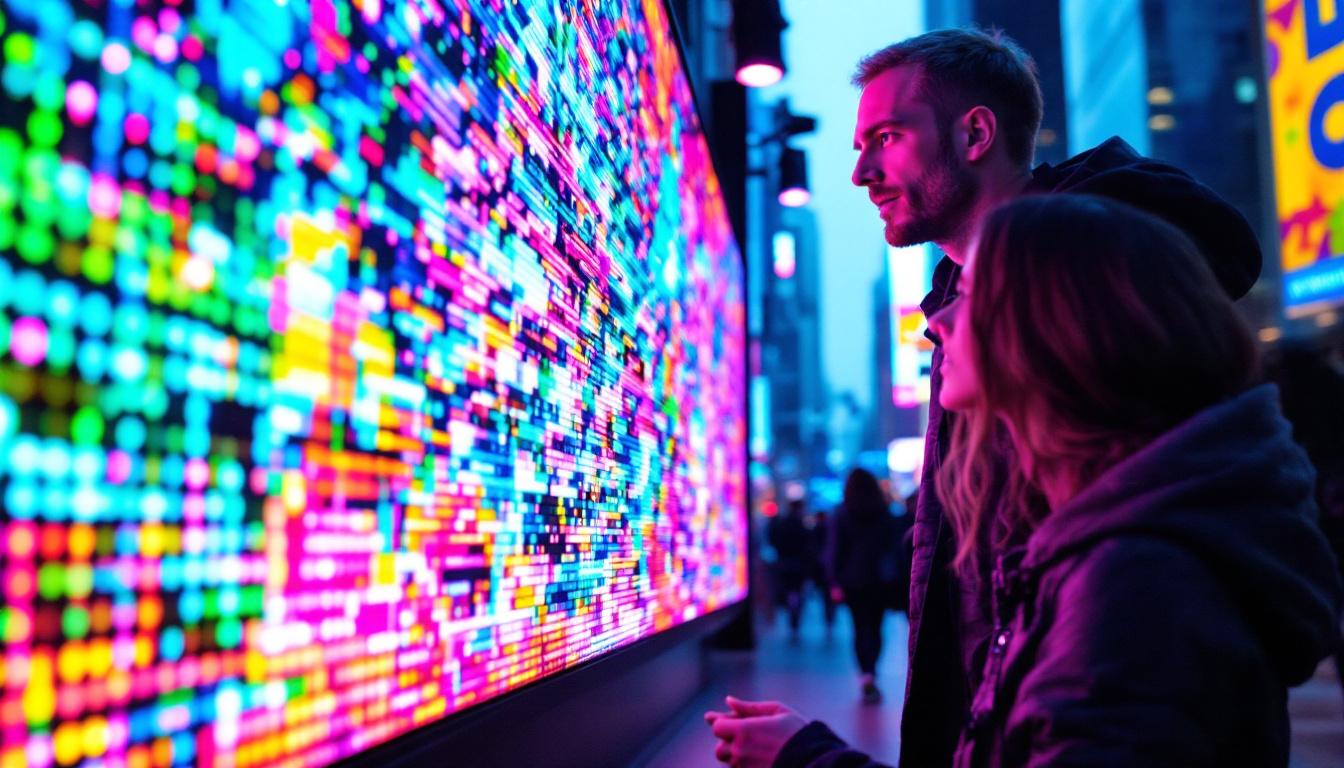
In today’s fast-paced digital world, LED displays have become a cornerstone of visual communication. From vibrant advertising billboards to immersive event backdrops and dynamic public information systems, LED technology is revolutionizing the way we engage with digital content. This article delves into the fundamentals of digital lighting systems, focusing on LED displays — exploring their technology, types, applications, and future trends.
Understanding LED Display Technology
What is an LED Display?
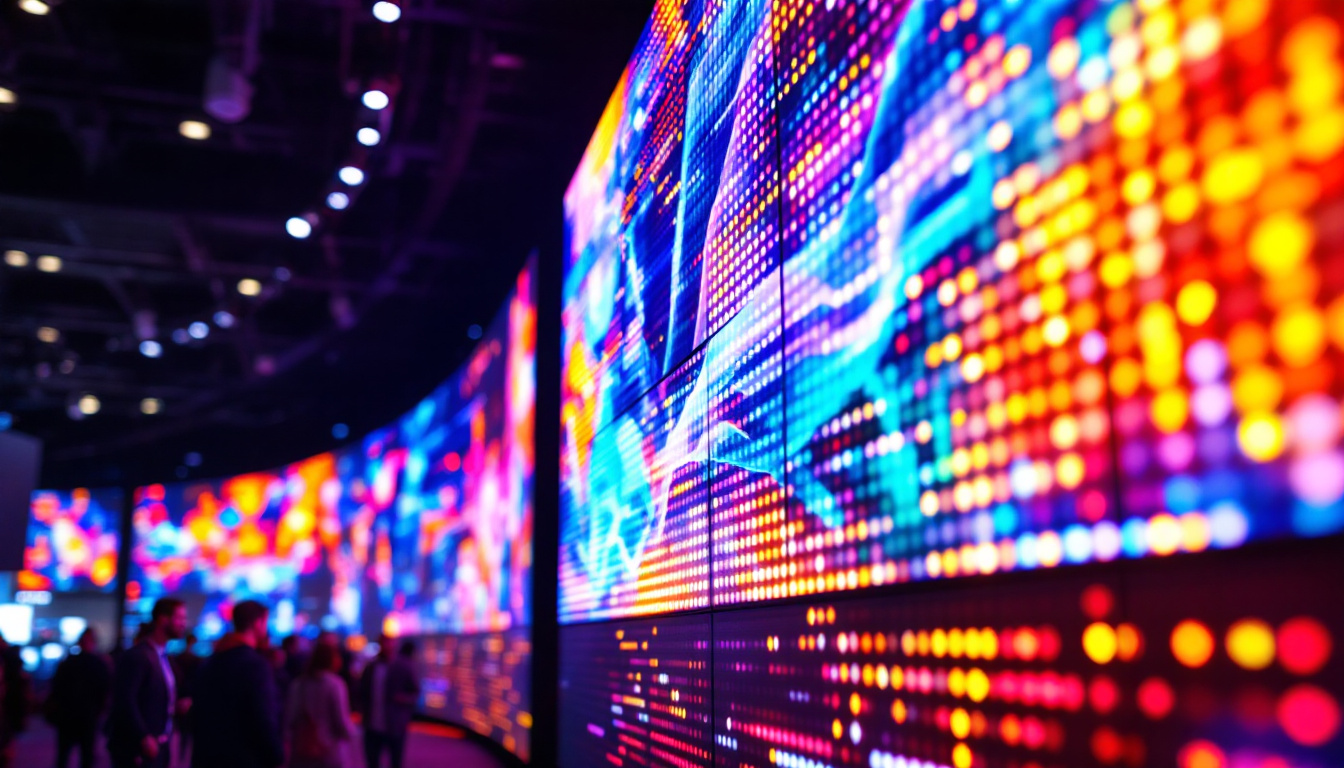
LED stands for Light Emitting Diode, a semiconductor device that emits light when an electric current passes through it. An LED display is composed of many such diodes arranged in a matrix to form pixels. These pixels light up in various colors and intensities to create images, videos, and text that are visible to the human eye.
Unlike traditional displays such as LCDs, which rely on backlighting, LED displays generate their own light, resulting in higher brightness, better contrast, and improved energy efficiency. This intrinsic property makes LED displays ideal for both indoor and outdoor environments, where visibility under different lighting conditions is critical.
How Do LED Displays Work?
At the core of an LED display is a grid of tiny LEDs, each representing a pixel. These LEDs can be single-color (usually red, green, or blue) or full-color RGB LEDs that combine red, green, and blue diodes within a single pixel. By varying the intensity of each color diode, the display can produce a wide spectrum of colors.
The display is controlled by a driver circuit and a control system that processes incoming video signals. This system determines which LEDs to activate and at what brightness level to accurately reproduce the desired image or video. Modern LED displays often incorporate advanced processing techniques to enhance image quality, reduce power consumption, and extend the lifespan of the diodes.
Types of LED Displays
Indoor vs. Outdoor LED Displays
LED displays are broadly categorized based on their intended environment. Indoor LED displays are designed for controlled lighting conditions and typically have a higher pixel density, resulting in sharper image quality at close viewing distances. These are commonly used in conference rooms, retail stores, and entertainment venues.
Outdoor LED displays, on the other hand, are built to withstand harsh weather conditions and intense sunlight. They feature higher brightness levels—often exceeding 5,000 nits—to ensure visibility even in direct sunlight. Additionally, outdoor displays have robust enclosures to protect against moisture, dust, and temperature fluctuations.
Fixed vs. Rental LED Displays
Fixed LED displays are permanently installed in a location, such as stadium scoreboards or building facades. These systems prioritize durability and long-term performance. Rental LED displays are modular and portable, designed for temporary installations at events, concerts, or exhibitions. They emphasize quick assembly, lightweight construction, and flexible configurations.
Direct View LED vs. LED-backlit LCD
Direct View LED (DVLED) displays use LEDs as the actual pixels, providing superior brightness and contrast. In contrast, LED-backlit LCD screens use LEDs solely as a backlight source behind an LCD panel. DVLED displays offer better viewing angles, faster response times, and improved color accuracy, making them preferable for large-scale digital signage and immersive displays.
Key Performance Metrics of LED Displays
Pixel Pitch and Resolution
Pixel pitch refers to the distance between the centers of two adjacent pixels, typically measured in millimeters. A smaller pixel pitch means more pixels per unit area, resulting in higher resolution and sharper images. For example, an indoor LED display might have a pixel pitch as low as 1.2 mm, while outdoor displays generally have larger pitches ranging from 4 mm to 20 mm or more.
Choosing the right pixel pitch depends on the viewing distance. Closer viewing distances require higher resolution and smaller pixel pitch, whereas larger pixel pitches suffice for displays viewed from afar.
Brightness and Contrast Ratio
Brightness is measured in nits (candelas per square meter) and determines how well the display performs under various lighting conditions. Outdoor LED displays often exceed 5,000 nits to combat sunlight glare, while indoor displays typically range between 800 and 1,500 nits.
The contrast ratio—the difference between the darkest black and the brightest white—affects image depth and clarity. LED displays generally offer excellent contrast ratios due to their ability to turn off individual LEDs completely, producing true blacks.
Refresh Rate and Viewing Angle
The refresh rate, measured in Hertz (Hz), indicates how many times per second the image is updated. Higher refresh rates (above 1,000 Hz) reduce flicker and are essential for video content and live broadcasts, especially when captured by cameras.
Viewing angle defines the maximum angle at which the display can be viewed without significant color distortion or brightness loss. LED displays typically offer wide viewing angles, often exceeding 160 degrees horizontally and vertically, ensuring consistent image quality from various perspectives.
Applications of LED Displays
Advertising and Digital Signage
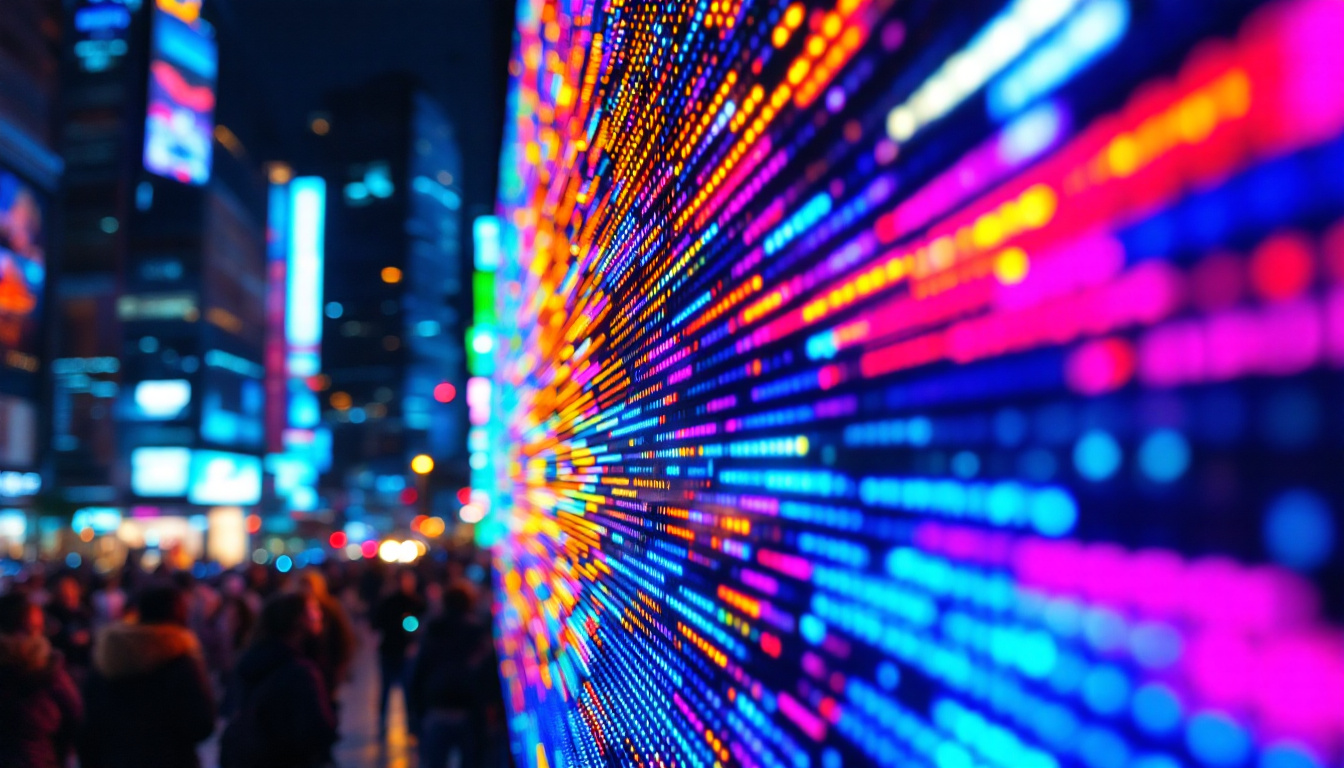
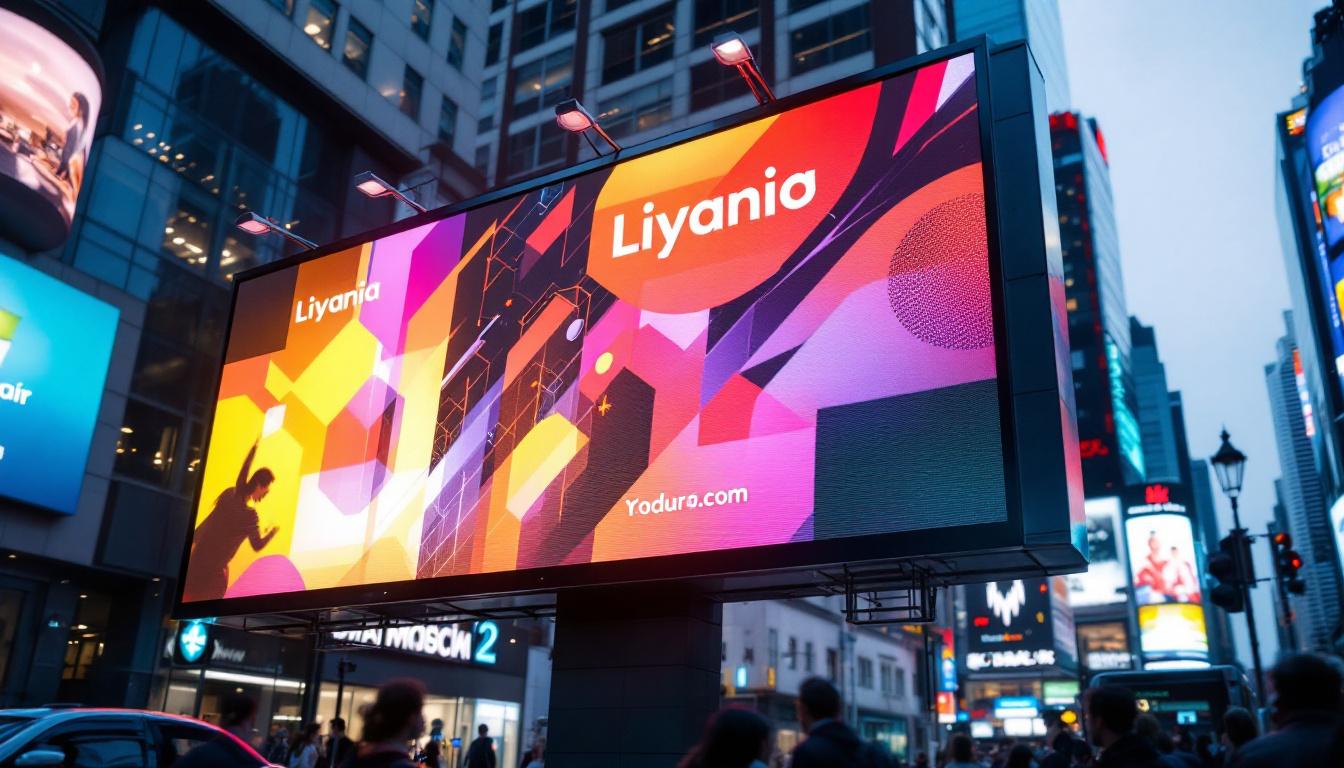
One of the most prominent uses of LED displays is in advertising. Digital billboards and signage allow brands to deliver dynamic, eye-catching content that can be updated remotely in real-time. According to industry reports, the global digital signage market is expected to reach over $32 billion by 2027, driven largely by LED technology’s versatility and effectiveness.
LED displays enable advertisers to tailor messages based on time of day, audience demographics, or even weather conditions, increasing engagement and return on investment.
Entertainment and Events
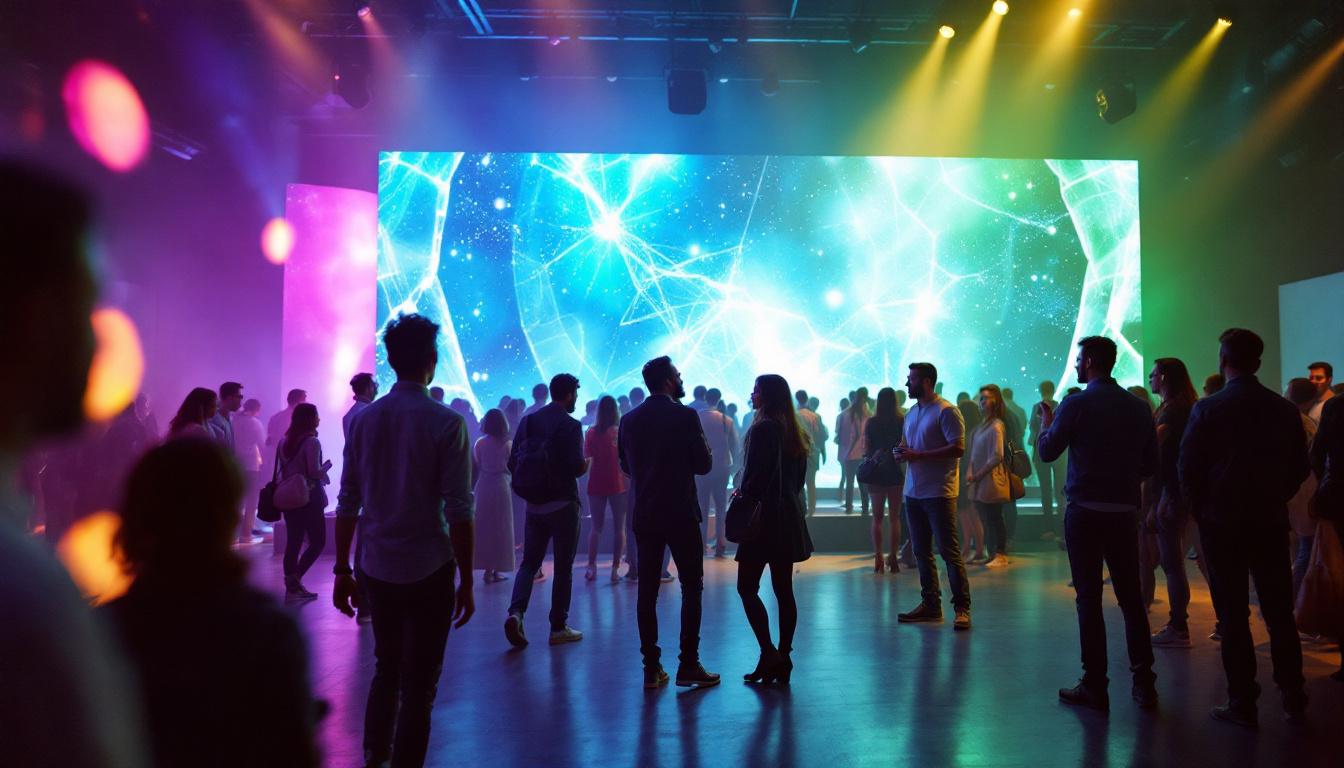
Concerts, sports arenas, and festivals rely heavily on LED displays to create immersive experiences. Large-scale LED walls provide vibrant visuals that enhance performances and engage audiences. Rental LED systems are particularly popular in this sector for their flexibility and ease of deployment.
Moreover, LED displays are integral to virtual and augmented reality setups, where high resolution and low latency are critical for seamless user experiences.
Transportation and Public Information
LED displays are widely used in transportation hubs such as airports, train stations, and bus terminals to provide real-time information. Their high brightness and visibility ensure passengers receive timely updates regardless of ambient lighting conditions.
Similarly, municipalities use LED displays for public safety messages, traffic management, and emergency alerts, leveraging their ability to broadcast critical information quickly and clearly.
Retail and Corporate Environments
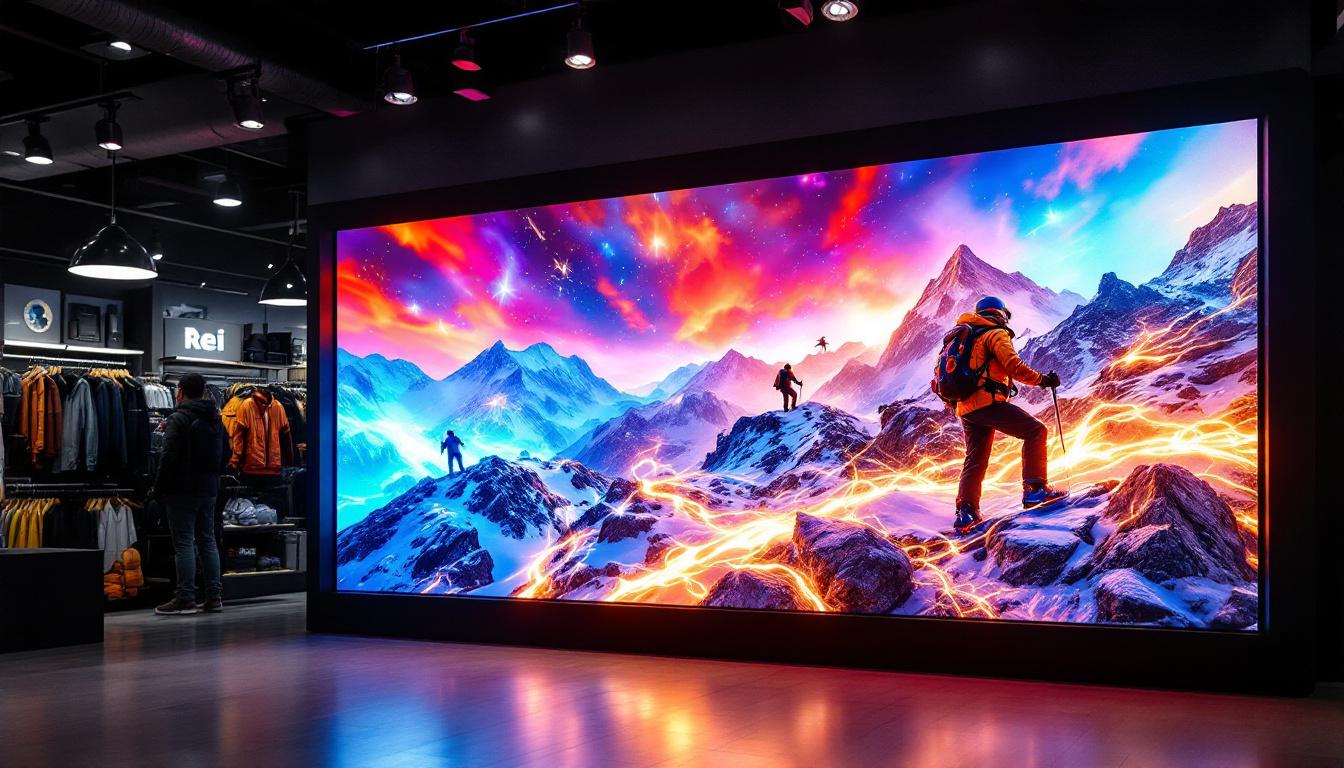
Retailers use LED displays to create engaging window displays and in-store promotions that attract customers and drive sales. Corporate offices utilize LED video walls in lobbies and conference rooms to showcase branding, data visualization, and collaborative content.
Advantages of LED Displays Over Traditional Technologies
Energy Efficiency and Longevity
LED displays consume significantly less power compared to traditional lighting and display technologies. This energy efficiency translates into lower operational costs and a reduced environmental footprint. Additionally, LEDs have a longer lifespan, often exceeding 100,000 hours of operation, minimizing maintenance and replacement expenses.
Superior Image Quality and Flexibility
With their ability to produce vibrant colors, high contrast, and wide viewing angles, LED displays deliver superior image quality. They can be manufactured in various shapes and sizes, from small indoor panels to massive outdoor screens, providing unmatched flexibility for different applications.
Rapid Content Updates and Interactivity
Modern LED displays support real-time content updates via network connections, enabling dynamic messaging and interactive features. This capability is invaluable for marketing campaigns, live events, and public information systems that require timely and relevant communication.
Challenges and Considerations When Choosing LED Displays
Cost and Budgeting
While LED displays offer numerous benefits, initial investment costs can be substantial, especially for high-resolution indoor systems or large outdoor installations. It is important to balance budget constraints with performance requirements and consider total cost of ownership, including installation, maintenance, and energy consumption.
Installation and Maintenance
Proper installation is critical to ensure optimal performance and longevity. Outdoor displays require weatherproofing and robust mounting solutions, while indoor systems demand precise calibration for color and brightness uniformity.
Maintenance considerations include routine cleaning, software updates, and timely repairs. Selecting reputable manufacturers and service providers can mitigate these challenges.
Environmental Impact
Although LED technology is more environmentally friendly than many alternatives, responsible disposal and recycling of LED components are essential to minimize electronic waste. Additionally, managing light pollution in urban areas is an important consideration when deploying large outdoor LED displays.
Future Trends in LED Display Technology
MicroLED and MiniLED Innovations
Emerging technologies like MicroLED and MiniLED promise to further enhance display performance. MicroLEDs are significantly smaller than conventional LEDs, enabling ultra-high resolution and brightness with improved energy efficiency. These displays are poised to disrupt markets such as televisions, smartphones, and augmented reality devices.
Integration with IoT and AI
Integration of LED displays with Internet of Things (IoT) devices and Artificial Intelligence (AI) is enabling smarter, context-aware digital signage. For instance, AI-powered analytics can tailor content based on audience behavior, while IoT sensors adjust brightness and color temperature according to ambient conditions.
Flexible and Transparent LED Displays
Innovations in materials and manufacturing are leading to flexible and transparent LED displays that can be integrated into windows, curved surfaces, and wearable devices. This expands the possibilities for creative applications in advertising, architecture, and consumer electronics.
Conclusion
LED display technology stands at the forefront of digital lighting systems, offering unparalleled brightness, flexibility, and energy efficiency. Understanding the various types, performance metrics, and applications of LED displays enables businesses and organizations to make informed decisions that maximize impact and return on investment.
As technology advances, LED displays will continue to evolve, integrating with emerging digital ecosystems and unlocking new possibilities for communication and entertainment. Whether for advertising, events, public information, or corporate use, LED displays remain a powerful tool in the digital age.
Illuminate Your Space with LumenMatrix
Ready to elevate your visual communication and captivate your audience with the most advanced LED display technology? LumenMatrix is at the vanguard of innovation, offering a diverse range of LED display solutions tailored to your needs. From Indoor and Outdoor LED Wall Displays to specialized options like Vehicle, Sports, and Floor LED Displays, our mission is to transform your space with vibrant, energy-efficient visuals. Discover the power of LumenMatrix’s Custom, All-in-One, and Transparent LED Displays and see how we can help you make a lasting impression. Check out LumenMatrix LED Display Solutions and start your journey towards unparalleled brand visibility and engaging experiences today.