In the rapidly evolving world of digital signage and display technology, the term “PCD screen” frequently arises alongside LED displays. Understanding what a PCD screen entails and how LED technology powers these displays is crucial for businesses, advertisers, and technology enthusiasts alike. This article delves deep into the concept of PCD screens, the fundamentals of LED displays, their applications, and why they have become an indispensable part of modern visual communication.
What is a PCD Screen?
The acronym “PCD” stands for “Pixel Control Display,” a term often used to describe advanced LED display panels that offer precise pixel-level control. Unlike traditional display technologies, PCD screens enable enhanced image quality, brightness control, and color accuracy by managing each individual pixel independently.
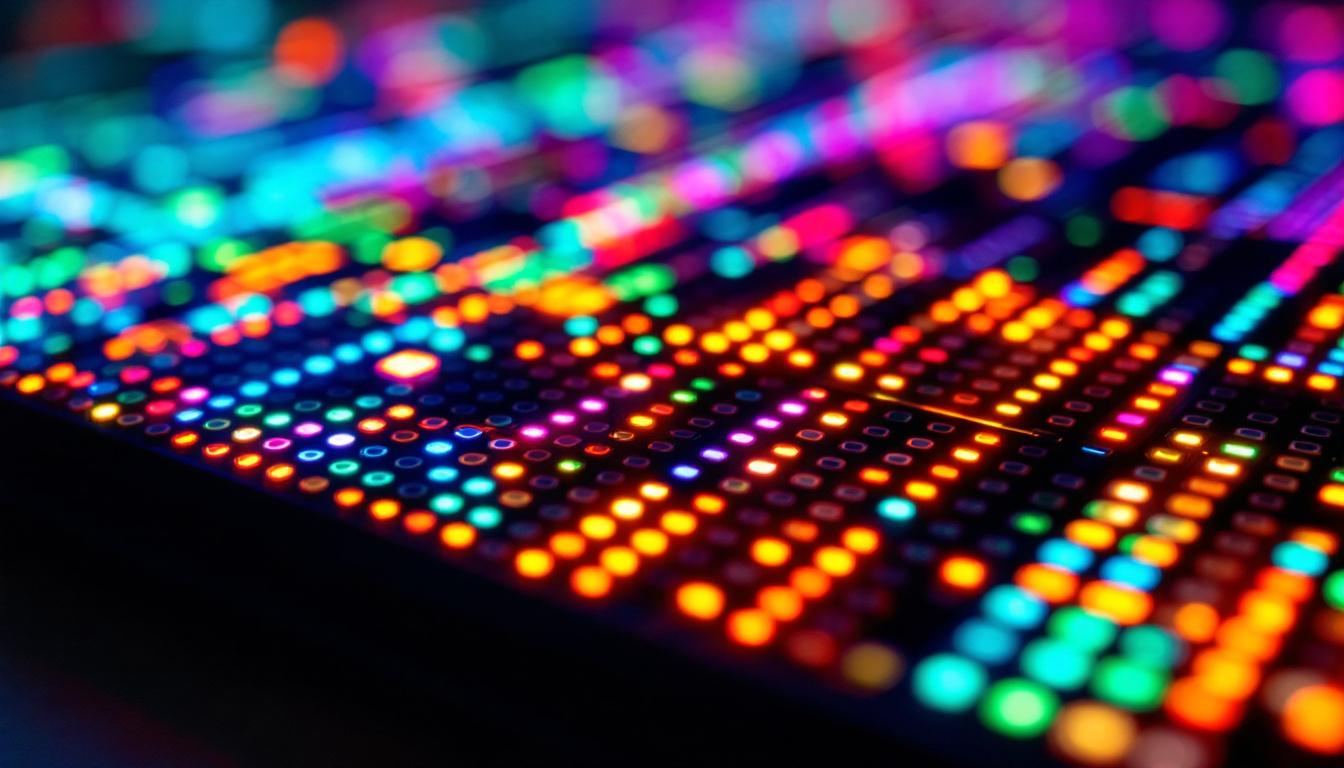
PCD screens are typically composed of numerous tiny LED modules arranged in a matrix, where each pixel consists of multiple light-emitting diodes (LEDs) that can be controlled to display a wide range of colors and brightness levels. This granular control allows for sharper images, smoother video playback, and more vibrant visuals compared to older display technologies such as LCD or plasma screens.
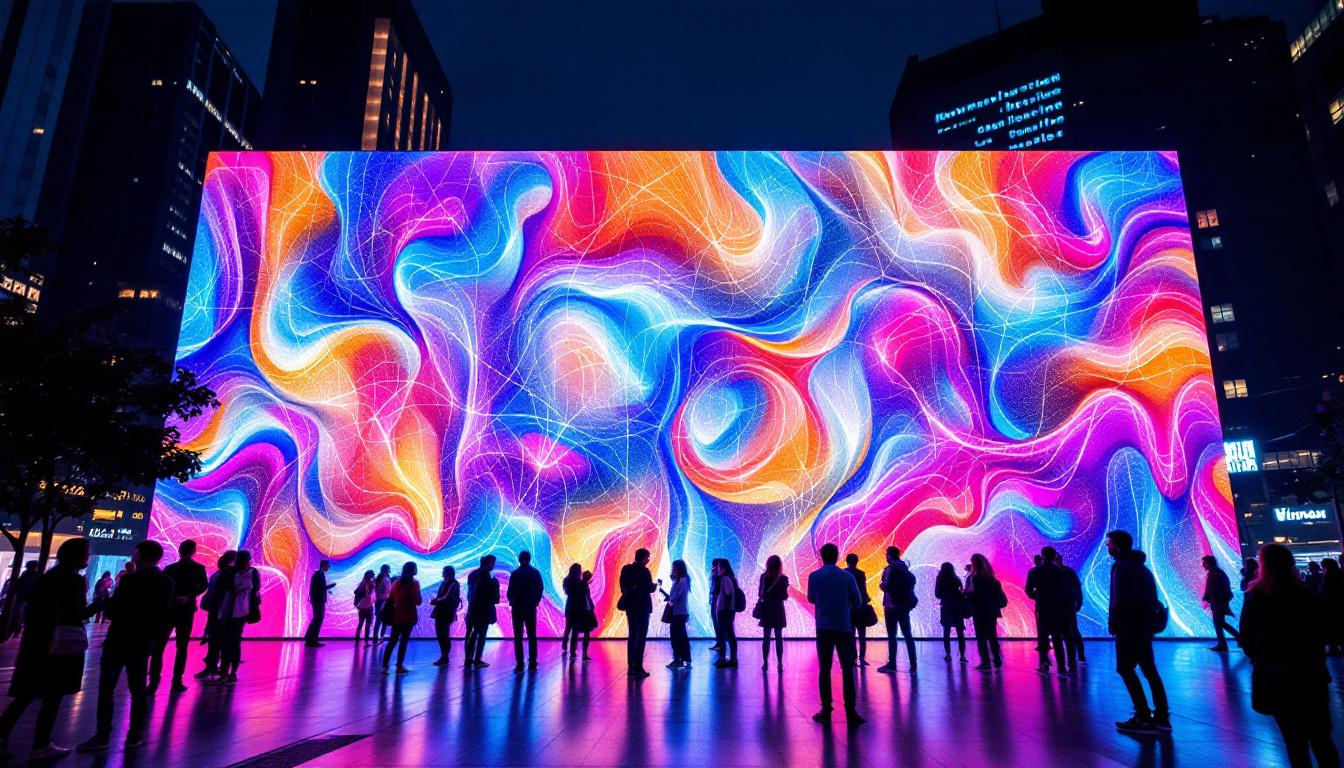
In essence, a PCD screen is an evolution of LED display technology, designed to meet the growing demand for high-resolution, large-format digital signage that can be viewed clearly even in challenging lighting conditions. These screens are becoming increasingly popular in various applications, from advertising billboards to immersive art installations, where visual impact is paramount.
Moreover, PCD screens are engineered to be highly versatile, often featuring modular designs that allow for easy scalability and customization. This means that businesses can create displays of virtually any size or shape, tailoring the visual experience to fit specific environments or branding needs. The adaptability of PCD technology not only enhances aesthetic appeal but also maximizes the effectiveness of communication in public spaces.
How PCD Screens Differ from Traditional LED Displays
While the term “LED display” broadly refers to any screen that uses light-emitting diodes to produce images, PCD screens emphasize pixel-level precision. Traditional LED displays often use clusters of LEDs to form a single pixel, which can limit resolution and image clarity. PCD screens, however, utilize advanced circuitry and software algorithms to control each LED within a pixel individually.
This approach results in several benefits:
- Higher Resolution: By controlling individual LEDs, PCD screens can achieve finer pixel density, producing sharper images.
- Improved Color Accuracy: Precise control over each LED allows for more accurate color reproduction and smoother gradients.
- Enhanced Brightness and Contrast: Independent pixel control enables dynamic adjustment of brightness levels, improving contrast ratios.
Furthermore, the technology behind PCD screens includes sophisticated calibration processes that ensure consistent performance across the entire display. This means that even in large installations, viewers experience uniform brightness and color fidelity, regardless of their viewing angle. Such features are particularly beneficial in environments where lighting conditions can vary significantly, such as outdoor venues or stadiums. As a result, PCD screens are not just a technical advancement; they represent a significant leap forward in how visual content is delivered and experienced in real-time.
Understanding LED Display Technology
Light Emitting Diode (LED) technology is the backbone of modern digital displays. An LED display consists of an array of tiny LEDs that emit light when an electric current passes through them. These LEDs can be red, green, or blue, and by combining these primary colors at varying intensities, the display can produce a full spectrum of colors.
Types of LED Displays
LED displays come in several forms, each suited to different applications:
- Direct View LED (DVLED): These displays use LEDs as the actual pixels, offering high brightness and excellent viewing angles. They are commonly used for outdoor billboards, stadium screens, and large indoor displays.
- LED-backlit LCD: These are LCD screens that use LEDs for backlighting instead of traditional fluorescent lamps. They offer better energy efficiency and improved color performance but do not have the same brightness levels as DVLEDs.
- MicroLED: An emerging technology that uses microscopic LEDs to create displays with superior brightness, contrast, and energy efficiency. MicroLEDs are considered the next generation of LED displays but are currently expensive to produce.
Key Components of LED Displays
Understanding the components that make up an LED display helps in appreciating the technology behind PCD screens:
- LED Modules: These are the building blocks of the display, consisting of multiple LEDs arranged in a grid. Each module can be individually controlled.
- Driver ICs: Integrated circuits that regulate the current and voltage supplied to each LED, ensuring consistent brightness and color.
- Control System: Software and hardware that manage the content displayed, synchronize the modules, and handle pixel-level adjustments.
- Power Supply: Provides the necessary electrical power for the LEDs and control systems.
Advantages of PCD Screens in Modern Applications
PCD screens have gained popularity due to their superior performance and versatility. Their ability to deliver high-quality visuals in various environments makes them ideal for numerous applications.
Enhanced Visual Quality
Thanks to pixel-level control, PCD screens offer outstanding image clarity and color fidelity. This is particularly important in advertising, where vibrant and eye-catching visuals can significantly impact consumer engagement. Studies show that digital signage with high brightness and color accuracy can increase brand recall by up to 47%, underscoring the value of investing in quality displays.
Versatility and Scalability
PCD screens can be configured in various sizes and shapes, from small indoor displays to massive outdoor billboards. Their modular design allows for easy scalability, enabling businesses to expand their digital signage networks without replacing entire systems.
Energy Efficiency and Longevity
Modern LED technology is highly energy-efficient compared to older display types. PCD screens, with their precise pixel control, can reduce power consumption by dimming individual pixels when displaying darker content. Additionally, LEDs have a longer lifespan, often exceeding 100,000 hours, which translates to lower maintenance costs and reduced downtime.
Improved Visibility in Different Lighting Conditions
One of the standout features of PCD screens is their ability to maintain visibility in bright environments. Outdoor displays, for instance, must compete with sunlight, which can wash out images on traditional screens. PCD screens can achieve brightness levels upwards of 5,000 nits, ensuring clear and vibrant visuals even under direct sunlight.
Common Applications of PCD Screens
PCD screens have found their way into a wide array of industries and use cases, each benefiting from the technology’s unique strengths.
Advertising and Digital Signage
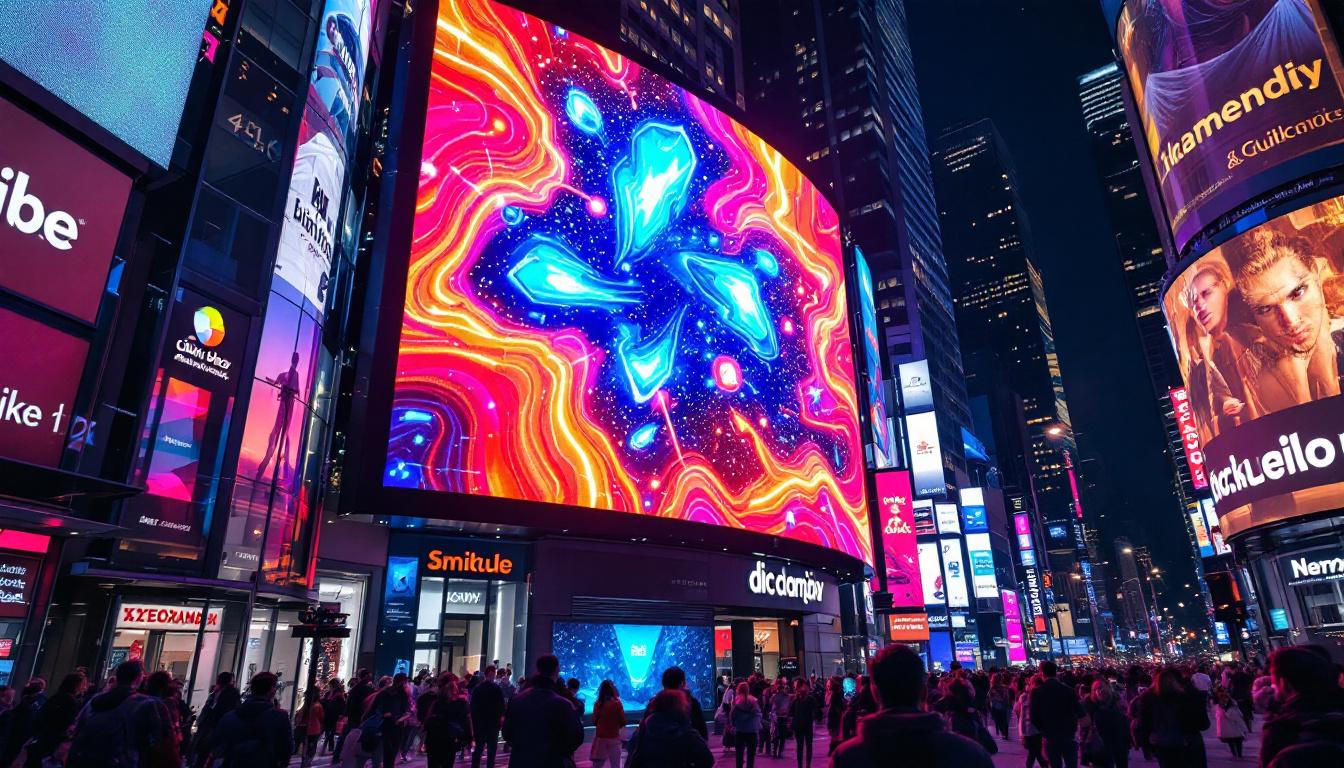
Outdoor billboards, retail displays, and transit advertising rely heavily on LED technology. PCD screens enable advertisers to deliver dynamic content that captures attention and drives engagement. The ability to update content remotely and in real-time adds to their appeal, allowing for timely promotions and targeted messaging.
Sports Arenas and Entertainment Venues
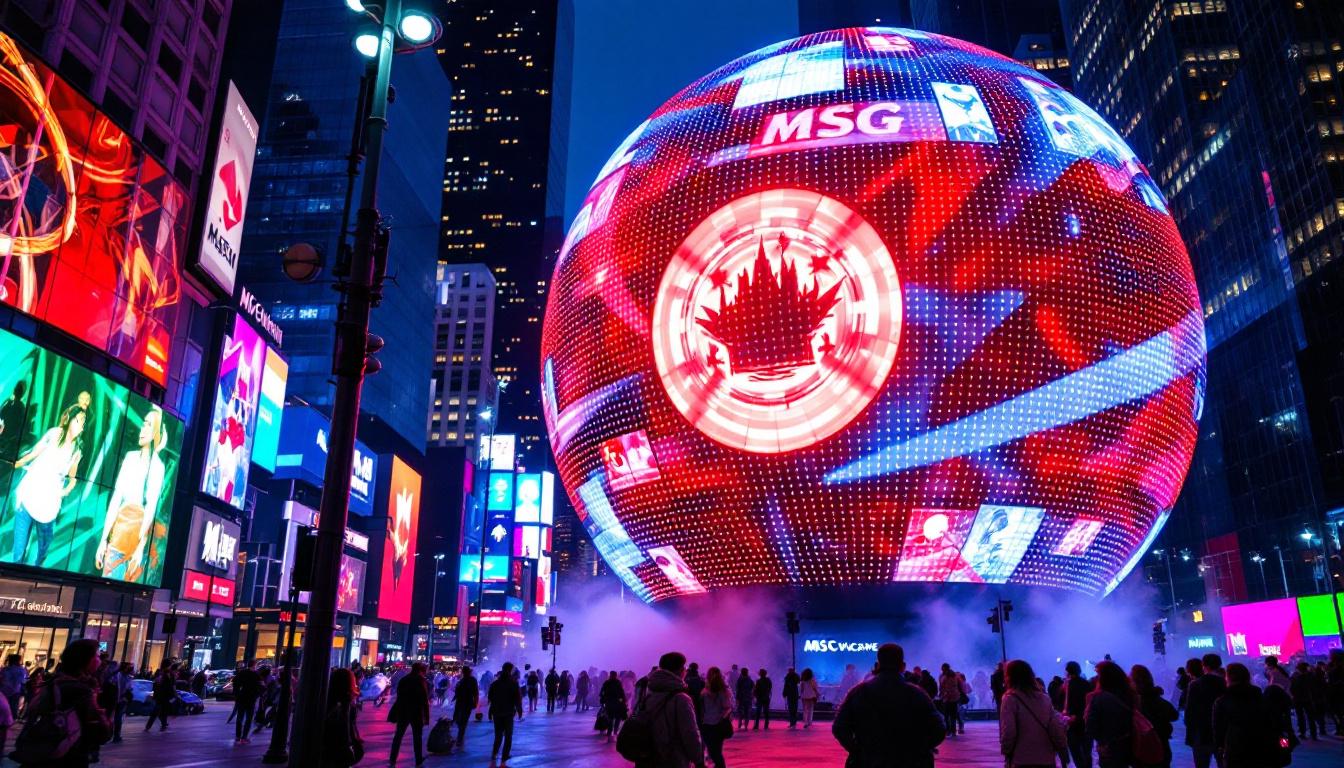
Large-scale PCD screens are commonly used in stadiums and concert venues to broadcast live events, replays, and advertisements. Their high resolution and brightness ensure that spectators have an immersive viewing experience regardless of their seating location.
Corporate and Control Rooms
In corporate environments, PCD screens serve as video walls for presentations, data visualization, and command centers. Their fine pixel pitch and color accuracy are essential for displaying detailed information clearly and effectively.
Transportation Hubs
Airports, train stations, and bus terminals utilize PCD screens for passenger information systems. The clarity and brightness of these displays ensure that schedules, alerts, and advertisements are easily readable, improving the overall passenger experience.
Choosing the Right PCD Screen for Your Needs
Selecting the appropriate PCD screen involves considering several factors to ensure optimal performance and return on investment.
Pixel Pitch and Resolution
Pixel pitch refers to the distance between the centers of two adjacent pixels, typically measured in millimeters. A smaller pixel pitch means higher resolution and sharper images, which is crucial for close-viewing applications like indoor displays. Conversely, larger pixel pitches are suitable for outdoor displays viewed from a distance.
Brightness and Contrast
Depending on the environment, the required brightness level will vary. Outdoor displays need higher brightness to overcome sunlight, while indoor displays can operate at lower levels to reduce eye strain and power consumption. Contrast ratio, the difference between the darkest and brightest parts of the image, also impacts visual quality.
Durability and Weather Resistance
For outdoor installations, the PCD screen must be weatherproof, resistant to dust, moisture, and temperature fluctuations. Look for screens with appropriate IP (Ingress Protection) ratings to ensure longevity.
Installation and Maintenance
Consider the ease of installation and access for maintenance. Modular designs that allow for quick replacement of faulty modules can minimize downtime and maintenance costs.
The Future of PCD and LED Display Technology
As display technology continues to advance, PCD screens are poised to become even more sophisticated and versatile. Emerging trends include:
Integration with AI and IoT
Artificial intelligence and the Internet of Things are enabling smarter displays that can adapt content dynamically based on audience demographics, weather conditions, or real-time analytics. This integration enhances the effectiveness of digital signage and opens new avenues for personalized advertising.
Higher Resolution and MicroLED Adoption
MicroLED technology promises to push pixel density and brightness to new heights while reducing power consumption. As manufacturing costs decrease, MicroLED-based PCD screens may become the standard for premium display solutions.
Flexible and Transparent Displays
Innovations in flexible and transparent LED panels will allow PCD screens to be integrated into unconventional surfaces such as curved walls, windows, and even clothing, expanding the possibilities for creative digital communication.
Conclusion
PCD screens represent a significant advancement in LED display technology, offering unparalleled image quality, brightness, and versatility. Their ability to deliver vibrant, high-resolution visuals in a wide range of environments makes them an essential tool for modern advertising, entertainment, corporate communication, and public information systems.
Understanding the technical aspects and practical applications of PCD screens empowers businesses and organizations to make informed decisions when investing in digital display solutions. As technology progresses, PCD screens will continue to evolve, driving innovation and transforming how visual content is delivered and experienced worldwide.
Discover LumenMatrix LED Display Solutions
Ready to elevate your visual communication with the latest in PCD screen technology? LumenMatrix is at the forefront of LED display innovation, offering a comprehensive range of solutions tailored to your needs. From immersive Indoor LED Walls to dynamic Outdoor LED Displays, and from versatile Vehicle LED Displays to sleek LED Posters, our products are designed to captivate and engage your audience. Experience the future of digital signage with our LED Sports Displays, interactive Floor LED Displays, and the stunning clarity of our Custom and All-in-One LED Displays. Don’t forget to explore the possibilities with our LED Transparent Displays. Transform your space and message with LumenMatrix’s cutting-edge solutions. Check out LumenMatrix LED Display Solutions and see how we can help you make a lasting impression.