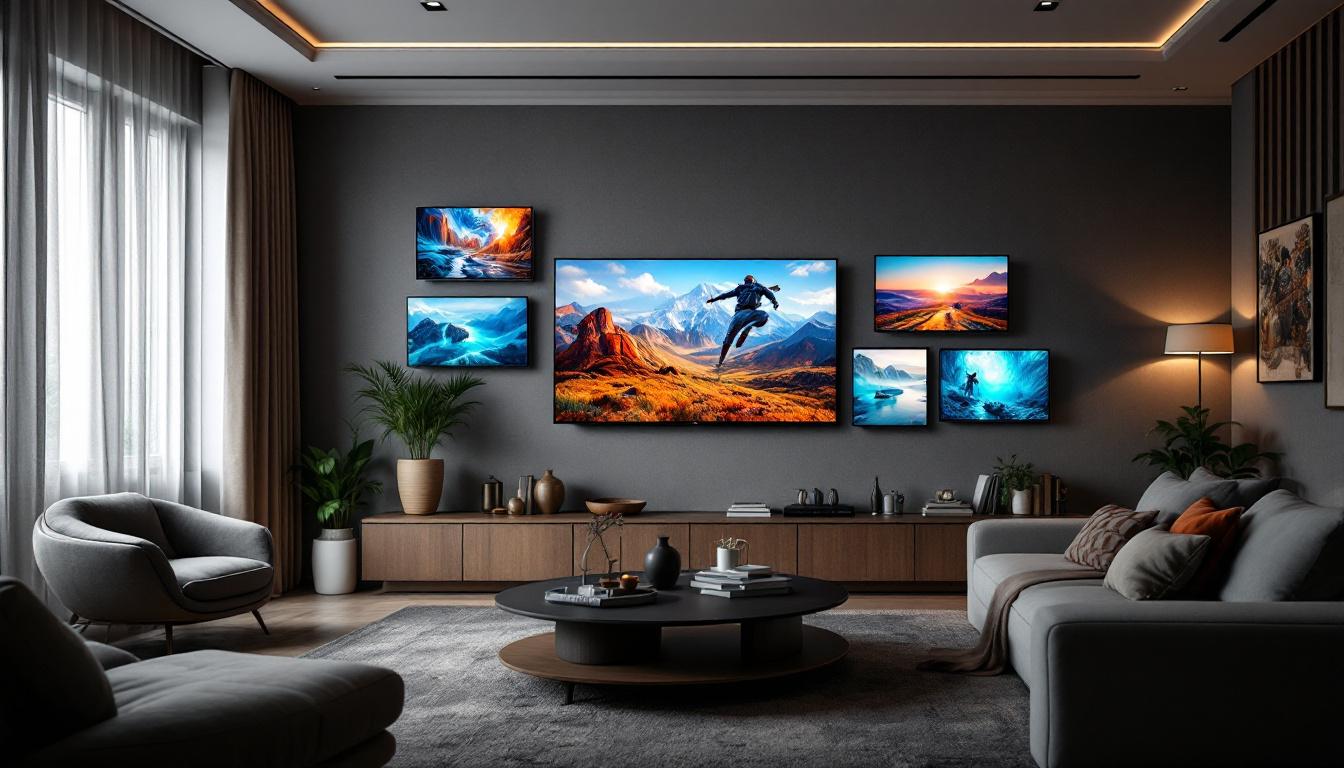
Multiple TVs On Wall: LED Display Explained
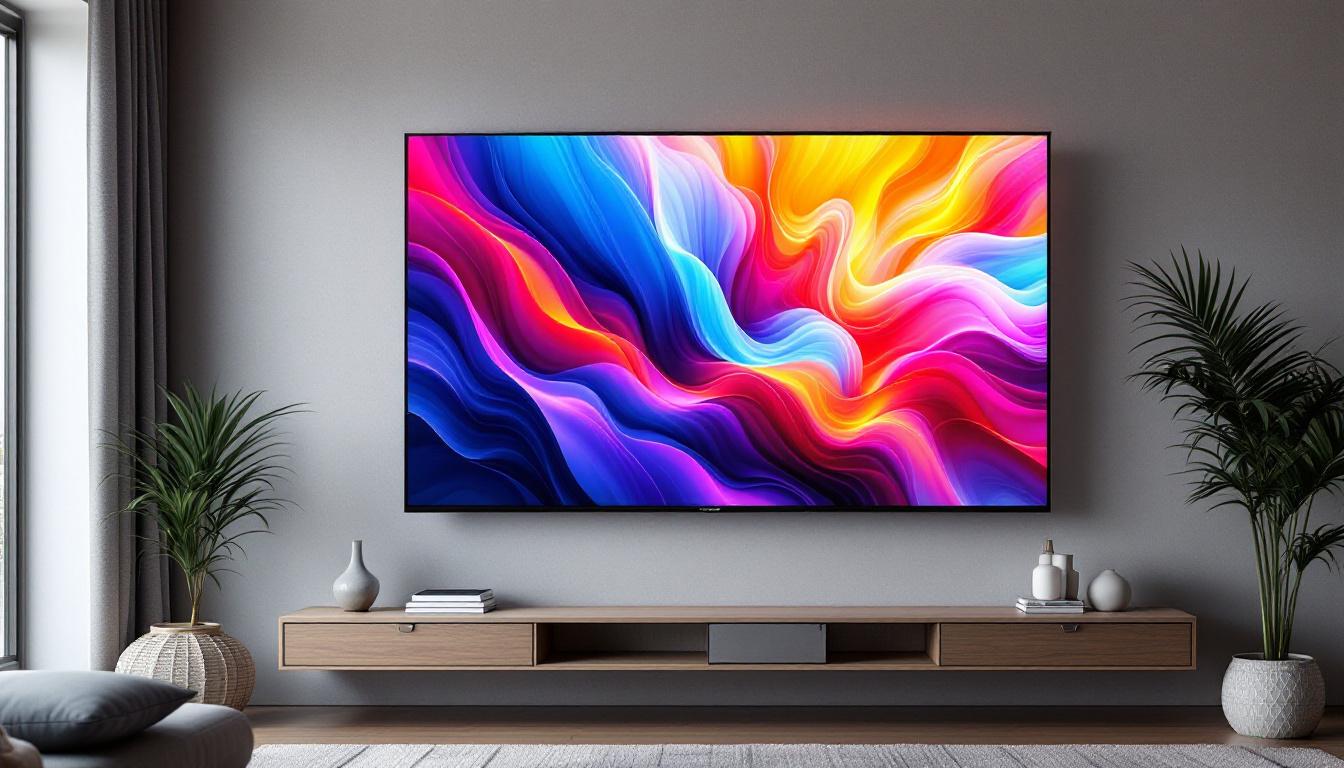
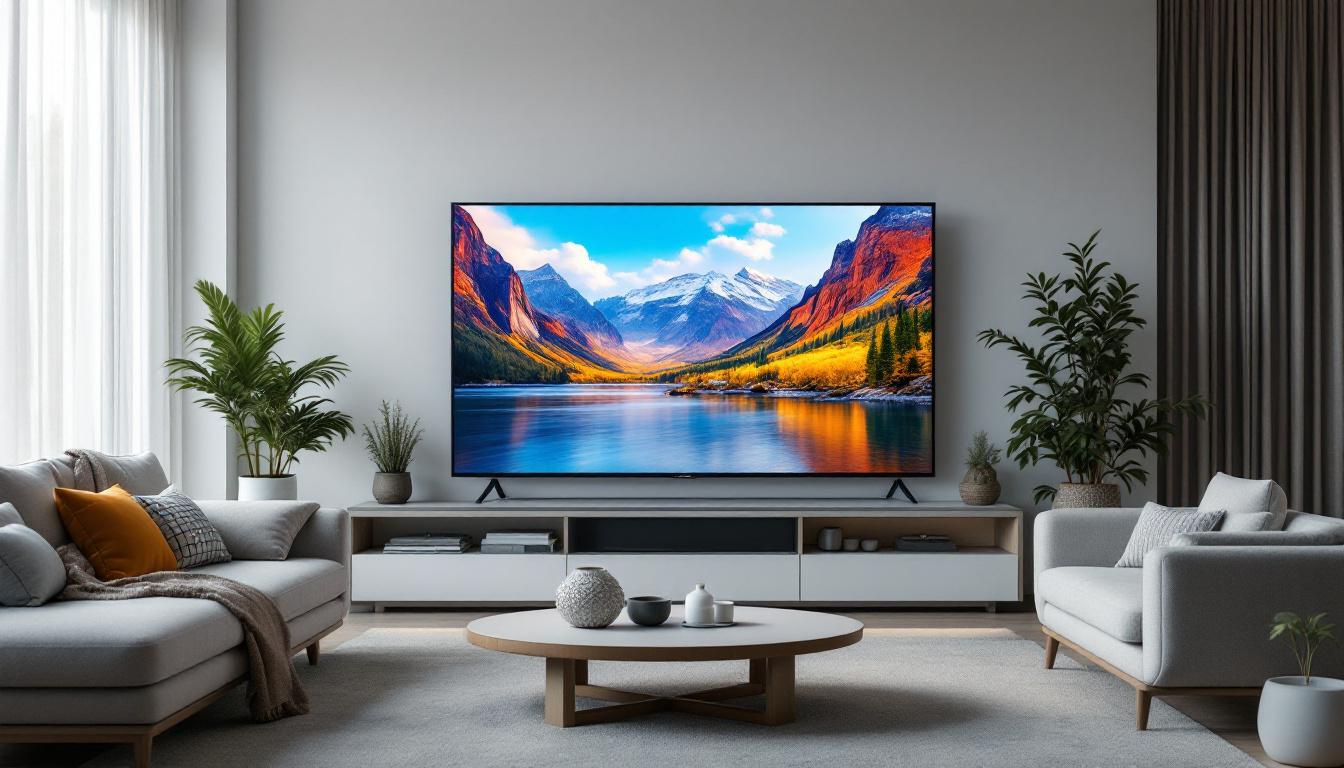
In modern interior design and commercial settings, mounting multiple TVs on a wall has become increasingly popular. Whether it’s for a home entertainment system, a sports bar, a corporate office, or a control room, the visual impact and functionality of multiple displays are undeniable. One of the key technologies enabling this trend is LED display technology. This article explores the intricacies of using multiple TVs on a wall, focusing on LED displays, their advantages, installation considerations, and how to optimize the viewing experience.
Understanding LED Display Technology
LED, or Light Emitting Diode, technology has revolutionized the way screens display images. Unlike traditional LCDs that rely on fluorescent backlighting, LED displays use tiny diodes to emit light, resulting in brighter images, better contrast, and more energy efficiency. This advancement has made LED displays increasingly popular in various applications, from home entertainment systems to large-scale commercial installations. The ability to produce vivid colors and deep blacks has made LED technology a favorite among videographers and content creators who demand high-quality visuals.
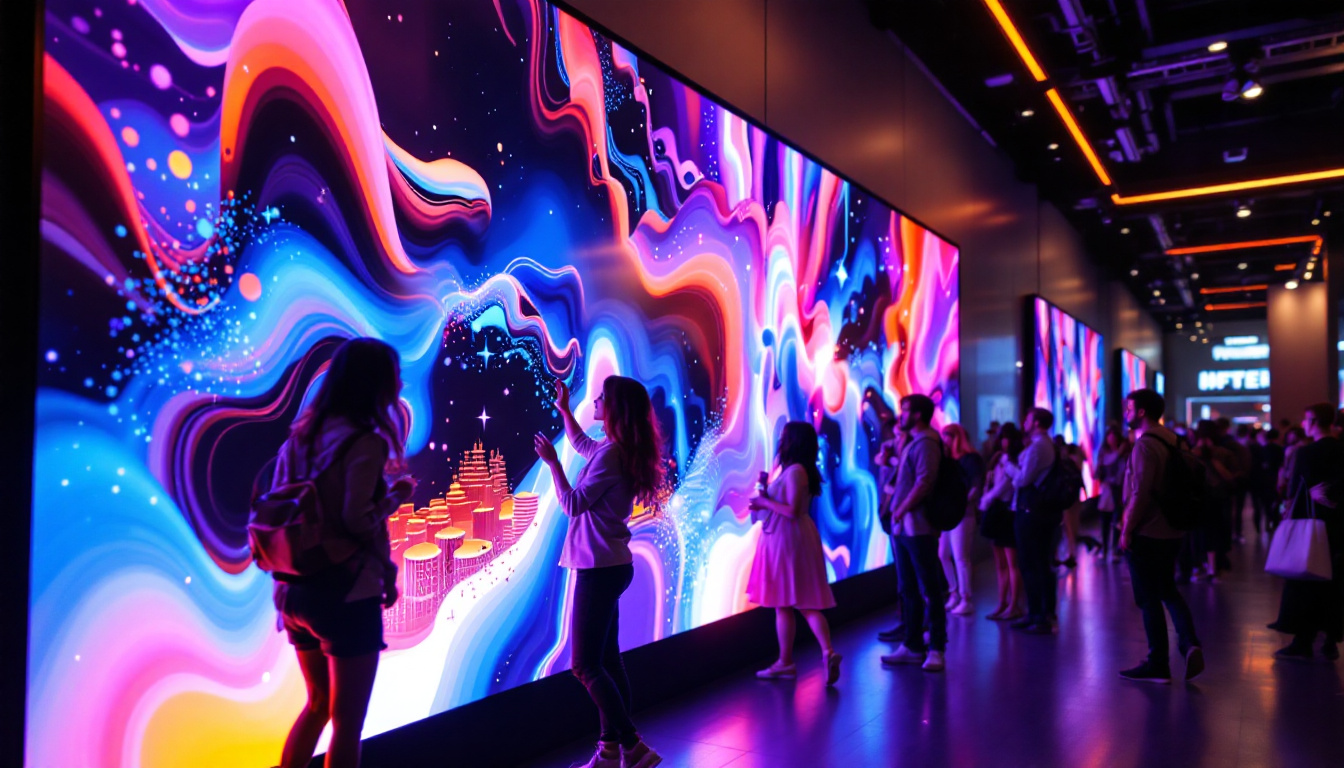
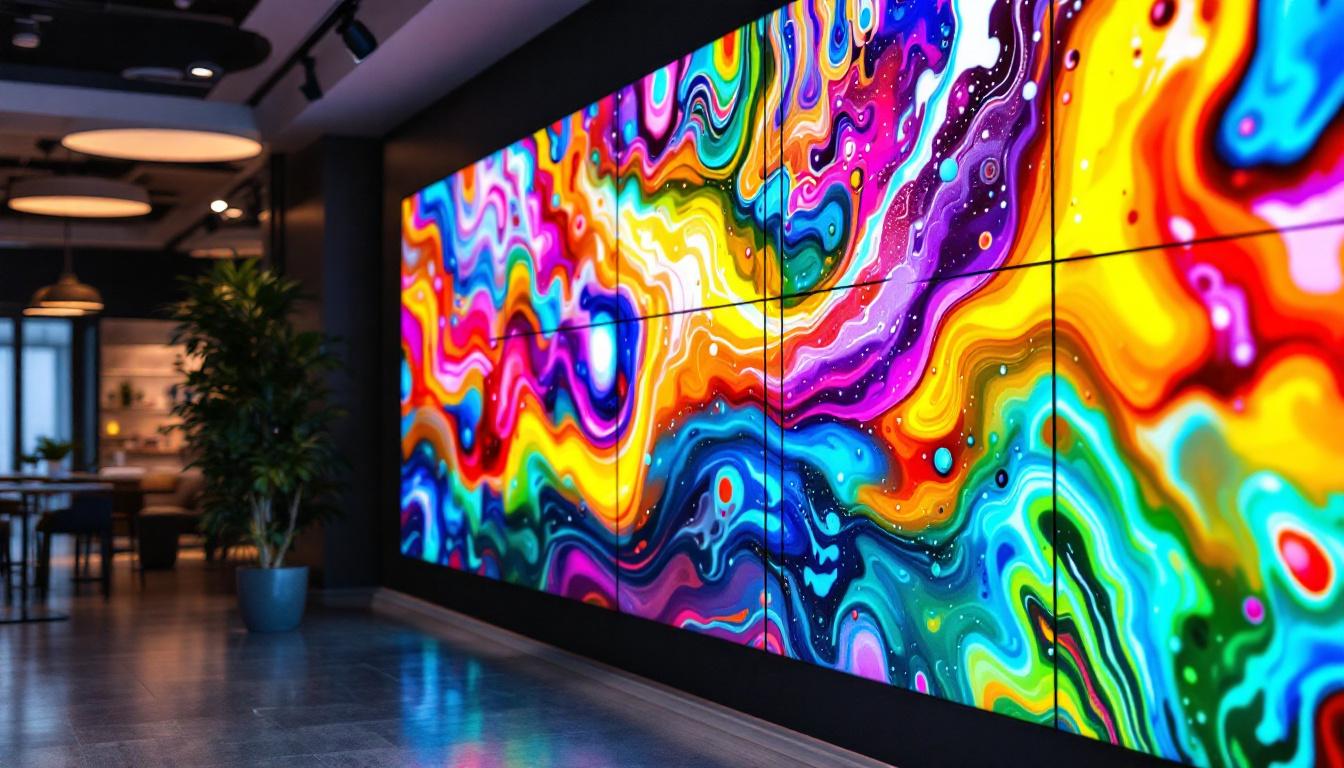
When multiple TVs are mounted on a wall, especially in a video wall configuration, LED technology ensures uniform brightness and color consistency across all units. This is crucial for delivering a seamless visual experience without distracting variations in image quality. Furthermore, the modular nature of LED displays allows for flexible configurations, enabling businesses to create custom shapes and sizes that fit their specific needs. This adaptability has led to innovative uses in advertising, presentations, and immersive experiences, where engaging visuals can captivate and hold the audience’s attention.
Types of LED Displays
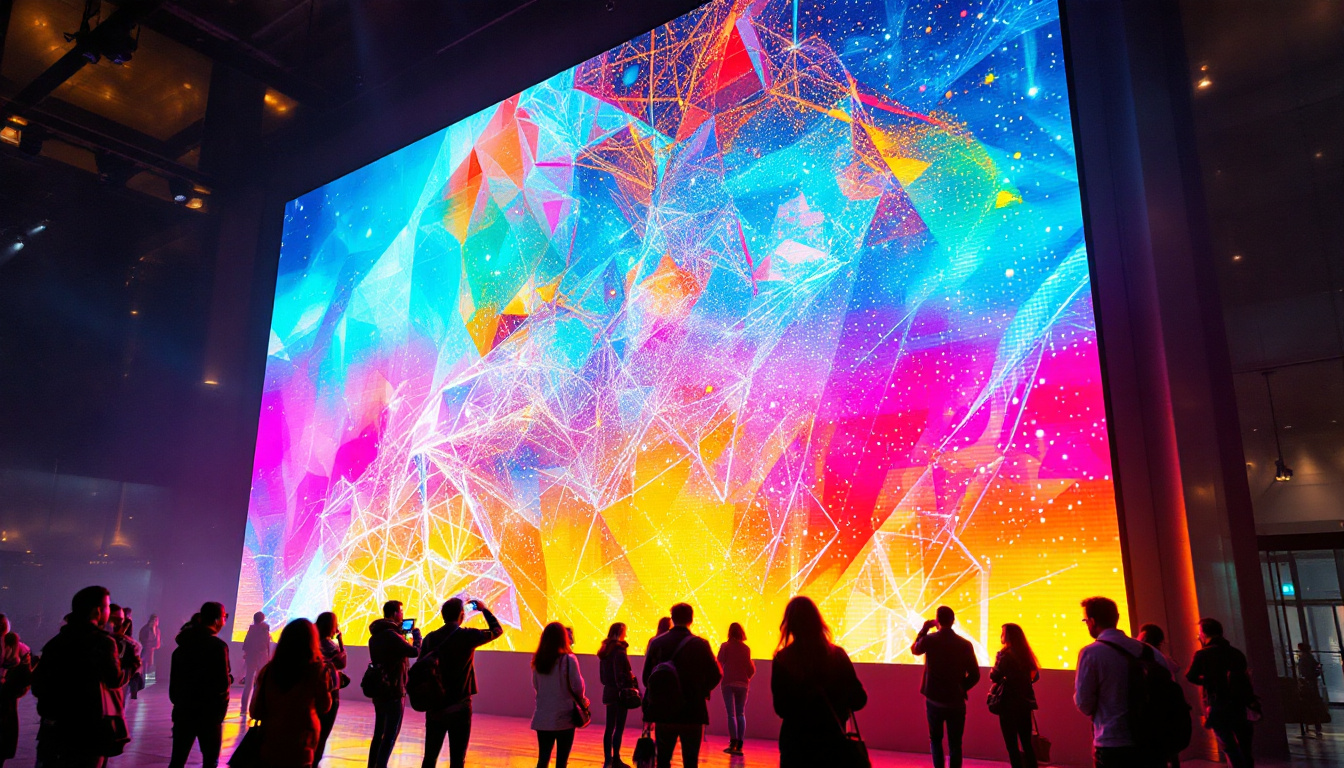
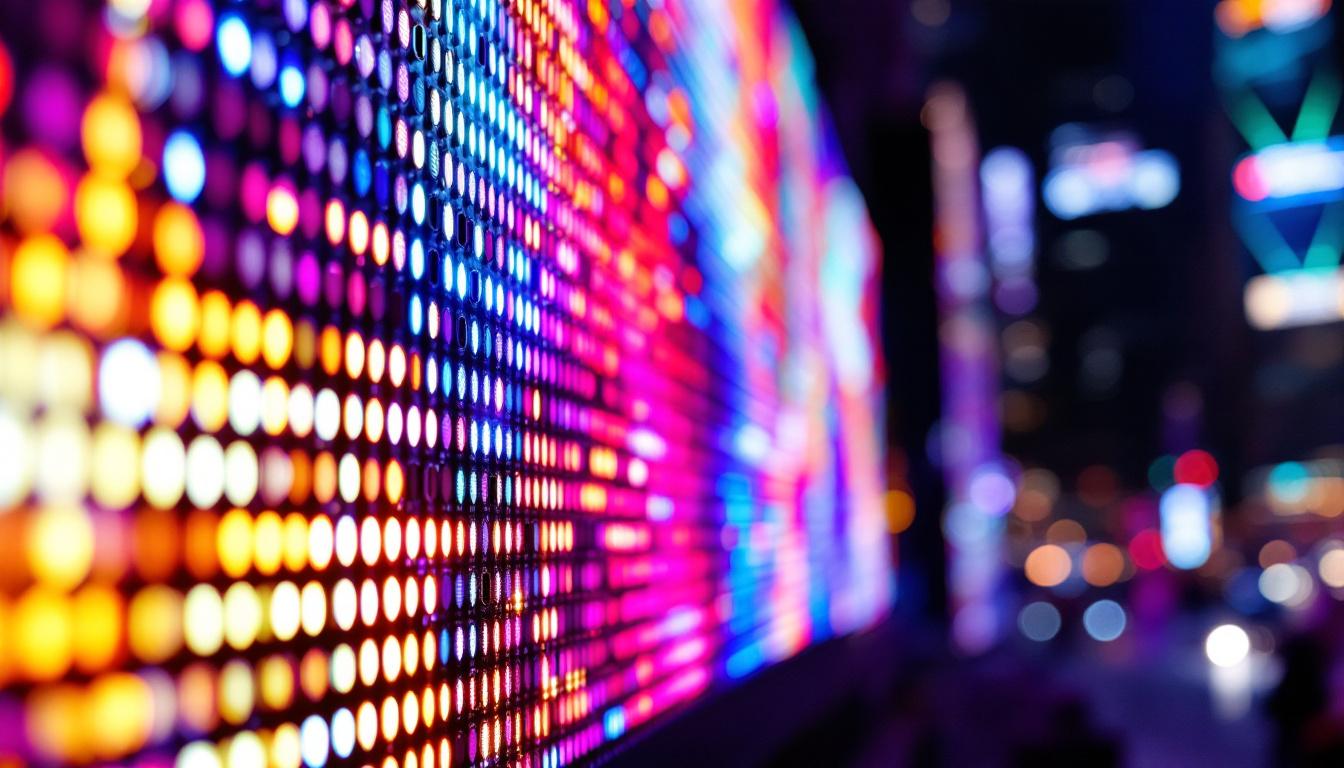
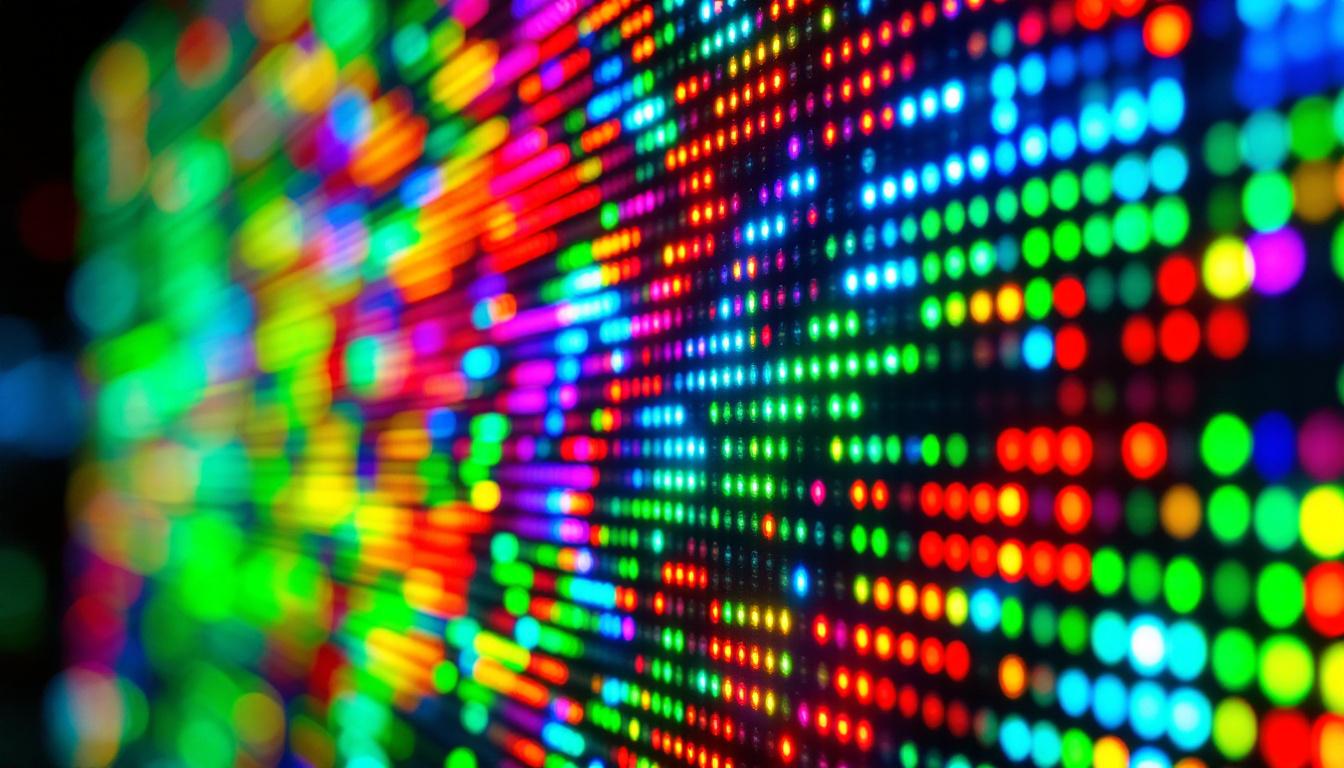
There are primarily two types of LED displays used in multi-TV setups: direct-view LED and LED-backlit LCD. Direct-view LED displays consist of an array of LEDs that form the image itself, offering superior brightness and contrast. These are often used in large-scale video walls in commercial environments, such as airports, stadiums, and retail spaces, where high visibility is essential. The pixel pitch, or the distance between the individual LEDs, can vary, allowing for different resolutions and viewing distances, making them highly versatile for various applications.
On the other hand, LED-backlit LCD TVs use LEDs as a backlight source behind an LCD panel. This is the most common type of LED TV found in homes and offices. When mounting multiple LED-backlit LCD TVs, it’s important to consider bezel size and color calibration to achieve a cohesive look. The bezels, or the borders around the screen, can create distracting gaps when multiple units are placed side by side. Advanced calibration tools can help synchronize color profiles and brightness levels, ensuring that the entire display appears as one continuous image. Additionally, many modern LED-backlit LCDs come equipped with smart technology, allowing for easy integration with streaming services and other digital content sources, enhancing their usability in both personal and professional settings.
Benefits of Using Multiple LED TVs on a Wall
Mounting multiple LED TVs on a wall offers several advantages, making it a preferred choice for various applications.
Enhanced Visual Impact
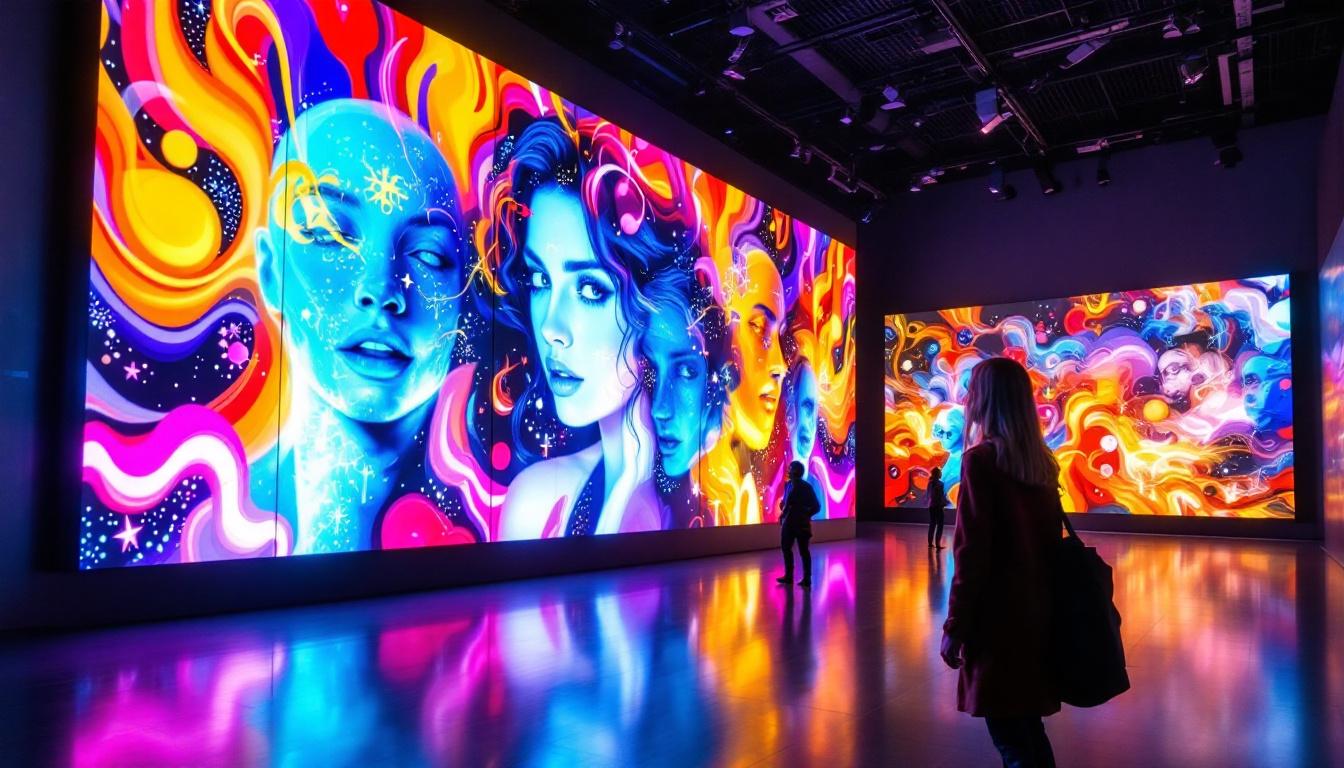
One of the most obvious benefits is the enhanced visual impact. Multiple screens can create a larger, more immersive display area than a single TV. This is particularly effective in environments like sports bars, where patrons want to watch multiple games simultaneously, or in corporate settings for data visualization and presentations. The ability to showcase a variety of content concurrently can captivate audiences and keep their attention focused on the screens, enhancing the overall experience.
Flexibility and Customization
Using multiple TVs allows for flexible content management. Each screen can display different content, or they can be combined to form one large image. This versatility is ideal for control rooms, digital signage, and advertising, where dynamic content delivery is essential. For instance, in a retail environment, one screen could showcase promotional videos while another displays live social media feeds, creating a vibrant and engaging atmosphere that attracts customers.
Improved Viewing Angles and Accessibility
In large rooms or public spaces, multiple TVs can be positioned to ensure optimal viewing angles for everyone. This reduces the need for crowding around a single screen and improves accessibility for all viewers. By strategically placing the TVs at various heights and angles, venues can cater to different audience demographics, ensuring that everyone, from children to adults, can enjoy the content without straining their necks or squinting to see the screen.
Seamless Integration with Smart Technology
Another significant advantage of using multiple LED TVs is the seamless integration with smart technology. Many modern LED TVs come equipped with smart features that allow for easy connectivity to the internet and other devices. This means that users can control the content displayed on each screen remotely, using smartphones or tablets. Whether it’s switching between channels, adjusting volume levels, or updating advertisements in real-time, the convenience of smart technology enhances the overall functionality of a multi-screen setup.
Cost-Effectiveness in the Long Run
While the initial investment in multiple LED TVs may seem substantial, it can be cost-effective in the long run. By utilizing multiple screens, businesses can reduce the need for additional hardware, such as projectors or large display boards, which often require expensive maintenance and setup. Furthermore, the energy efficiency of LED technology means lower electricity bills, making it a sustainable choice for organizations looking to minimize operational costs while maximizing visual impact.
Key Considerations When Installing Multiple TVs on a Wall
While the benefits are clear, installing multiple TVs on a wall requires careful planning and execution to maximize performance and aesthetics.
Bezel Size and Screen Alignment
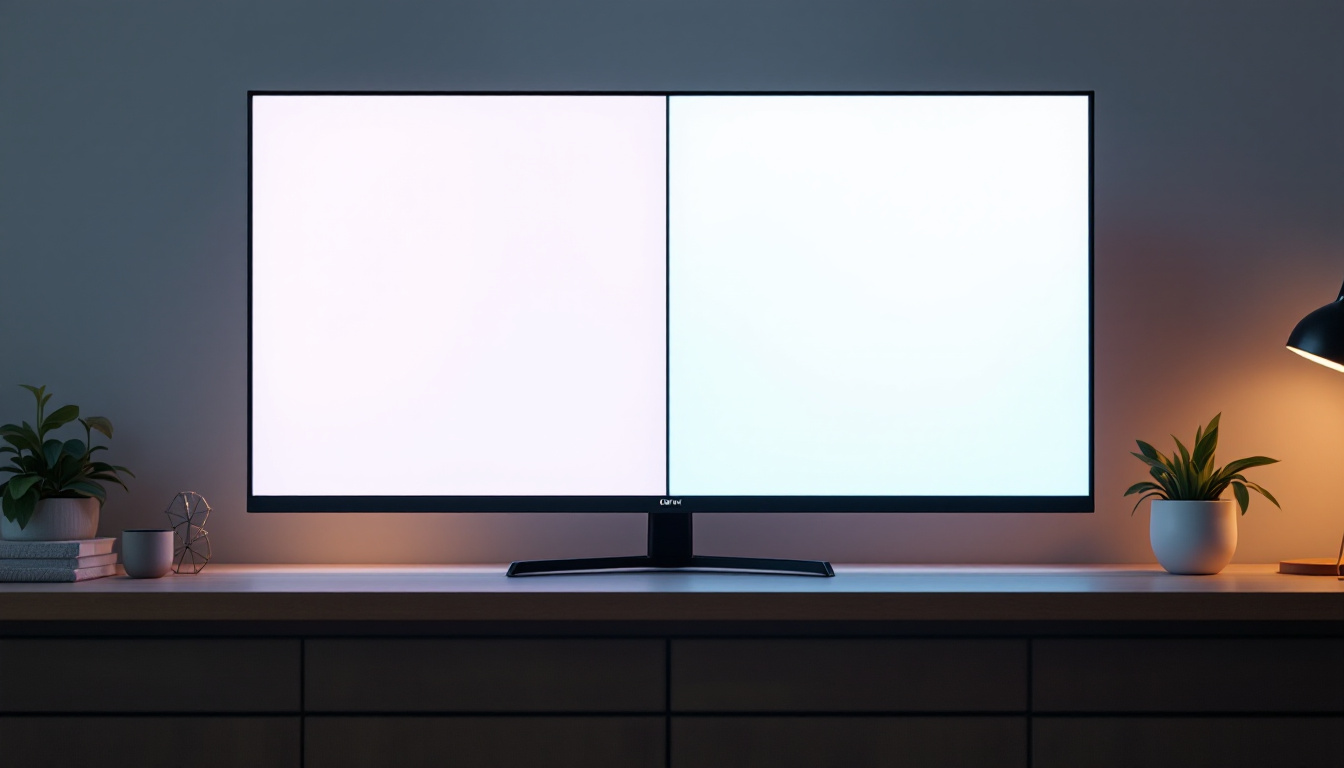
One of the biggest challenges in creating a multi-TV video wall is dealing with bezels—the borders around each screen. Even the thinnest bezels can create visible lines that interrupt the image continuity. Manufacturers have developed ultra-narrow bezel TVs specifically for video wall applications, but these can be more expensive.
Proper alignment is also critical. Misaligned screens can distort the overall image and detract from the viewing experience. Professional mounting solutions with adjustable brackets are often necessary to achieve perfect alignment.
Color Calibration and Brightness Matching
To ensure a uniform display, each TV must be calibrated for color accuracy and brightness. Variations between screens can cause noticeable differences that break the illusion of a single cohesive image. Calibration tools and software are available to assist with this process, and many professional installers offer these services as part of their package.
Mounting Hardware and Wall Strength
Multiple TVs mounted on a wall can be quite heavy, especially if using larger screens. It’s essential to use robust mounting hardware rated for the combined weight and to ensure the wall structure can support the installation. Stud finders, anchors, and professional-grade mounts are recommended to avoid accidents and damage.
Cable Management
With multiple TVs, cable clutter can quickly become an issue. Effective cable management solutions, such as in-wall cable routing, cable raceways, and wireless HDMI transmitters, help maintain a clean and professional appearance. This is particularly important in commercial settings where aesthetics contribute to brand image.
Optimizing Content for Multiple LED Displays
Displaying content across multiple TVs requires thoughtful content management to leverage the full potential of the setup.
Video Wall Processors and Controllers
Video wall processors are specialized devices that split and distribute video signals across multiple screens. They allow for flexible configurations, such as spanning a single video across all TVs or displaying different content on each screen. Advanced processors support high resolutions and multiple input sources, making them ideal for complex installations.
Software Solutions for Content Management
Content management software plays a vital role in scheduling, controlling, and customizing what appears on each screen. Many solutions offer user-friendly interfaces and support for various media types, including video, images, and live feeds. Cloud-based platforms also enable remote management, which is useful for businesses with multiple locations.
Considerations for Resolution and Aspect Ratio
When combining multiple TVs, the total resolution and aspect ratio change. It’s important to design content that fits the combined display area without distortion. For example, a 3×3 video wall of 55-inch 16:9 TVs will have a different aspect ratio than a single screen, so content should be created or adapted accordingly.
Practical Applications of Multiple LED TVs on a Wall
Multiple LED TVs on a wall are used across various industries and settings, each with unique requirements and benefits.
Sports Bars and Entertainment Venues
Sports bars often use multiple TVs to broadcast several games simultaneously, catering to diverse fan bases. The bright, high-contrast LED displays ensure visibility even in well-lit environments, enhancing the overall customer experience.
Corporate Offices and Conference Rooms
In corporate environments, video walls are used for presentations, video conferencing, and data visualization. Multiple LED TVs allow teams to collaborate more effectively by displaying various data streams side by side.
Retail and Advertising
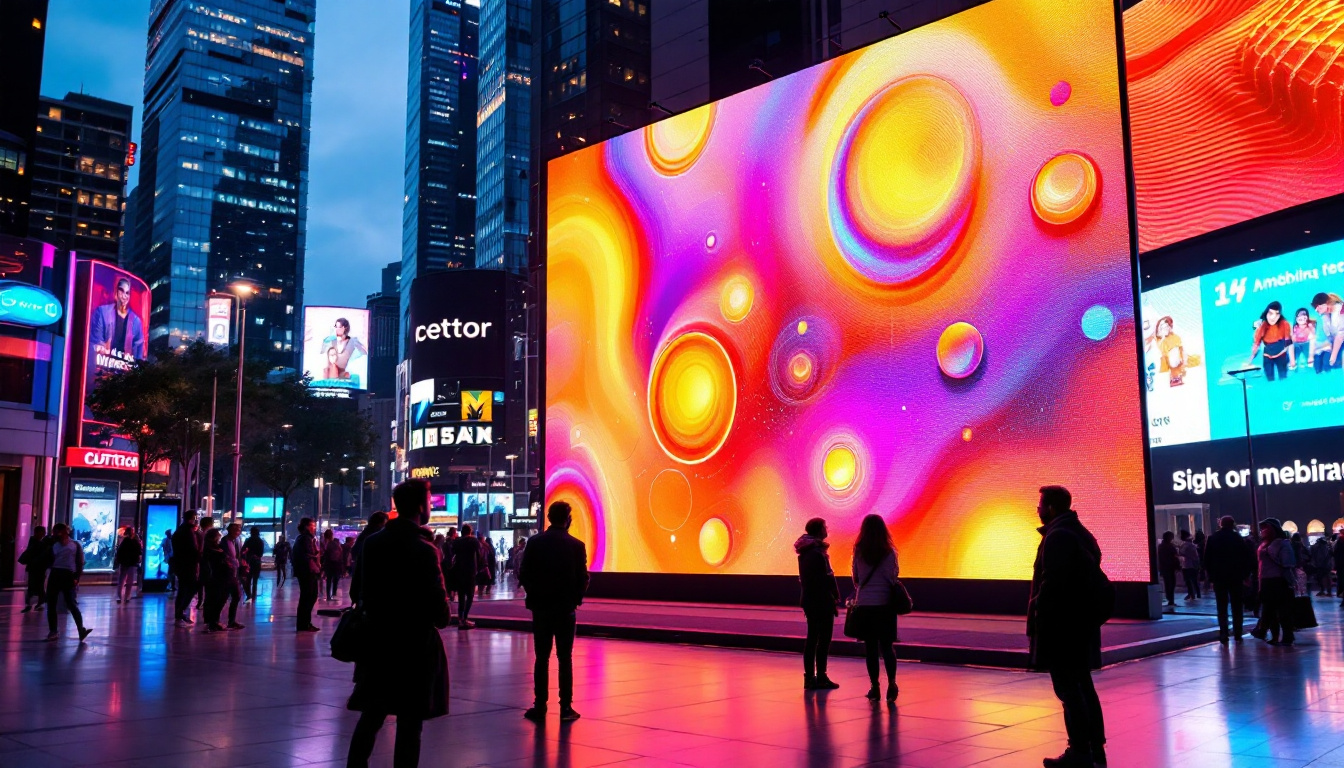
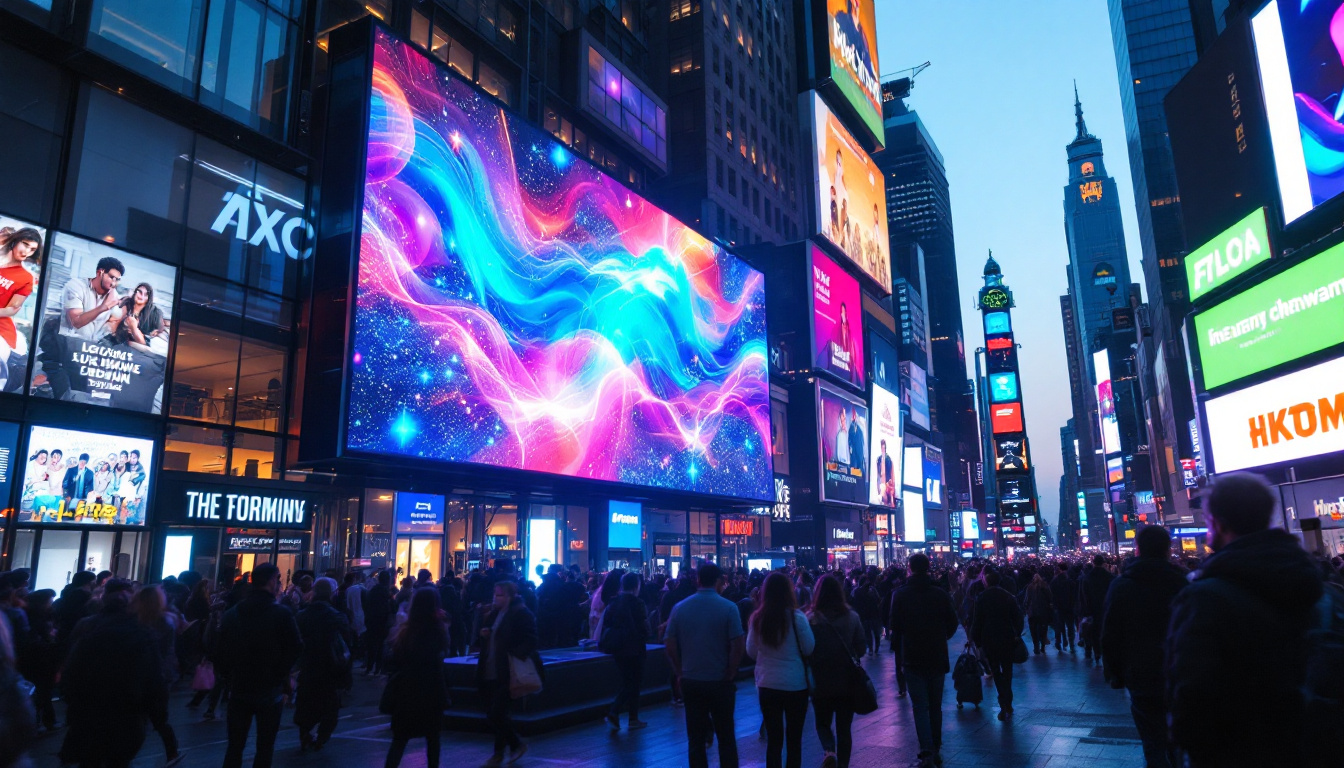
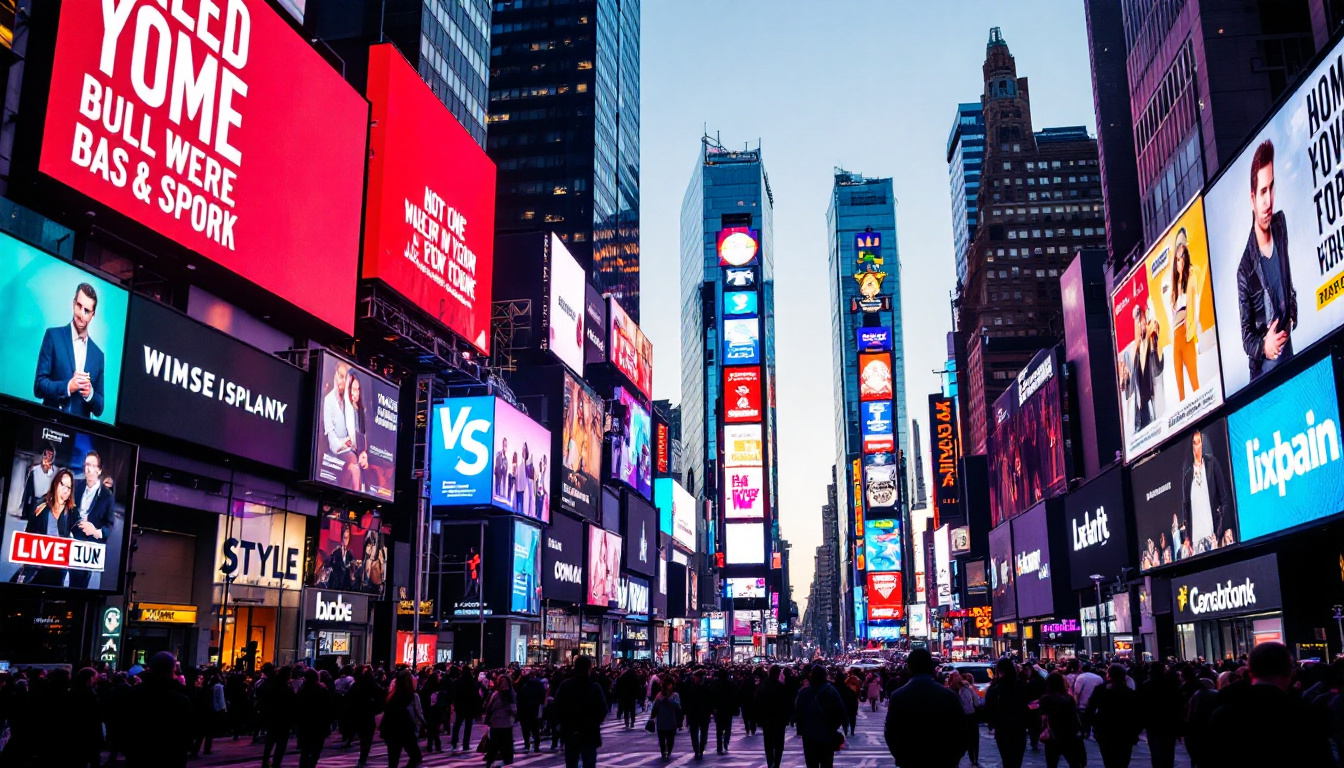
Retailers use multi-screen LED displays to create eye-catching digital signage that attracts customers and promotes products. The ability to update content dynamically means promotions can be tailored in real time.
Control Rooms and Security Centers
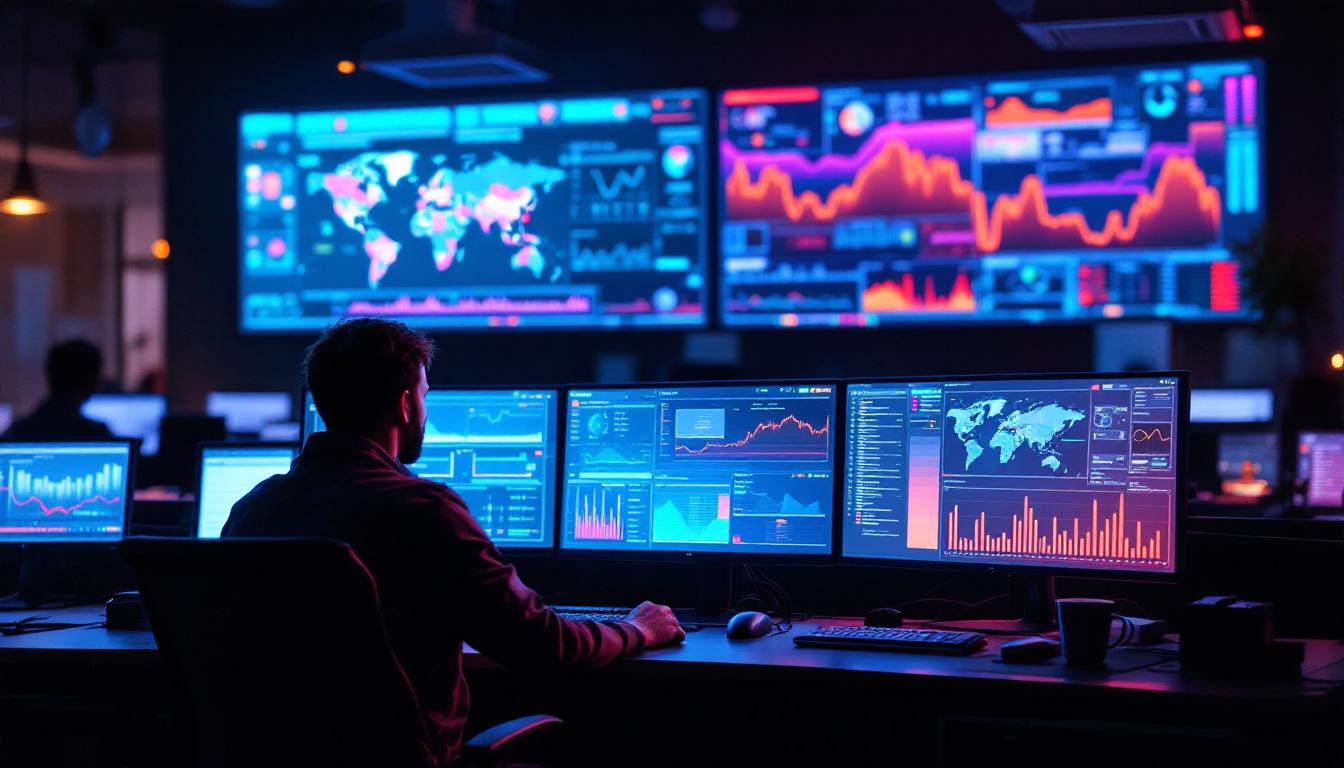
Control rooms rely on multiple displays to monitor security cameras, traffic feeds, and operational data simultaneously. LED displays provide the clarity and reliability needed for critical decision-making.
Future Trends in Multi-TV LED Display Installations
The technology and applications of multiple LED TVs on walls continue to evolve rapidly.
MicroLED and MiniLED Advancements
Emerging technologies like MicroLED and MiniLED promise even thinner bezels, higher brightness, and better energy efficiency. These advancements will make multi-TV video walls more seamless and visually stunning.
Integration with Smart Home and IoT
Integration with smart home systems and the Internet of Things (IoT) will allow for more intuitive control of multi-TV setups, including voice commands, automated content switching, and adaptive brightness based on ambient light.
Increased Use of Wireless Technologies
Wireless HDMI and other transmission technologies are reducing the need for extensive cabling, simplifying installation, and enabling more flexible configurations.
Conclusion
Mounting multiple TVs on a wall using LED display technology offers unparalleled flexibility, visual impact, and functionality across a wide range of applications. Understanding the nuances of LED technology, installation considerations, and content optimization is essential to creating an effective and aesthetically pleasing multi-screen setup.
Whether for entertainment, business, or public display, leveraging the strengths of LED displays ensures a vibrant, consistent, and engaging viewing experience that meets the demands of today’s dynamic environments.
Discover LumenMatrix LED Display Solutions
Ready to elevate your space with the ultimate visual experience? LumenMatrix is at the forefront of LED display innovation, offering a diverse range of products that cater to every need—from vibrant Indoor and Outdoor LED Wall Displays to dynamic Vehicle and Sports LED Displays. Embrace the future of digital signage with our LED Poster Displays, Floor LED Displays, and even Custom solutions tailored to your unique requirements. Experience the synergy of design and technology with our All-in-One and Transparent LED Displays. Join the visual revolution and check out LumenMatrix LED Display Solutions today to transform your visual communication and captivate your audience like never before.