In recent years, LED technology has revolutionized the way we experience visual displays, from home theaters to massive outdoor advertising screens. Among these innovations, LED projection lights have emerged as a versatile and efficient solution for delivering bright, vibrant images in various settings. This article delves into the intricacies of LED projection lights, explaining how they work, their advantages, and their applications across industries.
Understanding LED Projection Light Technology
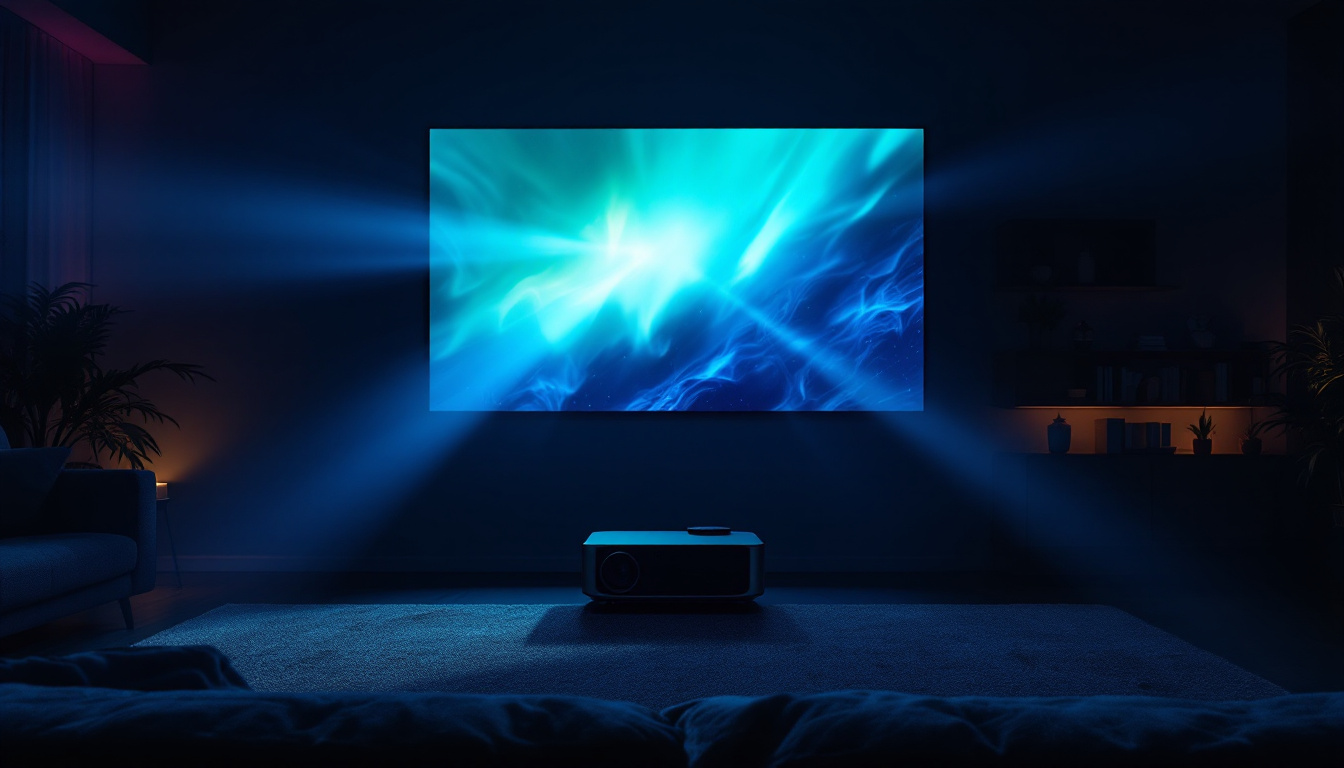
LED projection lights combine the principles of light-emitting diode (LED) technology with projection systems to create vivid, high-quality images. Unlike traditional projection lamps that rely on halogen or metal halide bulbs, LED projectors utilize LEDs as their primary light source, offering a range of benefits in terms of performance and longevity. The shift towards LED technology has revolutionized the way we think about projection, making it more accessible and versatile for various applications, from home theaters to professional presentations.
How LED Projection Lights Work
At the core of an LED projector is a series of tiny LEDs that emit light when an electric current passes through them. These LEDs serve as the illumination source, replacing conventional lamps. The light generated is then directed through a series of optical components—such as lenses and mirrors—to project an image onto a screen or surface. This process not only enhances brightness but also allows for a wider color gamut, resulting in more vibrant and lifelike images. Furthermore, the compact size of LEDs enables the design of more portable and lightweight projectors, catering to the needs of users who require mobility.
In many LED projectors, digital light processing (DLP) or liquid crystal on silicon (LCoS) technologies are used to modulate the light and form the image. DLP projectors, for example, use microscopic mirrors that tilt to reflect light in precise patterns, creating the image pixel by pixel. The combination of LED illumination and advanced image modulation results in sharp, bright visuals with excellent color accuracy. Additionally, the rapid response time of LED technology minimizes motion blur, making it ideal for fast-paced video content and gaming, where clarity is paramount.
Key Components of LED Projection Systems
Understanding the main components helps clarify why LED projection lights stand out:
- LED Light Source: Provides consistent, energy-efficient illumination with a long lifespan, often exceeding 20,000 hours. This longevity not only reduces the frequency of replacements but also contributes to lower maintenance costs over time.
- Optical Engine: Includes lenses, mirrors, and prisms that focus and direct the light to form the image. The quality of these optical components can significantly impact image sharpness and brightness, making them crucial for high-performance projectors.
- Image Modulation Technology: DLP, LCoS, or LCD chips that control pixel-level light output to produce detailed images. Each technology has its unique advantages, with DLP offering high contrast ratios and LCoS providing superior color accuracy, catering to different user preferences.
- Cooling System: Maintains optimal operating temperatures, ensuring performance stability and durability. Effective cooling is essential, as it prevents overheating, which can lead to reduced brightness and color fidelity over time.
In addition to these components, many modern LED projectors come equipped with smart features such as wireless connectivity, allowing users to stream content directly from their devices without the need for cumbersome cables. This technological integration enhances user experience, making it easier to share presentations, movies, or gaming sessions. Moreover, advancements in software have led to improved image calibration tools, enabling users to fine-tune their projection settings for various environments, ensuring optimal viewing conditions regardless of the setting.
Advantages of LED Projection Lights Over Traditional Projectors
LED projection lights offer several compelling advantages compared to traditional lamp-based projectors, making them increasingly popular in both consumer and professional markets.
Energy Efficiency and Longevity
One of the most significant benefits of LED projection lights is their energy efficiency. LEDs consume substantially less power than conventional projector lamps, which translates to lower electricity bills and a reduced environmental footprint. For example, an LED projector may use 30-50% less energy than a comparable lamp-based model.
Additionally, LED light sources boast impressive lifespans, often rated between 20,000 to 30,000 hours, compared to 2,000 to 5,000 hours for traditional lamps. This longevity reduces maintenance costs and downtime, as users do not need to replace bulbs frequently. The extended lifespan of LED projectors also means less electronic waste, contributing to a more sustainable approach to technology. With the growing emphasis on eco-friendly solutions, many organizations are now prioritizing LED projectors as part of their commitment to sustainability.
Improved Color Performance and Image Quality
LED projectors typically deliver superior color accuracy and saturation. Because LEDs can produce pure red, green, and blue light, the resulting images tend to be more vibrant and true-to-life. This is particularly important for applications where color fidelity is critical, such as digital signage, art exhibitions, and medical imaging.
Furthermore, LED projectors maintain consistent brightness and color quality throughout their lifespan, unlike lamp-based projectors, which can dim and shift colors as the bulb ages. This consistency is crucial for professionals in fields such as photography and graphic design, where precise color representation can make or break a project. Additionally, many LED projectors come equipped with advanced color management systems, allowing users to fine-tune their settings for optimal performance in various lighting conditions.
Instant On/Off and Quiet Operation
LED projectors benefit from near-instantaneous start-up times, eliminating the warm-up period required by traditional lamps. This feature enhances user convenience, especially in environments where quick presentation setup is essential.
Moreover, LEDs generate less heat, allowing for quieter cooling systems. This results in reduced noise levels during operation, making LED projectors ideal for quiet settings such as classrooms, conference rooms, and home theaters. The silent operation not only enhances the viewing experience but also allows for seamless integration into environments where distractions must be minimized. Furthermore, the compact design of many LED projectors means they can be easily transported and set up in various locations, making them an excellent choice for mobile presentations and events.
Applications of LED Projection Lights
The versatility of LED projection lights has led to their adoption across a wide range of industries and use cases. Their unique characteristics make them suitable for environments that demand reliability, portability, and high image quality.
Home Entertainment and Personal Use
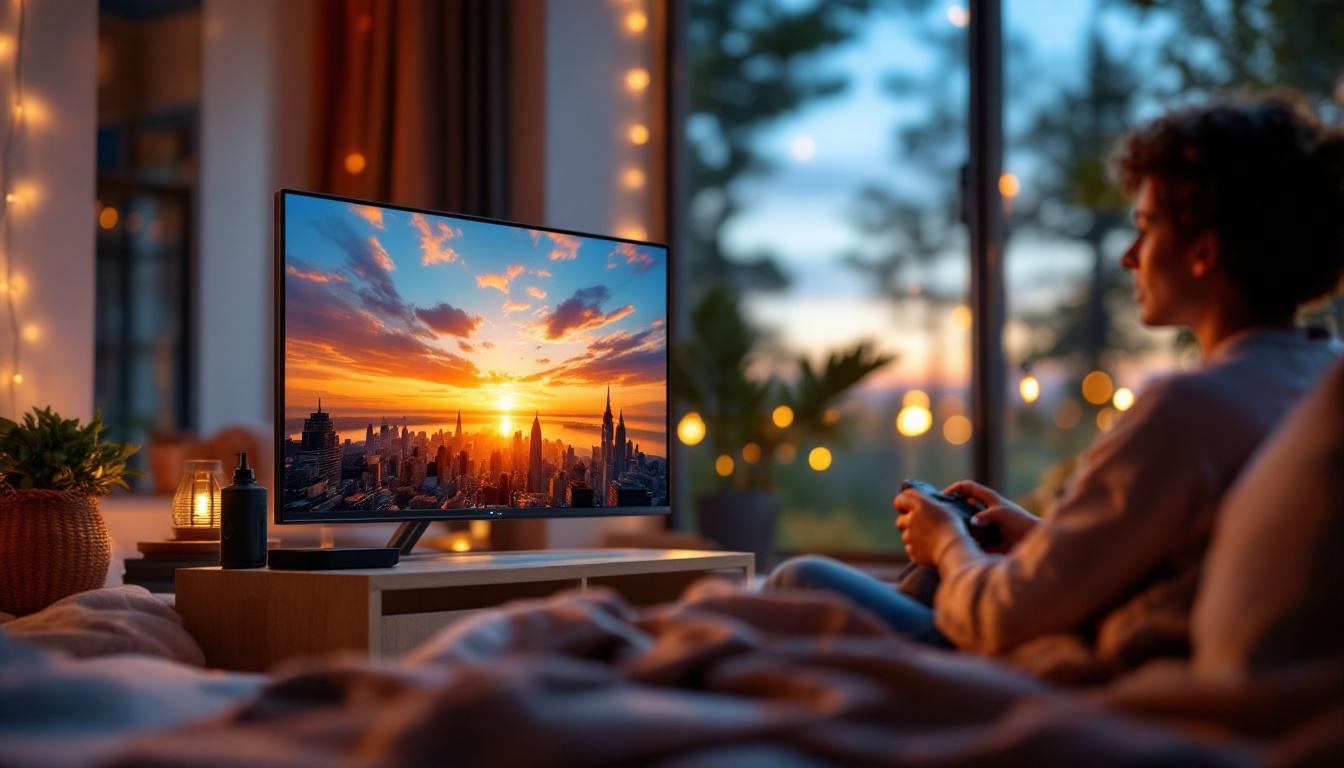
LED projectors have gained popularity among consumers for home theater setups due to their compact size, energy efficiency, and excellent color reproduction. Many models offer portability, allowing users to create immersive viewing experiences anywhere—from living rooms to outdoor movie nights.
In addition, the long lifespan of LED light sources means fewer maintenance concerns, making them attractive for casual users who prefer hassle-free operation.
Business and Education
In corporate and educational settings, LED projectors are valued for their reliability and ease of use. Instant on/off capabilities enable smooth transitions during meetings or lectures, while quiet operation minimizes distractions. Their bright, clear images ensure that presentations are visible even in well-lit rooms.
Furthermore, the durability of LED projectors makes them well-suited for frequent transport between locations, such as in training sessions or sales pitches.
Advertising and Public Displays
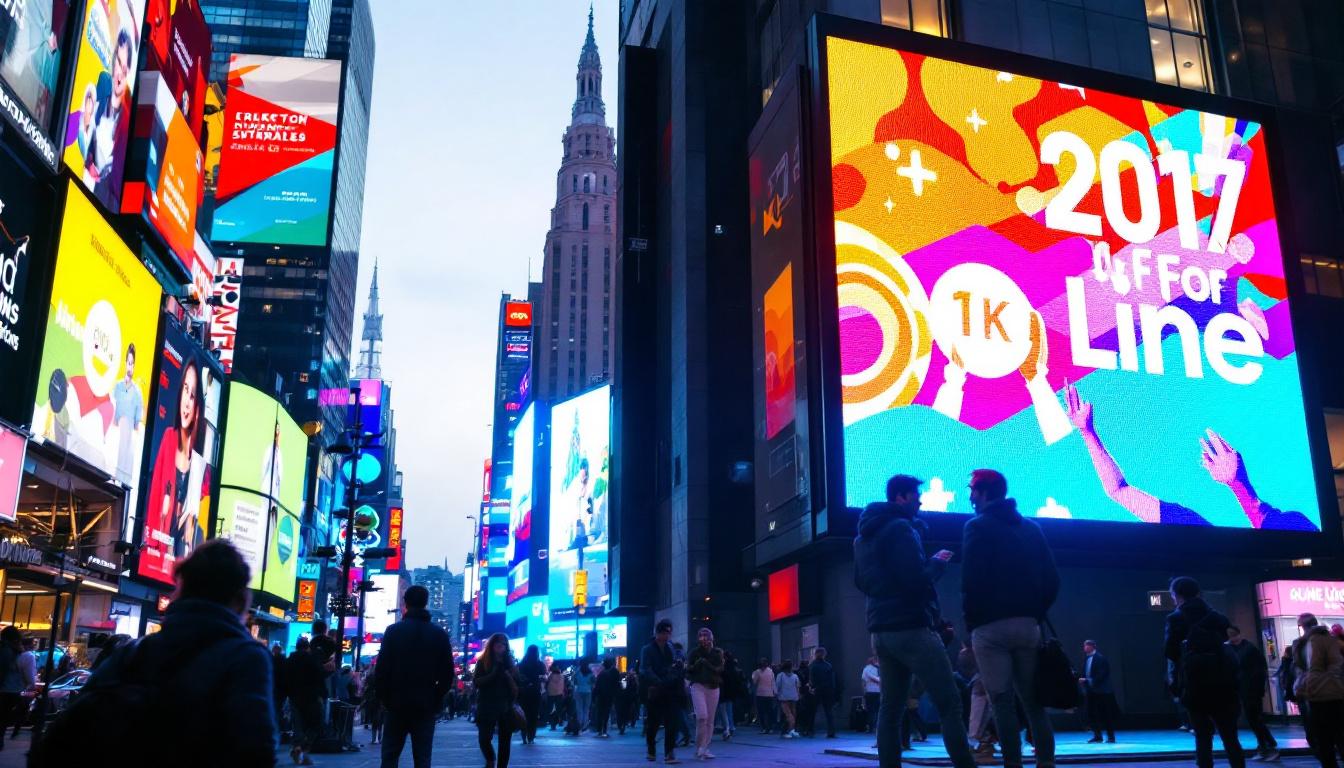
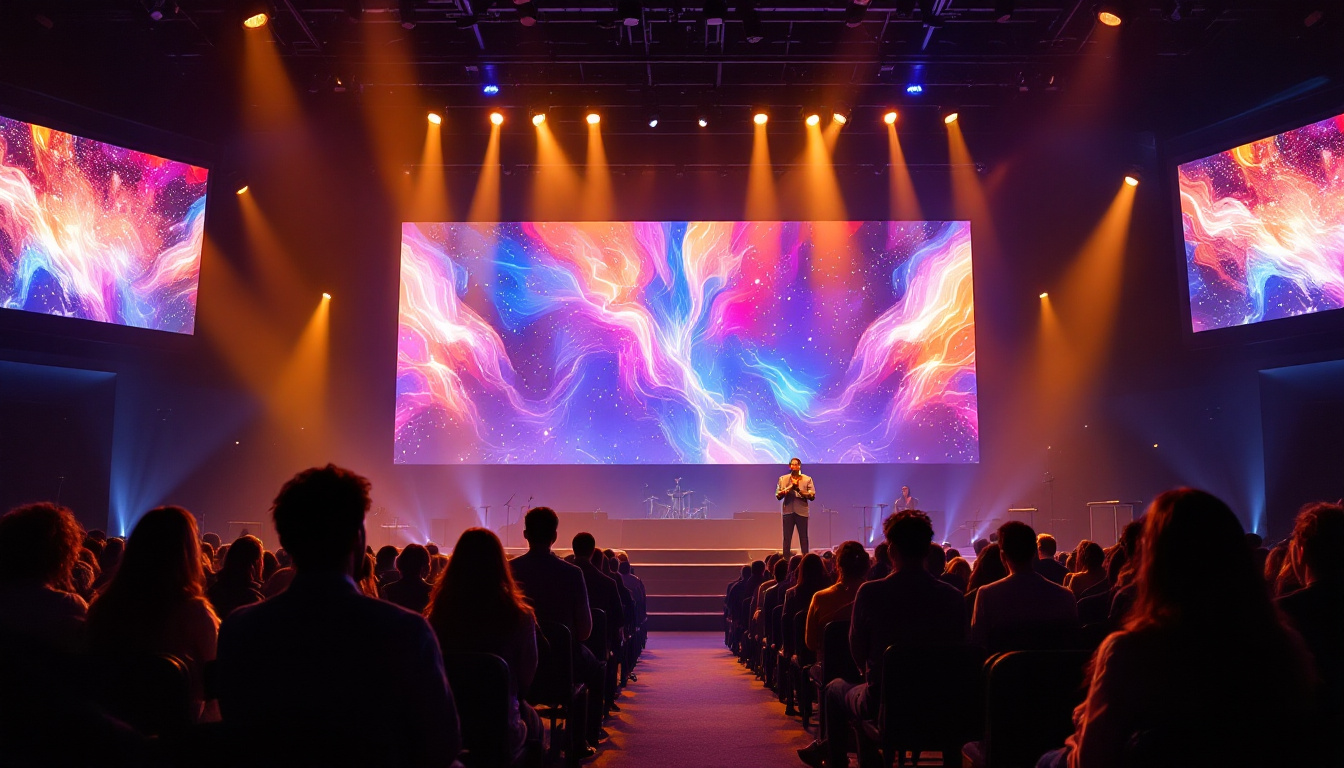
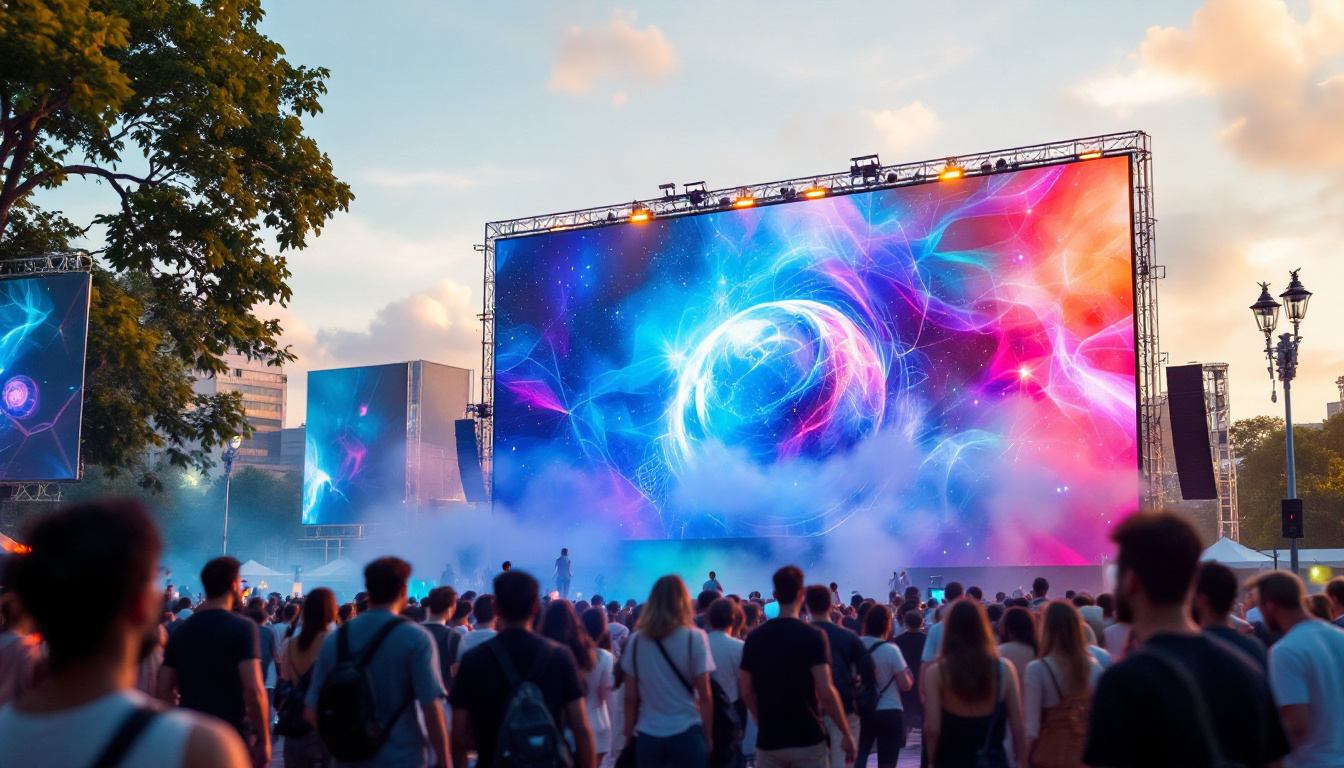
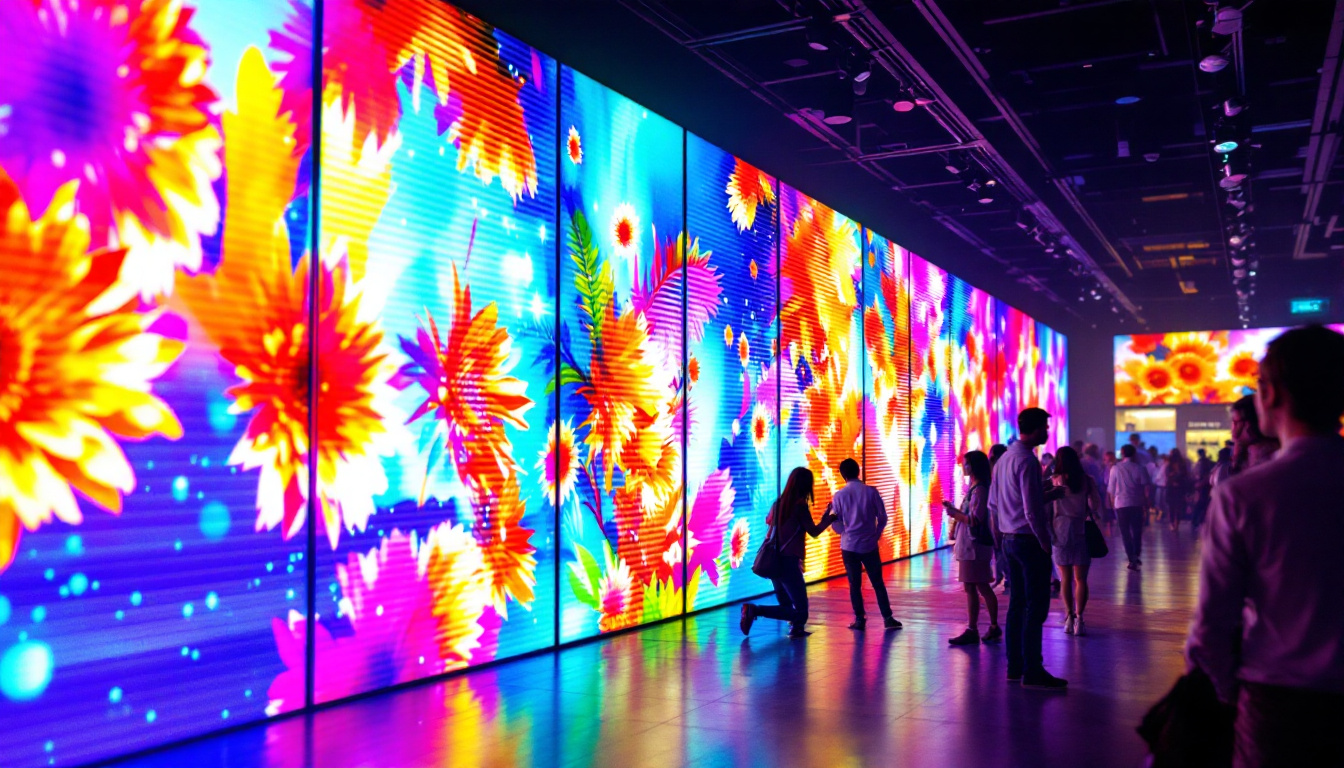
Outdoor and indoor digital signage has embraced LED projection technology for dynamic advertising solutions. LED projectors can create large, vibrant images on various surfaces, including building facades and event stages, without the need for bulky equipment.
The ability to project high-resolution content with vivid colors attracts attention and enhances brand visibility. Additionally, the energy efficiency and low maintenance of LED projectors make them cost-effective for long-term installations.
Specialized Industrial and Medical Uses
In industrial environments, LED projection lights are used for precise visual inspections, machine vision systems, and augmented reality applications. Their stable light output and color accuracy contribute to improved quality control and operational efficiency.
Medical imaging and surgical navigation also benefit from LED projectors’ ability to display detailed, high-contrast images, aiding in diagnostics and procedures.
Choosing the Right LED Projection Light
With a variety of LED projectors available on the market, selecting the ideal model depends on several factors tailored to the intended use.
Brightness and Resolution
Brightness, measured in lumens, determines how well the projector performs in different lighting conditions. For home use, 1,000 to 2,000 lumens may suffice, while business or outdoor applications often require 3,000 lumens or more to ensure visibility.
Resolution affects image clarity and detail. Full HD (1920×1080 pixels) is common for consumer models, while 4K resolution is becoming increasingly accessible for high-end applications.
Portability and Connectivity
Consider the size and weight of the projector if mobility is a priority. Many LED projectors are compact and lightweight, featuring built-in batteries for cordless operation.
Connectivity options such as HDMI, USB, wireless streaming, and Bluetooth expand compatibility with various devices, from laptops and smartphones to gaming consoles.
Additional Features
Features like keystone correction, lens shift, and zoom capabilities enhance installation flexibility. Smart projector functions, including app support and voice control, add convenience for tech-savvy users.
The Future of LED Projection Technology
As LED technology continues to advance, the potential for LED projection lights grows even more promising. Emerging developments focus on increasing brightness, improving color gamut, and integrating artificial intelligence to optimize image quality automatically.
MicroLED technology, which uses microscopic LEDs to form images directly, is poised to further revolutionize projection systems by offering even higher resolution and energy efficiency.
Moreover, the integration of LED projection with augmented reality (AR) and virtual reality (VR) platforms is opening new frontiers for immersive experiences in entertainment, education, and industry.
Conclusion
LED projection lights represent a significant leap forward in display technology, combining energy efficiency, durability, and superior image quality. Their broad range of applications—from home entertainment to industrial use—demonstrates their versatility and growing importance in modern visual communication.
Understanding the technology behind LED projection lights and their benefits can help consumers and professionals make informed decisions when selecting the right projector for their needs. As innovation continues, LED projection lights are set to illuminate the future of display technology in exciting new ways.
Discover LumenMatrix’s Innovative LED Display Solutions
Ready to experience the future of LED display technology? LumenMatrix is at the forefront of creating immersive visual experiences with a comprehensive range of LED display solutions. From captivating Indoor and Outdoor LED Wall Displays to dynamic Vehicle and Sports LED Displays, our products are designed to revolutionize visual communication and enhance audience engagement. Whether you’re looking to create a custom LED display or seeking an All-in-One solution, LumenMatrix has the expertise to bring your vision to life. Check out LumenMatrix LED Display Solutions today and empower your business to illuminate your message with unparalleled clarity and impact.