In the rapidly evolving world of audio technology and sound engineering, precision and clarity are paramount. Whether you are a musician tuning your instrument, a sound engineer calibrating a system, or an audio enthusiast seeking perfect pitch recognition, tools that assist in accurate pitch detection are invaluable. Among these, the Pitch Finder Tool integrated with LED displays has become a game-changer, offering intuitive, real-time feedback with remarkable accuracy.
Understanding the Basics: What is a Pitch Finder Tool?
A Pitch Finder Tool is a device or software application designed to detect and display the pitch of an audio signal. It analyzes sound waves and identifies the fundamental frequency, which corresponds to the musical note being played or sung. This technology is essential for tuning instruments, voice training, and audio diagnostics.
Pitch detection has been a challenge historically due to the complexity of sound waves and the presence of harmonics and noise. Modern Pitch Finder Tools employ advanced algorithms such as Fast Fourier Transform (FFT), autocorrelation, and machine learning to enhance accuracy and responsiveness. These tools can process audio signals in real-time, providing immediate feedback to users, which is particularly beneficial during live performances or recording sessions.
Why Accurate Pitch Detection Matters
In music, even slight deviations from the correct pitch can affect harmony and the overall listening experience. For professional musicians, precise tuning is non-negotiable. Similarly, in audio production, ensuring that sound frequencies are correctly balanced prevents distortion and maintains sound integrity. This is especially important in genres where microtonal tuning is prevalent, such as Indian classical music or certain forms of jazz, where the subtleties of pitch can significantly impact the emotional delivery of a piece.
Moreover, pitch detection is crucial in educational contexts, helping students develop their ear training and vocal skills. The ability to visualize pitch in real-time fosters better understanding and faster improvement. For instance, music teachers often use pitch finder tools during lessons to demonstrate pitch discrepancies, allowing students to hear and correct their mistakes on the spot. This interactive approach not only enhances learning but also builds confidence in budding musicians as they refine their auditory skills and musicality.
Furthermore, the integration of pitch detection technology into mobile applications has democratized access to these tools, allowing amateur musicians and hobbyists to benefit from professional-grade features. Many apps now include gamified elements that encourage users to practice their pitch accuracy in a fun and engaging way. These innovations have made it easier for anyone with a smartphone to explore their musical potential, regardless of their prior experience or training.
The Role of LED Displays in Pitch Finder Tools
LED (Light Emitting Diode) displays have become a popular interface for Pitch Finder Tools due to their clarity, energy efficiency, and responsiveness. Unlike traditional analog meters or simple numeric displays, LED displays provide a dynamic and intuitive way to interpret pitch information.
Types of LED Displays Used
There are several types of LED displays commonly integrated into Pitch Finder Tools:
- Segmented LED Bars: These display pitch deviation by lighting up segments to the left or right of a center point, indicating whether the pitch is flat or sharp.
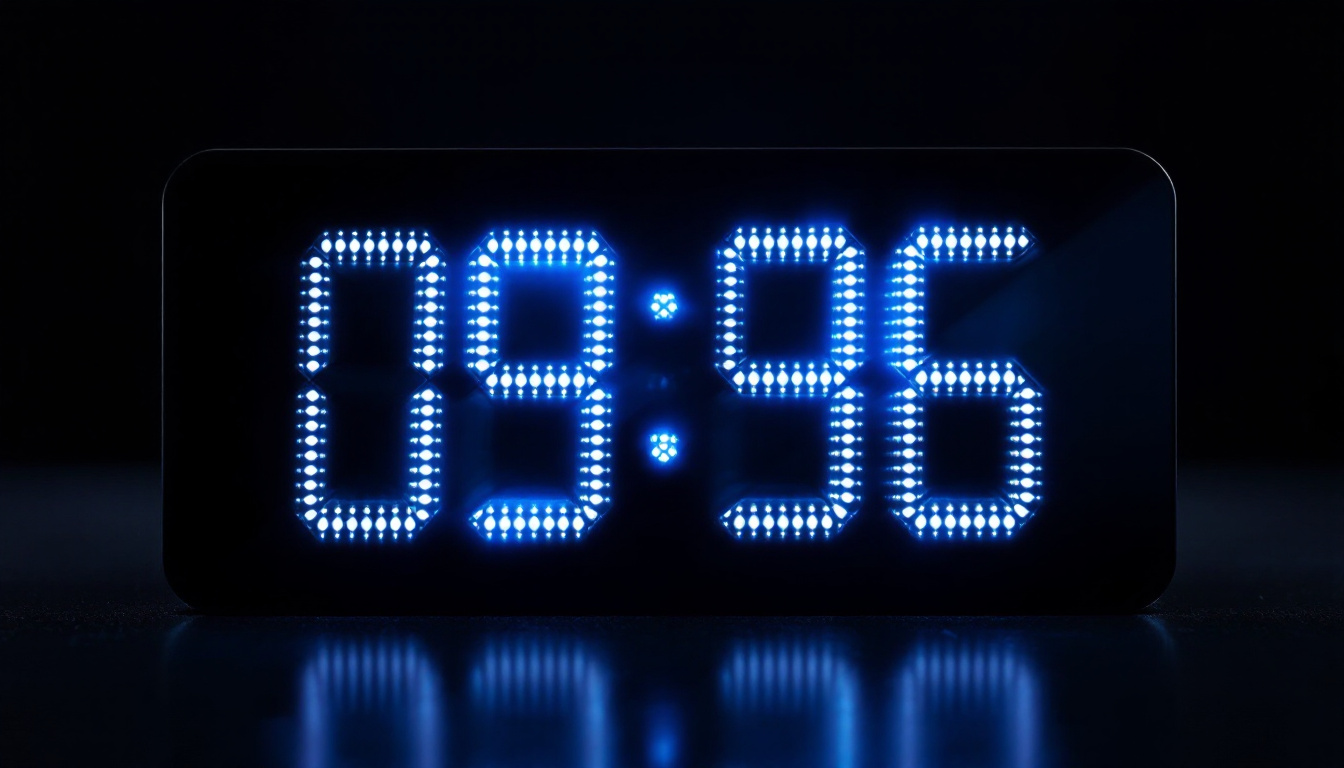
- Dot Matrix Displays: Capable of showing more detailed information, including note names and frequency values, often in combination with graphical pitch indicators.
- RGB LED Arrays: These provide color-coded feedback, where different colors represent pitch accuracy levels, enhancing user experience.
The choice of display type depends on the intended use case, from simple tuning devices to sophisticated audio analysis tools. For instance, musicians who require immediate visual feedback during live performances may prefer segmented LED bars for their straightforward representation of pitch, while studio engineers might opt for dot matrix displays to analyze complex audio signals in greater detail.
Advantages of LED Displays in Pitch Finding
LED displays offer several benefits that make them ideal for pitch detection applications:
- High Visibility: LEDs are bright and can be easily seen in various lighting conditions, including outdoor environments.
- Fast Response Time: The quick refresh rate of LEDs allows real-time feedback, crucial for live performances and practice sessions.
- Energy Efficiency: LEDs consume less power compared to other display technologies, extending battery life in portable devices.
- Compact and Durable: LED displays can be integrated into small, rugged devices suitable for on-the-go use.
Furthermore, the integration of LED displays into pitch finder tools has revolutionized how musicians and audio professionals interact with their instruments. The visual cues provided by these displays not only enhance the tuning process but also aid in developing a musician’s ear for pitch accuracy. For example, the immediate visual feedback from an LED display can help beginners quickly understand the concept of pitch deviation, making the learning process more engaging and effective. Additionally, the ability to customize display settings, such as brightness and color schemes, allows users to tailor their experience to their specific needs and preferences, further enhancing usability and comfort during practice or performance.
How Pitch Finder Tools Work: The Technology Behind the Display
At the core of any Pitch Finder Tool is the signal processing engine that analyzes incoming audio signals and determines their pitch. This process involves several technical steps before the result is conveyed to the LED display.
Signal Acquisition and Preprocessing
The tool captures sound through a microphone or line input, converting acoustic waves into electrical signals. These signals are then filtered to reduce noise and unwanted frequencies, ensuring the analysis focuses on the fundamental tone.
Pitch Detection Algorithms
Several algorithms are commonly used for pitch detection:
- Fast Fourier Transform (FFT): Converts time-domain signals into frequency-domain representations, identifying dominant frequencies.
- Autocorrelation: Measures the similarity of a signal with a delayed version of itself to detect periodicity.
- YIN Algorithm: A popular method that improves pitch detection accuracy by minimizing errors from harmonics.
- Machine Learning Models: Emerging tools use trained models to distinguish pitch even in complex audio environments.
Once the pitch is detected, the tool calculates the deviation from the target note and translates this data into visual cues on the LED display.
Mapping Pitch Data to LED Displays
The LED display acts as the user interface, providing immediate visual feedback. For example, in a segmented LED bar, a central LED might indicate perfect pitch, with LEDs lighting progressively to the left or right to indicate flatness or sharpness.
In more advanced systems, the display may show the note name, frequency in Hertz (Hz), and a color-coded accuracy meter. This comprehensive feedback helps users make precise adjustments quickly.
Applications of Pitch Finder Tools with LED Displays
The versatility of Pitch Finder Tools equipped with LED displays makes them valuable across various fields.
Musical Instrument Tuning
For guitarists, violinists, pianists, and other instrumentalists, tuning is a fundamental task. LED-based pitch finders simplify this process by providing clear, instant feedback, reducing the time spent tuning and improving overall sound quality.
Professional-grade tuners often feature multi-instrument modes and customizable temperaments, catering to diverse musical styles and preferences.
Vocal Training and Education
Singers and vocal coaches benefit from pitch finders that visually represent pitch accuracy. LED displays help singers identify whether they are hitting the correct notes and maintain consistent pitch during practice sessions.
Educational institutions increasingly incorporate these tools into music curricula to enhance ear training and pitch recognition skills.
Audio Engineering and Sound Design
Sound engineers use pitch detection tools to analyze audio signals, ensuring that sound systems are properly calibrated and that audio effects are applied accurately. LED displays provide quick visual confirmation, facilitating efficient workflow during live events and studio sessions.
Research and Development
In acoustic research and product development, precise pitch detection is essential for testing and improving audio devices. LED displays allow researchers to monitor pitch data in real-time, aiding in experimentation and quality control.
Choosing the Right Pitch Finder Tool with LED Display
When selecting a Pitch Finder Tool, several factors should be considered to ensure it meets specific needs.
Accuracy and Responsiveness
Look for devices that use advanced algorithms and offer fast response times. Accuracy is critical, especially for professional applications where even a few cents of pitch deviation matter.
Display Type and User Interface
Consider the type of LED display and how information is presented. Some users prefer simple bar indicators, while others benefit from detailed numeric and color-coded feedback. The display should be easy to read in the environments where the tool will be used.
Portability and Durability
If the tool will be used on stage or in the field, portability and ruggedness are important. Battery life and build quality should be evaluated to ensure reliable performance.
Additional Features
Features such as multi-instrument support, calibration options, and connectivity (e.g., USB or Bluetooth) can enhance usability. Some tools also integrate with mobile apps for expanded functionality.
Future Trends in Pitch Finder Tools and LED Displays
As technology advances, Pitch Finder Tools continue to evolve, incorporating new features and improved interfaces.
Integration with Smart Devices
Many modern pitch finders now connect to smartphones and tablets, offering enhanced visualization, historical data tracking, and personalized training programs. LED displays on standalone devices complement these apps by providing immediate feedback without the need for additional hardware.
Enhanced Algorithmic Precision
Ongoing improvements in machine learning and signal processing promise even greater pitch detection accuracy, especially in noisy or complex audio environments.
Innovative Display Technologies
While LED displays remain popular, emerging technologies such as OLED and micro-LED offer higher resolution and more vibrant color options. These could provide richer visual feedback in future pitch finder devices.
Conclusion
The Pitch Finder Tool with LED display represents a vital intersection of audio technology and user-friendly design. By delivering precise pitch detection alongside clear, immediate visual feedback, these tools empower musicians, educators, engineers, and researchers to achieve superior sound quality and performance.
Understanding the underlying technology, display types, and applications helps users select the right device for their needs. As innovations continue, Pitch Finder Tools will become even more accurate, accessible, and integrated into the broader ecosystem of audio technology.
For anyone serious about pitch accuracy and sound quality, investing in a high-quality Pitch Finder Tool with an LED display is a step toward mastering the art and science of sound.
Discover LumenMatrix’s Advanced LED Display Solutions
Ready to elevate your pitch accuracy and enhance your audio-visual experience? LumenMatrix offers a wide array of cutting-edge LED display solutions tailored to meet your needs. From captivating Indoor and Outdoor LED Wall Displays to dynamic Vehicle and Sports LED Displays, our technology is designed to revolutionize visual communication. Experience the clarity and impact of our Custom, All-in-One, and Transparent LED Displays. Don’t miss out on the opportunity to transform your sound and visual storytelling. Check out LumenMatrix LED Display Solutions today and take the first step towards mastering the art and science of sound.