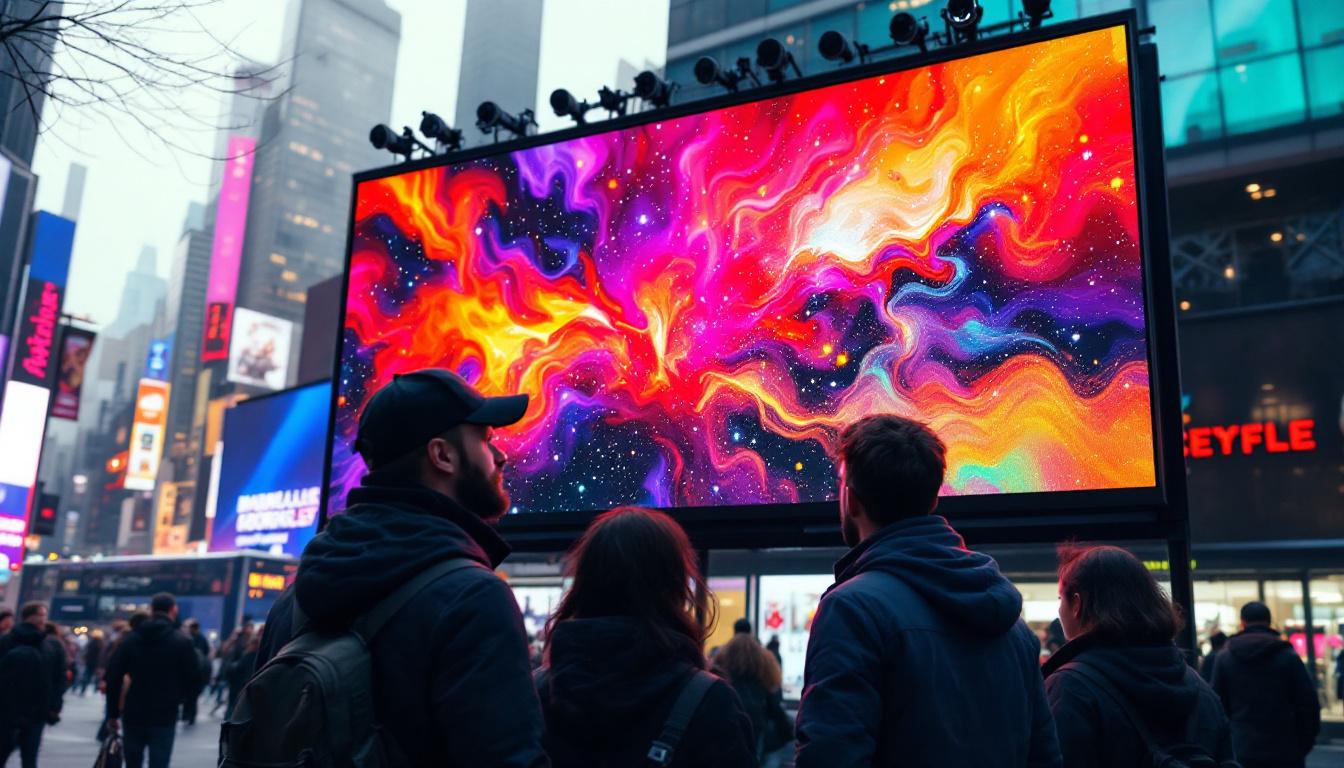
In the rapidly evolving world of digital signage, LED displays have become a cornerstone technology for businesses, advertisers, and public spaces. Their vibrant colors, energy efficiency, and versatility make them an ideal choice for a wide range of applications. Res Digital Solutions, a leader in innovative display technologies, offers cutting-edge LED display solutions tailored to meet diverse needs. This article explores the fundamentals of LED displays, their advantages, applications, and why Res Digital Solutions stands out in this competitive market.
Understanding LED Display Technology
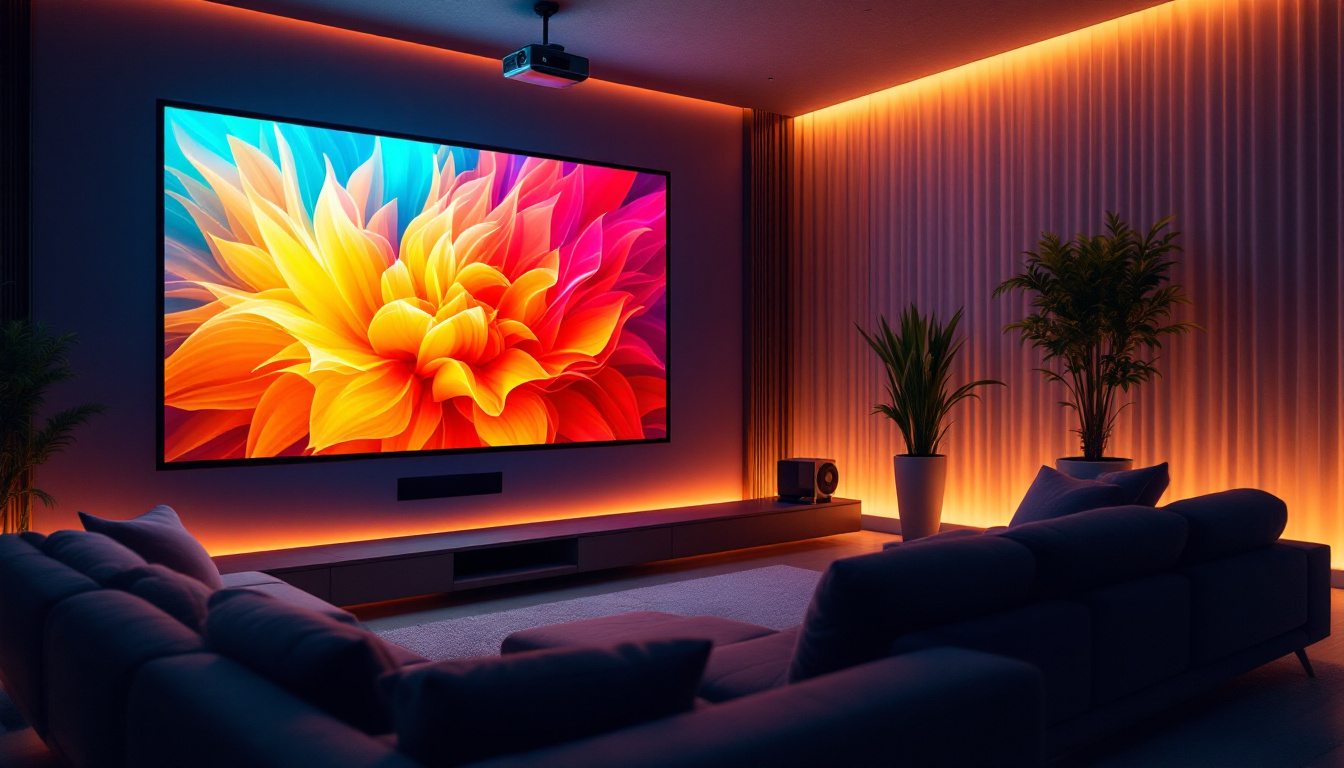
LED, or Light Emitting Diode, displays are electronic screens that use an array of tiny light-emitting diodes to produce images and videos. Unlike traditional LCD or plasma screens, LED displays emit their own light, which provides superior brightness and contrast. This self-illuminating property not only enhances the viewing experience but also contributes to energy efficiency, as LED displays consume less power compared to their predecessors.
Each pixel in an LED display is made up of red, green, and blue diodes. By varying the intensity of these diodes, the display can produce a full spectrum of colors. This technology allows for incredibly vivid and sharp images, even in brightly lit environments. Furthermore, advancements in LED technology have led to the development of features such as HDR (High Dynamic Range), which enhances the contrast and color accuracy, making images appear more lifelike and immersive.
Types of LED Displays
There are primarily two categories of LED displays: indoor and outdoor. Indoor LED displays are designed with higher pixel density for close-up viewing, ensuring crisp images in conference rooms, retail stores, or control centers. These displays often feature advanced calibration options to maintain color consistency across different viewing angles. Outdoor LED displays, on the other hand, are built to withstand weather conditions and provide high brightness to combat sunlight glare, making them ideal for billboards, stadiums, and transportation hubs. They are often equipped with protective coatings to safeguard against rain, dust, and other environmental factors.
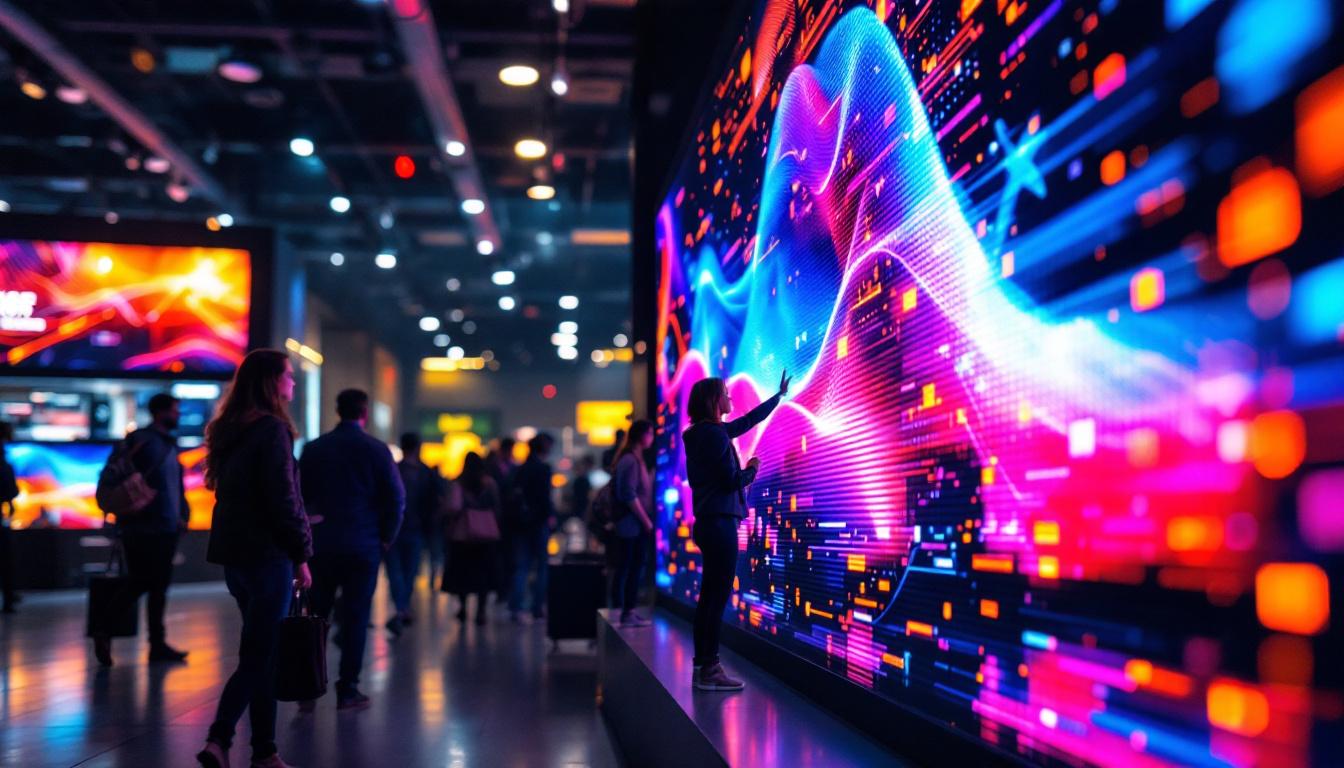
Additionally, LED displays come in various forms such as fixed installations, rental displays, and flexible or transparent screens, each suited for specific use cases. Fixed installations are commonly used in permanent settings like shopping malls or corporate buildings, while rental displays are perfect for events and exhibitions where portability is essential. Flexible LED screens are gaining popularity due to their ability to conform to different shapes and surfaces, allowing for creative applications in art installations and innovative advertising. Transparent LED displays, on the other hand, offer a unique way to showcase content while maintaining visibility through the screen, making them ideal for storefronts and modern architectural designs.
Advantages of LED Displays Over Traditional Screens
LED displays offer numerous benefits that have driven their adoption across multiple industries. Understanding these advantages helps businesses make informed decisions when selecting digital signage solutions.
Superior Brightness and Visibility
One of the most significant advantages of LED displays is their exceptional brightness. With luminance levels often exceeding 5,000 nits for outdoor models, LED screens remain clearly visible even under direct sunlight. This feature is critical for outdoor advertising and public information displays, where visibility can directly impact effectiveness. In addition, LED technology allows for better color accuracy and contrast, enhancing the overall viewing experience. This is particularly important in environments where detailed visuals are essential, such as in retail settings or during live events, where capturing the attention of passersby can lead to increased engagement and sales.
Energy Efficiency and Longevity
Compared to traditional lighting and display technologies, LEDs consume significantly less power. According to the U.S. Department of Energy, LED technology can reduce energy consumption by up to 75% compared to incandescent lighting. This efficiency translates into lower operational costs for businesses using LED displays extensively. Furthermore, the reduced heat output of LED screens contributes to a more comfortable environment, particularly in enclosed spaces, minimizing the need for additional cooling systems. This not only enhances energy savings but also promotes a more sustainable approach to business operations.
Moreover, LED displays have a long lifespan, often rated between 50,000 to 100,000 hours. This durability minimizes maintenance requirements and replacement costs, making them a cost-effective investment over time. The extended lifespan also means that businesses can rely on their LED displays for years without the need for frequent upgrades, allowing for better budget planning and resource allocation.
Flexibility and Customization
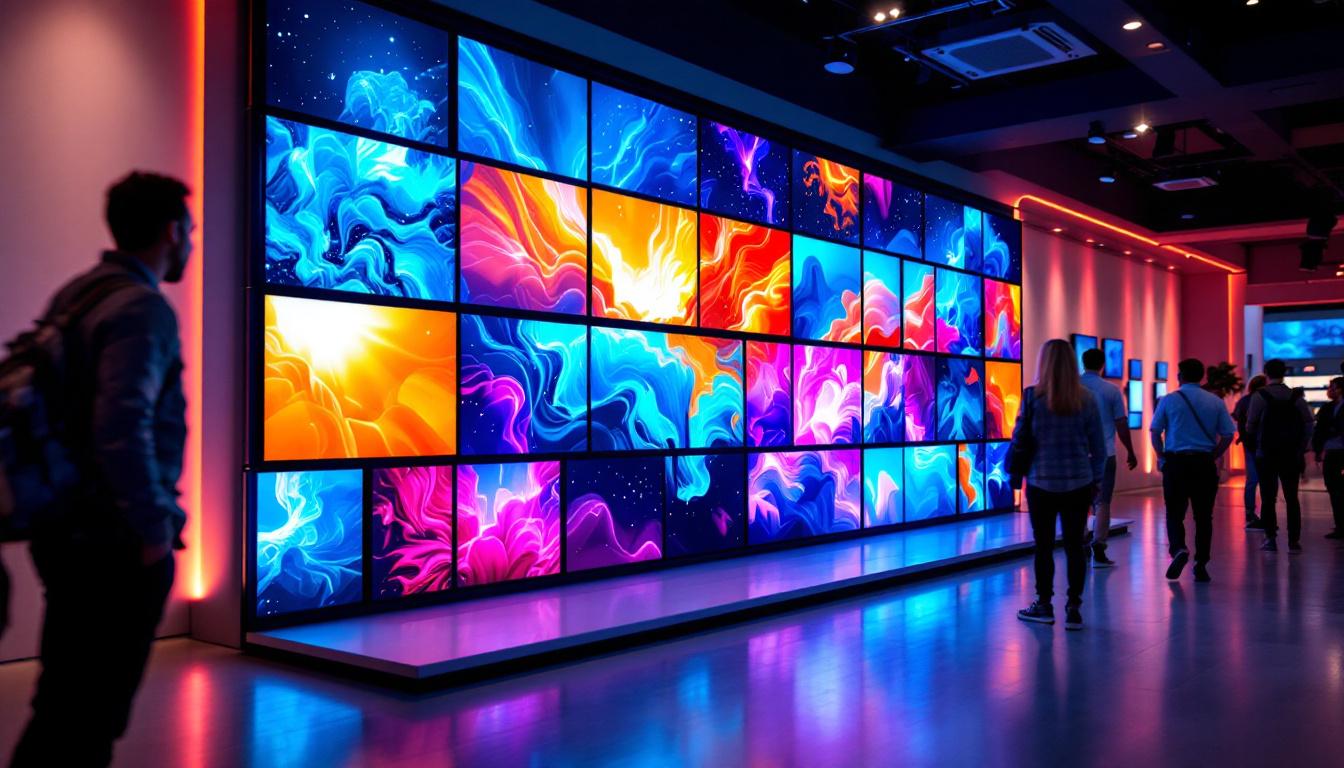
LED displays offer unparalleled flexibility in terms of size, shape, and resolution. They can be configured as large-scale video walls, curved screens, or even transparent panels integrated into architectural designs. This adaptability allows businesses to create visually striking installations that align with their branding and spatial constraints. Additionally, the modular nature of LED technology means that screens can be easily expanded or reconfigured as business needs evolve. For instance, a retail store might start with a small display and later expand to a larger setup for promotional events, ensuring that their investment remains relevant and effective over time.
Furthermore, advancements in LED technology have led to the development of high-resolution displays that can deliver stunning visuals, making them ideal for applications ranging from art installations to immersive experiences in museums and exhibitions. The ability to customize content dynamically also allows businesses to tailor messages for specific audiences or occasions, further enhancing the impact of their displays. This level of personalization not only attracts attention but also fosters a deeper connection with viewers, ultimately driving customer loyalty and engagement.
Applications of LED Displays Across Industries
LED display technology has found applications in a wide array of sectors, demonstrating its versatility and impact.
Advertising and Marketing
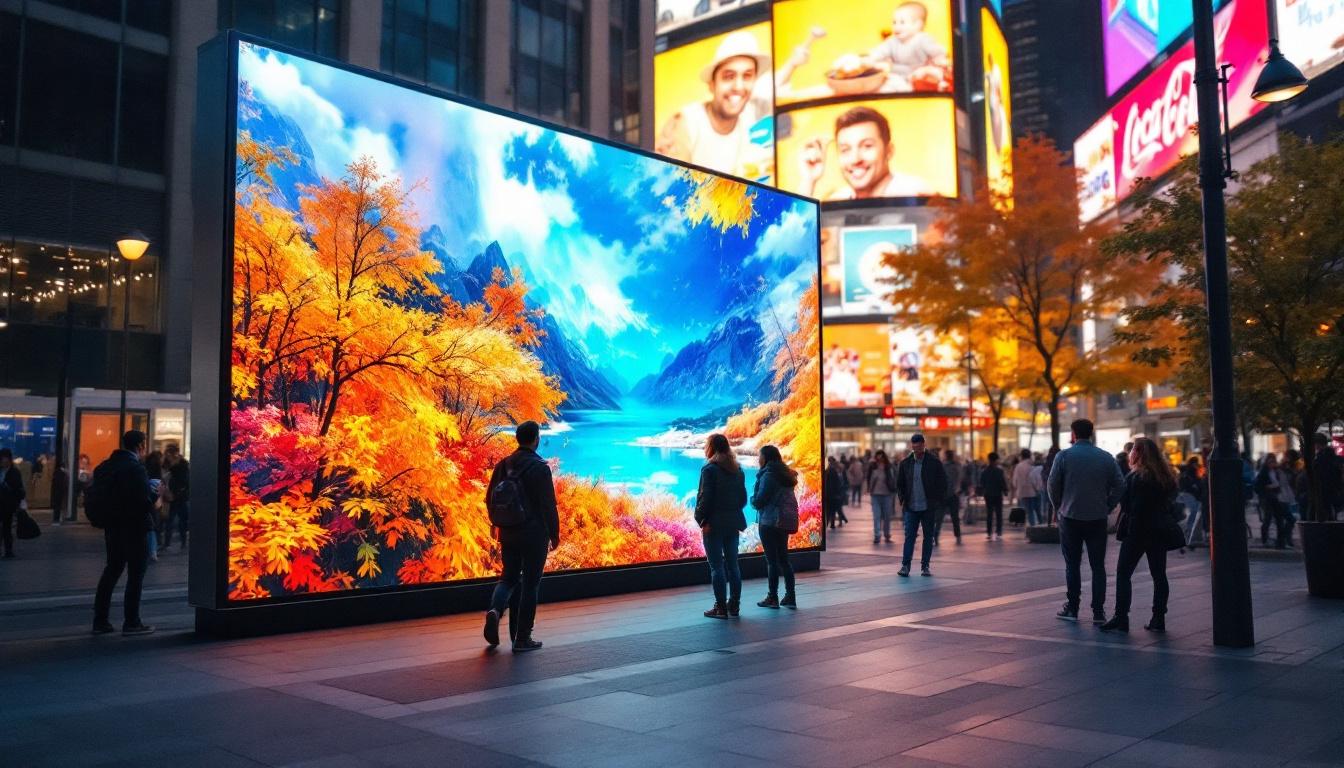
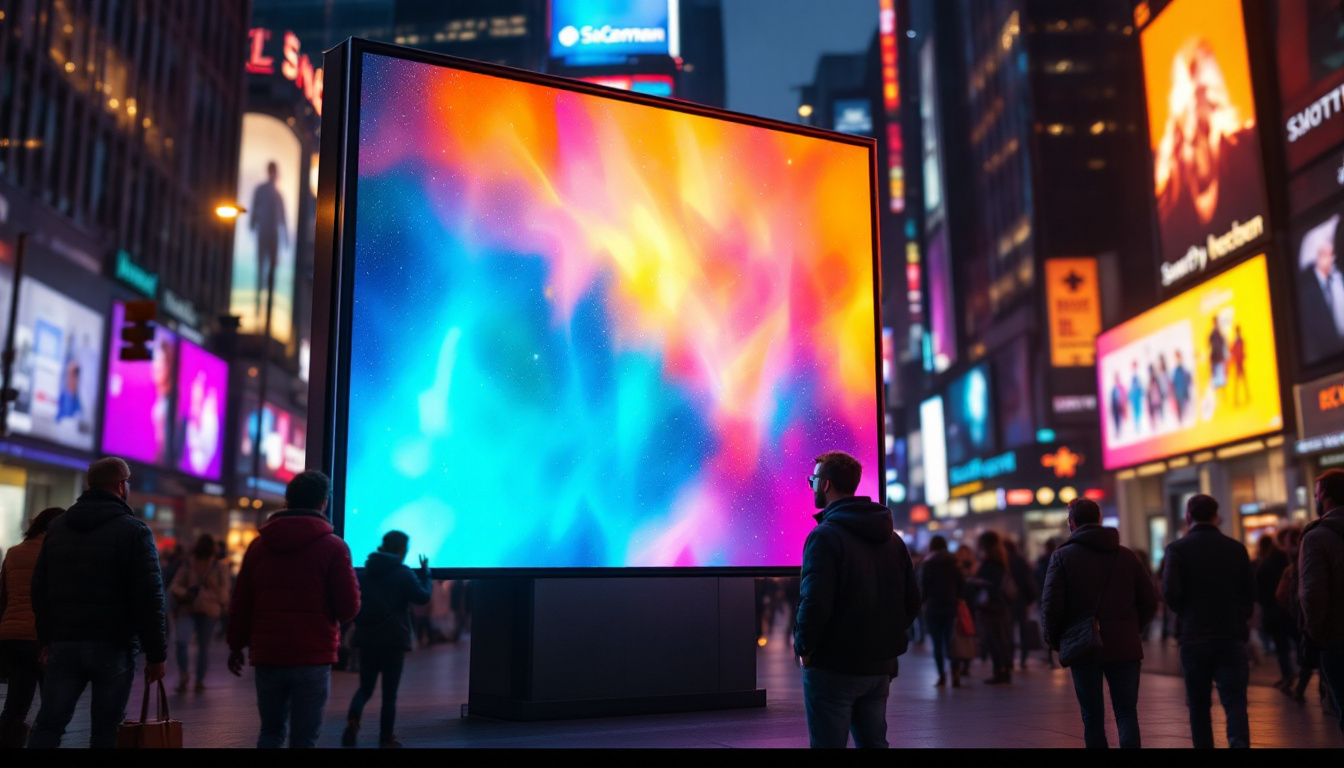
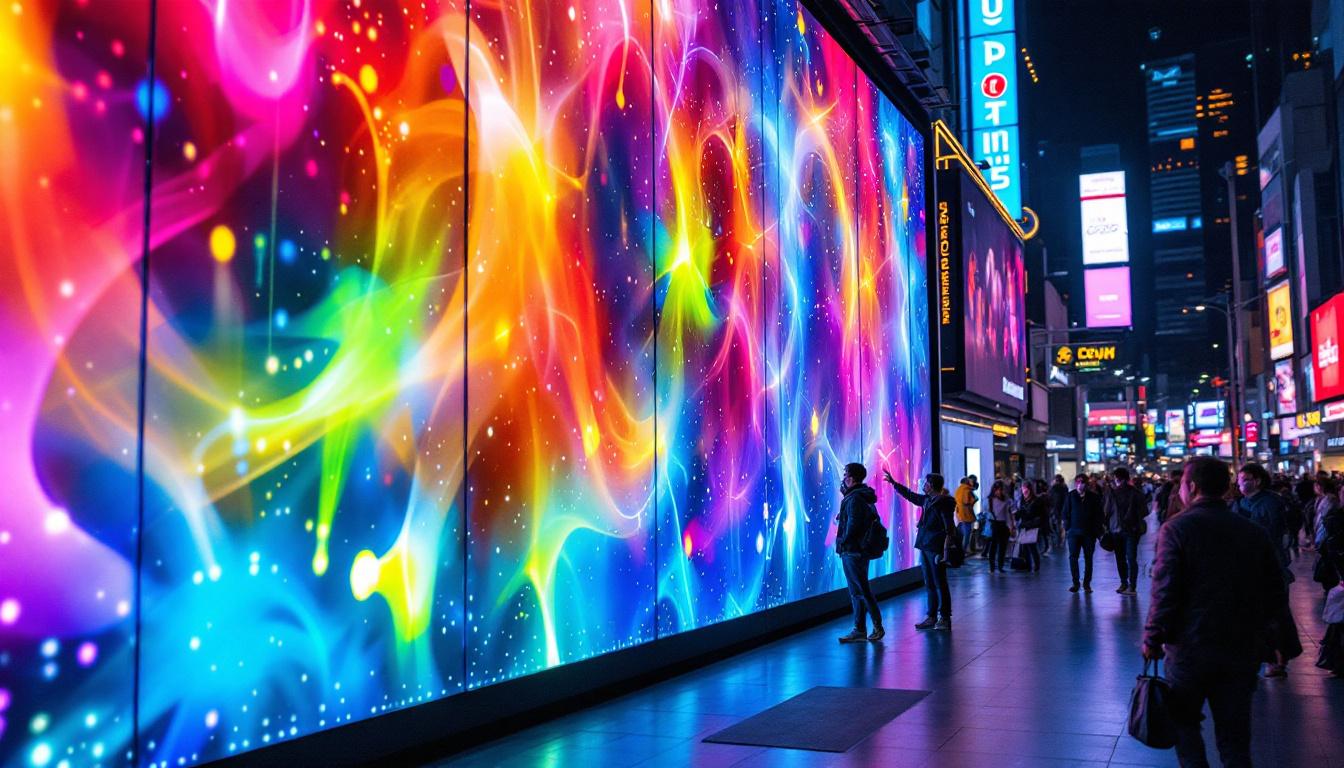
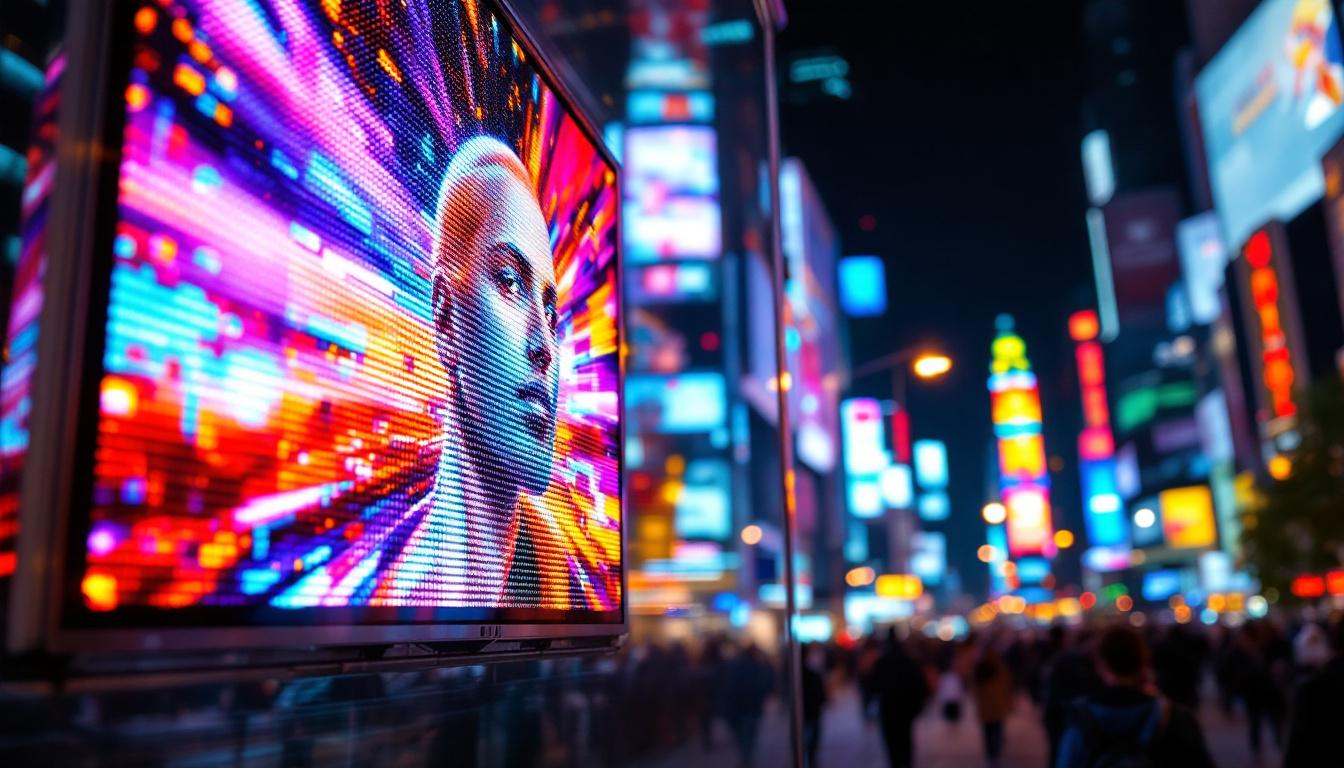
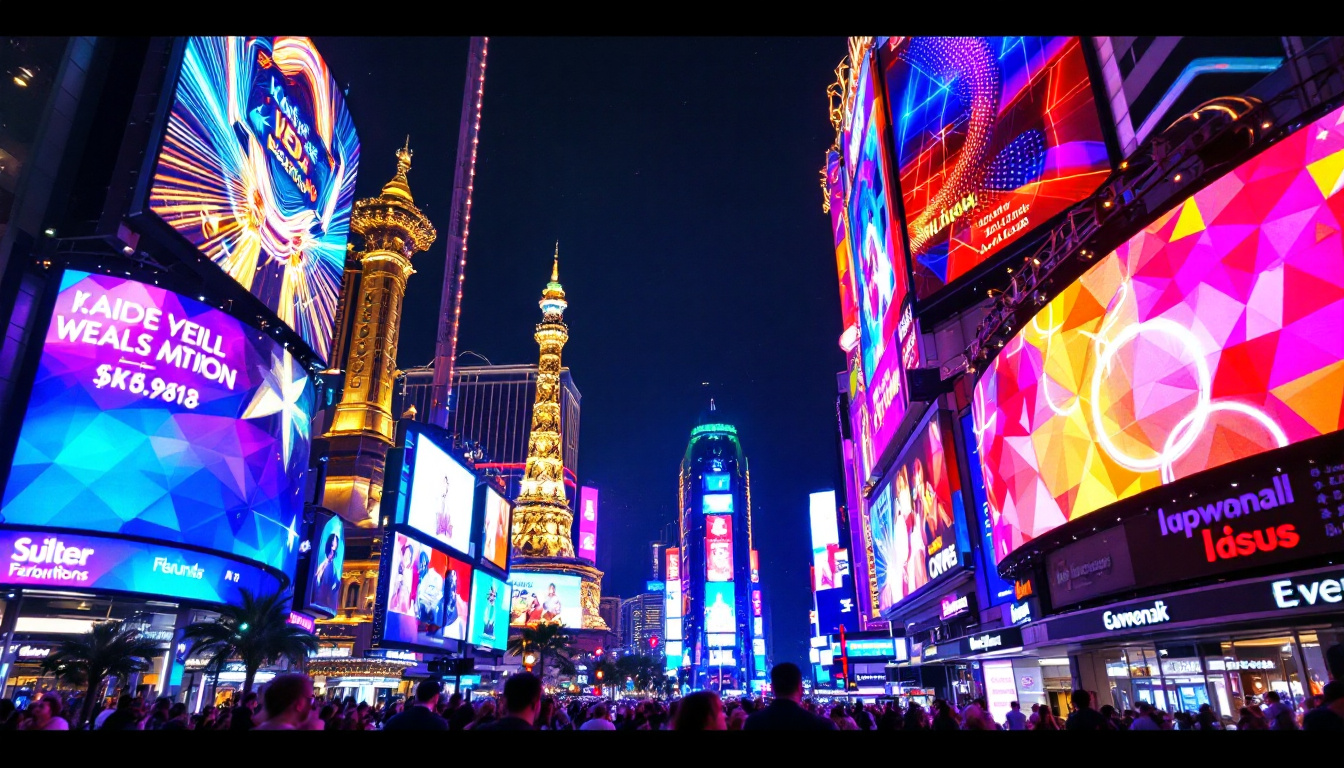
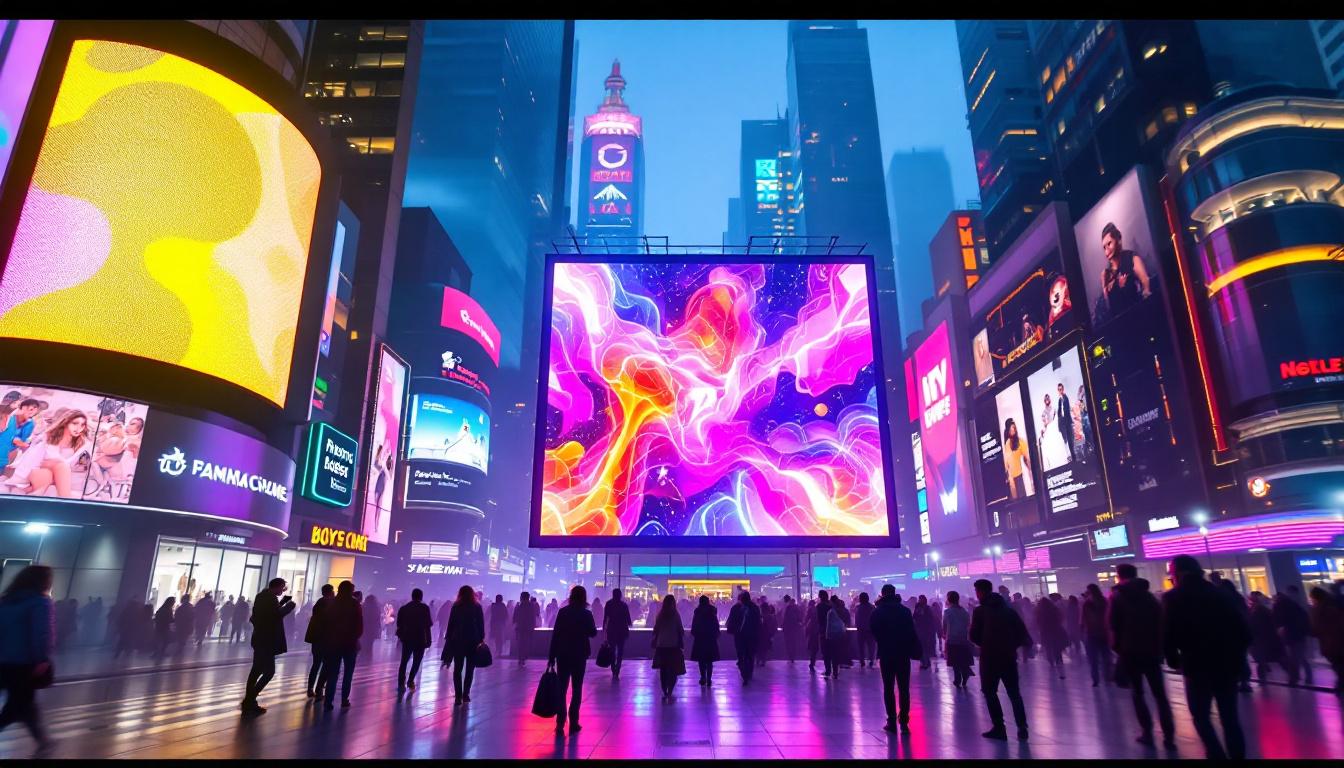
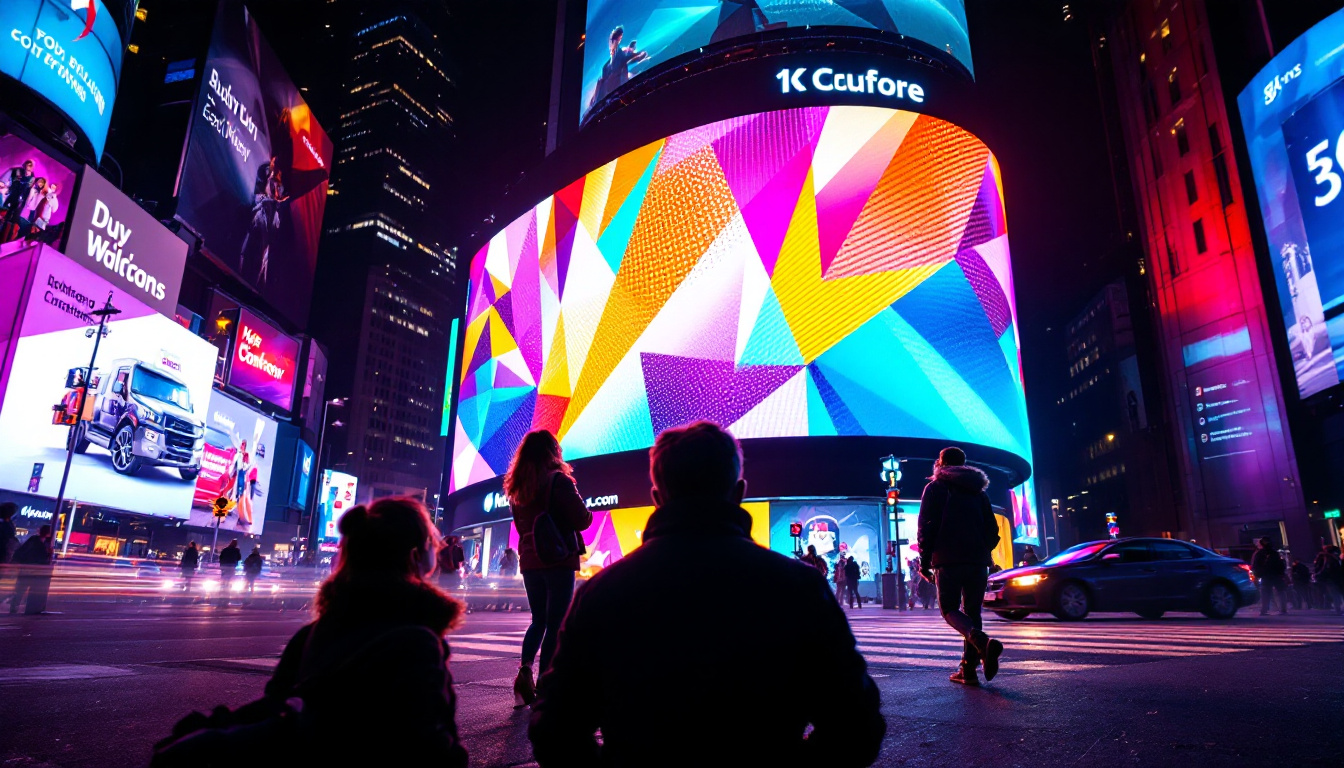
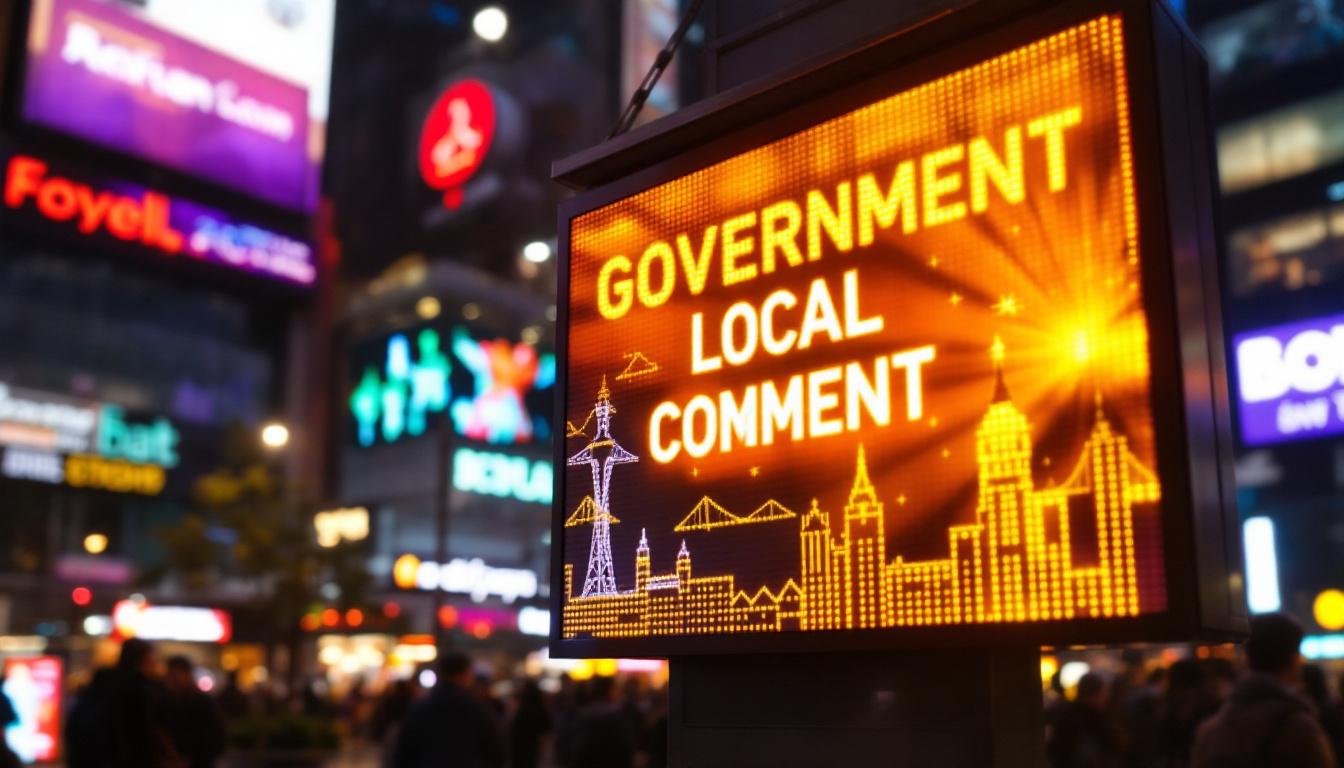
Outdoor LED billboards are among the most common uses of LED technology. Their ability to display dynamic content attracts more attention than static signs, increasing engagement and advertising effectiveness. For example, Times Square in New York City is renowned for its massive LED screens that create an immersive advertising environment. These displays can showcase multiple advertisements in a single location, allowing brands to reach a diverse audience in a short span of time. Furthermore, advancements in LED technology have enabled the integration of sensors that can tailor content based on the demographics of passersby, making advertisements even more relevant and engaging.
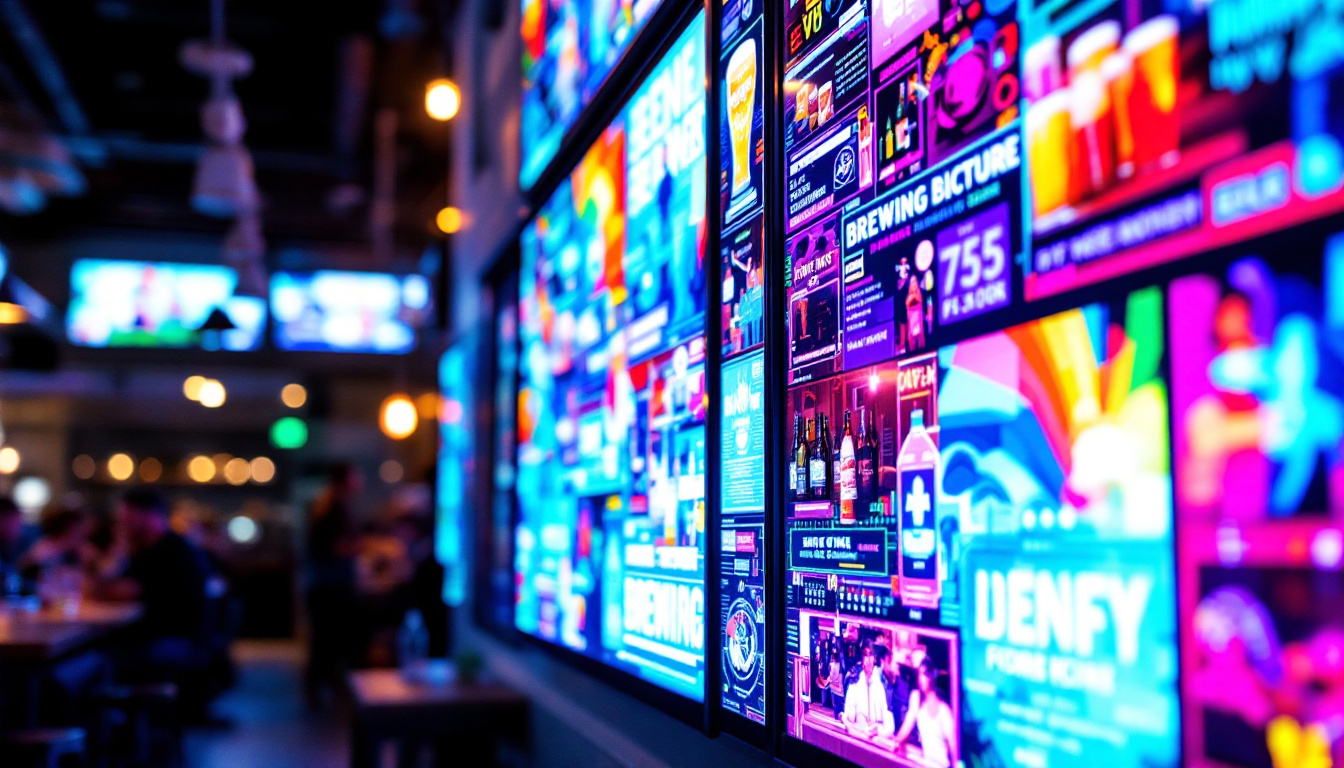
Retailers also leverage indoor LED displays to highlight promotions, new products, and interactive content, enhancing the customer experience and driving sales. In addition to traditional advertising, many stores use LED screens to create interactive experiences, such as virtual fitting rooms or product demonstrations, which can significantly enhance customer engagement and satisfaction. The ability to update content in real-time allows retailers to respond quickly to trends and customer preferences, ensuring that their marketing strategies remain fresh and effective.
Sports and Entertainment Venues
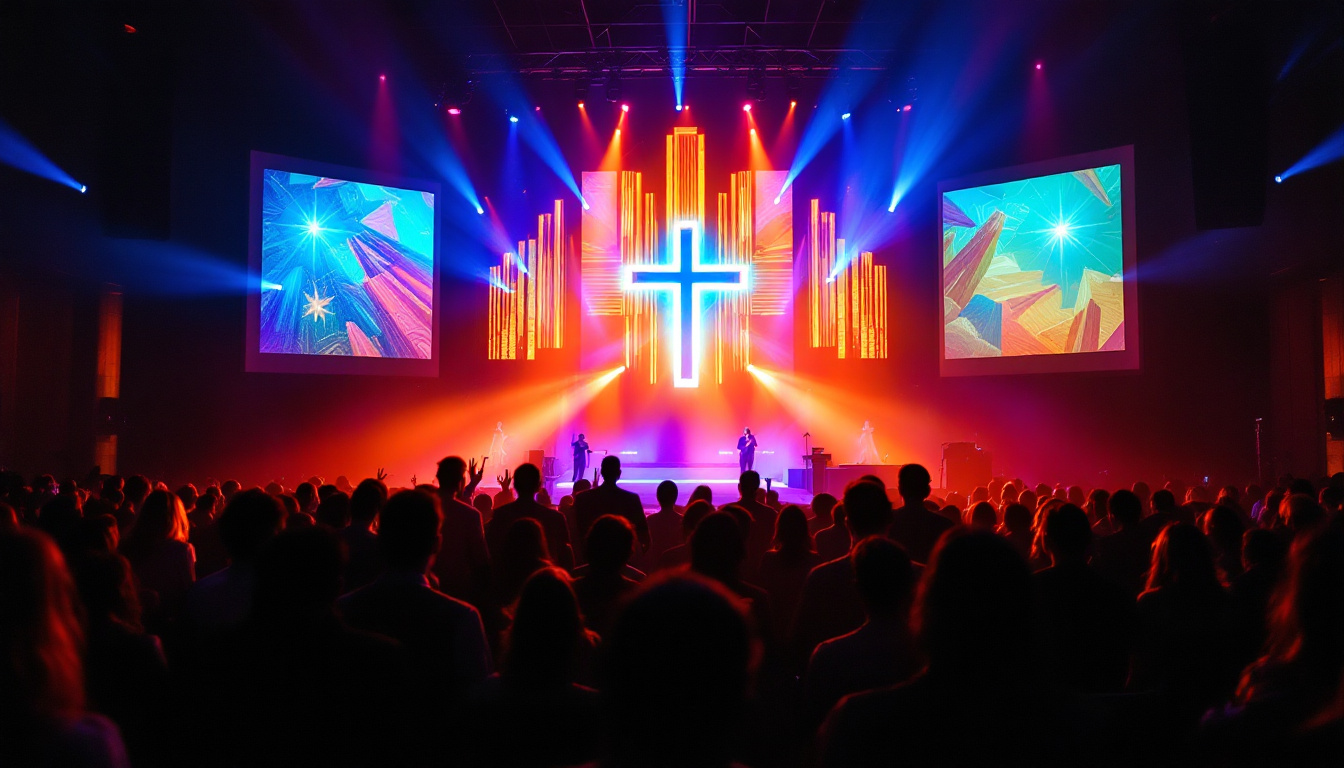
Stadiums and arenas utilize large LED screens to provide fans with live game footage, replays, and interactive content. These displays enhance the spectator experience by ensuring visibility from all seating areas. Additionally, concert venues use LED walls and floors to create dynamic stage designs that complement performances. The integration of LED technology in sports events has also led to the development of augmented reality experiences, where fans can interact with digital content through their smartphones, making the event more immersive and engaging. Moreover, the use of LED displays for advertising during games has become a significant revenue stream for teams and venues alike, allowing for targeted marketing to a captive audience.
Transportation and Public Information
Airports, train stations, and bus terminals rely on LED displays for real-time information such as arrivals, departures, and emergency alerts. The high visibility and reliability of LED technology ensure that travelers receive timely and clear updates, improving overall operational efficiency. Additionally, these displays can be programmed to provide multilingual information, catering to international travelers and enhancing their experience. The adaptability of LED technology also allows for the integration of digital signage that can display advertisements or local attractions, providing an additional revenue source for transportation hubs while informing travelers about their surroundings.
Corporate and Control Rooms
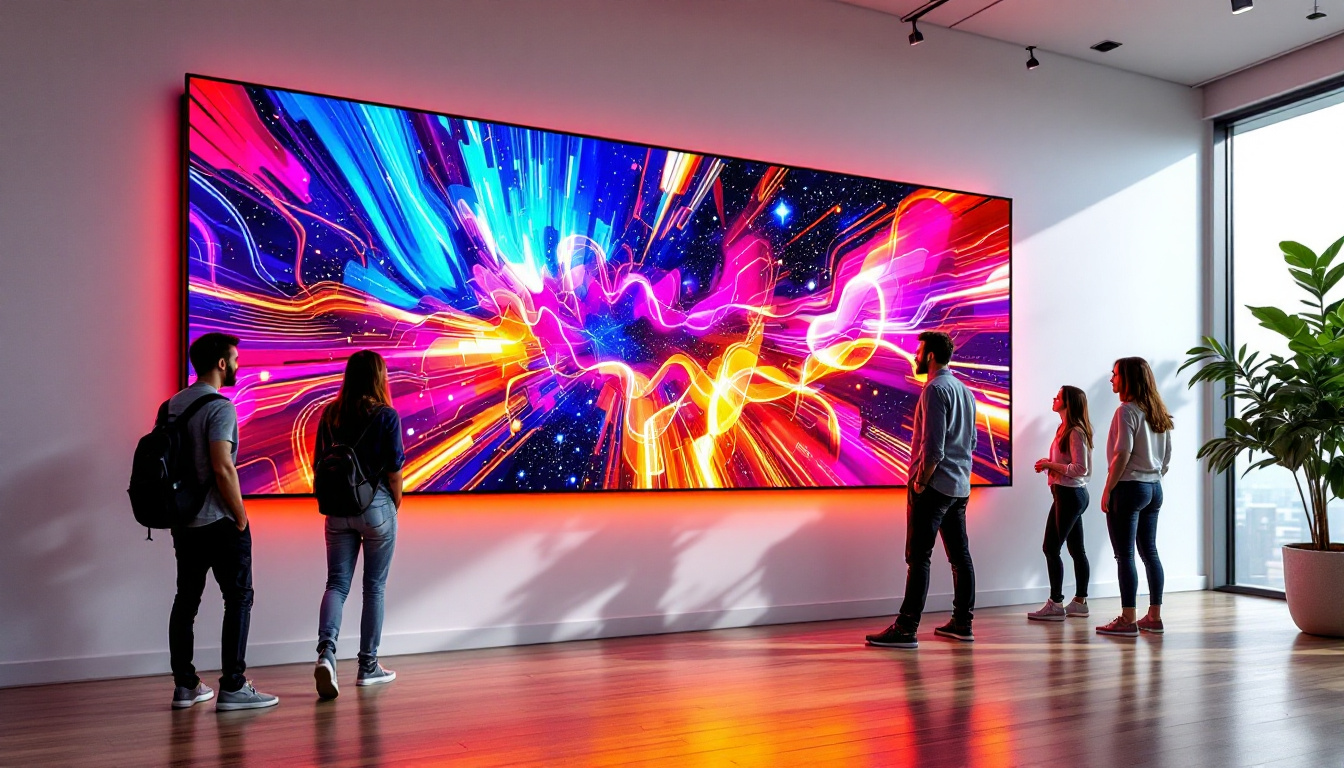
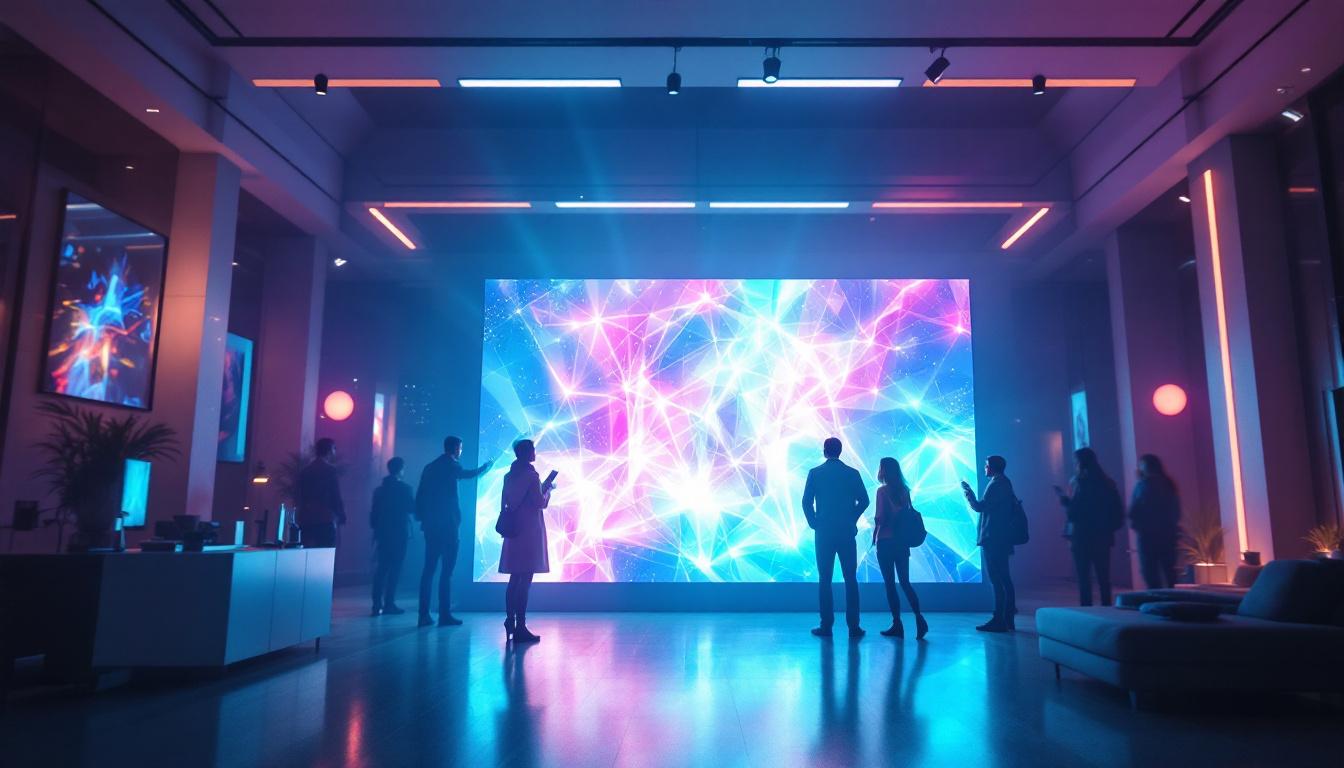
In corporate settings, LED video walls are used in boardrooms, lobbies, and control centers to display presentations, data dashboards, and surveillance feeds. Their high resolution and seamless scalability make them ideal for environments where clarity and detail are paramount. Furthermore, the collaborative capabilities of LED displays enable teams to work together more effectively, as multiple users can share screens and data simultaneously. This technology not only enhances communication within organizations but also allows for remote collaboration, bridging the gap between teams in different locations. As businesses increasingly adopt hybrid work models, LED displays play a crucial role in facilitating effective meetings and presentations, ensuring that all participants, whether in-person or virtual, have access to the same high-quality visual information.
Why Choose Res Digital Solutions for LED Displays?
Res Digital Solutions has established itself as a trusted provider of LED display technology by focusing on quality, innovation, and customer-centric service.
Cutting-Edge Technology and Customization
Res Digital Solutions offers LED displays that incorporate the latest advancements in diode efficiency, color accuracy, and modular design. Their products are highly customizable, allowing clients to specify pixel pitch, screen size, and protective features tailored to their unique environments.
Comprehensive Support and Installation Services
Beyond supplying hardware, Res Digital Solutions provides end-to-end services including site assessment, installation, calibration, and ongoing maintenance. This holistic approach ensures that clients achieve optimal performance and longevity from their LED displays.
Proven Track Record and Client Satisfaction
With a portfolio spanning retail chains, transportation authorities, and entertainment venues, Res Digital Solutions has demonstrated the ability to deliver projects on time and within budget. Their commitment to quality and customer satisfaction has earned them repeat business and strong industry reputation.
Future Trends in LED Display Technology
The LED display industry is continuously evolving, driven by advancements in materials science, electronics, and software integration.
MicroLED and MiniLED Innovations
Emerging technologies like MicroLED and MiniLED promise even higher resolution, improved energy efficiency, and thinner form factors. These developments will enable more immersive and flexible display solutions, expanding the possibilities for digital signage.
Integration with IoT and AI
LED displays are increasingly being integrated with Internet of Things (IoT) devices and artificial intelligence (AI) systems. This integration allows for real-time content adaptation based on audience demographics, weather conditions, or traffic patterns, enhancing engagement and relevance.
Sustainability and Eco-Friendly Designs
As environmental concerns grow, manufacturers are focusing on sustainable materials and energy-saving features. Res Digital Solutions is at the forefront of this movement, offering LED displays designed to minimize environmental impact without compromising performance.
Conclusion
LED display technology has transformed the way businesses communicate with their audiences, offering vibrant, energy-efficient, and versatile solutions. Res Digital Solutions stands out as a leader in this space by delivering high-quality, customizable LED displays backed by comprehensive support. As technology advances, LED displays will continue to play a pivotal role in advertising, entertainment, transportation, and beyond, enabling richer and more dynamic visual experiences.
For organizations looking to invest in digital signage, understanding the capabilities and benefits of LED displays is crucial. Partnering with an experienced provider like Res Digital Solutions ensures access to the latest innovations and expert guidance, maximizing the impact of every visual communication.
Discover LumenMatrix’s Innovative LED Displays
Ready to elevate your visual communication strategy with the latest in LED display technology? Look no further than LumenMatrix, where innovation meets excellence. Our comprehensive range of LED display solutions, from Indoor and Outdoor LED Walls to Custom and Transparent Displays, is designed to capture your audience’s attention and bring your brand’s message to life. Experience the future of digital signage with LumenMatrix and transform your space into a dynamic visual experience. Check out LumenMatrix LED Display Solutions today and see the difference for yourself.