In today’s fast-paced digital world, capturing consumer attention is more challenging than ever. Traditional static billboards and posters are increasingly being replaced by dynamic, eye-catching digital advertising screens. Among these, LED displays stand out as one of the most effective and versatile technologies for outdoor and indoor advertising. This article delves into the world of LED displays, explaining their technology, benefits, applications, and future trends, offering a comprehensive guide for marketers, advertisers, and business owners looking to leverage this powerful medium.
Understanding LED Display Technology
What Are LED Displays?
LED, or Light Emitting Diode, displays are digital screens composed of numerous tiny light-emitting diodes that produce bright, vivid images and videos. Unlike traditional LCD or projection screens, LED displays emit their own light, which results in higher brightness levels and better visibility, especially in outdoor environments. This self-illuminating feature allows LED displays to maintain their clarity even in direct sunlight, making them a preferred choice for outdoor advertising and information dissemination.
Each LED acts as a pixel or part of a pixel, and by controlling the brightness and color of these diodes, the screen can render a wide range of images with exceptional clarity. LED displays can vary in size from small indoor screens to massive outdoor billboards spanning several meters. The versatility of LED technology means that it can be used in various applications, from large-scale concerts and sporting events to intimate retail displays, enhancing the viewer’s experience across different settings.
How Do LED Displays Work?
LED displays function by combining red, green, and blue diodes to create full-color images. The intensity of each diode is controlled through electronic signals, allowing for millions of color combinations. This RGB (Red, Green, Blue) system is fundamental to producing vibrant and accurate colors on the screen. The precision with which these colors can be mixed and manipulated is what sets LED technology apart, enabling dynamic content that can change in real-time, such as advertisements that adapt to different audiences or events.
The screens are made up of modules or panels, each containing a matrix of LEDs. These modules are assembled to form larger displays. The resolution of an LED display depends on the pixel pitch—the distance between the centers of two adjacent LEDs. Smaller pixel pitches mean higher resolution and sharper images, suitable for close viewing distances. This adaptability allows for a range of applications, from high-definition video walls in control rooms to large outdoor displays that need to be seen from great distances without sacrificing image quality.
Types of LED Displays
There are several types of LED displays, each tailored to specific advertising needs:
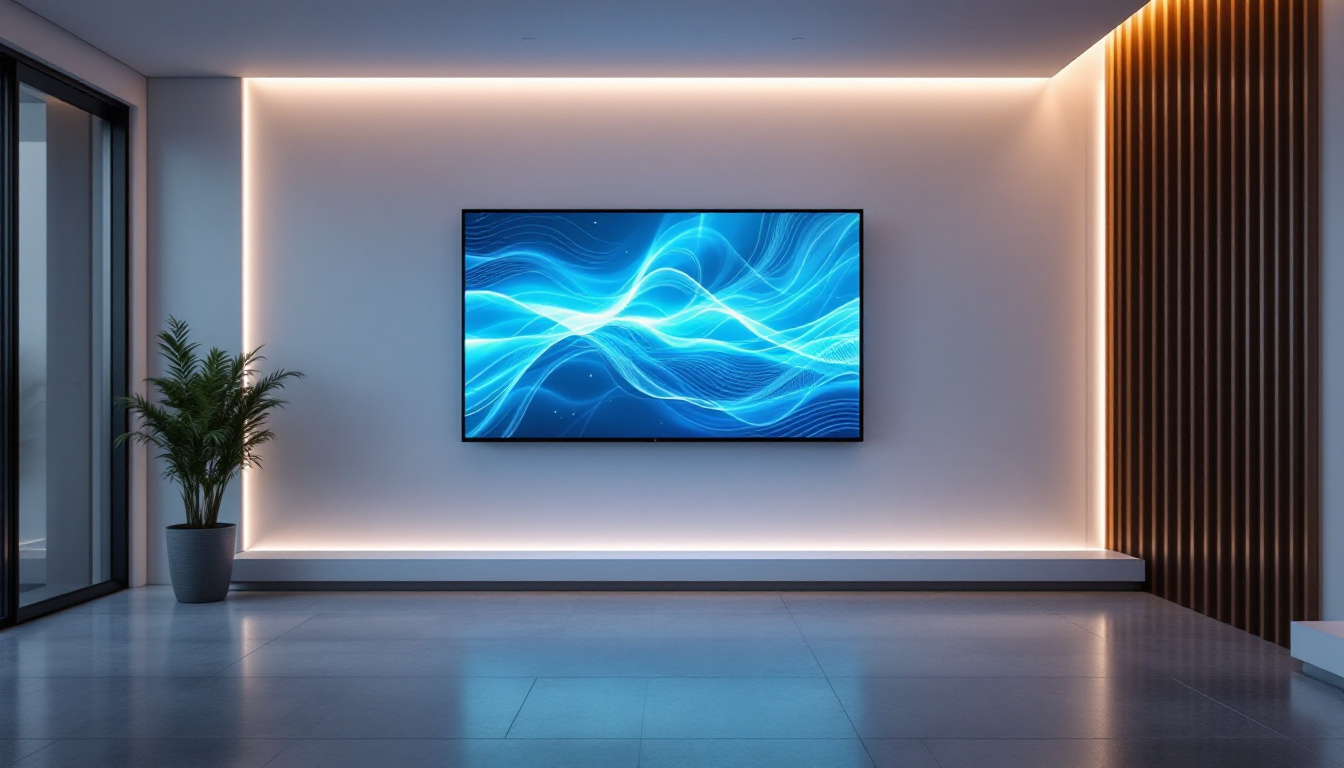
- Indoor LED Displays: Designed for close viewing, these have a small pixel pitch (often less than 2mm) to ensure high resolution and fine detail. They are commonly used in retail stores, airports, and event venues. The ability to display high-definition content makes them ideal for environments where visual impact is crucial, such as during product launches or live presentations.
- Outdoor LED Displays: Built to withstand weather conditions, these have a larger pixel pitch (typically 4mm to 20mm), higher brightness levels (up to 6,000 nits or more), and robust protective casing. They are ideal for billboards, stadiums, and public spaces. The durability of these displays ensures they can operate continuously, delivering impactful messages regardless of the elements, which is essential for maintaining visibility in bustling urban environments.
- Transparent LED Displays: These innovative screens allow light to pass through, making them perfect for storefront windows and glass facades without obstructing the view. This feature not only enhances aesthetic appeal but also provides businesses with a unique way to engage customers by displaying dynamic content while maintaining transparency.
- Flexible LED Displays: Utilizing bendable substrates, these displays can be curved or wrapped around surfaces, offering creative advertising possibilities. Their flexibility opens up new avenues for design, allowing for installations that were previously impossible, such as wrapping around columns or creating immersive environments that captivate audiences.
Advantages of LED Displays in Digital Advertising
High Visibility and Brightness
One of the primary reasons LED displays dominate digital advertising is their exceptional brightness. Outdoor LED screens can reach brightness levels of 5,000 to 10,000 nits, making them clearly visible even under direct sunlight. This ensures that advertisements remain impactful throughout the day, regardless of lighting conditions.
Moreover, the high contrast ratio of LED displays enhances image clarity and color vibrancy, attracting attention more effectively than traditional static signs or LCD screens.
Dynamic and Engaging Content
Unlike static billboards, LED displays allow advertisers to showcase dynamic content such as videos, animations, and real-time updates. This flexibility enables brands to tell more compelling stories and adapt messages quickly based on time of day, audience demographics, or promotional campaigns.
For example, a retail store can change its promotions every hour or display weather updates alongside advertisements. This adaptability increases consumer engagement and can significantly improve conversion rates.
Energy Efficiency and Longevity
Modern LED technology is energy-efficient compared to older lighting and display technologies. LEDs consume less power, reducing operational costs for advertisers and businesses. Additionally, LED displays have a long lifespan, often exceeding 100,000 hours of use, which translates to years of reliable service with minimal maintenance.
The durability of LED displays also means they can withstand harsh environmental conditions such as rain, wind, and temperature fluctuations, making them ideal for outdoor installations.
Cost-Effectiveness Over Time
While the initial investment in LED display technology can be higher than traditional advertising methods, the long-term benefits often outweigh the costs. The ability to update content remotely and instantly reduces printing and installation expenses associated with static ads.
Furthermore, the extended lifespan and low maintenance requirements of LED screens contribute to a favorable return on investment (ROI) for advertisers and businesses.
Applications of LED Displays in Advertising
Outdoor Billboards and Digital Signage
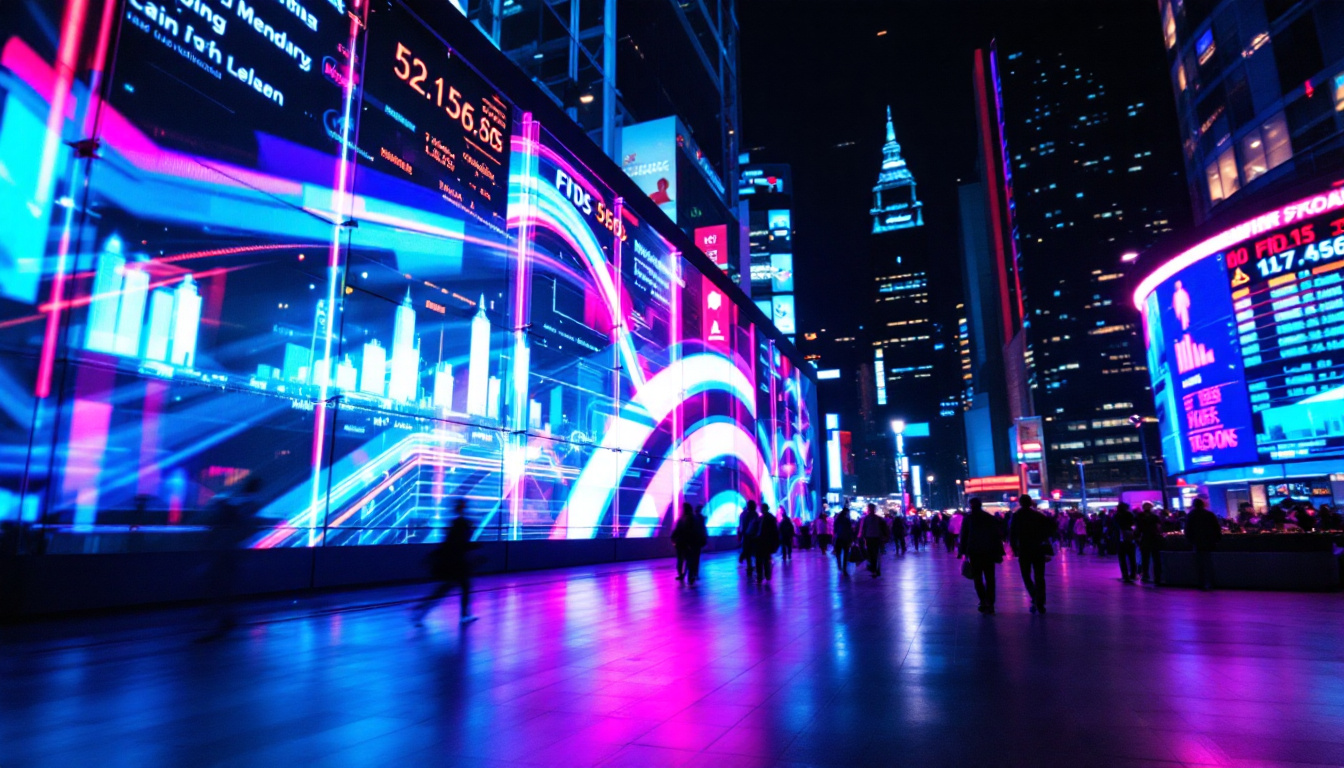
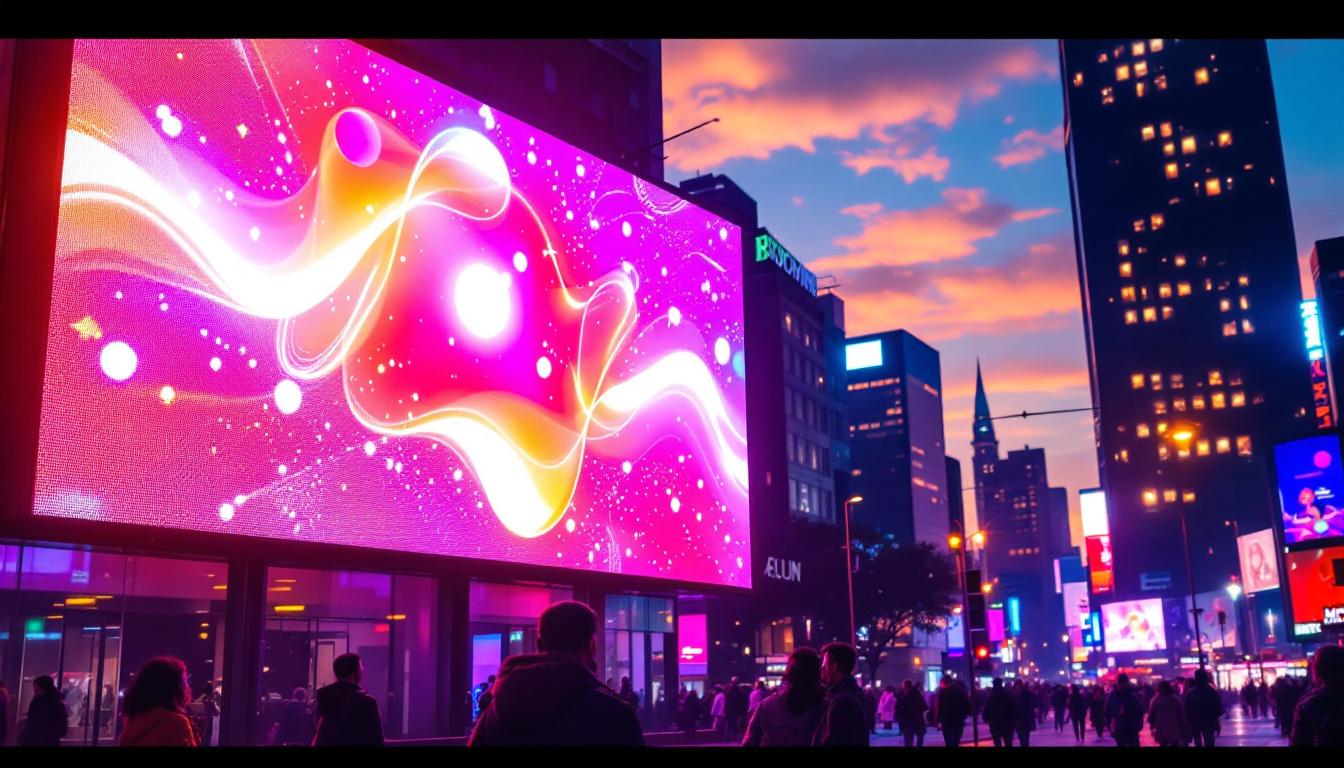
Outdoor LED billboards are among the most common applications of LED display technology. They are strategically placed in high-traffic areas such as highways, city centers, and shopping districts to maximize visibility. According to recent industry reports, digital billboards have increased consumer recall by up to 47% compared to traditional billboards.
These billboards can display multiple ads in rotation, allowing multiple advertisers to share the same space and increase revenue potential for owners.
Retail and Shopping Centers
Indoor LED displays are widely used in retail environments to enhance the shopping experience. They can highlight promotions, new product launches, or brand messages, influencing purchasing decisions at the point of sale.
Interactive LED screens are also gaining popularity, allowing customers to engage with content through touch or motion sensors, creating immersive brand experiences.
Events, Sports, and Entertainment Venues
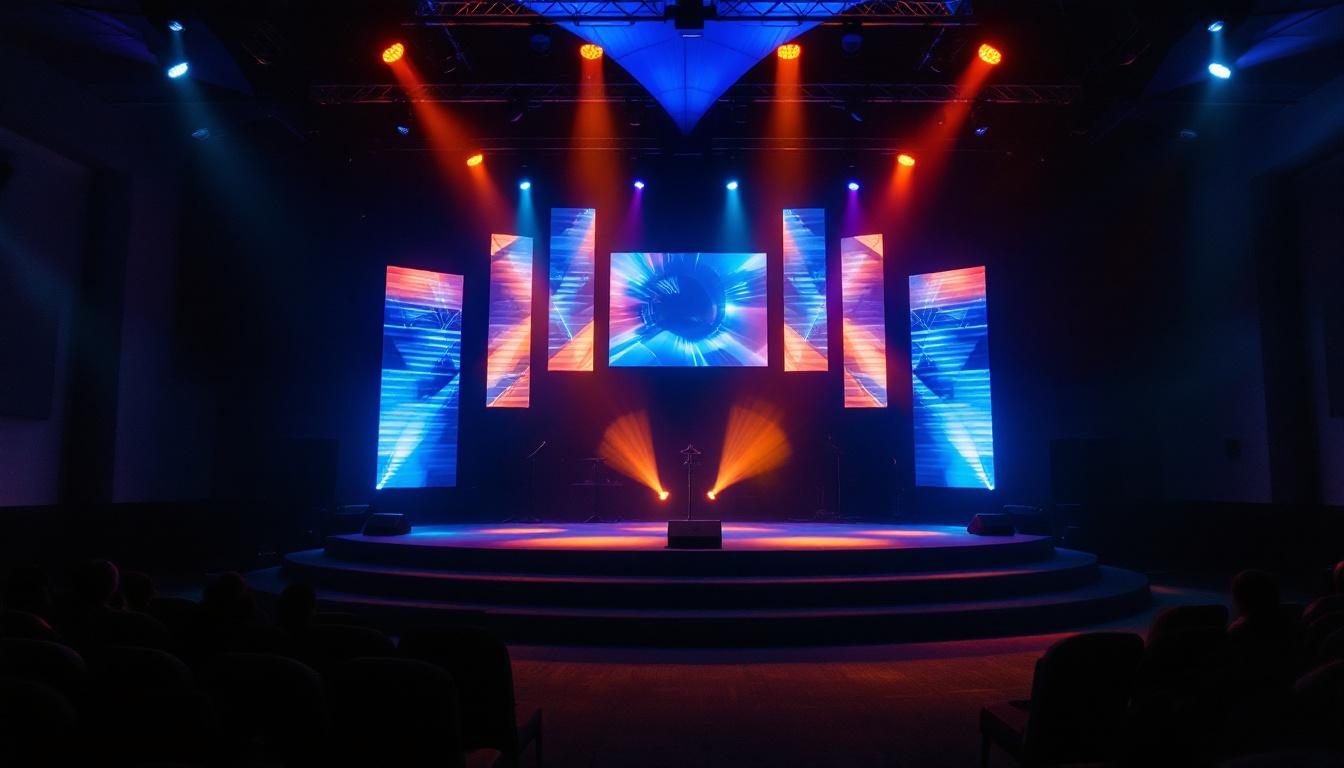
LED displays are integral to modern event production, providing large-scale visuals for concerts, sports arenas, and conferences. Their ability to deliver high-resolution video content ensures that audiences, even those seated far from the stage or field, have a clear view of the action.
Advertising on these screens during events offers brands a captive and engaged audience, often resulting in higher brand recall and positive associations.
Transportation Hubs and Public Spaces
Airports, train stations, and bus terminals utilize LED displays for both informational and advertising purposes. These screens can provide real-time travel updates alongside commercial messages, making them highly effective communication tools.
In urban centers, LED screens are also used for public service announcements and interactive city guides, blending advertising with community engagement.
Key Considerations When Choosing LED Displays for Advertising
Resolution and Pixel Pitch
The choice of resolution and pixel pitch depends largely on the viewing distance. For example, a billboard viewed from a highway requires a larger pixel pitch (lower resolution) because viewers are far away, whereas an indoor retail display viewed up close needs a finer pixel pitch for sharp images.
Understanding these technical specifications ensures that the content appears crisp and legible, maximizing the impact of the advertisement.
Brightness and Weather Resistance
Outdoor LED displays must have sufficient brightness to compete with ambient sunlight. Additionally, they require weatherproof enclosures rated for protection against dust, moisture, and temperature extremes.
Choosing displays with appropriate Ingress Protection (IP) ratings guarantees durability and consistent performance in various environments.
Content Management Systems (CMS)
Effective digital advertising relies on seamless content management. Most LED display manufacturers offer CMS platforms that enable users to schedule, update, and monitor content remotely. Features such as real-time analytics and audience targeting enhance campaign effectiveness.
Investing in a robust CMS simplifies operations and allows for agile marketing strategies.
Installation and Maintenance
Proper installation is critical to ensure optimal performance and longevity of LED displays. This includes structural support, electrical wiring, and calibration. Regular maintenance, such as cleaning and software updates, helps prevent downtime and preserves image quality.
Partnering with experienced installers and service providers can mitigate risks and protect your investment.
The Future of LED Displays in Digital Advertising
Integration with AI and Data Analytics
The integration of artificial intelligence (AI) and data analytics is transforming LED advertising screens into smart, responsive platforms. AI can analyze audience demographics, weather conditions, and traffic patterns to optimize content delivery in real time.
This level of personalization enhances relevance and engagement, driving higher conversion rates.
Advancements in Display Technology
Emerging technologies such as MicroLED and MiniLED promise even higher brightness, better color accuracy, and improved energy efficiency. These innovations will expand the possibilities for LED advertising, enabling thinner, lighter, and more flexible displays.
Additionally, the development of transparent and flexible LED screens will continue to open new creative avenues for advertisers.
Sustainability and Environmental Impact
As sustainability becomes a priority, LED display manufacturers are focusing on eco-friendly materials and energy-saving designs. Solar-powered LED billboards and recyclable components are examples of initiatives aimed at reducing environmental footprints.
Advertisers increasingly value these green credentials, aligning their campaigns with broader corporate social responsibility goals.
Conclusion
LED displays have revolutionized digital advertising by offering bright, dynamic, and versatile platforms that capture consumer attention like never before. Their ability to deliver high-impact visuals in diverse environments—from bustling city streets to indoor retail spaces—makes them indispensable tools for modern marketers.
Understanding the technology behind LED displays, their advantages, and practical applications empowers businesses to make informed decisions and maximize the return on their advertising investments. As technology continues to evolve, LED displays will remain at the forefront of innovative, engaging, and sustainable advertising solutions.
Discover LumenMatrix’s Innovative LED Solutions
Ready to elevate your advertising strategy with cutting-edge LED technology? Look no further than LumenMatrix, a leader in crafting visually stunning LED displays that bring your brand to life. From vibrant Indoor LED Walls to robust Outdoor Displays, and from sleek LED Posters to immersive Floor LED Displays, our solutions are designed to captivate and engage your audience. Embrace the future of visual communication with LumenMatrix’s diverse range of LED display modules. Check out LumenMatrix LED Display Solutions today and transform your advertising into an unforgettable experience.