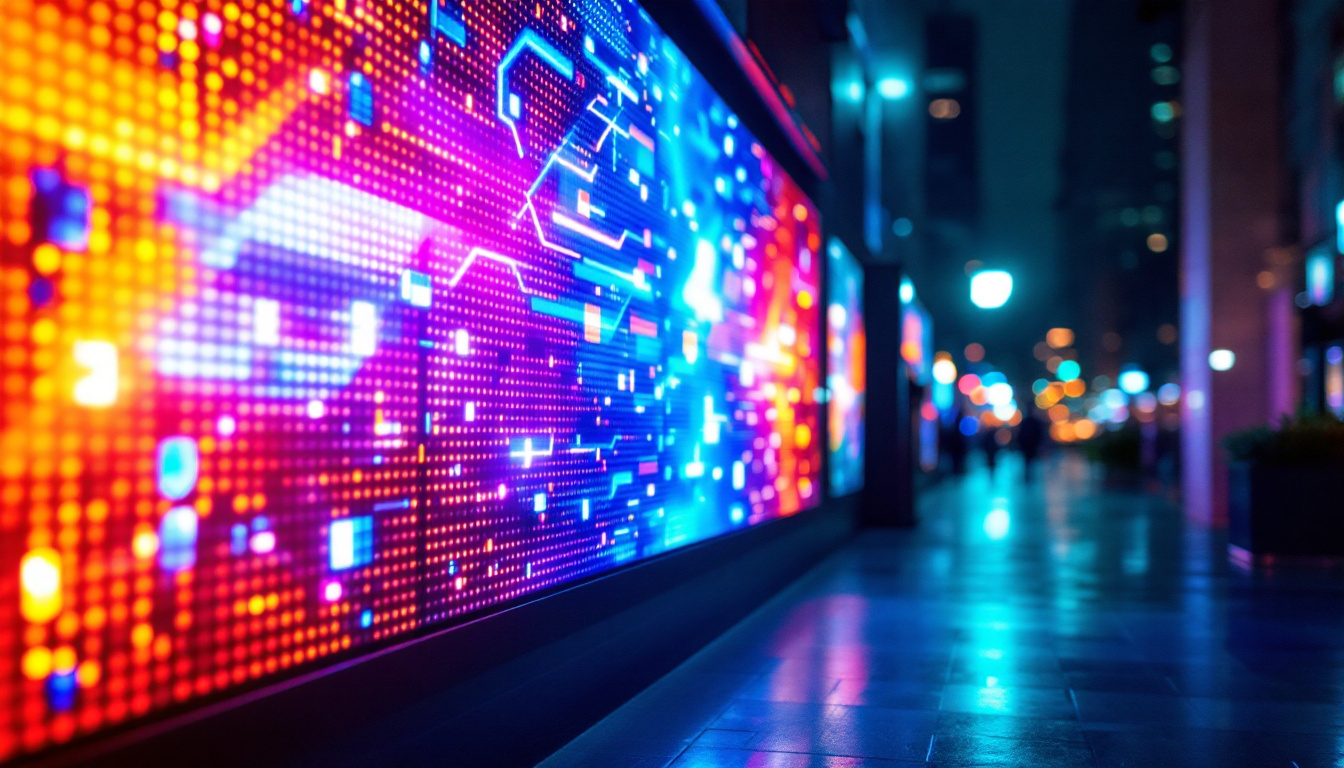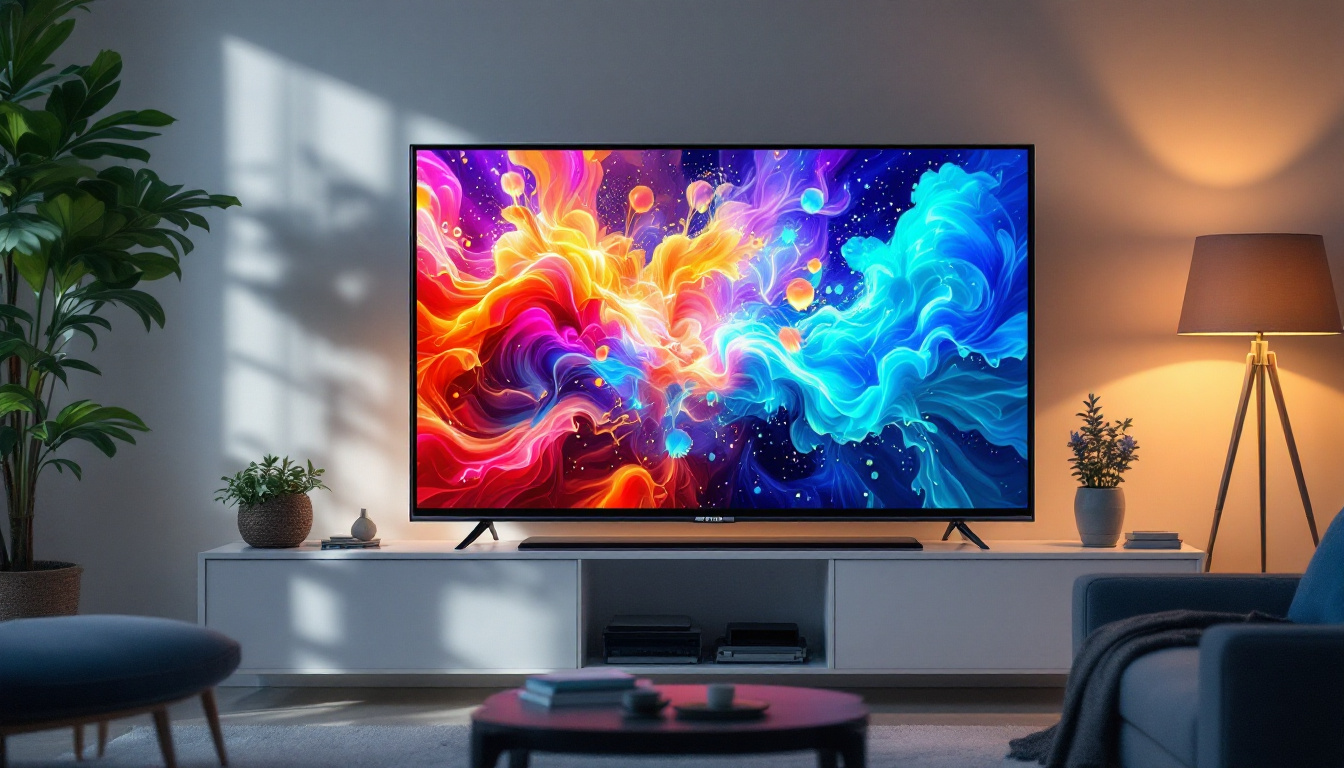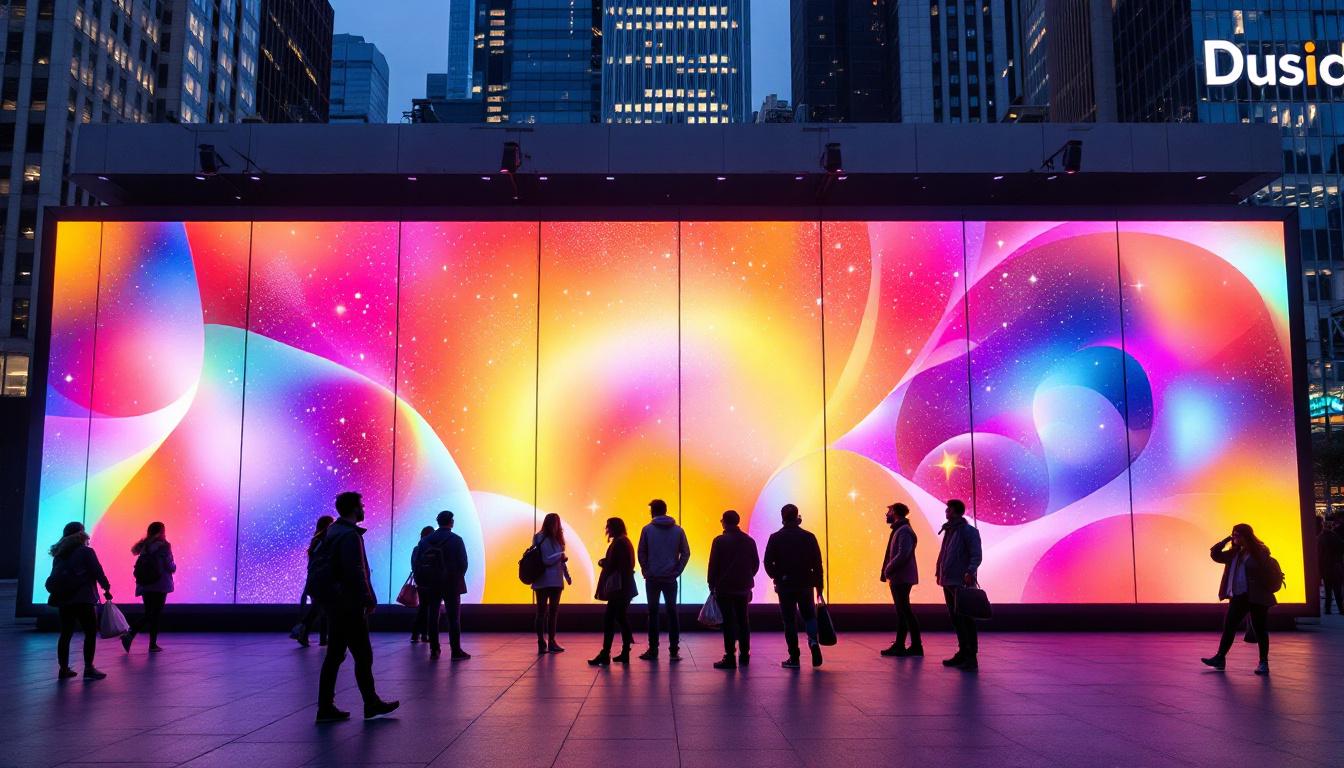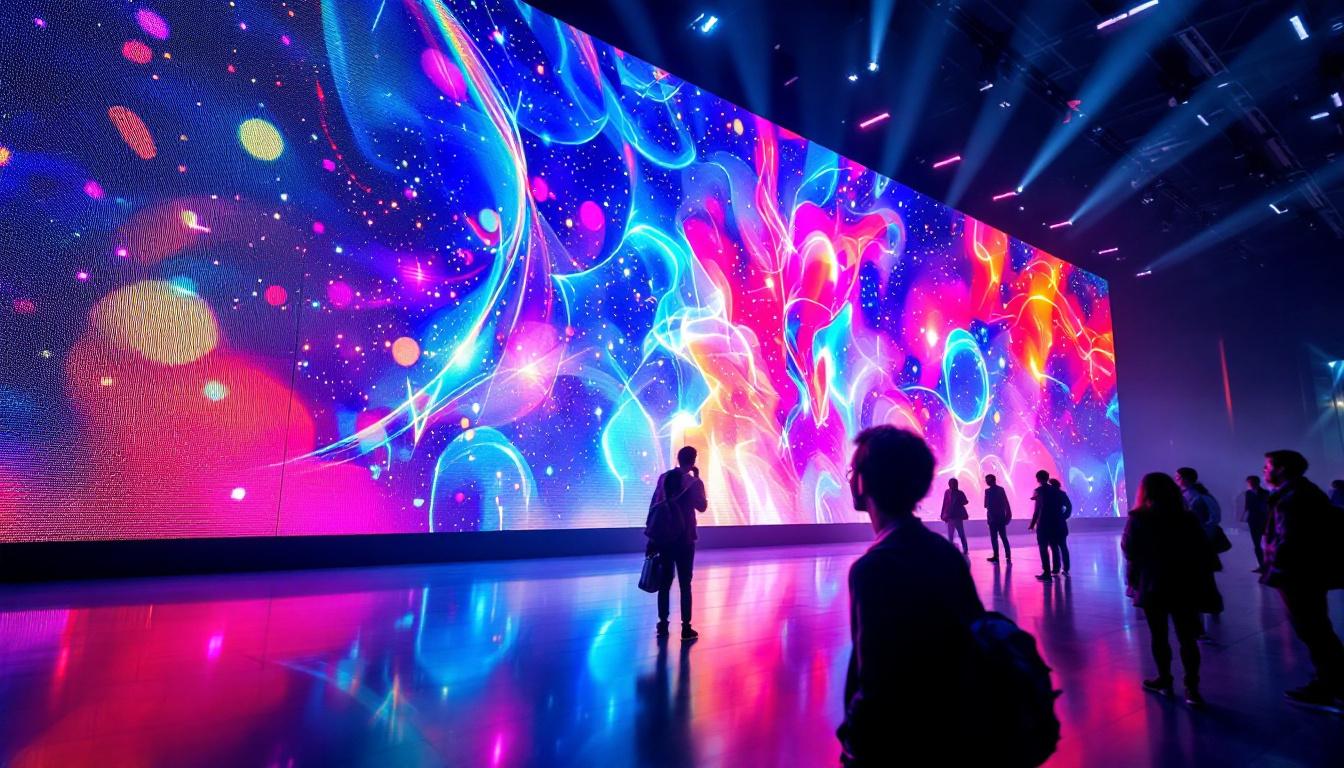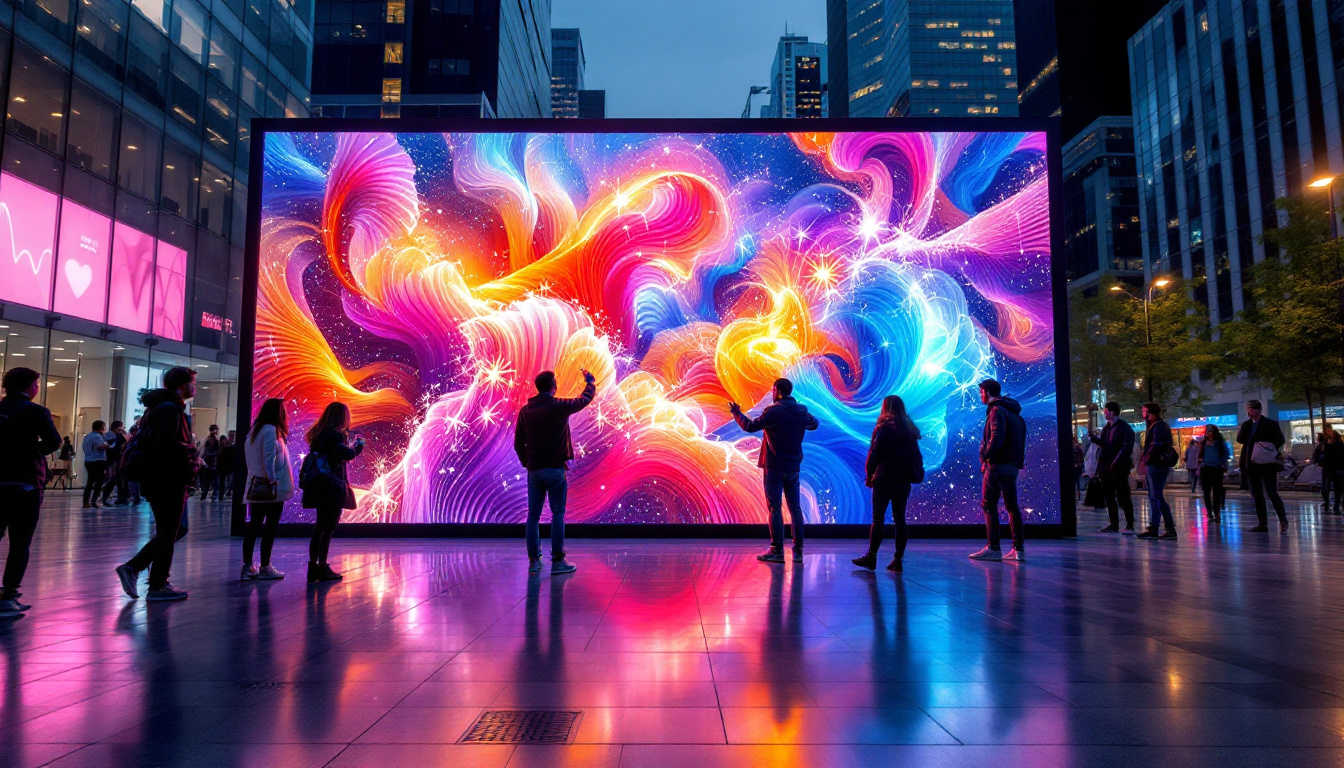
In the rapidly evolving world of digital signage and display technology, LED displays have become a cornerstone for delivering vibrant, high-resolution visuals across various industries. Among the many specifications that define an LED display’s quality and performance, the term “0.9 mm” pixel pitch stands out as a key indicator of image sharpness and detail. This article delves into what a 0.9 mm LED display means, why it matters, and how it fits into the broader landscape of LED technology.
Understanding Pixel Pitch in LED Displays
What Is Pixel Pitch?
Pixel pitch refers to the distance between the centers of two adjacent pixels on an LED display, usually measured in millimeters. It essentially determines how densely packed the LEDs are on the screen. A smaller pixel pitch means more pixels per unit area, resulting in higher resolution and finer image detail.
For example, a 0.9 mm pixel pitch means that the LEDs are spaced 0.9 millimeters apart. This is considered a very fine pitch, often used in applications requiring close viewing distances and exceptional image clarity, such as indoor corporate displays, broadcast studios, and high-end retail environments. In such settings, the ability to convey intricate visuals and detailed information can significantly enhance the overall experience for the audience, making the choice of pixel pitch a critical factor in display design.
Why Pixel Pitch Matters
The pixel pitch directly impacts the viewing experience. Displays with larger pixel pitches (e.g., 4 mm or 10 mm) are typically suited for outdoor or large venue applications where viewers are farther away. Conversely, smaller pixel pitches like 0.9 mm are designed for environments where viewers are close enough to discern fine details.
Choosing the right pixel pitch ensures that the display delivers sharp, clear images without visible pixelation. This is crucial for applications that rely on detailed graphics, text readability, and realistic video playback. Furthermore, the pixel pitch can also affect the overall brightness and color accuracy of the display; smaller pitches often require more sophisticated technology to maintain consistent color reproduction across the screen. As a result, understanding pixel pitch not only aids in selecting the appropriate display for a specific environment but also influences the technology and budget considerations that come into play during the purchasing process. Ultimately, a well-chosen pixel pitch can elevate the effectiveness of visual communications, making it an essential aspect of modern display technology.
The Technical Advantages of 0.9 mm LED Displays
High Resolution and Image Quality
One of the primary benefits of a 0.9 mm pixel pitch is the ability to achieve ultra-high resolution in relatively compact display sizes. For instance, a 1-meter by 1-meter LED panel with a 0.9 mm pitch can contain over 1.2 million pixels, enabling it to show intricate visuals with remarkable precision.
This high pixel density allows for smooth gradients, crisp text, and lifelike images, making 0.9 mm LED displays ideal for environments where image quality cannot be compromised. Broadcast studios, museums, and luxury retail stores often leverage this technology to create immersive visual experiences. The ability to display detailed graphics and videos is particularly beneficial in settings like art galleries, where every brushstroke can be appreciated, or in corporate environments where presentations demand clarity and professionalism.
Seamless Video Playback
Smaller pixel pitches reduce the “screen door effect,” where the grid of LEDs becomes visible to the naked eye, disrupting the viewing experience. With 0.9 mm LED displays, the pixel grid is virtually imperceptible, allowing for seamless video playback that rivals traditional LCD and OLED screens.
Additionally, these displays typically support high refresh rates (often 3840 Hz or higher), which minimize flickering and motion blur. This makes them suitable for broadcasting and live event applications where smooth video rendering is essential. In fast-paced environments, such as sports arenas or concert venues, the ability to deliver real-time visuals without lag or distortion enhances audience engagement and overall enjoyment, creating a dynamic atmosphere that captivates viewers.
Enhanced Color Accuracy and Brightness
Modern 0.9 mm LED modules use advanced LED chips and calibration techniques to deliver superior color accuracy and brightness uniformity. This ensures that colors remain consistent across the entire display, even in challenging lighting conditions.
While indoor LED displays generally operate at brightness levels around 800 to 1,200 nits, 0.9 mm panels can maintain vivid colors without causing eye strain, making them comfortable for prolonged viewing periods. Furthermore, the technology behind these displays often includes sophisticated color management systems that allow for customization and fine-tuning, enabling users to achieve specific color profiles that align with branding or artistic intent. This adaptability is particularly advantageous for marketing campaigns and product launches, where visual impact is crucial to capturing consumer attention and conveying brand identity effectively.
Applications of 0.9 mm LED Displays
Corporate and Conference Environments
In corporate settings, 0.9 mm LED displays are increasingly popular for boardrooms, auditoriums, and conference centers. Their high resolution and clarity enable presenters to display detailed charts, videos, and interactive content that engage audiences effectively.
Unlike traditional projection systems, LED displays offer superior brightness and contrast, ensuring visibility even in well-lit rooms. Furthermore, their modular design allows for customized screen sizes and shapes tailored to specific spaces.
Broadcast and Media Studios
Broadcast studios demand the highest image quality for background screens and virtual sets. The 0.9 mm pixel pitch provides the fine detail necessary for close-up camera shots, where any pixelation would be noticeable on air.
These LED displays also support advanced features like HDR (High Dynamic Range) and precise color calibration, which are essential for professional video production and live broadcasts.
Luxury Retail and Showrooms
Retailers aiming to create immersive shopping experiences use 0.9 mm LED displays to showcase products with stunning visuals. The ability to render fine details and vibrant colors helps brands attract attention and communicate their message effectively.
In showrooms, these displays can simulate textures, colors, and lighting conditions, allowing customers to visualize products in different scenarios, which enhances the decision-making process.
Comparing 0.9 mm LED Displays with Other Technologies
LED vs. LCD and OLED
While LCD and OLED screens are common for consumer devices, LED displays with a 0.9 mm pixel pitch offer unique advantages for large-format applications. Unlike LCDs, LED panels are modular and scalable, allowing for virtually unlimited screen sizes without loss of image quality.
Compared to OLED, LED displays can achieve higher brightness levels and are less prone to burn-in, making them suitable for continuous operation in commercial environments.
0.9 mm vs. Larger Pixel Pitches
Choosing between 0.9 mm and larger pixel pitches depends largely on viewing distance and application. For example, a 2.5 mm pixel pitch is often sufficient for viewing distances of 2 to 3 meters, but at closer distances, the image may appear pixelated.
0.9 mm pixel pitch displays excel in environments where viewers are within 1 meter of the screen, delivering unmatched sharpness and detail. However, they come at a higher cost due to the increased number of LEDs and more complex manufacturing processes.
Installation and Maintenance Considerations
Modular Design and Ease of Installation
0.9 mm LED displays are typically constructed from smaller modules, each containing thousands of LEDs. This modular approach facilitates easier installation, maintenance, and scalability. Technicians can replace individual modules without dismantling the entire display, reducing downtime and service costs.
Moreover, these modules often feature front and rear access options, allowing for flexible installation in tight spaces or where rear access is limited.
Power Consumption and Heat Management
Due to the high density of LEDs, 0.9 mm displays can consume significant power and generate heat. Effective thermal management is crucial to maintain performance and prolong the lifespan of the display.
Manufacturers often incorporate advanced cooling solutions such as heat sinks, ventilation systems, and energy-efficient LED chips to mitigate heat buildup. Additionally, power consumption varies depending on brightness settings and content displayed, so optimizing usage can reduce operational costs.
Calibration and Quality Control
To ensure consistent image quality, 0.9 mm LED displays require precise calibration during installation and periodic maintenance. Calibration involves adjusting color balance, brightness, and uniformity across all modules to create a seamless visual experience.
Professional calibration tools and software are used to achieve this, and many manufacturers provide service packages to support ongoing quality assurance.
The Future of 0.9 mm LED Displays
Technological Innovations
As LED technology advances, pixel pitches continue to shrink, pushing the boundaries of resolution and image fidelity. Research into microLED technology promises even smaller pixel pitches with improved energy efficiency and durability.
Integration with AI-driven content management systems is also enhancing how LED displays adapt to viewer preferences and environmental conditions, optimizing brightness and content dynamically.
Market Trends and Adoption
The global LED display market is projected to grow at a compound annual growth rate (CAGR) of over 15% through 2028, driven by demand for high-quality digital signage and immersive visual experiences. The 0.9 mm pixel pitch segment is expected to see increased adoption in sectors such as healthcare, education, and entertainment, where detailed visuals are critical.
As manufacturing costs decrease and installation processes become more streamlined, 0.9 mm LED displays will become more accessible to a broader range of businesses and institutions.
Conclusion
The 0.9 mm LED display represents a pinnacle of modern display technology, offering unparalleled resolution, color accuracy, and viewing experience for close-range applications. Its fine pixel pitch makes it ideal for environments where image detail and clarity are paramount, from corporate boardrooms to broadcast studios and luxury retail spaces.
While the initial investment may be higher compared to larger pixel pitch displays, the benefits in image quality and viewer engagement often justify the cost. As technology continues to evolve, 0.9 mm LED displays are poised to play a crucial role in shaping the future of digital visual communication.
Understanding the technical aspects and practical applications of 0.9 mm LED displays empowers businesses and professionals to make informed decisions when selecting display solutions that meet their specific needs.
Discover LumenMatrix’s Advanced LED Display Solutions
Ready to elevate your visual communication with the cutting-edge precision of 0.9 mm LED displays? LumenMatrix, a leader in innovative LED display technology, offers an extensive range of solutions tailored to your unique needs. From Indoor and Outdoor LED Walls to specialized displays for Vehicles, Sports, and even Custom configurations, LumenMatrix is committed to transforming your space with captivating visuals and unparalleled clarity. Check out LumenMatrix LED Display Solutions today and experience the future of digital signage.