In today’s fast-paced world, digital signage has become an essential tool for businesses, educational institutions, and public spaces looking to communicate effectively and attractively. Among the various display technologies available, LED displays have surged in popularity, especially when integrated with TV systems. This article delves into the world of digital signage for TV, focusing on LED displays—exploring their technology, advantages, applications, and considerations for choosing the right setup.
Understanding Digital Signage and LED Displays
What Is Digital Signage?
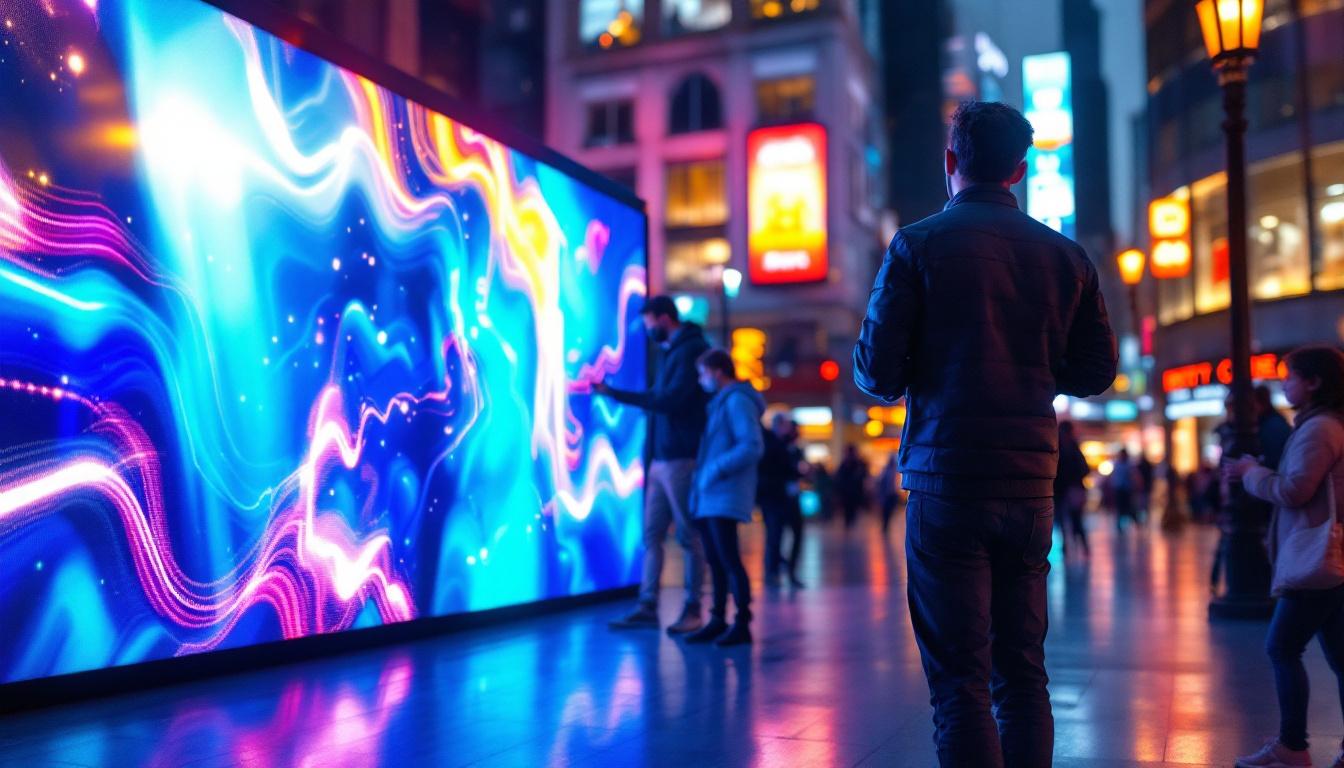
Digital signage refers to the use of digital displays to present information, advertisements, or other content in public or private spaces. Unlike traditional static signs, digital signage offers dynamic, real-time content that can be updated remotely and tailored to specific audiences or times of day. This flexibility has revolutionized how businesses engage with customers and how organizations disseminate information. From retail environments showcasing promotional offers to transportation hubs providing real-time updates, digital signage enhances communication and can significantly improve customer experiences.
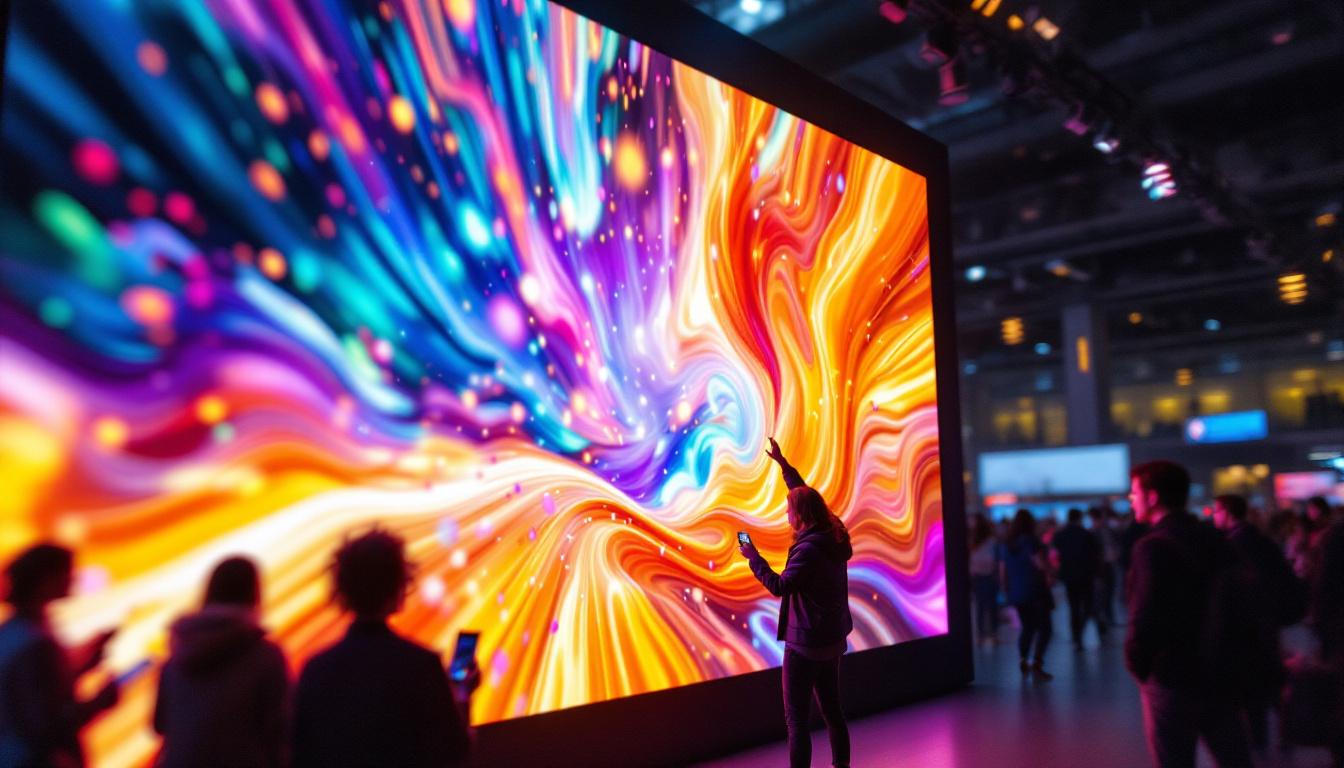
Moreover, the integration of interactive elements, such as touch screens and QR codes, allows for a more engaging user experience. Customers can interact with the content, accessing additional information or even making purchases directly from the display. This interactivity not only captures attention but also fosters a deeper connection between the brand and its audience, driving higher engagement rates and conversions.
How LED Displays Work
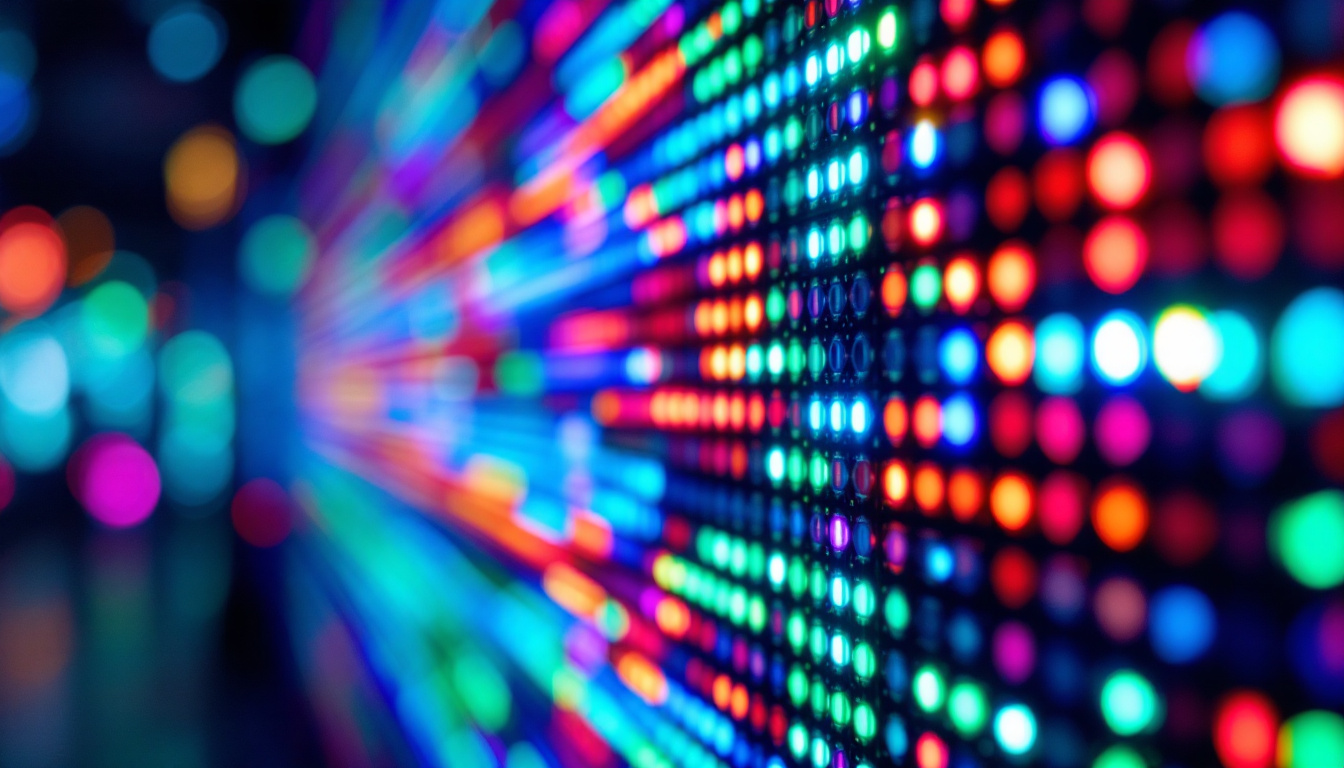
LED, or Light Emitting Diode, displays consist of numerous tiny LEDs that emit light when an electric current passes through them. These LEDs are arranged in a matrix to form pixels, which collectively create images and videos. LED displays are known for their brightness, color accuracy, and energy efficiency. When integrated with a TV or digital signage system, they offer vivid, eye-catching visuals that remain clear even in brightly lit environments. The technology behind LED displays has advanced significantly, allowing for finer pixel pitches and higher resolutions, which means that even close-up viewers can enjoy sharp, detailed images.
Additionally, the longevity of LED technology contributes to its cost-effectiveness over time. With a lifespan that can exceed 100,000 hours, LED displays require less frequent replacements and lower maintenance costs compared to traditional display technologies. This durability makes them a preferred choice for businesses looking to invest in long-term solutions for their advertising and informational needs.
Types of LED Displays in Digital Signage
There are primarily two types of LED displays used in digital signage: direct-view LED and LED-backlit LCD.
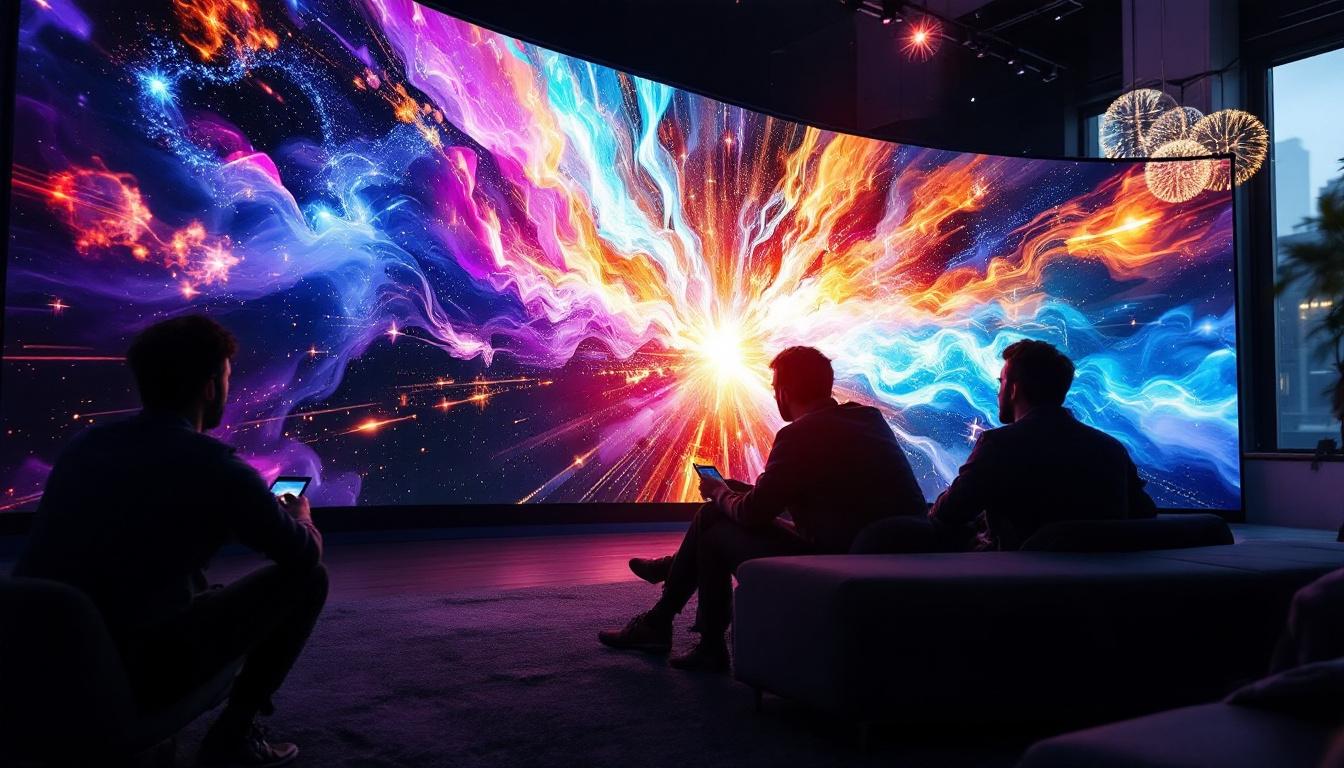
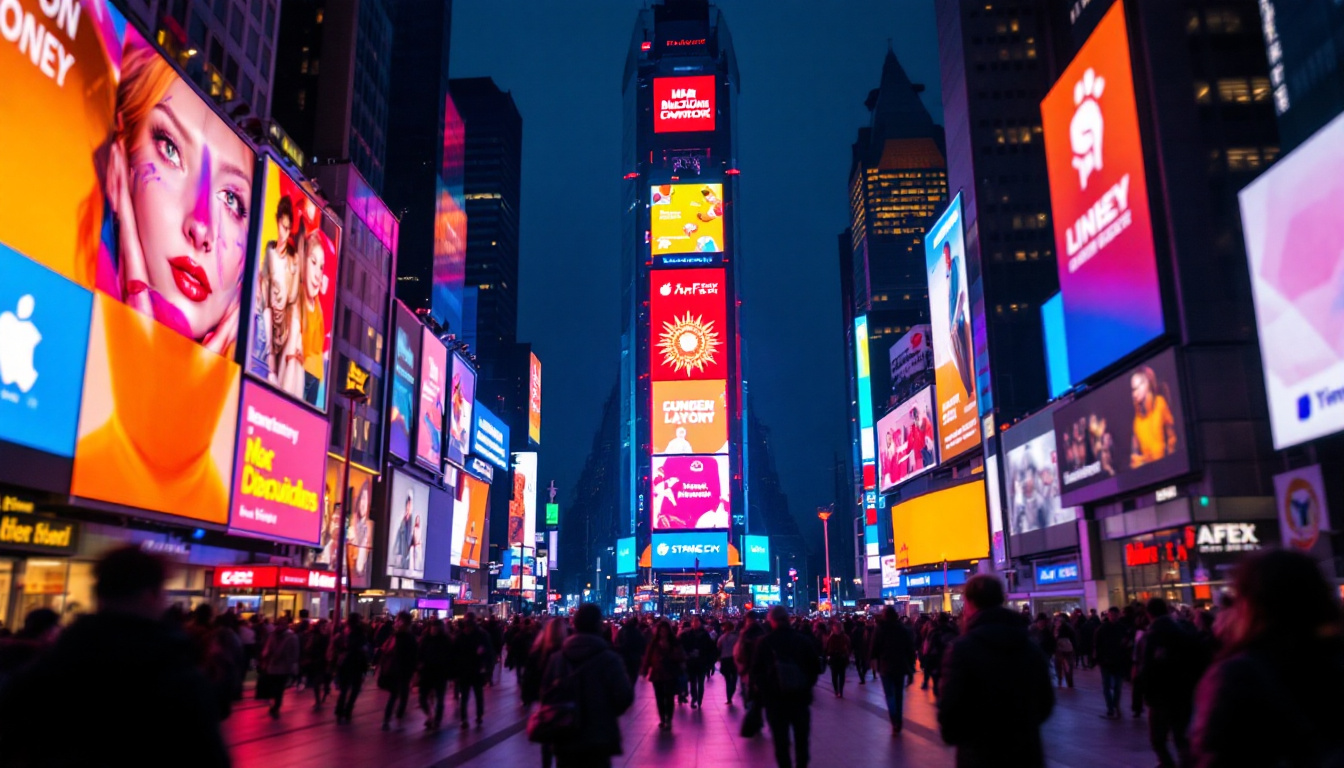
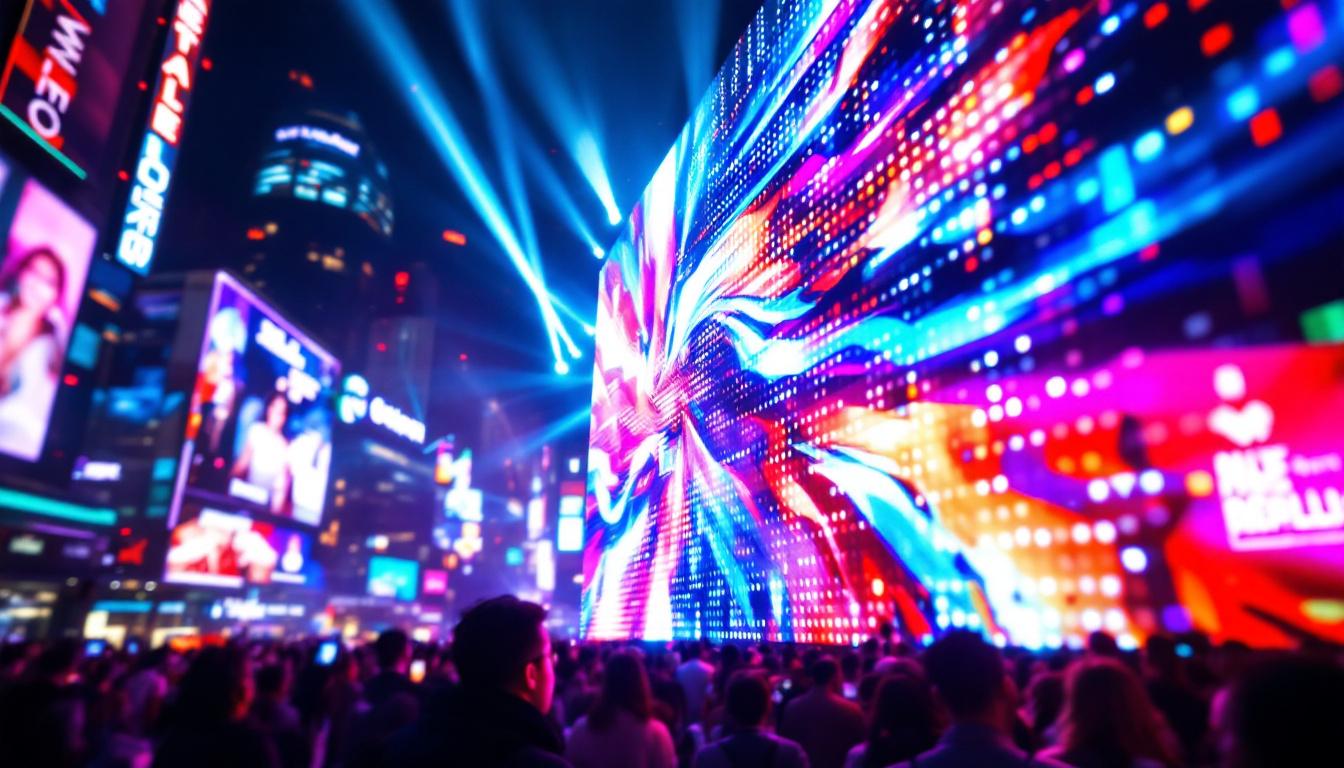
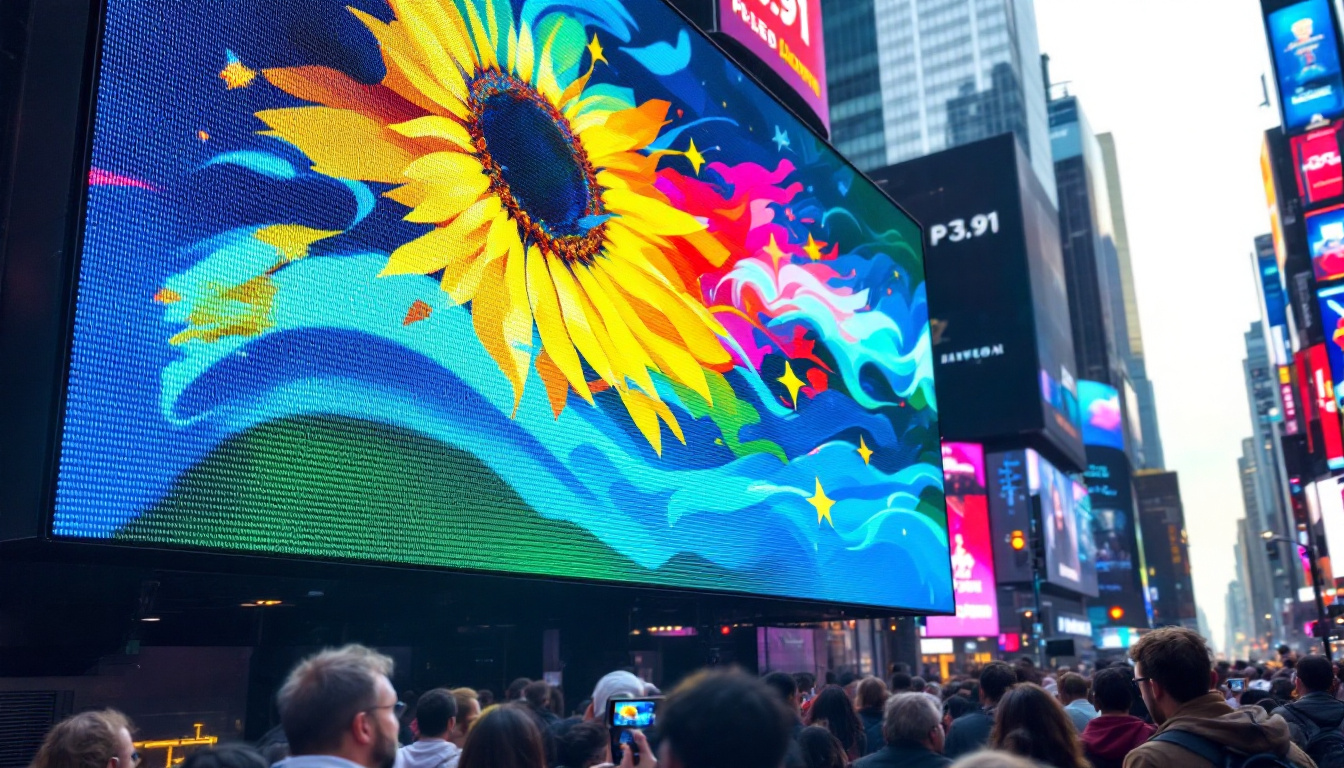
- Direct-View LED: This type uses LEDs as the actual pixels forming the image. It’s commonly used for large-scale displays such as billboards and stadium screens. The high brightness and scalability make it ideal for outdoor or large indoor spaces. Direct-view LED technology also supports a wide range of applications, from concert venues to corporate events, where impactful visuals are essential for audience engagement.
- LED-Backlit LCD: Here, LEDs serve as the backlight for an LCD panel. This technology is prevalent in consumer TVs and smaller digital signage screens, offering excellent color reproduction and contrast in a slim form factor. LED-backlit LCDs are often utilized in retail settings, where they can be seamlessly integrated into store layouts to enhance product displays and promotions.
In addition to these two primary types, there are also variations such as flexible LED displays, which can be curved or shaped to fit unique environments, and transparent LED displays that provide a futuristic look while allowing visibility through the screen. These innovations continue to push the boundaries of how digital signage can be utilized, making it an exciting field for both technology enthusiasts and marketers alike.
Advantages of Using LED Displays for Digital Signage on TVs
Superior Brightness and Visibility
One of the standout benefits of LED displays is their exceptional brightness. LED technology can achieve brightness levels far beyond traditional LCD or plasma screens, often exceeding 1,000 nits. This makes LED signage highly visible even in direct sunlight or well-lit indoor environments, a critical factor for outdoor advertising or retail spaces with large windows. The ability to maintain clarity and vibrancy in various lighting conditions ensures that messages are not only seen but also understood, enhancing consumer engagement. Moreover, the brightness can be adjusted dynamically based on ambient light, ensuring optimal visibility at all times.
Energy Efficiency and Longevity
LED displays consume less power compared to other display technologies, which translates into lower operating costs. Additionally, LEDs have a longer lifespan, often rated for 50,000 to 100,000 hours of use. This durability reduces the frequency and cost of replacements, making LED signage a cost-effective investment over time. Furthermore, the energy efficiency of LED displays contributes to a smaller carbon footprint, making them an environmentally friendly choice for businesses looking to enhance their sustainability practices. As energy costs continue to rise, the long-term savings associated with LED technology become increasingly significant, allowing companies to allocate resources more effectively.
Vibrant Colors and High Contrast
LED displays offer a wide color gamut and high contrast ratios, resulting in more vibrant and lifelike images. This capability is crucial for digital signage that relies on visual impact to capture attention and convey brand messages effectively. The enhanced color accuracy allows for more engaging content, whether it’s a promotional video or an informational display. Additionally, the ability to produce deeper blacks and brighter whites enhances the overall viewing experience, making LED displays ideal for environments where detail and clarity are paramount. This level of visual fidelity not only attracts customers but also fosters a stronger emotional connection to the brand.
Flexibility and Scalability
Direct-view LED displays can be customized in size and shape, allowing for creative installations that fit unique spaces. Whether it’s a curved wall in a shopping mall or a massive outdoor billboard, LED technology can be scaled to meet diverse needs. This adaptability is particularly beneficial for businesses that may need to reconfigure their signage as they grow or as marketing strategies evolve. Additionally, the modular nature of LED panels allows for easy repairs and upgrades, ensuring that businesses can keep their displays current without significant downtime. The versatility of LED displays also opens the door to innovative advertising formats, such as interactive screens that engage customers in real-time, further enhancing the effectiveness of digital signage campaigns.
Common Applications of LED Digital Signage on TVs
Retail and Hospitality
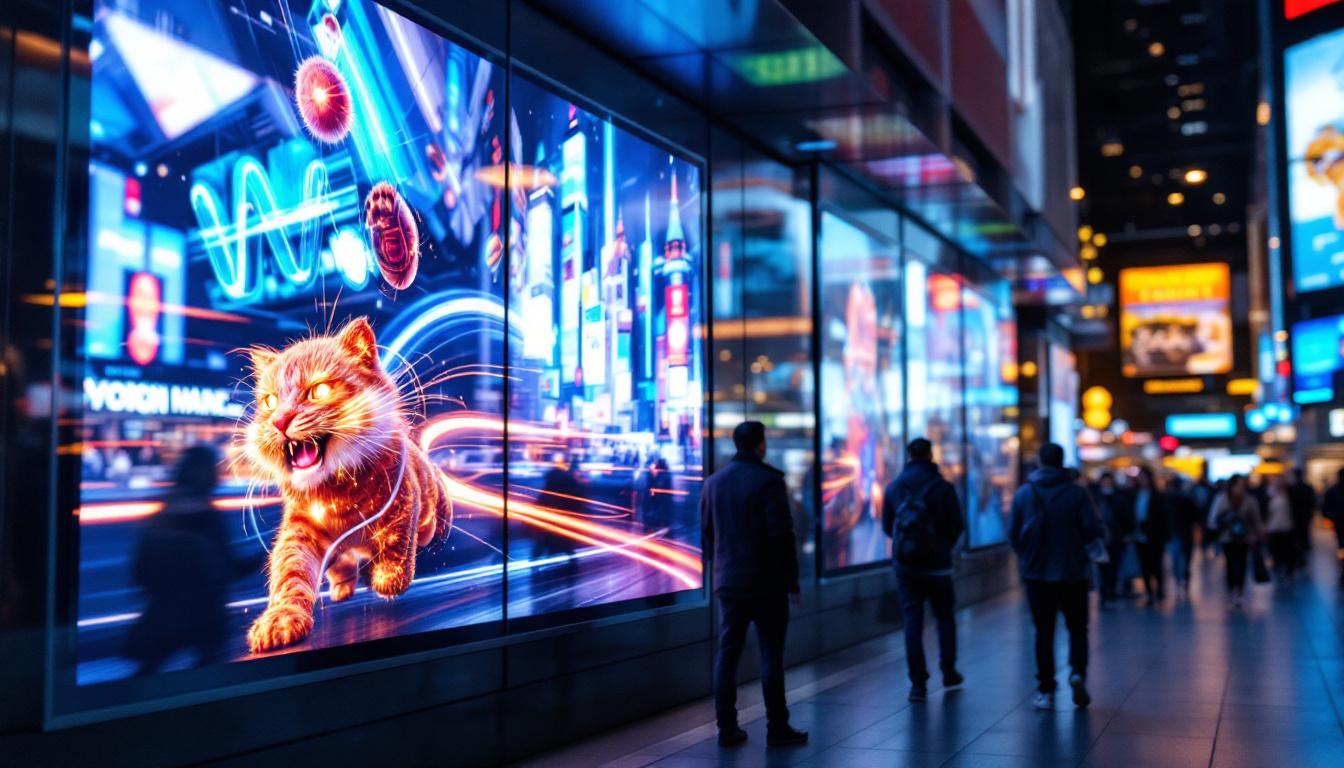
Retailers use LED digital signage to promote products, announce sales, and enhance the shopping experience. Bright, dynamic displays attract customers and can influence purchasing decisions. In hospitality, LED signage guides guests, displays menus, and advertises events, improving overall service quality.
Corporate and Educational Environments
Businesses employ LED digital signage for internal communications, such as displaying company news, performance metrics, or event schedules. Educational institutions use these displays for announcements, wayfinding, and interactive learning, leveraging the technology to engage students and staff.
Transportation and Public Spaces
Airports, train stations, and bus terminals rely on LED signage for real-time updates on schedules, delays, and safety information. The high visibility and reliability of LED displays ensure critical information reaches travelers promptly.
Entertainment and Sports Venues
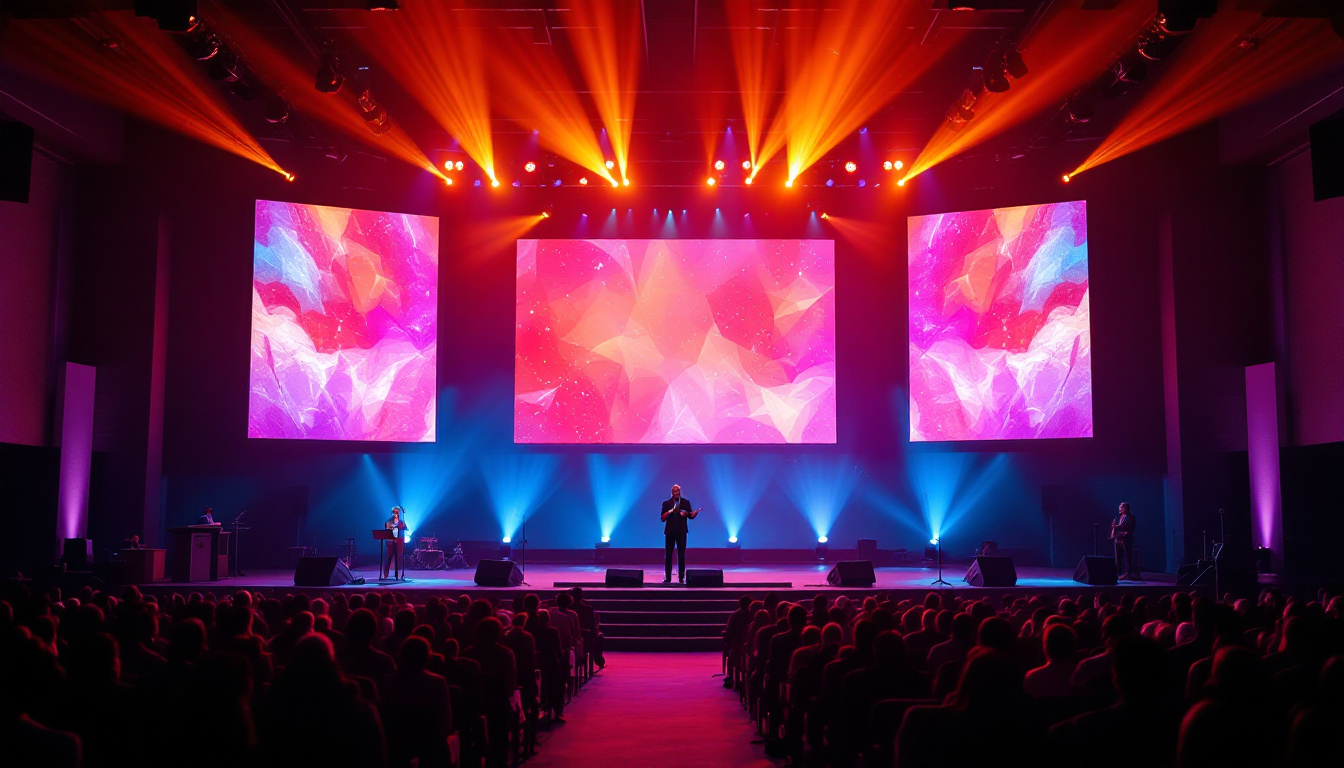
LED displays are integral to stadiums, arenas, and theaters, providing live scores, advertisements, and immersive visual experiences. The ability to create large, bright, and dynamic screens enhances audience engagement and event atmosphere.
Choosing the Right LED Display for Your Digital Signage TV Setup
Assessing Your Environment
Before selecting an LED display, consider the installation environment. Outdoor locations require displays with high brightness, weatherproofing, and anti-glare features. Indoor environments may prioritize resolution and color accuracy over extreme brightness. Understanding ambient lighting and viewing distances is essential for optimal display performance.
Resolution and Pixel Pitch
Resolution determines the clarity of the displayed content. Pixel pitch, the distance between individual LEDs, affects how sharp the image appears at different viewing distances. For close-up viewing, such as in retail stores, a smaller pixel pitch (1-2mm) is preferable. Larger pixel pitches (4mm and above) suit outdoor or large venue displays where viewers are farther away.
Connectivity and Content Management
Modern digital signage systems integrate with content management software (CMS) that allows remote control and scheduling of content. Ensure the LED display supports the necessary connectivity options, such as HDMI, DisplayPort, or network interfaces, to facilitate seamless content updates and integration with existing systems.
Budget Considerations
LED displays vary widely in price depending on size, resolution, and features. While upfront costs may be higher than other display types, the long-term benefits in durability, energy savings, and visual impact often justify the investment. It’s important to balance initial expenditure with expected return on investment (ROI) based on your signage goals.
Future Trends in LED Digital Signage for TVs
Mini-LED and Micro-LED Technologies
Emerging technologies like Mini-LED and Micro-LED promise even greater brightness, contrast, and energy efficiency. These advancements allow for thinner, more flexible displays with superior image quality, potentially transforming digital signage applications in the near future.
Interactive and Smart Signage
Integration of touch capabilities, sensors, and AI-driven content personalization is making digital signage more interactive and engaging. LED displays paired with smart TV systems can deliver tailored experiences, enhancing customer engagement and data collection for marketers.
Sustainability and Eco-Friendly Solutions
With increasing focus on sustainability, LED signage manufacturers are developing eco-friendly products with recyclable materials and reduced power consumption. Businesses prioritizing green initiatives can benefit from these innovations while maintaining effective communication strategies.
Conclusion
LED displays have firmly established themselves as the preferred technology for digital signage on TVs due to their brightness, durability, and visual excellence. Whether used in retail, corporate, transportation, or entertainment settings, LED digital signage enhances communication and engagement through dynamic, high-impact visuals.
Choosing the right LED display involves understanding your environment, content needs, and budget. As technology continues to evolve with innovations like Mini-LED and interactive capabilities, the future of digital signage looks brighter than ever. Investing in LED digital signage is not just about adopting a display technology—it’s about embracing a powerful communication tool tailored for today’s digital landscape.
Explore Cutting-Edge LED Display Solutions with LumenMatrix
Ready to elevate your digital signage strategy and captivate your audience with unparalleled visual experiences? LumenMatrix, a pioneer in LED display technology, offers a comprehensive range of innovative solutions tailored to your needs. From Indoor and Outdoor LED Wall Displays to specialized options like Vehicle, Sports, and Floor LED Displays, as well as Custom and All-in-One solutions, LumenMatrix is committed to revolutionizing visual communication. Discover the transformative power of LED displays and how they can amplify your brand’s message. Check out LumenMatrix LED Display Solutions today and step into the future of digital signage.