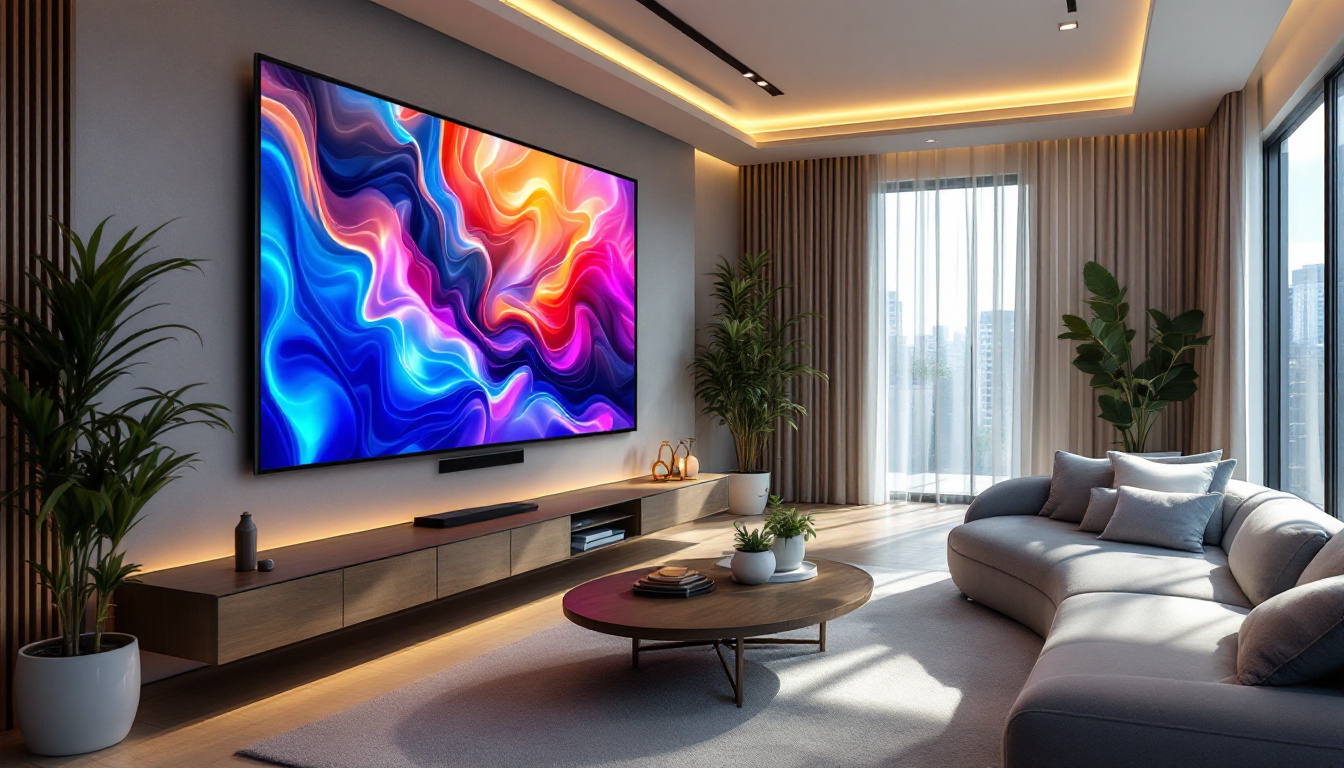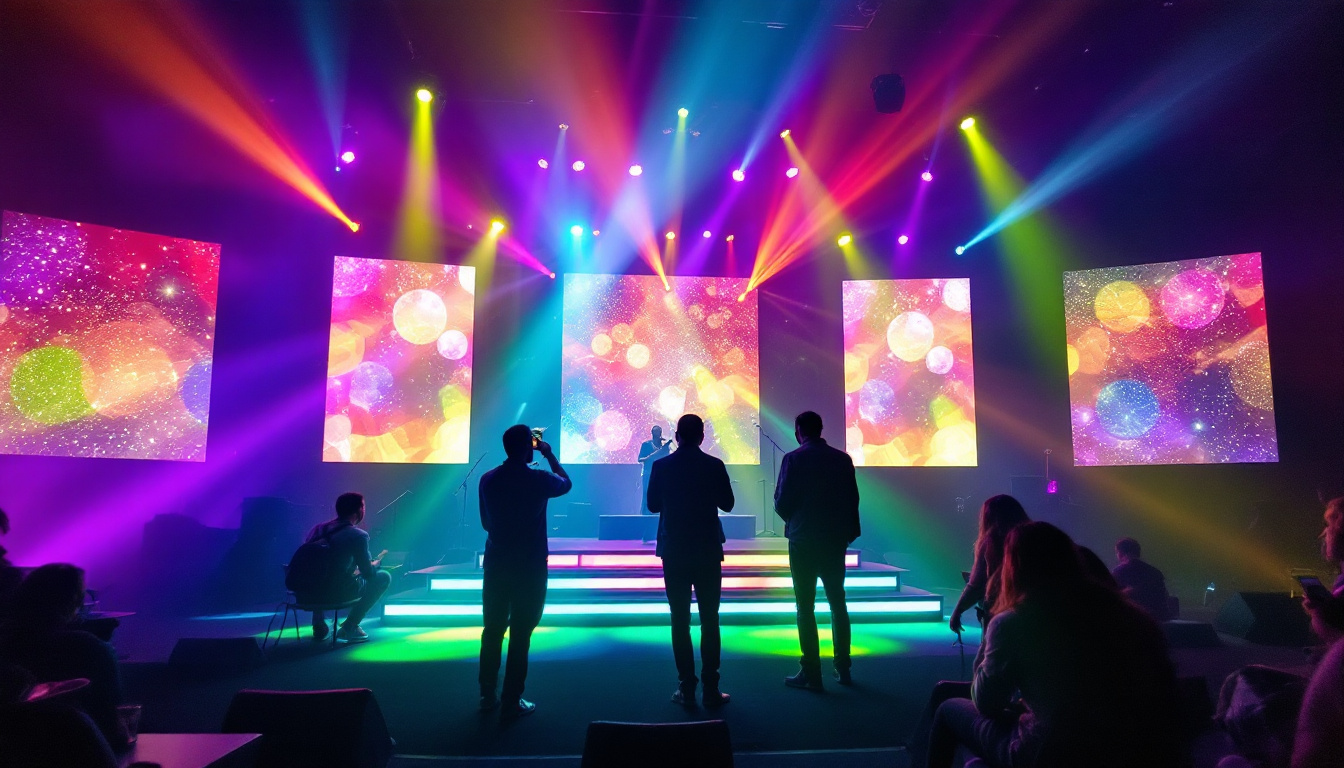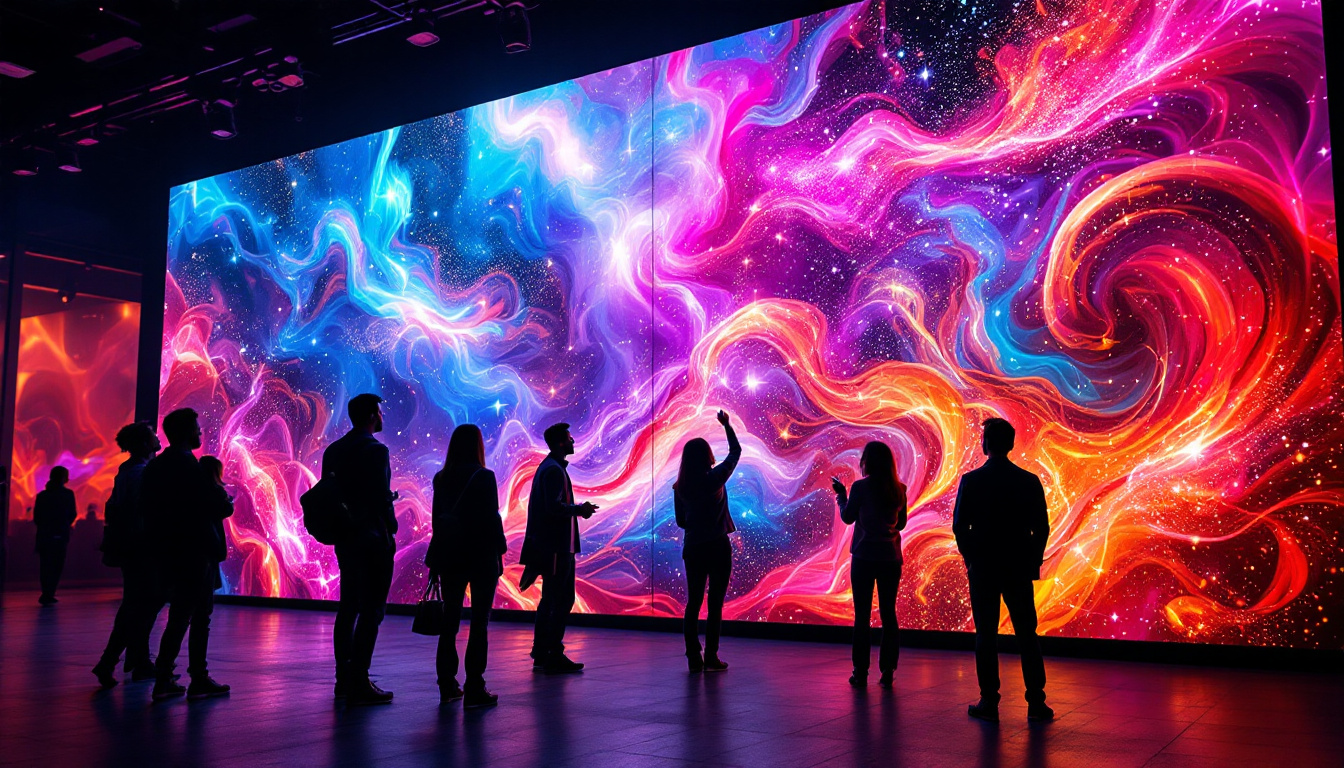
In today’s fast-paced digital world, LED displays have become an essential medium for communication, advertising, and entertainment. From massive outdoor billboards to sleek indoor video walls, LED technology powers vibrant, dynamic visuals that capture attention and deliver messages effectively. This article delves into the fundamentals of LED displays, exploring their technology, applications, and advantages, while providing insight into why they have become the preferred choice for modern visual solutions.
Understanding LED Display Technology
What is an LED Display?
LED stands for Light Emitting Diode, a semiconductor device that emits light when an electric current passes through it. An LED display is a screen made up of thousands, sometimes millions, of these tiny diodes arranged in a grid. Each diode acts as a pixel, producing light in specific colors—red, green, and blue—that combine to create full-color images and videos.
Unlike traditional LCD or plasma screens, LED displays generate their own light, which allows for brighter, more vivid images with higher contrast ratios. The modular nature of LED panels enables displays of virtually any size or shape, making them highly versatile for various environments. This adaptability has led to their widespread use in advertising, entertainment, and information dissemination, transforming how we engage with visual content in public spaces.
How Do LED Displays Work?
Each pixel in an LED display consists of individual red, green, and blue LEDs. By adjusting the intensity of each color, the display can produce a wide spectrum of colors. This process, known as additive color mixing, is fundamental to creating the rich, vibrant images seen on LED screens. The precision with which these colors can be manipulated allows for stunning visual effects, making LED displays particularly popular in concerts and events where dynamic visuals enhance the overall experience.
The resolution of an LED display depends on the pixel pitch—the distance between the centers of two adjacent pixels. Smaller pixel pitches result in higher resolution and sharper images, which is particularly important for close-viewing applications such as indoor displays or control rooms. As technology advances, manufacturers are continually developing smaller pixel pitches, pushing the boundaries of display clarity and detail, which is essential for applications like digital signage and high-definition broadcasting.
Types of LED Displays
There are several types of LED displays, each suited to different uses:
- Indoor LED Displays: Designed for close-range viewing, these displays have a small pixel pitch (often less than 2.5 mm) to provide crisp, clear images in environments like shopping malls, conference halls, and broadcast studios. Their high resolution and vibrant colors make them ideal for engaging audiences and enhancing presentations.
- Outdoor LED Displays: Built to withstand harsh weather conditions, these displays typically have larger pixel pitches (ranging from 4 mm to 20 mm) and higher brightness levels to ensure visibility even in direct sunlight. Their durability and brightness make them perfect for billboards, sports arenas, and outdoor events, where they can capture attention from a distance.
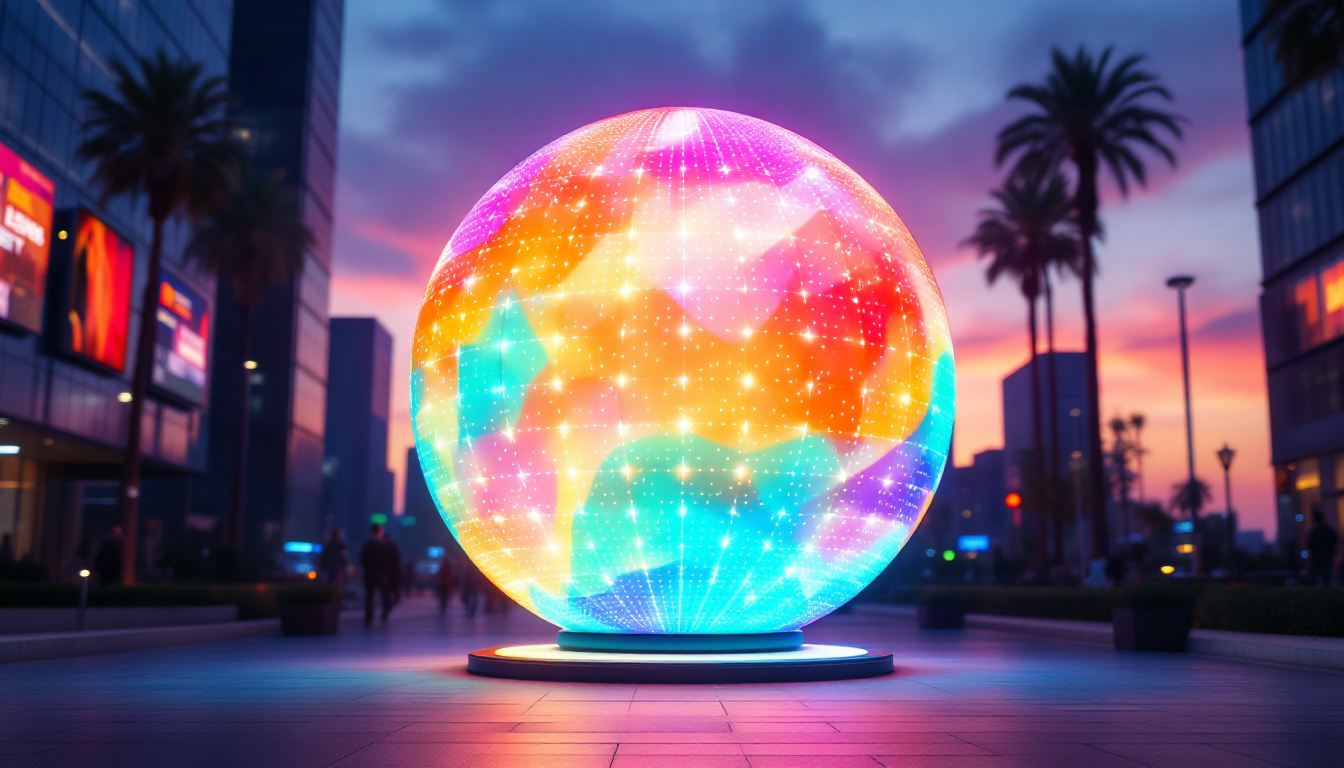
- Flexible and Transparent LED Displays: Innovative designs that allow screens to bend or be see-through, opening new possibilities for architectural integration and creative installations. These displays can be used in unique ways, such as wrapping around structures or creating interactive installations that blend seamlessly with their surroundings, pushing the boundaries of traditional display technology.
In addition to these types, there are also specialized LED displays, such as those used for virtual reality environments or augmented reality applications. These displays often incorporate advanced technologies, such as high refresh rates and low latency, to ensure a smooth and immersive user experience. As the demand for more interactive and engaging visual content grows, the evolution of LED display technology continues to shape the future of digital communication.
Applications of LED Displays Across Industries
Advertising and Marketing
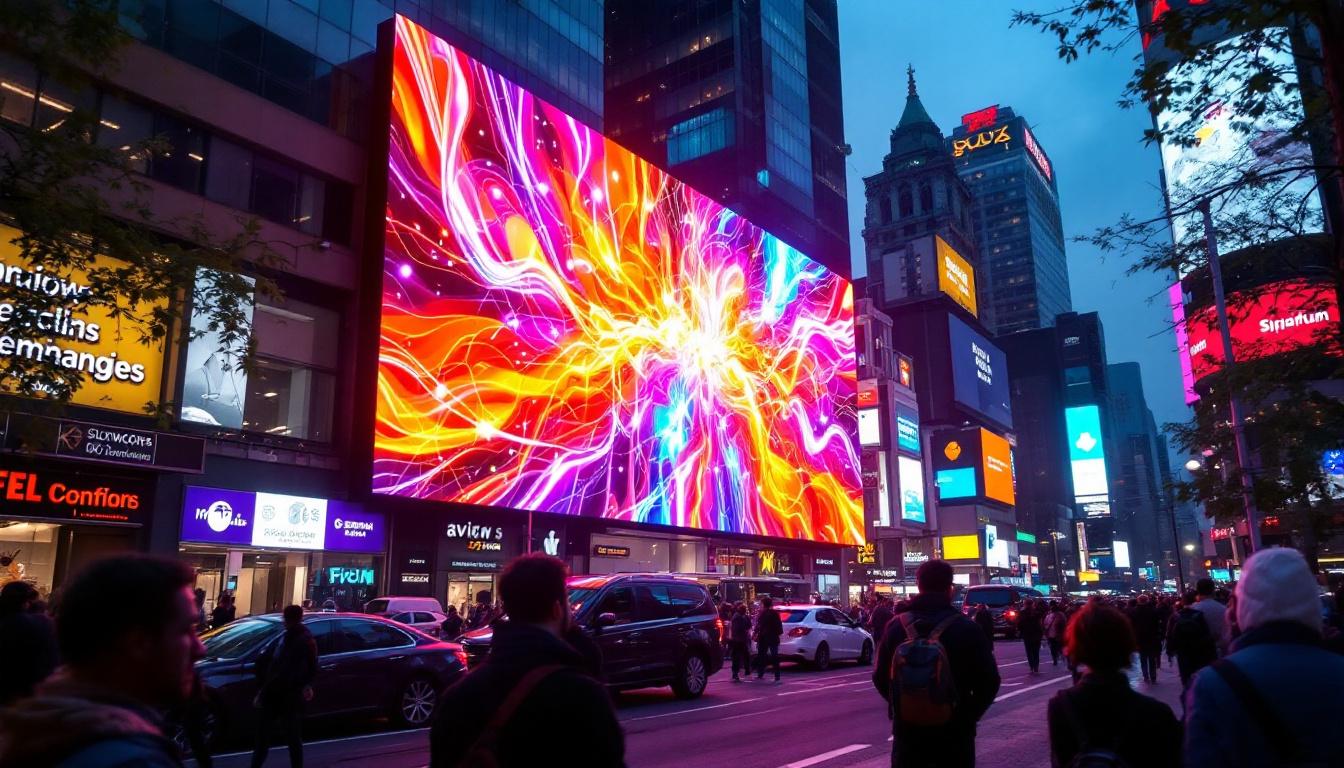
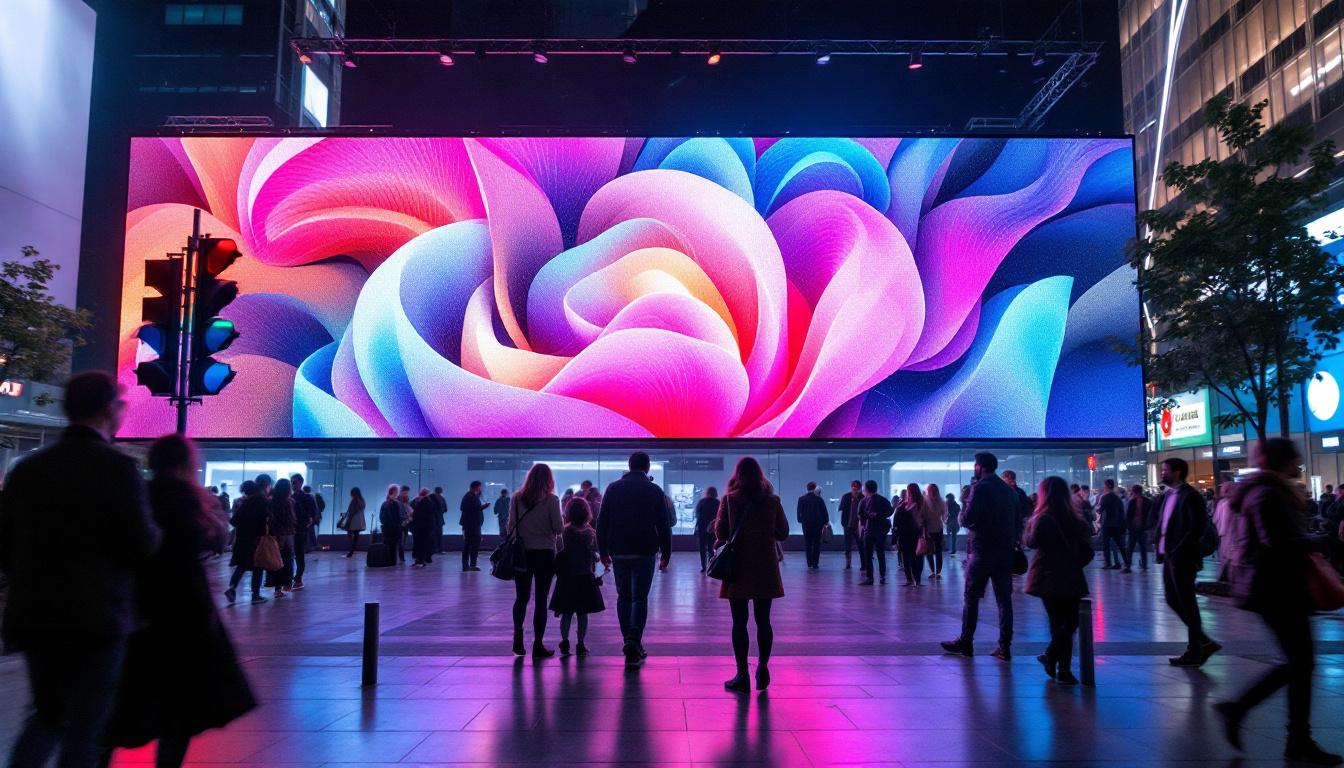
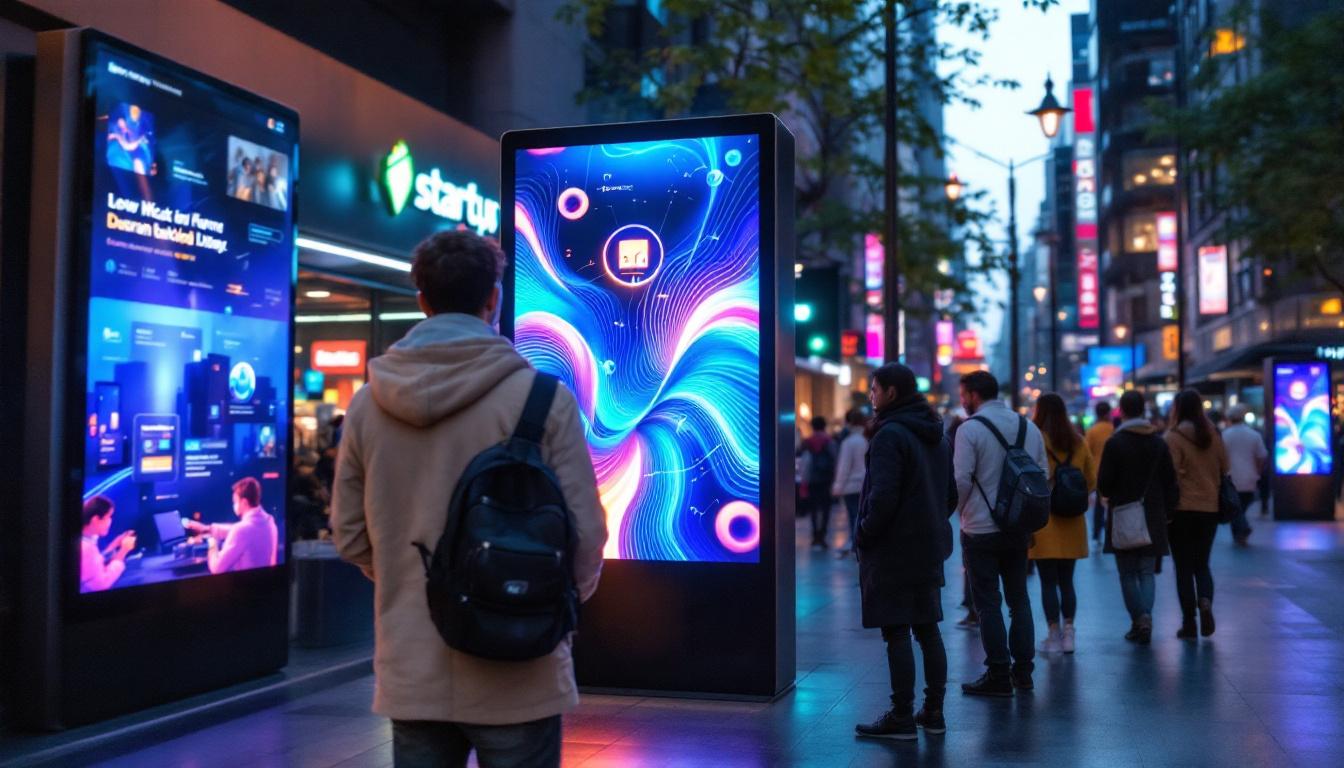
Outdoor LED billboards have revolutionized advertising by offering dynamic, eye-catching content that can be updated in real-time. According to recent market research, the global digital out-of-home (DOOH) advertising market, which heavily relies on LED displays, is projected to reach over $40 billion by 2027. This growth is driven by the increasing effectiveness of LED screens in capturing consumer attention compared to static posters.
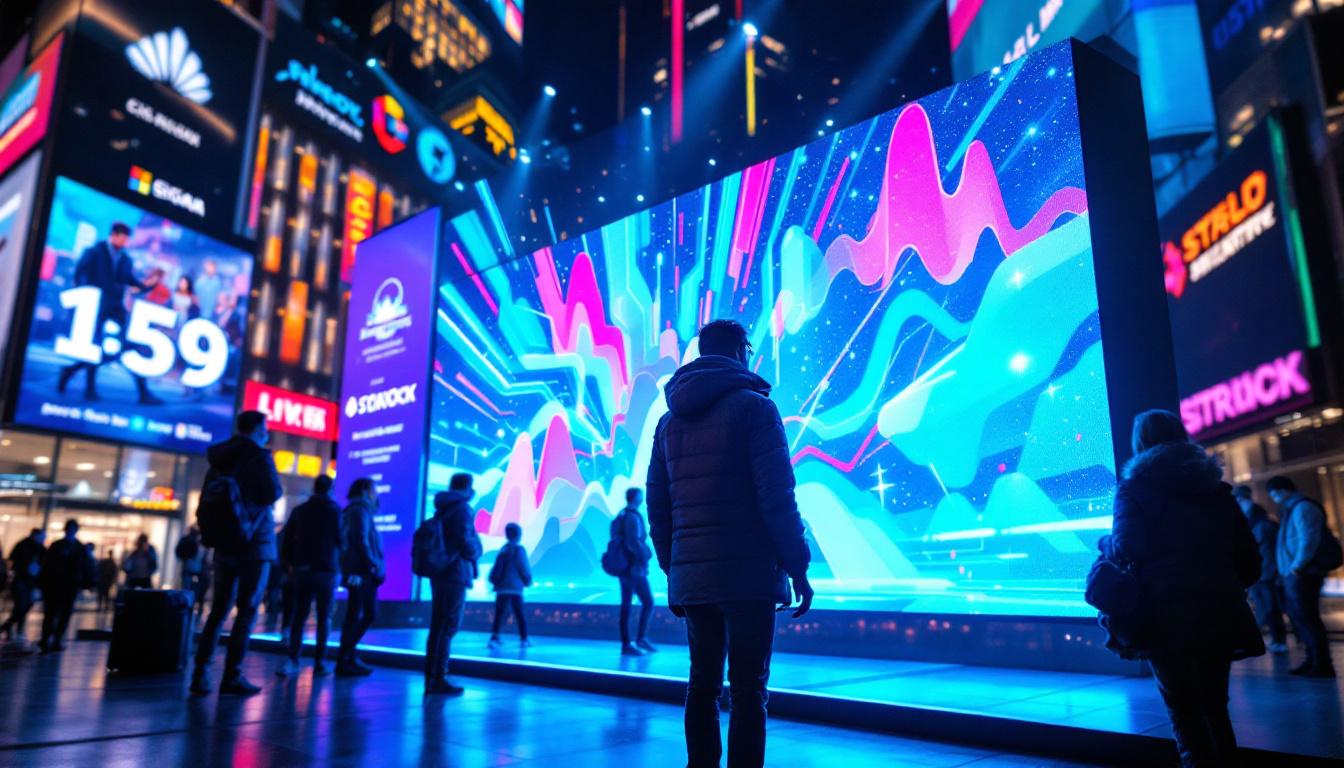
Brands leverage LED displays to create immersive campaigns that can adapt to different times of day, weather conditions, or audience demographics. For example, Times Square in New York City is famous for its towering LED billboards that blend advertising with entertainment, creating an iconic urban spectacle.
Sports and Entertainment Venues
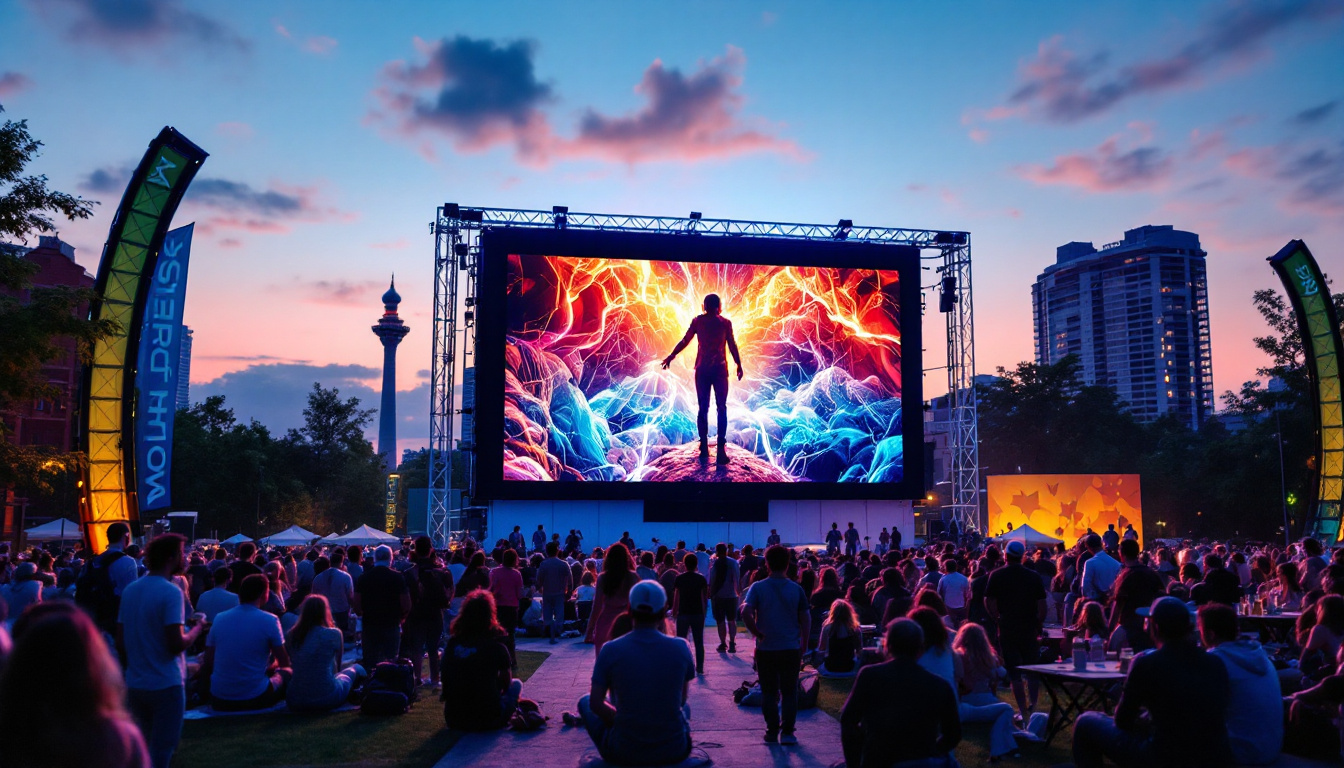
LED displays have become a staple in stadiums, arenas, and concert venues worldwide. Their ability to display live video feeds, instant replays, scores, and interactive content enhances the spectator experience. The 2022 FIFA World Cup, for instance, utilized cutting-edge LED technology to deliver vibrant visuals that engaged millions of fans both in the stadium and watching globally.
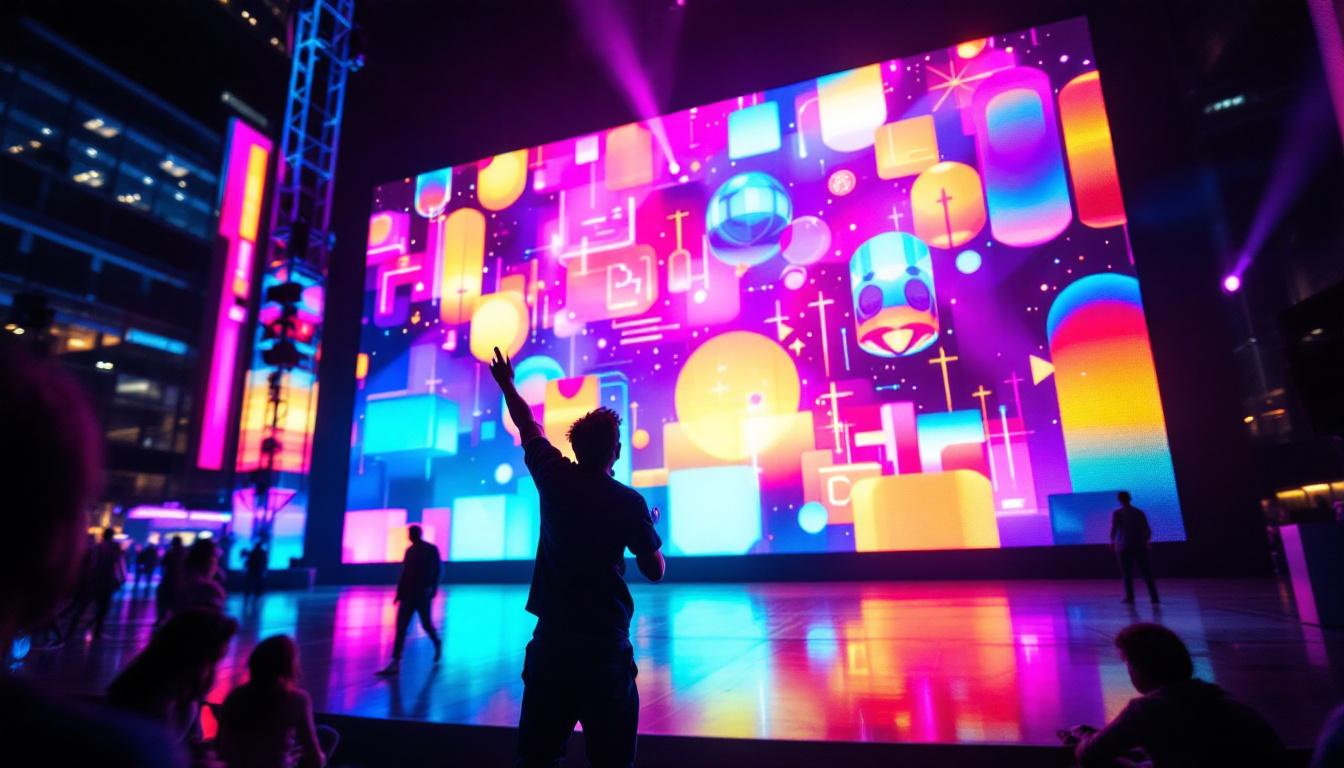
Moreover, LED video walls are increasingly used in concerts and theatrical productions to create dynamic backdrops and visual effects, elevating the overall performance quality.
Corporate and Control Room Environments
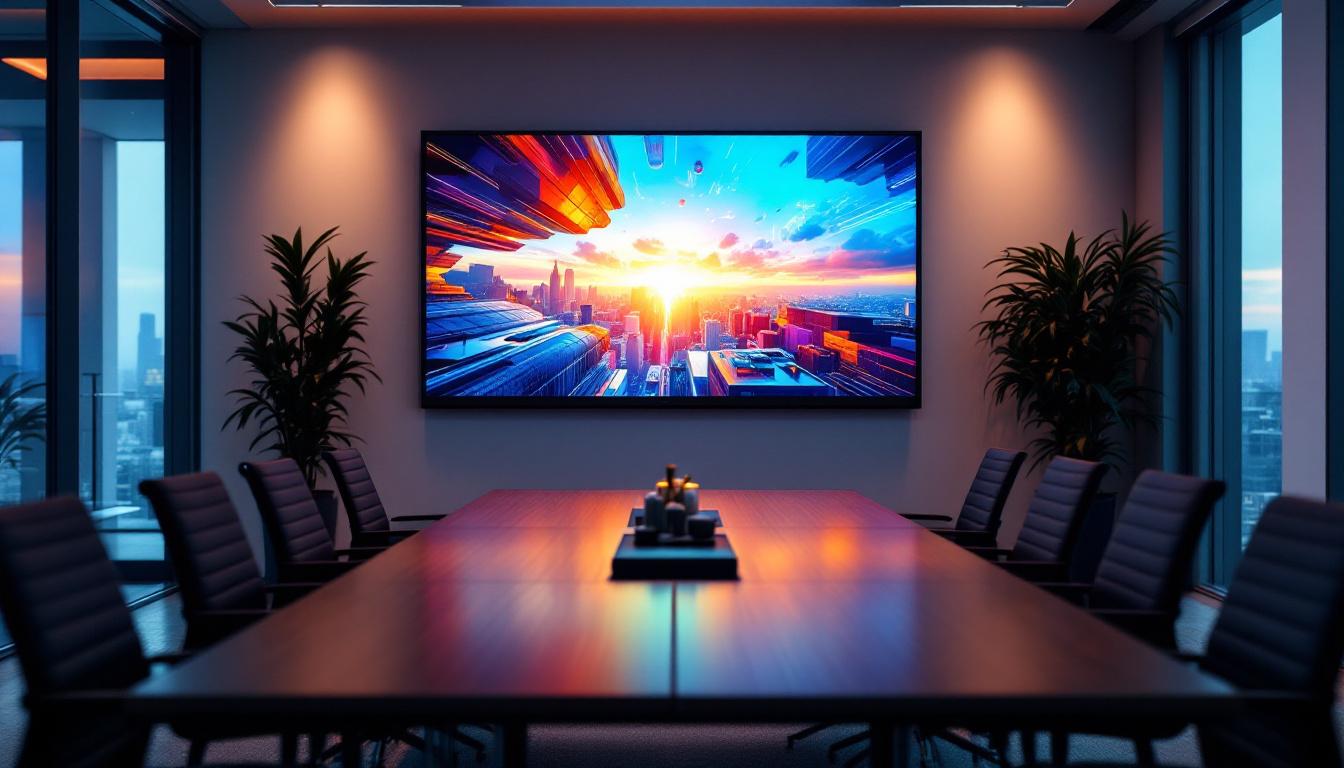
In corporate settings, LED video walls serve as powerful tools for presentations, video conferencing, and digital signage. Their high resolution and brightness ensure clear visibility, even in well-lit rooms. Control rooms for utilities, transportation, and emergency services rely on LED displays for real-time monitoring and data visualization, where clarity and reliability are critical.
Retail and Hospitality
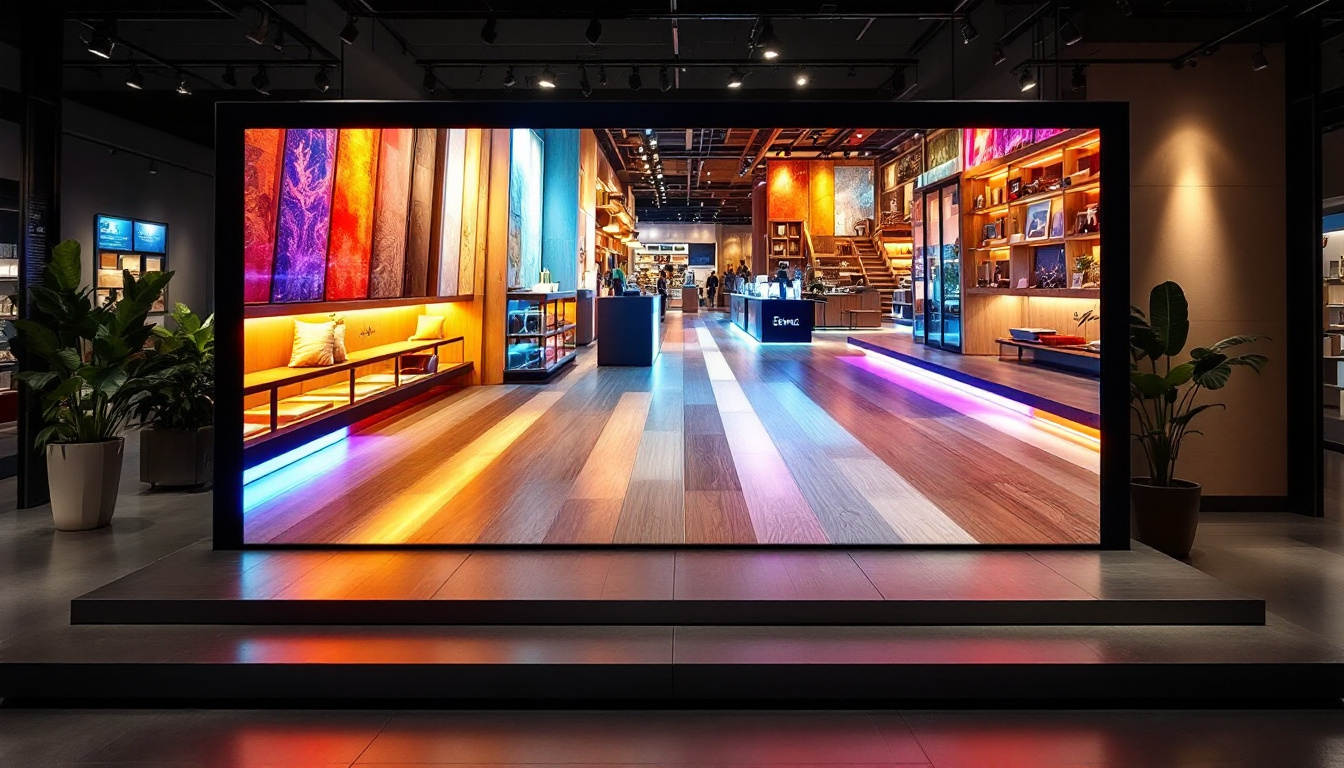
Retailers use LED displays to attract customers with promotional content, interactive product showcases, and brand messaging. Hotels and restaurants incorporate LED screens for digital menus, event announcements, and ambiance enhancement through dynamic lighting and visuals.
Advantages of LED Displays Over Other Technologies
Superior Brightness and Visibility
One of the most significant benefits of LED displays is their exceptional brightness. Outdoor LED screens can reach brightness levels of up to 10,000 nits, ensuring visibility even under direct sunlight. This contrasts sharply with LCD displays, which often struggle with glare and reduced clarity in bright environments.
Energy Efficiency and Longevity
LED technology is notably energy-efficient compared to traditional lighting and display technologies. LEDs consume less power while delivering higher brightness, which translates to lower operational costs. Additionally, LED displays have a long lifespan, often exceeding 100,000 hours of operation, reducing maintenance and replacement expenses.
Flexibility and Scalability
The modular design of LED panels allows for easy customization in size and shape. Whether it’s a giant outdoor billboard or a curved indoor video wall, LED displays can be tailored to fit specific spatial and aesthetic requirements. This flexibility is invaluable for architects, designers, and event planners seeking innovative visual solutions.
High Refresh Rates and Color Accuracy
Modern LED displays support high refresh rates (often 1920 Hz or higher), which eliminate flicker and provide smooth motion rendering. This is particularly important for broadcasting and live events, where image quality and viewer comfort are paramount. Furthermore, advances in LED technology have improved color accuracy and consistency, ensuring that visuals appear true to life.
Key Considerations When Choosing an LED Display
Pixel Pitch and Viewing Distance
Choosing the appropriate pixel pitch is critical to achieving the desired image quality. For indoor applications where viewers are close to the screen, a smaller pixel pitch (1.2 mm to 2.5 mm) is ideal to avoid visible pixelation. Outdoor displays, viewed from greater distances, can use larger pixel pitches without compromising perceived resolution.
Brightness and Environmental Conditions
Assessing the ambient lighting conditions where the display will be installed is essential. Outdoor LED displays require high brightness levels and weatherproofing to maintain performance in sunlight, rain, and temperature fluctuations. Indoor environments may prioritize color accuracy and contrast over extreme brightness.
Installation and Maintenance
Consideration should be given to the installation process, including mounting options, accessibility for maintenance, and ventilation. LED displays generate heat and require proper cooling to ensure longevity. Modular panels facilitate easier repairs and upgrades, minimizing downtime.
Content Management and Control Systems
Effective content management software is vital for maximizing the impact of LED displays. Modern systems allow remote control, scheduling, and real-time updates, enabling dynamic and targeted messaging. Integration with other digital platforms can further enhance content delivery and audience engagement.
The Future of LED Display Technology
Mini-LED and Micro-LED Innovations
Emerging technologies like Mini-LED and Micro-LED promise to push the boundaries of LED displays even further. Mini-LEDs use smaller diodes to improve contrast and black levels, making them a popular choice for high-end TVs and monitors. Micro-LEDs, with their microscopic diodes, offer unparalleled brightness, color accuracy, and energy efficiency, potentially revolutionizing display technology across all sectors.
Integration with Augmented Reality and Smart Technologies
As smart cities and interactive environments evolve, LED displays are increasingly integrated with augmented reality (AR) and Internet of Things (IoT) technologies. This convergence allows for personalized, context-aware content that adapts to audience behavior and environmental factors, enhancing user engagement and experience.
Sustainability and Eco-Friendly Developments
With growing emphasis on environmental responsibility, manufacturers are focusing on creating LED displays with recyclable materials, reduced energy consumption, and longer lifecycles. These advancements contribute to lowering the carbon footprint of digital signage and visual communication solutions.
Conclusion
LED displays have transformed the way information and entertainment are delivered across multiple industries. Their superior brightness, flexibility, and energy efficiency make them an indispensable tool for advertisers, event organizers, corporations, and public venues. Understanding the technology behind LED displays, their applications, and key considerations ensures informed decisions that maximize impact and return on investment.
As LED technology continues to advance, embracing innovations such as Mini-LED, Micro-LED, and smart integration will unlock new possibilities for immersive and sustainable visual experiences. Whether for captivating outdoor billboards or sophisticated indoor video walls, LED displays remain at the forefront of digital communication.
Discover Cutting-Edge LED Display Solutions with LumenMatrix
Ready to elevate your visual communication with the latest in LED technology? LumenMatrix is at the forefront of innovation, offering a diverse range of LED display solutions tailored to your needs. From captivating Indoor and Outdoor LED Wall Displays to dynamic Vehicle and Sports LED Displays, our products are designed to enhance brand visibility and engage audiences like never before. Experience the future of digital signage with our Custom, All-in-One, and Transparent LED Displays. Check out LumenMatrix LED Display Solutions today and transform your space into a mesmerizing visual experience.