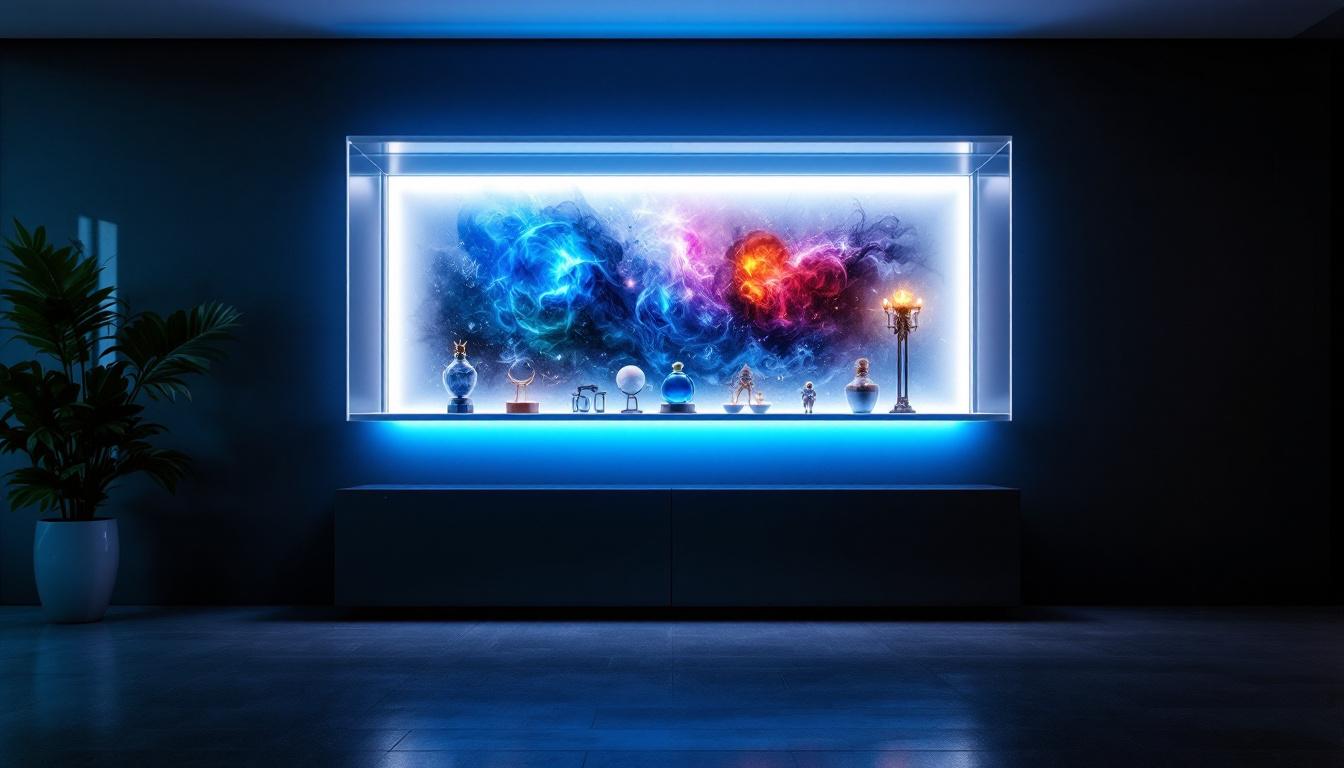
Wall display cases have become an essential fixture in museums, retail stores, corporate offices, and private collections. They offer a secure and visually appealing way to showcase valuable items, memorabilia, or merchandise. In recent years, the integration of LED lighting into these display cases has revolutionized how objects are presented, enhancing visibility, aesthetics, and energy efficiency.
This article explores the role of LED displays in wall display cases, explaining their technology, benefits, and best practices for use. Whether you are a curator, retailer, or design professional, understanding LED display integration can help you create captivating exhibits that draw attention and protect your valuables.
Understanding LED Technology in Wall Display Cases
What Are LEDs and How Do They Work?
LED stands for Light Emitting Diode, a semiconductor device that emits light when an electric current passes through it. Unlike traditional incandescent bulbs, LEDs do not rely on heating a filament to produce light, making them more efficient and longer-lasting. The technology has evolved rapidly since its invention in the 1960s, with modern LEDs capable of producing bright, consistent illumination in a variety of colors and intensities. This advancement has not only improved the quality of lighting but has also significantly reduced energy consumption, making LEDs an environmentally friendly option.
In the context of wall display cases, LEDs are typically used as strip lights or spotlights embedded within the case structure. Their compact size allows for discreet installation that does not detract from the displayed items, while their directional light output ensures focused illumination. Additionally, LEDs generate very little heat compared to traditional lighting options, which is particularly beneficial for preserving sensitive items such as artwork or collectibles that may be adversely affected by temperature fluctuations.
Types of LED Lighting Used in Display Cases
Several LED lighting options are commonly employed in wall display cases:
- LED Strip Lights: Flexible strips containing multiple LEDs, ideal for outlining the interior edges of the case or highlighting specific sections.
- LED Spotlights: Small, focused lights that can be directed to emphasize particular objects or details.
- Backlighting LEDs: Placed behind translucent panels or objects to create a glowing effect, adding depth and drama.
Each type serves a distinct purpose, and many display cases combine several to achieve layered lighting effects that enhance the overall presentation. For instance, using LED strip lights along the perimeter of a display case can provide a soft ambient glow, while strategically placed spotlights can draw attention to key artifacts or features. This combination not only makes the items more visually appealing but also helps to guide the viewer’s eye through the display, creating a more engaging experience.
Moreover, the versatility of LED technology allows for customization in terms of color temperature and brightness levels. Display cases can be equipped with adjustable LED systems that enable curators to change the lighting according to the time of day or specific events, further enhancing the aesthetic appeal. For example, cooler light temperatures may be used to create a modern, sleek look, while warmer tones can evoke a sense of nostalgia, perfect for vintage collections. This adaptability makes LED lighting an essential component in the design and functionality of contemporary display cases.
Benefits of LED Displays in Wall Display Cases
Enhanced Visibility and Color Accuracy
One of the primary advantages of LED lighting is its ability to provide bright, even illumination that reveals fine details without glare or shadows. LEDs can be selected for specific color temperatures, ranging from warm white (2700K) to cool white (6500K), allowing curators and designers to tailor the light to the nature of the displayed items. For example, warmer tones can make wooden artifacts and textiles appear richer, while cooler tones enhance metallic or glass objects.
Moreover, LEDs offer excellent color rendering index (CRI) values, often above 90, meaning they reproduce colors more faithfully than many traditional light sources. This accuracy is crucial in retail environments where product appearance influences purchasing decisions and in museums where authenticity is paramount. The ability to showcase items in their true colors not only enhances the aesthetic appeal but also fosters a deeper connection between the viewer and the displayed artifacts, as visitors can appreciate the nuances and craftsmanship involved in their creation.
Furthermore, the strategic use of LED lighting can create a narrative within the display, guiding visitors through a story or theme. By utilizing different lighting techniques, such as backlighting or spotlighting, curators can draw attention to specific features or elements of an exhibit, enriching the overall experience and encouraging exploration.
Energy Efficiency and Longevity
LEDs consume significantly less energy than incandescent or halogen bulbs, reducing operational costs and environmental impact. According to the U.S. Department of Energy, LEDs use at least 75% less energy and last 25 times longer than incandescent lighting. For institutions managing multiple display cases, this translates into substantial savings on electricity and maintenance. The long lifespan of LED bulbs also means fewer replacements, which not only cuts costs but also minimizes disruption to exhibits and reduces waste.
Additionally, LEDs generate minimal heat, which protects sensitive artifacts from temperature fluctuations and reduces the risk of damage. This feature is particularly important in climate-controlled environments where preserving the integrity of objects is a priority. The low heat output also allows for more flexible design options, as lighting can be placed closer to delicate items without the fear of heat-related deterioration. This is especially beneficial for museums and galleries that house fragile materials, such as parchment, textiles, or artworks, ensuring that they remain in pristine condition for future generations to enjoy.
Customization and Control
Modern LED systems often come with dimming capabilities and programmable controls, allowing users to adjust brightness levels and lighting sequences. This flexibility enables dynamic exhibits where lighting can change to highlight different objects or create mood effects. Some advanced setups integrate with smart building systems, offering remote control and automation options. This level of control not only enhances the visitor experience but also allows for energy savings by optimizing lighting usage based on the time of day or visitor traffic.
Customizable LED lighting also supports accessibility, ensuring that displays are visible to all visitors, including those with visual impairments, by optimizing contrast and glare reduction. Additionally, the ability to program lighting for special events or seasonal displays can keep exhibitions fresh and engaging, encouraging repeat visits. By incorporating interactive elements, such as touch-sensitive controls that allow visitors to adjust lighting for their own viewing preferences, institutions can create a more inclusive and immersive environment that caters to diverse audiences.
Design Considerations for LED Wall Display Cases
Choosing the Right LED Lighting for Your Display
Selecting the appropriate LED lighting depends on several factors, including the type of objects displayed, the size and layout of the case, and the ambient lighting conditions. For example, delicate paper documents require UV-filtered LEDs to prevent fading, while jewelry displays benefit from bright, focused spotlights that enhance sparkle.
It is also essential to consider the color temperature and CRI to ensure that the lighting complements the items without distorting their appearance. Consulting with lighting specialists or using sample lighting setups can help determine the best configuration.
Integration and Installation Tips
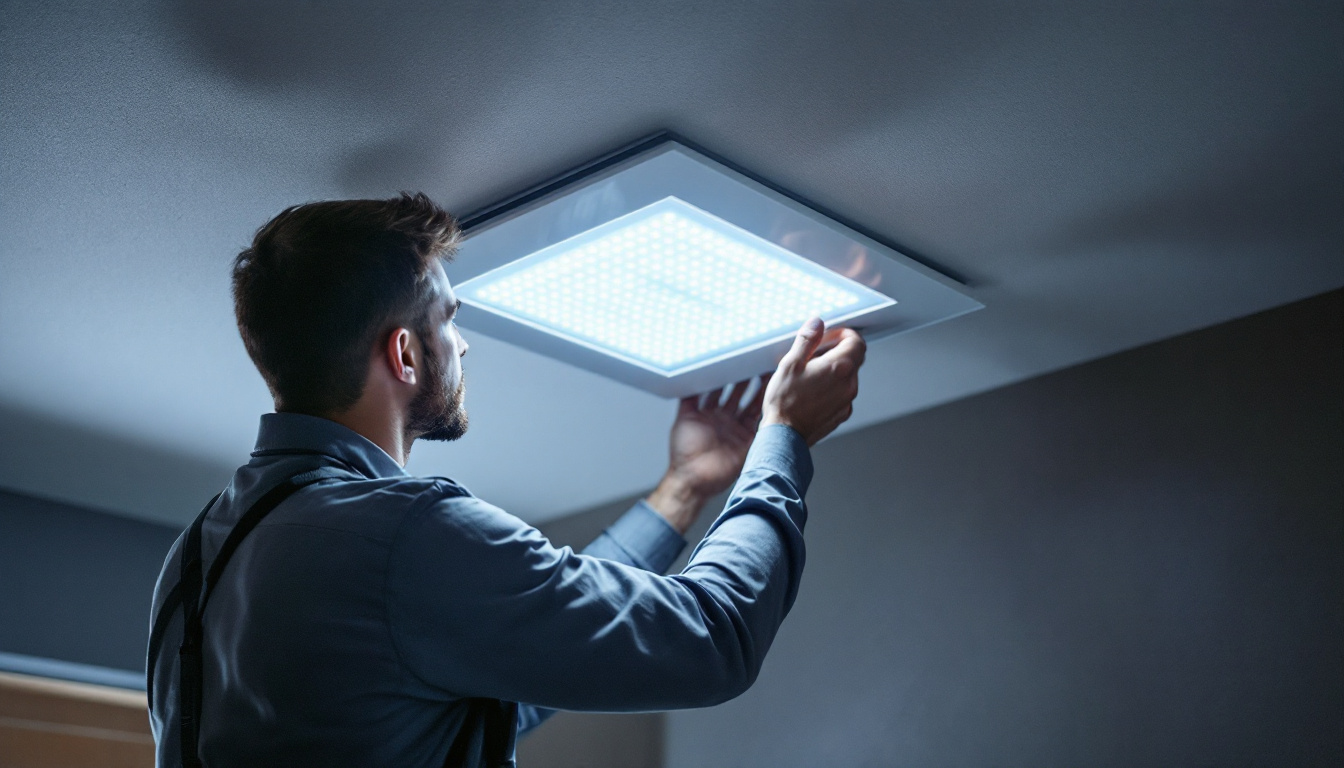
Proper installation is critical to maximizing the benefits of LED lighting in wall display cases. LEDs should be positioned to minimize shadows and reflections, which can distract viewers or obscure details. Using diffusers or frosted covers can soften the light and create a more uniform appearance.
Wiring should be concealed within the case structure to maintain a clean look, and power supplies must be safely located to avoid clutter. Many manufacturers offer modular LED kits designed specifically for display cases, simplifying installation and maintenance.
Maintenance and Safety
While LEDs require less maintenance than traditional lighting, periodic cleaning of fixtures and replacement of components is necessary to maintain optimal performance. Dust and fingerprints can reduce light output and affect color quality.
Safety considerations include ensuring that electrical components are compliant with local regulations and that heat dissipation is adequate to prevent overheating. Using low-voltage LED systems can further enhance safety, particularly in public spaces.
Applications of LED Wall Display Cases Across Industries
Museums and Galleries
Museums have embraced LED lighting for its ability to protect sensitive artifacts while enhancing visitor experience. The Smithsonian Institution, for instance, has implemented LED systems across many of its exhibits, citing improved energy efficiency and better light quality as key benefits.
LED lighting also supports storytelling by enabling spotlighting on key artifacts and creating immersive environments through color-changing effects.
Retail Environments
In retail, LED-lit wall display cases are instrumental in showcasing products attractively and increasing sales. Jewelry stores, watch boutiques, and luxury fashion outlets rely on LED lighting to highlight craftsmanship and detail. Research from the National Retail Federation indicates that well-lit displays can increase customer engagement by up to 40%, underscoring the commercial value of effective lighting design.
Corporate and Private Collections
Corporate offices use LED wall display cases to exhibit awards, memorabilia, and branded artifacts, enhancing corporate identity and culture. Private collectors also benefit from LED lighting to display valuable collections in home settings, balancing aesthetics with preservation needs.
Future Trends in LED Wall Display Cases
Smart Lighting and IoT Integration
The future of LED display cases lies in smart technology integration. Internet of Things (IoT) enabled lighting systems allow for real-time monitoring, adaptive lighting based on visitor presence, and integration with environmental sensors to optimize artifact preservation.
This technology not only improves user experience but also provides valuable data analytics for curators and retailers to understand visitor behavior and preferences.
Advancements in LED Materials and Design
Ongoing research is producing LEDs with higher efficiency, better color quality, and more flexible form factors. Organic LEDs (OLEDs) and micro-LEDs promise ultra-thin, customizable lighting solutions that can be seamlessly incorporated into display case surfaces.
These innovations will enable even more creative and functional display designs, pushing the boundaries of how objects are presented and experienced.
Conclusion
LED lighting has transformed wall display cases from simple protective enclosures into dynamic, visually compelling showcases. Their energy efficiency, longevity, and superior light quality make them the preferred choice for museums, retailers, and collectors alike.
By understanding LED technology, selecting appropriate lighting solutions, and integrating them thoughtfully into display case design, professionals can enhance the visibility, appeal, and preservation of valuable items. As technology continues to evolve, LED wall display cases will remain at the forefront of exhibit innovation, offering endless possibilities for creative presentation.
Illuminate Your Space with LumenMatrix
As you consider the transformative impact of LED lighting for your wall display cases, LumenMatrix stands ready to elevate your exhibits with our advanced LED display technology. Our diverse range of solutions, from Indoor and Outdoor LED Wall Displays to specialized options like LED Sports and Floor Displays, is designed to bring your vision to life with unparalleled brightness and clarity. Embrace the future of visual display and check out LumenMatrix LED Display Solutions to create experiences that resonate with your audience and reflect the excellence of your brand.