In today’s digital era, LED displays have become an integral part of how we communicate visually. From the vibrant billboards in Times Square to the sleek screens on our smartphones, LED technology powers much of the imagery we see daily. But what exactly is an LED display, and how does it work? This comprehensive guide will explore the fundamentals of LED lights, the technology behind LED displays, their applications, and why they continue to dominate the visual display market.
Understanding LED Technology: The Basics of Light Emission
LED stands for Light Emitting Diode, a semiconductor device that emits light when an electric current passes through it. Unlike traditional incandescent bulbs, which produce light by heating a filament, LEDs generate light through electroluminescence, a process where electrons recombine with electron holes within the device, releasing energy in the form of photons.
This fundamental difference makes LEDs highly efficient, durable, and versatile. For instance, LEDs consume up to 80% less energy than incandescent bulbs and can last up to 25 times longer, making them an environmentally friendly lighting solution. Furthermore, LEDs can emit light in a wide range of colors without the need for filters, enabling vibrant and precise color reproduction in displays.
The Science Behind LED Light Emission
At the heart of an LED is a chip made from semiconductor materials such as gallium arsenide or gallium nitride. When voltage is applied, electrons move across the chip, and when they recombine with holes (the absence of electrons), energy is released as photons. The wavelength (color) of the emitted light depends on the semiconductor material’s bandgap energy.
This ability to produce different colors directly from the diode is what revolutionized display technology, allowing for the creation of full-color LED screens without complex filtering systems. The advancements in LED technology have not only transformed the way we illuminate our spaces but have also paved the way for innovations in various industries, including automotive lighting, horticulture, and even medical applications. For instance, in horticulture, specific wavelengths of LED light can be used to optimize plant growth by enhancing photosynthesis, demonstrating the versatility of this technology beyond mere illumination.
Additionally, the compact size of LEDs allows for creative designs in lighting fixtures, enabling architects and designers to explore new aesthetics in both residential and commercial spaces. The ability to integrate LEDs into smart lighting systems further enhances their functionality, allowing users to control brightness, color, and even scheduling through mobile applications. This integration of technology not only improves energy efficiency but also enhances user experience, making LED lighting a cornerstone in the evolution of modern lighting solutions.
What Is an LED Display? Components and Structure
An LED display is a flat panel display that uses an array of light-emitting diodes as pixels to create images. These displays can vary in size from small indicator lights to massive outdoor billboards spanning thousands of square feet.
Key Components of an LED Display
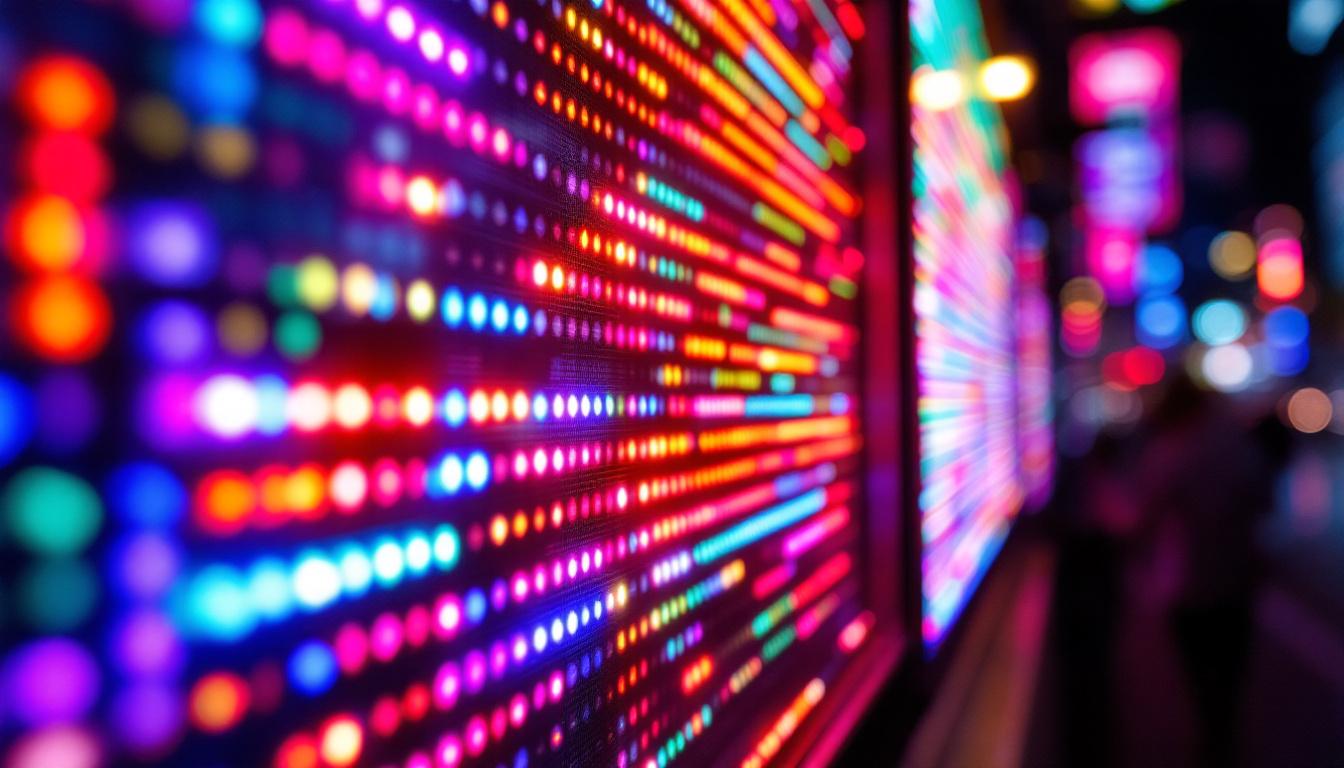
- LED Pixels: The smallest unit of an LED display, each pixel consists of one or more LEDs that emit red, green, and blue light. By adjusting the intensity of each color, the pixel can produce a wide spectrum of colors.
- Driver ICs: Integrated circuits that control the LEDs’ brightness and color by regulating the current supplied to each diode.
- Control System: A computer or controller that processes input video signals and sends data to the driver ICs to display images.
- Power Supply: Provides the necessary electrical power to the LEDs and control electronics.
- Display Panel: The physical structure holding the LEDs in a matrix format, often modular for easy maintenance and scalability.
Types of LED Displays
LED displays come in various forms, tailored to different applications and environments:
- Direct View LED Displays: These consist of LEDs arranged directly on the display surface. They are typically used for large-scale outdoor screens, such as stadium scoreboards and advertising billboards. Their brightness and visibility in sunlight make them ideal for outdoor use.
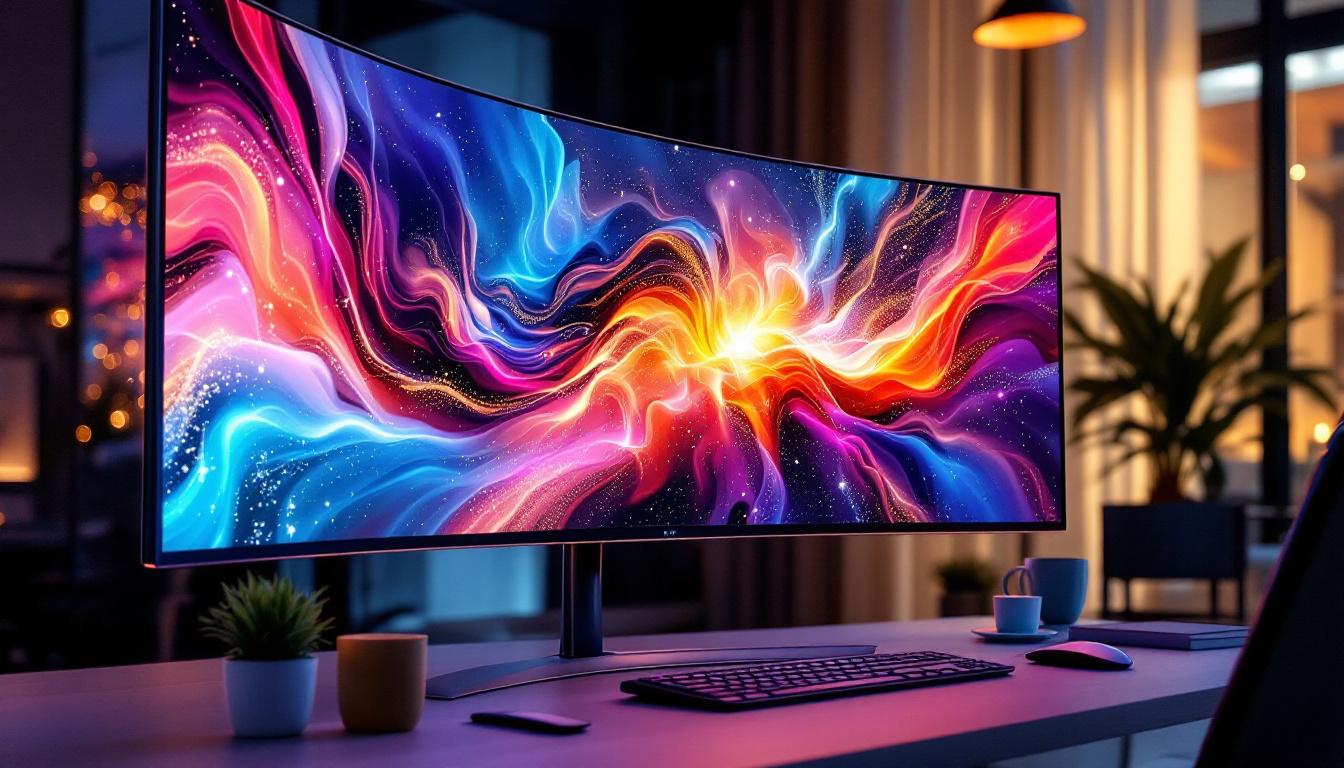
- LED Backlit LCD Displays: These use LEDs as a backlight source behind an LCD panel. This combination improves brightness and color accuracy compared to traditional CCFL-backlit LCDs, making them common in televisions, monitors, and smartphones.
- MicroLED Displays: An emerging technology where microscopic LEDs serve as individual pixels, offering superior brightness, contrast, and energy efficiency compared to OLED and LCD screens.
How LED Displays Work: From Pixels to Pictures
Understanding how LED displays create images requires an appreciation of how individual pixels combine to form complex visuals.
Pixel Composition and Color Mixing
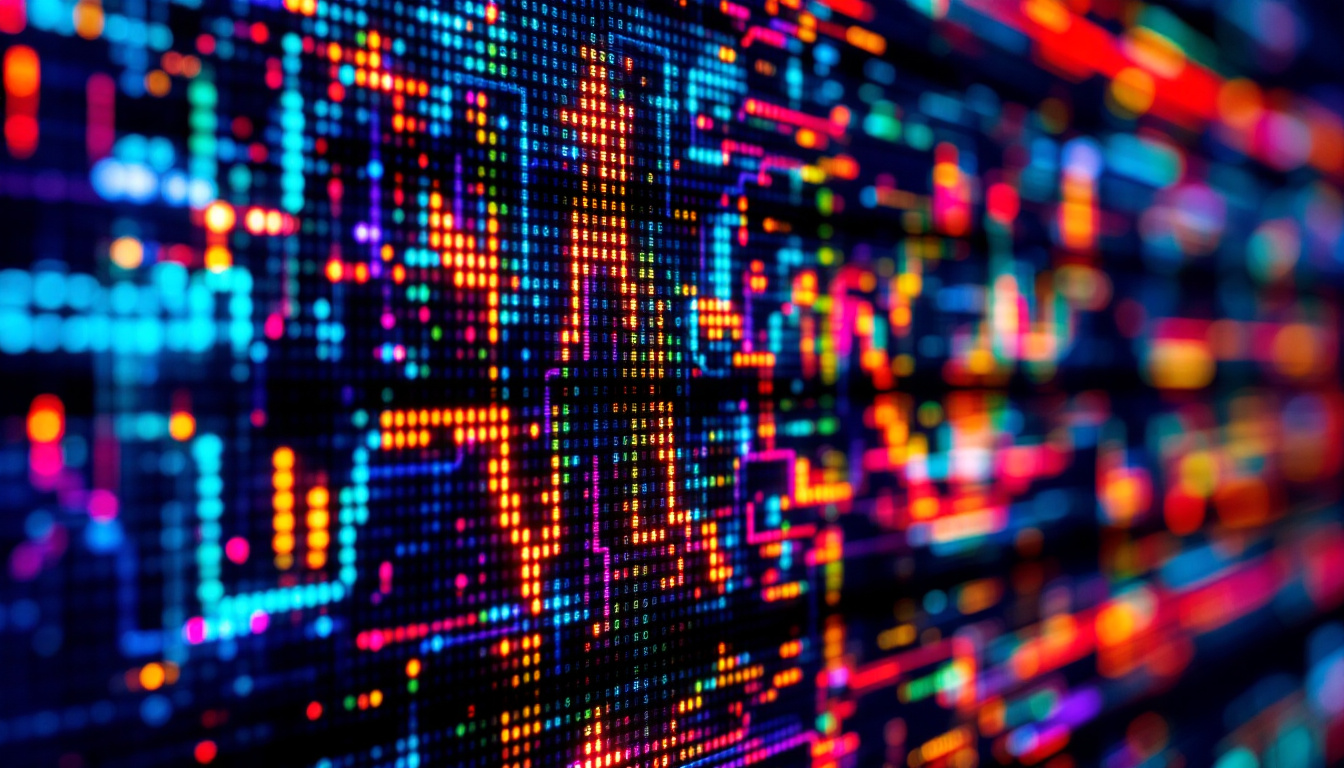
Each pixel in an LED display typically contains three subpixels: red, green, and blue (RGB). By varying the intensity of each subpixel, the display can produce millions of colors through additive color mixing. For example, combining red and green light at full intensity produces yellow, while all three colors at full intensity create white.
This RGB model forms the basis of all digital color displays, enabling LED screens to render vibrant, true-to-life images and videos.
Resolution and Pixel Pitch
Resolution refers to the number of pixels displayed horizontally and vertically on a screen, such as 1920×1080 (Full HD). Pixel pitch is the distance between the centers of two adjacent pixels, usually measured in millimeters. A smaller pixel pitch means higher pixel density and sharper images, which is especially important for close viewing distances.
For example, indoor LED displays often have a pixel pitch of 1-4 mm to ensure clear visuals at short distances, while outdoor displays may have a pixel pitch of 10 mm or more, optimized for visibility from afar.
Refresh Rate and Brightness
The refresh rate, measured in Hertz (Hz), indicates how many times per second the display updates its image. Higher refresh rates reduce flicker and improve the smoothness of motion, which is critical for video playback and dynamic content.
Brightness is another crucial factor, especially for outdoor LED displays. These screens can achieve brightness levels exceeding 5,000 nits, ensuring visibility even in direct sunlight. Indoor displays typically operate at lower brightness levels to prevent eye strain.
Applications of LED Displays: From Advertising to Entertainment
LED displays have transformed multiple industries by providing dynamic, high-impact visual communication tools.
Outdoor Advertising and Digital Billboards
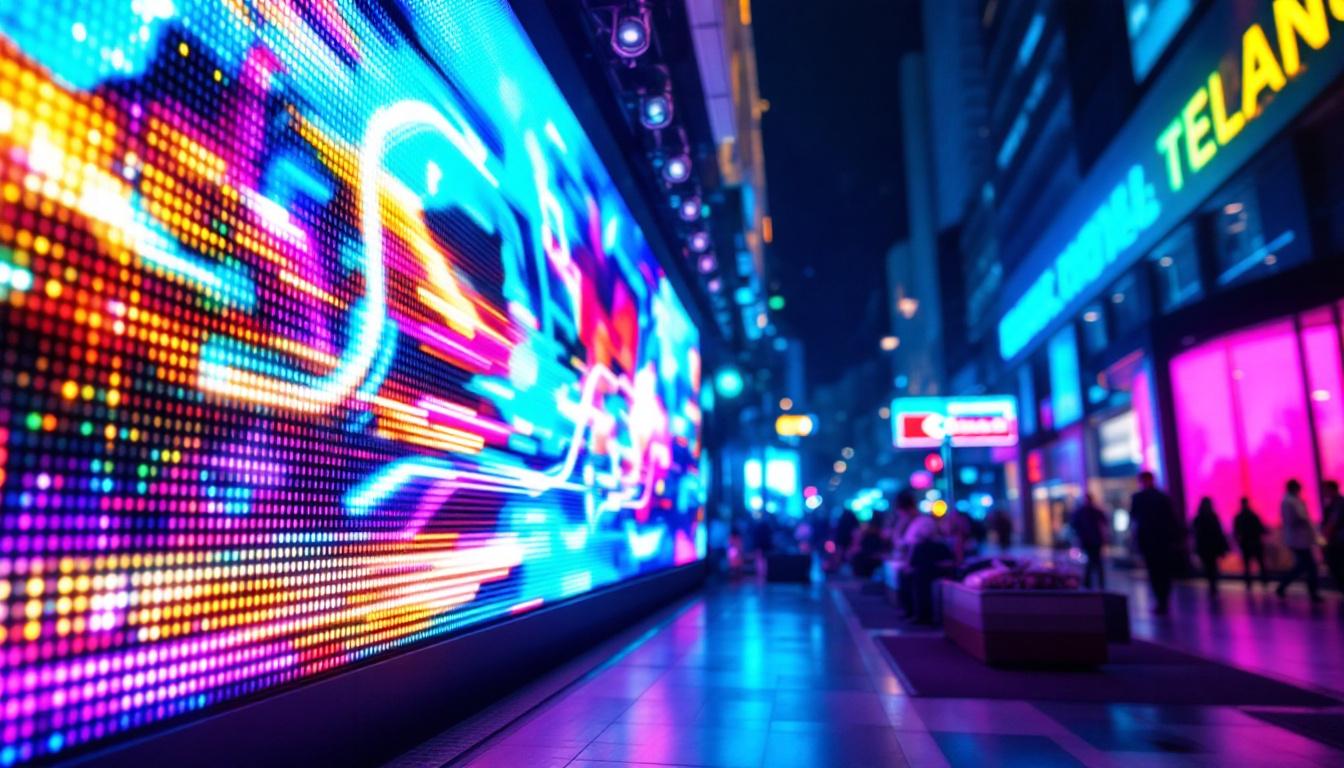
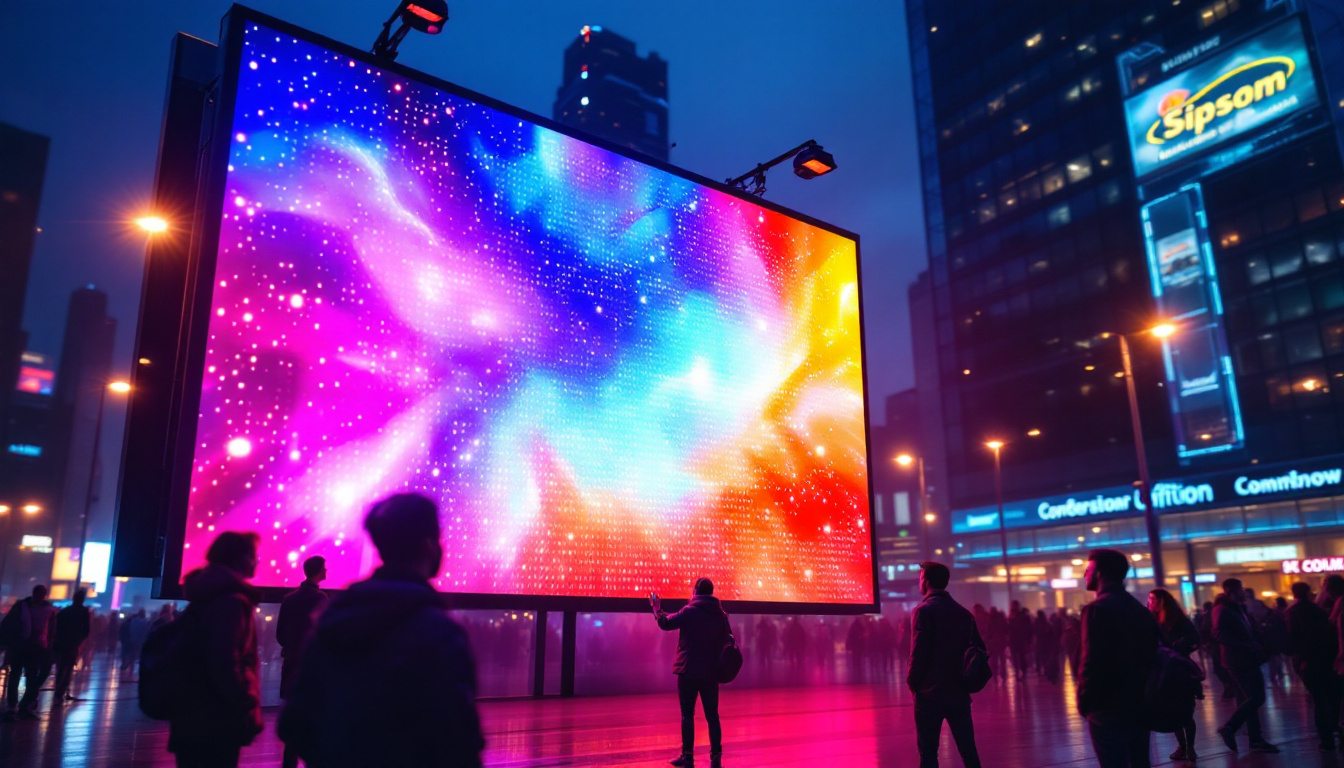
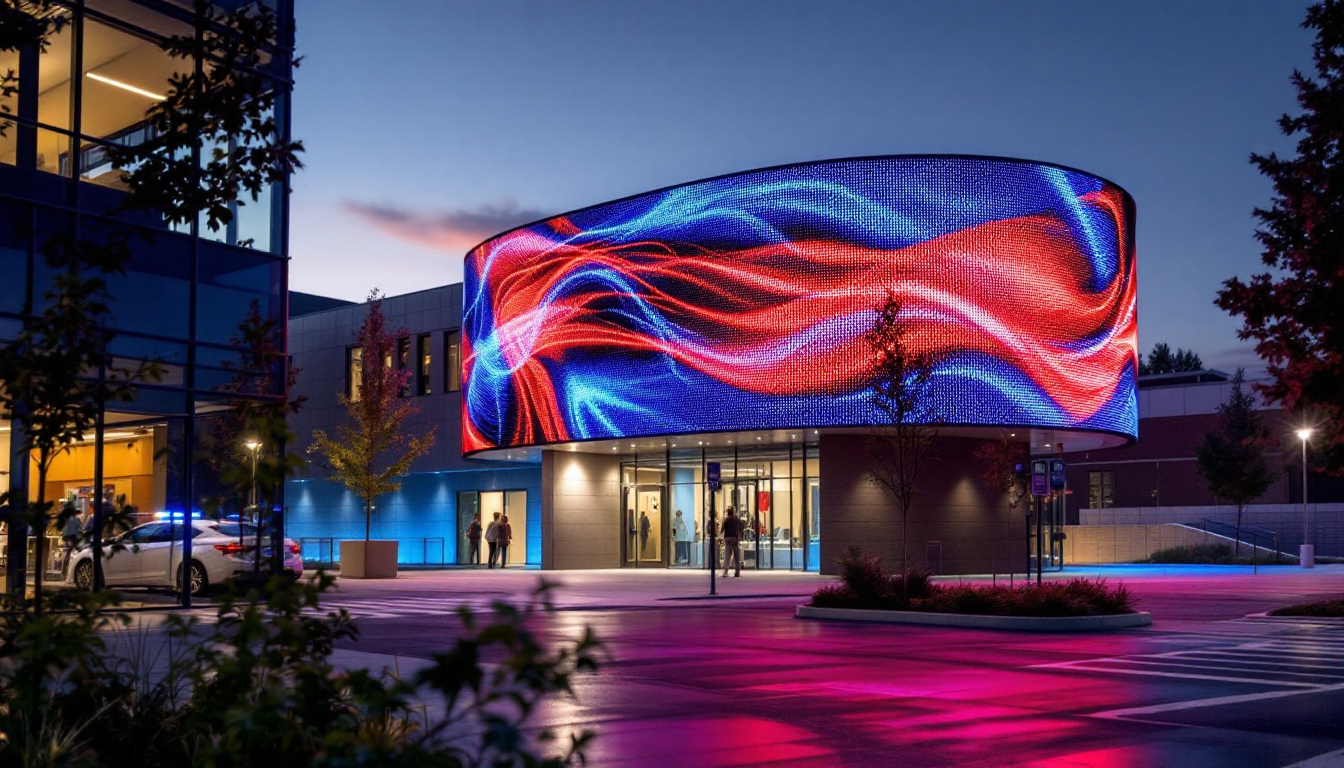
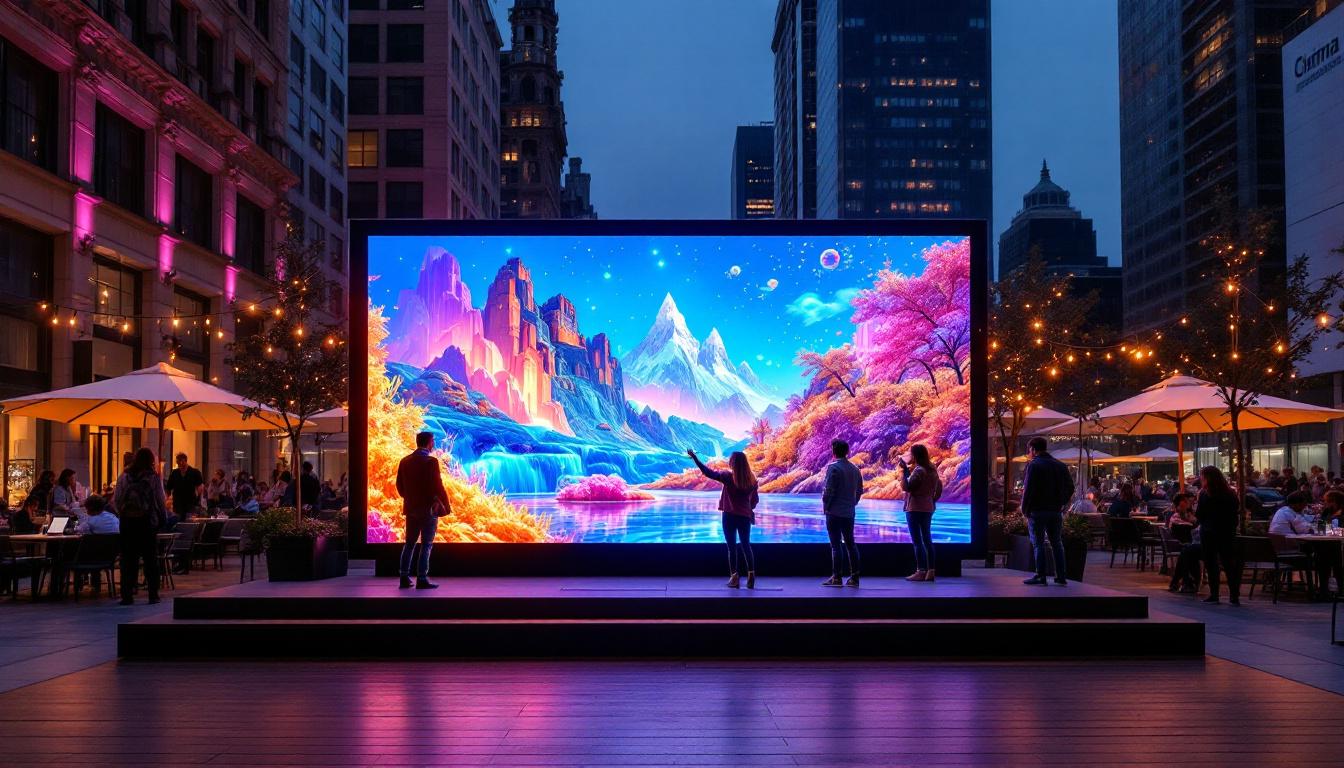
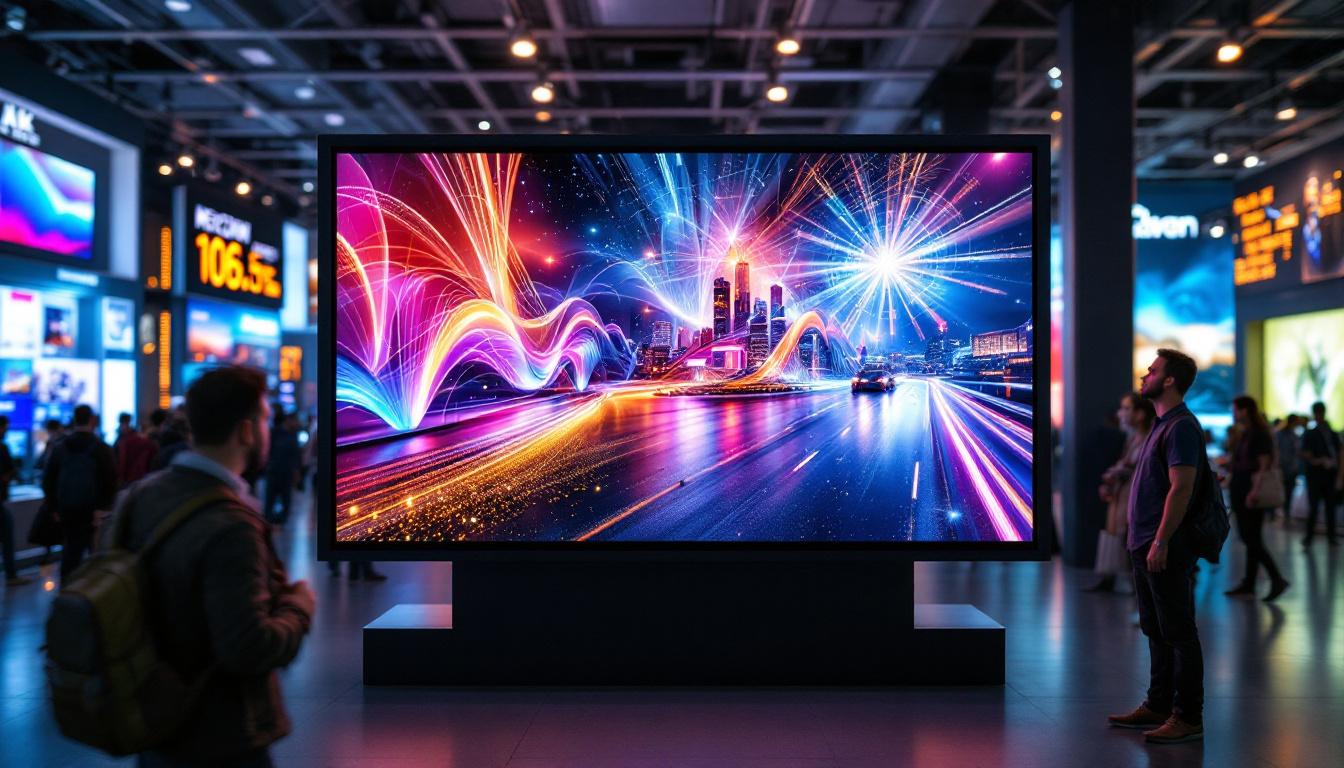
One of the most visible applications of LED displays is in outdoor advertising. Digital billboards equipped with LED technology can display changing content, animations, and videos, offering advertisers flexibility and engagement that static billboards cannot match.
According to recent market research, the global digital signage market, heavily reliant on LED displays, is projected to grow at a compound annual growth rate (CAGR) of over 8% through 2028. This growth is driven by increasing urbanization, technological advancements, and the demand for real-time advertising.
Sports Arenas and Event Venues
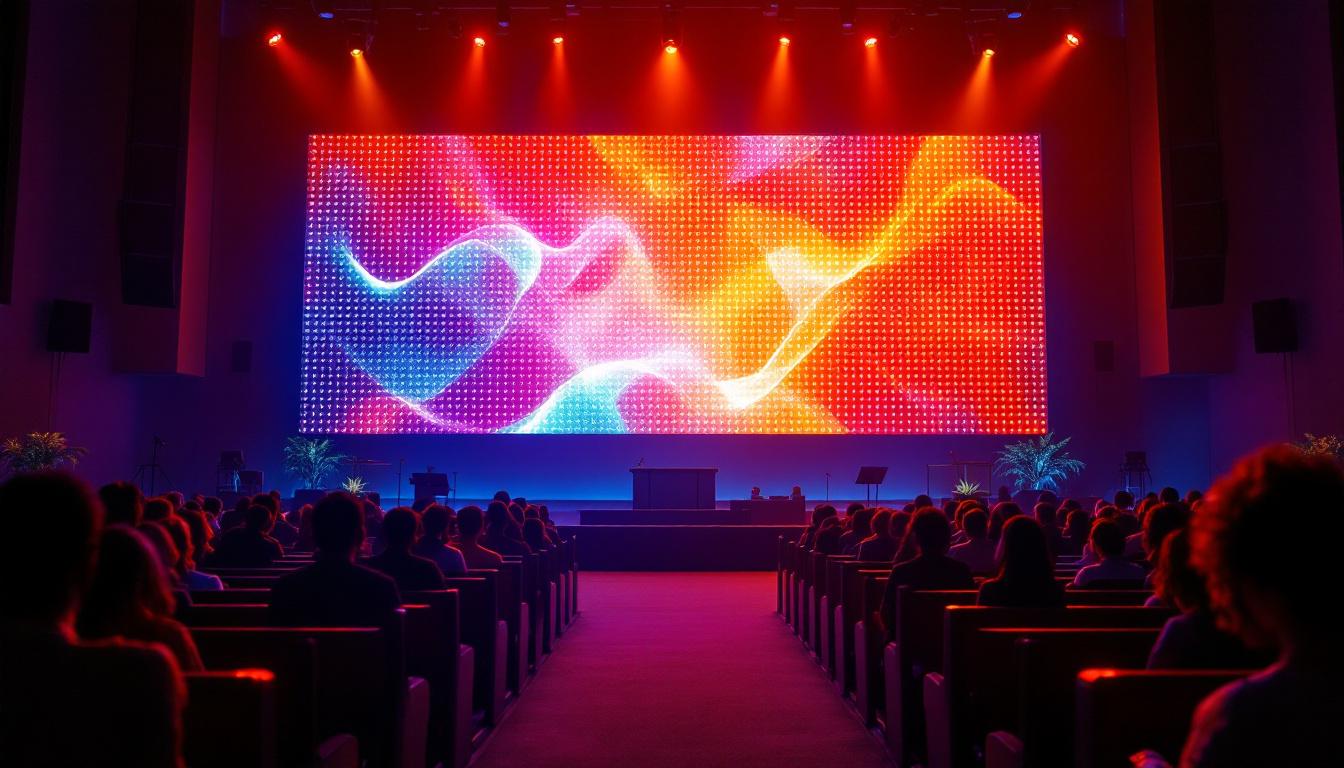
LED displays are a staple in sports arenas, providing scoreboards, instant replays, and immersive fan experiences. Their high brightness and wide viewing angles make them ideal for large venues where visibility from all seats is essential.
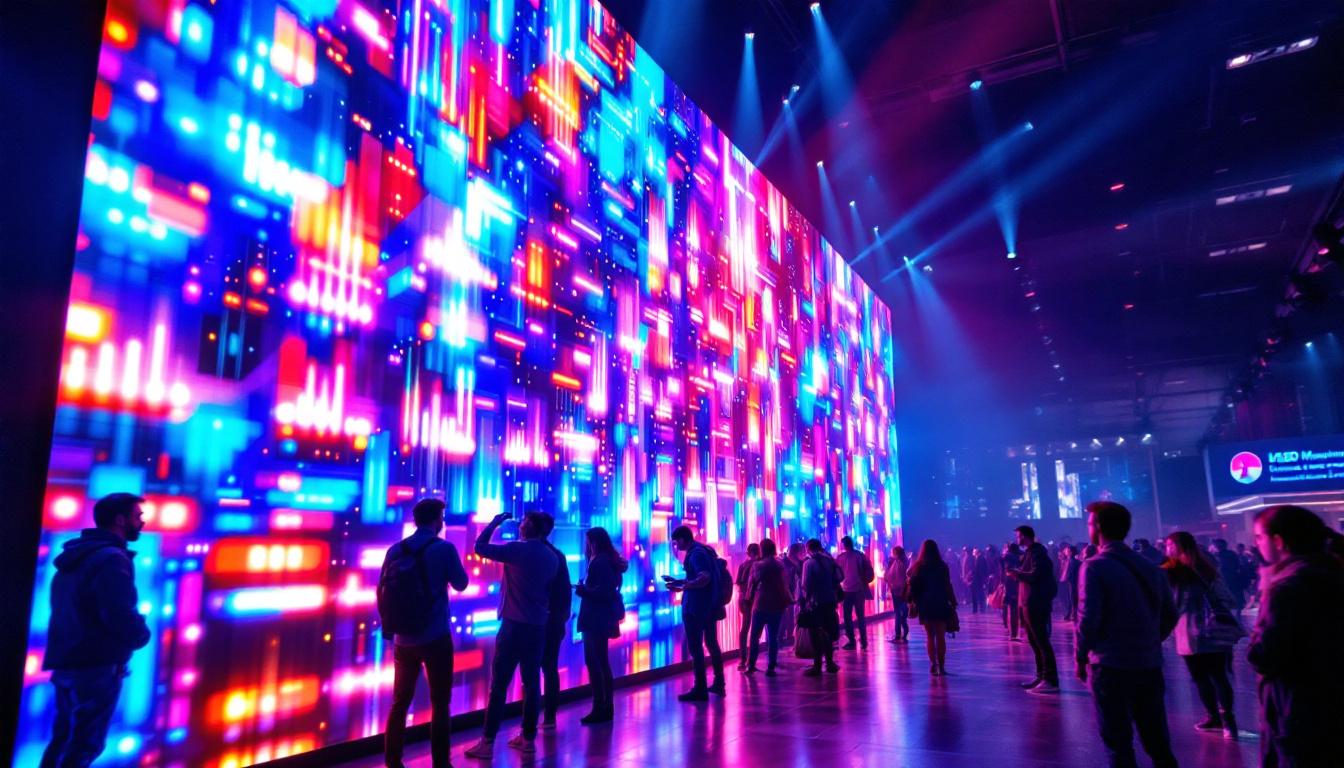
Modern stadiums often use massive LED video walls that can cover entire facades or wrap around seating areas, enhancing the atmosphere and engagement during events.
Retail and Indoor Displays
Retail environments utilize LED displays to attract customers and promote products dynamically. From digital price tags to interactive video walls, LEDs enable retailers to create visually appealing and adaptable marketing strategies.
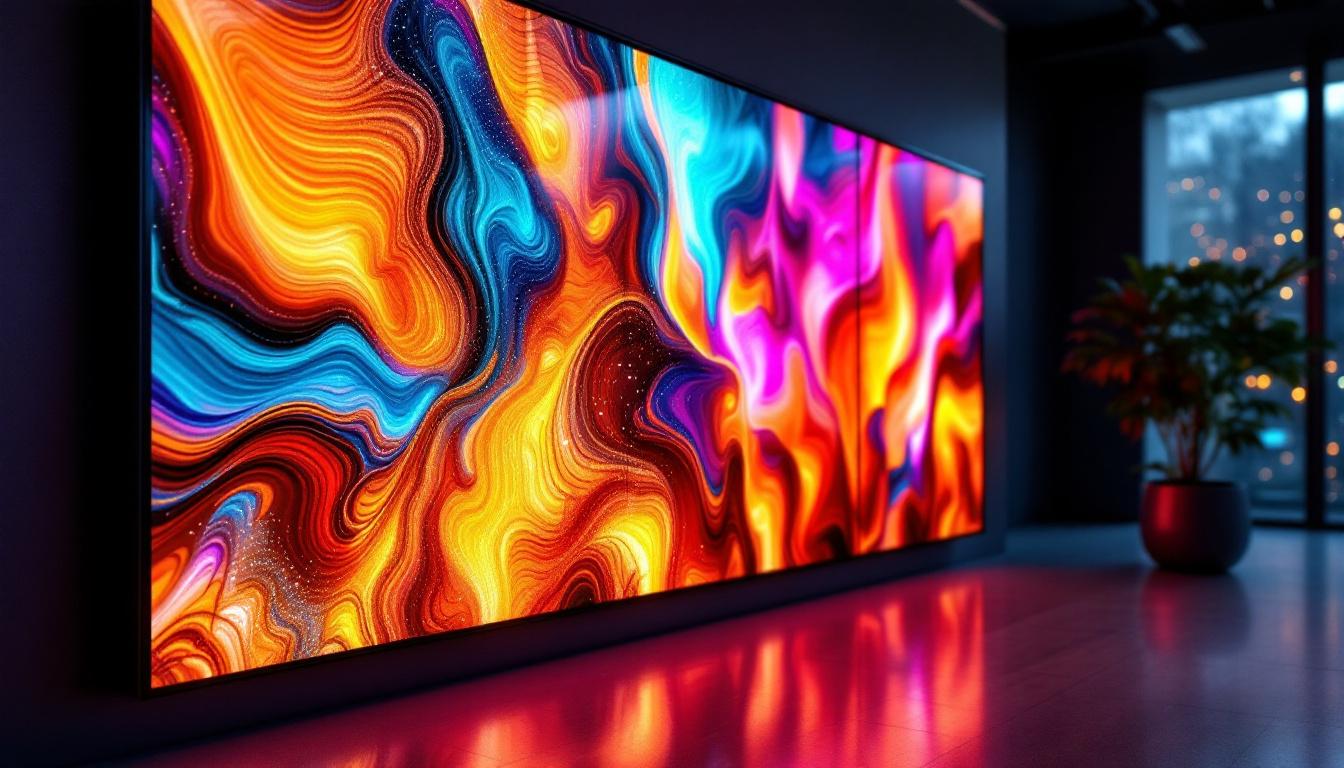
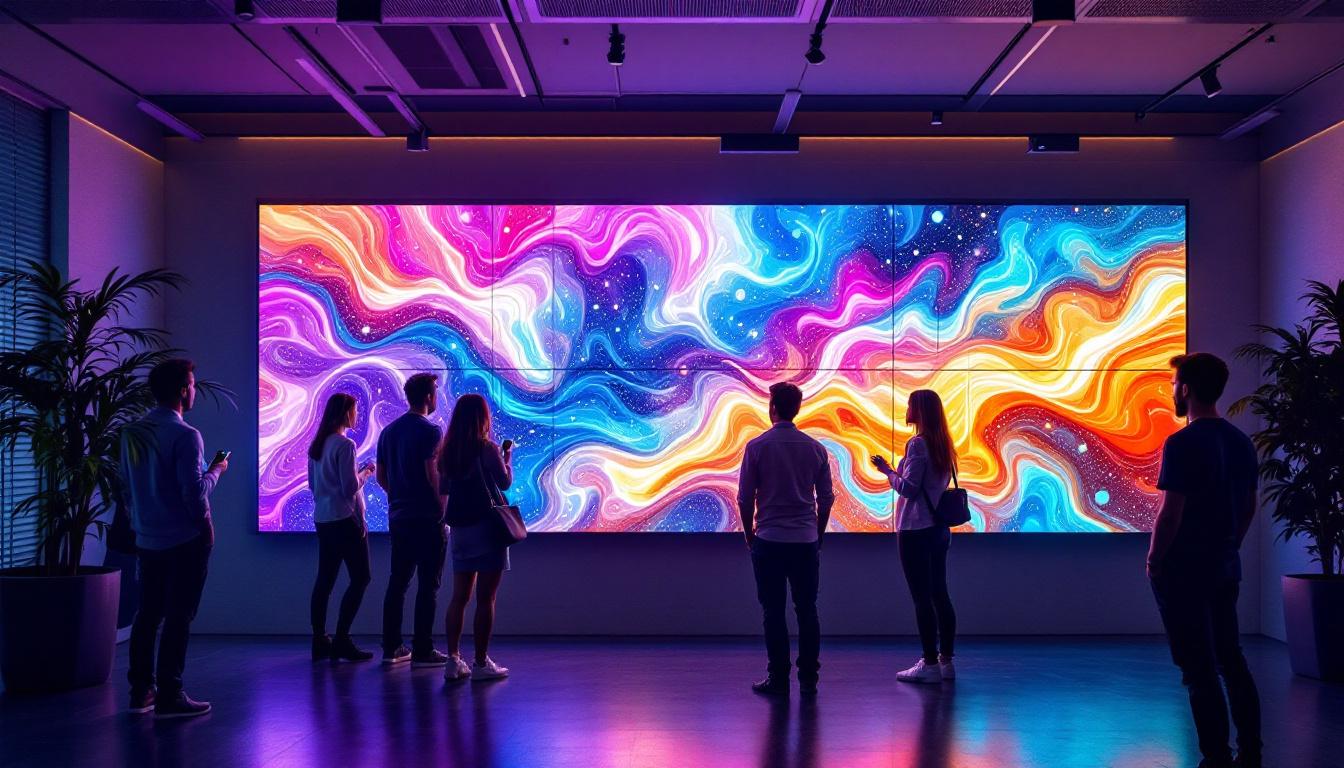
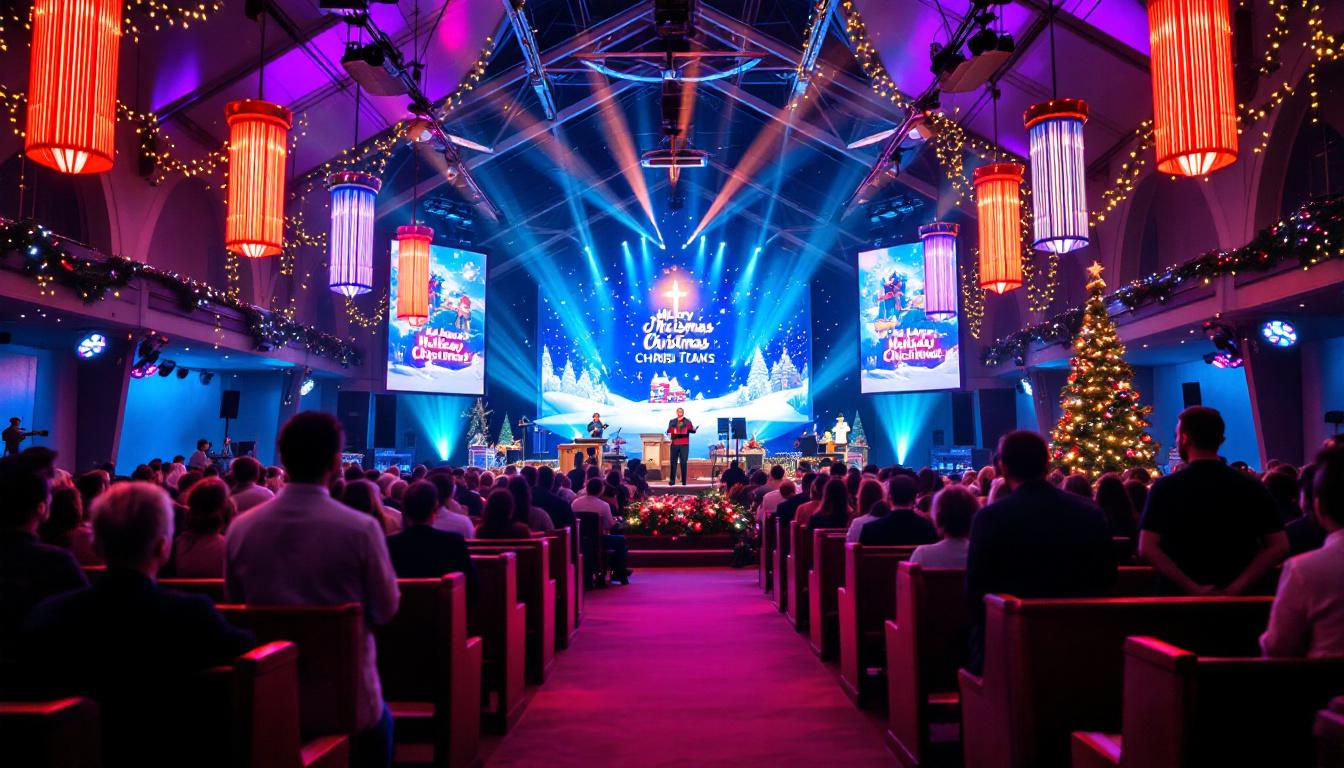
Indoor LED displays are also common in corporate settings, museums, transportation hubs, and entertainment venues, where clarity and color accuracy are paramount.
Advantages of LED Displays Over Traditional Technologies
LED displays offer several benefits that have led to their widespread adoption:
- Energy Efficiency: LEDs consume significantly less power than incandescent or fluorescent lighting, reducing operational costs and environmental impact.
- Longevity: With lifespans often exceeding 50,000 hours, LED displays require less frequent replacement and maintenance.
- Brightness and Visibility: High brightness levels ensure clear visibility in various lighting conditions, especially outdoors.
- Color Accuracy and Flexibility: Direct color emission allows for vibrant and precise color reproduction without filters.
- Durability: LEDs are solid-state devices, making them resistant to shock, vibration, and temperature extremes.
Future Trends in LED Display Technology
The LED display industry continues to evolve rapidly, driven by innovations that enhance performance and open new possibilities.
MicroLED and MiniLED Innovations
MicroLED technology promises to combine the best features of OLED and traditional LEDs, offering superior brightness, contrast, and energy efficiency without the burn-in issues associated with OLEDs. Although still emerging, MicroLED displays are expected to revolutionize TVs, smartphones, and wearable devices in the coming years.
MiniLED, a more immediate advancement, uses smaller LEDs as backlighting units for LCD panels, improving contrast and local dimming capabilities. This technology is already appearing in high-end laptops and monitors.
Flexible and Transparent LED Displays
Research into flexible LED panels is enabling curved, foldable, and even rollable displays, expanding design possibilities for consumer electronics and signage. Transparent LED displays, which allow viewers to see through the screen while still displaying images, are gaining traction in retail and architectural applications.
Integration with Smart Technologies
LED displays are increasingly integrated with IoT (Internet of Things) and AI technologies, enabling smarter content management, interactive experiences, and real-time data display. This integration enhances user engagement and operational efficiency across industries.
Conclusion: Why LED Displays Matter
LED displays have transformed how information and entertainment are presented in public and private spaces. Their efficiency, versatility, and visual impact make them indispensable in advertising, sports, retail, and beyond. As technology advances, LED displays will continue to evolve, offering even more immersive and sustainable visual experiences.
Understanding the technology behind LED lights and displays not only helps appreciate their current applications but also provides insight into the future of digital visual communication.
Explore the Future of Visual Display with LumenMatrix
Ready to elevate your visual communication with the latest in LED display technology? Discover LumenMatrix’s innovative solutions, from Indoor and Outdoor LED Wall Displays to specialized options like Vehicle, Sports, and Floor LED Displays. Our mission is to revolutionize your visual experience, ensuring your message resonates with clarity and impact. Whether for advertising, entertainment, or dynamic signage, LumenMatrix is here to transform your space. Check out LumenMatrix LED Display Solutions and join the forefront of digital display innovation.