In the rapidly evolving world of display technology, understanding the nuances between different screen types is essential for businesses and consumers alike. OLED and LED displays have become household names, yet the distinctions between them often cause confusion. This article aims to clarify these differences, focusing on OLED screen suppliers and the technology behind LED displays. Whether you are a retailer, a tech enthusiast, or a professional in the display industry, this comprehensive guide will provide valuable insights into the current landscape of OLED and LED screens.
Understanding OLED and LED Technologies
What is OLED?
OLED stands for Organic Light Emitting Diode. Unlike traditional LED screens, which rely on backlighting, OLED displays use organic compounds that emit light when an electric current passes through them. This self-emissive property allows each pixel to produce its own light, resulting in deeper blacks, higher contrast ratios, and more vibrant colors.
The organic layers in OLED screens are incredibly thin, often just a few nanometers thick, which contributes to the lightweight and flexible nature of these displays. This flexibility has opened new avenues in design, including foldable smartphones and curved television screens. Additionally, the ability of OLED technology to achieve true blacks—where individual pixels can be turned off completely—creates an immersive viewing experience that is particularly beneficial for watching movies in dark environments. The contrast ratio of OLED displays is often cited as one of their most significant advantages, making them a preferred choice for filmmakers and graphic designers who require precise color accuracy.
Moreover, OLED technology is not just limited to televisions and smartphones; it is also making its way into innovative applications such as wearable devices and automotive displays. As manufacturers continue to refine the technology, we can expect to see even more creative uses for OLED, including transparent displays that can blend seamlessly into our environments, enhancing both aesthetics and functionality.
What is LED?
LED, or Light Emitting Diode, refers primarily to the backlighting technology used in many LCD (Liquid Crystal Display) screens. In an LED display, the light source is a series of LEDs placed behind or along the edges of the screen, illuminating the liquid crystals that control pixel color and brightness.
There are several types of LED backlighting, including edge-lit and direct-lit configurations. More advanced LED displays, such as Mini-LED and Micro-LED, use smaller LEDs to enhance brightness and contrast, pushing the boundaries of traditional LCD technology. Mini-LED technology, for instance, allows for more localized dimming zones, improving the overall picture quality by providing better control over brightness levels in different areas of the screen. This results in a more dynamic range of colors and improved detail in both dark and bright scenes.
Furthermore, LED technology has become increasingly energy-efficient, making it a popular choice for consumers who are conscious of their environmental impact. Many modern LED displays also come equipped with features such as high dynamic range (HDR), which enhances the viewing experience by providing a wider range of colors and brightness levels. As the demand for larger and more immersive displays continues to grow, LED technology is evolving to meet these needs, paving the way for larger screens with thinner profiles and enhanced performance.
Key Differences Between OLED and LED Displays
Picture Quality and Color Accuracy
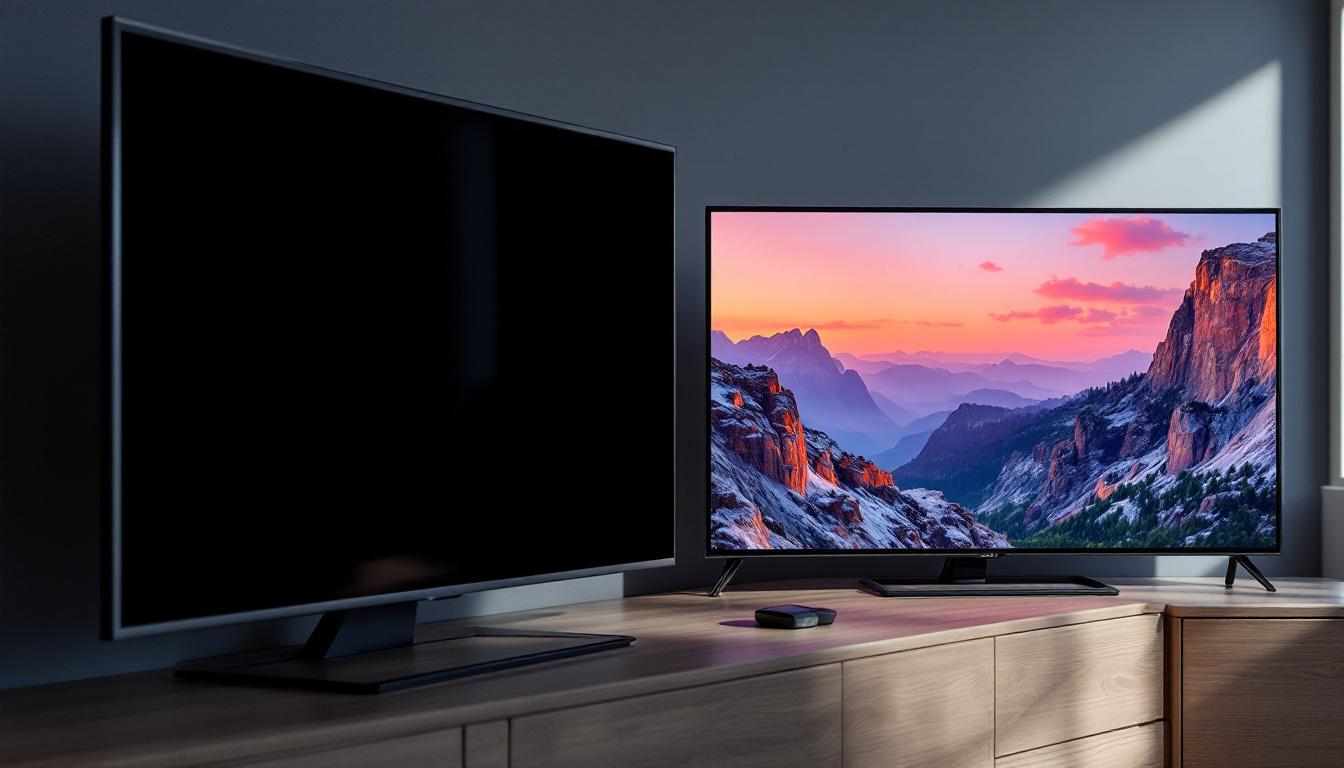
One of the most significant advantages of OLED screens is their superior picture quality. Because each pixel emits its own light, OLED displays can achieve true blacks by turning off pixels completely. This results in an infinite contrast ratio that LED-backlit LCDs cannot match due to their reliance on backlighting.
Color accuracy is another area where OLED excels. The organic compounds used in OLED panels can produce a wider color gamut, making images appear more vivid and lifelike. This is particularly important in professional settings such as graphic design, photography, and video production, where color precision is critical. Moreover, the ability of OLED technology to reproduce deep, rich colors enhances the viewing experience for consumers watching movies or playing video games, as it brings out details that might otherwise be lost in less capable displays.
Additionally, OLED displays often feature faster response times, which is a crucial factor for gamers and fast-paced video content. The rapid pixel switching minimizes motion blur, allowing for smoother transitions and a more immersive experience. This combination of deep blacks, vibrant colors, and quick refresh rates makes OLED a preferred choice for high-end televisions and monitors.
Brightness and Viewing Angles
LED displays generally have an edge in maximum brightness, making them more suitable for brightly lit environments. For example, outdoor digital signage often favors LED technology due to its ability to maintain visibility under direct sunlight.
Viewing angles also differ between the two technologies. OLED screens maintain consistent color and contrast even at wide angles, whereas LED-backlit LCDs can suffer from color shifting and reduced contrast when viewed off-center. This characteristic makes OLED displays ideal for group viewing scenarios, such as in home theaters or during presentations, where multiple viewers may be seated at different angles. Furthermore, the ability of OLED screens to maintain image integrity from various perspectives enhances their appeal for applications in art galleries and museums, where the viewing experience is paramount.
Durability and Lifespan
Durability is a crucial consideration for screen suppliers and end-users. OLED panels are susceptible to burn-in, a phenomenon where static images can leave a permanent mark on the screen. This risk has decreased with recent advancements, but it remains a concern for applications with static content.
LED displays, particularly those using LCD technology, tend to have longer lifespans and are less prone to burn-in. However, the backlighting components can degrade over time, leading to diminished brightness and color accuracy. Interestingly, advancements in LED technology, such as the introduction of Mini-LED and Micro-LED, are beginning to bridge some of the gaps in performance and longevity. These newer technologies promise improved contrast ratios and color performance while maintaining the durability that LED displays are known for. As manufacturers continue to innovate, the distinctions between OLED and LED may evolve, leading to even more options for consumers seeking the best display technology for their needs.
The Role of OLED Screen Suppliers in the Market
Global Supply Chain and Manufacturing Trends
The OLED market has seen rapid growth, driven by demand from smartphone manufacturers, television producers, and wearable device companies. South Korea, Japan, and China dominate OLED panel manufacturing, with companies like LG Display and Samsung Display leading the charge.
Suppliers focus heavily on research and development to improve panel efficiency, reduce production costs, and enhance durability. For instance, the shift toward flexible OLED panels has created new opportunities in automotive displays and foldable devices.
Choosing the Right OLED Screen Supplier
When selecting an OLED screen supplier, businesses must consider several factors including product quality, customization capabilities, and after-sales support. Certified suppliers often provide detailed specifications, compliance with international standards, and scalable production options to meet diverse client needs.
Additionally, sustainability practices are increasingly important. Many suppliers are adopting eco-friendly manufacturing processes and materials to reduce environmental impact, which can be a decisive factor for companies with corporate social responsibility goals.
Applications of OLED and LED Displays Across Industries
Consumer Electronics
OLED technology has revolutionized consumer electronics, particularly smartphones and high-end televisions. Brands like Apple and Samsung have integrated OLED screens into their flagship devices to deliver superior visual experiences.
LED-backlit LCDs remain prevalent in budget and mid-range devices, offering a cost-effective balance of performance and affordability. The emergence of Mini-LED technology is bridging the gap, providing higher brightness and improved contrast at competitive prices.
Commercial and Advertising Displays
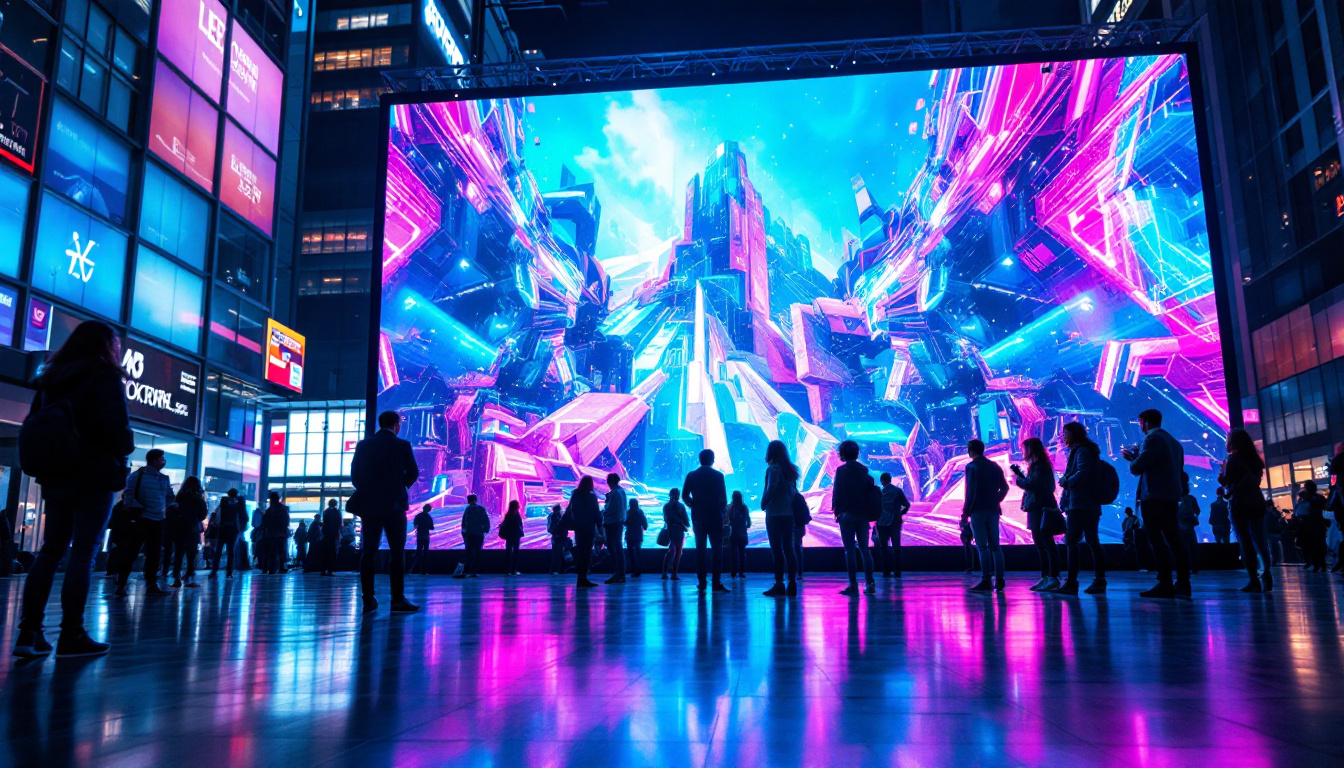
LED displays dominate the commercial sector, especially in outdoor advertising and large-format digital signage. Their brightness and durability make them ideal for billboards, stadium screens, and public information displays.
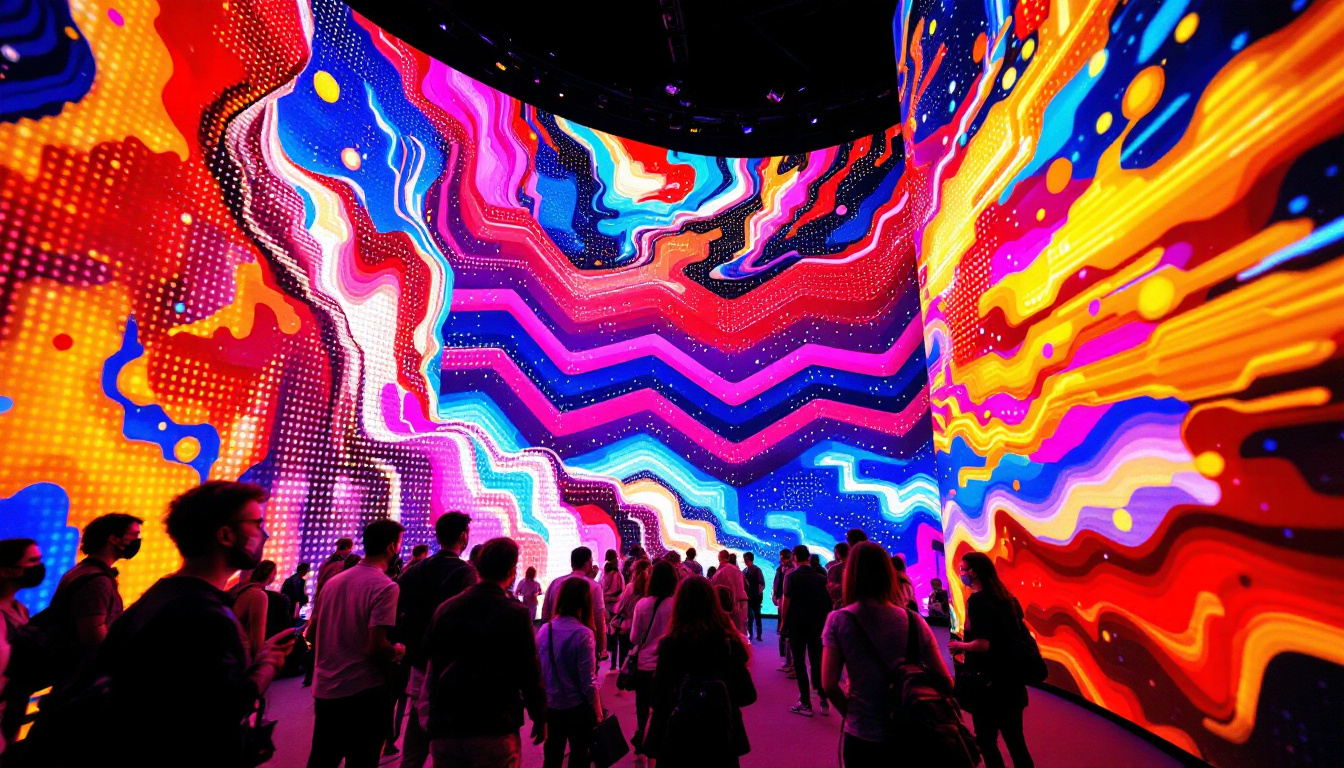
OLED displays, while less common in outdoor settings due to brightness limitations, are gaining traction in indoor commercial applications such as retail displays, digital art installations, and luxury showrooms where image quality is paramount.
Automotive and Transportation
The automotive industry is increasingly adopting OLED technology for dashboard displays, infotainment systems, and ambient lighting. The flexibility and thinness of OLED panels allow for innovative interior designs that enhance driver experience and safety.
LED technology continues to be widely used in exterior lighting and heads-up displays, benefiting from its robustness and brightness.
Future Trends and Innovations in Display Technology
Advancements in Micro-LED
Micro-LED technology represents the next frontier in display innovation, combining the self-emissive qualities of OLED with the brightness and longevity of LED. Micro-LED displays use microscopic LEDs to create each pixel, offering exceptional brightness, contrast, and energy efficiency.
Although still in the early stages of commercial adoption, Micro-LED is expected to impact large-format displays, virtual reality headsets, and premium televisions within the next few years.
Integration of AI and Smart Features
Display manufacturers are increasingly integrating artificial intelligence to enhance image processing, power management, and user interaction. AI-driven displays can adjust brightness and color temperature based on ambient conditions and content type, improving visual comfort and energy efficiency.
Smart displays with voice control, gesture recognition, and connectivity to IoT devices are becoming more prevalent, creating seamless user experiences across multiple platforms.
Conclusion: Making Informed Choices in Display Technology
Choosing between OLED and LED displays depends on the specific needs of the application, budget constraints, and desired visual performance. OLED screens offer unparalleled picture quality and design flexibility, making them ideal for premium consumer electronics and specialized commercial uses. LED displays, with their superior brightness and durability, remain the go-to solution for outdoor and large-scale applications.
For businesses sourcing OLED screens, partnering with reputable suppliers who prioritize quality, innovation, and sustainability is crucial. Staying informed about emerging technologies like Micro-LED and AI-enhanced displays will ensure that investments in display technology remain future-proof and competitive.
As the display industry continues to evolve, understanding the strengths and limitations of OLED and LED technologies will empower buyers and professionals to make strategic decisions that align with their goals and market demands.
Discover LumenMatrix’s Innovative LED Display Solutions
As you consider the future of display technology for your business, LumenMatrix stands ready to illuminate your path. Our commitment to innovation and quality positions us at the forefront of LED display solutions. From captivating Indoor and Outdoor LED Wall Displays to dynamic Vehicle and Sports LED Displays, our extensive range caters to every need. Whether you’re looking to create immersive environments with Floor LED Displays, engage customers with LED Posters, or make a statement with Custom and All-in-One LED Displays, LumenMatrix has the expertise to bring your vision to life. Experience the revolution in visual communication and check out LumenMatrix LED Display Solutions today to elevate your brand’s presence and connect with your audience like never before.