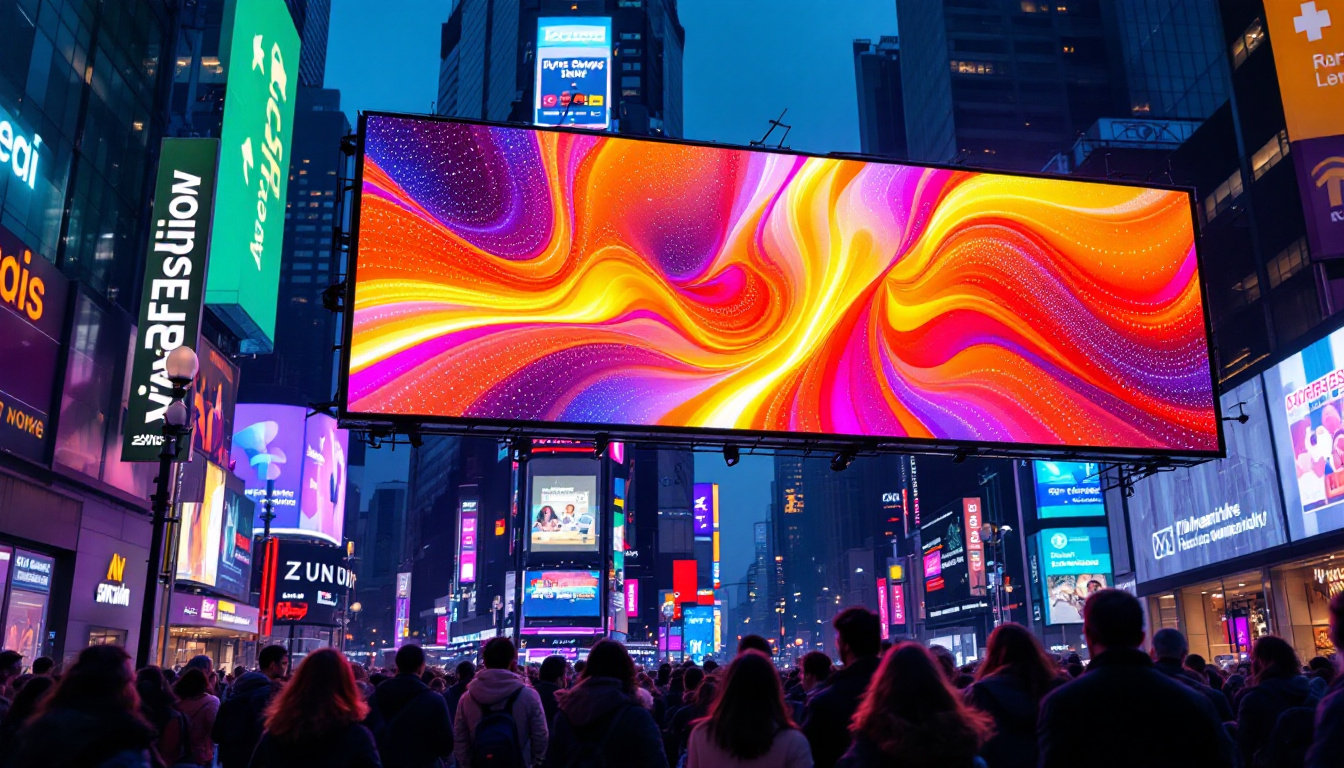
In the rapidly evolving world of display technology, transparent OLED (Organic Light Emitting Diode) screens are carving out a unique niche. Combining the benefits of OLED technology with transparency, these displays offer innovative applications across retail, automotive, architecture, and beyond. This article explores the fundamentals of transparent OLED technology, how it differs from traditional LED displays, and why it is becoming a game-changer in visual communication.
Understanding Transparent OLED Technology
What is a Transparent OLED Display?
Transparent OLED displays are a type of screen that emits light from organic compounds while allowing light to pass through the panel. Unlike conventional OLEDs, which are opaque, transparent OLEDs enable viewers to see both the displayed content and the background behind the screen simultaneously. This creates a unique visual effect where digital images appear to float in mid-air or blend seamlessly with real-world environments.
The key to this transparency lies in the structure of the display. Transparent OLED panels use a series of thin, organic layers sandwiched between two transparent electrodes, typically made from indium tin oxide (ITO). When an electric current passes through these layers, they emit light without the need for a backlight, which is essential for maintaining transparency. This innovative design not only enhances the aesthetic appeal of the display but also opens up new possibilities for interactive applications in various fields, such as retail, automotive, and architecture.
As technology advances, the potential applications for transparent OLEDs are expanding rapidly. For instance, in retail environments, these displays can be used as digital signage that provides information while allowing customers to see products behind the screen. In automotive design, transparent OLEDs can be integrated into car windshields, offering heads-up displays that provide navigation and safety information without obstructing the driver’s view. Furthermore, in smart homes, transparent OLED panels can be incorporated into windows, transforming them into dynamic displays that can show weather updates, news, or even artwork, all while maintaining the functionality of a regular window.
How Transparent OLED Differs from Traditional LED Displays
Traditional LED displays rely on light-emitting diodes arranged behind or within the screen to illuminate pixels. These displays often require backlighting or opaque substrates, which block light and prevent transparency. In contrast, transparent OLEDs emit light directly from the organic layers, eliminating the need for backlighting and allowing light to pass through the screen.
Another fundamental difference is in image quality. OLED technology is known for its superior contrast ratios, vibrant colors, and wide viewing angles. Transparent OLEDs maintain these qualities while adding the advantage of see-through capability, which traditional LED displays cannot offer. This results in an immersive viewing experience that can engage audiences in ways that static displays cannot. Additionally, the energy efficiency of OLED technology contributes to its appeal, as these displays consume less power compared to their traditional counterparts, making them a more sustainable option for future display technologies.
Moreover, the manufacturing process for transparent OLEDs is becoming increasingly refined, allowing for thinner and lighter panels that can be easily integrated into various designs. This flexibility not only enhances the aesthetic value of products but also promotes innovation in how we interact with digital content. As industries continue to explore the potential of transparent OLED technology, we can expect to see even more creative applications that redefine our relationship with screens and the digital world around us.
Technical Aspects of Transparent OLED Displays
Composition and Structure
At the heart of transparent OLED technology are organic materials that emit light when electrically stimulated. These materials are layered between two transparent electrodes, with each layer playing a critical role:
- Substrate: Usually glass or flexible plastic, providing a transparent base.
- Anode: A transparent electrode that injects positive charges (holes) into the organic layers.
- Organic Layers: Consisting of emissive and conductive layers, these emit light when electrons and holes recombine.
- Cathode: Another transparent electrode that injects electrons.
The absence of a backlight is crucial. Since OLEDs are emissive, each pixel produces its own light, which allows the screen to be transparent when pixels are turned off.
Transparency Levels and Display Performance
One of the main challenges with transparent OLEDs is balancing transparency with display brightness and color accuracy. Typically, transparent OLEDs achieve transparency levels between 30% and 70%, depending on the design and materials used. Higher transparency often means lower brightness and color saturation, so manufacturers must optimize these parameters based on the intended application.
Current transparent OLED displays can reach peak brightness levels of around 300 to 500 nits, which is sufficient for indoor environments but may struggle in direct sunlight. However, ongoing research and development are steadily improving these metrics, making transparent OLEDs more versatile.
Durability and Lifespan
OLED technology, including transparent variants, faces challenges related to lifespan and susceptibility to moisture and oxygen. Manufacturers employ encapsulation techniques to protect the organic layers, extending the lifespan of the displays. Typical lifespans for transparent OLEDs range from 20,000 to 30,000 hours of operation, which is comparable to many commercial display technologies.
Additionally, flexible transparent OLEDs are emerging, enabling new form factors such as curved or bendable transparent screens, which open up further possibilities in design and application.
Applications of Transparent OLED Displays
Retail and Advertising
Transparent OLED displays have become a popular choice in retail environments for window displays and product showcases. By integrating transparent screens into store windows, retailers can present dynamic advertisements and product information without obstructing the view of the merchandise behind the glass.
This dual functionality enhances customer engagement and creates an immersive shopping experience. For example, luxury brands often use transparent OLEDs to display high-resolution visuals that complement the physical products, blending digital storytelling with tangible goods.
Automotive Industry
In the automotive sector, transparent OLEDs are being integrated into windshields and windows to provide heads-up displays (HUDs) that deliver navigation, speed, and safety information without distracting the driver. This technology allows essential data to be projected directly onto the glass, maintaining visibility while enhancing situational awareness.
Some concept vehicles have showcased fully transparent OLED dashboards and control panels, indicating a future where vehicle interiors become more interactive and visually striking.
Architecture and Interior Design
Transparent OLED panels are increasingly used in architectural applications to create smart windows and partitions. These displays can switch between transparent and opaque states or show digital content, allowing for privacy on demand or dynamic interior decoration.
For instance, office buildings can use transparent OLED glass walls to display information or branding while still allowing natural light to pass through. This integration of technology and design supports sustainable building practices by reducing the need for additional lighting and enhancing energy efficiency.
Consumer Electronics and Wearables
Transparent OLEDs are also making their way into consumer electronics, such as augmented reality (AR) glasses and smart home devices. The lightweight and see-through nature of these displays makes them ideal for wearable tech, where unobtrusive, high-quality visuals are essential.
Products like smart refrigerators and kitchen appliances incorporate transparent OLED panels to provide interactive interfaces without sacrificing aesthetics or space.
Advantages and Challenges of Transparent OLED Displays
Advantages
- Innovative Visual Experience: The ability to overlay digital images onto real-world backgrounds creates immersive and futuristic user experiences.
- High Image Quality: OLED technology delivers vibrant colors, deep blacks, and wide viewing angles.
- Energy Efficiency: Since each pixel emits its own light and can be turned off individually, transparent OLEDs consume less power compared to traditional backlit displays.
- Design Flexibility: Transparent and flexible variants enable creative applications in various industries.
Challenges
- Brightness Limitations: Transparent OLEDs generally have lower peak brightness than opaque displays, limiting outdoor usability.
- Cost: Manufacturing transparent OLEDs is more complex and expensive due to the need for transparent electrodes and encapsulation.
- Durability Concerns: Organic materials are sensitive to environmental factors, requiring robust protective layers.
- Transparency vs. Display Quality Trade-off: Increasing transparency can reduce color vibrancy and contrast, necessitating careful design choices.
The Future of Transparent OLED Displays
Technological Innovations on the Horizon
Research into new organic materials, improved encapsulation methods, and advanced manufacturing techniques promises to address many of the current limitations of transparent OLEDs. For example, the development of more efficient transparent electrodes and higher-brightness organic emitters could enable outdoor-ready transparent displays.
Additionally, hybrid technologies that combine transparent OLEDs with other display types, such as micro-LEDs, are being explored to enhance performance and durability.
Expanding Market Adoption
As production costs decrease and performance improves, transparent OLED displays are expected to see broader adoption across industries. The integration of these displays into smart cities, public transportation, and interactive public art installations is already underway, signaling a shift toward more connected and visually dynamic environments.
Moreover, the rise of augmented reality and mixed reality applications will likely drive demand for transparent displays that can seamlessly blend digital and physical worlds.
Conclusion
Transparent OLED technology represents a fascinating convergence of innovation in display engineering and design. By enabling screens that are both visually stunning and see-through, transparent OLEDs unlock new possibilities for communication, interaction, and aesthetics across multiple sectors.
While challenges remain in brightness, cost, and durability, ongoing advancements are steadily overcoming these hurdles. For businesses, designers, and technologists, understanding transparent OLEDs is essential to harnessing their potential and staying ahead in a competitive, visually driven marketplace.
As this technology matures, transparent OLED displays are poised to transform how information is presented and experienced, making the invisible visible and the ordinary extraordinary.
Discover the Future of Display Technology with LumenMatrix
As you envision the transformative potential of transparent OLED displays, LumenMatrix stands at the forefront of this technological evolution. Our commitment to innovation in LED display technology is unwavering, offering an array of solutions from Indoor and Outdoor LED Wall Displays to Custom and Transparent LED Displays. Embrace the future of visual communication with LumenMatrix and create experiences that captivate and engage. Check out LumenMatrix LED Display Solutions and see how we can illuminate your brand’s message with clarity and impact.