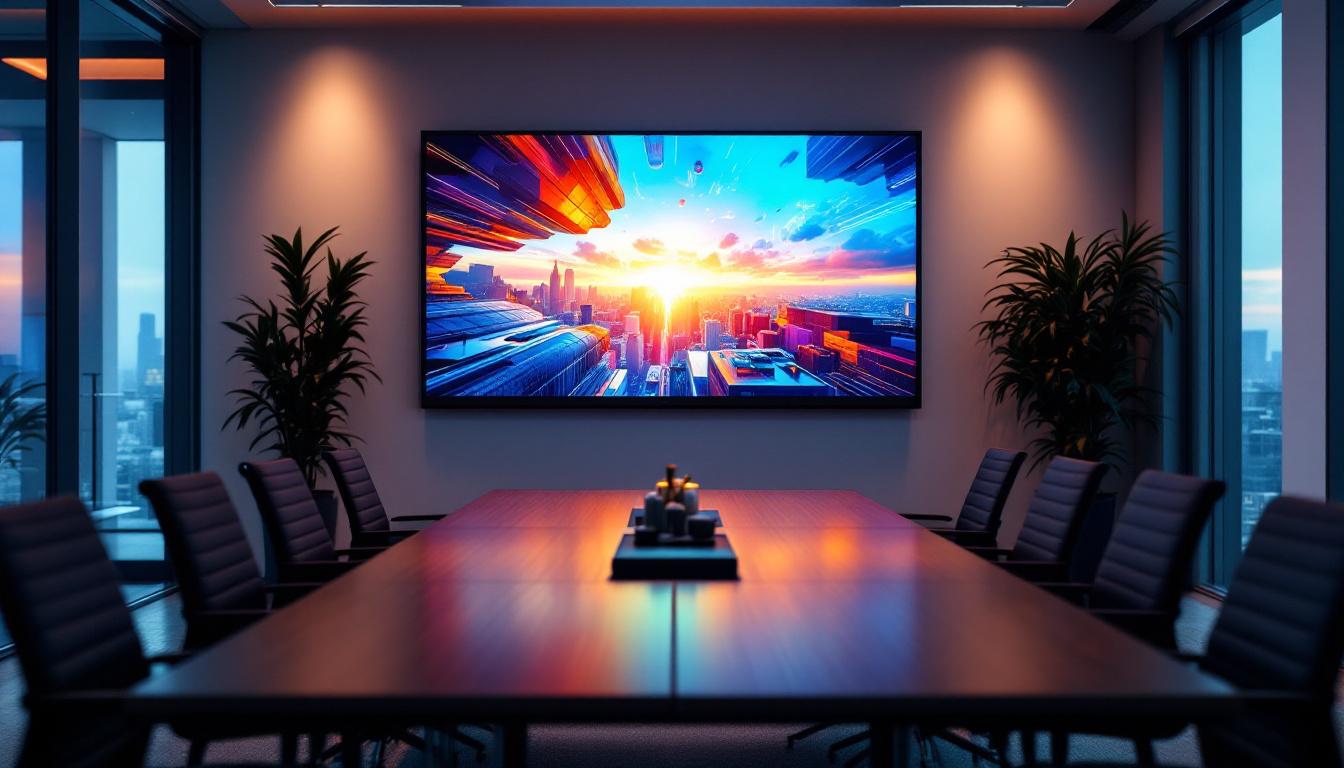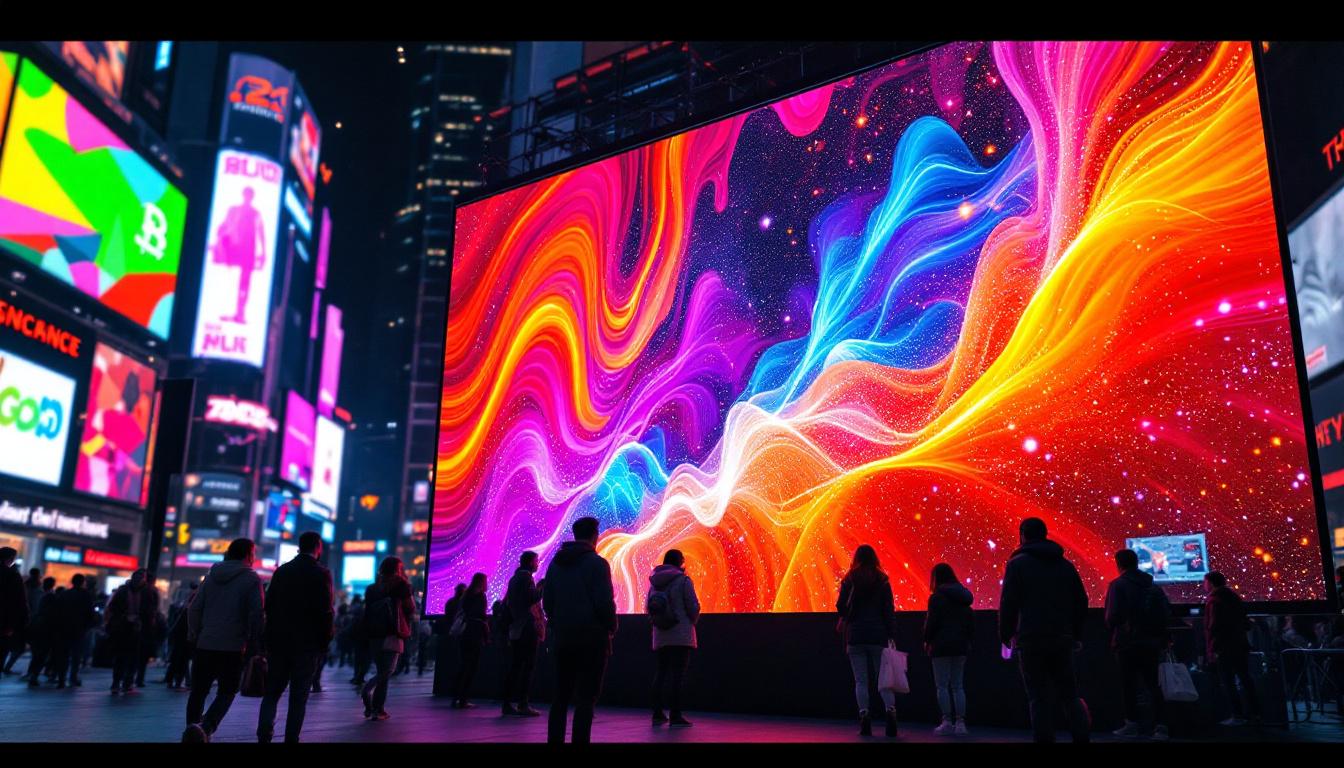
In today’s fast-paced digital world, LED displays have become an essential medium for communication, advertising, and entertainment. From towering billboards in Times Square to vibrant screens at sports arenas, LED technology is transforming how businesses and organizations engage with their audiences. Pixel Web Solutions, a leader in digital display technology, offers cutting-edge LED display solutions designed to meet diverse needs across industries.
This article delves into the fundamentals of LED displays, exploring their technology, applications, and the benefits they bring to modern communication strategies. Whether you’re a business owner considering an LED display for your storefront or a marketer looking to enhance your digital campaigns, understanding the intricacies of LED technology is crucial.
Understanding LED Display Technology
What is an LED Display?
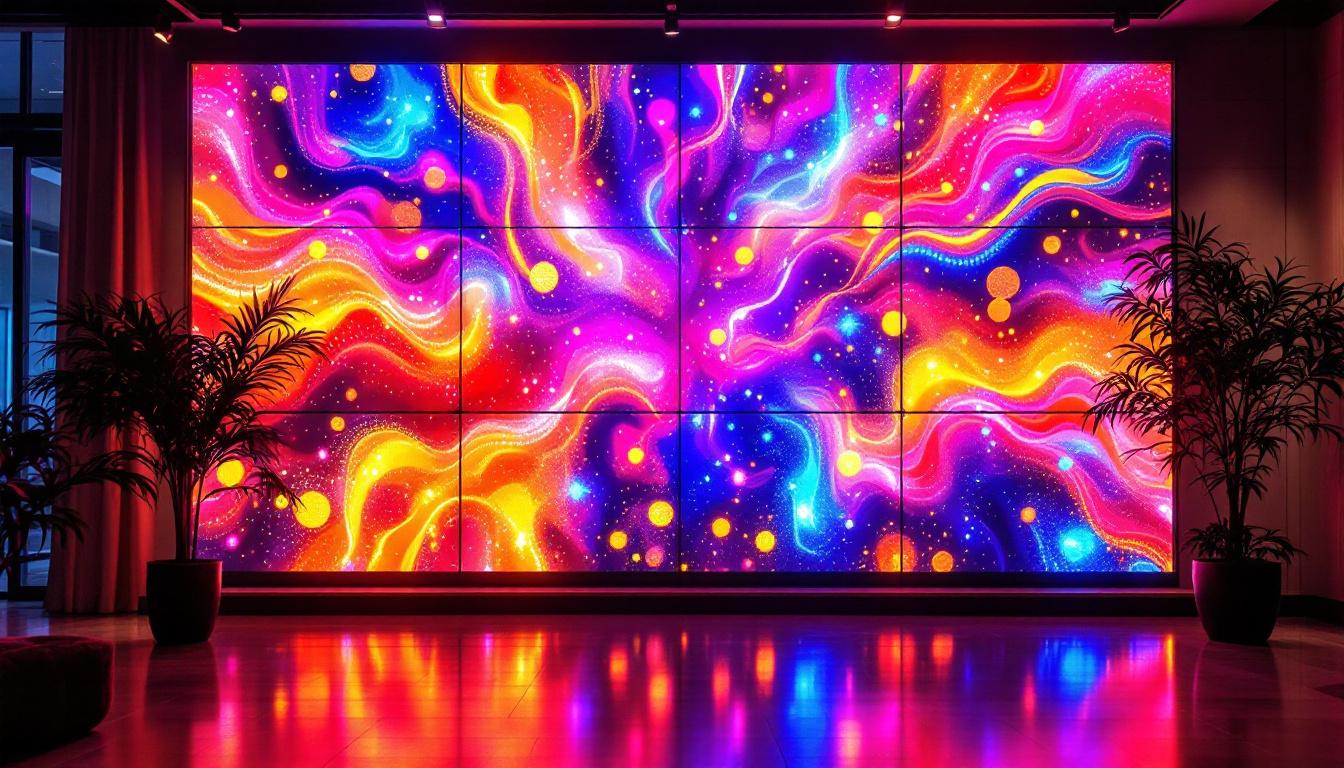
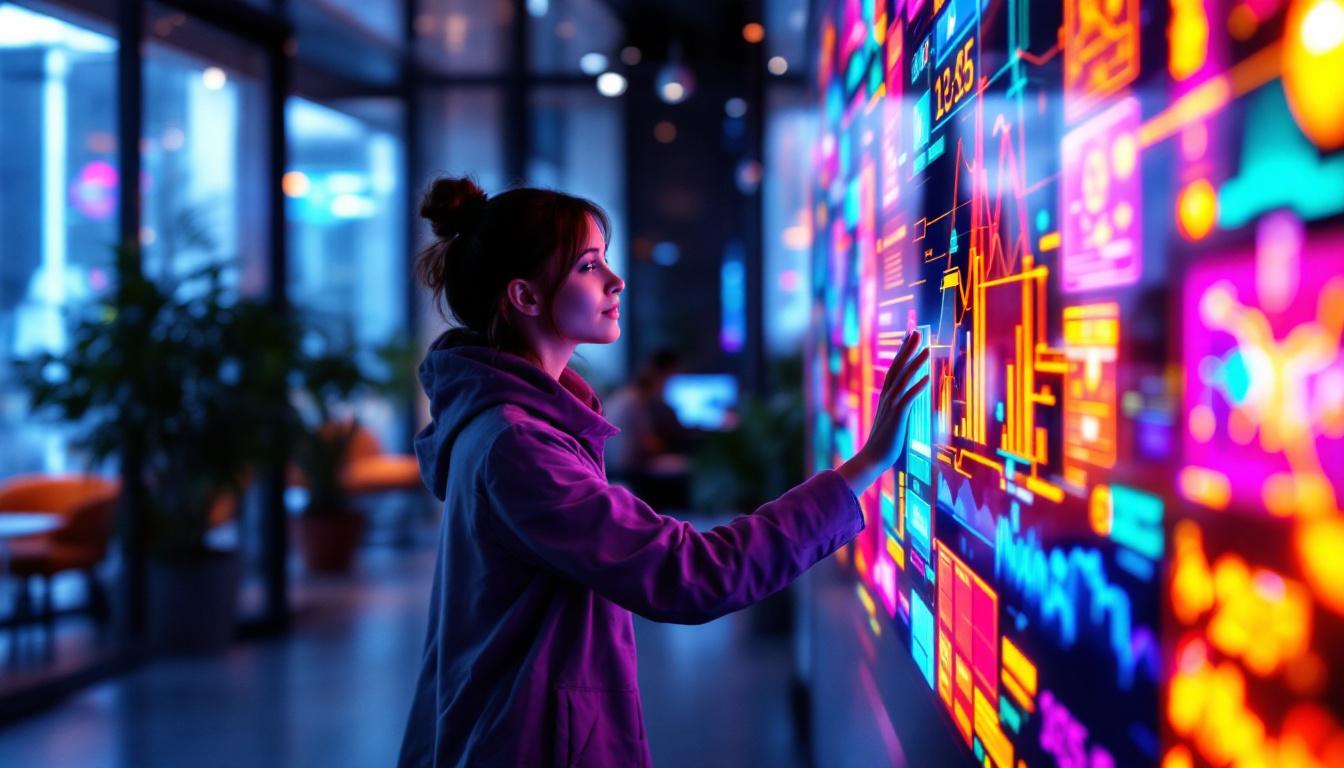
LED stands for Light Emitting Diode, a semiconductor device that emits light when an electric current passes through it. An LED display is a flat panel that uses an array of these diodes as pixels to create images, videos, or text. Unlike traditional LCD screens that rely on backlighting, LEDs emit their own light, resulting in brighter and more vibrant visuals.
LED displays can vary significantly in size and resolution, from small indoor panels to massive outdoor billboards. The technology behind these displays allows for high brightness levels, excellent color accuracy, and energy efficiency, making them ideal for various environments and purposes. Furthermore, the longevity of LED displays is noteworthy; they often last up to 100,000 hours, significantly reducing the need for frequent replacements and maintenance. This durability, combined with their low energy consumption, makes them a sustainable choice for both businesses and consumers alike.
Types of LED Displays
There are primarily two types of LED displays: Indoor LED Displays and Outdoor LED Displays. Each type is engineered to suit specific conditions and use cases.
- Indoor LED Displays: Designed for controlled lighting environments, these displays offer higher resolution and finer pixel pitch, which means pixels are closer together. This results in sharper images ideal for conference rooms, retail stores, and event venues. Additionally, indoor displays often feature advanced technologies such as HDR (High Dynamic Range) to enhance contrast and color depth, making presentations and advertisements more engaging.
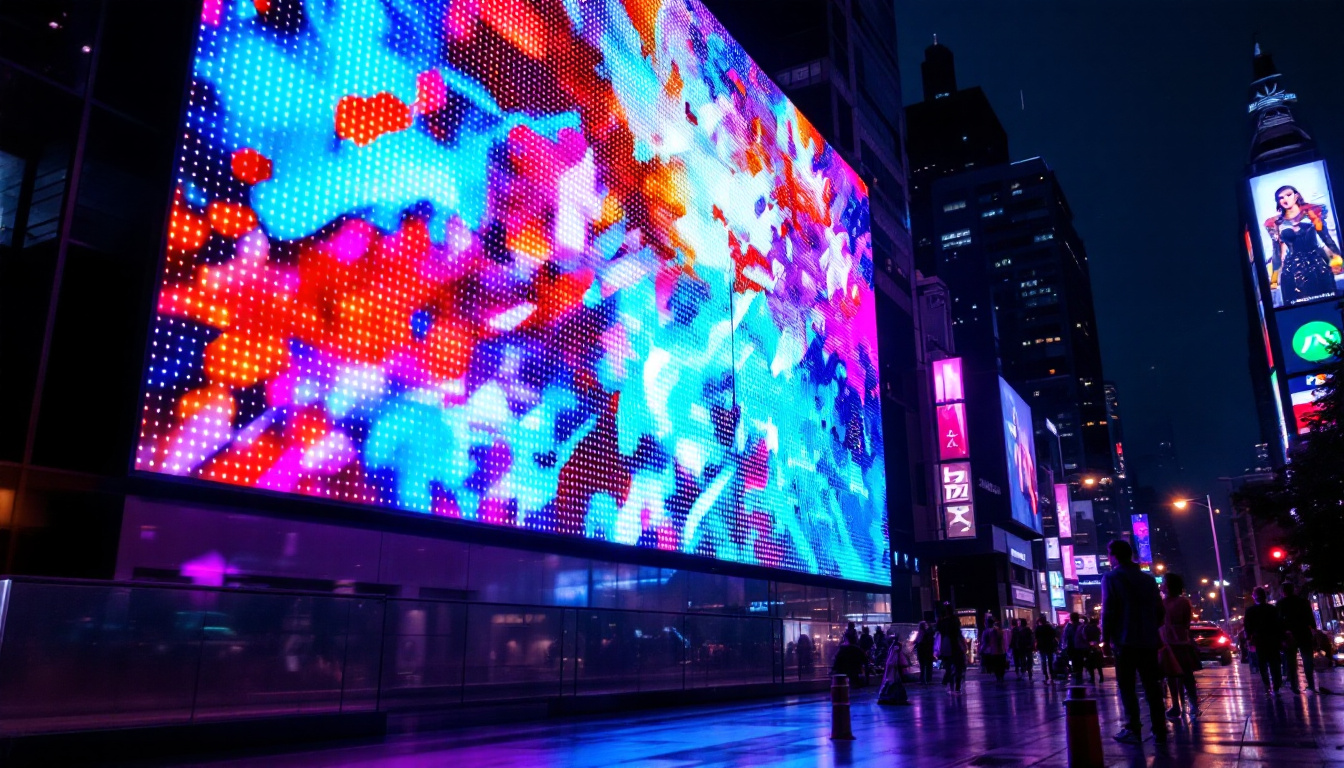
- Outdoor LED Displays: Built to withstand weather elements such as rain, wind, and sunlight, outdoor displays have higher brightness levels (often exceeding 5,000 nits) to remain visible even in direct sunlight. They are commonly used for advertising billboards, stadium screens, and public information displays. Many outdoor displays are also equipped with protective coatings to guard against UV damage and corrosion, ensuring that they maintain their visual integrity over time.
Pixel Pitch and Resolution
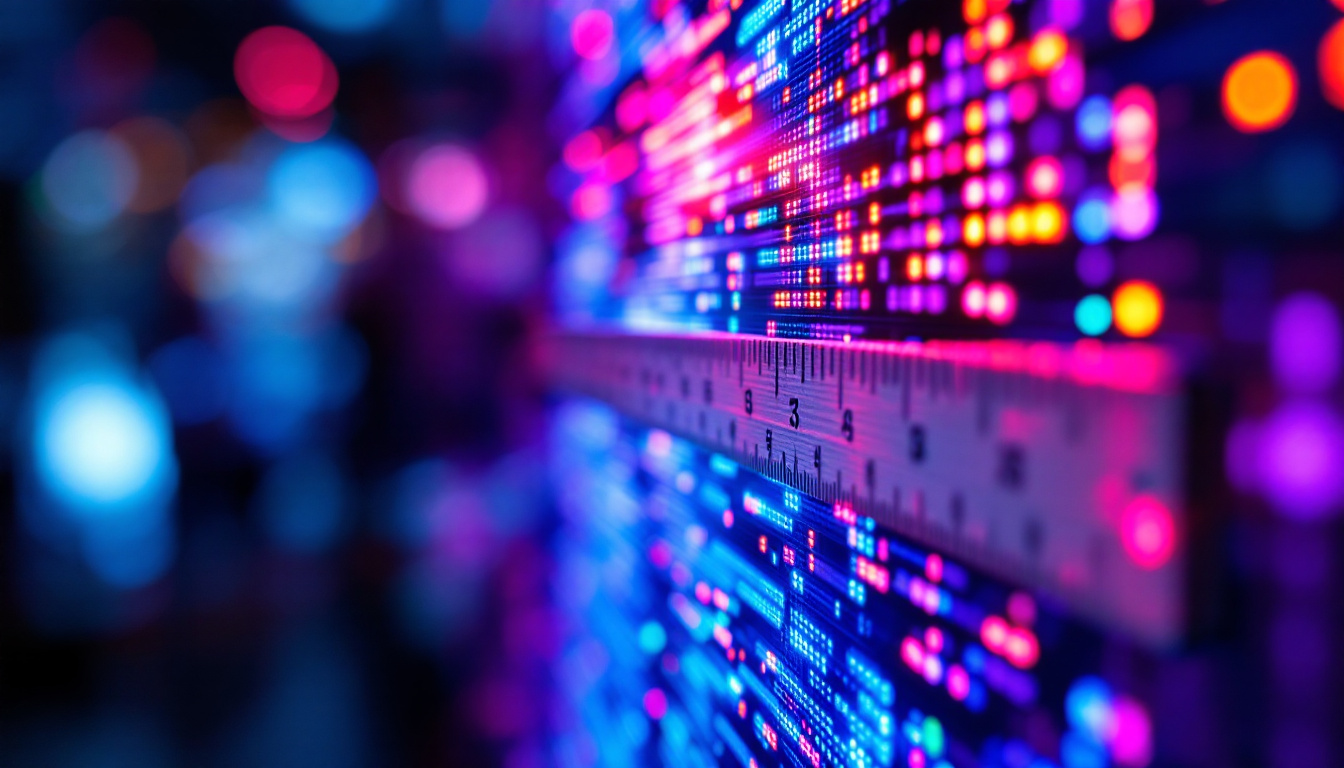
Pixel pitch refers to the distance between the centers of two adjacent pixels, typically measured in millimeters. It is a critical factor that determines the resolution and clarity of an LED display. A smaller pixel pitch means more pixels per unit area, which translates to higher resolution and sharper images.
For example, a display with a pixel pitch of 1.5mm is ideal for close viewing distances, such as in retail stores or control rooms, while a 10mm pixel pitch might be suitable for large outdoor billboards viewed from afar. Selecting the right pixel pitch ensures that your message is clear and impactful regardless of the viewing distance. Furthermore, advancements in pixel technology have led to the development of ultra-fine pitch displays, which can achieve resolutions comparable to that of high-end televisions. This innovation opens up new possibilities for immersive experiences in venues like museums and galleries, where detail and clarity are paramount.
Applications of LED Displays
Advertising and Marketing
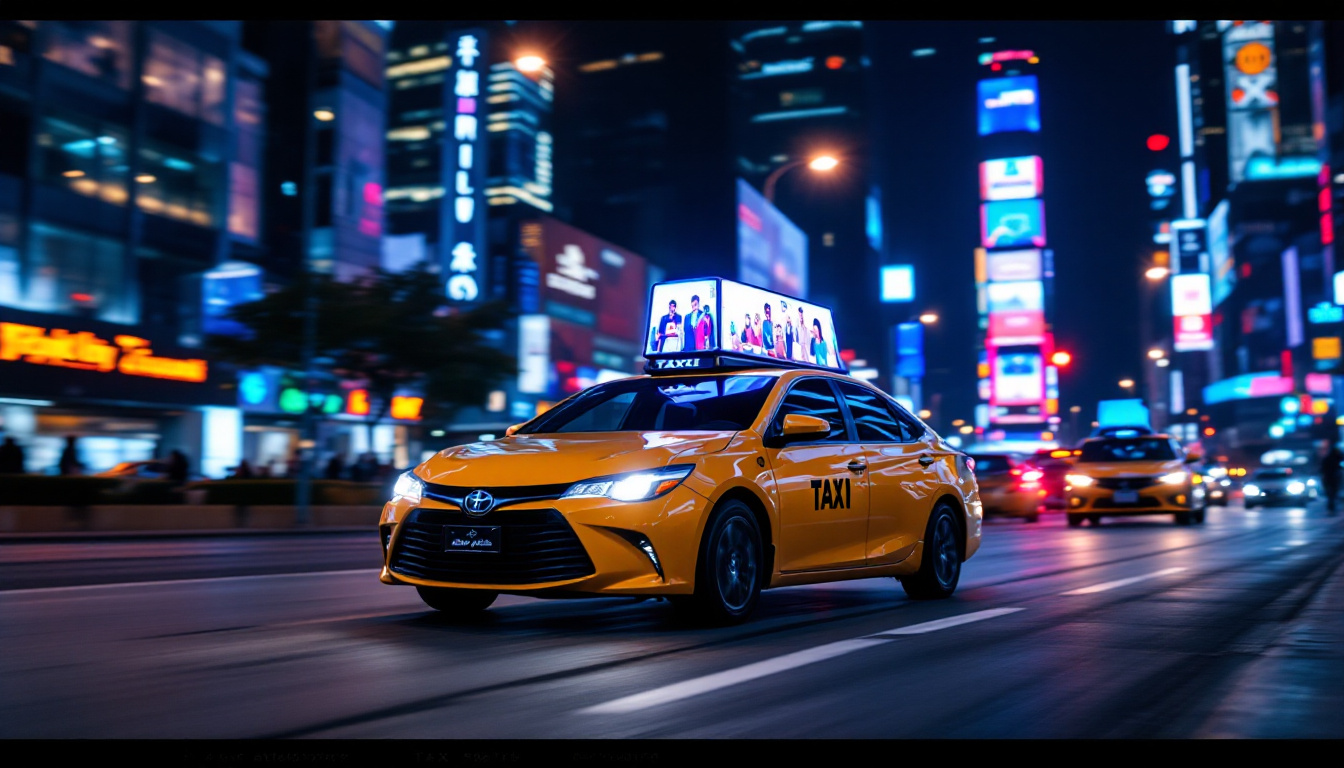
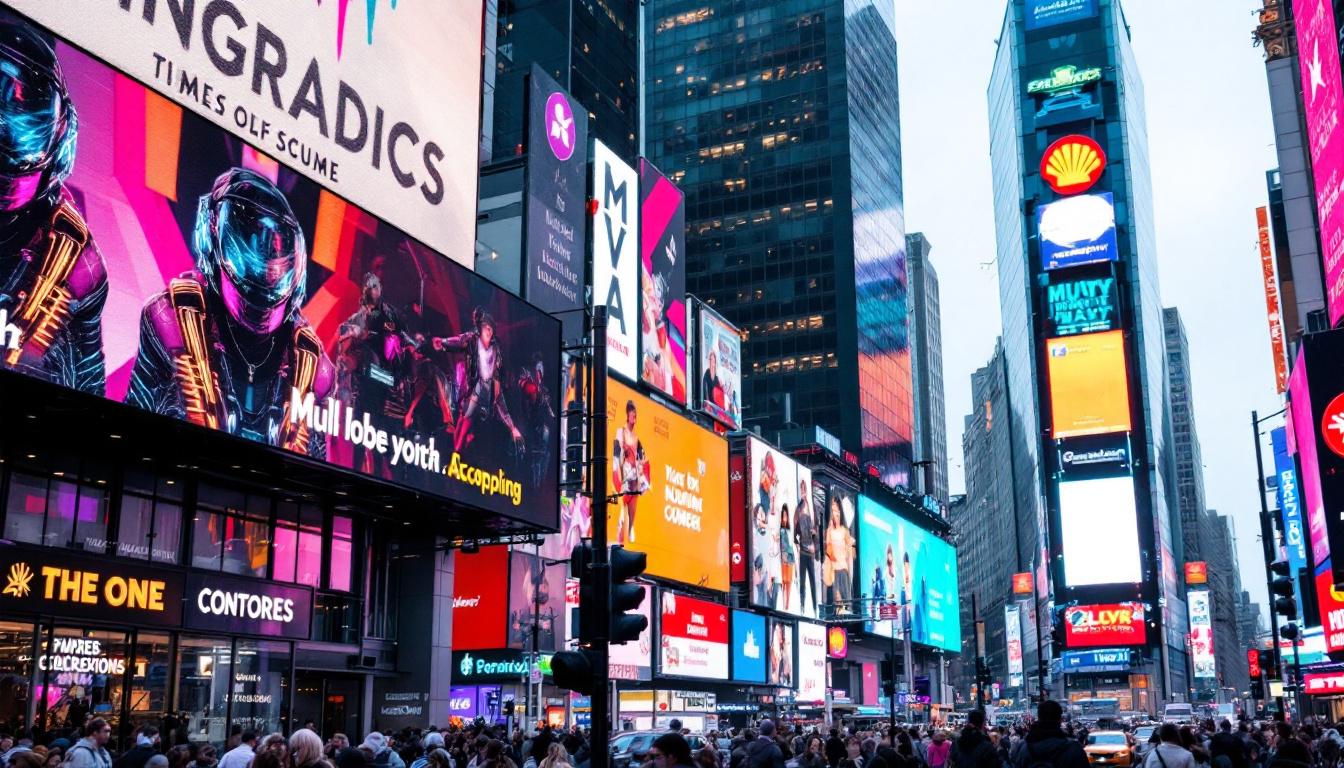
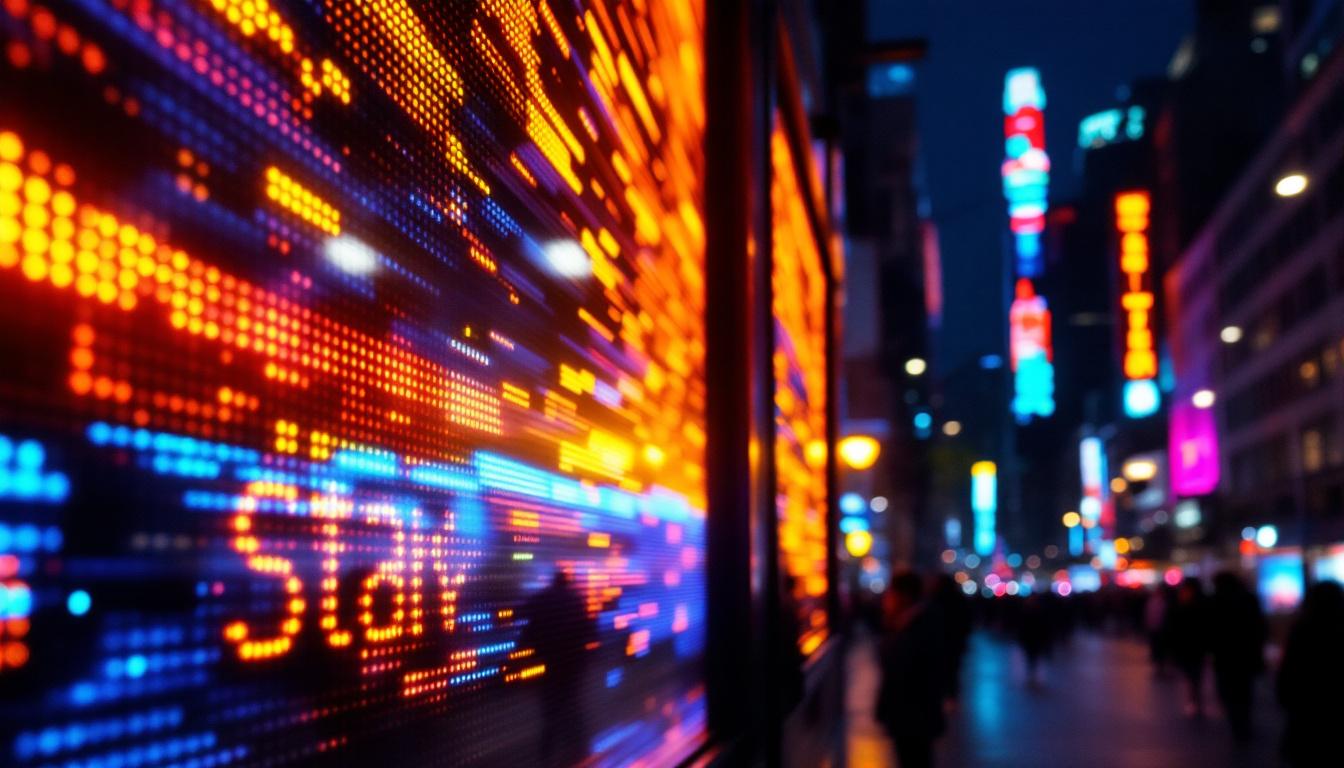
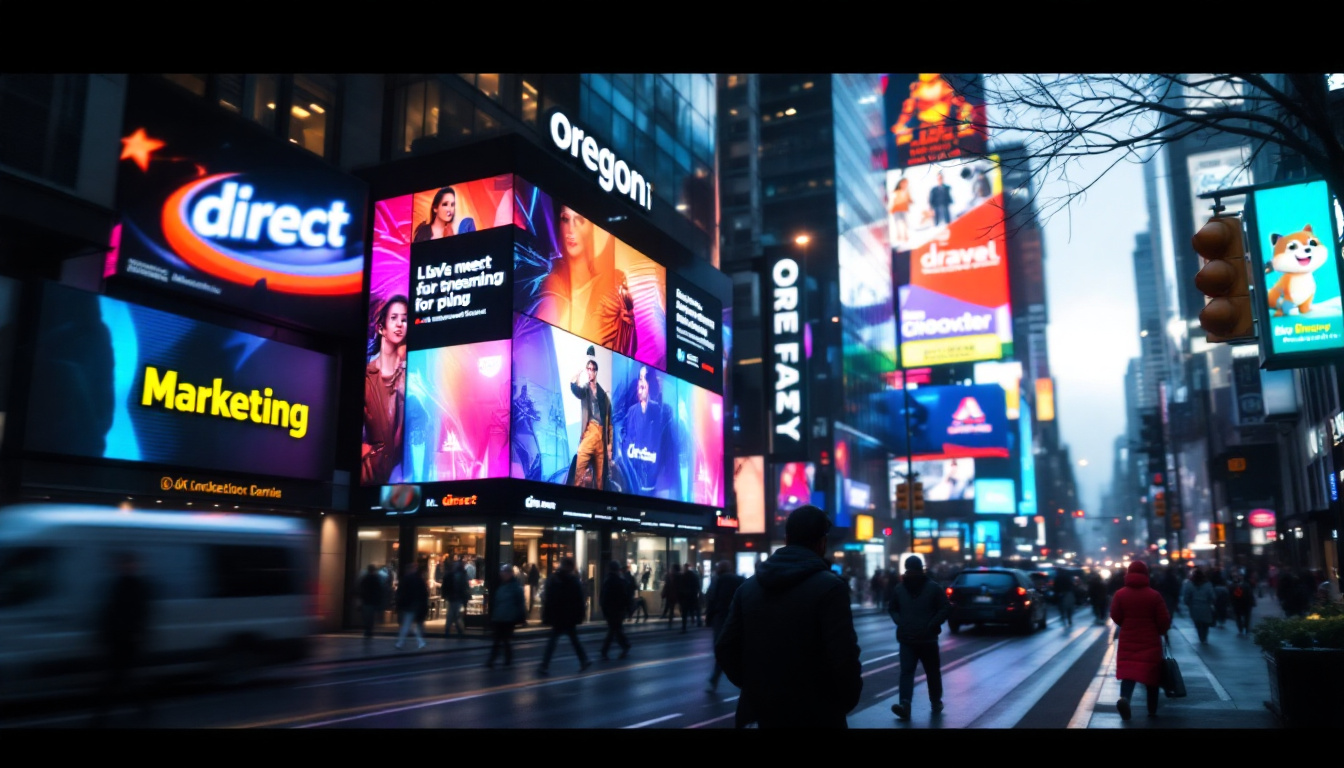
One of the most prominent uses of LED displays is in advertising. Digital billboards and signage can dynamically change content, allowing businesses to target different audiences at various times of the day. This flexibility increases engagement and can significantly boost return on investment compared to static signage.
For instance, major cities like New York and London have embraced LED billboards to create immersive advertising experiences. Brands can display high-definition videos, animations, and interactive content that captivate passersby and enhance brand recall.
Corporate and Event Use
Corporate environments utilize LED displays for presentations, video conferencing, and information dissemination. Large LED walls in conference centers and trade shows provide vivid visuals that enhance communication and audience engagement.
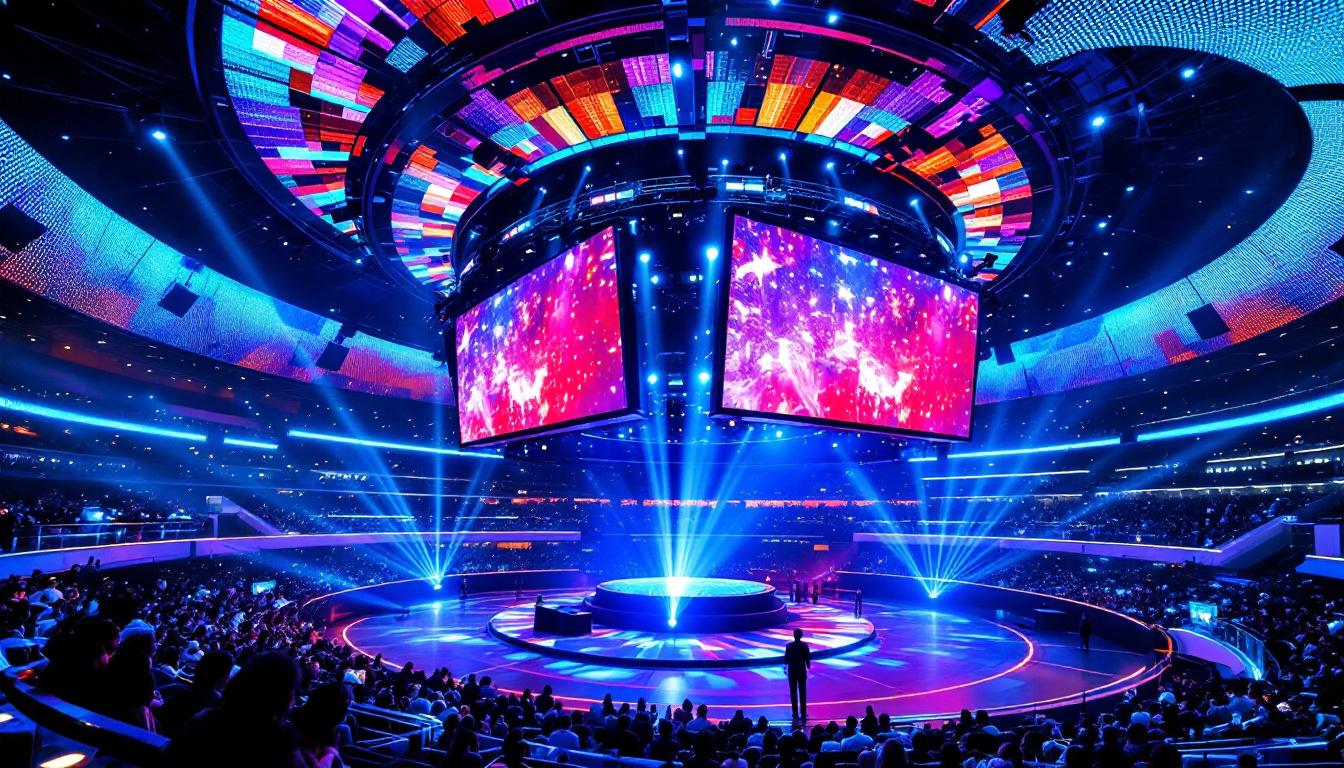
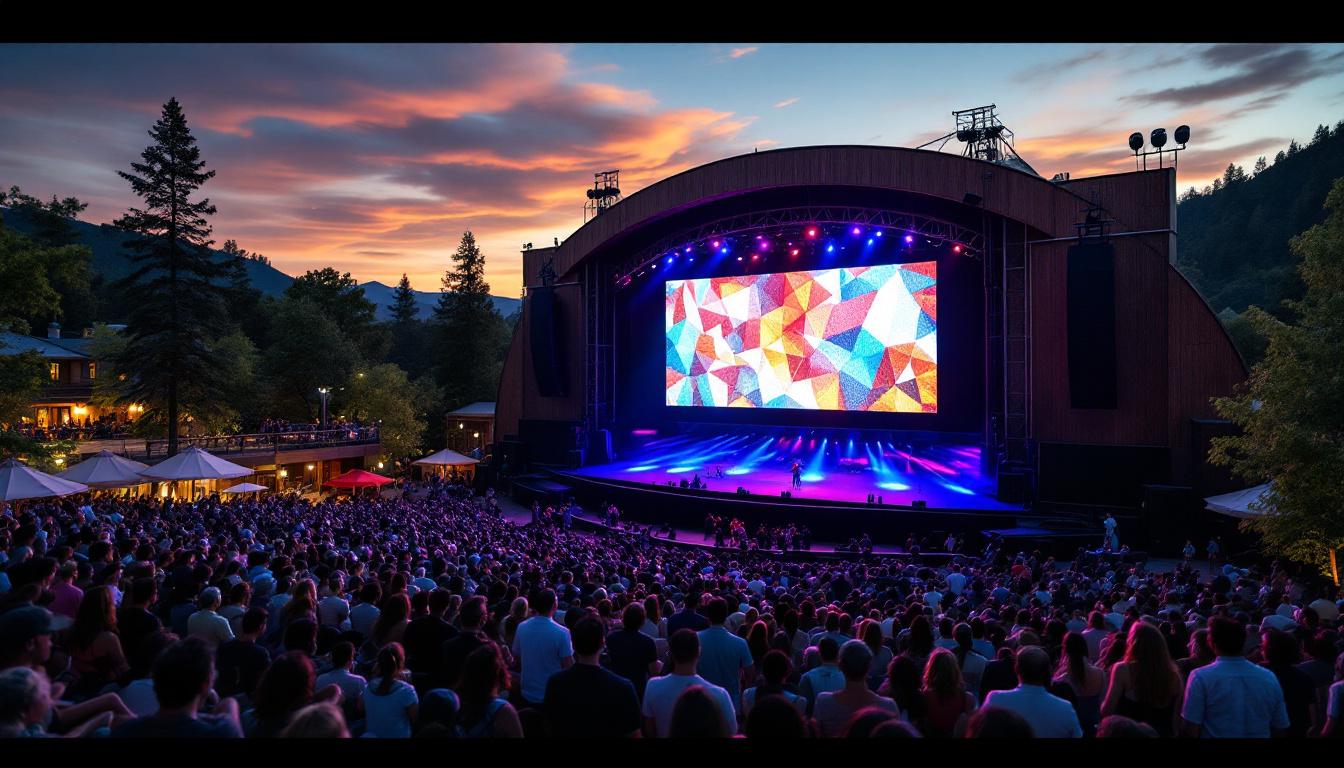
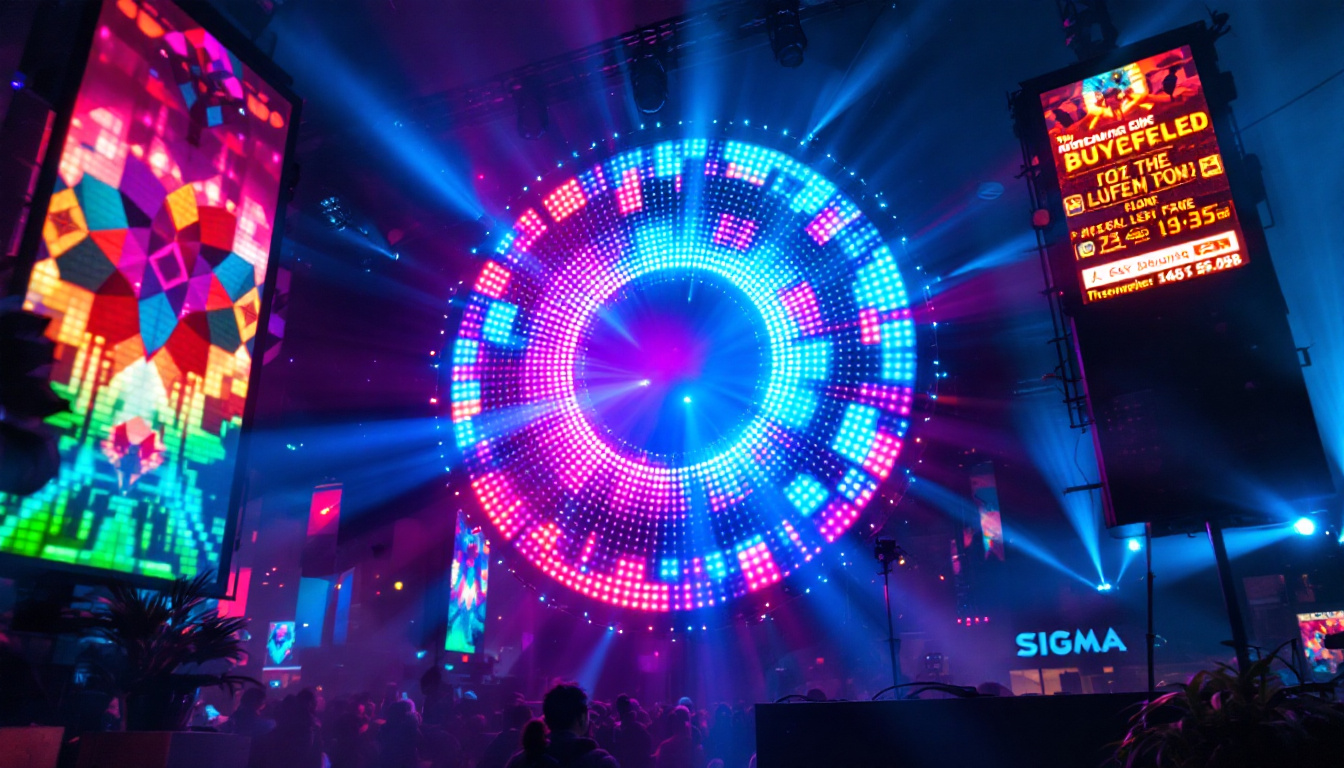
Events such as concerts, sports games, and exhibitions rely heavily on LED displays to deliver live feeds, scores, and interactive content. The high brightness and scalability of LED technology make it perfect for large venues where visibility is paramount.
Public Information and Transportation
LED displays are also vital in public spaces for delivering real-time information. Airports, train stations, and bus terminals use LED screens to provide schedules, alerts, and directions. The ability to update content instantly ensures travelers receive the most current information, improving overall experience and safety.
Municipalities employ LED displays for emergency alerts, weather updates, and community announcements, demonstrating the technology’s versatility beyond commercial use.
Benefits of LED Displays from Pixel Web Solutions
Superior Visual Quality
Pixel Web Solutions specializes in delivering LED displays with exceptional brightness, contrast, and color accuracy. Their products utilize the latest LED chip technology and advanced calibration techniques to ensure consistent and vibrant visuals, even in challenging lighting conditions.
This superior visual quality not only attracts attention but also enhances message clarity, which is crucial for advertising effectiveness and audience engagement.
Energy Efficiency and Sustainability
Modern LED displays are designed to be energy-efficient, consuming significantly less power than traditional display technologies. Pixel Web Solutions incorporates energy-saving features such as automatic brightness adjustment based on ambient light and efficient power management systems.
These innovations reduce operational costs and support sustainability goals, making LED displays an environmentally responsible choice for businesses.
Customization and Scalability
Every business has unique needs, and Pixel Web Solutions offers customizable LED display solutions tailored to specific requirements. Whether it’s a small indoor screen or a massive outdoor video wall, their modular designs allow for seamless scalability and easy maintenance.
Customization options include pixel pitch, screen size, shape, and mounting configurations, enabling clients to create impactful displays that align perfectly with their brand and space constraints.
Durability and Reliability
LED displays from Pixel Web Solutions are built to last. Outdoor models feature robust enclosures with IP65 or higher ratings, ensuring protection against dust and water ingress. Additionally, the displays are engineered to operate continuously for thousands of hours without degradation.
Reliable performance is critical for businesses that depend on uninterrupted communication, and Pixel Web Solutions’ commitment to quality ensures peace of mind.
Choosing the Right LED Display for Your Needs
Assessing Viewing Distance and Environment
Understanding where and how your LED display will be viewed is the first step in selecting the right product. Indoor environments typically require higher resolution and lower brightness, while outdoor locations demand higher brightness and weather-resistant features.
Consider the average distance between the display and its viewers. For close-up viewing, a smaller pixel pitch is essential to avoid visible pixelation. For displays meant to be seen from hundreds of feet away, a larger pixel pitch is acceptable and more cost-effective.
Content Strategy and Interactivity
The type of content you plan to display influences the choice of LED technology. High-definition videos and detailed graphics require higher resolution displays. If interactivity is a priority, such as touch-enabled screens or integration with mobile devices, ensure the LED solution supports these features.
Pixel Web Solutions offers software platforms that facilitate content management, scheduling, and real-time updates, empowering users to maximize the impact of their LED displays.
Budget Considerations
LED displays represent a significant investment, but their long-term benefits often justify the cost. When budgeting, consider not only the initial purchase price but also installation, maintenance, and operational expenses.
Pixel Web Solutions provides flexible financing options and scalable solutions that allow businesses to start with a smaller display and expand over time as needs evolve.
Future Trends in LED Display Technology
MicroLED and MiniLED Innovations
Emerging technologies like MicroLED and MiniLED are pushing the boundaries of display performance. MicroLEDs, with their microscopic diode size, offer even higher resolution, better contrast ratios, and improved energy efficiency compared to traditional LEDs.
Pixel Web Solutions is actively exploring these advancements to integrate next-generation displays into their product lineup, ensuring clients benefit from the latest innovations.
Integration with IoT and AI
The integration of LED displays with Internet of Things (IoT) devices and Artificial Intelligence (AI) is revolutionizing how content is delivered and personalized. Smart displays can adapt content based on audience demographics, weather conditions, or time of day, enhancing relevance and engagement.
Such intelligent systems open new possibilities for advertisers and communicators, enabling dynamic, data-driven messaging strategies.
Sustainability and Eco-Friendly Materials
As environmental concerns grow, the LED display industry is focusing on sustainable manufacturing practices and eco-friendly materials. Recyclable components, reduced hazardous substances, and energy-efficient designs are becoming standard.
Pixel Web Solutions is committed to sustainability, incorporating green practices throughout their production and product lifecycle.
Conclusion
LED displays have transformed the landscape of digital communication, offering unparalleled brightness, flexibility, and visual impact. Pixel Web Solutions stands at the forefront of this technology, delivering tailored LED display solutions that meet the diverse needs of businesses and organizations worldwide.
By understanding the fundamentals of LED technology, assessing your specific requirements, and partnering with a trusted provider like Pixel Web Solutions, you can harness the power of LED displays to captivate audiences, enhance brand presence, and drive business growth.
As LED technology continues to evolve, staying informed about the latest trends and innovations will ensure your investment remains future-proof and effective in an increasingly digital world.
Discover Cutting-Edge LED Displays with LumenMatrix
Ready to elevate your visual communication strategy with the latest in LED display technology? Explore LumenMatrix’s comprehensive range of LED display solutions, from vibrant Indoor and Outdoor LED Wall Displays to innovative options like Vehicle LED Displays, LED Posters, and even Custom LED Displays tailored to your unique needs. Embrace the future of digital signage with LumenMatrix’s mission to create captivating visual experiences that engage and inspire. Check out LumenMatrix LED Display Solutions today and transform your brand’s visibility with clarity and impact.