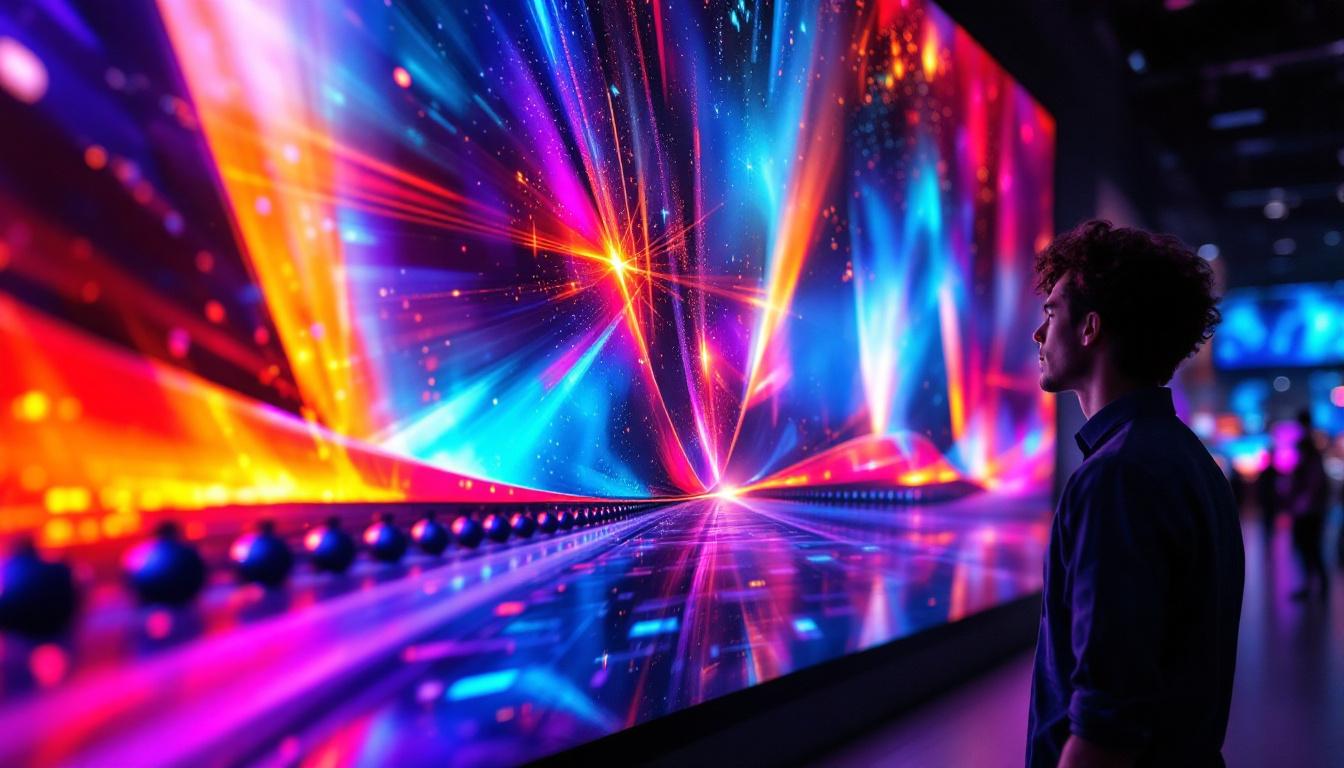
As the demand for ultra-high-definition video content continues to rise, 8K resolution has emerged as the new frontier in visual technology. Among the various display technologies available, LED displays have taken a prominent role in delivering stunning 8K video experiences. This article delves into the intricacies of 8K video and LED display technology, explaining how they work together to create breathtaking visuals and what this means for consumers, professionals, and industries alike.
Understanding 8K Resolution: What Does It Mean?
8K resolution refers to a display resolution of approximately 7,680 pixels horizontally and 4,320 pixels vertically, totaling over 33 million pixels. This is four times the pixel count of 4K (3,840 × 2,160) and sixteen times that of Full HD (1,920 × 1,080). The sheer number of pixels translates into incredibly sharp and detailed images, allowing viewers to see finer details that were previously indistinguishable. The clarity provided by 8K resolution can make even the most mundane scenes come alive, showcasing textures and subtleties that enhance the overall viewing experience.
The term “8K” is derived from the horizontal pixel count, which is close to 8,000 pixels. This ultra-high resolution is particularly beneficial for large screens, where pixel density plays a critical role in image clarity. For example, on a 65-inch screen, 8K resolution provides a pixel density of around 135 pixels per inch (PPI), which is significantly higher than 4K or Full HD displays of the same size. This increased pixel density means that viewers can sit closer to the screen without noticing any pixelation, making it ideal for immersive home theater setups.
Why 8K Matters for Video Content
As content creators and consumers seek more immersive experiences, 8K video offers several advantages. First, it allows for greater flexibility in post-production, enabling cropping, zooming, and panning without sacrificing image quality. This is especially valuable in filmmaking, sports broadcasting, and live event coverage. The ability to manipulate footage in post-production can lead to more dynamic storytelling, as directors can emphasize specific details or create visually stunning effects that captivate audiences.
Moreover, 8K content enhances virtual reality (VR) and augmented reality (AR) applications by providing more realistic and detailed visuals, reducing the screen-door effect that can detract from immersion. For consumers, the jump to 8K means future-proofing their home entertainment setups as streaming services and broadcasters gradually adopt higher resolutions. As technology evolves, 8K displays are becoming more accessible, and with the rise of 8K-capable cameras, we can expect a growing library of native 8K content. This shift not only enhances the viewing experience but also pushes the boundaries of creativity in visual storytelling, encouraging filmmakers and content creators to explore new artistic possibilities.
LED Display Technology: The Backbone of Modern 8K Screens
LED (Light Emitting Diode) display technology has revolutionized how images are rendered on screens, offering superior brightness, contrast, and energy efficiency compared to traditional LCD and plasma displays. When paired with 8K resolution, LED displays can fully leverage the increased pixel count to deliver stunning picture quality. This leap in technology not only enhances the viewing experience for consumers but also sets new standards for content creators, who can now produce more detailed and immersive visuals than ever before.
Types of LED Displays
There are primarily two categories of LED displays used for 8K video: direct-view LED (also known as microLED) and LED-backlit LCDs.
- Direct-View LED (MicroLED): This technology uses millions of tiny LEDs as individual pixels, each emitting its own light. This results in superior contrast ratios, true blacks, and vibrant colors. MicroLED displays are scalable and modular, making them ideal for very large 8K screens in commercial and professional environments. Additionally, the longevity of microLED technology means that these displays can maintain their brightness and color accuracy over time, making them a sound investment for businesses looking to enhance their visual presentations.
- LED-Backlit LCD: These displays use an LCD panel with an LED backlight. While they can achieve 8K resolution, the image quality depends on the LCD panel’s ability to control light, which can affect contrast and viewing angles compared to direct-view LED displays. However, advancements in local dimming technology have significantly improved the performance of LED-backlit LCDs, allowing for deeper blacks and more vibrant colors, thus bridging the gap between these two technologies.
How LED Displays Enhance 8K Video Quality
LED displays offer several key advantages that complement 8K resolution:
- Brightness and HDR: LED displays can achieve higher brightness levels, which is essential for displaying high dynamic range (HDR) content. HDR enhances the contrast between the brightest whites and darkest blacks, making images appear more lifelike. This capability is particularly important in cinematic experiences, where the subtle nuances of light and shadow can significantly impact storytelling and viewer engagement.
- Color Accuracy: Advanced LED displays support wide color gamuts such as DCI-P3 and Rec. 2020, enabling more vibrant and accurate color reproduction in 8K content. This precision in color representation allows filmmakers and artists to express their vision more faithfully, ensuring that audiences experience the content as intended.
- Response Time: LEDs have faster response times compared to traditional LCDs, reducing motion blur in fast-moving scenes, which is crucial for sports and action-packed videos. This rapid response also contributes to smoother frame rates, enhancing the overall viewing experience and making it ideal for gamers looking for competitive advantages in fast-paced environments.
Moreover, the integration of smart technology into LED displays has further enhanced their functionality. Many modern LED screens come equipped with built-in processing capabilities that optimize image quality in real-time, adapting to various lighting conditions and content types. This means that whether you’re watching a blockbuster movie, playing a video game, or viewing a presentation, the display can adjust to provide the best possible experience. Additionally, the rise of 8K streaming services is pushing the boundaries of content creation, prompting filmmakers and studios to invest in high-resolution production techniques that take full advantage of the capabilities offered by LED technology.
Applications of 8K LED Displays Across Industries
The combination of 8K resolution and LED display technology is transforming multiple sectors, from entertainment to business and beyond.
Home Entertainment and Consumer Electronics
8K LED TVs are becoming increasingly available in the consumer market, with manufacturers like Samsung, Sony, and LG leading the way. Although native 8K content is still limited, upscaling technologies allow 8K TVs to enhance lower-resolution content effectively. This means consumers can enjoy sharper images even when watching 4K or HD videos.
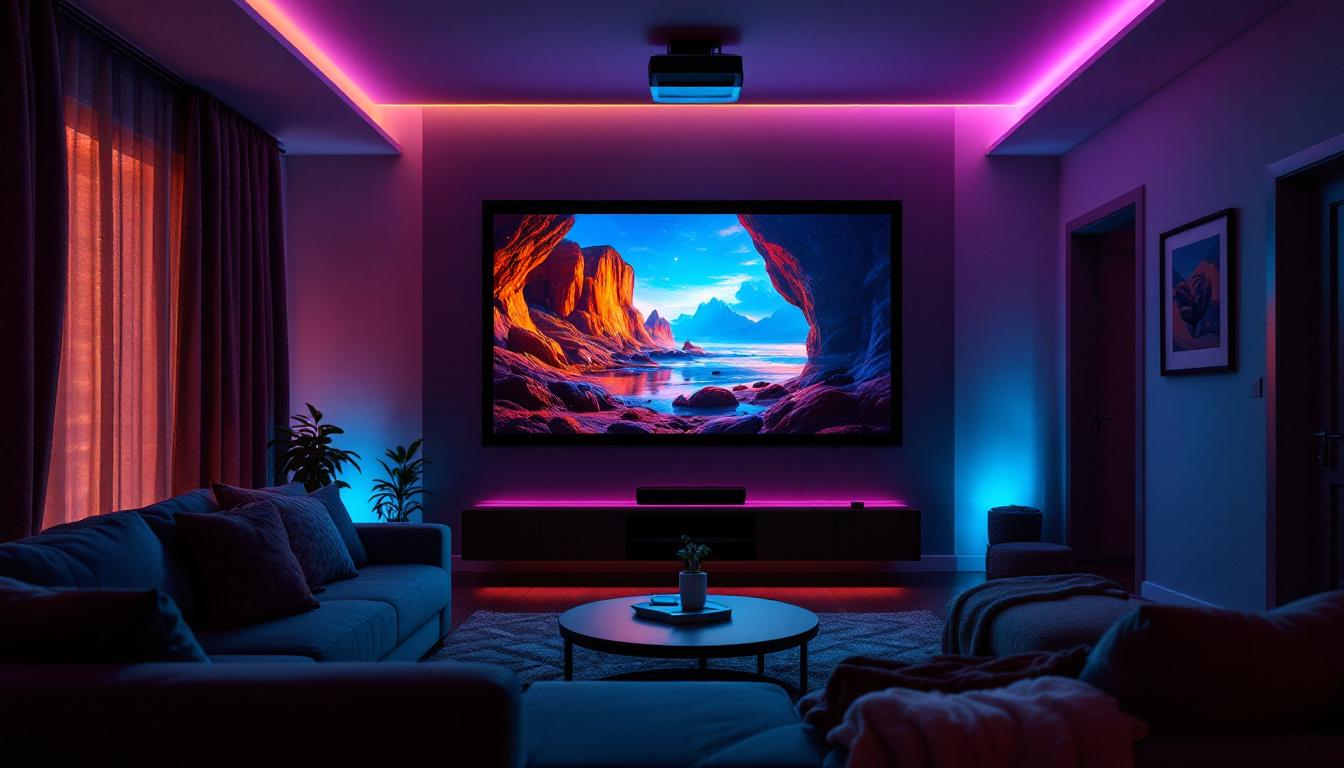
Furthermore, the integration of smart TV features and advanced processors enables real-time upscaling and HDR processing, making 8K LED TVs a premium choice for home theaters. The immersive viewing experience is especially noticeable on larger screens, where 8K resolution reduces visible pixelation and enhances detail.
Professional and Commercial Use
In professional environments, 8K LED displays are used for video production, digital signage, and control rooms. For filmmakers and broadcasters, 8K monitors provide precise color grading and editing capabilities, ensuring that the final output meets the highest standards.
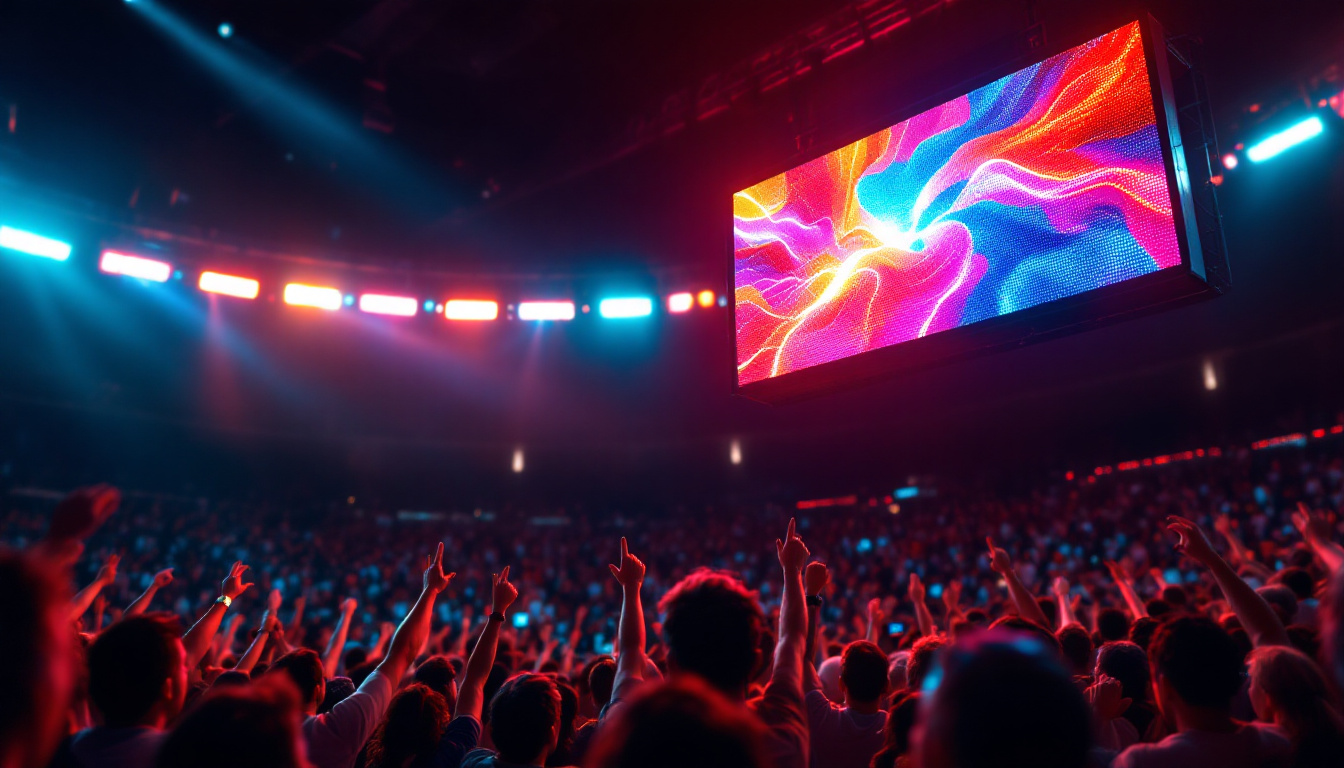
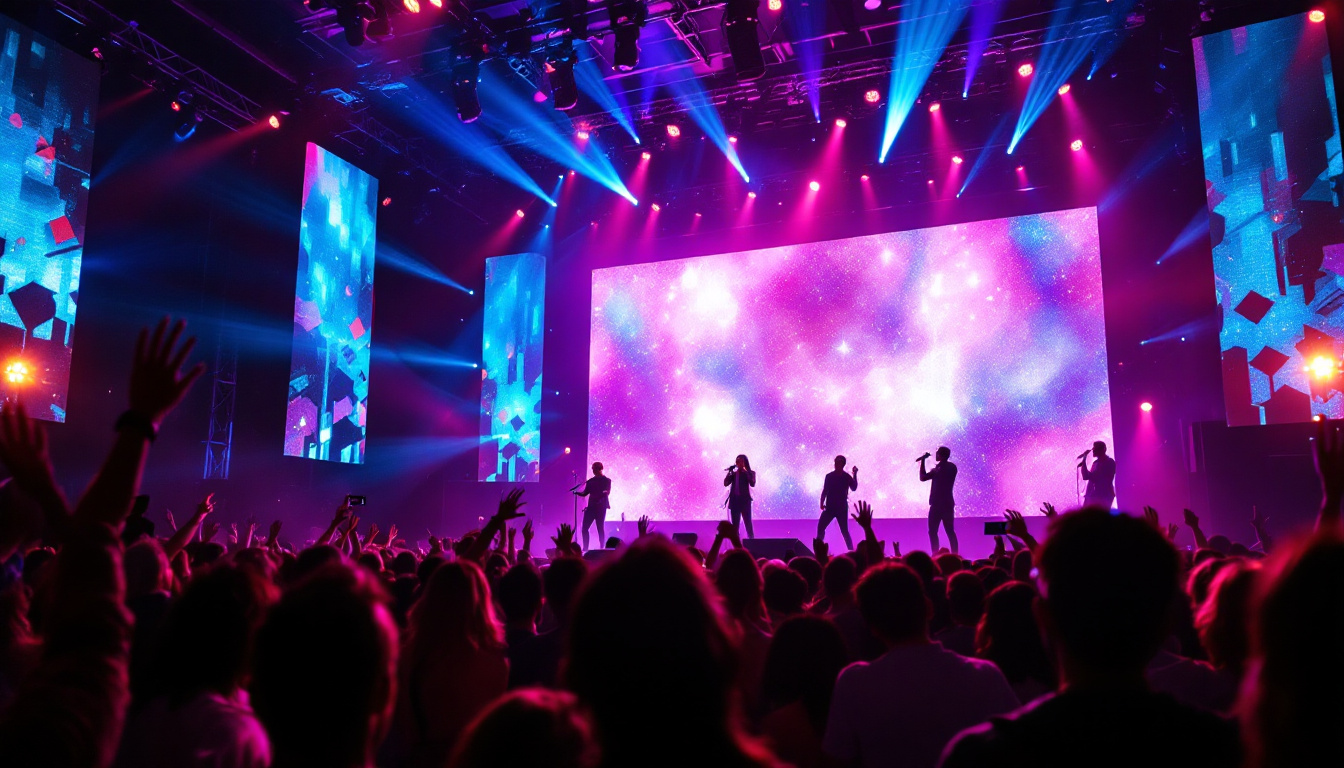
Digital signage benefits from 8K LED displays by delivering eye-catching visuals in public spaces such as airports, shopping malls, and stadiums. The high resolution and brightness ensure visibility even in bright ambient lighting conditions.
Medical Imaging and Scientific Visualization
Medical professionals use 8K LED displays to view detailed diagnostic images such as MRIs and CT scans. The increased resolution helps in identifying subtle anomalies that might be missed on lower-resolution screens. Similarly, scientific research and data visualization benefit from the enhanced clarity and color accuracy of 8K LED technology.
Challenges and Considerations in 8K LED Display Adoption
Despite the impressive capabilities of 8K LED displays, there are several challenges that both manufacturers and consumers face.
Content Availability and Bandwidth Requirements
One of the biggest hurdles for widespread 8K adoption is the limited availability of native 8K content. Producing and streaming 8K video requires substantial storage and bandwidth. For instance, uncompressed 8K video at 60 frames per second can demand data rates exceeding 48 Gbps, necessitating advanced compression standards like HEVC (H.265) and AV1.
Streaming platforms are gradually experimenting with 8K content, but widespread adoption will depend on improvements in internet infrastructure and content delivery networks. Until then, upscaling remains a key feature for consumers purchasing 8K displays.
Hardware and Processing Power
Displaying 8K video requires powerful hardware capable of processing massive amounts of data in real time. This includes high-performance graphics processors, advanced video decoders, and efficient cooling systems to prevent overheating. Manufacturers must balance performance with energy consumption and cost.
For LED displays, especially direct-view microLEDs, manufacturing complexity and yield rates remain challenges. Producing millions of uniform microLED pixels with consistent brightness and color is technically demanding, which currently limits the availability and affordability of large-format 8K microLED displays.
Viewing Distance and Practical Benefits
To fully appreciate the benefits of 8K resolution, viewers must sit close enough to the screen for the human eye to distinguish the increased detail. For typical living room setups, this often means larger screen sizes (75 inches or more) and viewing distances of about 1 to 1.5 times the screen height.
For smaller screens or longer viewing distances, the difference between 4K and 8K may be imperceptible. Consumers should consider their room size and viewing habits before investing in 8K LED displays.
The Future of 8K LED Displays: Trends and Innovations
The evolution of 8K LED display technology is ongoing, with several exciting developments on the horizon.
MicroLED and Beyond
MicroLED technology is expected to become more mainstream as manufacturing processes improve, offering superior image quality with lower power consumption and longer lifespan compared to OLED and LCD displays. This will likely accelerate the adoption of 8K displays in both consumer and professional markets.
Integration with AI and Machine Learning
Artificial intelligence is playing an increasing role in video processing, from real-time upscaling to dynamic HDR adjustment. AI-powered algorithms can analyze content and optimize display settings on the fly, enhancing the 8K viewing experience without requiring native 8K content.
Expansion of 8K Content Ecosystem
As more cameras and production equipment support 8K recording, and streaming infrastructure improves, the availability of native 8K content will grow. Major events such as the Olympics and World Cup are already being filmed in 8K, signaling a shift toward ultra-high-definition broadcasting.
Conclusion
8K video combined with LED display technology represents a significant leap forward in visual fidelity and immersive viewing experiences. While challenges remain in content availability, hardware requirements, and cost, advancements in microLED technology, AI-driven processing, and streaming infrastructure are paving the way for broader adoption.
For consumers, professionals, and industries investing in display technology, understanding the capabilities and limitations of 8K LED displays is crucial. As the ecosystem matures, 8K is poised to redefine how visual content is created, delivered, and enjoyed across the globe.
Discover the Future of Visual Experience with LumenMatrix
Ready to embrace the unparalleled clarity and immersive experience of 8K LED displays? LumenMatrix is at the forefront of this transformative technology, offering a wide array of innovative LED display solutions tailored to your needs. From captivating Indoor LED Wall Displays to dynamic Outdoor LED Wall Displays, and from versatile Vehicle LED Displays to stunning LED Transparent Displays, our mission is to revolutionize your visual communication. Elevate your brand visibility and engage your audience like never before. Check out LumenMatrix LED Display Solutions today and step into the future of digital storytelling.