Understanding the conversion between imperial and metric units is essential in many technical fields, especially when dealing with precision components like LED displays. One common measurement encountered in LED technology is the pixel pitch, often expressed in fractions of an inch, such as 1/32nd inch. This article explores what 1/32nd inch means in millimeters, why this conversion matters, and how it relates to LED display technology.
Understanding the Basics: What is 1/32nd Inch in Millimeters?
The inch is a unit of length commonly used in the United States and a few other countries, while millimeters are part of the metric system, widely used globally. To convert inches to millimeters, the standard conversion factor is 1 inch = 25.4 millimeters.
Therefore, to convert 1/32nd inch to millimeters, the calculation is straightforward:
1/32 inch × 25.4 mm/inch = 0.03125 inch × 25.4 mm/inch = 0.79375 mm
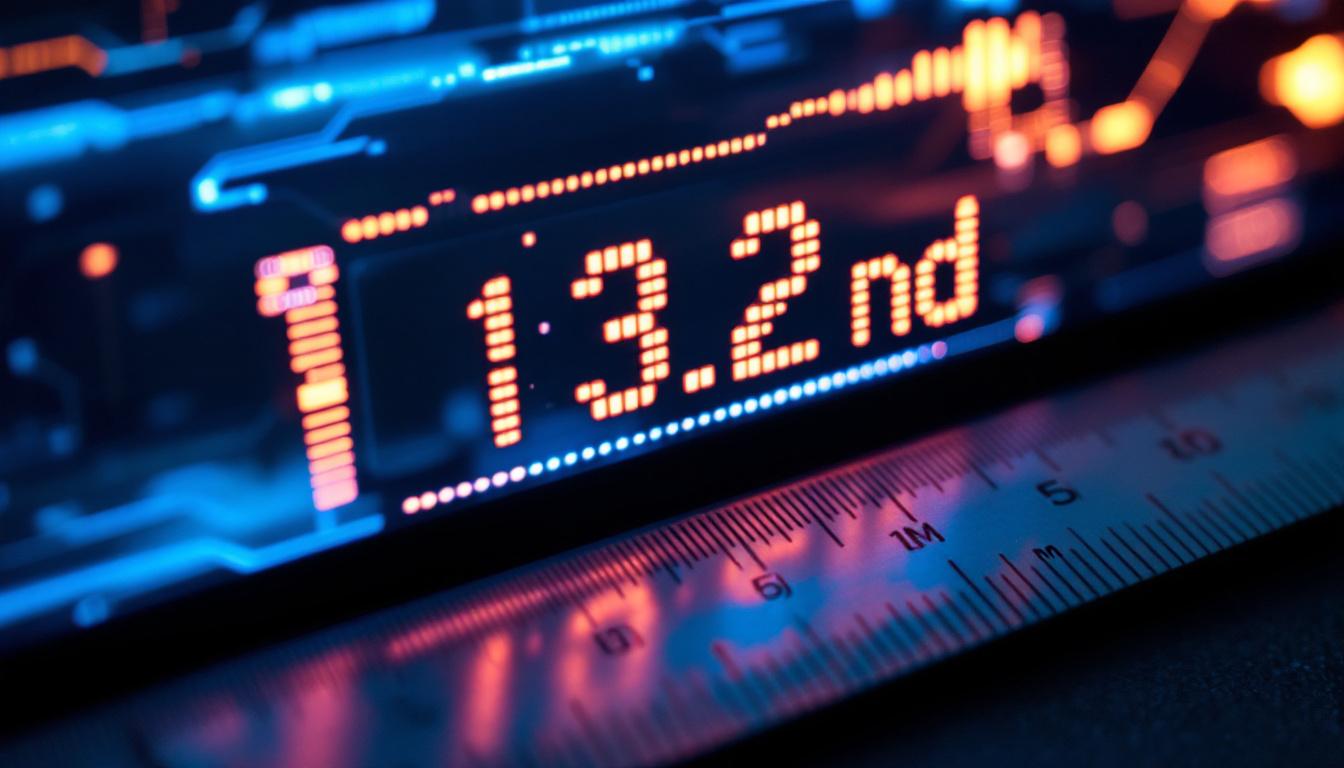
Rounded to two decimal places, 1/32 inch equals approximately 0.79 millimeters. This precise conversion is crucial in fields requiring exact measurements, such as LED display manufacturing and installation.
Why Precision Matters in Unit Conversion
In LED display technology, small differences in measurement can significantly impact performance and visual quality. For example, the pixel pitch—the distance from the center of one LED pixel to the center of the next—directly influences resolution and viewing distance. Using an incorrect conversion could lead to miscalculations in display size, resolution, or installation requirements.
Thus, understanding and accurately converting units like 1/32 inch to millimeters ensures that engineers, designers, and installers maintain the integrity of the display’s specifications. Moreover, in industries such as aerospace and automotive, where safety and performance are paramount, even the slightest error in measurement can lead to catastrophic failures. For instance, a miscalculation in the dimensions of a component could result in improper fitment, leading to mechanical issues or safety hazards during operation.
Furthermore, the importance of precision extends beyond engineering and manufacturing. In the realm of healthcare, accurate measurements are vital for medical devices and equipment, where even minor discrepancies can affect patient outcomes. For example, in the calibration of surgical instruments or the design of prosthetics, precision ensures that devices function as intended, ultimately impacting the quality of care provided to patients. Thus, the conversion of measurements like 1/32 inch to millimeters plays a critical role across various sectors, highlighting the interconnectedness of accurate data and successful outcomes.
Pixel Pitch and Its Role in LED Displays
Pixel pitch is a fundamental concept in LED display technology, defining the physical distance between individual pixels on the display. It is typically measured in millimeters but can sometimes be expressed in fractions of an inch, especially in regions where imperial units are common.
How Pixel Pitch Affects Display Quality
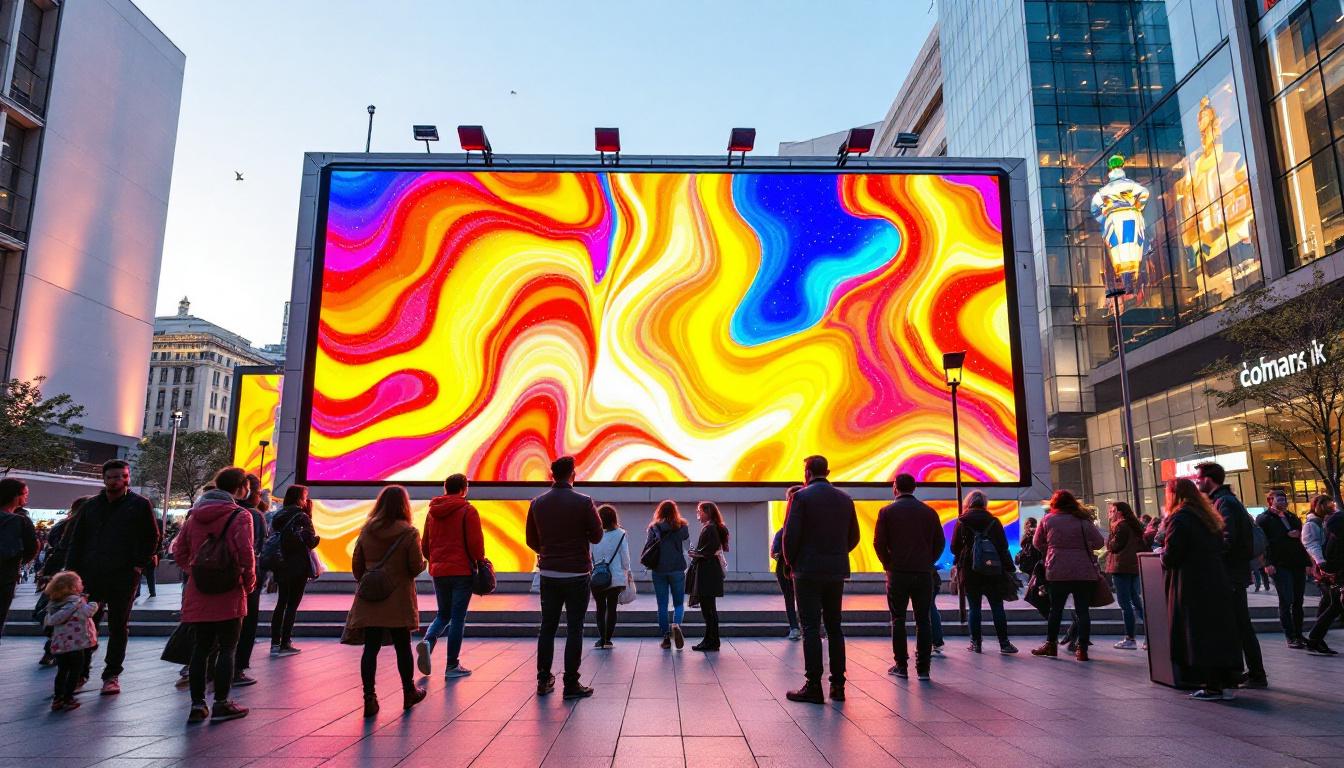
The pixel pitch determines the display’s resolution and optimal viewing distance. A smaller pixel pitch means pixels are closer together, resulting in higher resolution and better image clarity, especially at close range. Conversely, a larger pixel pitch is suitable for displays viewed from a distance, such as billboards or stadium screens.
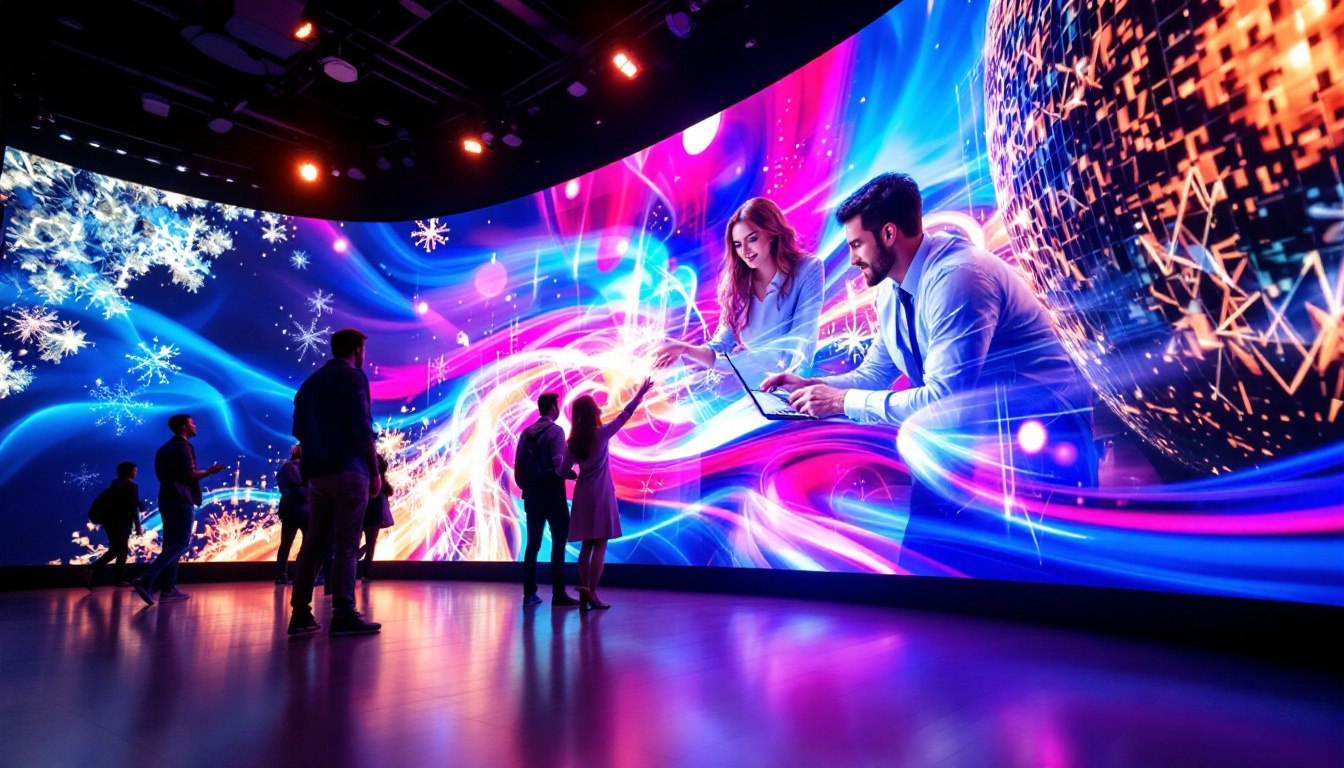
For example, a 1/32 inch pixel pitch (approximately 0.79 mm) is considered very fine and is typically used for indoor LED displays where viewers are close to the screen. This fine pitch allows for crisp images and detailed video playback, making it ideal for applications like control rooms, broadcast studios, and retail environments. The clarity provided by such displays enhances viewer engagement, making it easier for audiences to absorb information presented in high-definition formats.
Common Pixel Pitch Sizes and Their Applications
Pixel pitches can range from as small as 0.7 mm to over 20 mm, depending on the intended use of the display. Here are some typical categories:
- Fine Pixel Pitch (0.7 mm to 1.5 mm): Used for indoor displays requiring high resolution and close viewing distances.
- Medium Pixel Pitch (1.5 mm to 4 mm): Suitable for indoor and semi-outdoor applications with moderate viewing distances.
- Coarse Pixel Pitch (4 mm and above): Designed for outdoor displays viewed from afar, such as billboards and large venue screens.
The 1/32 inch pixel pitch falls within the fine pixel pitch category, emphasizing its role in delivering high-quality images in environments where viewers are near the display. Additionally, advancements in LED technology have made it possible to achieve even finer pixel pitches, pushing the boundaries of resolution and enabling displays to render intricate details that were previously unattainable. This evolution has opened new avenues for creative applications, such as immersive environments and interactive installations, where the quality of the visual experience is paramount.
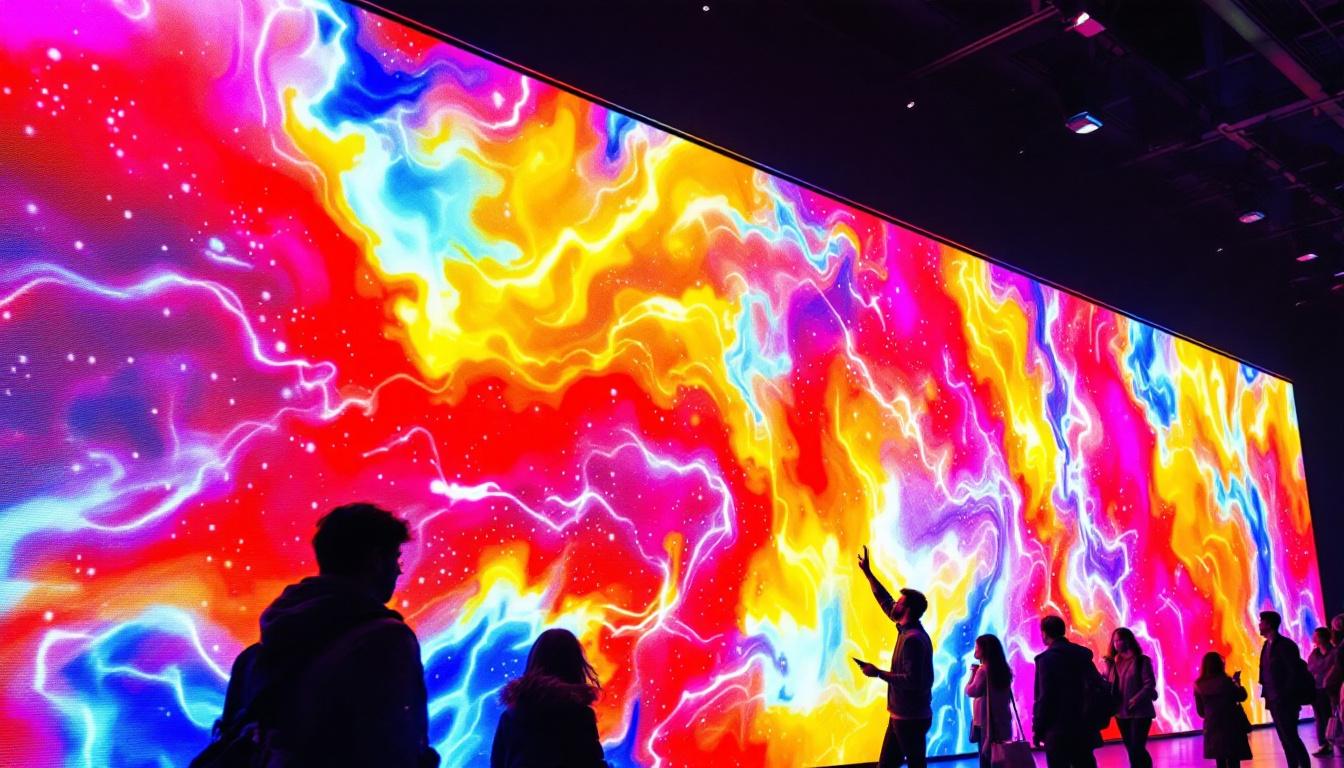
Moreover, the choice of pixel pitch can significantly impact the overall design and functionality of a display system. For instance, in environments like museums or art galleries, where the experience is often enhanced by visual storytelling, a fine pixel pitch can create a seamless and captivating narrative through vivid imagery. Conversely, in large-scale outdoor events, a coarser pixel pitch may be more effective, allowing for larger-than-life visuals that capture the attention of passersby from great distances. Understanding these nuances is essential for designers and engineers as they tailor solutions to meet specific project requirements and audience expectations.
LED Display Technology: How Pixel Pitch Influences Design and Performance
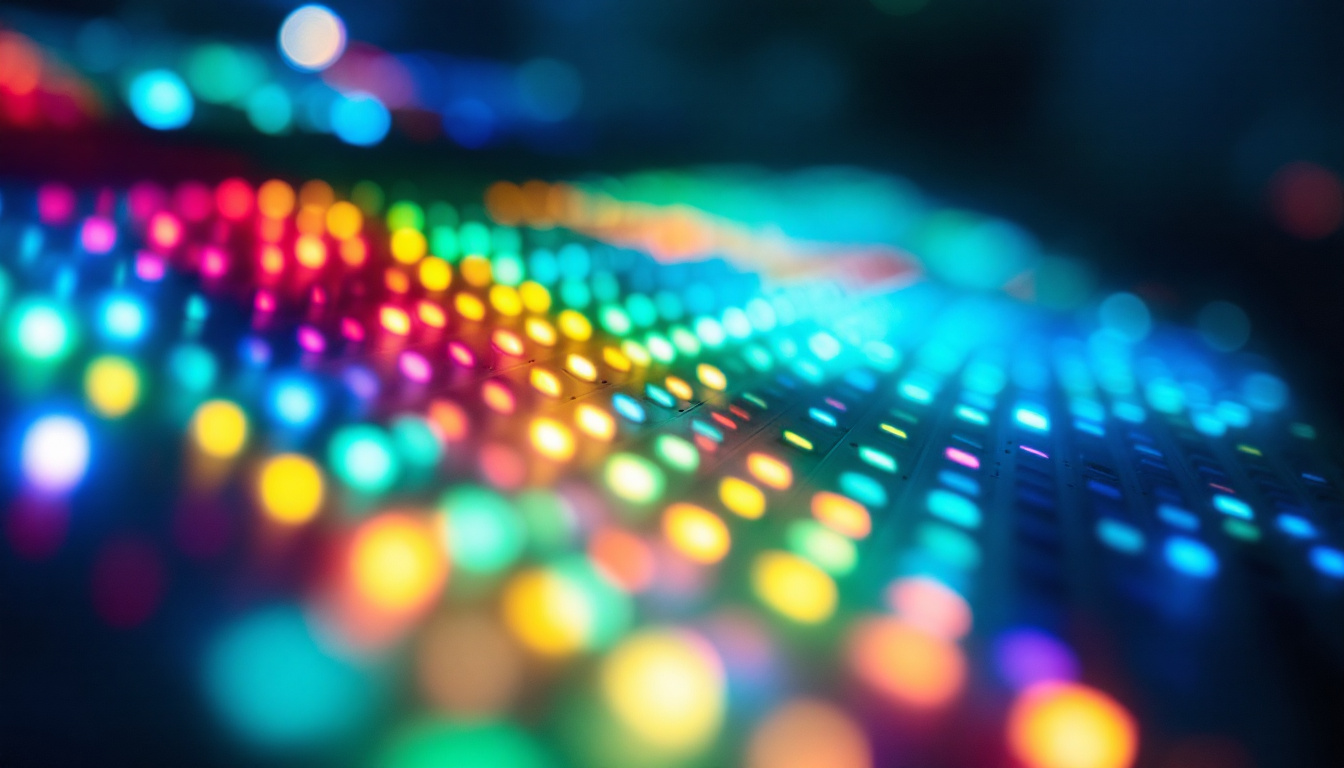
LED displays consist of numerous tiny light-emitting diodes arranged in a grid pattern. The spacing between these diodes, or pixels, is critical to the display’s overall performance.
Design Considerations for 1/32 Inch Pixel Pitch Displays
Designing an LED display with a 1/32 inch (0.79 mm) pixel pitch involves several technical challenges and considerations:
- Manufacturing Precision: Producing LEDs and circuit boards with such fine spacing requires advanced manufacturing techniques to ensure uniformity and reliability.
- Heat Dissipation: Closely packed LEDs generate heat that must be effectively managed to maintain performance and longevity.
- Power Consumption: High-density LED displays can consume significant power, necessitating efficient power management systems.
- Calibration and Maintenance: Fine pixel pitch displays require precise calibration to ensure color accuracy and brightness uniformity.
These factors contribute to the complexity and cost of fine pixel pitch LED displays but are essential for achieving superior image quality. Moreover, the integration of sophisticated software tools for monitoring and managing these displays has become increasingly important. These tools can assist in real-time diagnostics, allowing technicians to address issues promptly and maintain optimal performance levels. As technology advances, the development of automated calibration systems is also becoming more common, reducing the need for manual adjustments and enhancing the longevity of the displays.
Performance Benefits of Fine Pixel Pitch Displays
Displays with a 1/32 inch pixel pitch offer several advantages:
- High Resolution: Enables detailed images and smooth video playback, suitable for applications demanding visual precision.
- Close Viewing Distance: Ideal for environments where viewers are within a few feet of the screen.
- Versatility: Can be used in a variety of settings, including corporate lobbies, museums, and broadcast studios.
These benefits make fine pixel pitch LED displays a popular choice for high-end visual installations. Additionally, the flexibility in design allows for creative applications, such as curved or irregularly shaped displays, which can enhance the aesthetic appeal of a space. This adaptability is particularly advantageous in event staging and immersive environments, where the visual impact is paramount. Furthermore, advancements in LED technology have led to improved color reproduction and contrast ratios, making these displays not only visually stunning but also capable of delivering content that captivates and engages audiences effectively.
Practical Applications of 1/32 Inch Pixel Pitch LED Displays
Understanding the conversion from 1/32 inch to millimeters is not just an academic exercise; it has real-world implications in various industries and applications.
Indoor Advertising and Digital Signage
Retail stores, shopping malls, and airports often use fine pixel pitch LED displays to create vibrant, eye-catching digital signage. The 0.79 mm pixel pitch allows for sharp images and text, enhancing the customer experience and improving communication effectiveness.
Broadcast and Control Rooms
In broadcast studios and control rooms, where operators need to monitor multiple data streams and video feeds simultaneously, high-resolution LED displays with fine pixel pitch are essential. The precise pixel spacing ensures clear visuals, reducing eye strain and improving operational efficiency.
Corporate and Event Spaces
Corporate lobbies, conference rooms, and event venues utilize fine pixel pitch LED displays to deliver impactful presentations and immersive experiences. The ability to display detailed content at close range makes these displays invaluable for engaging audiences.
Converting and Specifying Pixel Pitch: Best Practices
When working with LED displays, especially in international contexts, understanding unit conversions and specifying pixel pitch correctly is vital.
Using Accurate Conversion Tools
While the manual calculation for 1/32 inch to millimeters is simple, professionals often rely on digital tools and conversion charts to ensure accuracy. This is particularly important when dealing with custom display sizes or integrating components from different manufacturers.
Communicating Specifications Clearly
Clear communication of pixel pitch specifications helps avoid misunderstandings during procurement and installation. For example, specifying a pixel pitch as 0.79 mm rather than 1/32 inch can reduce confusion in regions where metric units are standard.
Considering Tolerances and Manufacturing Variations
Manufacturers may have slight variations in pixel pitch due to production tolerances. It is important to account for these when designing or specifying LED displays to ensure compatibility and performance.
Conclusion: The Importance of Understanding 1/32 Inch to Millimeter Conversion in LED Displays
The conversion of 1/32 inch to approximately 0.79 millimeters is more than a simple mathematical exercise; it is a foundational element in the design, specification, and application of LED displays. Pixel pitch, expressed in these units, directly affects display resolution, viewing distance, and overall visual quality.
For professionals working with LED technology, mastering these conversions and understanding their implications ensures that displays meet the desired performance criteria and deliver exceptional visual experiences. Whether in advertising, broadcasting, or corporate environments, the precision offered by a 1/32 inch pixel pitch display can make a significant difference.
Discover Precision with LumenMatrix LED Displays
As you’ve seen, the precision of a 1/32 inch pixel pitch can elevate the quality of LED displays to new heights. LumenMatrix, a leader in LED display technology, offers an extensive range of solutions tailored to meet your specific visual communication needs. From captivating Indoor LED Wall Displays to dynamic Outdoor LED Wall Displays, and innovative options like Vehicle LED Displays and LED Transparent Displays, LumenMatrix is committed to enhancing your brand’s visibility. Experience the transformative power of our LED display modules and join the revolution in visual storytelling. Check out LumenMatrix LED Display Solutions today and see your message come to life with unmatched clarity and impact.