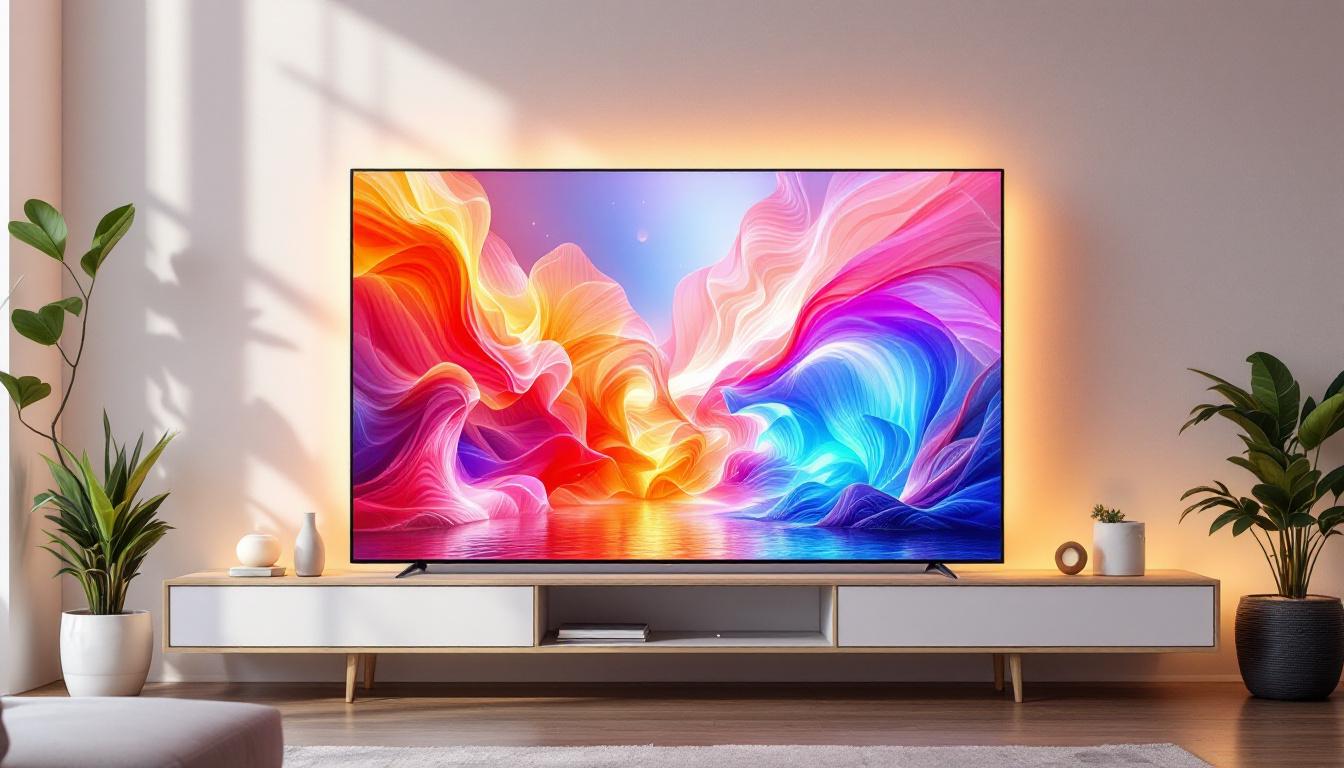
In recent years, the television industry has witnessed remarkable advancements in display technology. Among these, OLED and LED displays have emerged as frontrunners, offering consumers unprecedented picture quality and design flexibility. One of the most intriguing innovations is the OLED see-through TV, a concept that blends transparency with high-definition visuals to redefine how we interact with screens. This article delves into the technology behind OLED see-through TVs, compares it with traditional LED displays, and explores its potential applications and future prospects.
Understanding OLED and LED Display Technologies
What is OLED?
OLED stands for Organic Light Emitting Diode. Unlike traditional LED displays that rely on a backlight, OLED panels consist of organic compounds that emit light when an electric current passes through them. This self-emissive property allows each pixel to be turned on or off independently, resulting in true blacks and exceptional contrast ratios.
Because OLED pixels emit their own light, the displays are thinner and more flexible than conventional LED screens. This flexibility has paved the way for innovative designs, including curved, foldable, and transparent screens. OLED technology also offers wider viewing angles and faster refresh rates, making it ideal for high-end televisions and monitors. Additionally, OLED displays can produce a broader color spectrum, enhancing the overall viewing experience with more vibrant and lifelike images. This capability has made OLED a favorite among filmmakers and content creators who seek to deliver their work with the utmost visual fidelity.
Moreover, OLED technology has implications beyond just consumer electronics. In the realm of automotive displays, OLED screens are being integrated into dashboards and infotainment systems, providing drivers with clear, high-contrast visuals that are easy to read in various lighting conditions. The potential for OLED in wearable technology is also being explored, with smartwatches and fitness trackers utilizing the thin, flexible nature of OLED to create sleek designs without sacrificing display quality.
How LED Displays Work
LED, or Light Emitting Diode, displays are essentially LCD (Liquid Crystal Display) panels illuminated by LED backlights. The LCD layer controls the light passing through to create images, but it cannot emit light on its own. The backlight shines through the liquid crystals and color filters to produce the final picture.
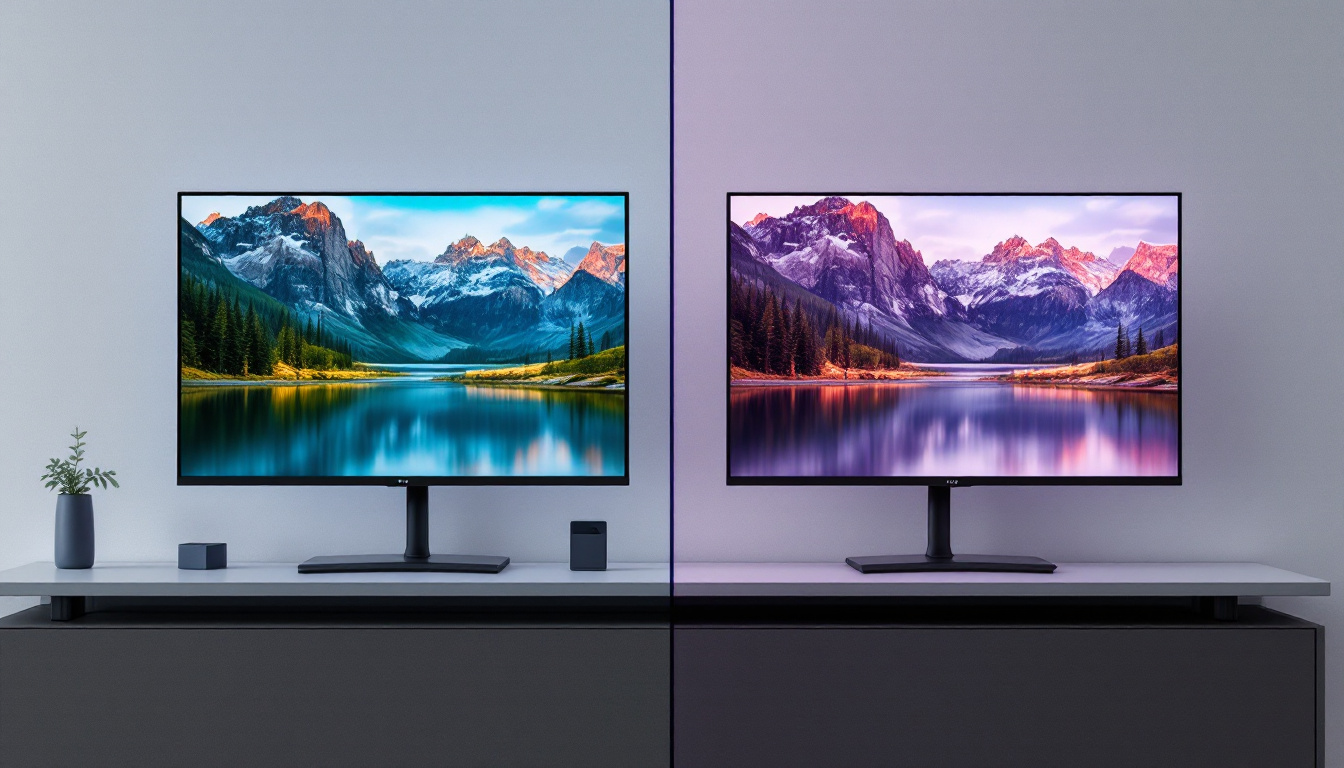
LED displays are known for their brightness and energy efficiency compared to older CCFL (Cold Cathode Fluorescent Lamp) backlit LCDs. However, because the backlight is always on, achieving perfect blacks is challenging, often resulting in lower contrast ratios compared to OLED. Despite this, LED TVs remain popular due to their affordability and durability. The advancements in LED technology, such as local dimming and quantum dot enhancements, have significantly improved the performance of LED displays, allowing them to compete more closely with OLED in terms of color accuracy and contrast.
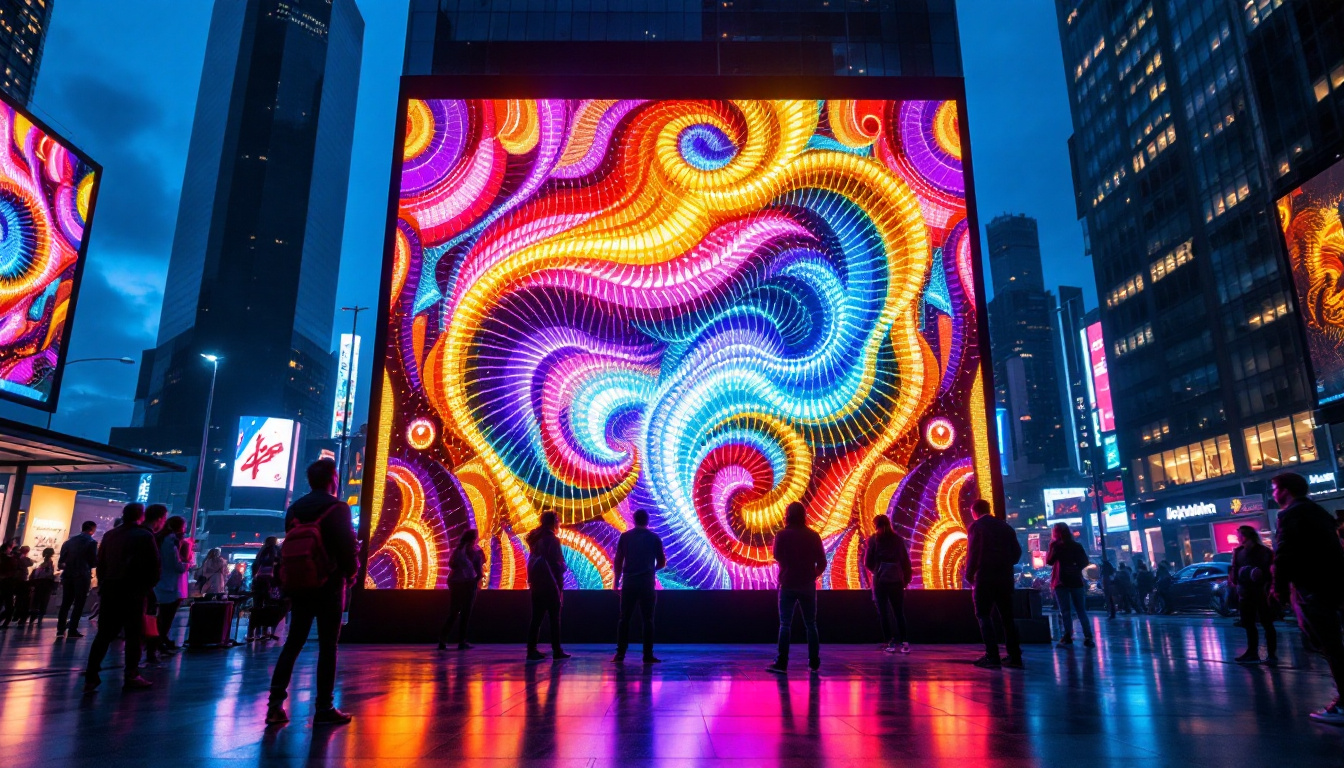
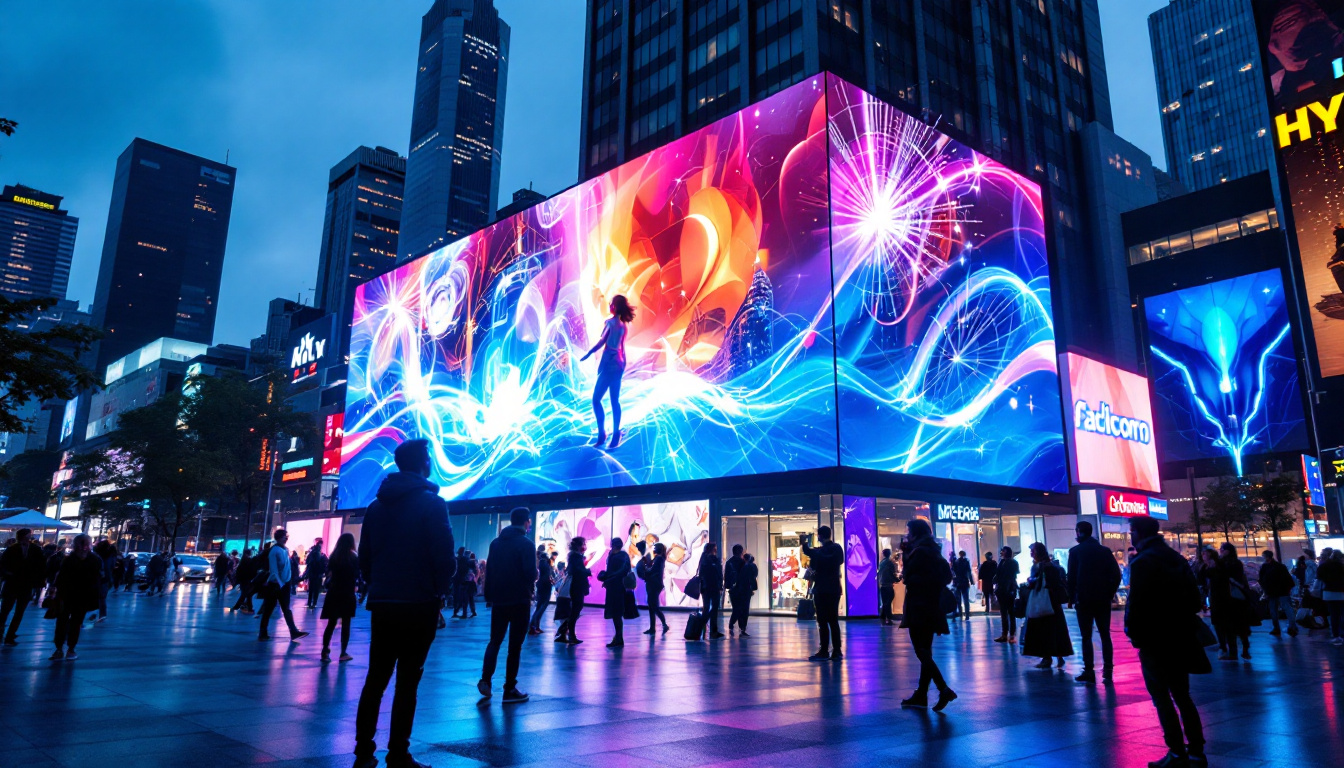
Furthermore, LED displays have found extensive applications in various sectors beyond home entertainment. In commercial settings, large-scale LED screens are commonly used for advertising and public displays, providing bright and eye-catching visuals that can be viewed from a distance. In addition, the development of mini-LED and micro-LED technologies is pushing the boundaries of what LED displays can achieve, offering improved contrast and color reproduction while maintaining the benefits of energy efficiency and longevity. These innovations are paving the way for the next generation of display technologies, promising even more immersive experiences for users across different platforms.
The Concept of OLED See-Through TVs
What Does “See-Through” Mean in OLED TVs?
A see-through or transparent OLED TV refers to a display that allows viewers to see images on the screen while also being able to see objects behind the screen. This transparency is achieved by designing the OLED panel without a traditional backlight or opaque layers, enabling light to pass through the display when pixels are turned off.
Unlike conventional TVs, which block light to create images, transparent OLEDs selectively emit light only where needed. When pixels are off, they remain clear, allowing the background to be visible. This unique capability opens up new possibilities for integrating screens into environments without obstructing views.
How Transparent OLEDs Differ from LED Displays
Traditional LED TVs cannot be transparent because their LCD layers and backlighting systems are opaque. Even the most advanced LED displays rely on a backlight that prevents light from passing through the screen. In contrast, transparent OLEDs eliminate the need for backlighting by using self-emissive organic compounds.
This fundamental difference means transparent OLEDs can achieve full transparency when displaying black or turned-off pixels, whereas LED displays always block some light. Additionally, OLEDs offer superior color accuracy and contrast, enhancing the visual experience even in see-through mode.
Technical Challenges and Solutions in Transparent OLED TVs
Balancing Transparency and Image Quality
One of the biggest challenges in developing transparent OLED TVs is maintaining image quality while allowing sufficient transparency. Increasing transparency often means reducing the density of organic materials or electrodes, which can impact brightness and color fidelity.
Manufacturers have addressed this by optimizing the arrangement of OLED subpixels and using advanced materials that emit brighter light with less power. Some designs incorporate micro-lens arrays to enhance light extraction efficiency, improving brightness without compromising transparency.
Durability and Longevity
Organic materials used in OLEDs are sensitive to moisture and oxygen, which can degrade the display over time. Transparent OLEDs, with their exposed design, require robust encapsulation techniques to protect the organic layers while maintaining clarity.
Recent innovations include the use of ultra-thin glass and flexible plastic substrates combined with advanced sealing technologies. These improvements have extended the lifespan of transparent OLED displays, making them more viable for commercial applications.
Power Consumption Considerations
Because OLED pixels emit light individually, power consumption varies depending on the content displayed. Transparent OLEDs can be more energy-efficient when displaying darker images or when large portions of the screen are transparent.
However, achieving high brightness to compete with ambient light in see-through applications can increase power usage. Manufacturers continue to refine OLED materials and driving circuits to balance brightness, transparency, and energy efficiency.
Applications of OLED See-Through TVs
Retail and Advertising
Transparent OLED displays are revolutionizing retail environments by enabling dynamic digital signage that does not obstruct product visibility. Storefront windows equipped with see-through OLED screens can display promotional content while allowing customers to view merchandise behind the glass.
This dual functionality enhances customer engagement and creates visually striking storefronts. Brands like LG and Samsung have showcased transparent OLED signage at trade shows, highlighting their potential to transform advertising spaces.
Interior Design and Smart Homes
Incorporating transparent OLED TVs into interior design offers new aesthetic possibilities. For example, a transparent screen can serve as a window or partition when turned off and transform into a high-definition display when needed.
Smart homes can benefit from this technology by integrating displays into mirrors, glass tables, or cabinet doors, providing information or entertainment without sacrificing space or design coherence.
Automotive and Transportation
Automakers are exploring transparent OLED displays for heads-up displays (HUDs) and infotainment systems. Transparent screens can overlay navigation, speed, and safety information directly onto windshields or windows, improving driver awareness without obstructing views.
Such applications require displays that perform well under varying lighting conditions and are durable enough to withstand automotive environments. Transparent OLED technology is well-suited to meet these demands.
Comparing OLED See-Through TVs with Other Transparent Display Technologies
Transparent LCDs
Transparent LCDs have been available for several years but suffer from lower contrast and brightness compared to OLEDs. Since they require backlighting, achieving true transparency is challenging, often resulting in washed-out images.
Additionally, the viewing angles of transparent LCDs are limited, and their color reproduction is less vibrant. While they are more affordable, their performance does not match that of transparent OLEDs in premium applications.
MicroLED Displays
MicroLED technology, which uses microscopic LEDs as individual pixels, promises high brightness, energy efficiency, and long lifespan. Transparent MicroLED displays are under development and could potentially rival OLEDs in transparency and image quality.
However, MicroLED manufacturing is currently complex and costly, limiting widespread adoption. OLED remains the more mature and commercially available transparent display technology at present.
Future Outlook and Innovations
Advancements in Material Science
Ongoing research in organic materials aims to improve the brightness, color gamut, and lifespan of OLED displays. New compounds that emit light more efficiently and resist degradation will enhance the performance of transparent OLED TVs.
Additionally, innovations in flexible substrates and encapsulation will enable larger and more durable transparent displays, expanding their practical applications.
Integration with Augmented Reality (AR)
Transparent OLED displays are poised to play a significant role in the development of AR devices. Their ability to overlay digital content onto real-world views makes them ideal for smart glasses, heads-up displays, and interactive windows.
As AR technology matures, transparent OLED TVs could serve as large-scale AR portals in homes, offices, and public spaces, blending digital and physical environments seamlessly.
Market Growth and Consumer Adoption
The global OLED market is expected to grow at a compound annual growth rate (CAGR) of approximately 15% through 2027, driven by demand for high-end TVs, smartphones, and transparent displays. Transparent OLED TVs, while currently niche, are gaining traction as production costs decrease and applications diversify.
Early adopters in retail, automotive, and luxury residential markets are paving the way for broader consumer acceptance. As prices become more competitive, transparent OLED TVs may become a standard feature in modern living spaces.
Conclusion
OLED see-through TVs represent a fascinating convergence of display technology and design innovation. By leveraging the self-emissive properties of organic compounds, these transparent displays offer unparalleled image quality combined with the ability to see through the screen. This unique feature unlocks new possibilities across retail, interior design, automotive, and augmented reality sectors.
While challenges related to brightness, durability, and cost remain, ongoing advancements in materials and manufacturing techniques are steadily overcoming these hurdles. As the technology matures, transparent OLED TVs are poised to transform how screens are integrated into everyday environments, delivering immersive visual experiences without compromising space or aesthetics.
For consumers and businesses alike, understanding the distinctions between OLED and LED displays, especially in the context of transparency, is essential for making informed decisions about future display investments. The era of see-through TVs is just beginning, promising a future where screens are not merely viewed but experienced as part of the surrounding world.
Discover the Future of Display Technology with LumenMatrix
As you envision the transformative potential of OLED see-through TVs in your personal or professional spaces, consider the expertise of LumenMatrix. As a pioneer in LED display technology, LumenMatrix offers a comprehensive range of solutions, from Indoor and Outdoor LED Wall Displays to innovative LED Transparent Displays. Embrace the future of visual communication with our cutting-edge digital signage and LED display solutions, designed to captivate your audience and amplify your message. Check out LumenMatrix LED Display Solutions and join the revolution in display technology.