Understanding measurements and specifications is crucial when dealing with LED displays, especially in industries such as advertising, retail, and event production. One common measurement that often arises is converting millimeters to inches, a conversion that can impact design, installation, and overall display performance. This article delves into the conversion of 307 millimeters to inches and explores how this measurement relates to LED displays, providing a comprehensive guide for professionals and enthusiasts alike.
Converting 307 Millimeters to Inches: The Basics
Millimeters and inches are two widely used units of length measurement. Millimeters belong to the metric system, which is standard in most countries worldwide, while inches are part of the imperial system, commonly used in the United States and a few other regions.
To convert millimeters to inches, the standard conversion factor is:
1 inch = 25.4 millimeters
Using this, the conversion of 307 millimeters to inches is calculated as follows:
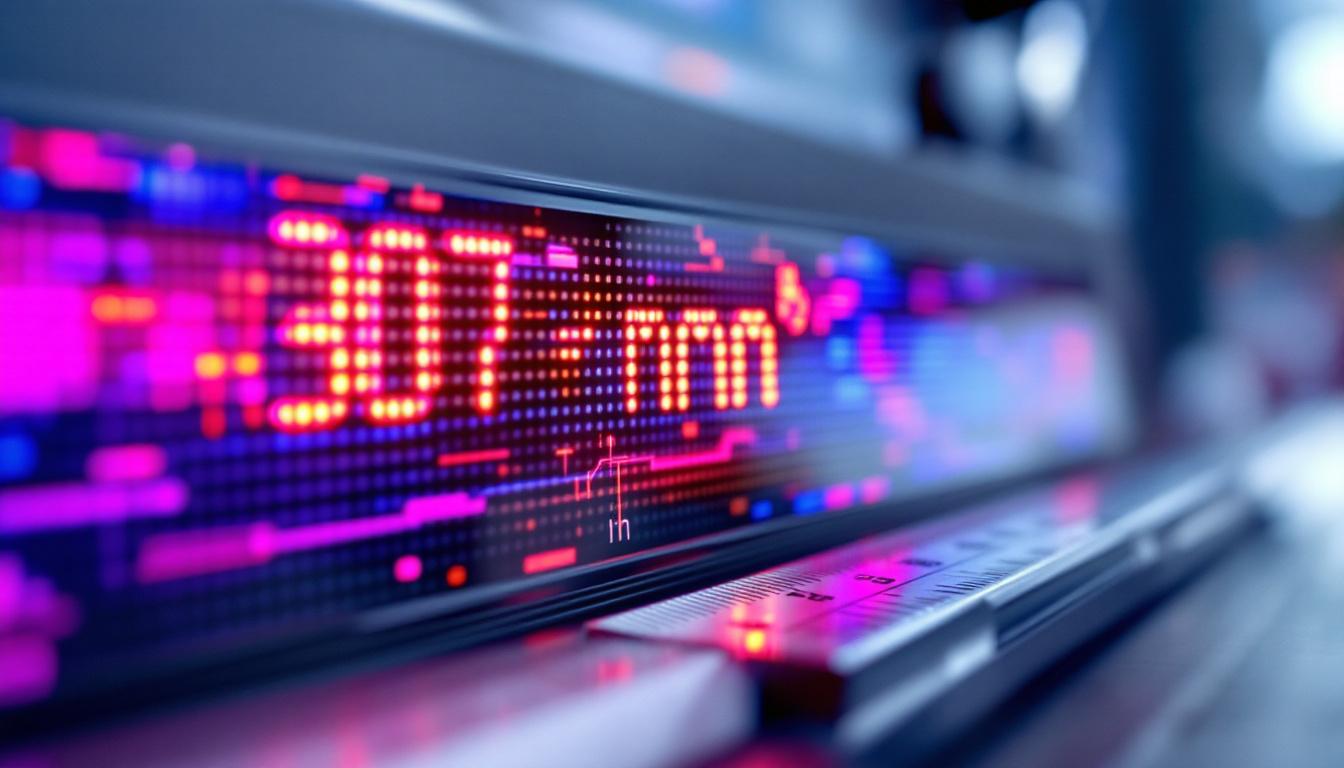
307 mm ÷ 25.4 mm/inch ≈ 12.09 inches
Therefore, 307 millimeters is approximately 12.09 inches.
Why Accurate Conversion Matters in LED Displays
LED displays come in various sizes and resolutions, and precise measurements are essential for several reasons:
- Design Accuracy: When designing LED panels or modules, knowing exact dimensions ensures that the display fits the intended space without gaps or overlaps.
- Pixel Pitch Calculation: Pixel pitch, the distance between the centers of two adjacent pixels, is often measured in millimeters but might need conversion to inches for certain technical specifications or international projects.
- Installation and Mounting: Accurate size measurements help in planning the mounting hardware and structural supports, ensuring safety and stability.
Furthermore, understanding the relationship between millimeters and inches can significantly impact product development and marketing strategies. For instance, manufacturers targeting global markets must ensure that their specifications are easily understood by diverse audiences. This often requires providing measurements in both metric and imperial units, thereby enhancing accessibility and user experience. Additionally, in industries such as automotive and aerospace, where precision is paramount, even the slightest miscalculation can lead to costly errors or safety hazards, underscoring the importance of accurate conversions.
Moreover, in the realm of e-commerce, where customers often seek specific dimensions for products like furniture or electronics, providing clear and accurate measurements can influence purchasing decisions. Customers may rely on these conversions to ensure that items will fit their spaces or meet their needs. Thus, businesses that prioritize accurate unit conversions not only enhance customer satisfaction but also build trust and credibility in their brand. As a result, investing time in understanding and applying these conversions can yield significant benefits in various sectors.
Understanding LED Display Dimensions and Their Importance
LED displays are composed of numerous small light-emitting diodes arranged in a matrix. The physical size of these displays is a critical factor in their application and effectiveness.
Physical Size vs. Viewable Area
When discussing dimensions like 307 mm (or approximately 12.09 inches), it’s important to distinguish between the physical size of an LED module or panel and the viewable area of the entire display.
The physical size refers to the actual measurement of the module, including the frame and housing, while the viewable area is the portion visible to the audience. For instance, a module measuring 307 mm wide might be part of a larger display that is several feet wide and tall.
Pixel Pitch and Its Relationship to Size
Pixel pitch is a key specification in LED displays, defined as the distance between the centers of two adjacent pixels. It is typically measured in millimeters and directly influences the resolution and viewing distance of the display.
For example, a pixel pitch of 3.07 mm (very close to 307 mm if considering decimal placement) means that pixels are spaced 3.07 millimeters apart. This fine pitch is ideal for close viewing distances, such as indoor retail displays or control rooms.
Understanding the relationship between pixel pitch and module size helps in designing displays that meet specific resolution and size requirements.
Applications of a 307 mm (12.09 Inch) Dimension in LED Displays
The dimension of approximately 12 inches (307 mm) is common in various LED display components and applications. Let’s explore some typical uses and why this measurement is relevant.
LED Modules and Panels
Many LED modules used in commercial displays have dimensions close to 300 mm to 310 mm in width or height. This size allows for easy handling, installation, and maintenance while providing sufficient resolution for detailed images.
For example, a standard indoor LED module might measure 307 mm by 153.5 mm, with a pixel pitch of 1.5 mm or 2 mm. Such modules can be combined to create large video walls with seamless image quality.
Digital Signage and Retail Displays
Retail environments often utilize LED displays with modules around 12 inches wide. This size is ideal for creating dynamic signage that is compact yet visually impactful.
These displays are used for promotions, product information, and interactive content, where clarity and size must balance to attract customer attention without overwhelming the space.
Control Rooms and Command Centers
In control rooms, LED displays with precise dimensions like 307 mm modules are preferred for their modularity and high resolution. Operators require clear, detailed visuals to monitor systems effectively.
Displays built from modules of this size can be configured into large, seamless video walls that provide comprehensive situational awareness.
Technical Considerations When Working with 307 mm LED Components
When incorporating LED modules or panels with dimensions around 307 mm, several technical factors must be considered to ensure optimal performance and longevity.
Thermal Management
LED modules generate heat during operation, and effective thermal management is critical. The size of the module influences heat dissipation strategies.
A 307 mm wide module offers enough surface area to integrate heat sinks or cooling systems, which help maintain optimal operating temperatures and prevent premature failure.
Power Consumption and Wiring
Modules of this size typically require specific power inputs and wiring configurations. Understanding the electrical requirements ensures safe installation and consistent performance.
Proper cable management is also essential to avoid signal degradation, especially when multiple 307 mm modules are combined into larger displays.
Mounting and Structural Support
The physical dimension of 307 mm affects the design of mounting brackets and frames. Ensuring that these components accommodate the module size precisely helps in achieving a stable and secure installation.
Additionally, the weight of the module, often correlated with its size, must be considered when planning support structures.
Global Standards and Industry Trends in LED Display Sizes
The LED display industry follows certain standards that influence module sizes, including those around 307 mm. Staying informed about these trends helps businesses and professionals make informed decisions.
Standard Module Sizes
Many manufacturers produce LED modules in standard sizes such as 320 mm x 160 mm or 256 mm x 128 mm. The 307 mm dimension falls within this range, making it a common choice for custom and off-the-shelf solutions.
Standardization facilitates easier replacement, scalability, and interoperability between different display systems.
Shift Towards Smaller Pixel Pitches and Compact Modules
Recent advancements focus on reducing pixel pitch to enhance resolution, which often results in smaller module sizes. However, modules around 307 mm remain popular for balancing resolution, size, and cost.
Smaller pixel pitches are particularly important for indoor applications where viewers are close to the display, while larger modules suit outdoor or large-scale installations.
Environmental and Energy Efficiency Considerations
Energy-efficient LED modules are increasingly demanded in the market. Modules sized around 307 mm can incorporate advanced LED chips and power management systems to reduce consumption without sacrificing brightness or color quality.
Compliance with environmental standards such as RoHS and ENERGY STAR is also a key consideration when selecting LED display components.
Practical Tips for Working with 307 mm LED Displays
Whether you are a designer, installer, or end-user, understanding how to work effectively with LED modules measuring approximately 307 mm can improve project outcomes.
Measure Twice, Convert Once
Always double-check measurements before ordering or installing LED modules. Accurate conversion from millimeters to inches and vice versa prevents costly mistakes.
Plan for Expansion and Maintenance
Design your LED display system with future scalability in mind. Modules of 307 mm size are versatile and can be integrated into larger configurations as needed.
Ensure easy access for maintenance by considering module size and mounting methods during the planning phase.
Consult Manufacturer Specifications
Different manufacturers may have slight variations in module dimensions and specifications. Always refer to the datasheets and technical documents to confirm compatibility and requirements.
Consider Viewing Distance and Environment
The size of the LED module and its pixel pitch should align with the intended viewing distance and environmental conditions. For instance, a 307 mm module with a fine pixel pitch suits indoor environments, while larger pixel pitches are better for outdoor visibility.
Conclusion
Converting 307 millimeters to inches reveals a measurement of approximately 12.09 inches, a dimension that holds significant relevance in the LED display industry. Understanding this measurement and its implications helps professionals design, install, and maintain LED displays effectively.
From module sizing and pixel pitch to thermal management and industry standards, the 307 mm dimension intersects with many critical aspects of LED display technology. By mastering these concepts, businesses can deliver high-quality visual experiences that meet the demands of modern applications.
Whether working on digital signage, control rooms, or large-scale video walls, appreciating the importance of precise measurement conversions and technical specifications ensures success in the dynamic field of LED displays.
Explore Cutting-Edge LED Display Solutions with LumenMatrix
Ready to elevate your visual communication with precision and innovation? LumenMatrix offers a comprehensive range of LED display solutions tailored to your needs. From engaging Indoor LED Wall Displays to dynamic Outdoor LED Wall Displays, and from versatile Vehicle LED Displays to sleek LED Poster Displays, our technology is designed to captivate and engage your audience. Discover the transformative power of LED Sports Displays, interactive Floor LED Displays, and the stunning clarity of our Custom LED Displays and All-in-One LED Display solutions. Experience the future of transparent visuals with our LED Transparent Display. Don’t just share your message—make an unforgettable impact. Check out LumenMatrix LED Display Solutions today and revolutionize the way you connect with your audience.