Micro LED TV: LED Display Explained
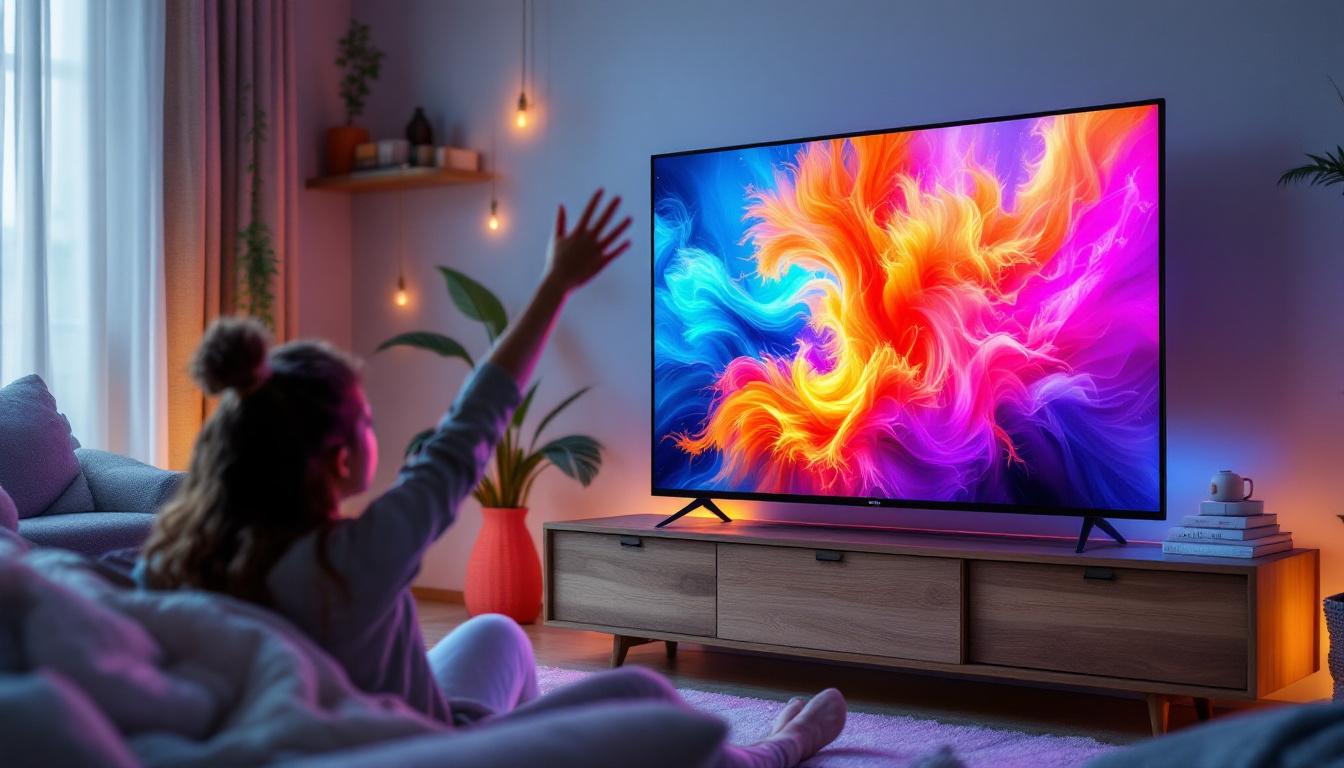
In recent years, the television market has seen rapid advancements in display technology, with Micro LED emerging as one of the most promising innovations. As consumers seek higher picture quality, better energy efficiency, and longer-lasting screens, Micro LED TVs are gaining attention as a potential game-changer in home entertainment. This article explores what Micro LED technology is, how it works, and why it might be the future of TV displays.
Understanding Micro LED Technology
What is Micro LED?
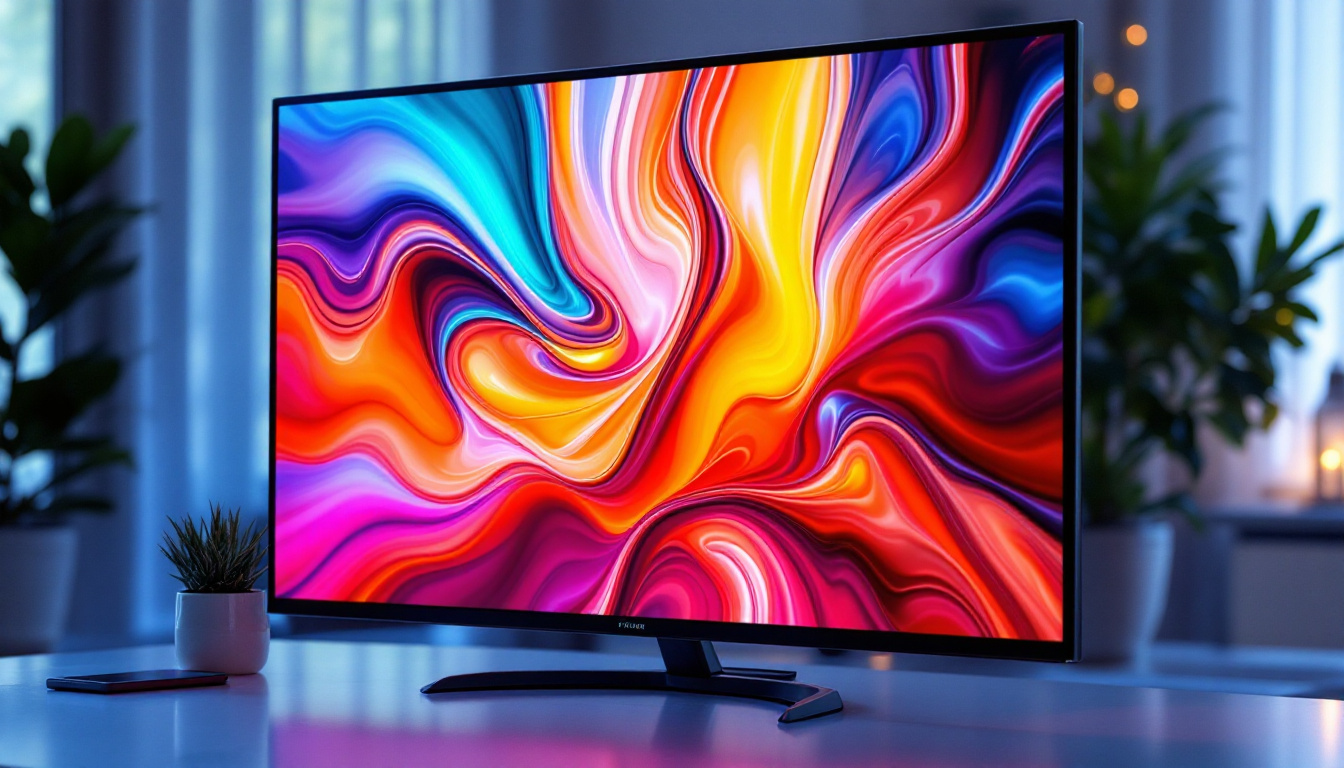
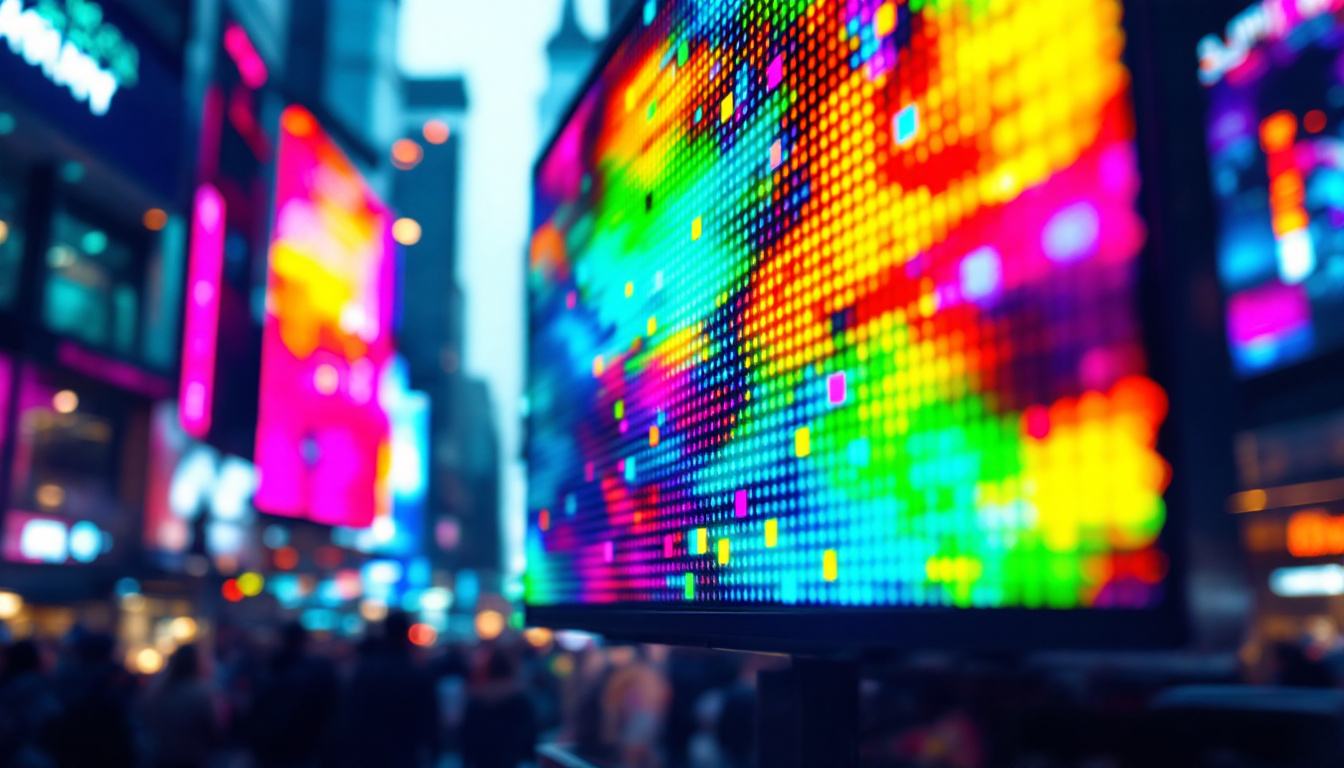
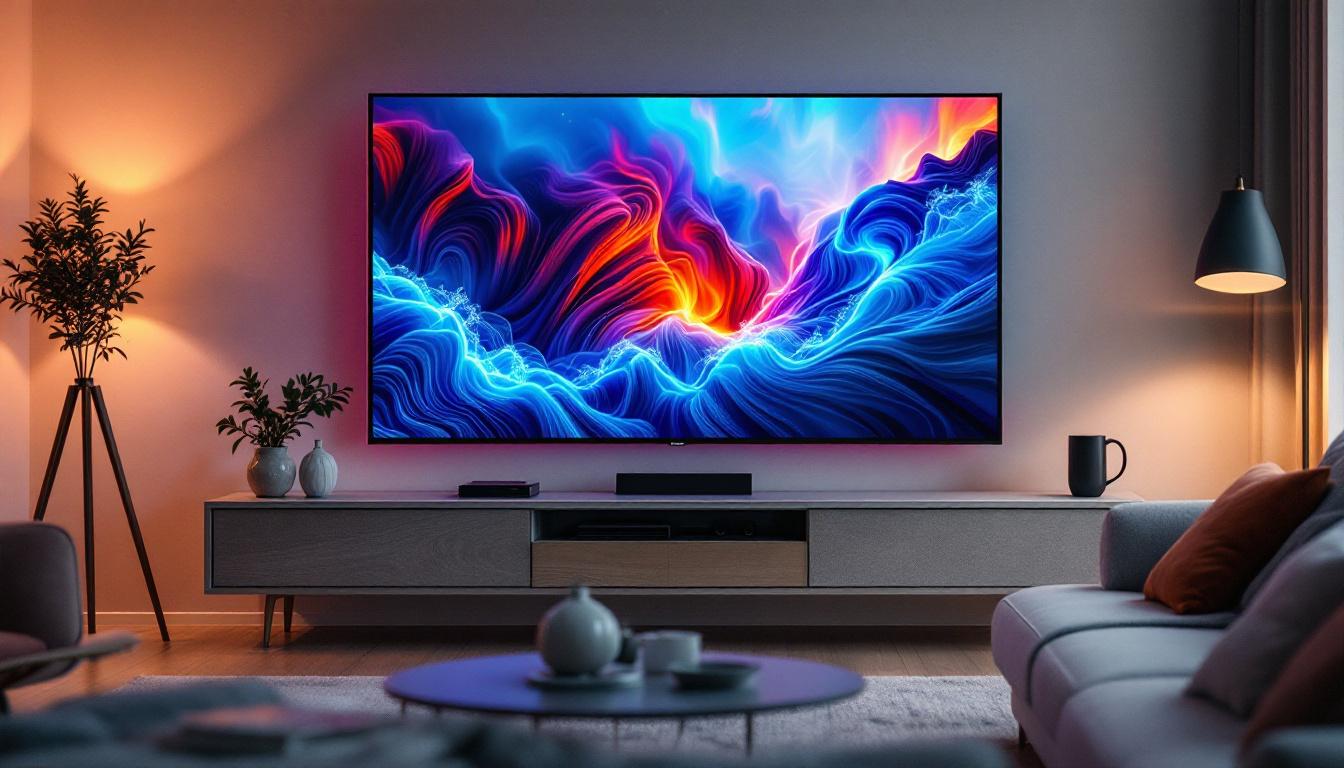
Micro LED is a display technology that uses microscopic light-emitting diodes (LEDs) to form individual pixels on a screen. Unlike traditional LED TVs, which rely on a backlight to illuminate an LCD panel, Micro LED displays are self-emissive. This means each tiny LED produces its own light, allowing for precise control over brightness and color on a per-pixel basis.
The term “Micro LED” refers to the size of the LEDs used, which are typically less than 100 micrometers in diameter—much smaller than the LEDs found in conventional LED TVs. This miniaturization enables higher pixel density and improved image sharpness, making Micro LED technology suitable for large-format displays without sacrificing picture quality. Additionally, the compact size of the Micro LEDs allows for more flexible and innovative display designs, including curved and even foldable screens, which can enhance the viewing experience in various environments.
How Does Micro LED Differ from Other Display Technologies?
To appreciate the significance of Micro LED, it’s important to compare it with other prevalent display technologies, such as LCD, OLED, and traditional LED-backlit LCDs.
- LCD (Liquid Crystal Display): Uses a backlight to shine through liquid crystals that modulate light to create images. While LCDs can offer bright images, they suffer from limited contrast ratios and viewing angles.
- LED-backlit LCD: A subtype of LCD that uses LEDs as the backlight source. This is the most common TV technology today but still relies on a backlight, which can cause issues like light bleed and reduced contrast.
- OLED (Organic Light Emitting Diode): Uses organic compounds that emit light when electrically stimulated. OLEDs are self-emissive like Micro LEDs, offering excellent contrast and color but can be prone to burn-in and have shorter lifespans.
- Micro LED: Combines the self-emissive benefits of OLEDs with inorganic LEDs, which are more durable and less susceptible to burn-in. Micro LED displays can achieve higher brightness levels and longer lifespans compared to OLEDs.
In essence, Micro LED technology promises the best of both worlds: the perfect blacks and vibrant colors of OLED with the robustness and brightness of traditional LEDs. Furthermore, Micro LED displays are also more energy-efficient, which can lead to lower electricity costs over time. This efficiency is particularly beneficial for large installations, such as digital signage and commercial displays, where power consumption can be a significant concern. As the technology continues to evolve, we may see even more advancements that enhance not only the performance of Micro LED displays but also their affordability, making them accessible to a broader audience.
The Advantages of Micro LED TVs
Superior Picture Quality
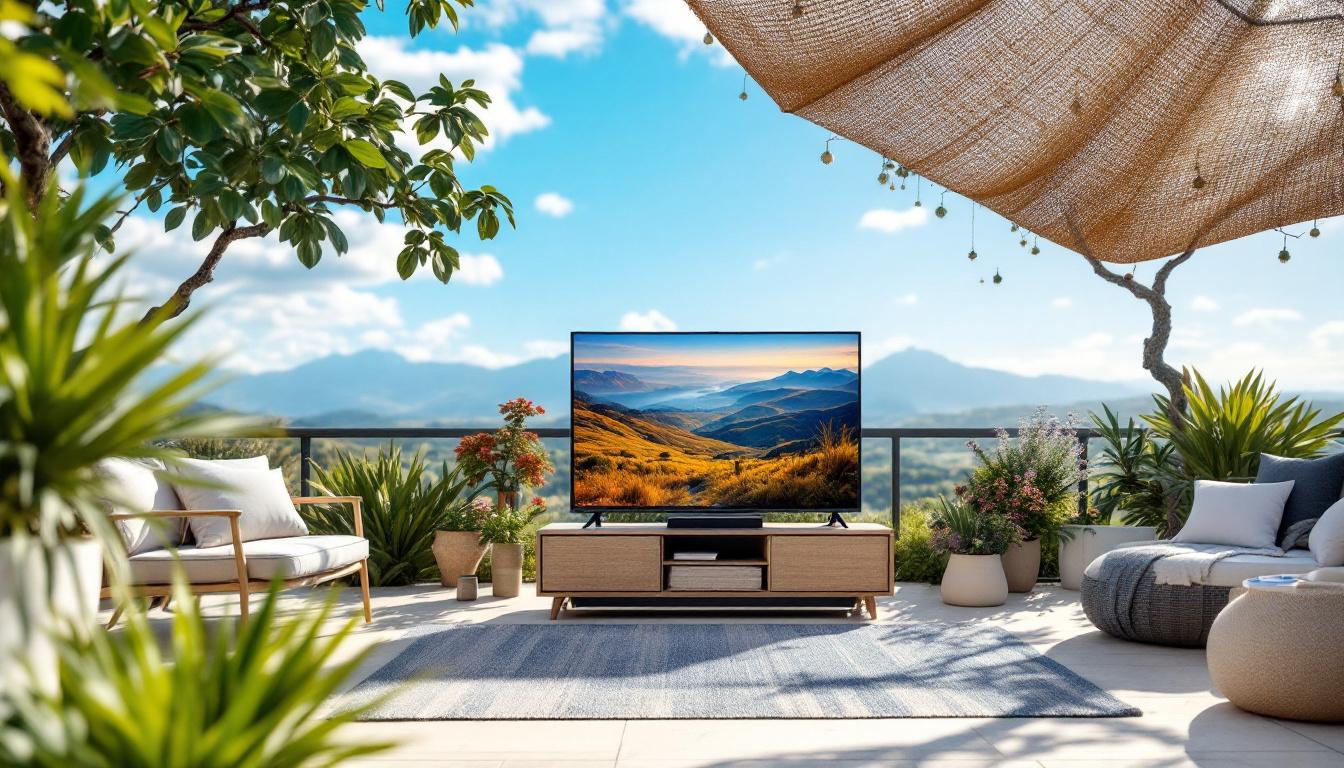
One of the most compelling reasons for the excitement around Micro LED TVs is their exceptional picture quality. Because each Micro LED pixel emits its own light, the display can achieve true black levels by turning off individual pixels completely. This results in infinite contrast ratios, which significantly enhances the viewing experience, especially in dark scenes.
Additionally, Micro LEDs can reach brightness levels exceeding 1,000 nits, far surpassing OLEDs, which typically peak around 600-800 nits. This makes Micro LED TVs ideal for viewing in bright rooms and HDR (High Dynamic Range) content, where vivid highlights are essential. The color accuracy and vibrancy of Micro LED displays are also noteworthy; they can reproduce a wider color gamut, making images appear more lifelike and immersive. This is particularly beneficial for content creators and filmmakers who rely on precise color representation for their work.
Longevity and Durability
Unlike OLEDs, which use organic materials that degrade over time, Micro LEDs are made from inorganic materials such as gallium nitride. This gives Micro LED displays a longer lifespan and reduces the risk of burn-in—a common issue with OLED panels where static images can leave permanent marks on the screen.
For consumers, this means a Micro LED TV can maintain its picture quality and performance for many years without the typical degradation seen in OLEDs or LCDs. Furthermore, the robust construction of Micro LED technology allows these displays to withstand various environmental factors, making them suitable for diverse settings, from home theaters to outdoor installations. The resilience of Micro LEDs also means they are less susceptible to damage from impacts or temperature fluctuations, providing peace of mind for users who want a long-lasting investment.
Energy Efficiency
Micro LED displays are inherently energy-efficient because they only use power for pixels that are lit. Unlike LCDs, which require a constant backlight, Micro LEDs can selectively illuminate pixels, reducing overall power consumption. This efficiency can translate to lower electricity bills and a smaller environmental footprint.
Moreover, the energy-saving capabilities of Micro LEDs extend beyond just the immediate power usage. Their longer lifespan means fewer resources are needed for manufacturing and disposal over time, contributing to a more sustainable approach to technology. As consumers become increasingly aware of their environmental impact, the energy efficiency of Micro LED TVs positions them as a forward-thinking choice in the realm of home entertainment. Additionally, many manufacturers are now integrating smart technology that optimizes energy consumption further, allowing users to monitor and adjust settings for maximum efficiency without sacrificing performance.
Challenges and Limitations of Micro LED Technology
Manufacturing Complexity
Despite its advantages, Micro LED technology faces significant manufacturing challenges. Producing millions of tiny LEDs and precisely placing them on a substrate to create a seamless display is a complex and costly process. This has historically limited Micro LED TVs to smaller sizes or experimental prototypes.
However, recent advancements in mass transfer techniques—methods used to move Micro LEDs from their growth wafer to the display panel—are gradually improving yield rates and reducing production costs. Still, these processes remain more expensive and less scalable than those used for OLED or LCD panels.
High Cost for Consumers
Because of the intricate manufacturing process and limited production scale, Micro LED TVs currently come with a premium price tag. Early models from leading manufacturers can cost tens of thousands of dollars, placing them out of reach for most consumers.
As production techniques mature and economies of scale improve, prices are expected to fall, but for now, Micro LED TVs are primarily targeted at luxury markets and commercial applications such as digital signage and high-end home theaters.
Limited Availability and Size Options
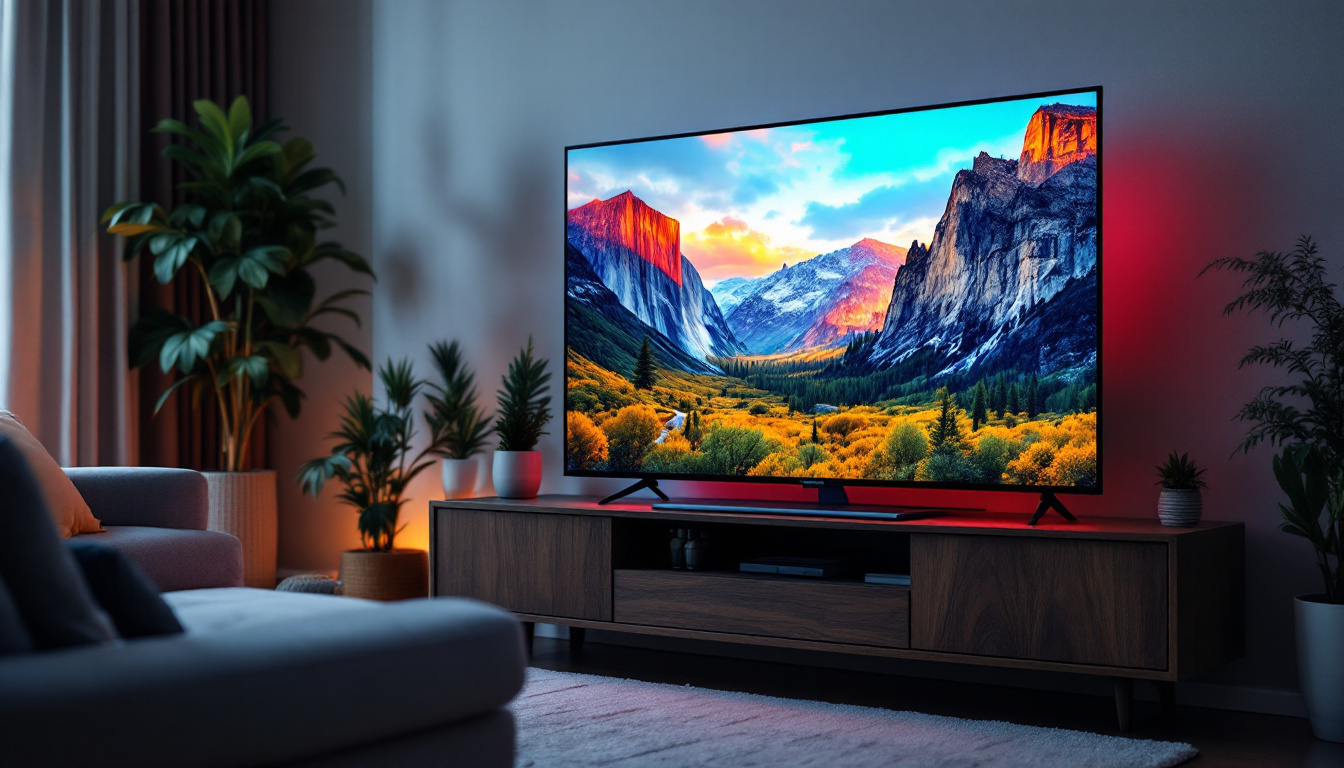
Micro LED TVs are still in the early stages of commercial availability. Most models on the market are very large—typically 75 inches or more—making them less accessible for average living rooms. Smaller Micro LED TVs are under development but have yet to reach widespread consumer markets.
Applications Beyond Consumer TVs
Commercial and Professional Displays
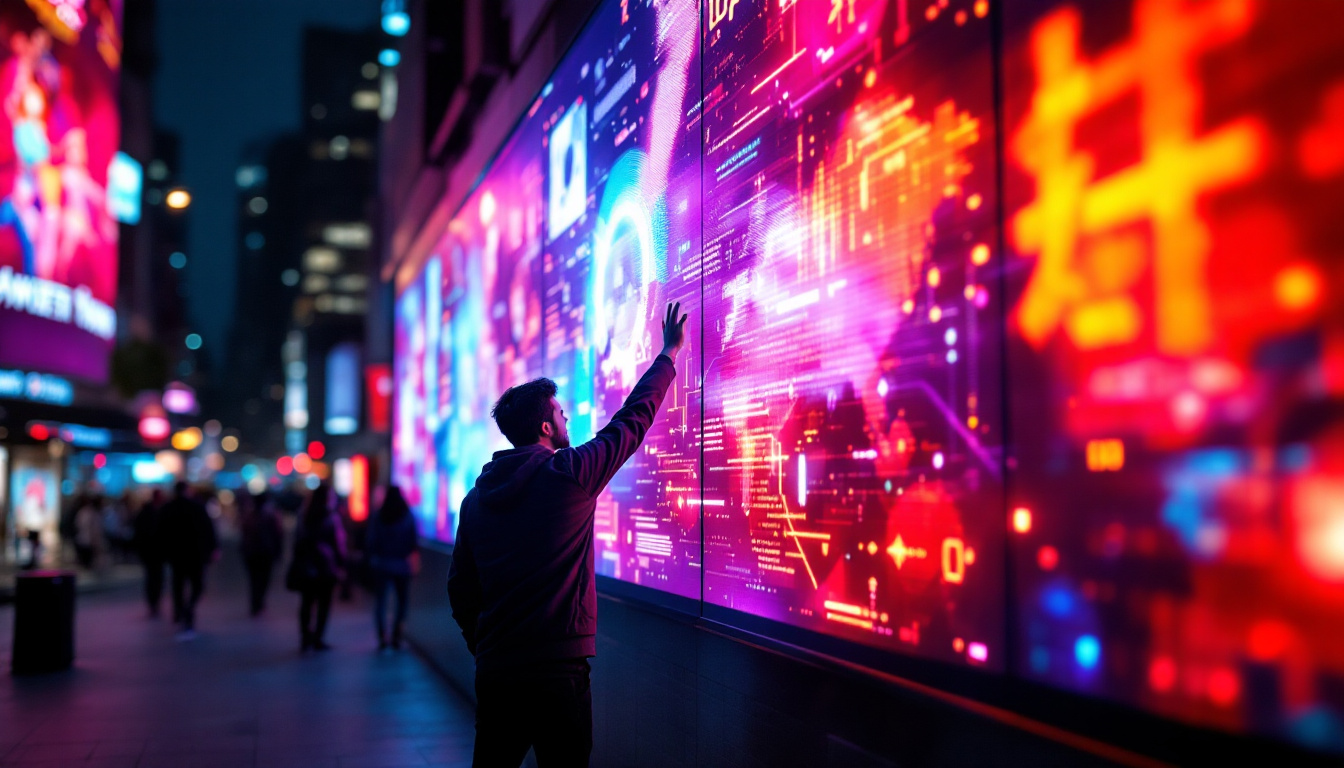
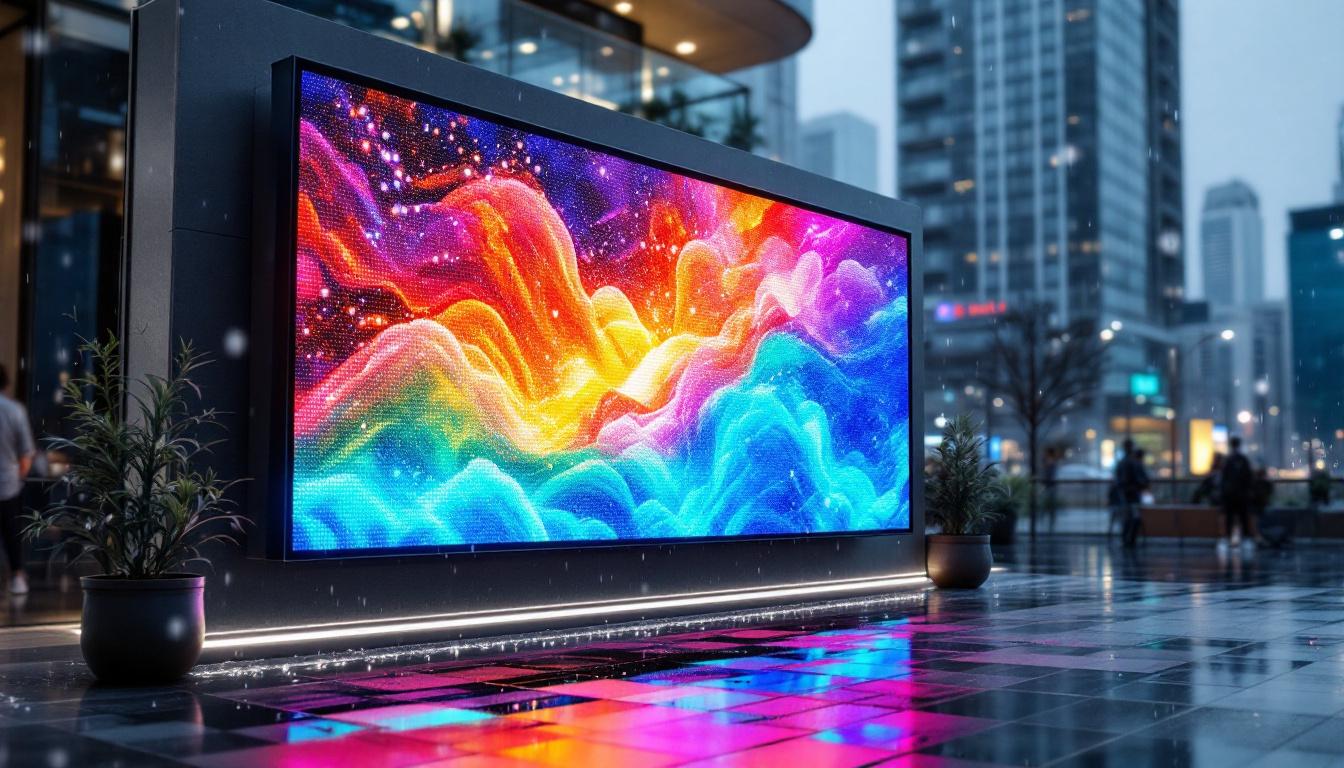
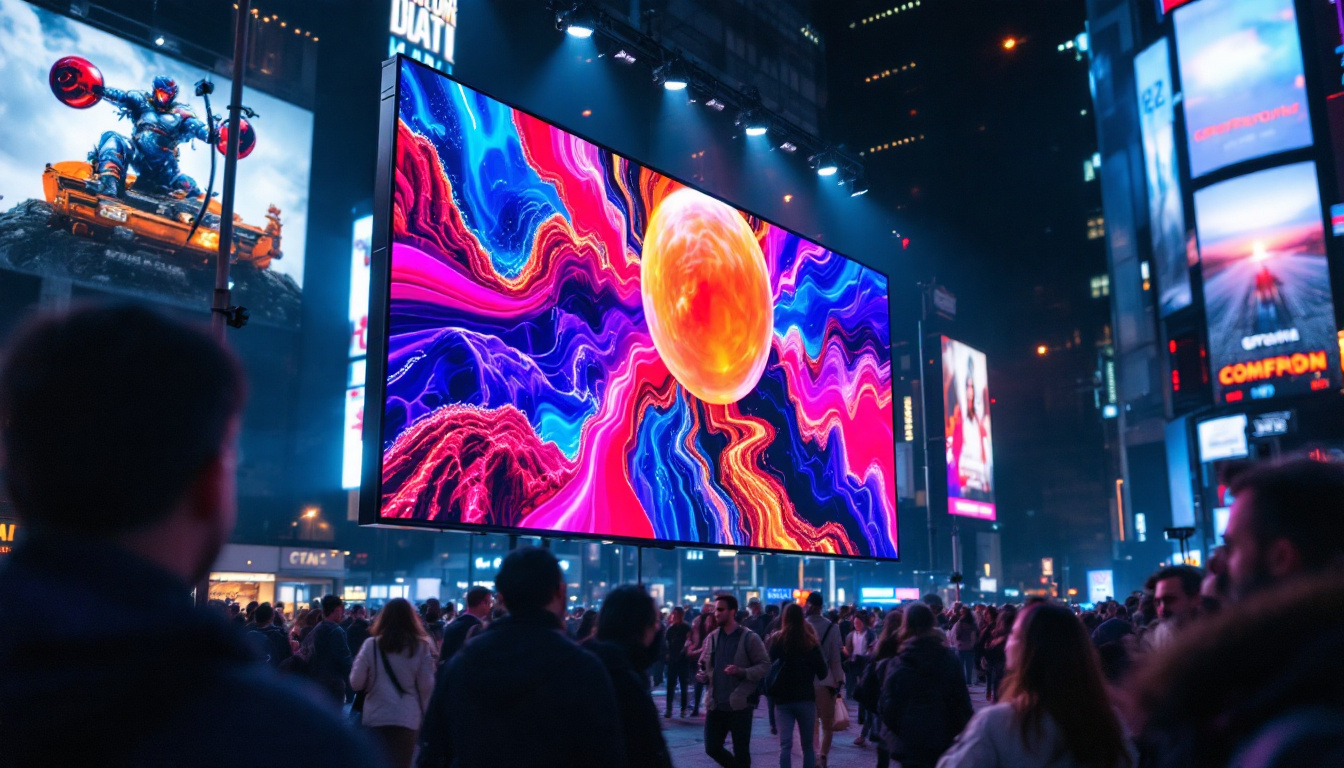
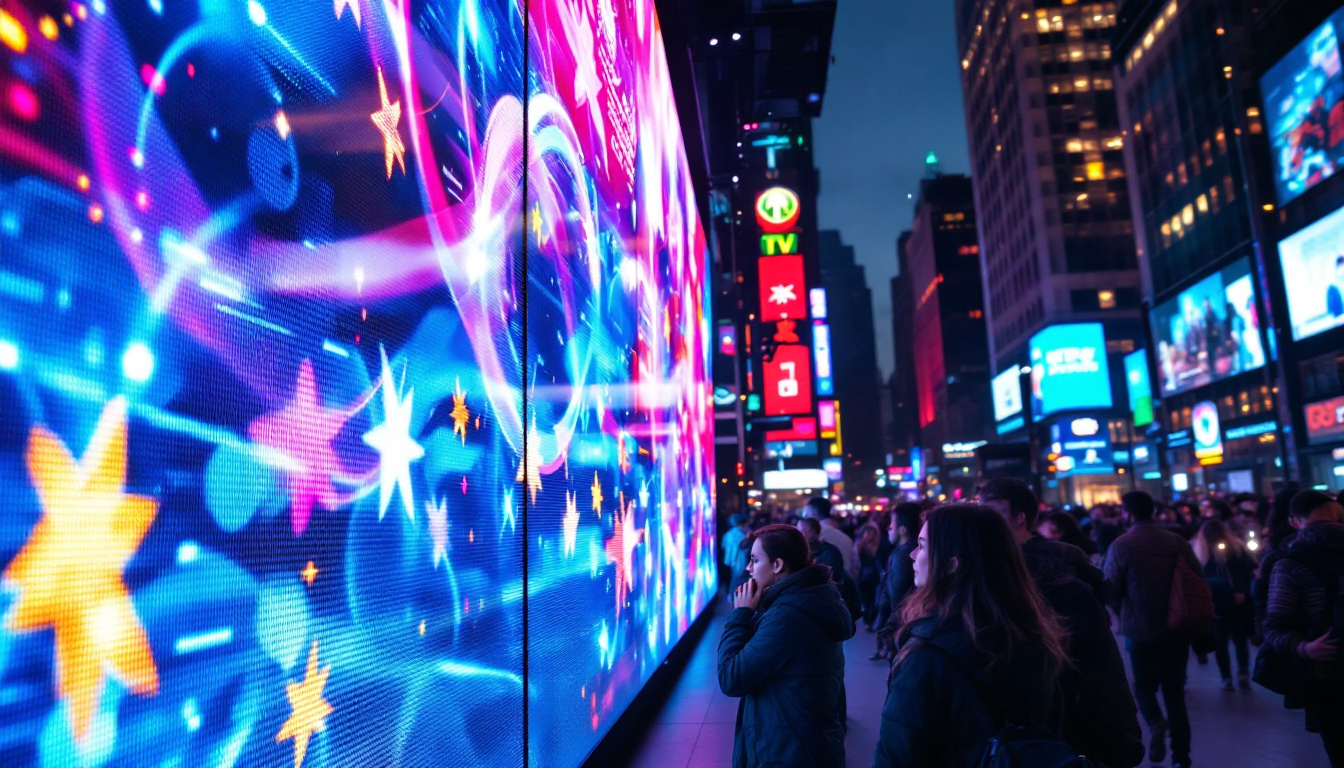
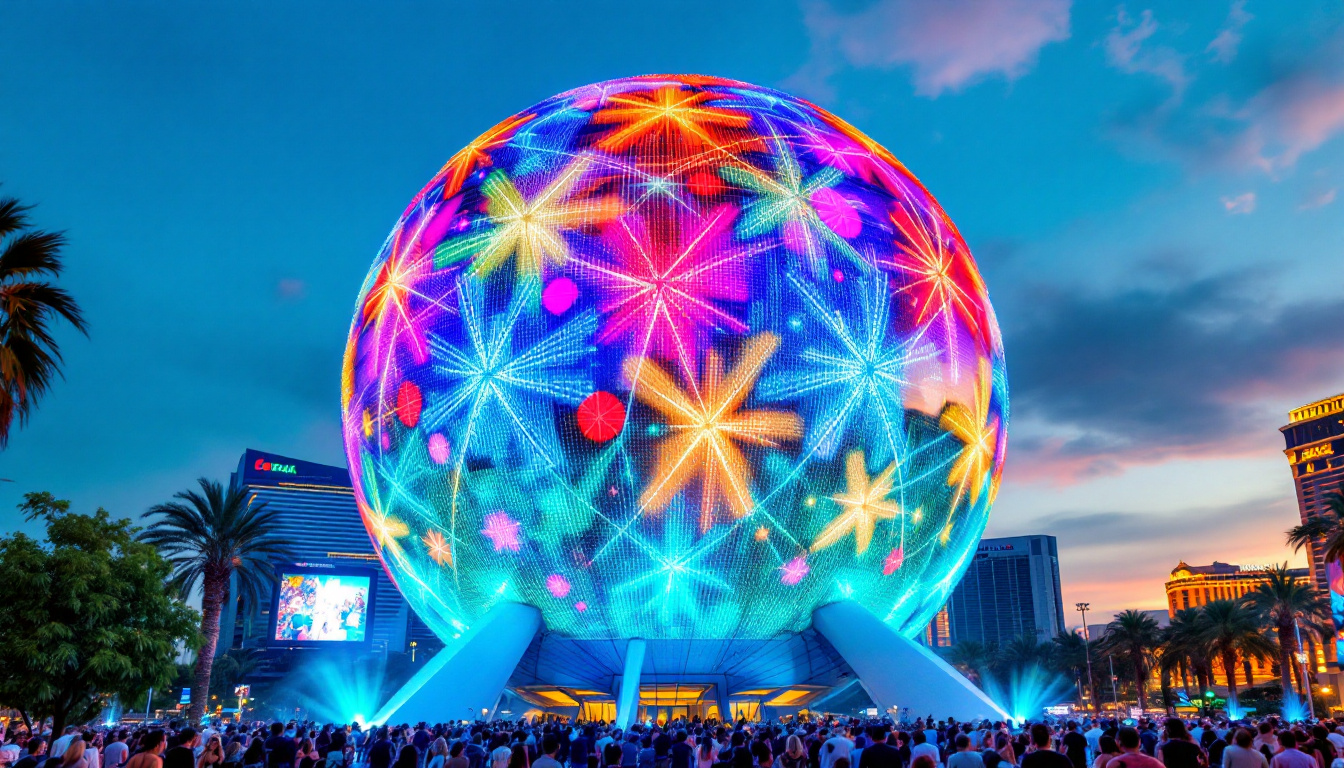
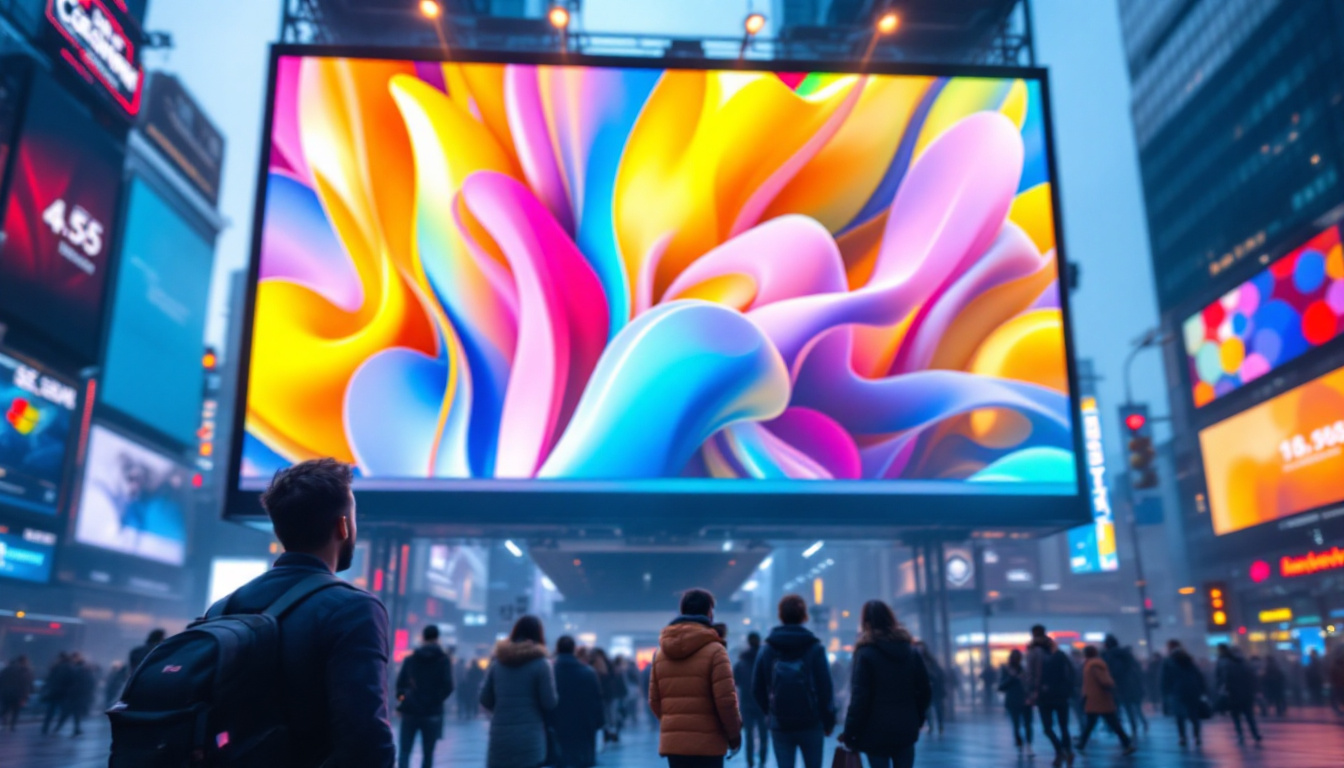
Micro LED technology’s strengths extend beyond home entertainment. Its ability to deliver bright, high-contrast images with excellent durability makes it ideal for commercial applications such as digital billboards, control rooms, and broadcast studios.
For example, Micro LED displays are increasingly used in outdoor advertising where high brightness is crucial for visibility in daylight. Their longevity and resistance to burn-in also make them suitable for environments where static images are displayed for long periods.
Virtual Reality and Augmented Reality
The compact size and high pixel density of Micro LEDs make them promising candidates for next-generation VR and AR headsets. These devices demand displays that are bright, sharp, and lightweight, with minimal power consumption to extend battery life.
Micro LED’s ability to deliver these features could enable more immersive and comfortable VR/AR experiences, accelerating adoption in gaming, training, and industrial applications.
The Future of Micro LED TVs
Industry Momentum and Innovation
Major technology companies and display manufacturers are investing heavily in Micro LED research and development. In recent years, several prototypes and limited-edition Micro LED TVs have been showcased at trade shows like CES (Consumer Electronics Show), signaling strong industry confidence in the technology’s potential.
Innovations such as improved mass transfer techniques, better calibration methods, and modular display designs are helping to overcome current limitations. For instance, some manufacturers are developing modular Micro LED TVs that allow users to customize screen size and resolution by combining multiple panels seamlessly.
When Will Micro LED TVs Become Mainstream?
While Micro LED TVs are unlikely to replace OLED and LCD displays overnight, experts predict that within the next five to ten years, Micro LED could become a dominant technology for premium and large-format TVs. As production costs decrease and manufacturing processes improve, more affordable models will enter the market.
Consumers can expect Micro LED TVs to offer unparalleled picture quality, durability, and energy efficiency, making them a compelling choice for those seeking the best possible viewing experience.
Conclusion
Micro LED technology represents a significant leap forward in display innovation. By combining the self-emissive benefits of OLED with the durability and brightness of inorganic LEDs, Micro LED TVs promise superior picture quality, longer lifespans, and greater energy efficiency. Although manufacturing challenges and high costs currently limit their availability, ongoing advancements suggest a bright future for Micro LED displays in both consumer and professional markets.
For those interested in cutting-edge television technology, Micro LED TVs are worth watching as they continue to evolve and become more accessible. Whether for immersive home theaters, commercial signage, or VR applications, Micro LED is poised to redefine how images are displayed in the years to come.
Discover the Future of Visual Experience with LumenMatrix
As you anticipate the advancements in Micro LED technology and its transformative impact on the way we view content, LumenMatrix invites you to explore our innovative LED display solutions. With a commitment to revolutionizing visual communication, LumenMatrix offers a comprehensive range of products, from Indoor and Outdoor LED Wall Displays to specialized solutions like Vehicle LED Displays and LED Sports Displays. Each product is designed to elevate brand presence and create immersive visual experiences. Embrace the future of display technology and check out LumenMatrix LED Display Solutions to see how we can help you make a powerful statement with clarity and impact.