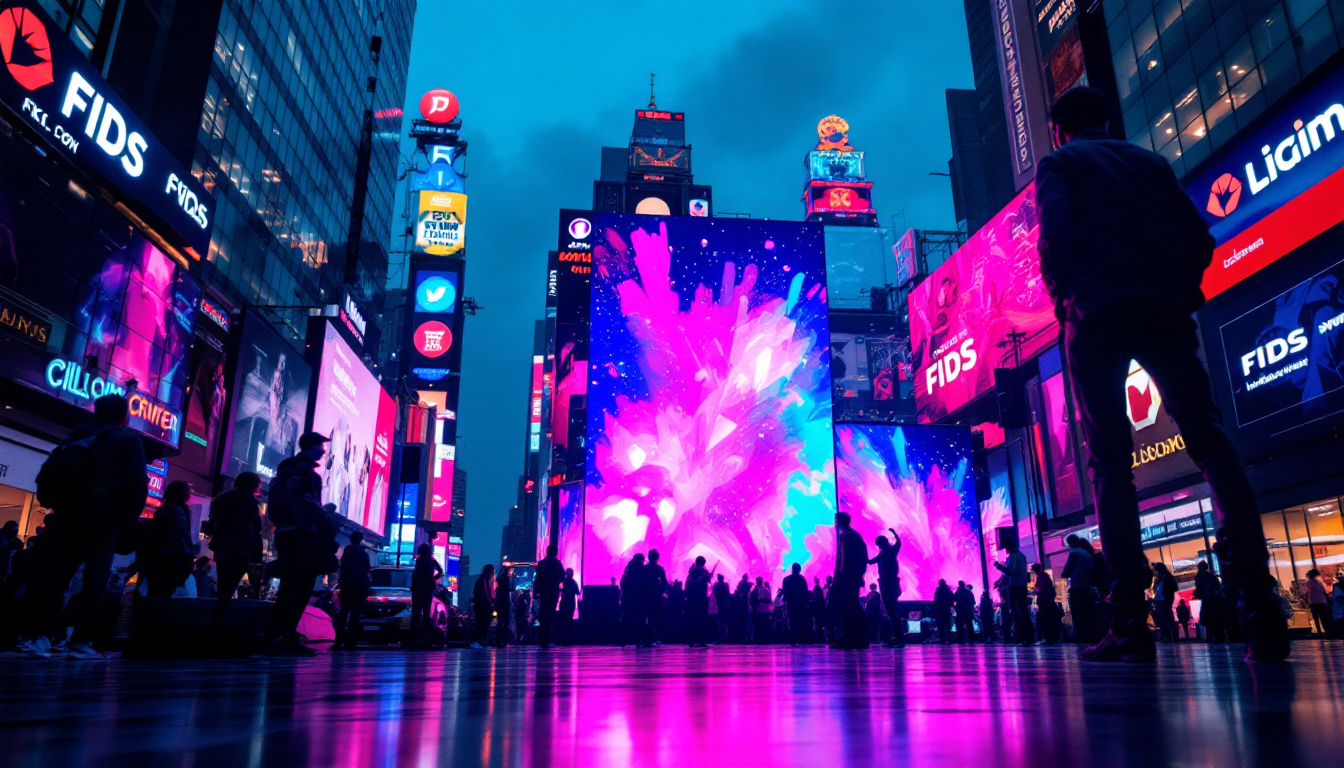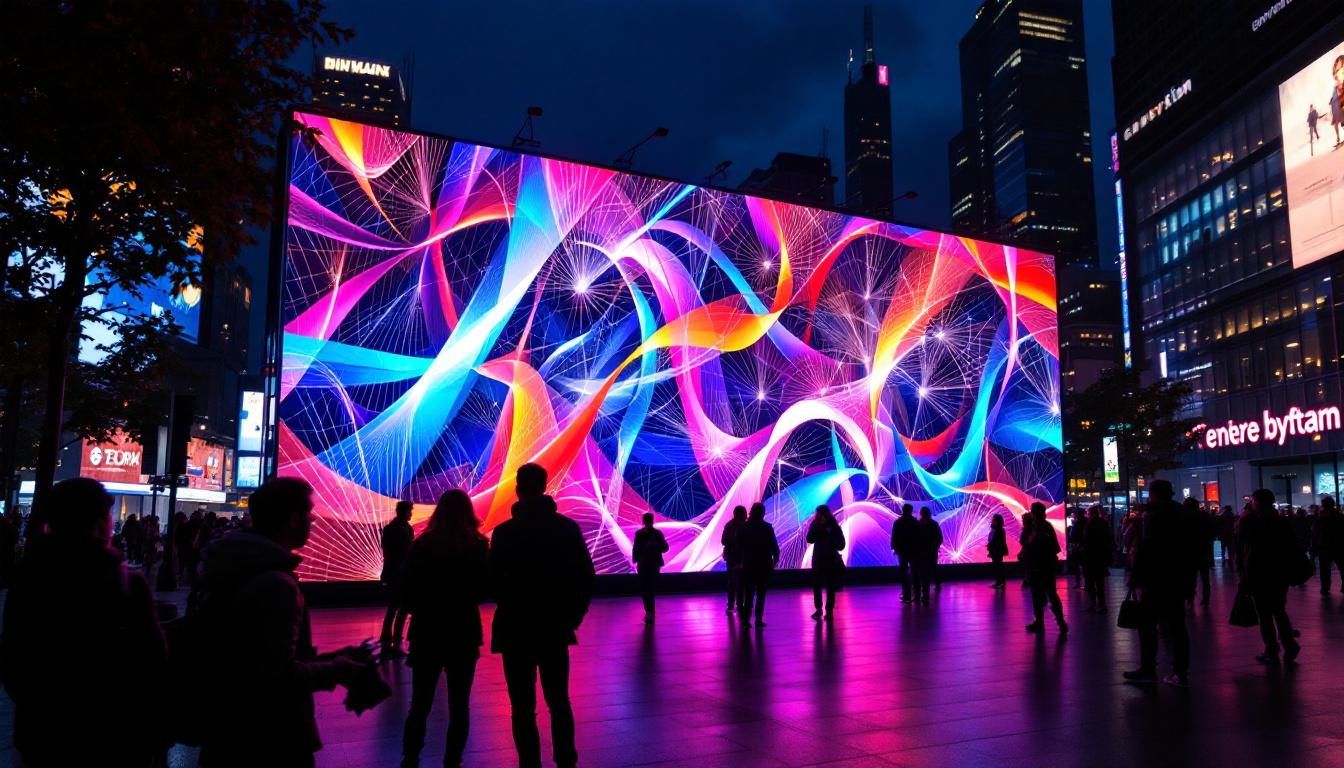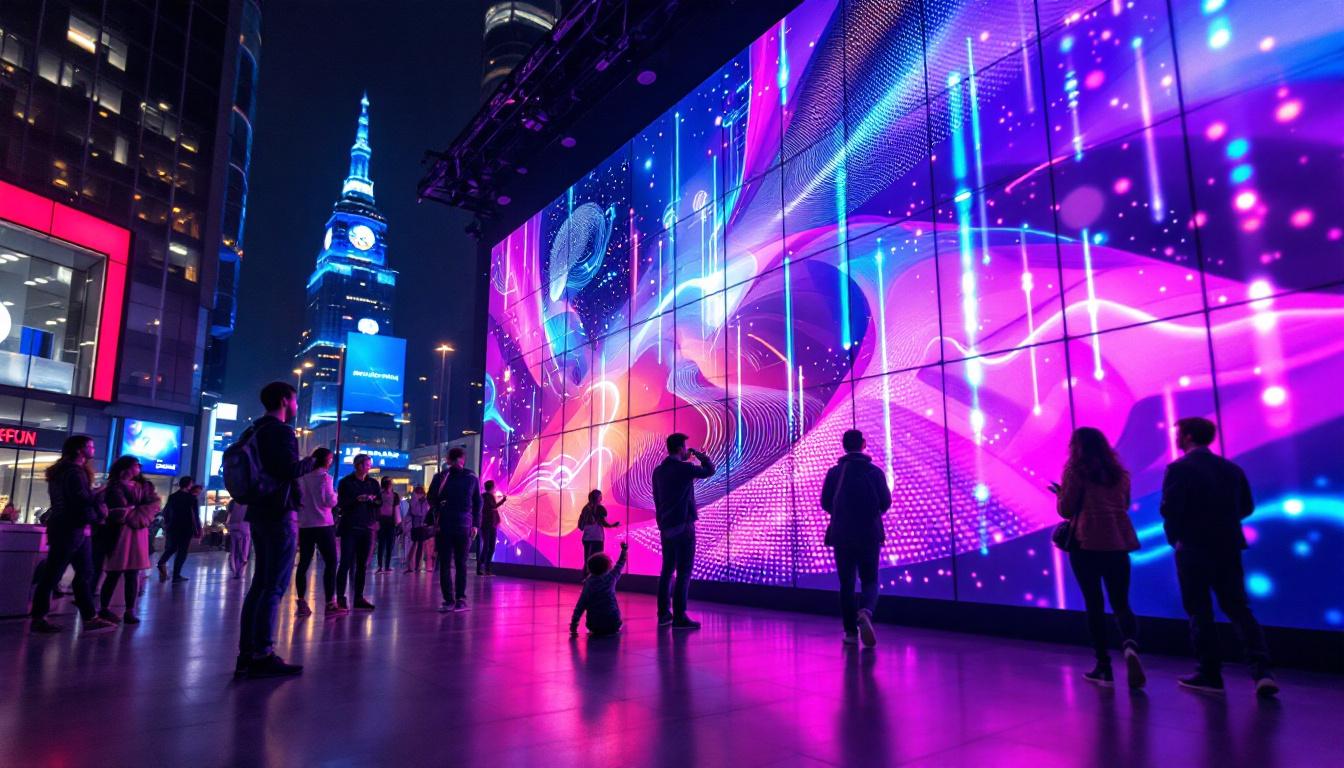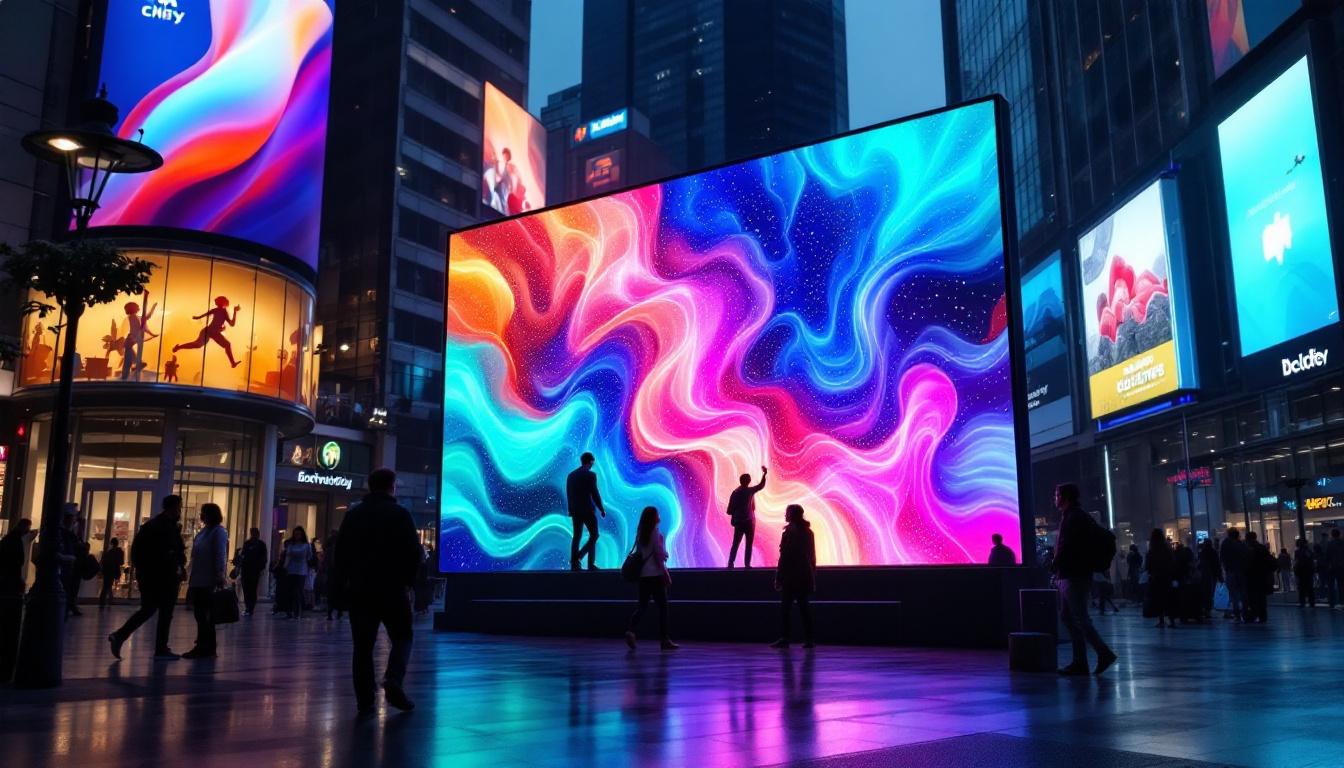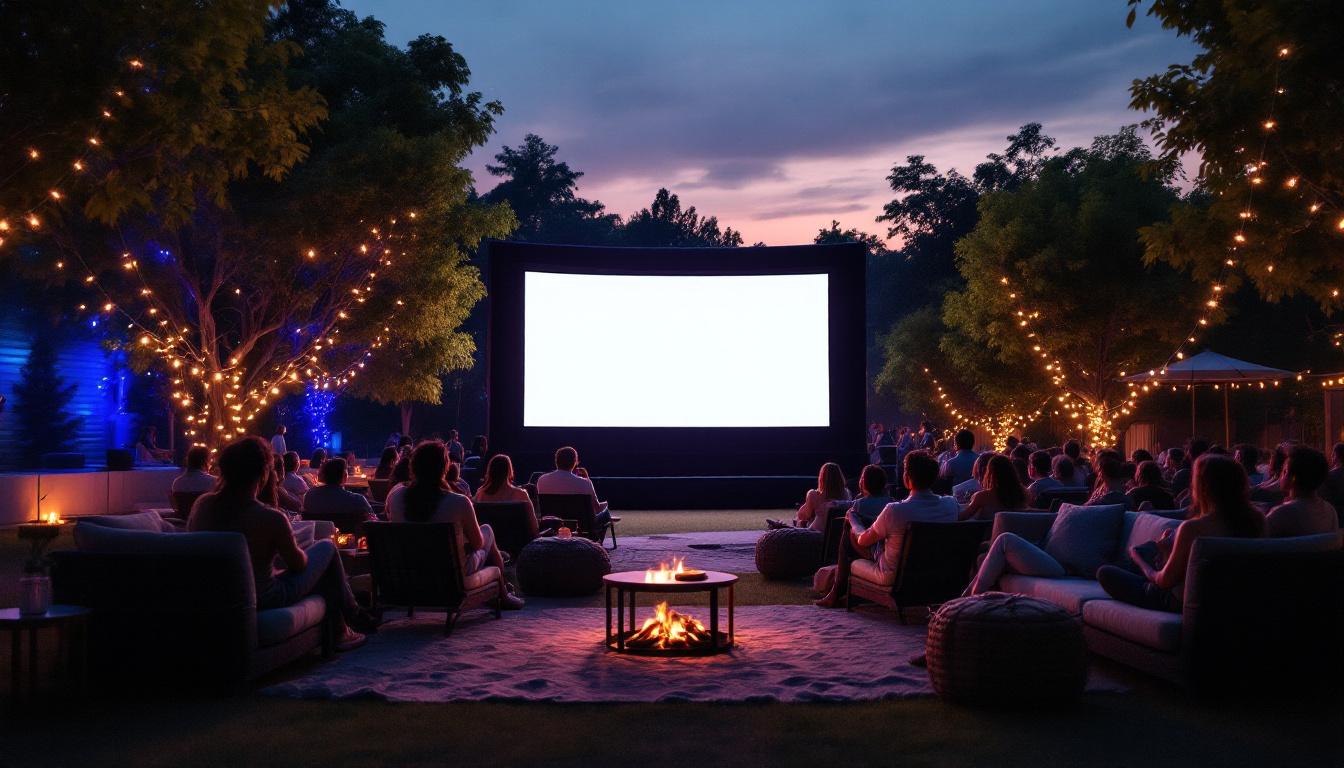
Outdoor movie nights have become an increasingly popular way to enjoy films under the stars, whether in backyards, parks, or community spaces. As technology advances, the options for displaying movies outside have expanded beyond traditional projector screens to include vibrant LED displays. Understanding the differences between these options, particularly the role of LED displays, can help you create an unforgettable outdoor cinema experience.
Traditional Projector Screens vs. LED Displays: An Overview
For decades, outdoor movie enthusiasts have relied on projector screens paired with digital or film projectors to bring movies to life. These setups typically involve a large, reflective screen surface and a projector that beams the image onto it. While this method remains popular, LED displays have emerged as a compelling alternative, especially for larger venues and events.
Traditional projector screens are generally made from materials that reflect light, such as vinyl or fabric. They require a dark environment and a powerful projector to achieve a bright, clear image. In contrast, LED displays are composed of thousands of tiny light-emitting diodes that produce their own light, eliminating the need for an external projector.
This fundamental difference leads to several practical implications for outdoor movie setups, including brightness, image quality, portability, and cost.
Brightness and Visibility in Outdoor Settings
One of the biggest challenges with outdoor movie screenings is ambient light, whether from streetlights, the moon, or nearby buildings. Projectors often struggle to compete with these light sources, requiring viewers to watch in near-total darkness for the best experience. LED displays, however, can achieve much higher brightness levels, measured in nits, allowing them to remain visible even in twilight or light-polluted environments.
For example, a typical outdoor projector may produce 2,000 to 4,000 lumens, which can be insufficient in less-than-ideal lighting conditions. By comparison, commercial LED screens can reach brightness levels of 3,000 to 5,000 nits or more, making them ideal for daytime or early evening showings without sacrificing image clarity.
This enhanced brightness not only improves visibility but also allows for a more immersive viewing experience. Attendees can enjoy films without straining their eyes or missing crucial details due to poor lighting conditions. As a result, outdoor events can extend beyond the traditional evening hours, making it possible to host screenings during the day or at dusk, thus increasing the potential audience and enhancing the overall event atmosphere.
Image Quality and Color Accuracy
LED displays are known for their vibrant colors and high contrast ratios, delivering images with deep blacks and bright highlights. This is partly due to their self-illuminating nature, which allows for precise control over each pixel’s brightness. Projector screens depend on reflected light, which can sometimes wash out colors, especially if the screen material is not perfectly optimized or if ambient light interferes.
Moreover, LED displays typically support higher resolutions and refresh rates, which can enhance the viewing experience for fast-moving scenes and detailed visuals. This makes them particularly appealing for outdoor movie events that feature modern, high-definition content.
In addition to resolution and refresh rates, LED technology also excels in color reproduction, offering a wider color gamut than traditional projectors. This means that filmmakers’ artistic intentions are more accurately represented on an LED screen, allowing for a richer, more engaging viewing experience. This is especially important for animated films and visually stunning blockbusters, where color vibrancy plays a crucial role in storytelling. Furthermore, the durability of LED displays ensures that they maintain their performance over time, reducing the need for frequent replacements or maintenance that can be associated with projector systems.
Types of LED Displays Suitable for Outdoor Movie Screens
LED technology has evolved to include various types of displays, each with distinct characteristics that affect their suitability for outdoor movie screenings.
Direct View LED (DVLED) Screens
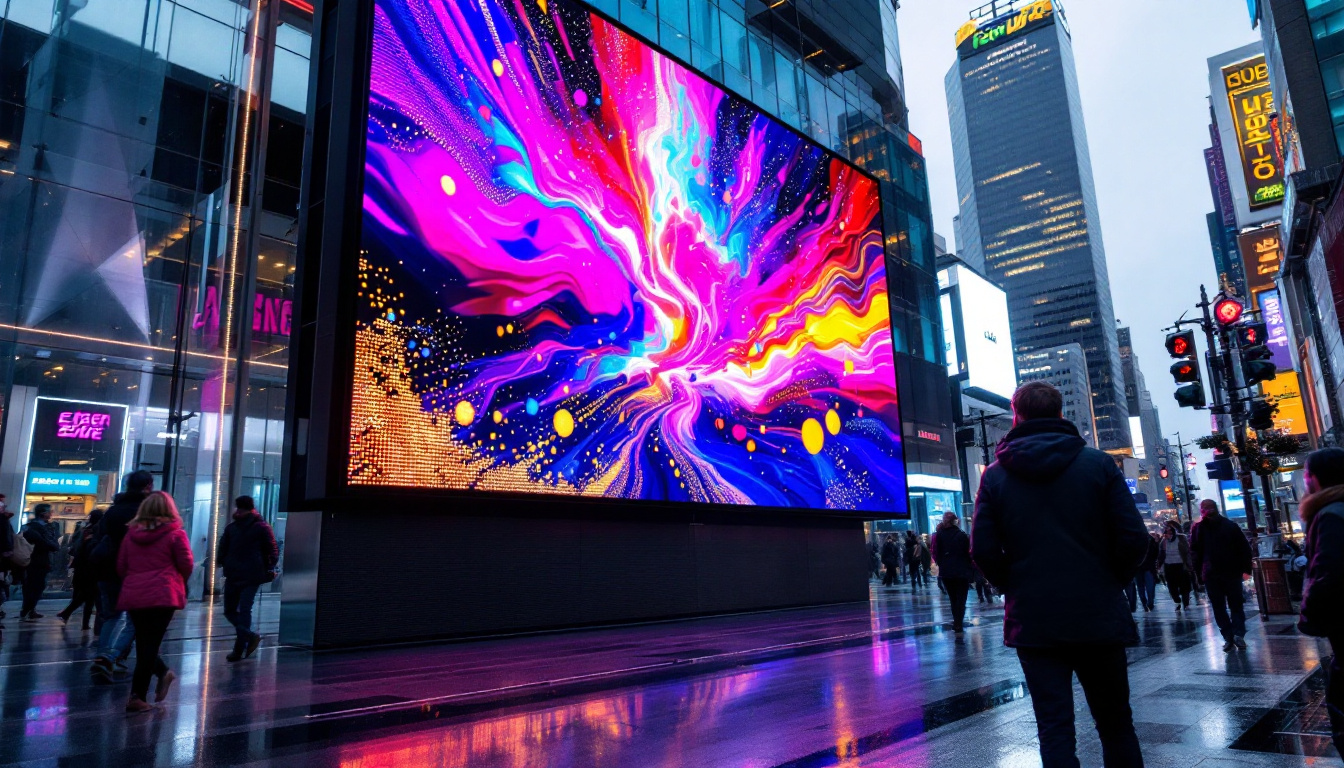
Direct View LED screens are composed of individual LED modules arranged to form a seamless display surface. These screens are highly customizable in size and shape, making them ideal for large-scale outdoor movie events. Their modular design also allows for easy maintenance and repair, as individual sections can be replaced without dismantling the entire screen.
DVLED screens offer excellent brightness and color uniformity, which are crucial for outdoor visibility and image quality. However, they tend to be heavier and more expensive than traditional projector setups, which can be a consideration for budget-conscious organizers. Additionally, the installation of DVLED screens often requires professional expertise to ensure optimal performance, particularly in terms of alignment and calibration, which can add to the overall cost of the event.
LED Video Walls
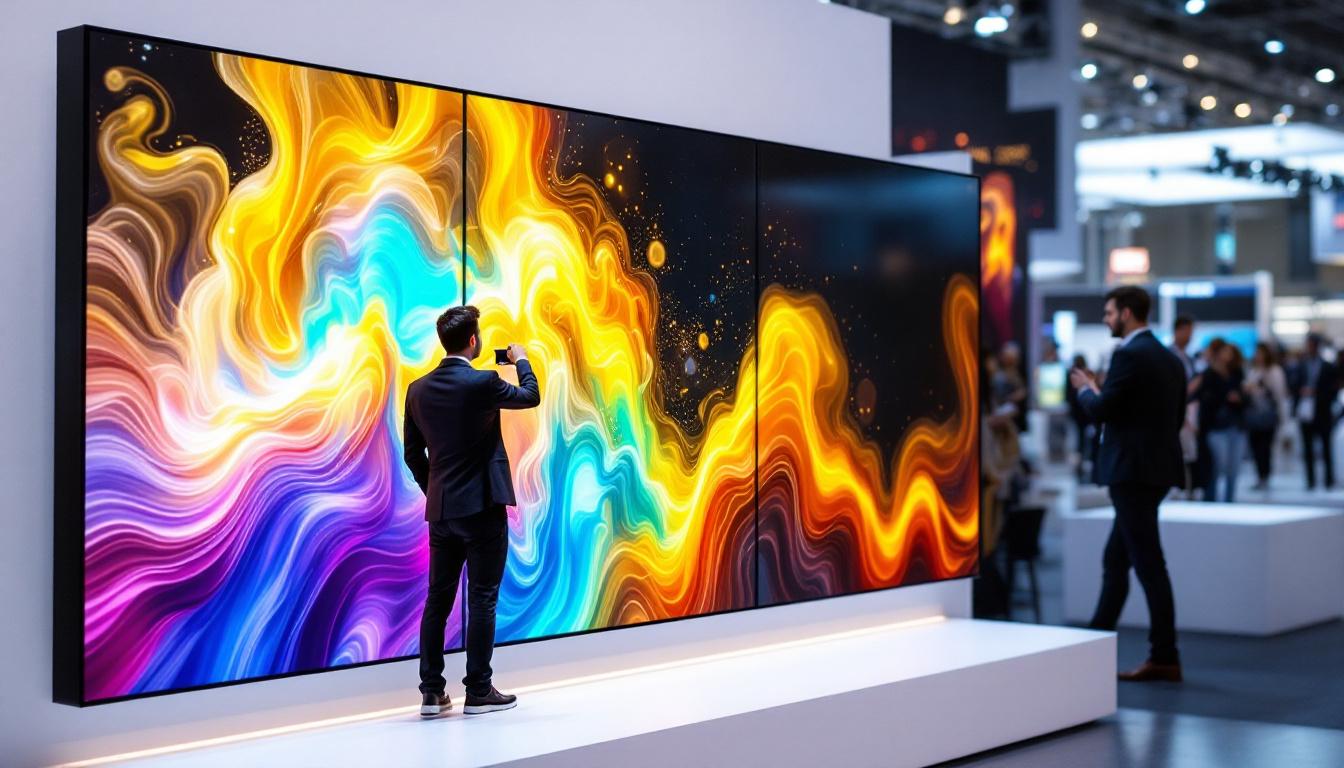
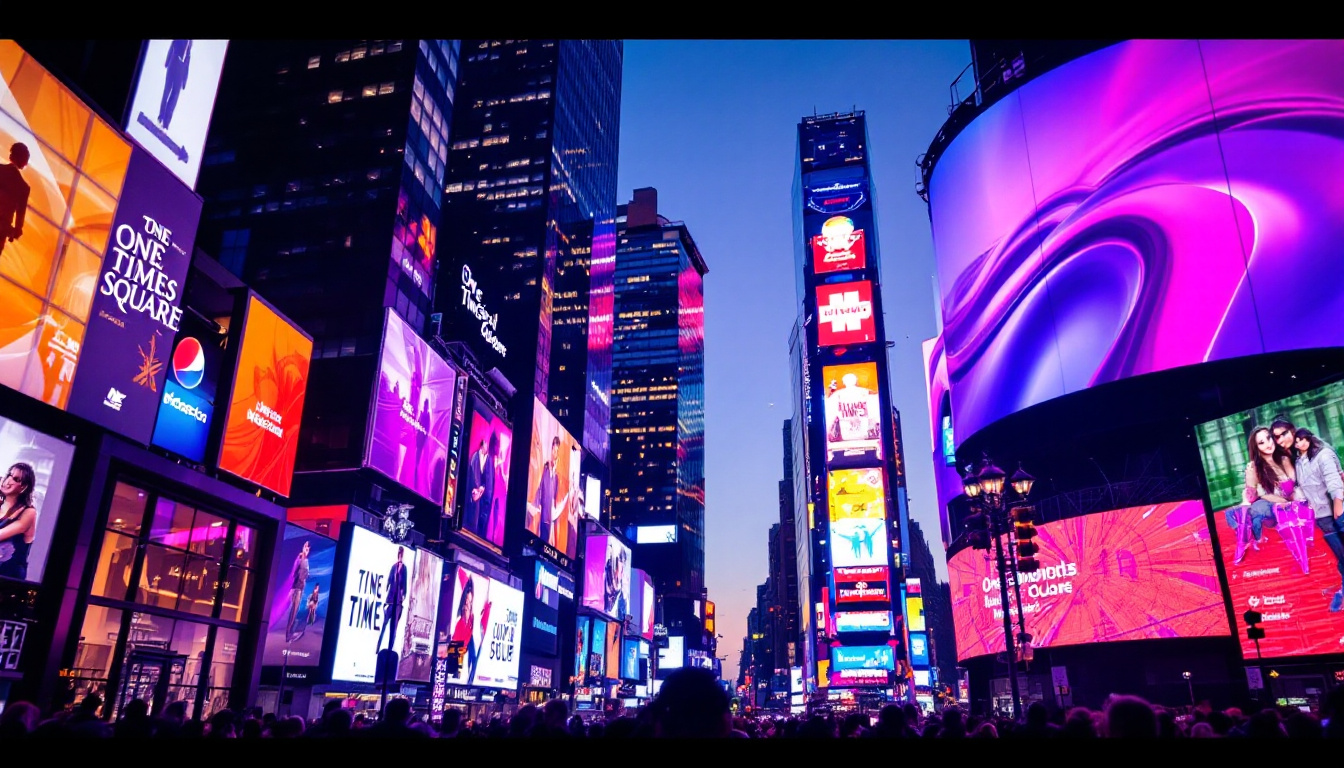
LED video walls are similar to DVLED screens but are often assembled from multiple panels that can be stacked or arranged side-by-side. These walls are frequently used in concerts, sports arenas, and large outdoor events, providing a visually striking backdrop that can display dynamic content beyond just movies.
For outdoor movie screenings, LED video walls offer flexibility in size and resolution, allowing organizers to tailor the display to the venue and audience size. Their high brightness and durability make them well-suited for varying weather conditions. Moreover, the capability to integrate live feeds or interactive elements can enhance the viewing experience, making it more engaging for the audience. This feature is particularly useful for events that include audience participation, such as sing-alongs or trivia games related to the film being screened.
Portable LED Screens
For smaller-scale or mobile outdoor movie events, portable LED screens provide a convenient solution. These screens are designed for quick setup and breakdown, often featuring lightweight frames and integrated stands. While they may not match the size or brightness of fixed installations, advances in LED technology have made portable options increasingly viable for backyard movie nights and community gatherings.
Portable LED screens also come equipped with various input options, allowing for easy connection to different media sources, such as laptops, streaming devices, or even smartphones. This versatility makes them an excellent choice for impromptu movie nights or events where the film selection might change frequently. Furthermore, many portable models now include built-in battery packs, enabling them to operate in locations without immediate access to power, thus expanding the possibilities for outdoor viewing experiences even in remote areas.
Key Considerations When Choosing an Outdoor Movie Display
Selecting the right display technology for outdoor movies involves balancing several factors, including budget, venue, audience size, and desired image quality.
Budget and Cost Efficiency
Traditional projector setups generally have a lower upfront cost compared to LED displays. A high-quality projector and screen can be purchased for a few hundred to a few thousand dollars, depending on specifications. In contrast, LED displays, especially large DVLED screens, can cost tens of thousands of dollars or more.
However, LED displays often have lower maintenance costs and longer lifespans, which can offset the initial investment over time. Additionally, their superior brightness and image quality may justify the expense for commercial events or venues seeking to attract larger audiences.
Portability and Setup Time
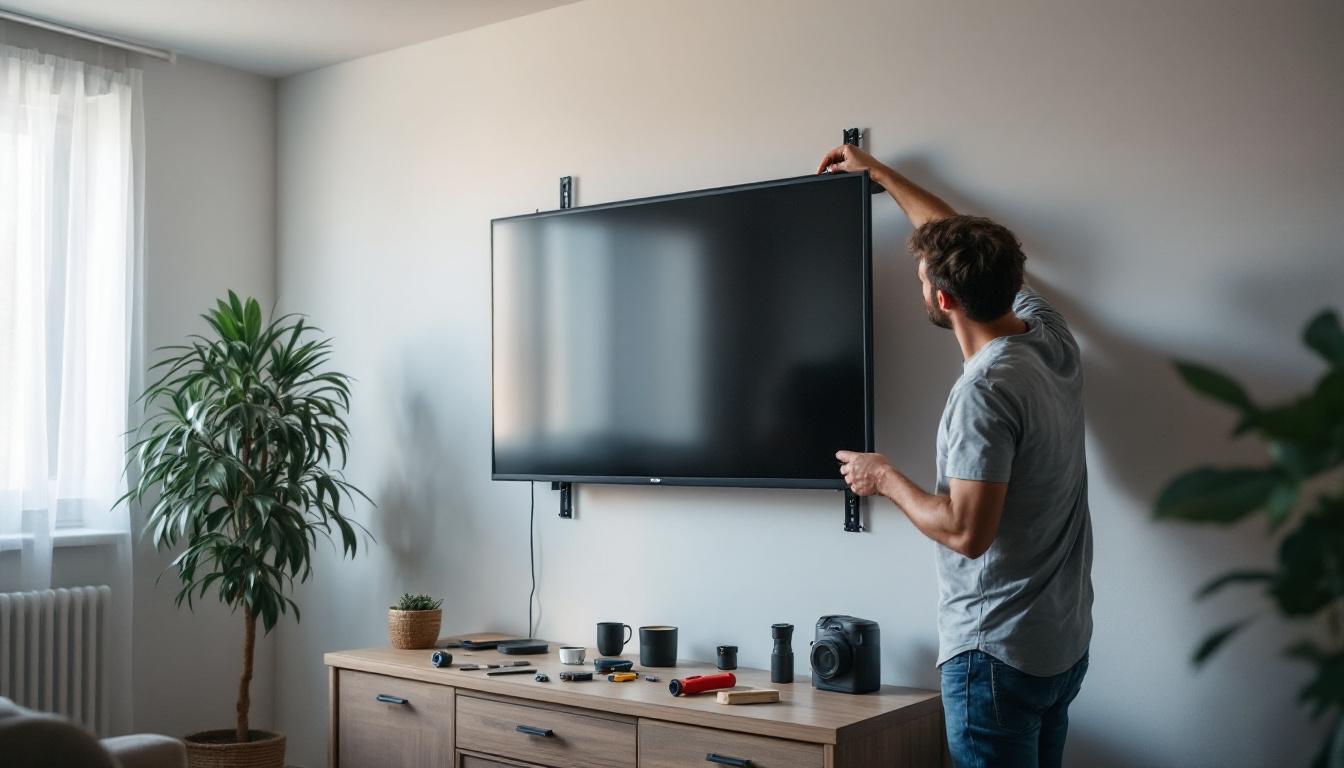
Projector screens are typically lightweight and easy to transport, making them ideal for casual or occasional outdoor movie nights. Setup involves mounting the screen and positioning the projector at the correct distance, which can take time but is generally manageable for small groups.
LED displays, especially larger models, require more complex assembly and may need professional installation. Portable LED screens offer a middle ground, combining the benefits of LED technology with easier transport and setup.
Environmental Durability
Outdoor movie equipment must withstand weather conditions such as wind, humidity, and temperature fluctuations. Many LED displays are designed with weatherproof enclosures and components rated for outdoor use, ensuring reliable performance even in challenging environments.
Projector screens can be vulnerable to wind and moisture, requiring careful handling and sometimes additional protective measures. Choosing screens made from durable, weather-resistant materials can mitigate these risks.
Enhancing the Outdoor Movie Experience with LED Displays
Beyond technical specifications, LED displays offer unique opportunities to elevate the outdoor movie experience.
Dynamic Content and Interactivity
Unlike static projector screens, LED displays can showcase dynamic content before, during, and after the movie. This includes animated intros, sponsor messages, interactive polls, or social media feeds, creating a more engaging atmosphere for attendees.
Some LED systems integrate with smartphones or remote controls, allowing audiences to participate in live interactions or vote on movie selections, enhancing community involvement.
Scalability for Different Event Sizes
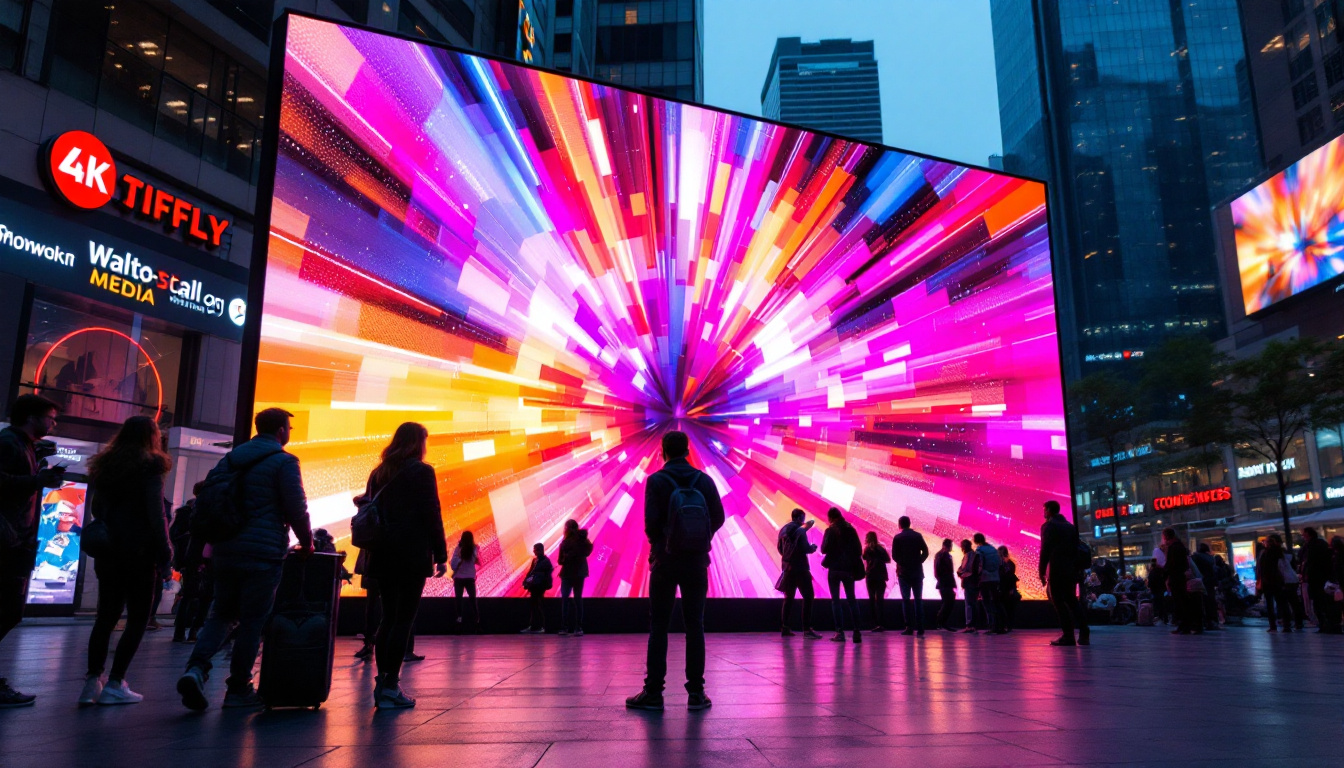
LED technology allows for scalable screen sizes, from intimate backyard setups to massive public screenings. This flexibility means organizers can tailor the display to the venue’s dimensions and expected crowd size without compromising image quality.
For example, a community park event can feature a large LED video wall visible from hundreds of feet away, while a smaller neighborhood gathering might opt for a portable LED screen that fits comfortably in a backyard.
Energy Efficiency and Sustainability
Modern LED displays are more energy-efficient than traditional projection systems, consuming less power for comparable brightness levels. This efficiency reduces operational costs and environmental impact, an increasingly important consideration for event planners and venues.
Additionally, LED displays produce less heat and noise, contributing to a more comfortable viewing environment for audiences.
Conclusion: Is an LED Display the Right Choice for Your Outdoor Movie Night?
Choosing between a traditional projector screen and an LED display for outdoor movies depends on several factors, including budget, venue size, ambient lighting, and desired image quality. LED displays offer superior brightness, vibrant colors, and durability, making them ideal for large-scale or commercial outdoor screenings, especially in challenging lighting conditions.
For casual backyard movie nights or small community events, traditional projector screens remain a cost-effective and accessible option. However, as LED technology continues to advance and become more affordable, it is increasingly feasible for a wider range of users to enjoy the benefits of LED displays.
Ultimately, understanding the strengths and limitations of each technology will help you create an outdoor movie experience that is both memorable and visually stunning, delighting audiences under the open sky.
Discover the Future of Outdoor Cinema with LumenMatrix
Ready to elevate your outdoor movie experience with unparalleled brightness, color vibrancy, and cutting-edge technology? LumenMatrix is at the forefront of LED display innovation, offering a wide range of solutions tailored to meet your needs. From intimate backyard gatherings to grand-scale events, our LED display modules are designed to captivate and engage your audience. Explore our Indoor and Outdoor LED Wall Displays, Vehicle LED Displays, and more to find the perfect fit for your next outdoor movie night. Check out LumenMatrix LED Display Solutions and transform the way you share your message with the world.