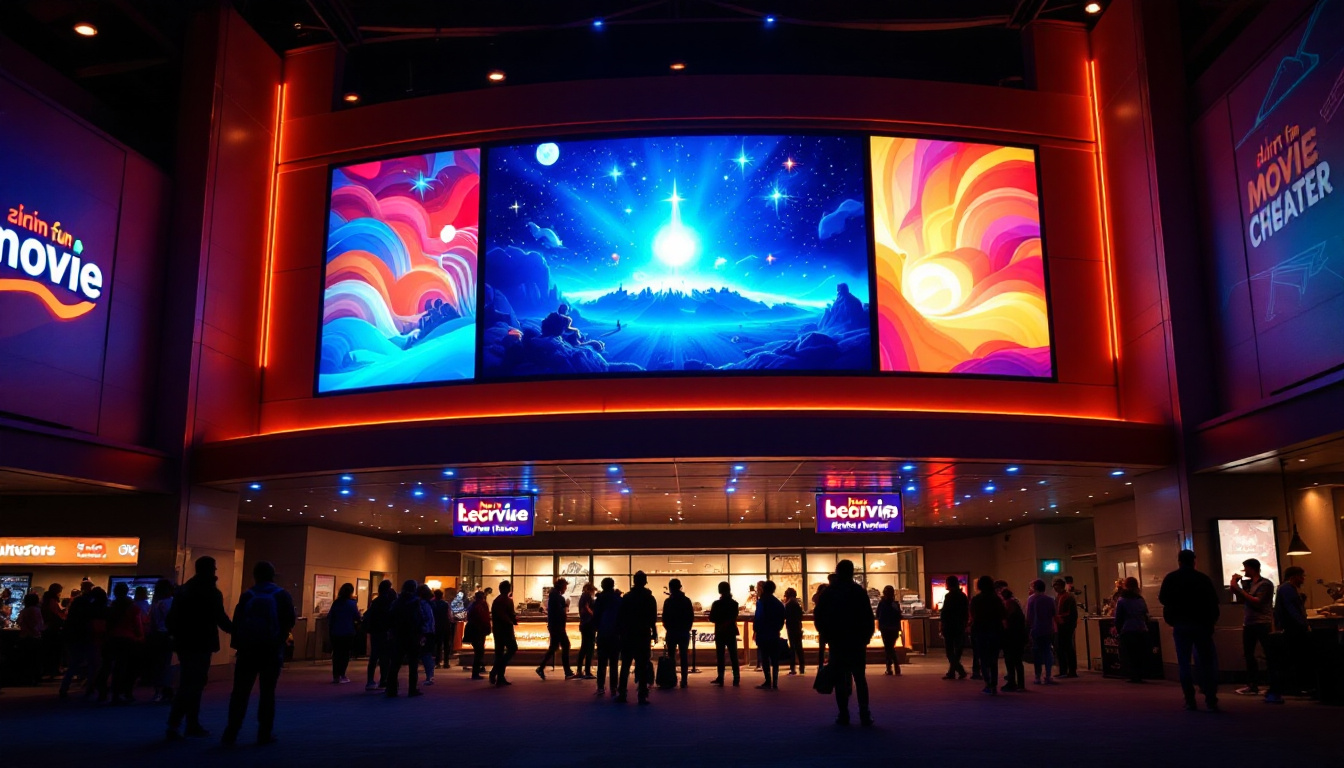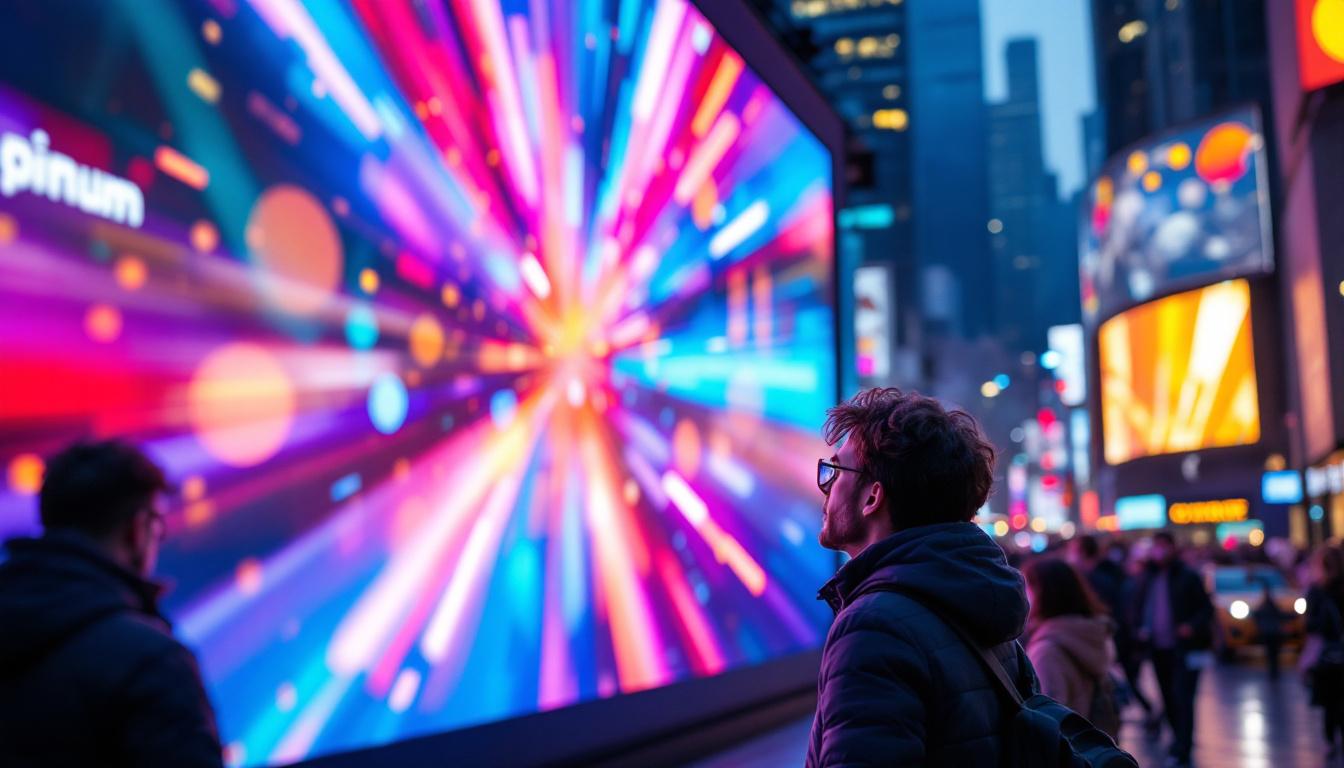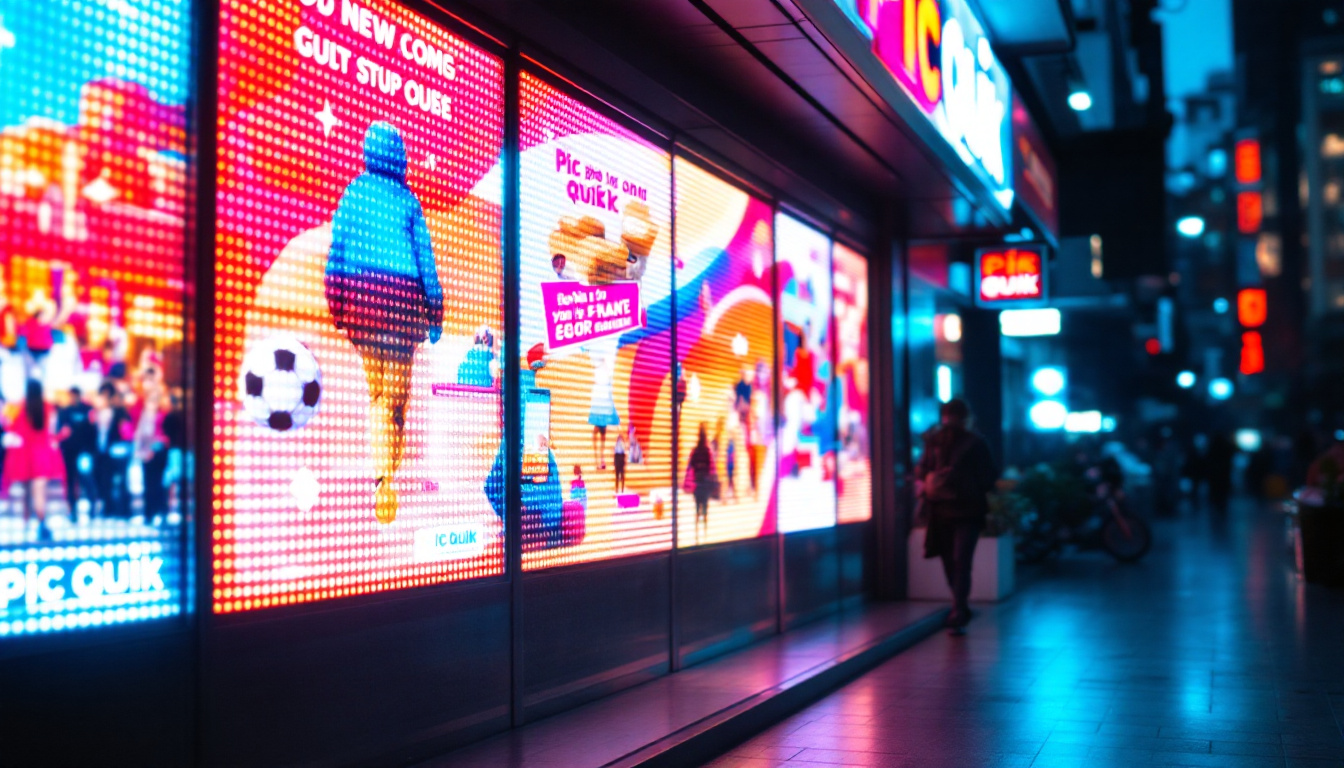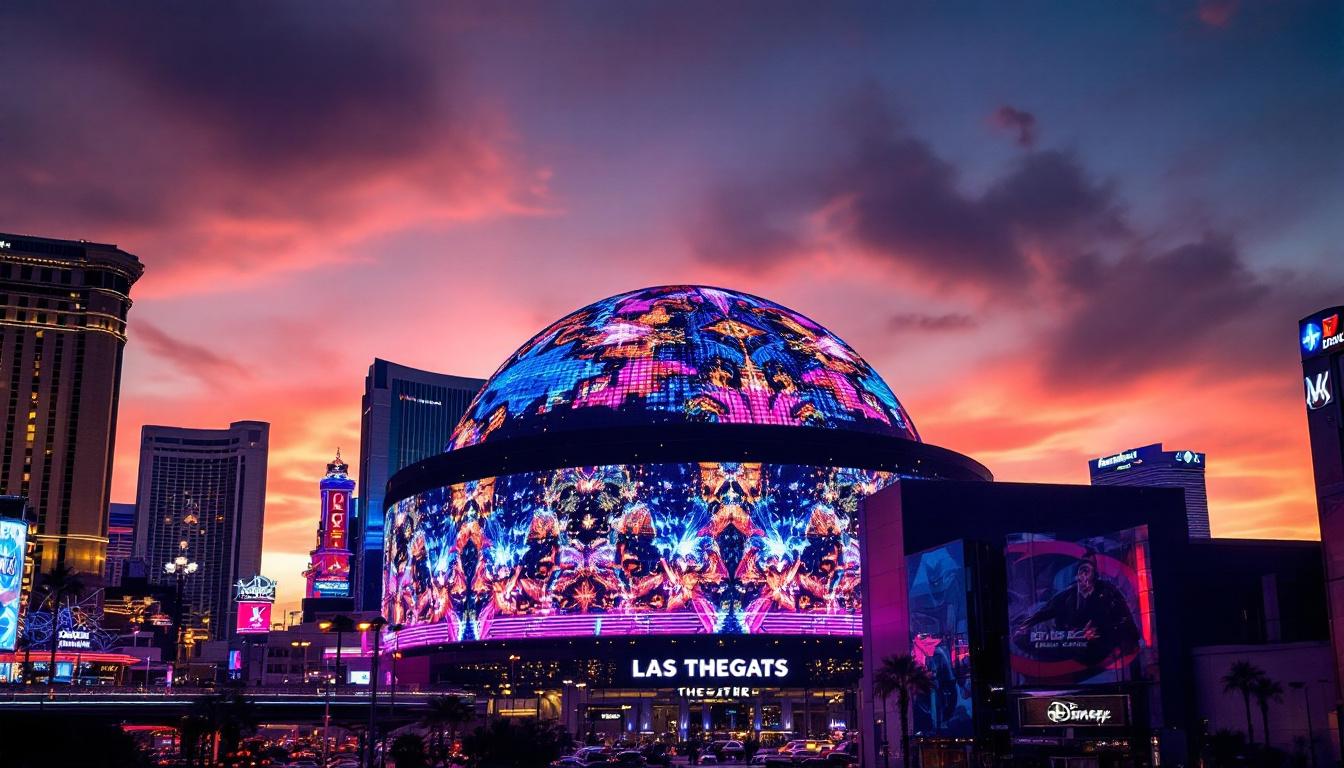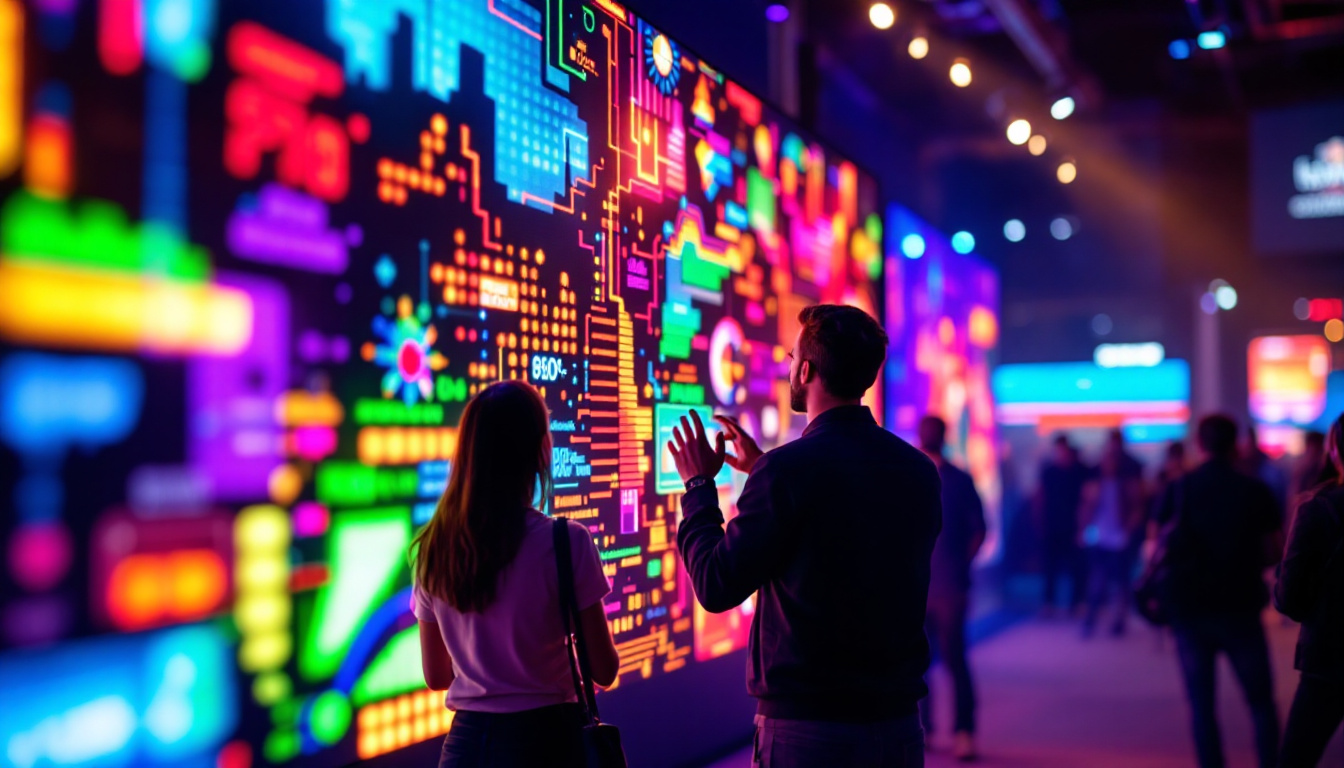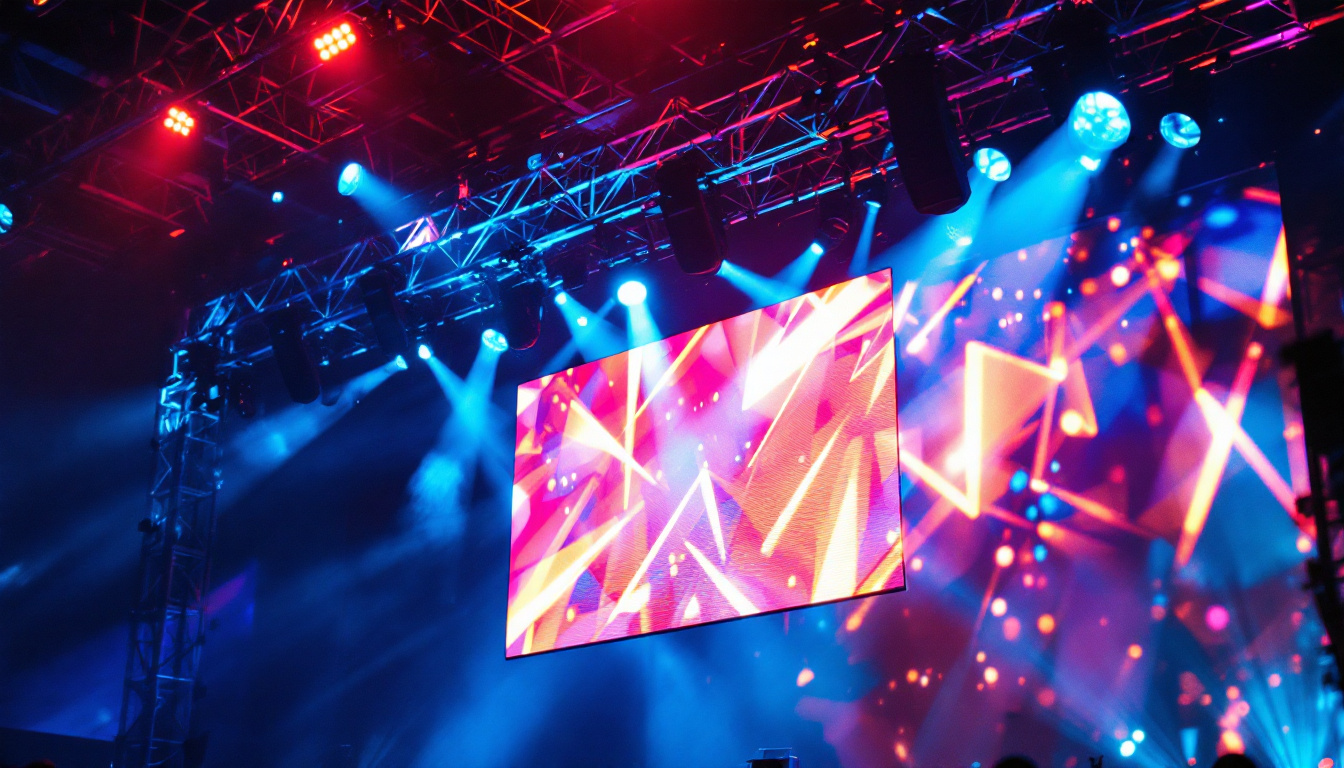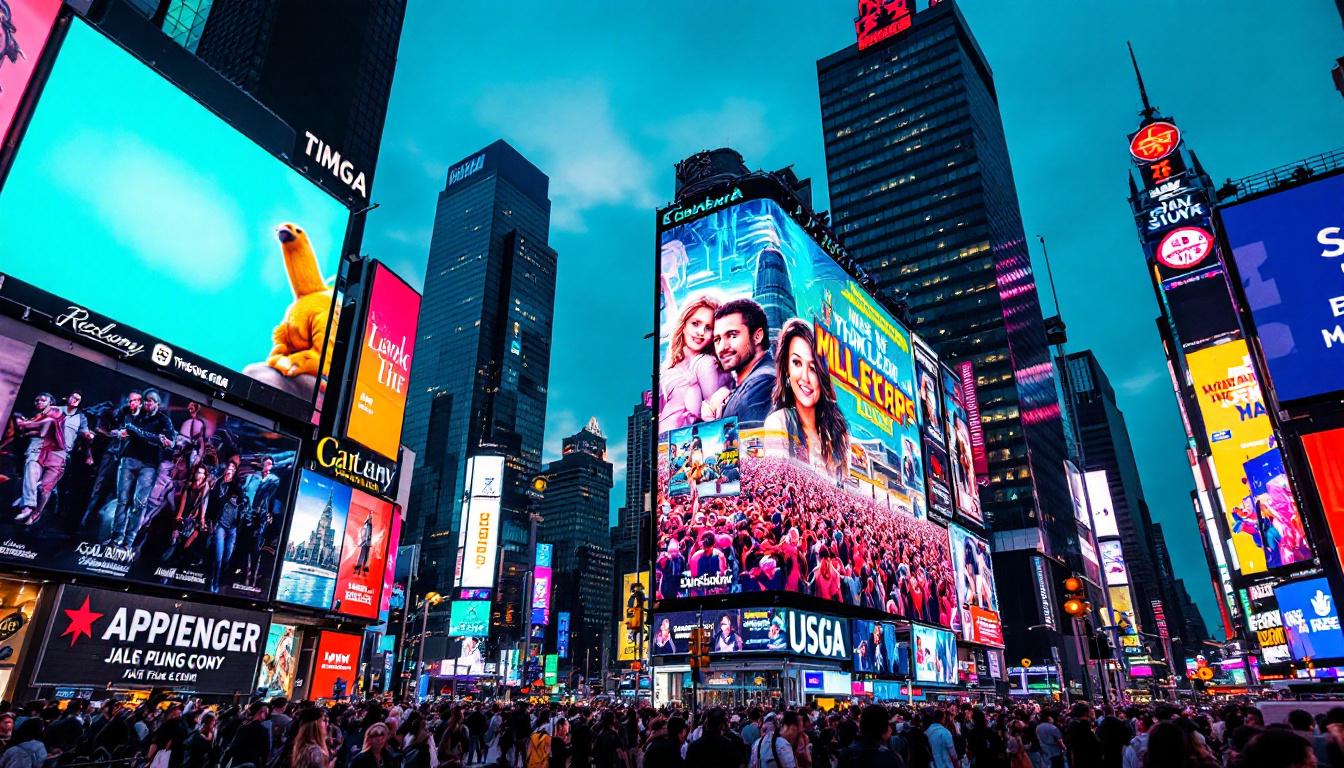
Times Square in New York City is renowned worldwide for its dazzling, ever-changing billboards that light up the city’s iconic crossroads. Among these, LED displays stand out as the technological marvels that captivate millions of visitors and passersby every day. But what exactly makes these LED billboards so special? How do they work, and why have they become the preferred choice for advertisers in one of the world’s busiest commercial hubs?
This article delves into the fascinating world of LED billboards in Times Square, exploring their technology, design, impact, and future trends. Whether you’re an advertising professional, a technology enthusiast, or simply curious about the glowing heart of New York City, this comprehensive guide will illuminate the story behind the LED displays that define Times Square’s vibrant atmosphere.
The Evolution of Times Square Billboards
From Static Signs to Dynamic Displays
Times Square’s transformation from a hub of static, painted advertisements to a digital spectacle mirrors the evolution of advertising technology itself. In the early 20th century, billboards were primarily painted or printed on large canvases, offering limited flexibility and interactivity. As technology advanced, neon signs became popular in the mid-1900s, adding color and animation but still constrained by physical limitations.
The introduction of LED (Light Emitting Diode) technology in the late 20th century revolutionized outdoor advertising. By the 1990s, LED billboards began to replace traditional neon signs in Times Square, offering brighter, more energy-efficient, and versatile displays. Today, these LED screens are capable of showing high-definition videos, animations, and real-time content, making them a dynamic advertising medium unmatched in scale and impact.
Key Milestones in LED Billboard Development
One of the earliest and most iconic LED installations in Times Square was the Toshiba billboard, which debuted in 2003. Spanning over 120 feet wide and 50 feet tall, this display demonstrated the potential for large-scale digital advertising. Since then, the LED technology used in Times Square billboards has rapidly improved, with higher resolution panels, better color accuracy, and enhanced durability.
By 2020, the majority of Times Square’s billboards had transitioned to LED, with some displays boasting pixel pitches as fine as 4 millimeters, enabling crystal-clear images even from close distances. This evolution has not only enhanced the visual appeal but also allowed advertisers to deliver more engaging and interactive campaigns.
How LED Displays Work: The Technology Behind the Glow
Understanding LED Basics
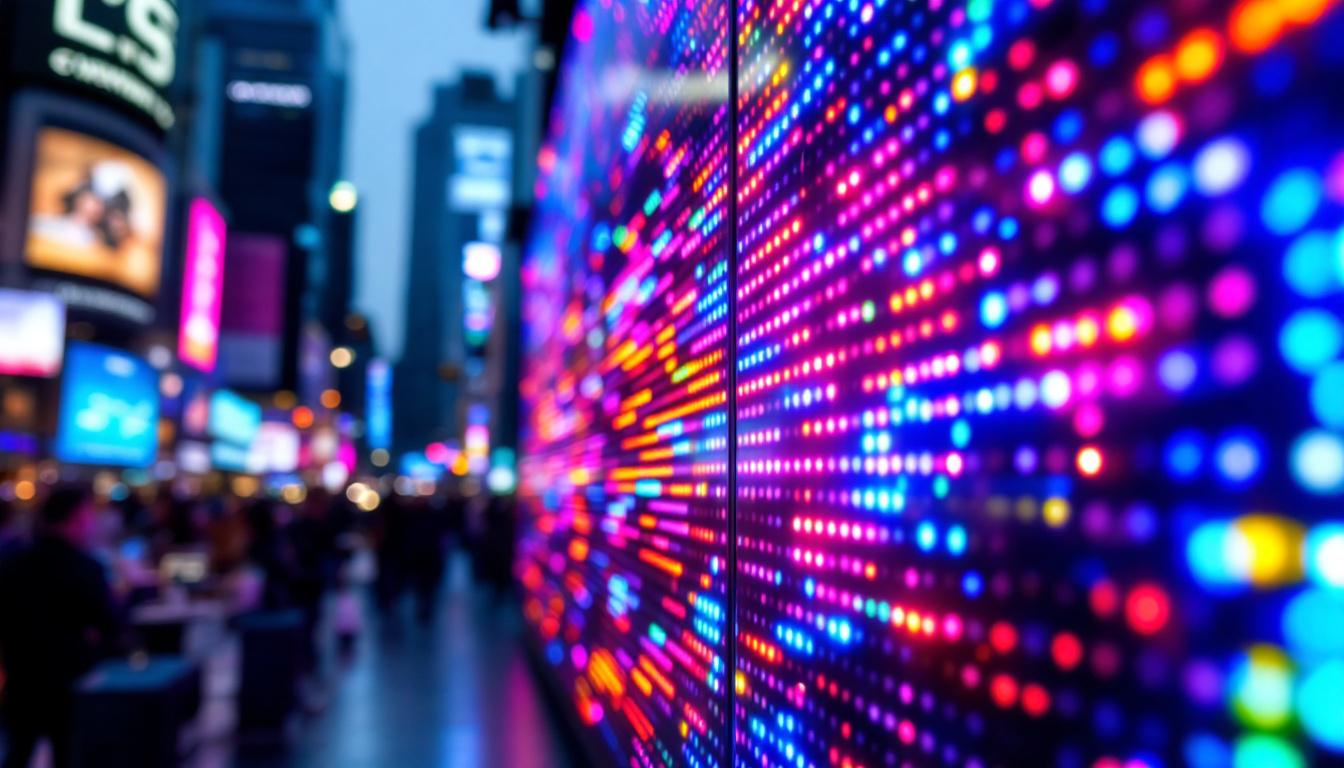
At its core, an LED display is composed of thousands to millions of tiny light-emitting diodes arranged in a grid. Each diode emits light when an electric current passes through it, and by combining red, green, and blue LEDs, the display can produce a full spectrum of colors. This RGB color model is fundamental to creating the vibrant images seen on Times Square billboards.
The brightness of LEDs is a crucial advantage for outdoor displays. Unlike traditional light bulbs, LEDs can achieve extremely high luminance levels, ensuring visibility even under direct sunlight. Typical Times Square LED billboards can reach brightness levels of 5,000 to 10,000 nits, which is several times brighter than a standard television screen.
Pixel Pitch and Resolution
Pixel pitch refers to the distance between the centers of two adjacent pixels on an LED screen. A smaller pixel pitch means more pixels per square meter, resulting in higher resolution and sharper images. In Times Square, where viewers are often close to the billboards, fine pixel pitches (ranging from 3mm to 10mm) are common to maintain image clarity.
For example, a billboard with a 4mm pixel pitch can display detailed video content and text legibly from a few feet away, making it ideal for pedestrian-heavy areas. Conversely, larger pixel pitches are used for displays intended to be viewed from greater distances, such as those mounted on tall buildings.
Modular Design and Maintenance
LED billboards are typically constructed from modular panels, each containing a matrix of LEDs. This modularity allows for easier installation, maintenance, and scalability. If a panel malfunctions, it can be replaced without dismantling the entire display, minimizing downtime and maintenance costs.
Additionally, advanced control systems manage the content displayed on these billboards, enabling real-time updates, scheduling, and synchronization across multiple screens. This flexibility is essential for advertisers who want to deliver timely messages or interactive campaigns.
Why LED Billboards Dominate Times Square Advertising
Unmatched Visibility and Impact
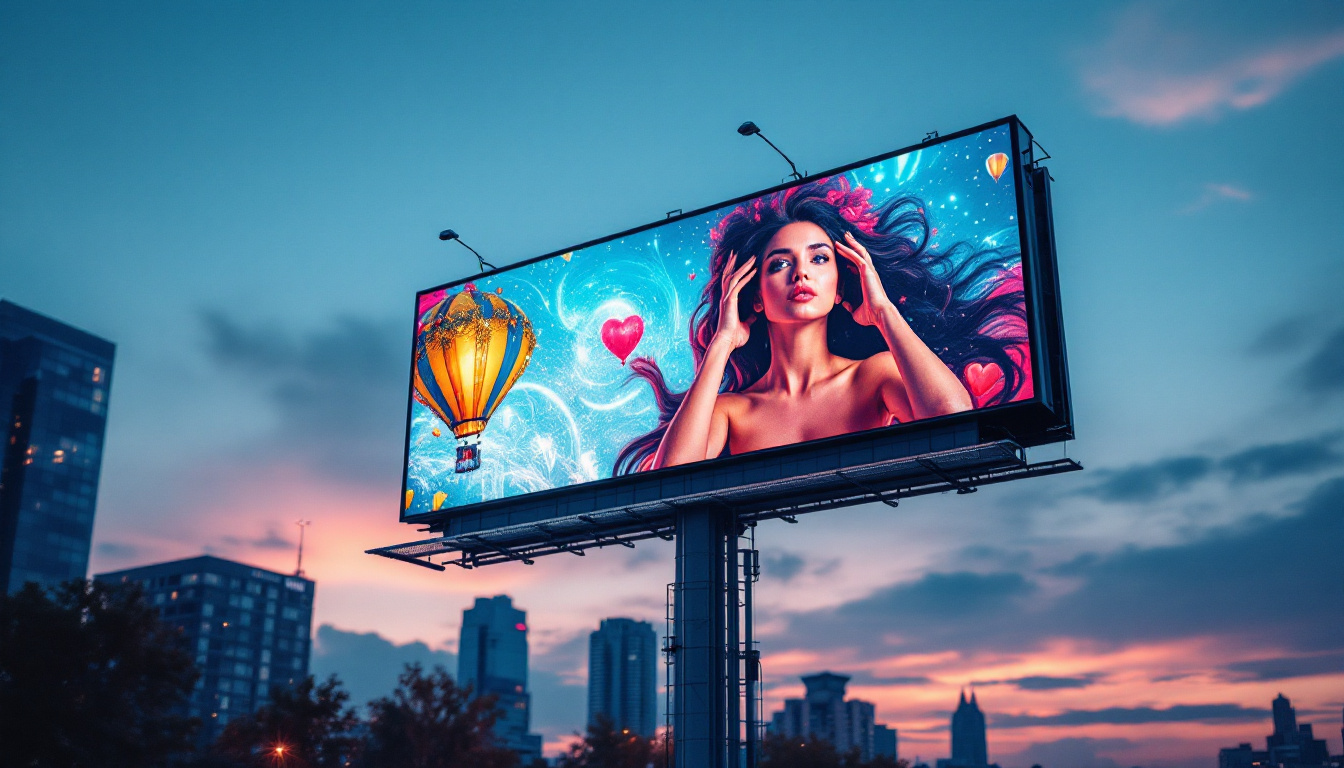
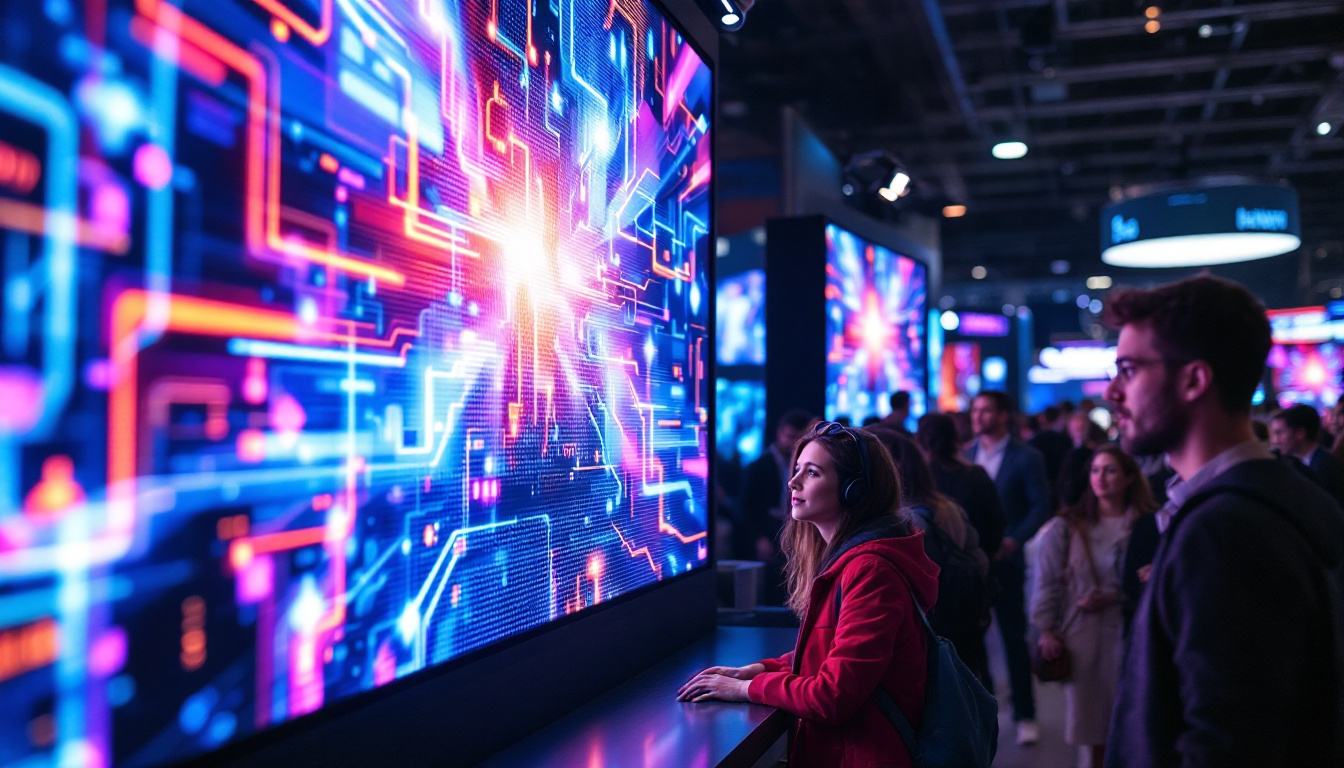
Times Square is one of the busiest pedestrian intersections in the world, with an estimated 330,000 people passing through daily. The sheer volume of foot traffic, combined with the area’s vibrant nightlife, makes it a prime location for advertisers seeking maximum exposure. LED billboards, with their bright, colorful, and dynamic content, naturally attract attention and stand out amidst the urban landscape.
Research indicates that digital billboards increase brand recall by up to 47% compared to static billboards. The ability to display moving images and videos engages viewers more effectively, making LED billboards a powerful tool for brand awareness and consumer engagement.
Energy Efficiency and Environmental Considerations
Despite their brightness, LED billboards are significantly more energy-efficient than older neon or incandescent lighting systems. LEDs consume up to 80% less energy, which is crucial in a city like New York that prioritizes sustainability and energy conservation.
Moreover, many Times Square LED installations incorporate smart dimming technologies that adjust brightness based on ambient light conditions, further reducing energy consumption during nighttime or cloudy days. This not only lowers operational costs but also minimizes light pollution, an important consideration in urban environments.
Flexibility and Creative Freedom
One of the most compelling reasons advertisers choose LED billboards is the unparalleled creative freedom they offer. Unlike static billboards, digital displays can rotate multiple advertisements in a single location, run animated sequences, and even integrate interactive elements such as social media feeds or live event updates.
This versatility allows brands to tailor their messaging to different audiences throughout the day or respond quickly to current events and trends. For example, during major events like New Year’s Eve celebrations or product launches, advertisers can deploy custom content that enhances the overall experience for visitors.
Challenges and Considerations in LED Billboard Deployment
Technical and Logistical Complexities
Installing and maintaining LED billboards in a dense urban environment like Times Square involves significant technical challenges. The displays must withstand harsh weather conditions, including rain, snow, and extreme temperatures, while operating continuously 24/7.
Additionally, the structural support for these massive screens requires careful engineering to ensure safety and compliance with local building codes. Power supply and data connectivity must also be robust and reliable to prevent outages or display errors.
Regulatory and Aesthetic Constraints
New York City has strict regulations governing outdoor advertising, including limits on brightness, size, and content to balance commercial interests with public safety and urban aesthetics. LED billboards must comply with these rules, which can affect design choices and operational parameters.
For instance, the city enforces maximum brightness levels to prevent glare that could distract drivers or pedestrians. Content restrictions also ensure that advertisements do not include inappropriate or misleading material, maintaining the cultural integrity of Times Square.
Cost Considerations
While LED billboards offer many advantages, they come with substantial upfront costs. High-resolution LED panels, installation, and ongoing maintenance can amount to millions of dollars for a single billboard. However, the potential return on investment through increased brand exposure and engagement often justifies the expense for major advertisers.
Moreover, the ability to update content digitally reduces printing and installation costs associated with traditional billboards, offering long-term savings and operational efficiency.
The Future of LED Billboards in Times Square
Integration with Emerging Technologies
The future of LED billboards in Times Square is poised to be shaped by innovations such as augmented reality (AR), artificial intelligence (AI), and 5G connectivity. These technologies promise to make digital advertising even more interactive and personalized.
For example, AR-enabled billboards could allow passersby to interact with virtual elements through their smartphones, creating immersive brand experiences. AI algorithms can optimize content delivery based on real-time audience demographics and behavior, maximizing relevance and impact.
Sustainability and Smart City Initiatives
As cities worldwide push toward sustainability, LED billboards will increasingly incorporate eco-friendly features. Solar-powered displays, recyclable materials, and advanced energy management systems are already being explored to reduce environmental footprints.
In Times Square, LED billboards may become integral components of smart city infrastructure, contributing data for urban planning, traffic management, and public safety while continuing to serve as advertising platforms.
The Continued Cultural Significance of Times Square Billboards
Beyond their commercial function, Times Square’s LED billboards have become cultural icons, symbolizing the energy and innovation of New York City. They feature prominently in films, television, and media coverage, reinforcing their status as landmarks in their own right.
As technology evolves, these billboards will likely continue to captivate audiences, blending art, commerce, and technology in a uniquely urban spectacle that defines the spirit of Times Square.
Conclusion
LED billboards in Times Square represent a remarkable convergence of technology, creativity, and urban culture. Their evolution from static signs to dynamic digital canvases has transformed the way advertisers engage with audiences in one of the world’s most vibrant public spaces.
Understanding the technology behind these displays—from LED basics and pixel pitch to energy efficiency and regulatory challenges—provides valuable insight into why they dominate the advertising landscape in Times Square. As emerging technologies and sustainability efforts shape their future, LED billboards will remain at the forefront of visual communication and urban experience.
For businesses and creatives alike, the LED billboards of Times Square offer not just a platform for advertising, but a stage for innovation and storytelling that captures the imagination of millions around the globe.
Illuminate Your Brand with LumenMatrix
Ready to light up the heart of New York City with your message? LumenMatrix is at the forefront of LED display innovation, offering a diverse range of solutions that bring your brand to life in Times Square and beyond. From the vibrant Indoor LED Wall Display to the dynamic Outdoor LED Wall Display, and from the mobile Vehicle LED Display to the sleek LED Poster Display, our technology is designed to captivate and engage. Discover how our LED Sports Display, Floor LED Display, Custom LED Display, All-in-One LED Display, and LED Transparent Display can transform your visual communication. Check out LumenMatrix LED Display Solutions and join the revolution of high-impact, crystal-clear advertising today.