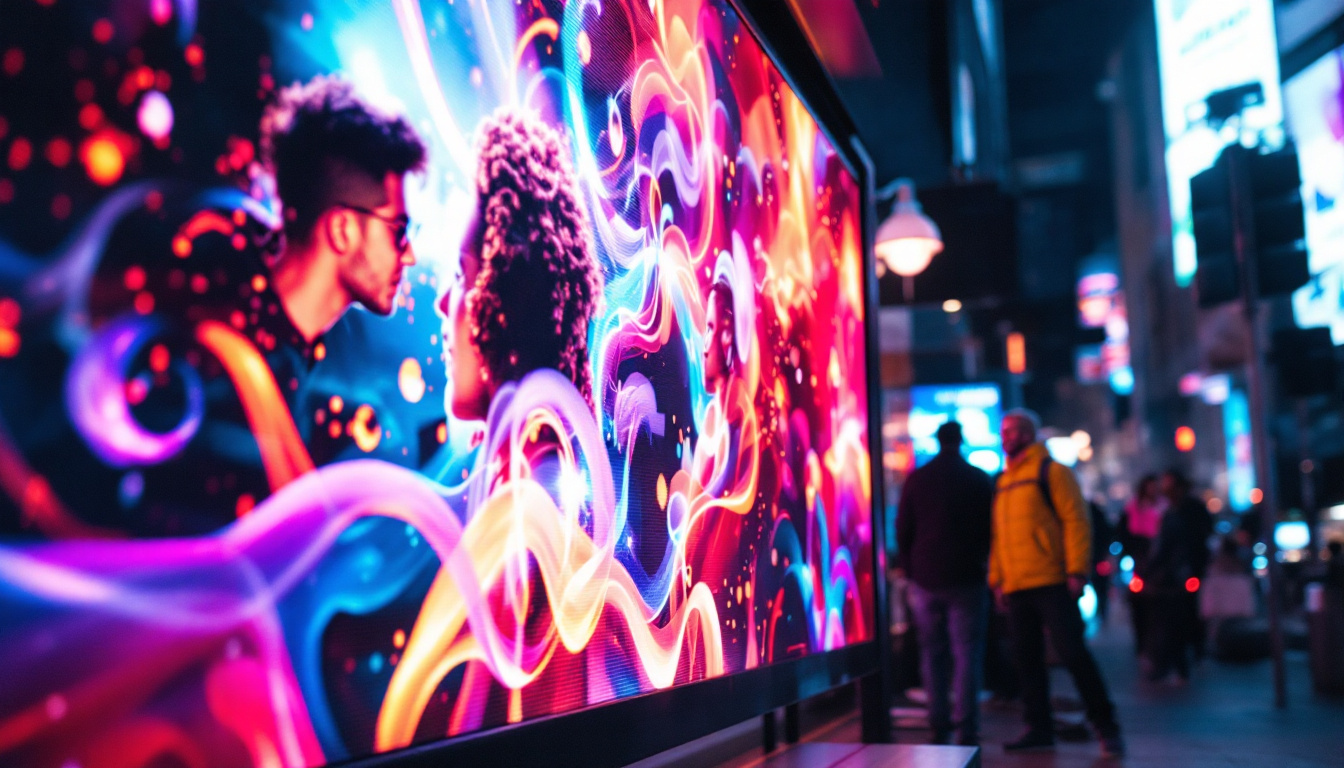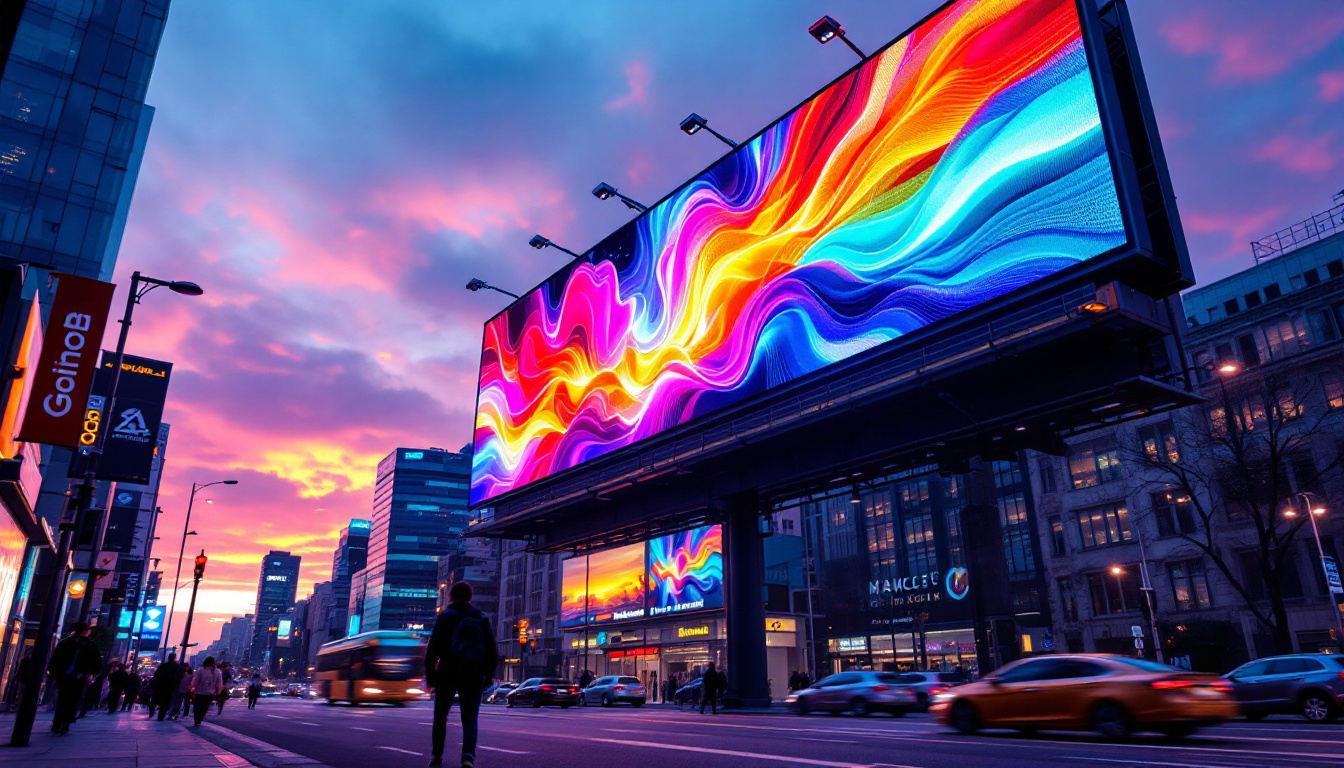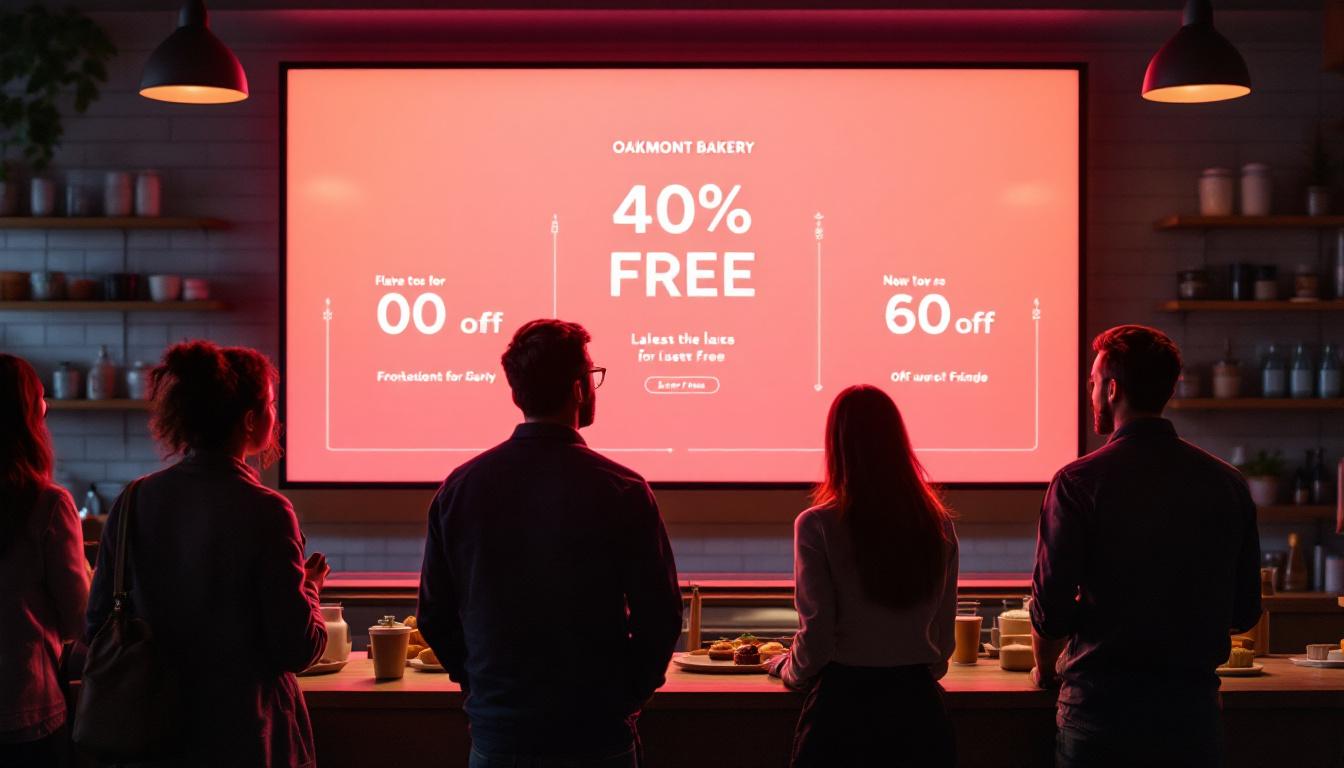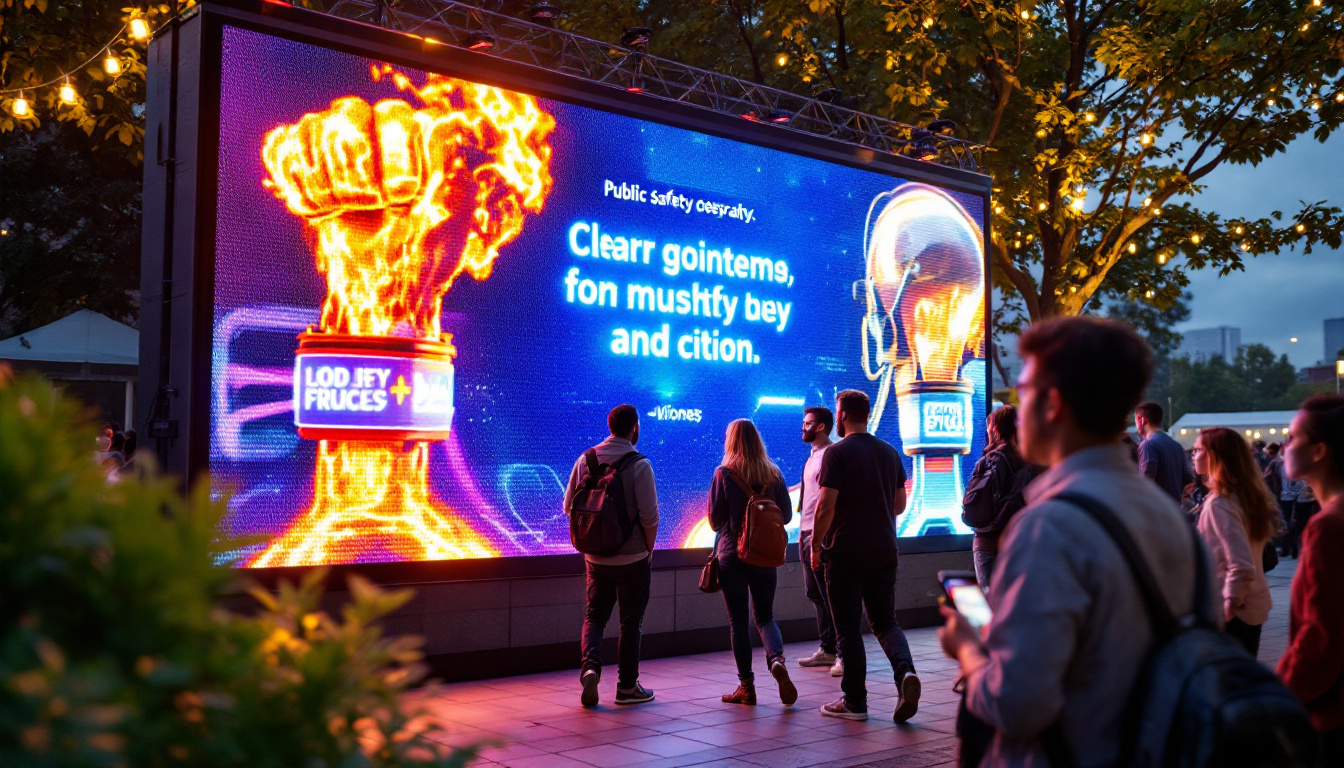
In the dynamic world of visual communication, LED displays have revolutionized how information, advertisements, and art are presented. From towering outdoor billboards to sleek indoor video walls, LED technology offers unparalleled brightness, flexibility, and impact. For wall designers, understanding the intricacies of LED displays is essential to creating immersive environments that captivate audiences and elevate spaces.
What Is an LED Display?
LED stands for Light Emitting Diode, a semiconductor device that emits light when an electric current passes through it. An LED display is a flat panel that uses an array of these tiny diodes to produce images and videos. Unlike traditional LCD or projection screens, LED displays are self-illuminating, meaning each pixel generates its own light, resulting in vivid colors and exceptional contrast. This self-illuminating property not only enhances the visual experience but also allows for thinner and lighter designs, making LED displays an increasingly popular choice for various applications, from advertising to entertainment.
LED displays come in various forms, including:
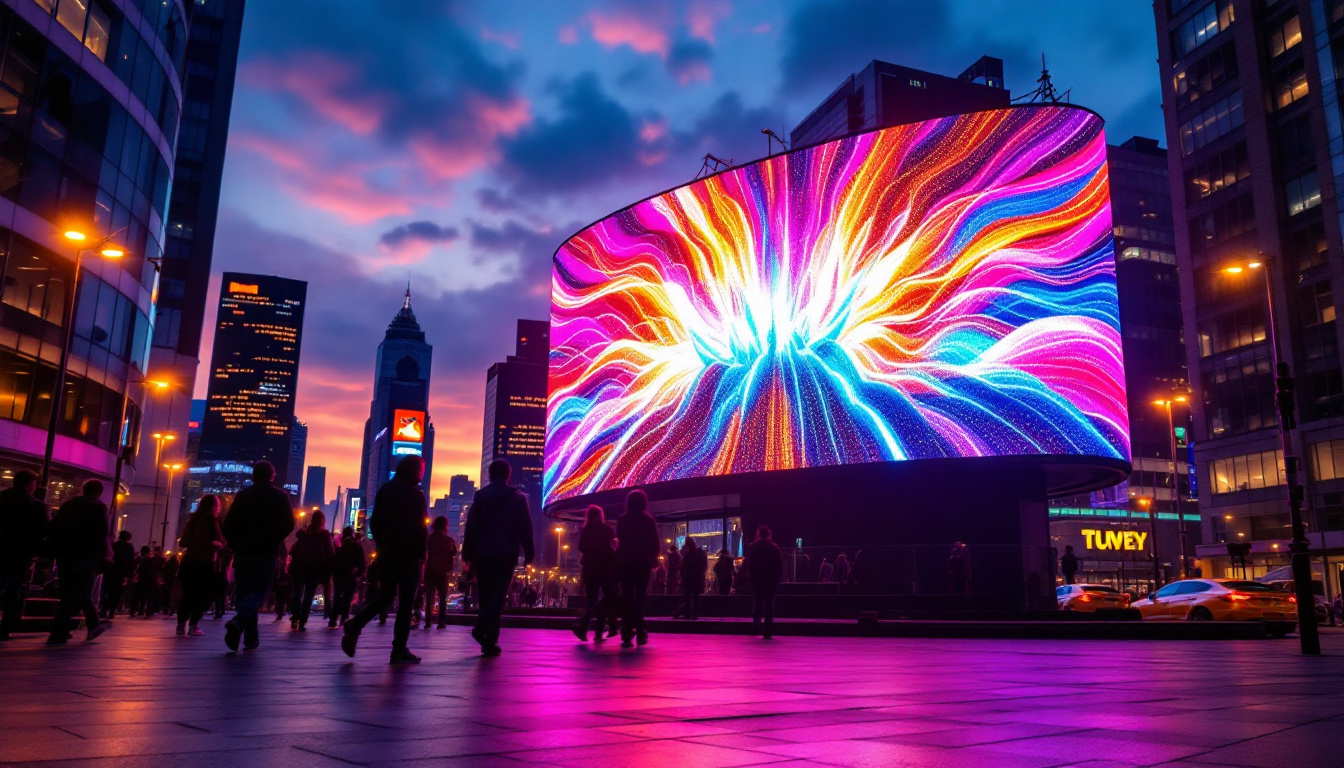
- Outdoor LED displays: Designed to withstand weather conditions and deliver high brightness for visibility in direct sunlight.
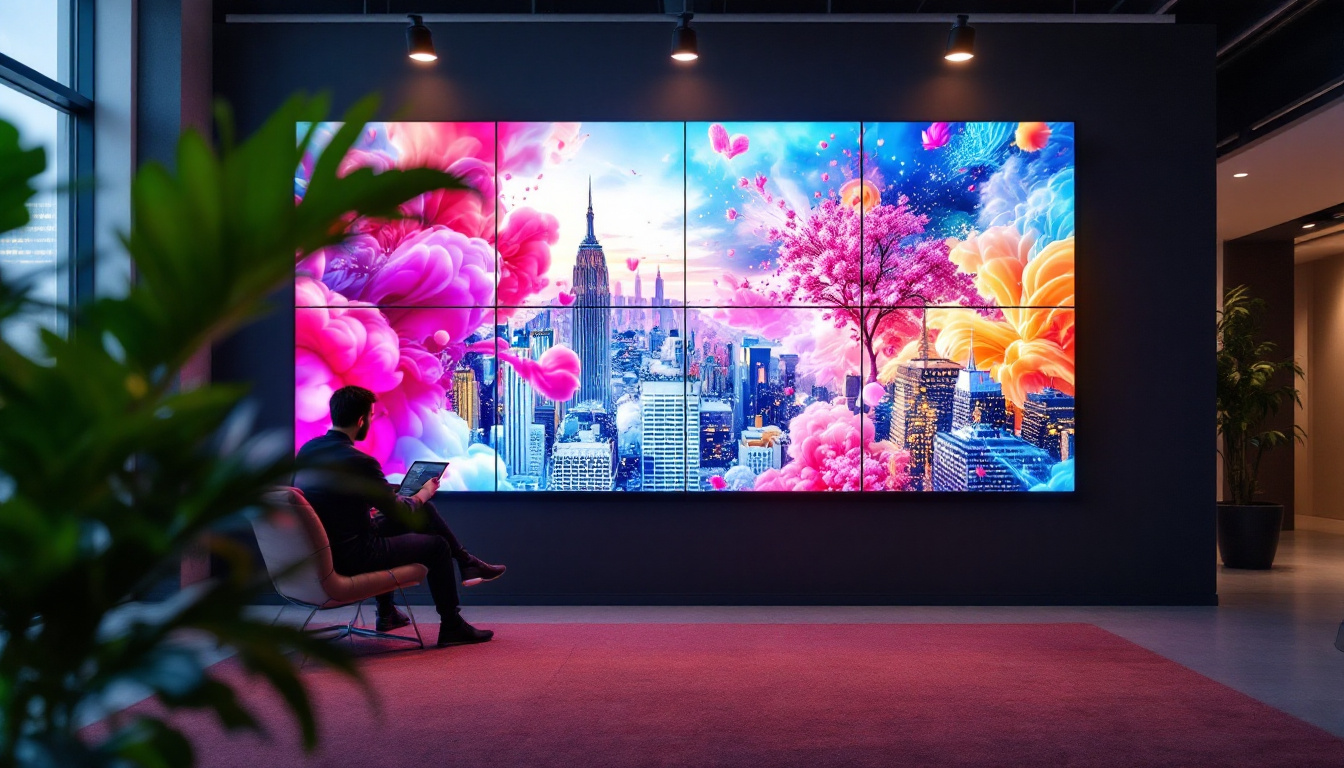
- Indoor LED displays: Optimized for controlled lighting environments with higher pixel density for sharper images.
- Flexible and transparent LED panels: Innovative designs allowing curved walls or see-through installations.
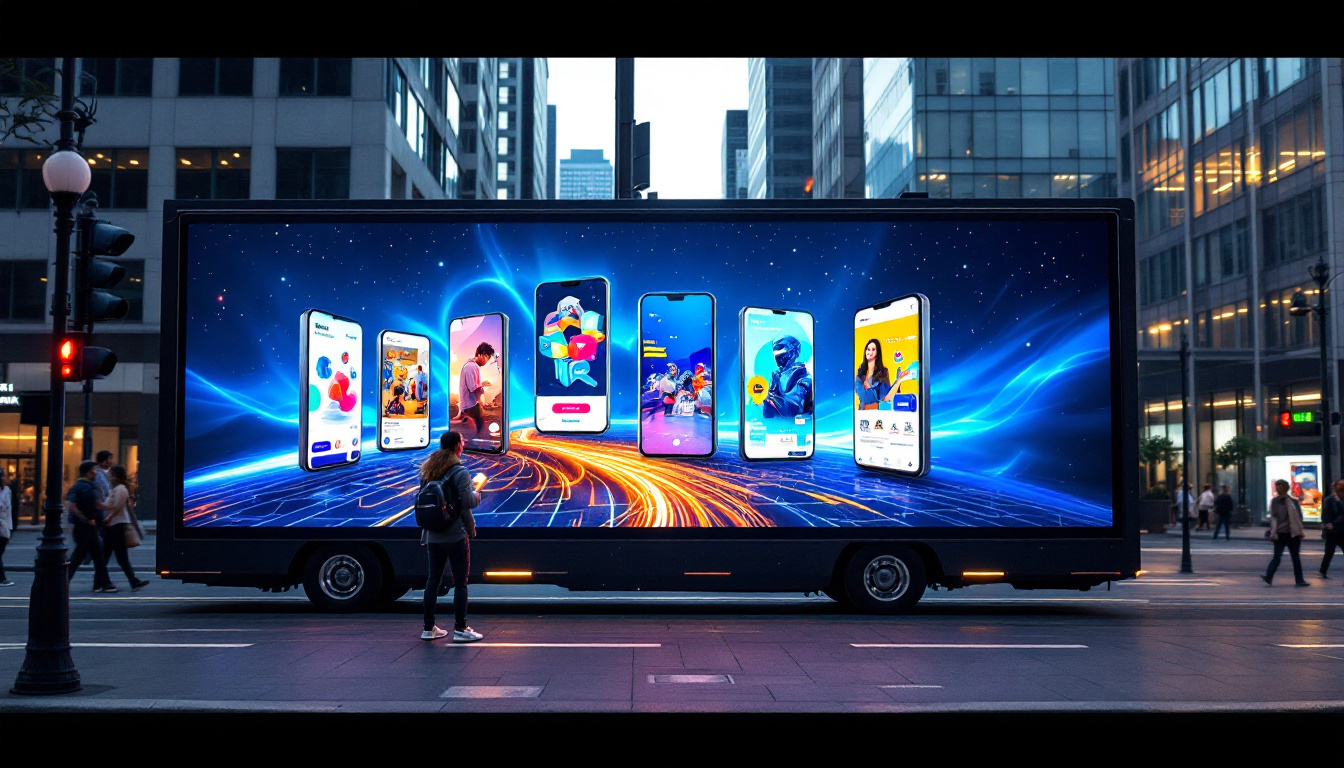
These diverse forms of LED displays cater to a wide range of industries, including retail, transportation, and sports, where dynamic visuals can significantly enhance viewer engagement. For instance, outdoor LED displays are often used for billboards and stadium screens, capturing the attention of passersby with their bright, eye-catching graphics. Meanwhile, indoor displays are frequently utilized in conference rooms and shopping malls, providing clear and detailed visuals that can be easily viewed from various angles.
The Core Components of LED Displays
To appreciate how LED displays function, it’s important to understand their core components:
- LED Modules: These are the building blocks of the display, each containing multiple LEDs arranged in a grid.
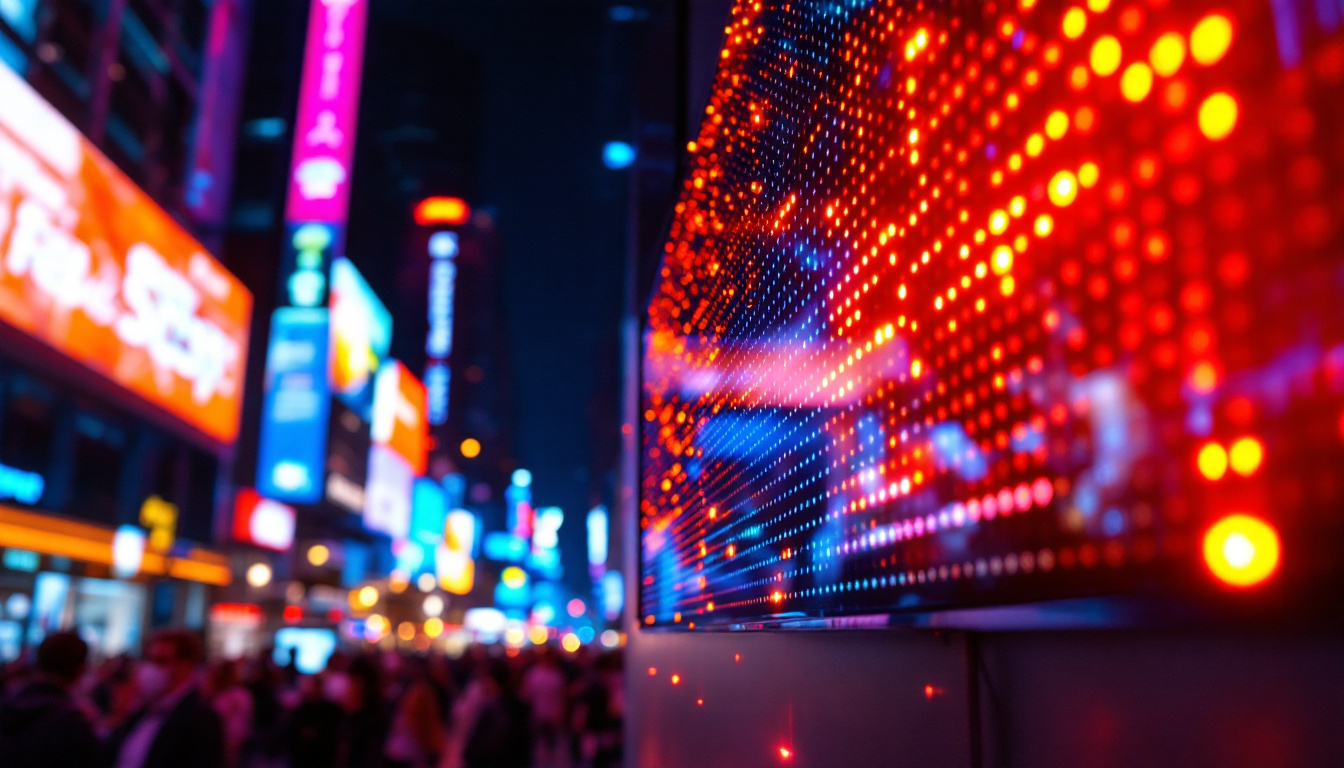
- Pixel Pitch: The distance between the centers of two adjacent pixels, typically measured in millimeters. The smaller the pixel pitch, the higher the resolution.
- Controller and Processor: These manage the input signals and control the display output, ensuring smooth and accurate image rendering.
- Power Supply: LED displays require stable power sources to maintain brightness and color consistency.
Understanding these components is crucial for anyone looking to invest in LED technology. For instance, the pixel pitch plays a vital role in determining the display’s clarity and detail; a smaller pixel pitch is ideal for close viewing distances, such as in retail environments where customers are likely to be just a few feet away. Additionally, advancements in LED technology have led to the development of energy-efficient power supplies, which not only reduce operational costs but also contribute to a greener environment by minimizing energy consumption. As technology continues to evolve, LED displays are becoming more sophisticated, incorporating features like smart connectivity and interactive capabilities that further enhance their functionality.
Why LED Displays Are Ideal for Wall Designers
Wall designers seek solutions that not only enhance aesthetics but also engage viewers effectively. LED displays offer several advantages that make them the preferred choice for modern wall installations.
Unmatched Brightness and Visibility
One of the standout features of LED displays is their brightness. Outdoor LED screens can reach brightness levels of over 5,000 nits, making them visible even under direct sunlight. Indoor displays, while less bright, still outperform LCD screens with their vibrant colors and clarity. This brightness ensures that content remains legible and eye-catching in various lighting conditions. Furthermore, the high contrast ratio of LED displays enhances the depth of colors, making images and videos pop, which is particularly beneficial for advertising and promotional content. This capability not only draws attention but also helps in conveying messages more effectively, ensuring that viewers are engaged and informed.
Customization and Scalability
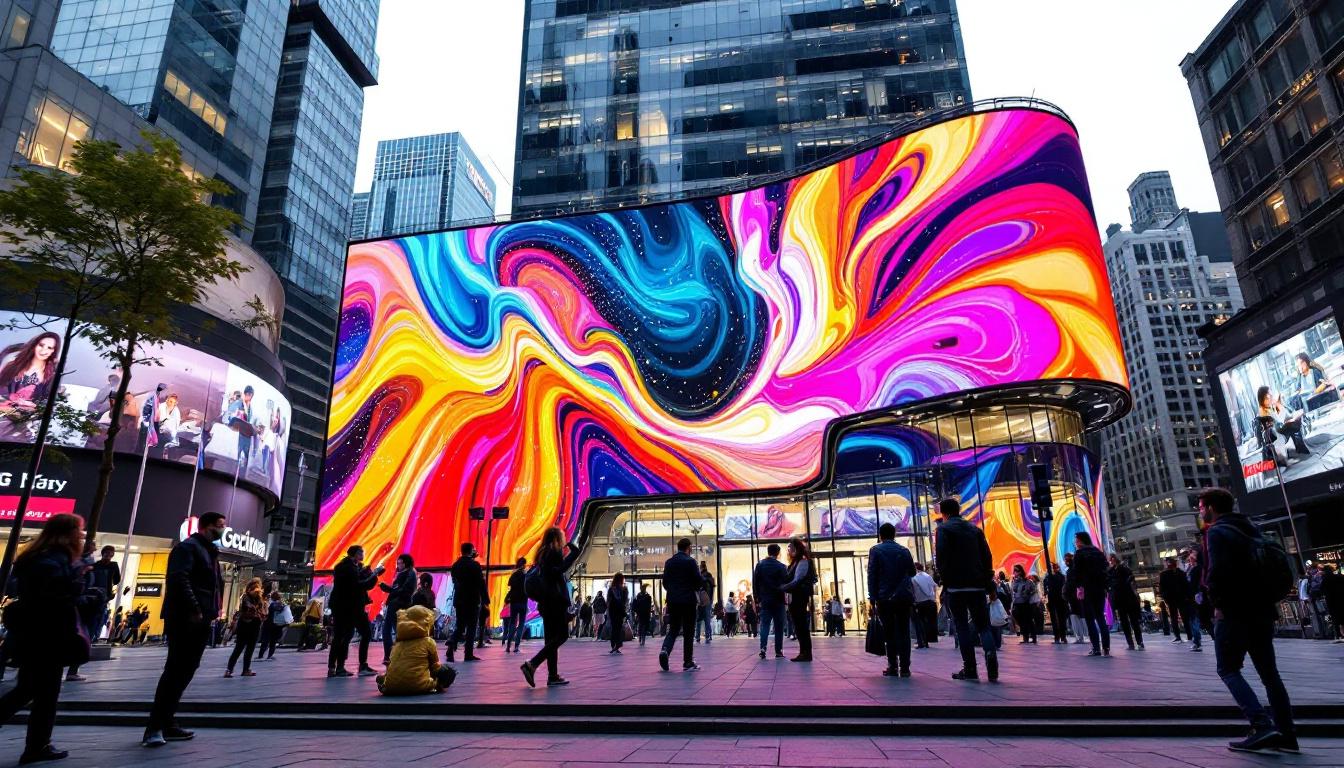
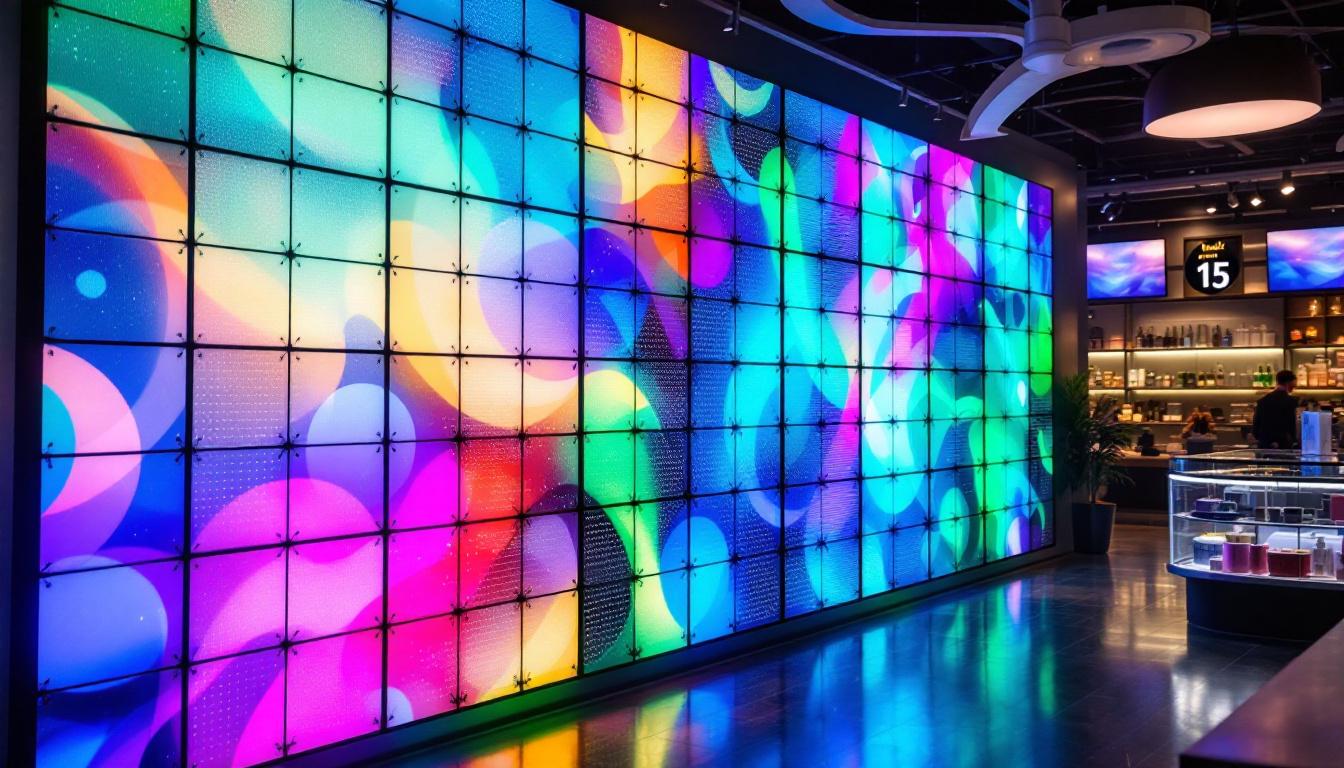
LED panels are modular, allowing designers to create walls of virtually any size and shape. Whether it’s a massive billboard or a curved video wall inside a corporate lobby, LED technology adapts seamlessly. This scalability is crucial for designers who want to push creative boundaries and tailor installations to unique architectural features. Additionally, the flexibility of LED displays allows for dynamic content that can be changed in real-time, enabling designers to curate experiences that resonate with different audiences at various times. This adaptability is especially useful in environments like museums or galleries, where exhibitions may change frequently, allowing for a fresh and engaging visitor experience with minimal effort.
Energy Efficiency and Longevity
Compared to other display technologies, LEDs consume less power and have longer lifespans, often exceeding 100,000 hours of operation. This translates to lower maintenance costs and reduced environmental impact, aligning with sustainable design principles increasingly valued in the industry. Moreover, the reduced heat output of LED displays contributes to lower cooling costs in large installations, further enhancing their energy efficiency. As sustainability becomes a priority for many organizations, the use of LED technology not only supports eco-friendly initiatives but also positions brands as forward-thinking and responsible, appealing to environmentally conscious consumers. Additionally, the ability to integrate smart technology into LED displays allows for automated brightness adjustments based on ambient light, optimizing energy use without sacrificing visual quality.
Key Technical Considerations for Wall Designers
Designing with LED displays requires a solid grasp of technical factors that influence performance and user experience. Here are some critical aspects to consider:
Pixel Pitch and Viewing Distance
Pixel pitch directly affects image resolution and clarity. A smaller pixel pitch means more pixels per square meter, resulting in sharper images. However, smaller pixel pitches come at a higher cost and are generally suited for close viewing distances.
For example, a pixel pitch of 1.5mm is ideal for indoor environments where viewers are close to the screen, such as retail stores or control rooms. Conversely, outdoor billboards often use pixel pitches ranging from 10mm to 20mm, as viewers are typically farther away.
Refresh Rate and Color Accuracy
Refresh rate, measured in hertz (Hz), indicates how many times per second the display updates its image. Higher refresh rates (above 1,000 Hz) reduce flickering and improve the smoothness of motion, which is especially important for video content and live broadcasts.
Color accuracy is another crucial factor. Advanced LED displays support a wide color gamut and high bit-depth, enabling vibrant, true-to-life images that enhance viewer engagement.
Installation Environment and Durability
Environmental conditions dictate the choice of LED display. Outdoor installations require weatherproof and dust-resistant enclosures with appropriate IP (Ingress Protection) ratings, typically IP65 or higher. Indoor displays prioritize slim profiles and heat dissipation to blend seamlessly with interior design.
Additionally, structural support and ventilation are vital to ensure the longevity and safety of large LED walls.
Applications of LED Displays in Wall Design
LED displays have transformed numerous sectors by enabling dynamic and interactive visual experiences. Here are some prominent applications where wall designers leverage LED technology:
Retail and Advertising
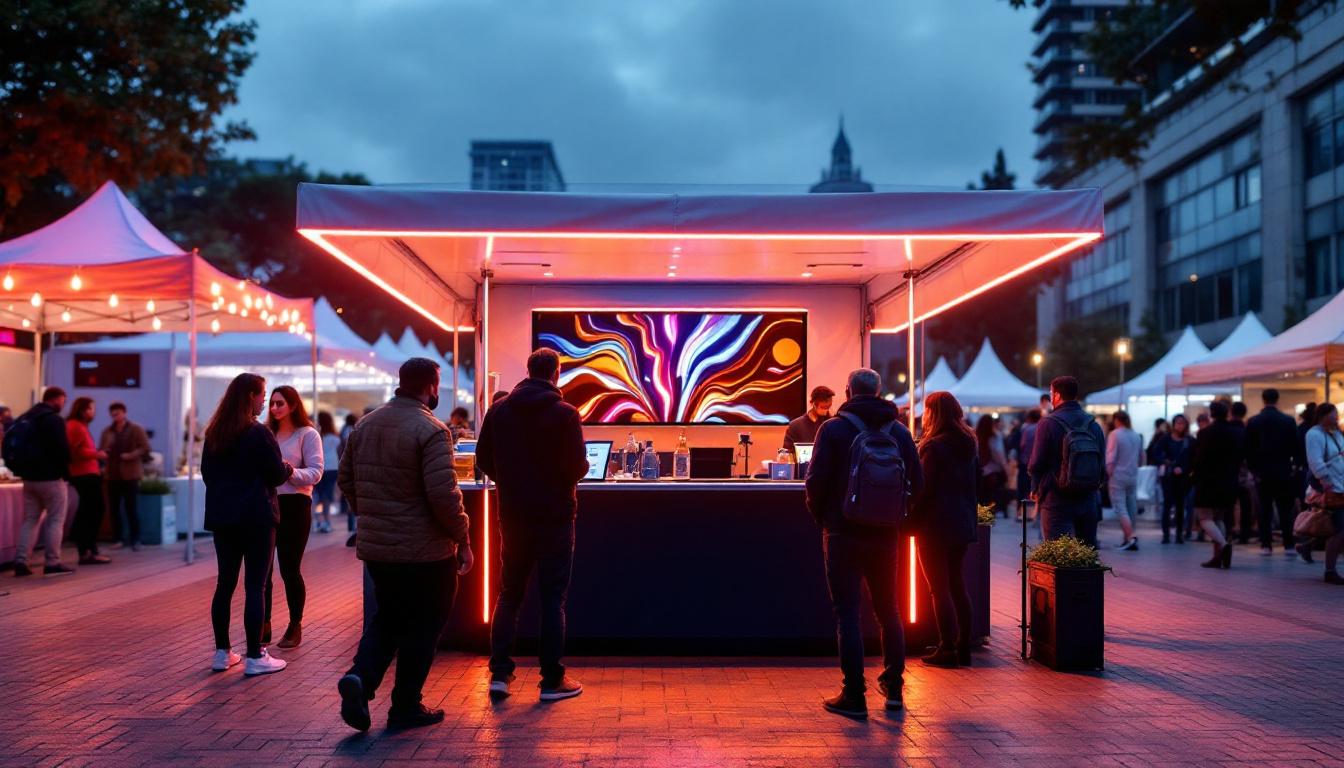
Retail environments use LED walls to create immersive brand experiences and highlight promotions. High-resolution indoor LED displays attract customers’ attention and can be updated in real-time to reflect changing campaigns. Outdoor LED billboards dominate urban landscapes, delivering impactful advertisements visible from great distances.
Corporate and Public Spaces
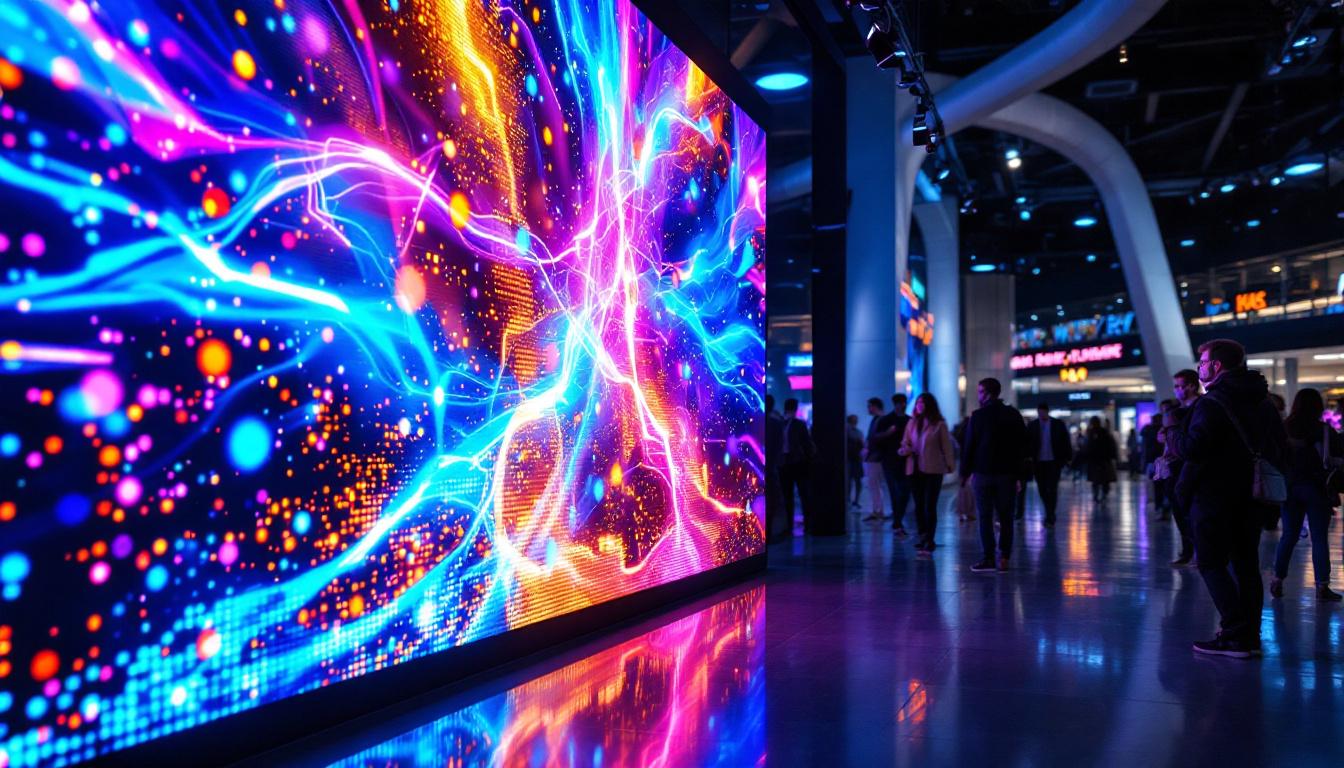
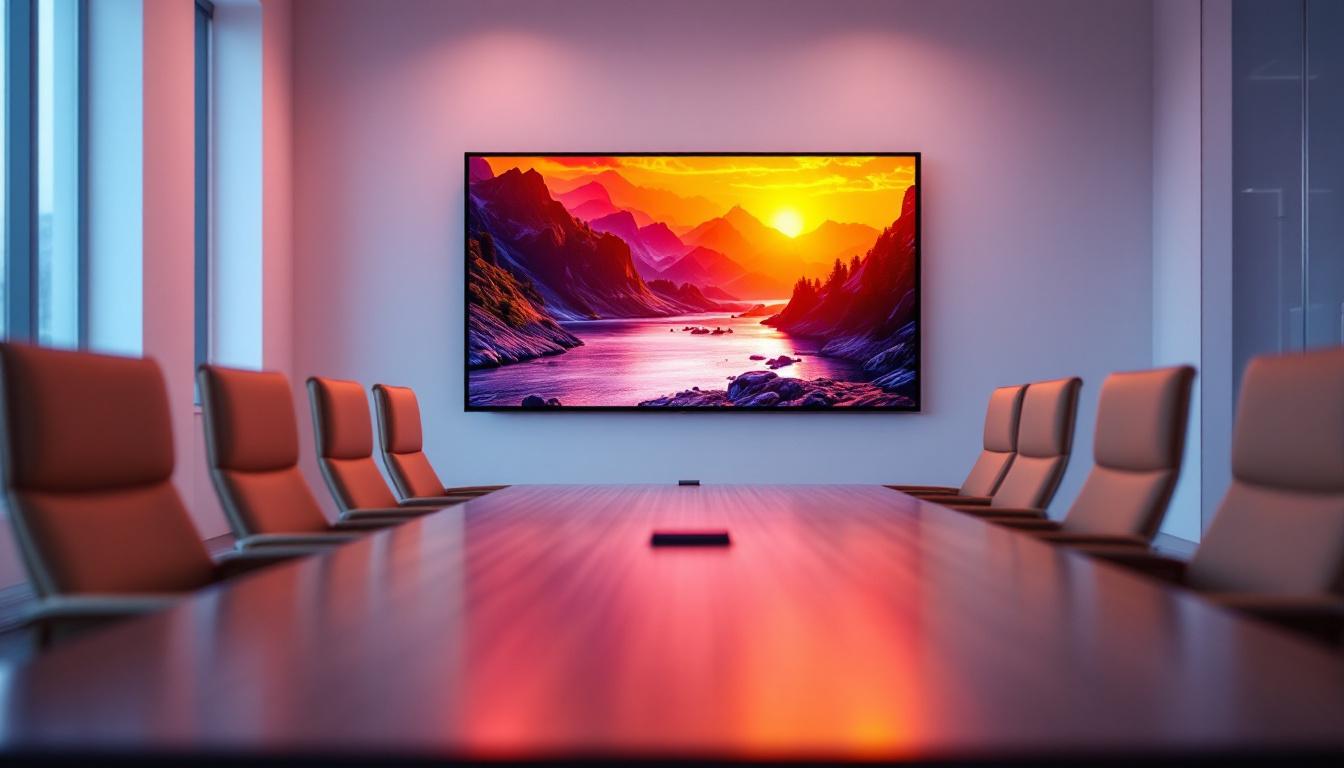
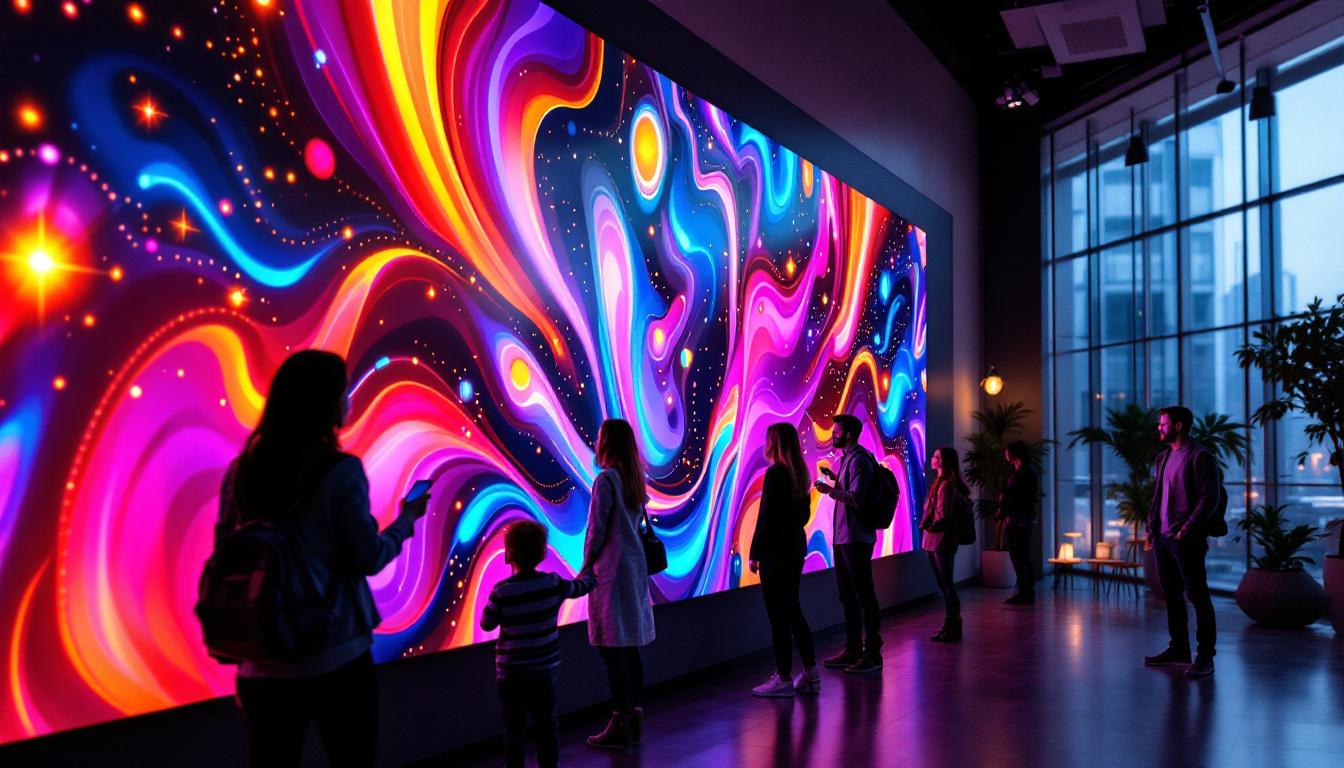
In corporate lobbies, LED video walls serve as digital canvases for branding, information, and art. Airports, train stations, and stadiums employ large LED displays for wayfinding, announcements, and entertainment, enhancing visitor experience and operational efficiency.
Entertainment and Events
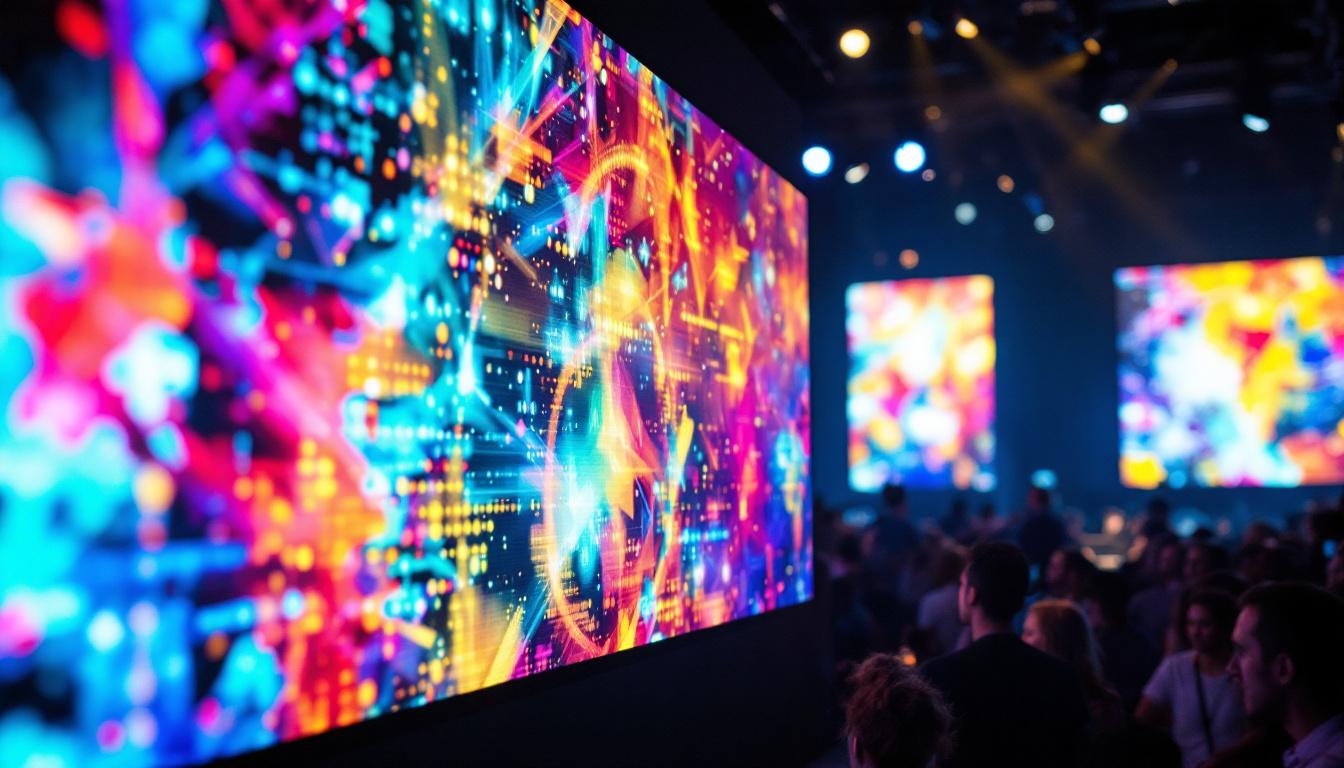
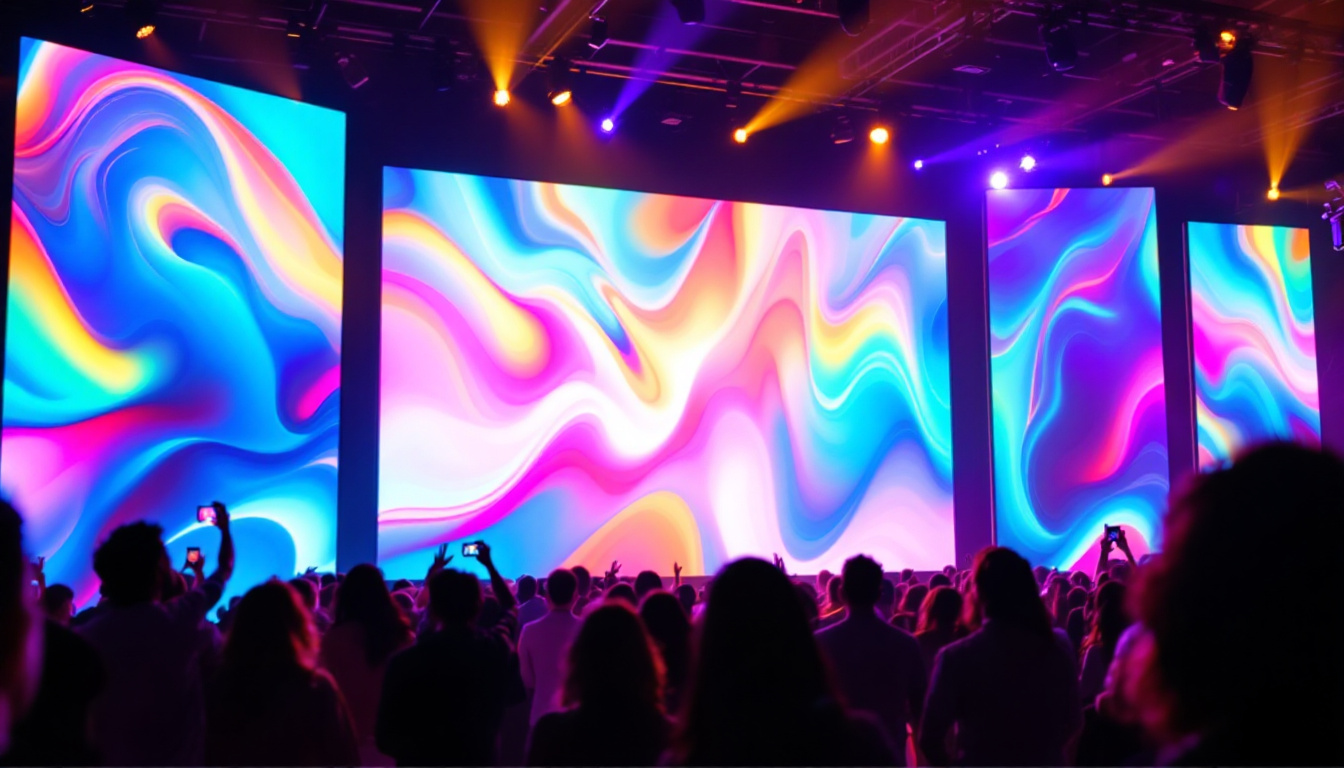
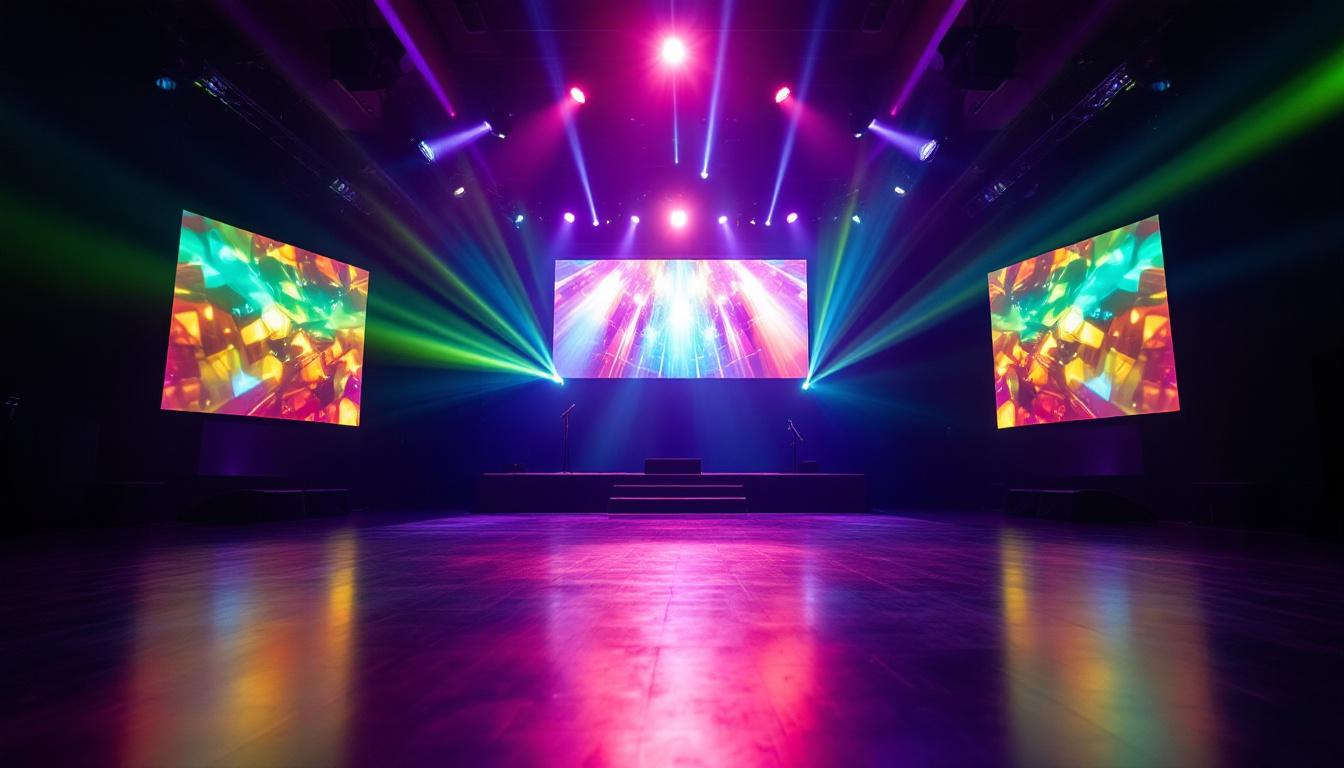
Concerts, theaters, and exhibitions utilize LED walls to create stunning backdrops and interactive environments. The flexibility of LED panels allows for creative stage designs, immersive storytelling, and real-time audience engagement.
Emerging Trends in LED Wall Design
The LED display industry continues to innovate, offering new possibilities for wall designers to explore.
MicroLED and MiniLED Technologies
MicroLED and MiniLED represent the next generation of LED technology, featuring even smaller diodes and improved performance. MicroLED walls deliver exceptional brightness, contrast, and energy efficiency while enabling ultra-thin, flexible displays. These advancements promise to redefine the boundaries of visual design in the coming years.
Interactive and Smart LED Walls
Integration with sensors and AI enables LED walls to respond to environmental cues and user interactions. Touch-sensitive LED panels, motion tracking, and content personalization are becoming increasingly common, creating engaging and adaptive spaces.
Eco-Friendly and Sustainable Solutions
Manufacturers are focusing on reducing the environmental footprint of LED displays through recyclable materials, energy-efficient components, and improved manufacturing processes. Designers are also prioritizing sustainable installation practices, aligning with global efforts toward greener building standards.
Challenges and Best Practices for Wall Designers
While LED displays offer remarkable benefits, designers must navigate certain challenges to ensure successful projects.
Balancing Cost and Quality
High-quality LED displays can be expensive, especially for fine-pitch indoor applications. Designers should carefully assess project requirements, viewing distances, and content types to select the most cost-effective solution without compromising visual impact.
Ensuring Seamless Integration
Integrating LED walls into existing architectural elements requires precise planning. Considerations include mounting structures, cable management, ventilation, and accessibility for maintenance. Collaborating with engineers and installers early in the design process is crucial.
Content Strategy and Management
The effectiveness of an LED wall depends heavily on the content displayed. Designers should work closely with content creators and use advanced management software to schedule, update, and optimize visuals. Dynamic content that leverages the strengths of LED technology will maximize audience engagement.
Conclusion
LED displays have become indispensable tools for wall designers seeking to create visually compelling and versatile environments. Their brightness, scalability, and adaptability open up endless creative possibilities across industries. By understanding the technical aspects, applications, and emerging trends, designers can harness LED technology to craft immersive experiences that resonate with audiences and stand the test of time.
As LED technology continues to evolve, staying informed and embracing innovation will be key for wall designers aiming to lead in this vibrant and rapidly advancing field.
Illuminate Your Space with LumenMatrix
Ready to elevate your wall designs with the brilliance of LED technology? Discover LumenMatrix’s comprehensive range of LED display solutions tailored to bring your creative visions to life. From vibrant Indoor LED Wall Displays to robust Outdoor LED Wall Displays, and from dynamic Vehicle LED Displays to sleek LED Poster Displays, LumenMatrix is at the forefront of innovation. Our mission is to transform your visual communication with displays that not only captivate audiences but also amplify your message with unparalleled clarity. Check out LumenMatrix LED Display Solutions today and step into the future of immersive design.