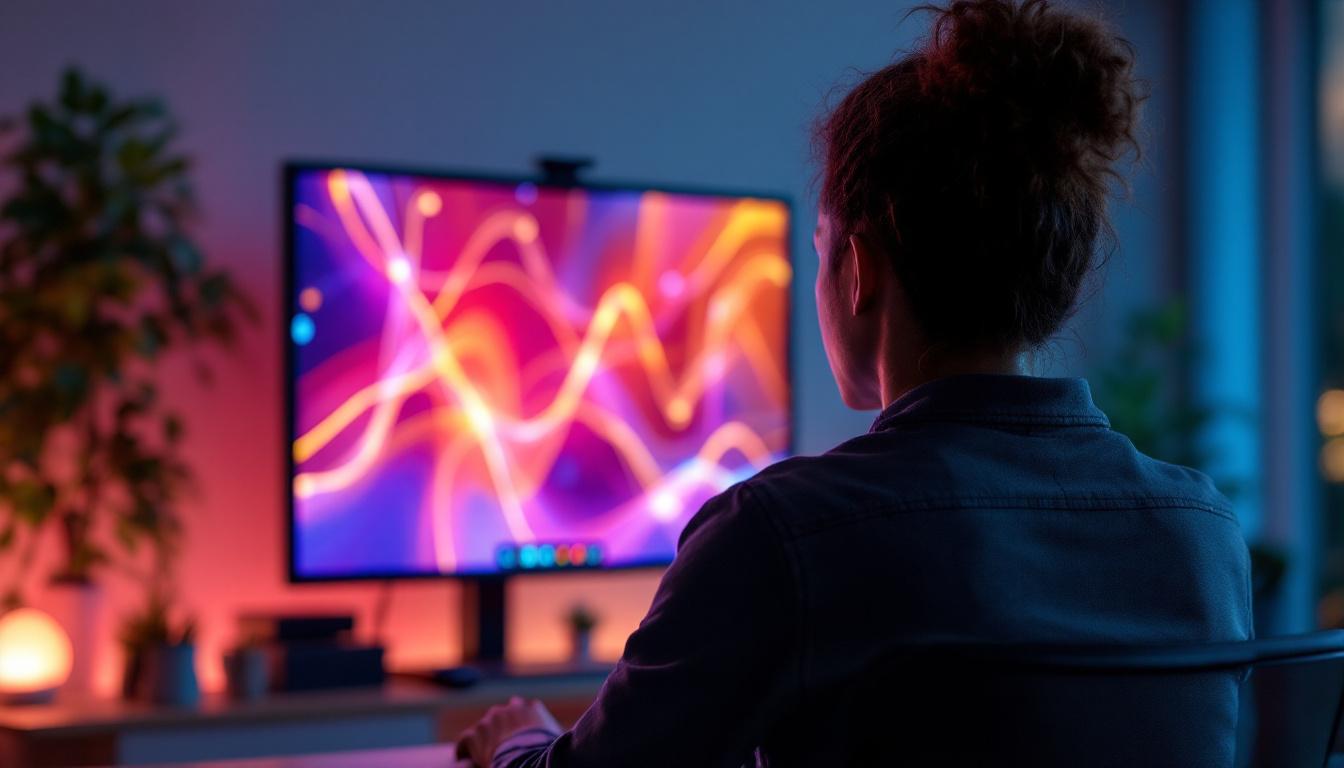
In today’s increasingly digital world, video conferencing has become a staple of professional communication. Whether it’s for remote team meetings, client presentations, or virtual events, the visual environment behind the speaker plays a crucial role in shaping impressions and maintaining engagement. Among the various options available, LED displays as video conference backdrops are rapidly gaining popularity for their versatility, professionalism, and technological sophistication. This article explores the ins and outs of LED display backdrops, helping businesses and professionals understand why they might be the ideal choice for elevating their video conferencing experience.
The Importance of a Professional Video Conference Backdrop
First impressions matter, especially in virtual settings where visual cues are limited. The backdrop in a video conference can significantly influence how participants perceive the speaker’s professionalism, credibility, and attention to detail. A cluttered or distracting background can detract from the message, while a well-designed backdrop can enhance focus and reinforce brand identity.
According to a 2023 survey by Wainhouse Research, over 70% of remote workers reported that a professional background positively impacted their confidence and communication effectiveness during video calls. This statistic underscores the growing awareness of backdrop importance in virtual meetings.
Traditional options such as plain walls, bookshelves, or printed banners have served well but come with limitations. They lack flexibility and can sometimes appear outdated or unpolished. This is where LED display backdrops come into play, offering dynamic and customizable solutions that adapt to various meeting contexts.
What is an LED Display Backdrop?
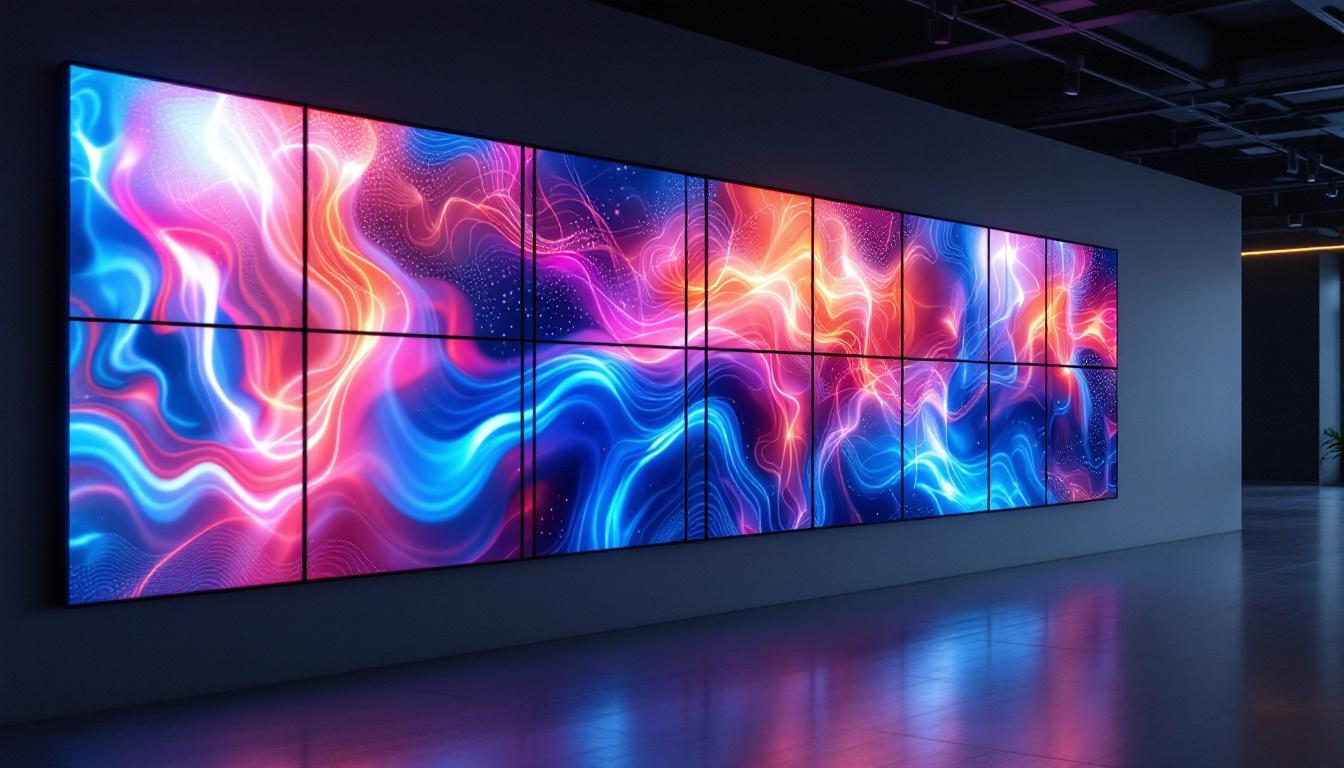
An LED display backdrop is a large screen composed of light-emitting diodes (LEDs) arranged in a grid to create high-resolution images and videos. These screens can be configured as a seamless wall behind the speaker, displaying anything from static images and brand logos to animated graphics and live data feeds.
Unlike traditional LCD monitors or projector screens, LED displays provide superior brightness, color accuracy, and viewing angles. This makes them particularly effective in environments with varying lighting conditions, ensuring that the backdrop remains vivid and clear throughout the video conference.
Key Features of LED Display Backdrops
- High Brightness and Contrast: LEDs emit their own light, resulting in bright and vibrant visuals even in well-lit rooms.
- Customizable Content: Easily change images, videos, or animations to suit different meetings or branding needs.
- Seamless Design: Modular panels can be assembled to create large, uninterrupted displays without visible bezels.
- Energy Efficiency: Modern LED technology consumes less power compared to other display types.
- Durability: LEDs have a long lifespan and are resistant to burn-in, making them a reliable investment.
Benefits of Using LED Displays as Video Conference Backdrops
Integrating an LED display as a video conference backdrop offers numerous advantages that can enhance both the speaker’s presence and the overall meeting experience.
1. Enhanced Visual Appeal and Brand Consistency
LED backdrops allow companies to showcase their logos, brand colors, and messaging dynamically. This not only reinforces brand identity but also creates a polished and professional atmosphere. For example, during product launches or investor meetings, the backdrop can be tailored to highlight key visuals or data points, making the presentation more impactful.
2. Flexibility and Real-Time Updates
Unlike static backgrounds, LED displays can be updated instantly. This flexibility is invaluable for organizations that conduct various types of meetings or events. Whether it’s switching from a corporate logo to a live news feed or displaying real-time analytics, the content can be controlled remotely and changed on the fly.
3. Improved Lighting and Image Quality
One common challenge in video conferencing is achieving balanced lighting. LED backdrops emit their own light, which can complement room lighting and reduce shadows on the speaker’s face. This results in a clearer, more professional video feed that enhances communication effectiveness.
4. Space Efficiency and Clean Aesthetic
LED walls can be installed flush against a wall, freeing up space that might otherwise be occupied by physical props or printed banners. Their sleek design contributes to a clean, modern aesthetic that appeals to tech-savvy audiences.
5. Increased Engagement
Dynamic backdrops can capture and maintain viewer attention better than static or cluttered backgrounds. Animated graphics or subtle motion elements can make virtual meetings feel more interactive and engaging, reducing fatigue during long sessions.
Technical Considerations When Choosing an LED Display Backdrop
While LED displays offer many benefits, selecting the right setup requires careful consideration of several technical factors to ensure optimal performance and integration.
Resolution and Pixel Pitch
The resolution of an LED display is determined by its pixel pitch—the distance between individual LEDs. A smaller pixel pitch means higher resolution and sharper images, which is particularly important for close-up video conferencing setups. For typical video conference backdrops, pixel pitches between 1.2mm and 2.5mm are recommended to balance clarity and cost.
Size and Aspect Ratio
The size of the LED backdrop should complement the room dimensions and camera framing. Oversized displays can overwhelm the scene, while undersized ones may appear insignificant. Common aspect ratios such as 16:9 or 4:3 are preferred to match standard camera outputs and video formats.
Brightness and Ambient Light Conditions
Consider the lighting environment where the display will be installed. High ambient light requires brighter screens to maintain visibility. LED displays typically offer brightness levels ranging from 800 to over 2000 nits, with higher nits suitable for well-lit rooms or spaces with natural sunlight.
Connectivity and Content Management
Modern LED backdrops support various input sources including HDMI, DisplayPort, and network streaming. A robust content management system (CMS) is essential for scheduling, updating, and controlling the displayed content efficiently. Cloud-based CMS solutions facilitate remote management, which is ideal for distributed teams.
Installation and Maintenance
LED walls require professional installation to ensure proper alignment, ventilation, and power supply. Maintenance considerations include easy access for repairs and software updates. Choosing a vendor with strong technical support and warranty options is crucial for long-term reliability.
Use Cases and Real-World Examples
LED display backdrops are being adopted across various industries for video conferencing and virtual events. Their versatility makes them suitable for diverse professional settings.
Corporate Headquarters and Boardrooms
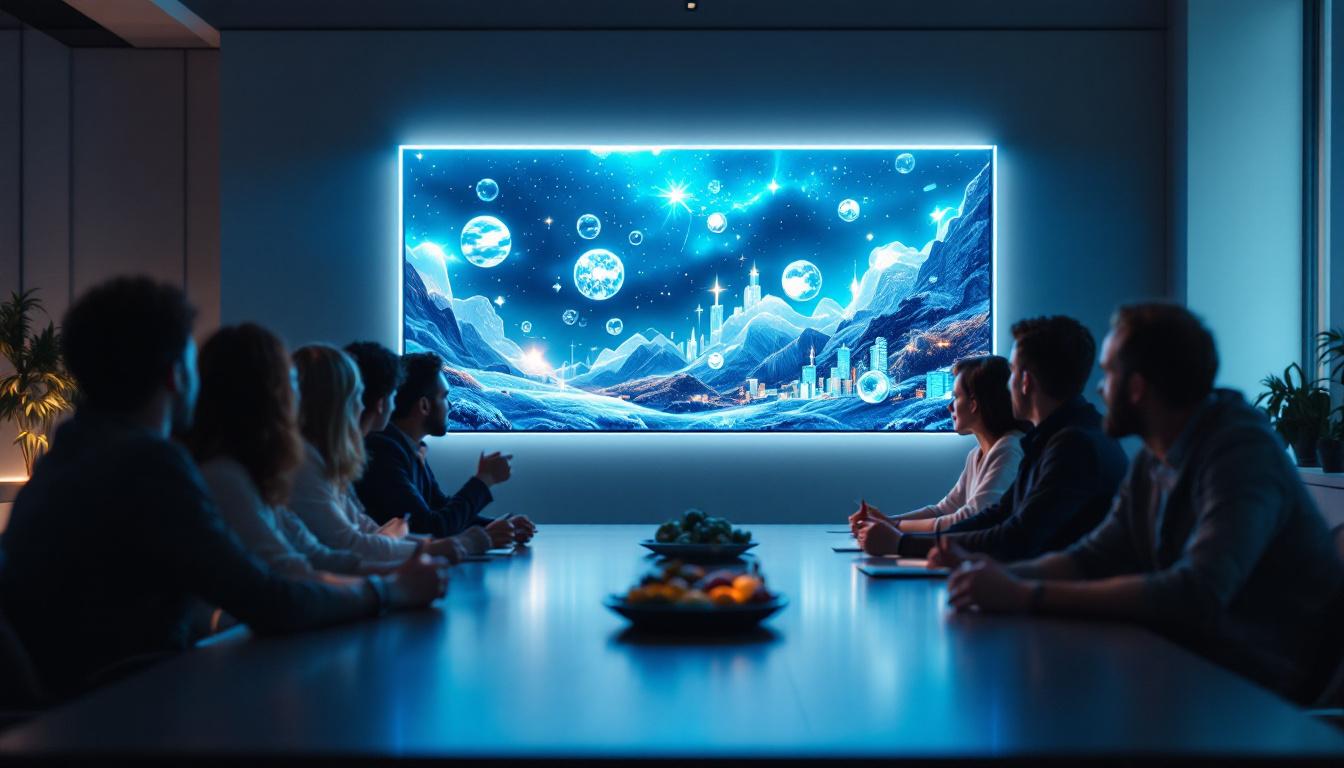
Many Fortune 500 companies have integrated LED walls in their boardrooms to facilitate high-stakes meetings. For instance, a multinational technology firm uses a 4K LED backdrop to display live data dashboards and video feeds during executive briefings, enhancing decision-making processes.
Broadcast Studios and Virtual Events
News channels and event organizers leverage LED displays to create immersive virtual environments. During a recent international tech conference, the keynote speaker stood before a dynamic LED backdrop that switched between branded visuals and live social media feeds, creating an engaging experience for both in-person and remote audiences.
Education and Training
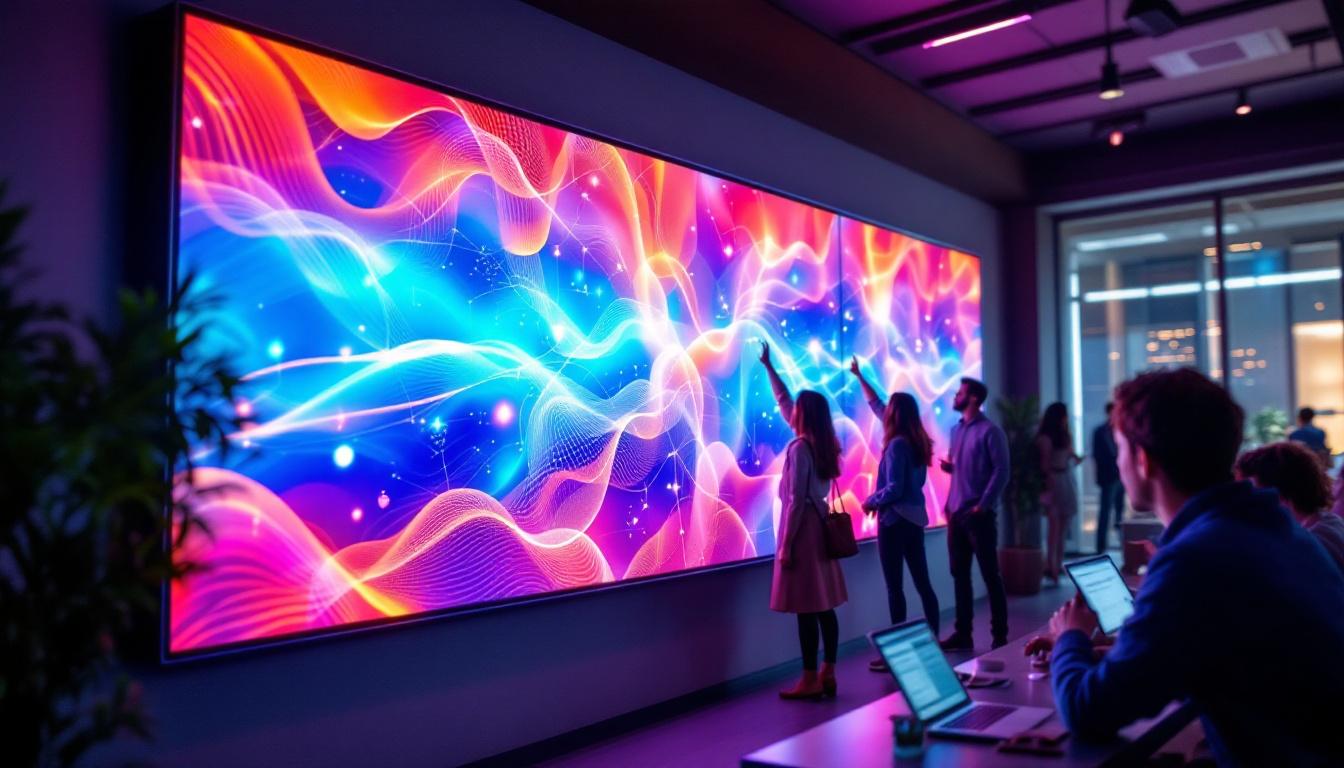
Universities and corporate training centers use LED walls to display interactive content during remote lectures and workshops. The ability to change content quickly helps instructors adapt to different topics and audience needs seamlessly.
Comparing LED Displays to Alternative Backdrop Solutions
While LED displays offer many advantages, it’s important to understand how they compare to other common backdrop options.
Printed Banners and Posters
Printed backdrops are cost-effective and simple but lack flexibility. They can fade over time and may appear less vibrant on camera. LED displays eliminate these issues by providing bright, changeable visuals.
Green Screens and Virtual Backgrounds
Green screens allow for digital backgrounds but require proper lighting and post-production skills. They can sometimes cause visual artifacts or unnatural edges around the speaker. LED backdrops provide a physical background that looks natural on camera without additional processing.
Projector Screens
Projectors can create large images but often suffer from lower brightness and contrast, especially in well-lit rooms. They also require more space and can be affected by ambient light, making LED displays a more reliable choice.
Cost Considerations and Return on Investment
Investing in an LED display backdrop involves higher upfront costs compared to traditional options. Prices vary depending on size, resolution, and features, typically ranging from $5,000 to over $50,000 for large, high-end installations.
However, the return on investment can be substantial. Enhanced professionalism can lead to stronger client relationships, better employee engagement, and more effective communication. Additionally, the ability to repurpose the backdrop for multiple uses—such as events, presentations, and branding—maximizes its value.
Leasing options and modular systems also provide flexible financial approaches, allowing organizations to scale their investment according to needs and budget.
Future Trends in Video Conference Backdrops and LED Technology
The evolution of LED technology and virtual communication continues to open new possibilities for video conference backdrops.
MicroLED and MiniLED Innovations
Emerging MicroLED and MiniLED technologies promise even higher resolution, better color accuracy, and thinner, lighter displays. These advancements will make LED backdrops more accessible and visually impressive.
Integration with Augmented Reality (AR)
Future LED backdrops may integrate with AR systems to create interactive environments, blending physical and virtual elements seamlessly for immersive meeting experiences.
AI-Driven Content Customization
Artificial intelligence could enable automatic adjustment of backdrop content based on meeting context, participant profiles, or real-time engagement metrics, further enhancing communication effectiveness.
Conclusion
LED display backdrops represent a cutting-edge solution for professionals seeking to elevate their video conferencing presence. Their vibrant visuals, flexibility, and professional appeal make them a compelling choice for businesses aiming to make a strong impression in virtual environments. While the initial investment may be significant, the benefits in terms of brand reinforcement, engagement, and communication clarity are substantial.
As technology continues to advance, LED backdrops will likely become more affordable and feature-rich, solidifying their role as an essential tool in the future of remote communication. For organizations committed to excellence in virtual interaction, understanding and adopting LED display backdrops is a strategic move that can yield lasting dividends.
Discover LumenMatrix LED Display Solutions
Ready to transform your video conferencing backdrop into a dynamic, engaging, and brand-enhancing environment? Explore LumenMatrix’s comprehensive range of LED display solutions, from Indoor and Outdoor LED Wall Displays to innovative options like Vehicle LED Displays and LED Transparent Displays. Elevate your virtual presence and captivate your audience with our cutting-edge technology. Check out LumenMatrix LED Display Solutions today and step into the future of visual communication.