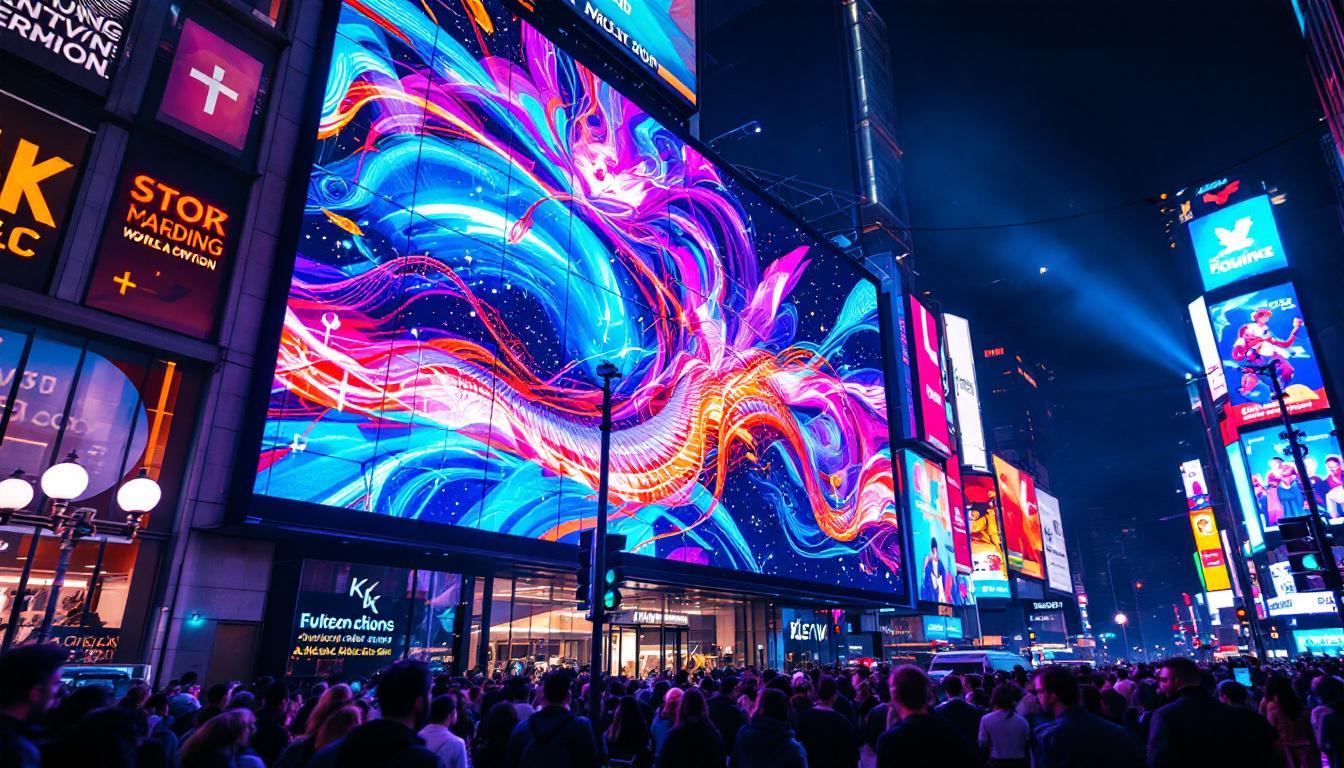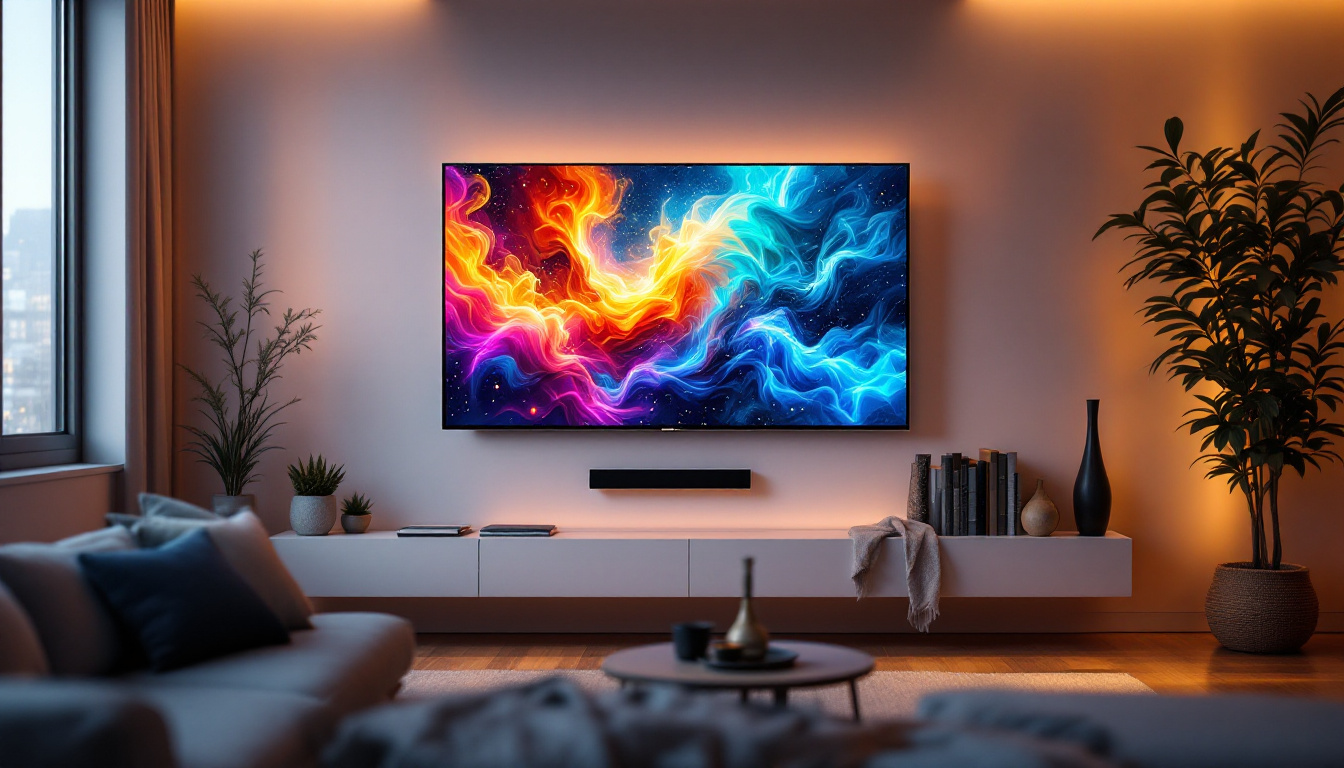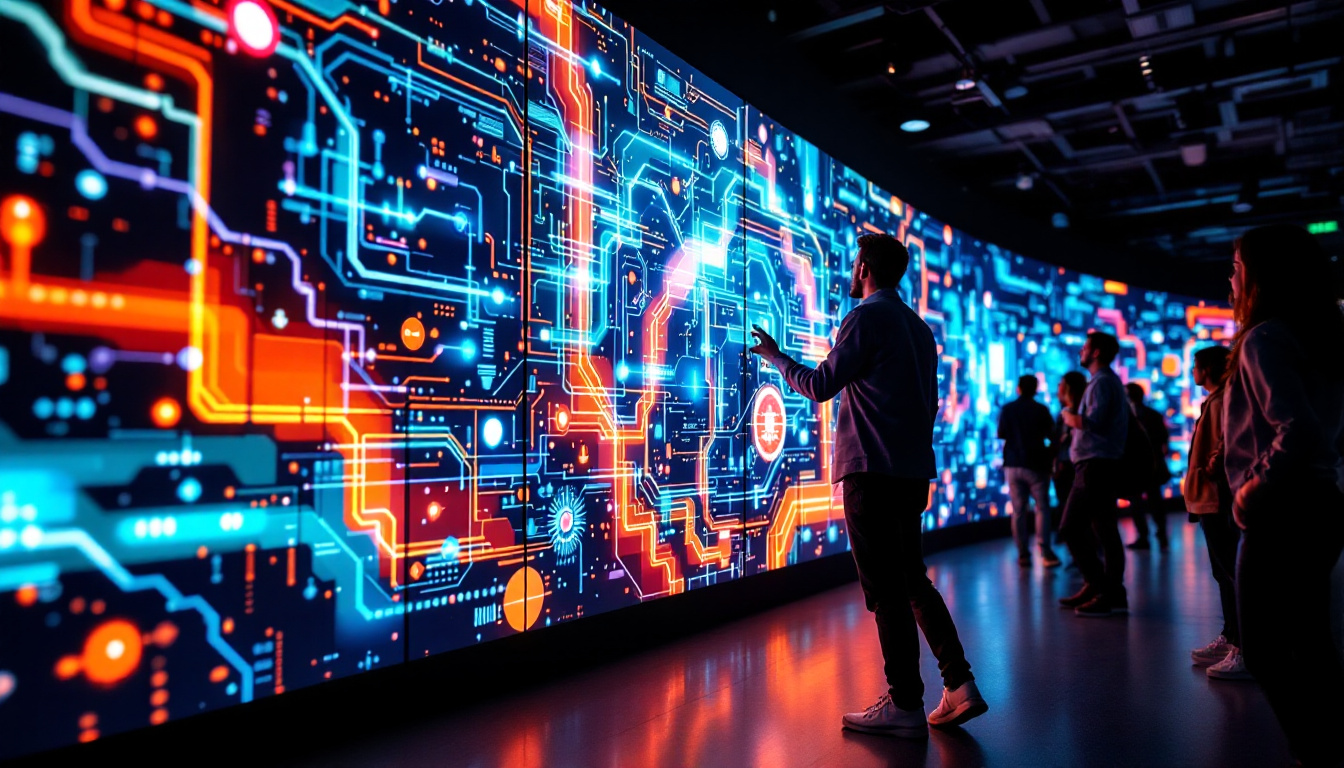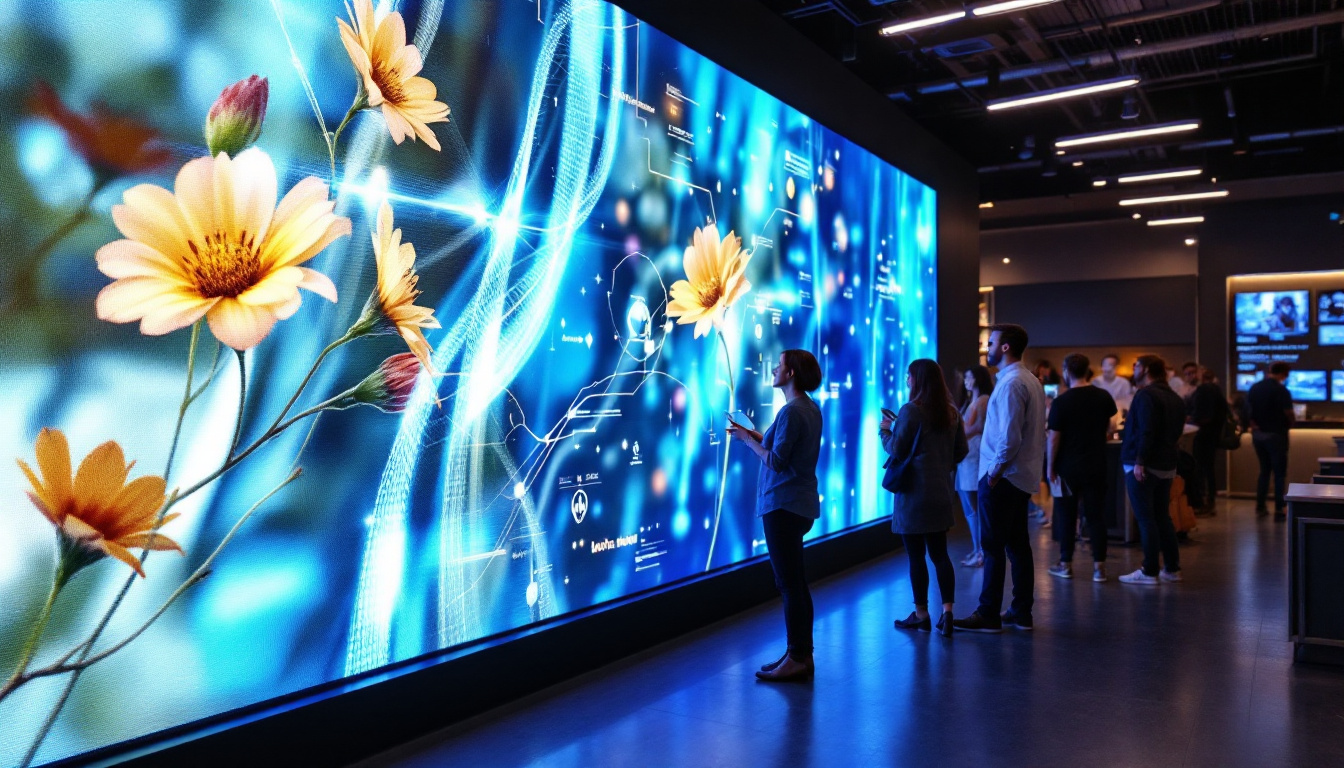
As technology rapidly advances, the demand for higher resolution displays continues to grow. Among the most cutting-edge developments in visual technology is the 8K display monitor, which offers an unprecedented level of detail and clarity. Coupled with LED display technology, 8K monitors are transforming the way professionals and consumers experience digital content. This article delves into the intricacies of 8K LED displays, exploring what makes them unique, their benefits, and considerations for users in various fields.
Understanding 8K Resolution: What Does It Mean?
The term “8K” refers to the horizontal resolution of the display, which is approximately 8,000 pixels. More precisely, an 8K display typically features a resolution of 7680 × 4320 pixels, totaling over 33 million pixels. This is four times the pixel count of 4K displays and sixteen times that of Full HD (1080p) screens.
To put this into perspective, an 8K display offers such fine detail that individual pixels are virtually indistinguishable to the human eye at typical viewing distances. This level of clarity is particularly beneficial for professionals working with high-resolution images and videos, such as photographers, video editors, and graphic designers.
Moreover, 8K resolution is not just about pixel count; it also enhances the immersive experience for gamers and movie enthusiasts by delivering sharper images and smoother gradients, reducing visible artifacts and pixelation. The increased resolution allows for more intricate textures and finer details, making virtual environments feel more lifelike and engaging. For instance, in a gaming scenario, the clarity of distant landscapes or the intricate details on character models can significantly enhance gameplay, pulling players deeper into the experience.
In addition to its visual benefits, 8K technology also supports advanced features such as High Dynamic Range (HDR), which allows for a wider range of colors and contrasts. This means that bright highlights and deep shadows can coexist in the same scene, providing a more dynamic and realistic viewing experience. As content creators begin to adopt 8K filming techniques, viewers can expect to see a new standard of visual storytelling that captures the nuances of light and color in ways that were previously unattainable. Furthermore, as streaming services and broadcasting networks start to roll out 8K content, the demand for compatible displays will likely increase, pushing the boundaries of home entertainment to new heights.
LED Display Technology: The Foundation of Modern Monitors
LED, or Light Emitting Diode, technology is the backbone of many modern display monitors, including 8K screens. Unlike older LCD monitors that used cold cathode fluorescent lamps (CCFL) for backlighting, LED displays utilize LEDs to illuminate the screen. This shift has brought several advantages.
Firstly, LED backlighting offers improved brightness and contrast ratios. This means deeper blacks and more vibrant colors, which are essential for accurately rendering high-resolution content. Secondly, LED displays are more energy-efficient, consuming less power than their CCFL counterparts, which is an important consideration for both environmental impact and operating costs.
Additionally, LED technology supports thinner and lighter display designs, enabling manufacturers to produce sleek monitors that save desk space without compromising performance. The evolution of LED technology has also led to the development of flexible displays, which can bend and curve, allowing for innovative designs that enhance user experience and aesthetics in modern workspaces.
Types of LED Displays: Edge-Lit vs. Full-Array
Within LED technology, there are different backlighting methods that impact display quality. Edge-lit LED displays position LEDs along the edges of the screen, using light guides to distribute illumination. This design allows for thinner panels but can sometimes lead to uneven brightness or contrast.
Full-array LED displays, on the other hand, place LEDs directly behind the entire screen area. This allows for local dimming, where specific zones of LEDs can be dimmed or brightened independently. The result is better contrast, deeper blacks, and improved HDR (High Dynamic Range) performance, which is particularly valuable in 8K monitors. Moreover, advancements in full-array technology have led to the introduction of mini-LEDs, which are smaller and can be packed more densely, further enhancing the precision of local dimming and overall picture quality. This innovation not only improves the viewing experience for gamers and movie enthusiasts but also makes full-array displays a preferred choice for professional graphic designers and photographers who require utmost color accuracy and detail.
The Benefits of 8K LED Display Monitors
Adopting an 8K LED display monitor offers several compelling advantages across different use cases.
Unmatched Visual Clarity and Detail
The most obvious benefit is the extraordinary level of detail. With over 33 million pixels, 8K displays render images and videos with incredible sharpness. This is especially useful for professionals in creative industries who require precision, such as digital artists, architects, and medical imaging specialists.
For example, in medical diagnostics, 8K monitors can display high-resolution scans with greater accuracy, potentially aiding in more precise diagnoses. Similarly, photographers and videographers can view their work at native resolution, ensuring that every detail is visible without the need for zooming or interpolation.
Enhanced Productivity Through Increased Screen Real Estate
Because 8K monitors pack so many pixels into a single screen, they offer significantly more workspace compared to lower-resolution displays. Users can open multiple windows side-by-side without sacrificing clarity, facilitating multitasking and improving workflow efficiency.
For instance, software developers can view code, documentation, and testing environments simultaneously. Financial analysts can monitor multiple data streams and charts in real-time. This expanded workspace reduces the need for multiple monitors, which can clutter workspaces and complicate setups.
Immersive Entertainment and Gaming Experience
For gamers and home theater enthusiasts, 8K LED displays bring a new level of immersion. The ultra-high resolution combined with LED’s superior brightness and contrast capabilities results in lifelike images and smoother motion rendering.
While 8K content is still emerging, many games and streaming platforms are beginning to support 8K resolution. When paired with high refresh rates and HDR, 8K LED monitors can deliver stunning visuals that enhance the overall entertainment experience.
Challenges and Considerations When Choosing an 8K LED Monitor
Despite the impressive benefits, there are several factors to consider before investing in an 8K LED display monitor.
Hardware Requirements and Compatibility
Driving an 8K display requires powerful hardware. Graphics cards must support 8K output at acceptable refresh rates, which often means investing in top-tier GPUs. Additionally, not all operating systems and software are fully optimized for 8K resolution, which can lead to scaling issues or interface inconsistencies.
Connectivity is another consideration. The most common interfaces capable of handling 8K at 60Hz include DisplayPort 1.4 and HDMI 2.1. Users must ensure their devices support these standards to fully utilize the monitor’s capabilities.
Content Availability
While 8K content is growing, it remains relatively limited compared to 4K or Full HD. Streaming services like YouTube and Netflix offer some 8K videos, but bandwidth requirements are high, and internet speeds must be robust to avoid buffering.
For professional use, content creators may need to produce or convert media in 8K to take full advantage of the monitor’s resolution. This can increase storage and processing demands, as 8K files are significantly larger than lower-resolution equivalents.
Cost and Value Considerations
8K LED monitors are generally more expensive than their 4K or Full HD counterparts. The advanced technology, higher manufacturing costs, and niche market contribute to premium pricing. Potential buyers should assess whether the benefits justify the investment based on their specific needs.
For example, casual users or office workers may not notice substantial improvements in everyday tasks, whereas professionals in design, video production, or scientific research might find the enhanced resolution indispensable.
Future Trends in 8K LED Display Technology
The evolution of 8K LED displays is ongoing, with several exciting trends shaping the future landscape.
Integration of Mini-LED and Micro-LED Technologies
Emerging backlighting technologies like Mini-LED and Micro-LED promise to further improve brightness, contrast, and energy efficiency. Mini-LED uses thousands of tiny LEDs for more precise local dimming, while Micro-LED places microscopic LEDs directly on the display surface, enabling even better color accuracy and thinner panels.
These innovations could address some current limitations of traditional LED backlighting, making 8K monitors more vibrant and power-efficient.
Advancements in HDR and Color Accuracy
High Dynamic Range (HDR) capabilities continue to improve, with standards such as HDR10+ and Dolby Vision becoming more prevalent. Enhanced HDR support on 8K LED monitors will allow for richer colors, greater contrast, and more realistic images, benefiting both professional and entertainment applications.
Broader Adoption and Content Ecosystem Expansion
As 8K hardware becomes more accessible, content creators and streaming platforms are expected to increase 8K offerings. This will drive demand for compatible monitors and accelerate the development of software optimized for ultra-high resolutions.
Furthermore, industries such as virtual reality (VR) and augmented reality (AR) may leverage 8K displays to deliver more immersive and realistic experiences, pushing the boundaries of digital interaction.
Conclusion: Is an 8K LED Display Monitor Right for You?
8K LED display monitors represent the pinnacle of current display technology, offering unparalleled resolution, color accuracy, and brightness. They are particularly valuable for professionals requiring precise image detail and those seeking an immersive visual experience.
However, the decision to invest in an 8K LED monitor should consider factors such as hardware compatibility, content availability, and budget. For many users, 4K displays remain a practical and cost-effective choice, but as 8K technology matures and becomes more mainstream, it is poised to become the new standard in high-resolution displays.
Ultimately, understanding the capabilities and limitations of 8K LED monitors enables consumers and professionals alike to make informed decisions that align with their specific needs and aspirations in the digital age.
Discover the Future of Visual Technology with LumenMatrix
Ready to experience the ultimate in display resolution and color fidelity? LumenMatrix is at the forefront of LED display innovation, offering a vast array of solutions tailored to meet your needs. Whether you’re looking to enhance your brand’s visibility with an Outdoor LED Wall Display, captivate passersby with a Transparent LED Display, or create an immersive environment with an Indoor LED Wall Display, LumenMatrix has the cutting-edge technology to bring your vision to life. Elevate your visual communication and engage your audience like never before. Check out LumenMatrix LED Display Solutions today and step into a world where clarity and impact go hand in hand.