In an age where digital screens dominate advertising, entertainment, and information dissemination, understanding the technology behind these displays is essential. One of the most critical specifications in LED display technology is the “mm pixel” or pixel pitch. This article delves into what mm pixel means, how it impacts LED display quality, and why it matters for various applications.
What Is Mm Pixel in LED Displays?
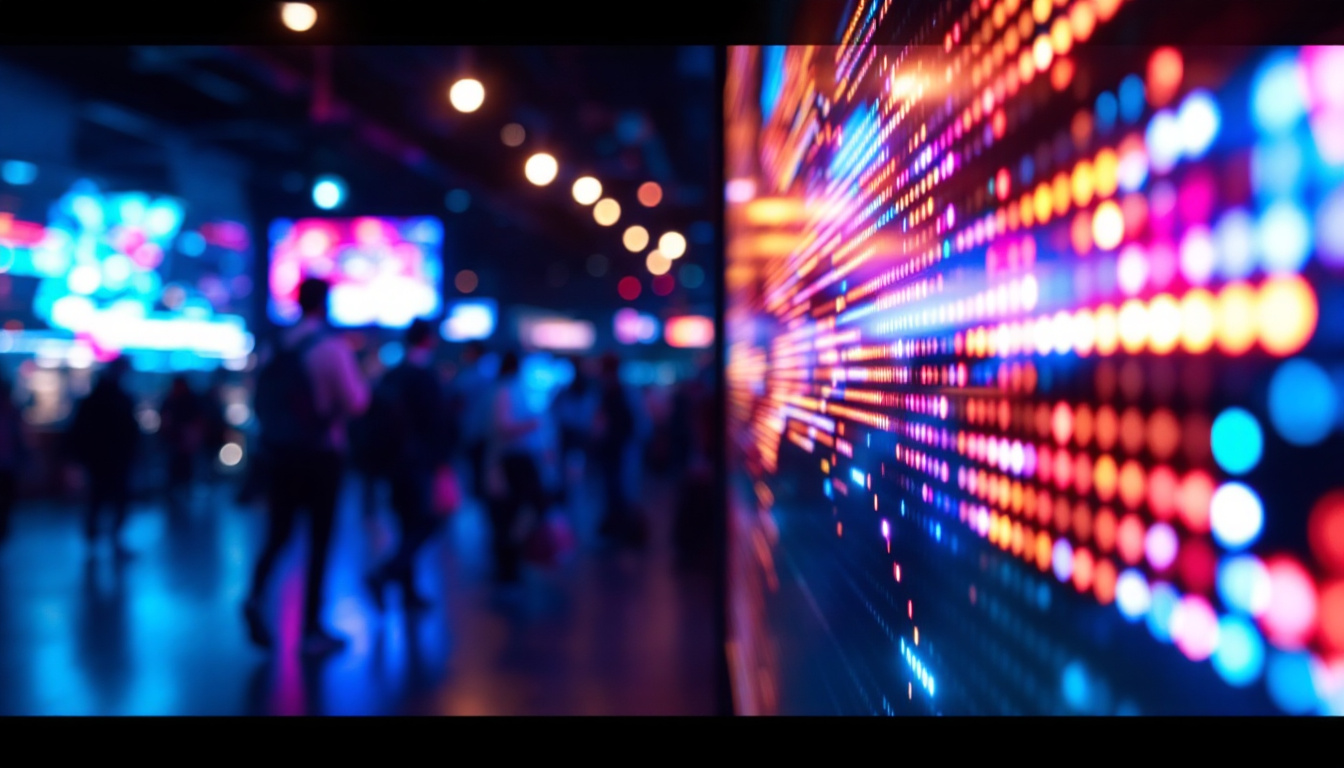
The term “mm pixel” refers to the pixel pitch of an LED display, which is the distance in millimeters between the centers of two adjacent pixels. Pixels are the smallest individual elements that make up the image on the screen, and each pixel consists of one or more light-emitting diodes (LEDs).
Pixel pitch is a crucial metric because it directly influences the resolution and viewing distance of the display. The smaller the pixel pitch, the closer the pixels are to each other, resulting in a higher resolution and sharper image quality. Conversely, a larger pixel pitch means pixels are spaced further apart, which can reduce image clarity but may be suitable for longer viewing distances.
How Pixel Pitch Is Measured
Pixel pitch is typically measured in millimeters (mm), representing the horizontal and vertical spacing between pixels. For example, a 2.5mm pixel pitch means there is a 2.5mm gap from the center of one pixel to the center of the next. This measurement is consistent across the display and helps determine how many pixels fit within a given area.
Understanding pixel pitch is fundamental when selecting an LED display because it affects not only the image quality but also the overall cost and installation requirements. Displays with smaller pixel pitches generally come at a higher price point due to the increased number of LEDs required to create a denser pixel arrangement. Additionally, the installation of high-resolution displays may necessitate more complex mounting solutions and infrastructure to support their weight and power needs.
Moreover, the choice of pixel pitch can significantly impact the viewing experience in various environments. For instance, in a retail setting, where customers may be close to the screen, a smaller pixel pitch can enhance the visual appeal and ensure that details are crisp and clear. Conversely, in large venues like stadiums or outdoor events, a larger pixel pitch can be more cost-effective while still providing a satisfactory viewing experience from a distance. Therefore, understanding the nuances of pixel pitch not only aids in making informed purchasing decisions but also ensures that the display meets the specific needs of its intended application.
Why Pixel Pitch Matters: Impact on Image Quality and Viewing Experience
The pixel pitch of an LED display plays a pivotal role in determining the sharpness, clarity, and overall visual experience. It affects both the resolution of the display and the optimal viewing distance for the audience.
Resolution and Image Sharpness
A smaller pixel pitch means more pixels per square meter, which translates to higher resolution. High-resolution displays can render detailed images, fine text, and smooth video playback without visible pixelation. For example, a 1.5mm pixel pitch LED screen will have significantly more pixels than a 10mm pixel pitch screen of the same size, resulting in crisper images.
This is particularly important for indoor displays or environments where viewers are close to the screen, such as retail stores, control rooms, or conference halls. In these settings, the ability to display intricate graphics and high-definition video can enhance the overall experience, drawing in viewers and keeping their attention. Furthermore, high-resolution displays are essential for applications like digital signage, where the clarity of the message can directly influence consumer behavior and engagement.
Optimal Viewing Distance
Pixel pitch also determines the minimum recommended viewing distance. The general rule of thumb is that the optimal viewing distance in meters is approximately equal to the pixel pitch in millimeters multiplied by 1.5 to 2. For instance, a 5mm pixel pitch display is best viewed from about 7.5 to 10 meters away.
If viewers are too close to a display with a large pixel pitch, the image will appear pixelated and less sharp. Conversely, a very small pixel pitch display viewed from a long distance may have unnecessary resolution that is imperceptible to the human eye, potentially increasing costs without added benefit. This balance is crucial, especially for large venues like stadiums or auditoriums, where the viewing experience can vary significantly based on audience positioning. Understanding the relationship between pixel pitch and viewing distance allows designers and engineers to optimize display setups, ensuring that every viewer enjoys a high-quality visual experience, regardless of their location in the space.
Different Pixel Pitch Sizes and Their Applications
LED displays come in a wide range of pixel pitches, from less than 1mm to over 20mm. Each size serves different purposes depending on the environment, viewing distance, and budget.
Fine Pixel Pitch (Below 2.5mm)
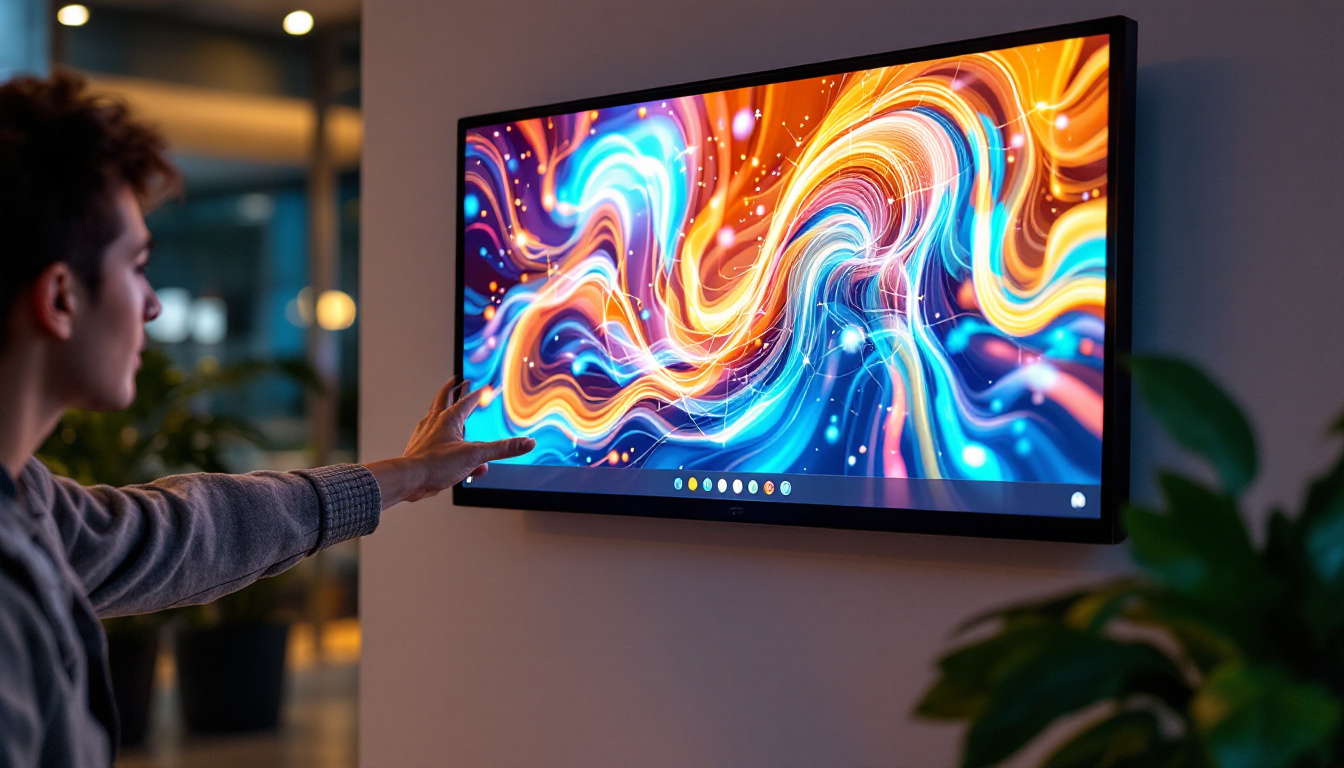
Fine pixel pitch LED displays, typically ranging from 0.9mm to 2.5mm, offer the highest resolution and image quality. These are ideal for indoor use where viewers are close to the screen, such as in television studios, corporate boardrooms, museums, and retail environments.
For example, a 1.2mm pixel pitch LED wall can display high-definition content with exceptional clarity, making it suitable for detailed presentations and video playback. The high pixel density allows for vibrant colors and sharp images, which is crucial in environments where visual impact is paramount. Additionally, these displays often support advanced features such as HDR (High Dynamic Range) and wide color gamut, further enhancing the viewing experience.
Mid-Range Pixel Pitch (2.5mm to 6mm)
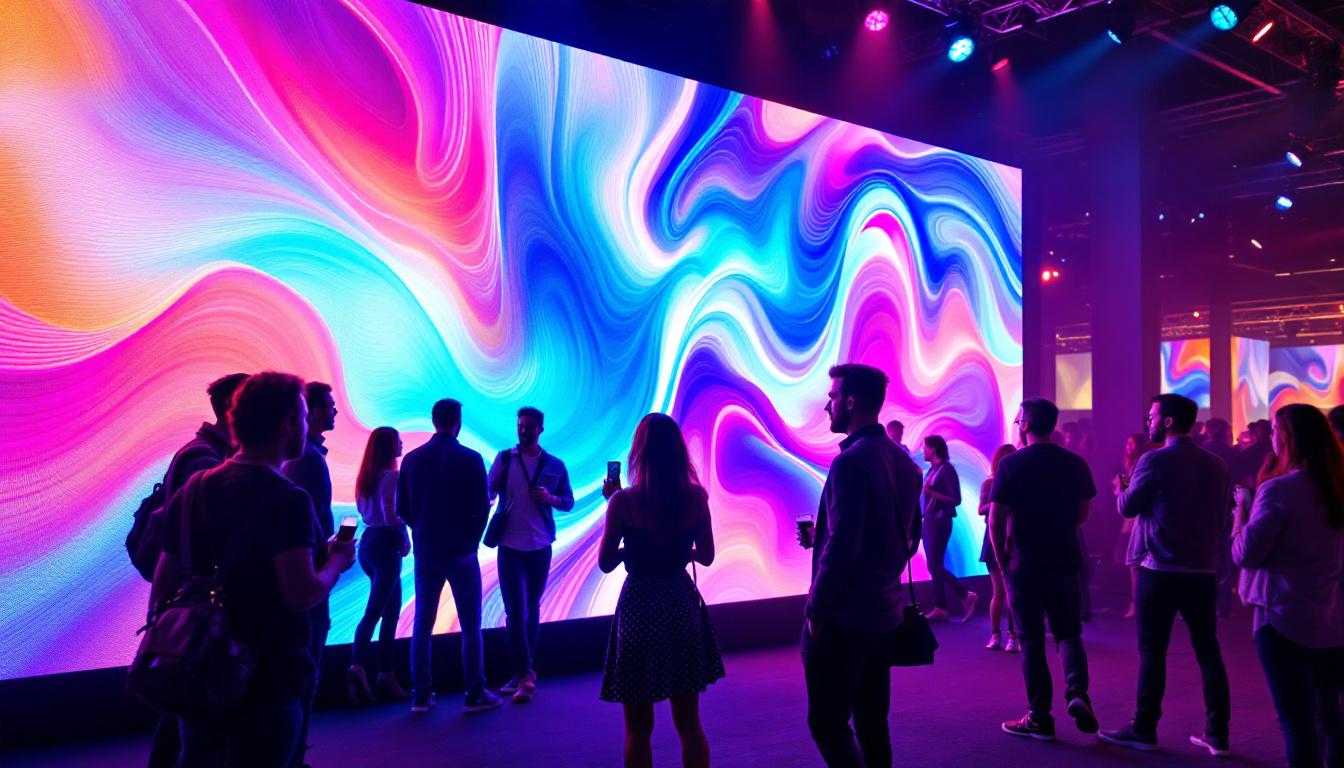
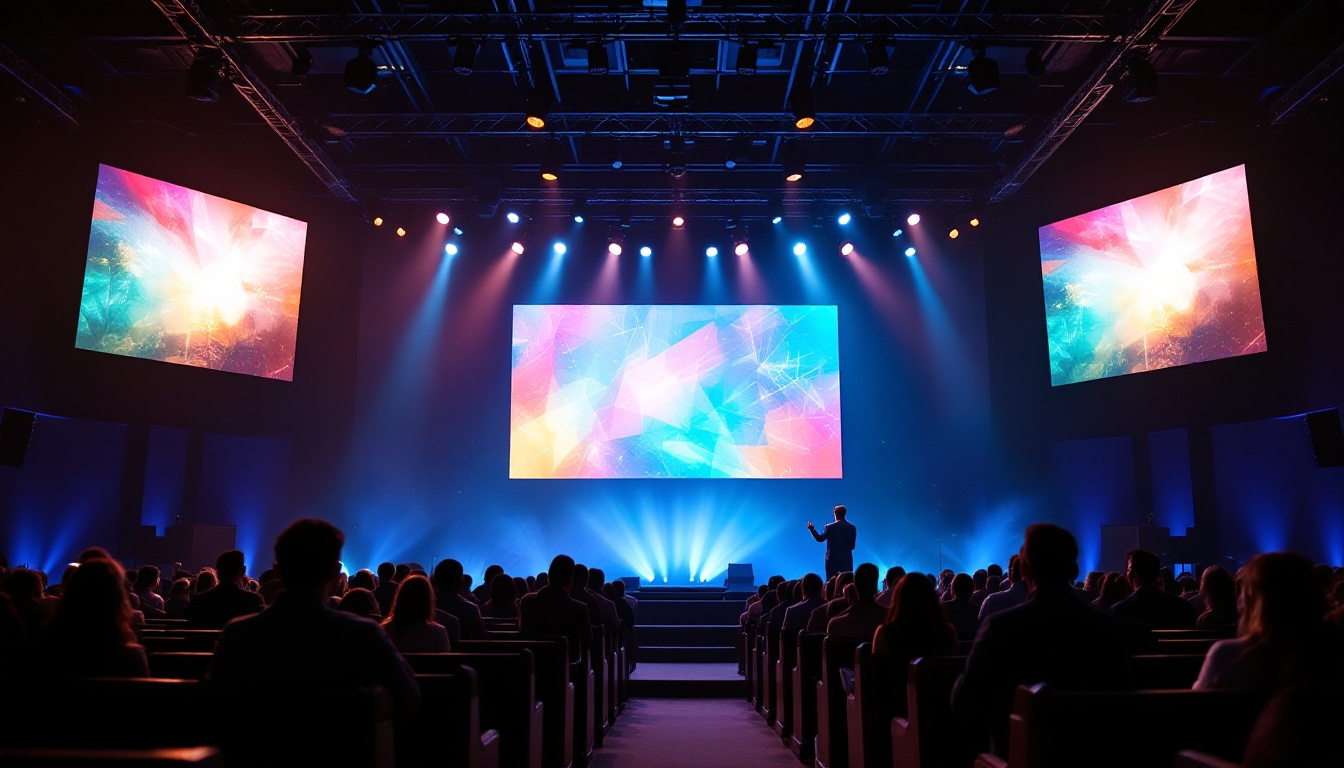
Displays with a pixel pitch between 2.5mm and 6mm strike a balance between resolution and cost. They are commonly used in indoor arenas, shopping malls, and conference centers where viewers may be several meters away but still require good image quality.
These displays are also popular for digital signage and advertising where both clarity and budget considerations are important. In a bustling shopping mall, for instance, a 4mm pixel pitch display can effectively capture the attention of passersby with dynamic content, promotional videos, and interactive advertisements. The versatility of mid-range pixel pitch displays makes them suitable for a variety of applications, including event staging and exhibitions, where they can be configured in different shapes and sizes to fit the venue’s design.
Large Pixel Pitch (Above 6mm)
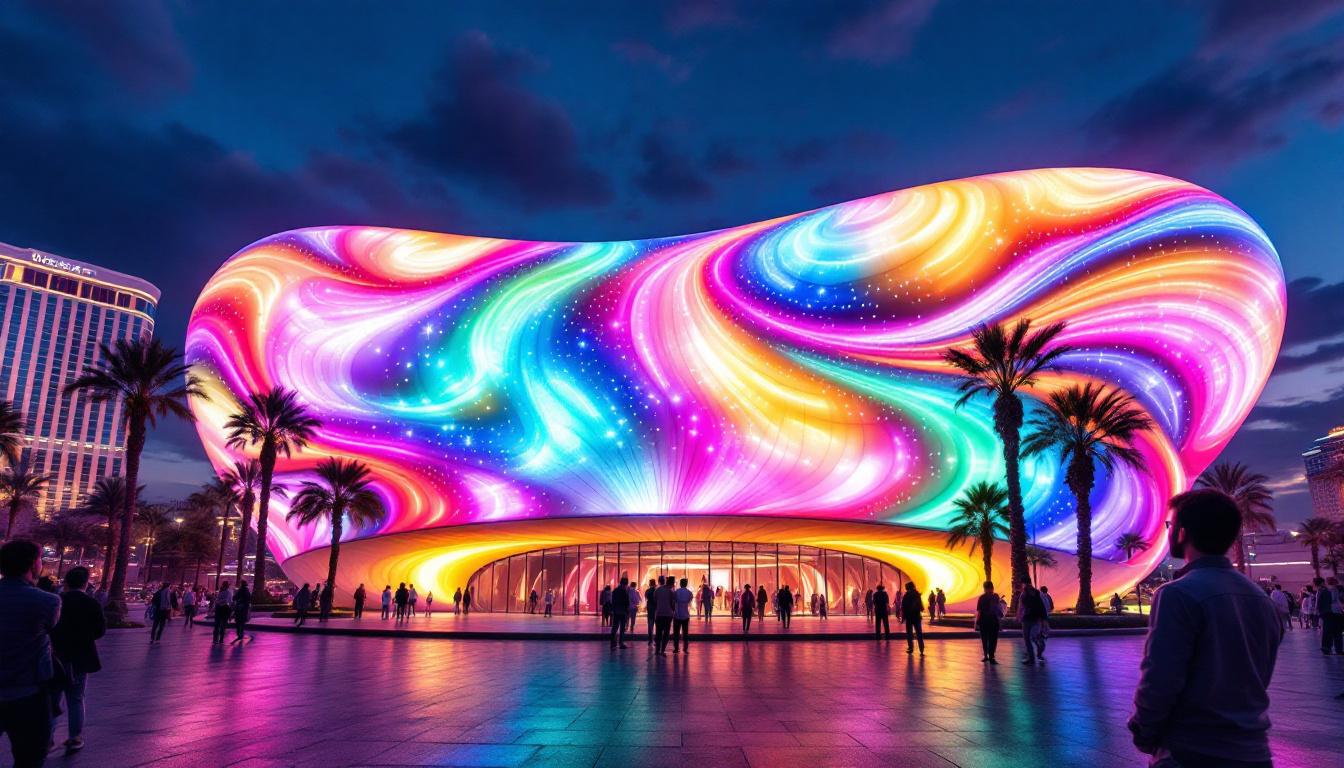
LED displays with pixel pitches larger than 6mm are typically used for outdoor applications or large venues where viewers are far from the screen. Examples include stadium scoreboards, billboards, and building façades.
While the resolution is lower, the brightness and durability of these displays are optimized for visibility in daylight and harsh weather conditions. A 10mm or 16mm pixel pitch screen is common in these scenarios, providing clear images from tens of meters away. These displays are engineered to withstand the elements, featuring weatherproof casings and enhanced cooling systems to ensure longevity. Moreover, advancements in technology have led to the development of energy-efficient models that not only reduce operational costs but also minimize environmental impact. Large pixel pitch displays are increasingly being integrated with smart technology, allowing for real-time content updates and remote management, which is particularly beneficial for advertisers and event organizers looking to maximize engagement and reach.
Factors Influencing Pixel Pitch Selection
Choosing the right pixel pitch for an LED display involves considering several factors beyond just resolution and viewing distance.
Viewing Environment
The environment where the display will be installed is critical. Indoor environments with controlled lighting allow for finer pixel pitches and higher resolution. Outdoor environments require displays to be brighter and more robust, often necessitating larger pixel pitches to accommodate weatherproofing and increased brightness.
Viewing Distance and Audience Size
Understanding where and how the audience will view the display is essential. For example, a retail store might require a fine pixel pitch because customers will be close, while a highway billboard can use a larger pixel pitch since viewers are typically far away and moving quickly.
Budget and Cost Considerations
Smaller pixel pitch displays are more expensive due to the higher number of LEDs and more complex manufacturing processes. Budget constraints often influence the choice, balancing the desired image quality with cost-effectiveness.
Installation and Maintenance
Displays with smaller pixel pitches are often heavier and require more precise installation. Maintenance can also be more involved due to the density of components. These factors should be weighed against the benefits of higher resolution.
Technological Advances in Pixel Pitch and LED Displays
Recent advancements in LED technology have pushed the boundaries of pixel pitch and display quality, enabling new applications and improved performance.
MicroLED and MiniLED Technologies
MicroLED technology features pixel pitches below 1mm, offering ultra-high resolution and brightness with excellent color accuracy. This technology is emerging in premium displays for consumer electronics, such as televisions and smartphones, as well as in professional environments.
MiniLED, while not the same as MicroLED, uses smaller LEDs to improve backlighting in LCD displays, enhancing contrast and brightness. Both technologies represent significant steps forward in display quality and energy efficiency.
Flexible and Transparent LED Displays
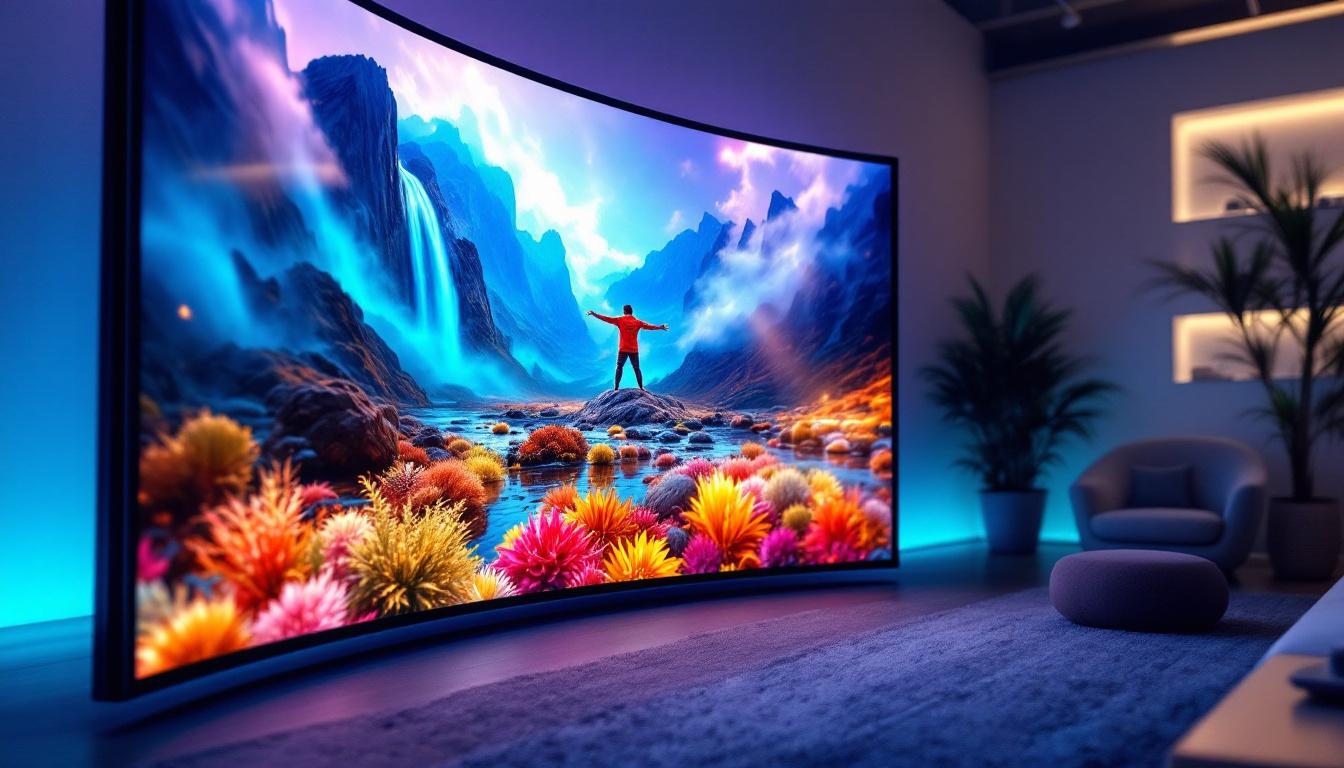
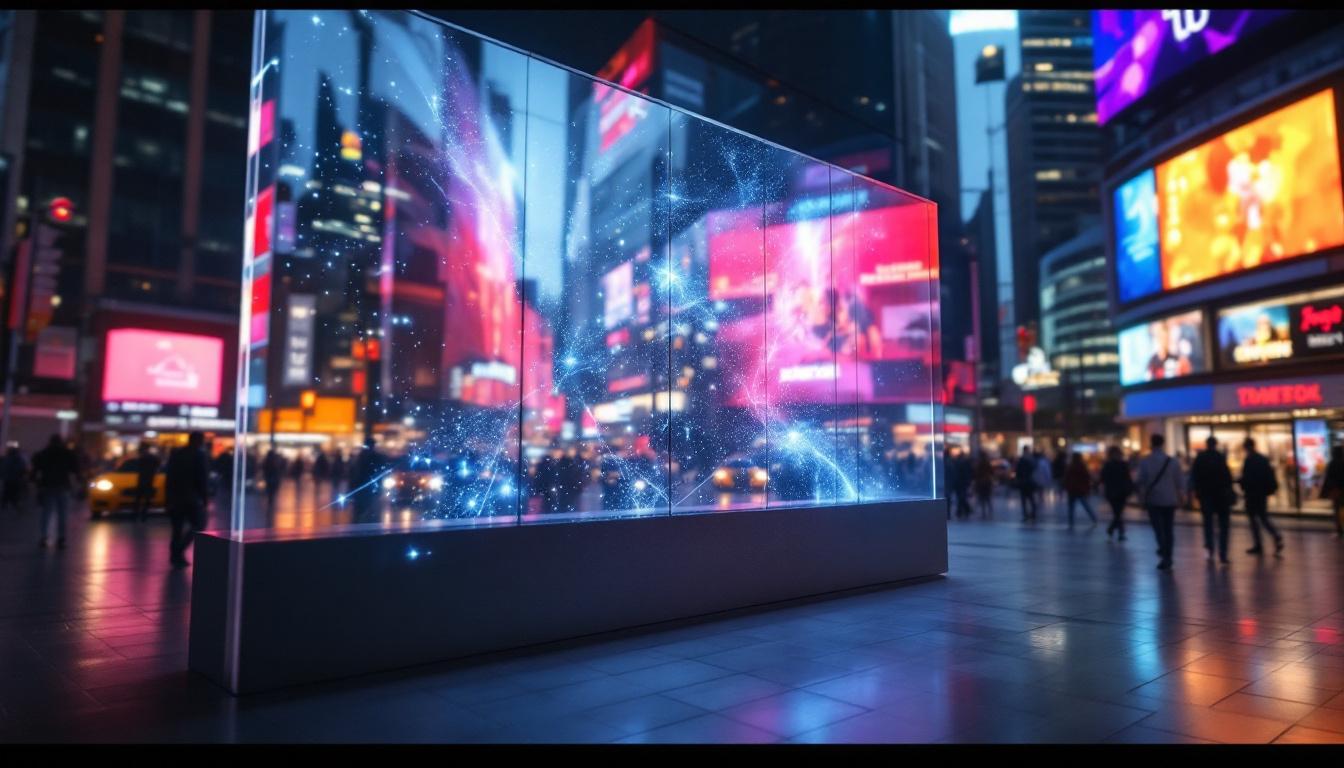
Innovations in LED packaging and pixel pitch have enabled flexible and transparent LED displays, which can be curved or integrated into glass surfaces. These displays often use fine pixel pitches to maintain image quality despite unconventional form factors.
Improved Manufacturing and Calibration
Advances in manufacturing precision and calibration techniques have made it easier to produce LED displays with consistent pixel pitches and color uniformity. This ensures that even large-scale displays maintain high image quality across their entire surface.
Conclusion: Choosing the Right Mm Pixel for Your LED Display
Understanding mm pixel, or pixel pitch, is fundamental when selecting an LED display. It directly impacts image resolution, viewing distance, cost, and suitability for different environments. Fine pixel pitches deliver sharp, detailed images ideal for close viewing, while larger pixel pitches are better suited for outdoor or large-scale applications.
As LED technology continues to evolve, options for pixel pitch are expanding, offering greater flexibility and performance. Whether for advertising, entertainment, or information display, selecting the appropriate pixel pitch ensures the best visual experience and return on investment.
When planning an LED display installation, it is advisable to consult with experienced professionals who can assess your specific needs and recommend the optimal pixel pitch and display configuration.
Discover the Perfect LED Display with LumenMatrix
Ready to elevate your visual experience with the ideal mm pixel pitch? LumenMatrix is at the forefront of LED display innovation, offering a comprehensive range of solutions tailored to your unique needs. From mesmerizing Indoor LED Walls to dynamic Outdoor Displays and beyond, our cutting-edge technology is designed to captivate and engage your audience. Don’t just share your message—make an unforgettable impact. Check out LumenMatrix LED Display Solutions today and transform your visual communication.