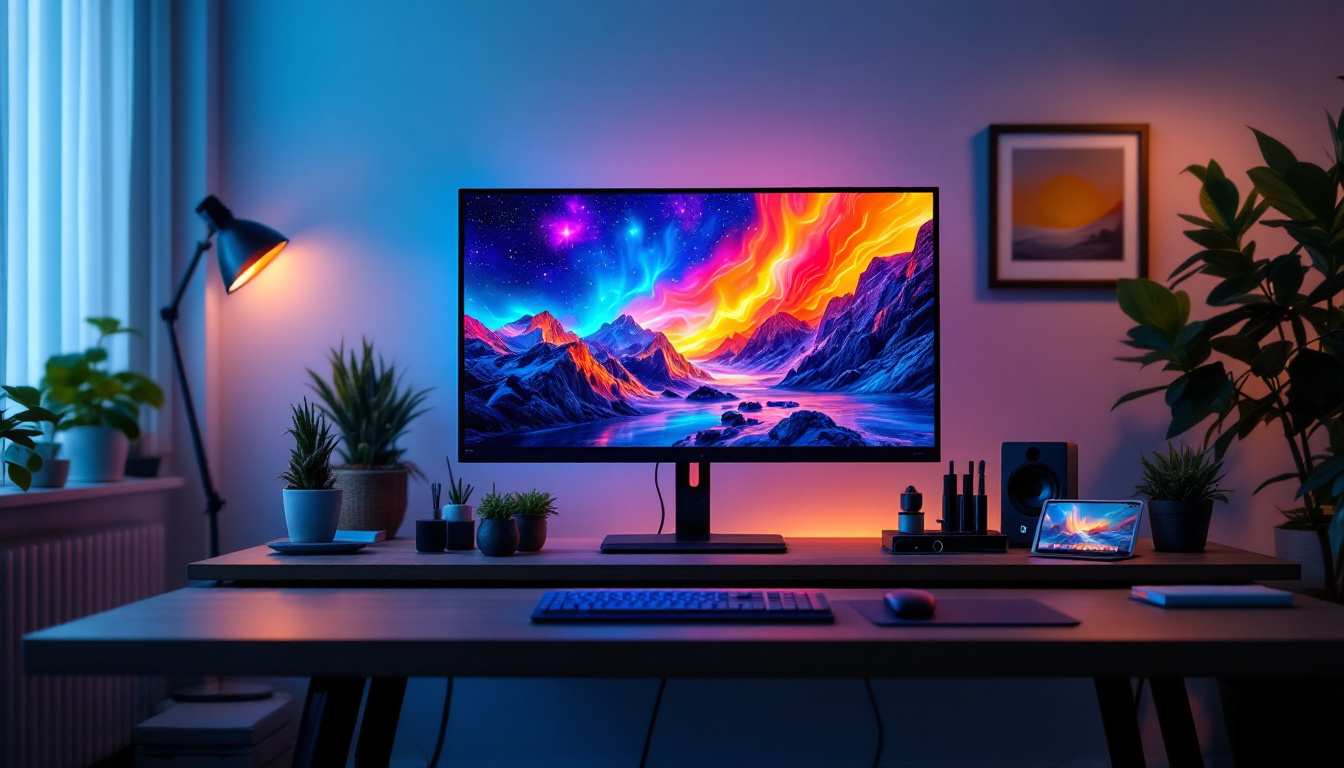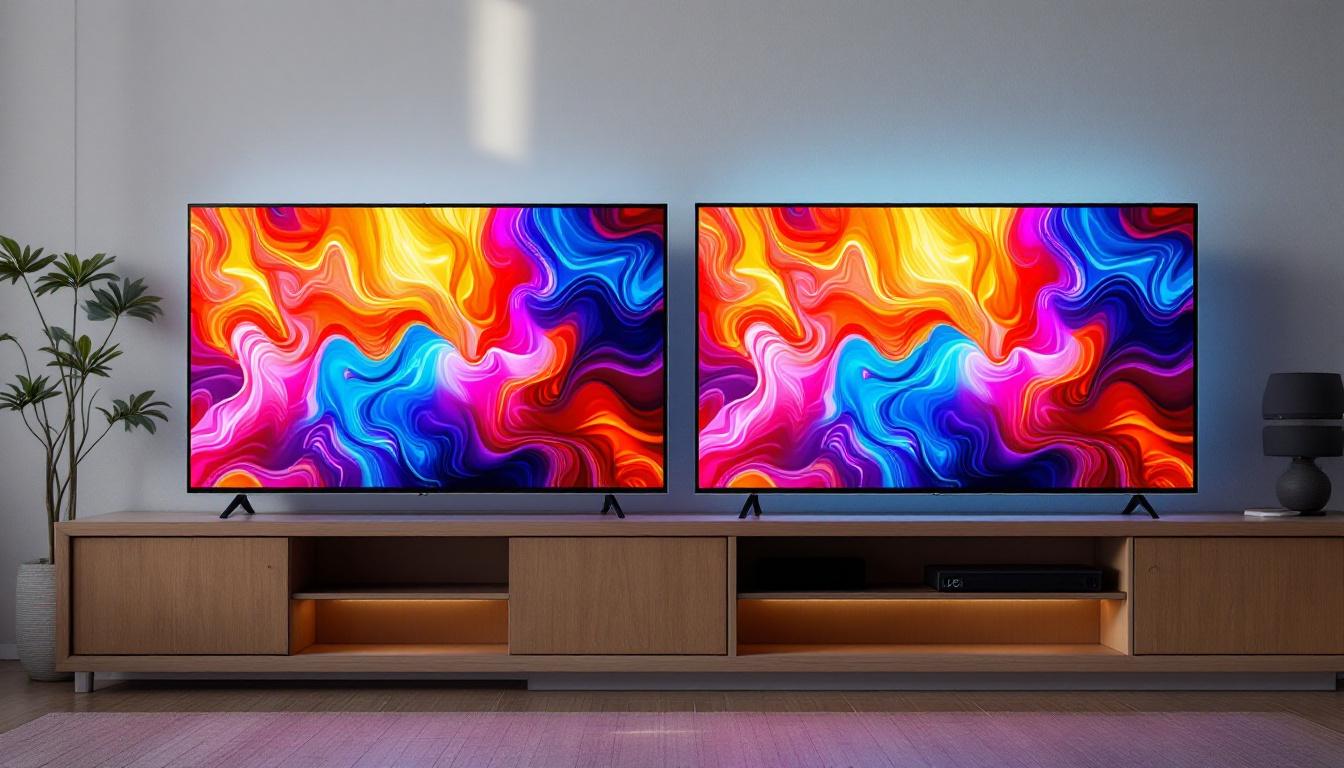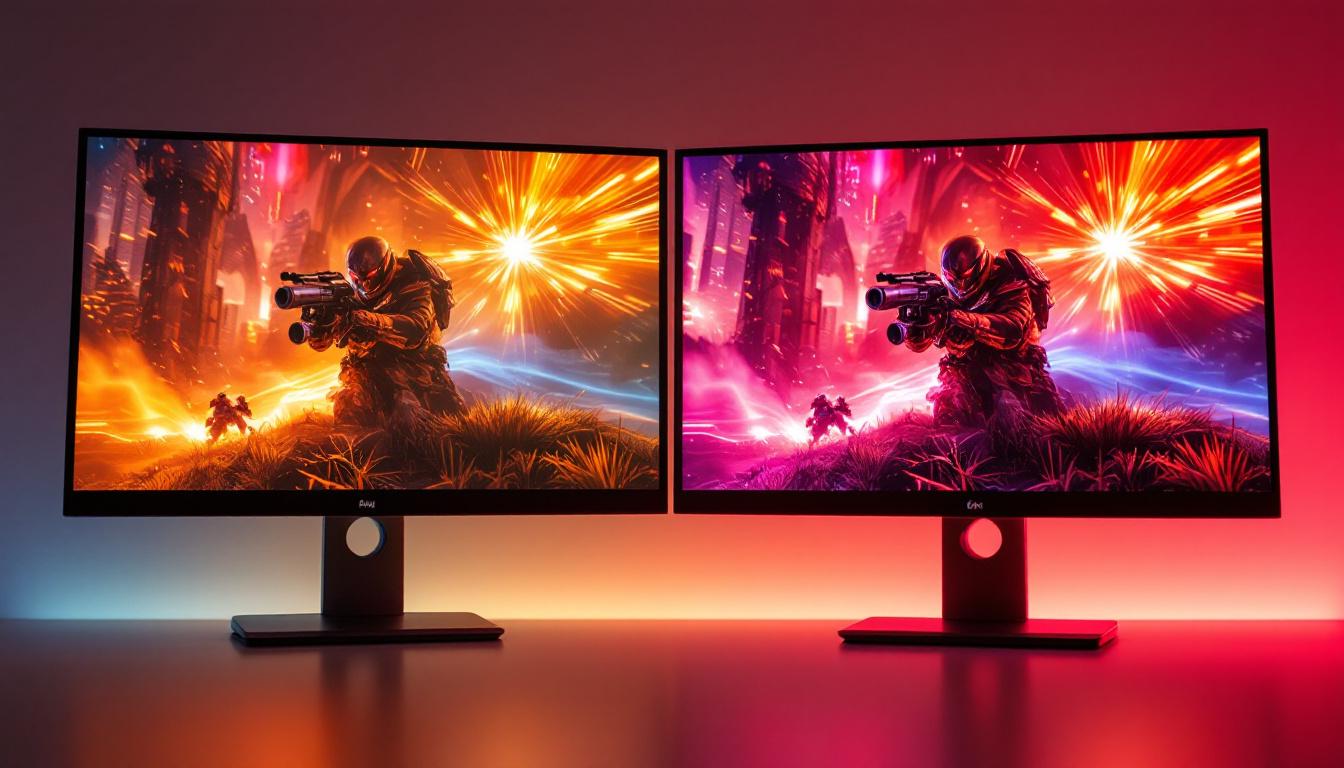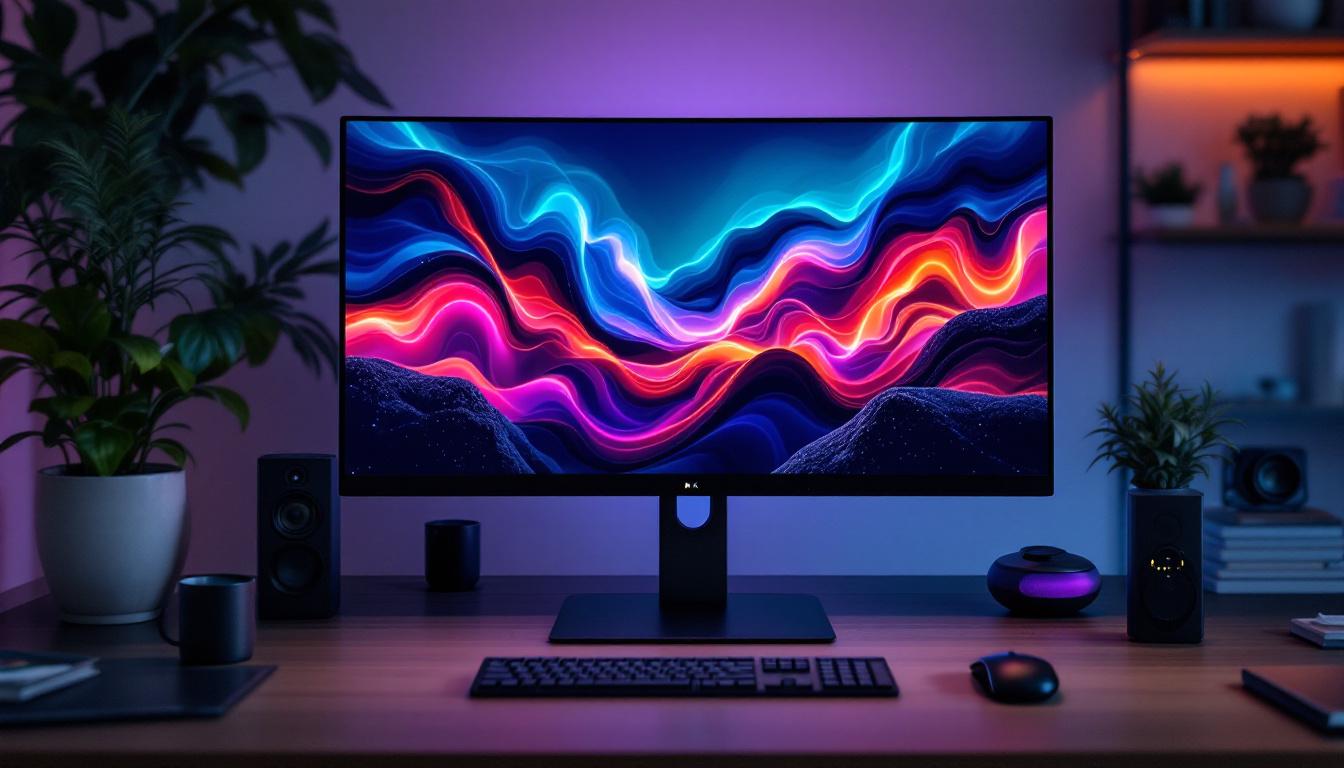
In recent years, the all-in-one (AIO) computer market has seen a significant evolution, especially with the integration of 4K LED displays. These sleek, space-saving devices combine powerful computing capabilities with stunning visual clarity, making them increasingly popular among professionals, creatives, and everyday users alike. This article delves into the technology behind 4K LED displays in all-in-one computers, exploring their benefits, technical specifications, and practical applications to help consumers make informed decisions.
Understanding 4K Resolution and LED Display Technology
What Does 4K Mean?
4K resolution refers to a display resolution of approximately 3840 x 2160 pixels, which is four times the pixel count of Full HD (1920 x 1080). This increase in pixel density results in sharper images, finer details, and a more immersive viewing experience. For all-in-one computers, 4K resolution allows users to work with high-definition content, such as 4K video editing, graphic design, and gaming, with exceptional clarity.
To put it into perspective, a 27-inch 4K display packs over 8 million pixels, compared to just over 2 million pixels on a Full HD screen of the same size. This means images and text appear crisper, and users can fit more content on the screen without sacrificing readability. The advantages of 4K resolution extend beyond just visual fidelity; they also enhance productivity by allowing users to multitask more effectively. For instance, graphic designers can have multiple design elements open side by side, while video editors can view high-resolution footage without the need for constant zooming and panning.
Moreover, the rise of 4K content across streaming services, gaming platforms, and digital media has made 4K displays increasingly relevant. As more creators produce content in 4K, having a capable display becomes essential for experiencing these visuals as intended. This shift is not only about resolution but also about color depth and dynamic range, which are crucial for accurately representing the creator’s vision.
How LED Displays Work in All-in-One Computers
LED stands for Light Emitting Diode, a technology used to illuminate the pixels on a computer screen. In LED displays, tiny diodes emit light when an electric current passes through them, creating bright and energy-efficient screens. These displays are commonly used as backlighting for LCD (Liquid Crystal Display) panels, resulting in LED-backlit LCDs.
Modern all-in-one computers utilize LED-backlit LCDs because they provide several advantages over older display technologies such as CCFL (Cold Cathode Fluorescent Lamp) backlighting. These include thinner panels, lower power consumption, better brightness, and improved color accuracy. When combined with 4K resolution, LED displays deliver stunning visuals that enhance both productivity and entertainment. The enhanced brightness levels and contrast ratios of LED technology also contribute to a more vibrant viewing experience, making colors pop and blacks deeper, which is particularly beneficial for tasks that require precision, such as photo editing or gaming.
Additionally, advancements in LED technology, such as the introduction of OLED (Organic Light Emitting Diode) displays, are pushing the boundaries of what is possible in terms of color reproduction and viewing angles. OLED screens can produce true blacks by turning off individual pixels, resulting in a level of contrast that traditional LED-backlit displays cannot achieve. This evolution in display technology continues to shape the user experience, making it an exciting time for consumers and professionals alike who seek the best visual performance in their all-in-one computers.
Benefits of 4K LED Displays in All-in-One Computers
Enhanced Visual Clarity and Detail
The most obvious benefit of a 4K LED display is the enhanced visual clarity it offers. The high pixel density ensures that images, videos, and text are rendered with exceptional sharpness. This is particularly important for professionals working in fields such as photography, video editing, and graphic design, where precision and detail are critical.
For example, video editors working with 4K footage can view their content at native resolution without scaling, allowing for more accurate color grading and editing. Similarly, photographers can examine fine details in their images without zooming in excessively, streamlining the workflow.
Improved Color Accuracy and Brightness
LED-backlit displays typically offer superior color reproduction compared to older technologies. Many 4K all-in-one computers come equipped with displays that cover a wide color gamut, such as Adobe RGB or DCI-P3, which are standards used in professional imaging and cinema industries. This means colors appear more vibrant and true to life.
Brightness levels are also enhanced in LED displays, often reaching 300 nits or higher. This makes the screen easier to view in various lighting conditions, including brightly lit offices or rooms with natural sunlight. Some high-end models even feature HDR (High Dynamic Range) support, which further enhances contrast and color depth.
Space-Saving and Aesthetic Design
All-in-one computers are designed to consolidate components into a single unit, reducing clutter and saving desk space. The use of LED technology contributes to this sleek design by enabling thinner and lighter displays. This makes 4K LED all-in-one PCs ideal for modern workspaces where aesthetics and ergonomics are important.
Additionally, many manufacturers incorporate edge-to-edge glass panels and minimalist bezels, which not only improve the visual appeal but also provide a larger viewing area within a compact form factor.
Technical Considerations When Choosing a 4K LED All-In-One Computer
Screen Size and Pixel Density
While 4K resolution offers incredible detail, the benefits are most noticeable on larger screens. All-in-one computers typically range from 21 to 32 inches in screen size. On smaller displays, such as 21 or 23 inches, the difference between 4K and Full HD may be less perceptible to the average user, although professionals still appreciate the added clarity.
Pixel density, measured in pixels per inch (PPI), is a crucial factor. A 27-inch 4K display usually offers around 163 PPI, which strikes a balance between sharpness and readability. Users should consider their typical viewing distance and use case to select an appropriate screen size.
Graphics Processing Unit (GPU) Compatibility
Running a 4K display requires a capable graphics processing unit to ensure smooth performance, especially for tasks such as video editing, 3D rendering, and gaming. Many all-in-one computers come with integrated GPUs that support 4K output, but for intensive workloads, a dedicated GPU is preferable.
For instance, Intel Iris Xe graphics or AMD Radeon integrated GPUs can handle everyday 4K tasks efficiently. However, creative professionals may benefit from all-in-one models equipped with NVIDIA GeForce or AMD Radeon discrete GPUs to leverage hardware acceleration and better rendering speeds.
Connectivity and Ports
4K content often involves large file sizes and multiple peripherals. Therefore, it’s important to consider the connectivity options available on an all-in-one computer. USB-C ports with Thunderbolt 3 or 4 support enable fast data transfer and the ability to connect external 4K monitors or storage devices.
Additionally, HDMI 2.0 or DisplayPort 1.4 outputs are necessary for external 4K display compatibility at 60Hz refresh rates. Ethernet ports, SD card readers, and multiple USB-A ports are also valuable for professional workflows.
Practical Applications and Use Cases for 4K LED All-In-One Computers
Creative Professionals and Content Creators
For photographers, videographers, graphic designers, and digital artists, a 4K LED all-in-one computer provides a powerful and visually precise workspace. The high resolution allows for detailed editing, while accurate color reproduction ensures that projects appear consistent across different devices and print media.
Many creative professionals also benefit from the streamlined design of all-in-one PCs, which reduce cable clutter and maximize desk space, creating a more organized and productive environment.
Business and Productivity
In office settings, 4K displays enable users to multitask more effectively by fitting multiple windows and applications on the screen simultaneously without compromising legibility. This is especially beneficial for data analysts, software developers, and financial professionals who work with large spreadsheets, code editors, or dashboards.
Moreover, the crisp text rendering reduces eye strain during long hours of work, contributing to better comfort and efficiency.
Entertainment and Multimedia Consumption
4K LED all-in-one computers also serve as excellent multimedia hubs for streaming movies, playing games, and browsing high-resolution photos. The vibrant colors and sharp details enhance the viewing experience, making these devices suitable for home entertainment setups.
Some models come with premium audio systems and touchscreens, further enriching the user experience for casual users and families.
Future Trends and Innovations in 4K All-In-One Displays
Mini-LED and OLED Technologies
While traditional LED-backlit LCDs dominate the current market, emerging display technologies like Mini-LED and OLED are starting to make their way into all-in-one computers. Mini-LED uses thousands of tiny LEDs for backlighting, allowing for more precise local dimming zones and improved contrast ratios.
OLED displays, on the other hand, feature self-emissive pixels that can turn off individually, offering perfect blacks and exceptional color vibrancy. Though OLED all-in-one PCs are still relatively rare and expensive, they represent the next step in display quality.
Higher Refresh Rates and Adaptive Sync
Traditionally, all-in-one computers prioritize image quality over refresh rates, with most displays capped at 60Hz. However, as 4K content and gaming become more mainstream, manufacturers are exploring higher refresh rates (such as 120Hz) and adaptive sync technologies like NVIDIA G-Sync and AMD FreeSync to reduce screen tearing and improve smoothness.
This evolution will benefit users who demand both high resolution and fluid motion, such as gamers and video editors working with fast-paced footage.
Integration with Touch and Pen Input
Many 4K all-in-one computers now support touchscreens and stylus input, expanding their versatility for creative and educational purposes. High-resolution touch displays combined with pressure-sensitive pens allow artists to draw directly on the screen with precision, while students and professionals can annotate documents and navigate interfaces intuitively.
As these features become more refined, they will further blur the lines between traditional desktops and tablets, offering hybrid solutions for diverse workflows.
Conclusion
The integration of 4K LED displays in all-in-one computers marks a significant advancement in desktop computing, combining powerful performance with stunning visual fidelity. Whether for professional creative work, business productivity, or immersive entertainment, 4K LED all-in-one PCs offer clear advantages in image quality, color accuracy, and design elegance.
When selecting a 4K all-in-one computer, it is essential to consider factors such as screen size, GPU capabilities, and connectivity options to ensure the device meets specific needs. As display technologies continue to evolve, future models promise even greater enhancements in brightness, contrast, refresh rates, and input methods.
Ultimately, the 4K LED all-in-one computer represents a versatile and forward-looking choice for users seeking a blend of performance, aesthetics, and visual excellence in a compact form factor.
Discover LumenMatrix’s Advanced 4K LED Display Solutions
Ready to experience the ultimate in visual clarity and performance? LumenMatrix, a pioneer in LED display technology, offers an extensive range of innovative solutions tailored to meet your needs. From captivating Indoor LED Wall Displays to dynamic All-in-One LED Displays, LumenMatrix is committed to revolutionizing the way you communicate visually. Elevate your workspace, creative projects, or entertainment setup with our cutting-edge displays. Check out LumenMatrix LED Display Solutions today and transform your visual experience.