In the world of modern electronics, display technology plays a crucial role in defining user experience and device functionality. Among the various display sizes and types, the .7 inch LED display stands out as a compact yet versatile option. This article delves into the technical aspects, applications, advantages, and future trends of .7 inch LED displays, providing a comprehensive understanding for engineers, designers, and technology enthusiasts alike.
Understanding the Basics of .7 Inch LED Displays
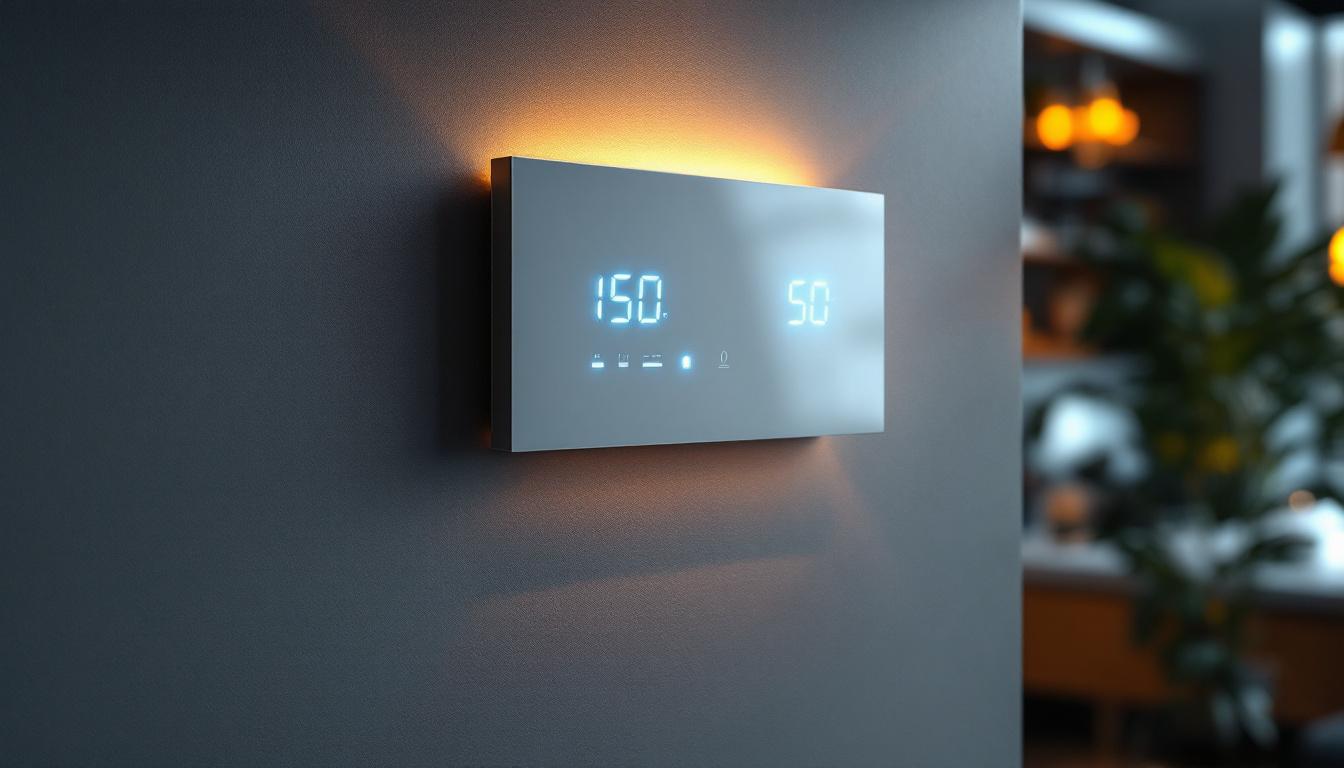
The term “.7 inch LED display” refers to a light-emitting diode (LED) screen with a diagonal measurement of 0.7 inches. Despite its small size, this display type can offer impressive brightness, contrast, and color fidelity, making it suitable for a variety of compact electronic devices.
What Defines a .7 Inch Display?
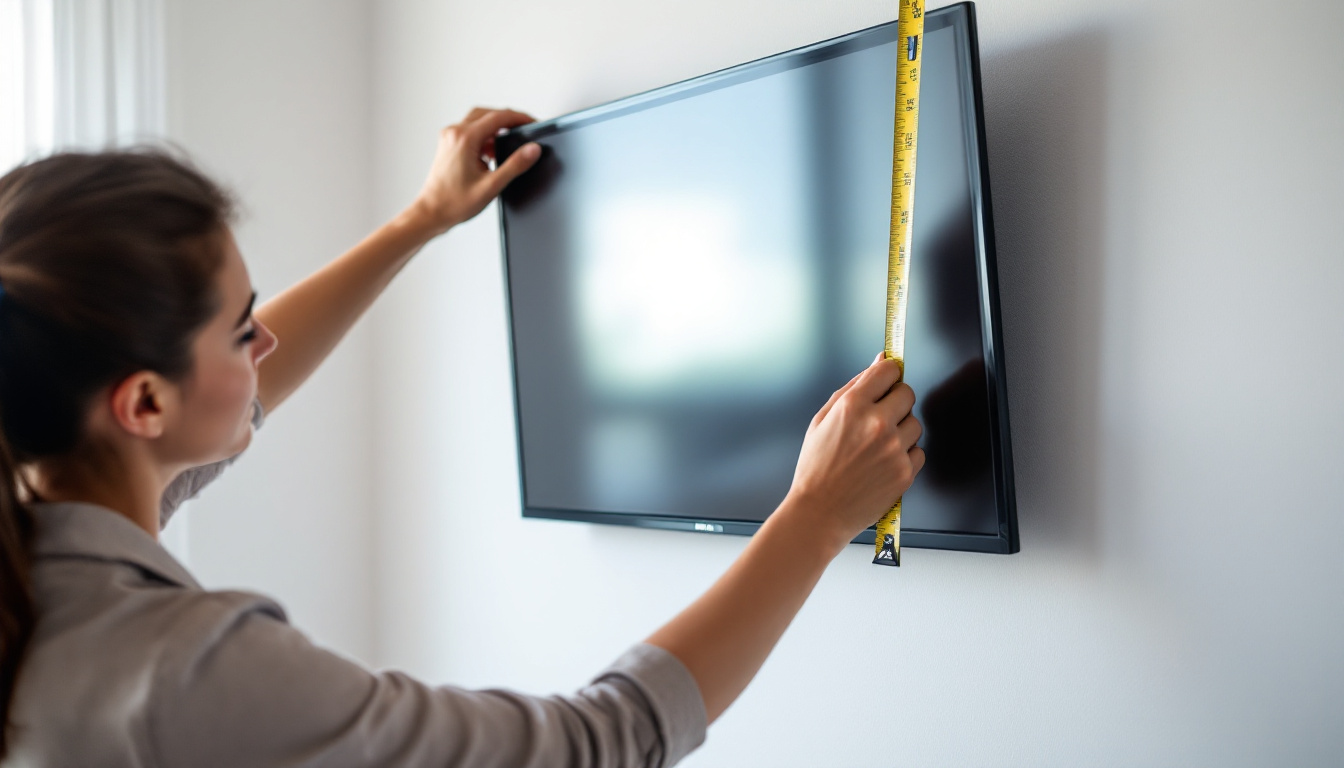
The size of any display is measured diagonally from one corner to the opposite corner. A .7 inch display measures approximately 17.78 millimeters across this diagonal. This small footprint is ideal for devices where space is limited but visual output remains essential.
In addition to physical dimensions, pixel density and resolution are key characteristics. A typical .7 inch LED display might feature resolutions ranging from 64×32 pixels to 128×64 pixels, depending on the application. Higher pixel densities translate to sharper images and clearer text, which is critical for readability on such a small screen. For instance, in applications like digital watches or compact medical devices, the ability to display clear and concise information is paramount, as users often rely on quick glances for essential data.
LED Technology Fundamentals
LED displays operate by illuminating tiny diodes that emit light when an electric current passes through them. Unlike LCDs, which rely on backlighting, LEDs generate their own light, resulting in higher brightness and better contrast ratios. This self-emissive property allows for deeper blacks and vibrant colors, even in bright ambient conditions.
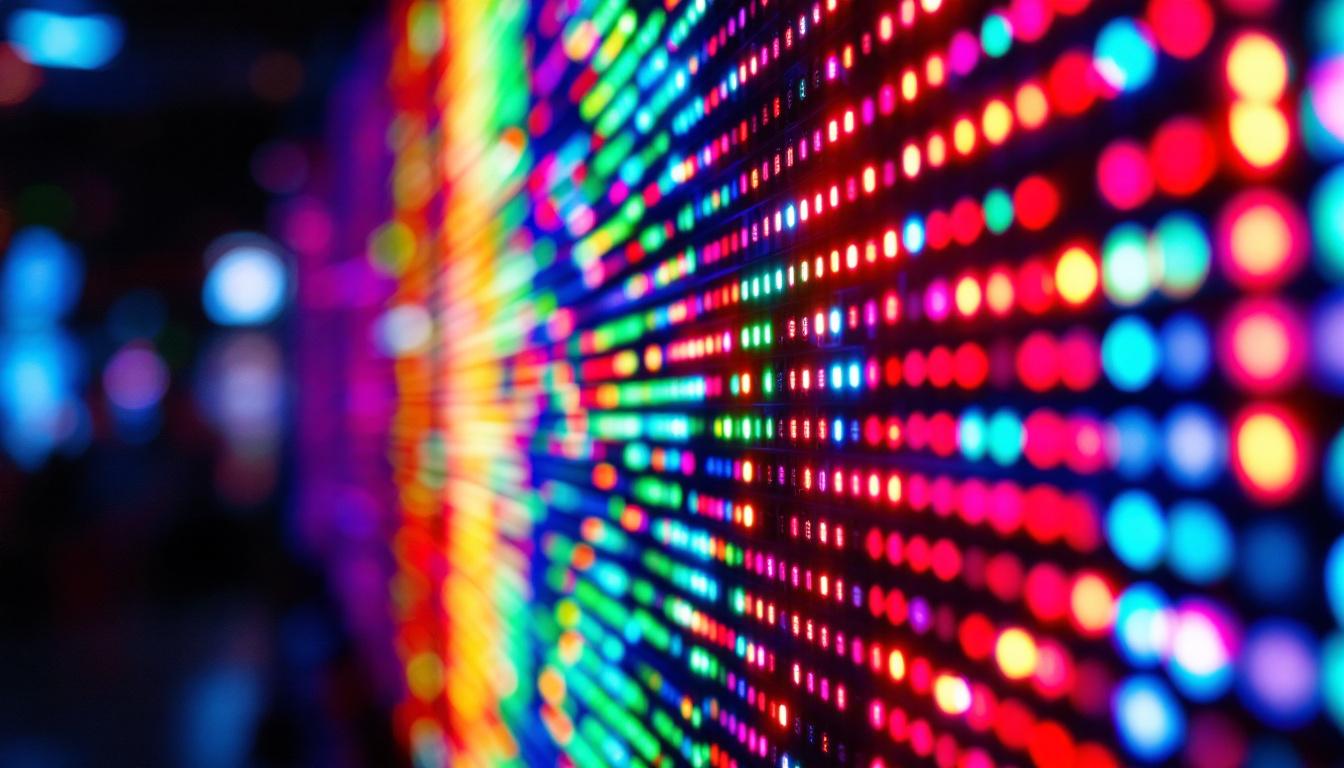
For .7 inch displays, the LEDs are typically arranged in a matrix format, controlled by driver ICs that manage the on/off states and brightness levels of individual pixels. Advances in micro-LED technology have further enhanced the efficiency and color accuracy of these small displays. Moreover, the durability of LED technology means that these displays can withstand a variety of environmental conditions, making them suitable for outdoor applications or devices subjected to frequent handling. As a result, .7 inch LED displays are increasingly being integrated into wearables, automotive dashboards, and even smart home devices, where reliability and performance are crucial.
Applications of .7 Inch LED Displays
Due to their compact size and excellent visual performance, .7 inch LED displays are widely used across various industries. Their adaptability makes them ideal for devices where space is at a premium but clear visual feedback is necessary.
Wearable Technology
Smartwatches, fitness trackers, and other wearable devices often incorporate .7 inch LED displays. The small size fits perfectly on wristbands and other compact form factors, while the brightness ensures visibility in outdoor environments. For example, many fitness trackers utilize monochrome or low-resolution color .7 inch displays to show time, notifications, and health metrics without draining battery life excessively. Additionally, these displays can be designed to be touch-sensitive, allowing users to interact directly with the screen to navigate through various features, such as tracking workouts or monitoring heart rates. The integration of .7 inch LED displays into wearable technology not only enhances functionality but also contributes to the sleek, modern aesthetic that consumers have come to expect from these devices.
Medical Devices
In the medical field, compact LED displays are used in devices such as glucose monitors, pulse oximeters, and portable diagnostic tools. The .7 inch size allows for easy integration into handheld instruments, providing clear and immediate readouts that are critical for patient care. Furthermore, the use of LED technology ensures that these displays can be easily read in low-light conditions, which is particularly important during nighttime monitoring or in emergency situations. Many modern medical devices also utilize customizable display settings, allowing healthcare professionals to adjust brightness and contrast according to the environment, thereby enhancing usability and ensuring accurate readings. As telemedicine continues to grow, the demand for portable medical devices with reliable, compact displays is likely to increase, making .7 inch LED displays even more essential in the healthcare industry.
Industrial and Automotive Applications
Industrial equipment often requires small, durable displays to show system statuses, error codes, or operational data. Similarly, automotive dashboards and control panels sometimes use .7 inch LED displays for indicators and alerts. The high brightness and contrast of LED technology ensure visibility under varying lighting conditions, including direct sunlight. In industrial settings, these displays are often designed to withstand harsh conditions, such as extreme temperatures and vibrations, making them suitable for heavy machinery and equipment. In automotive applications, the integration of .7 inch LED displays can enhance driver safety by providing critical information at a glance, such as fuel levels, speed, and navigation prompts. Moreover, as vehicles become increasingly equipped with smart technology, these displays can be linked to onboard systems to provide real-time updates and diagnostics, further improving the driving experience and operational efficiency.
Technical Advantages of .7 Inch LED Displays
Choosing a .7 inch LED display over other display types or sizes offers several technical benefits that contribute to device performance and user satisfaction.
Energy Efficiency
LED displays consume significantly less power compared to traditional LCDs, especially when displaying darker images or monochrome content. This energy efficiency is critical in battery-powered devices, extending operational time between charges. For wearable and portable electronics, this can translate into days or even weeks of use without recharging.
Brightness and Visibility
One of the standout features of LED displays is their brightness. Even at small sizes like .7 inches, LEDs can achieve luminance levels upwards of 500 nits, making them easily readable in direct sunlight. This is particularly important for outdoor applications and devices used in variable lighting environments.
Durability and Longevity
LEDs are solid-state components, which means they are less prone to mechanical failure compared to other display technologies. They withstand shocks, vibrations, and temperature fluctuations better, making .7 inch LED displays suitable for rugged environments. Moreover, modern LEDs have lifespans exceeding 50,000 hours, ensuring long-term reliability.
Fast Response Time
LED displays offer rapid response times, often in the microsecond range. This allows for smooth animations and real-time data updates without ghosting or motion blur. For applications such as heart rate monitors or industrial sensors, this responsiveness is essential for accurate and timely feedback.
Design Considerations When Implementing .7 Inch LED Displays
Integrating a .7 inch LED display into a product requires careful planning and design to maximize functionality and user experience.
Resolution and Pixel Density Trade-offs
Higher resolution on a small display improves clarity but increases power consumption and complexity. Designers must balance the need for detailed visuals against battery life and cost constraints. For instance, a monochrome 64×32 pixel display may suffice for simple status indicators, while a color 128×64 pixel display might be necessary for more detailed graphics or text.
Interface and Control Electronics
Driving a .7 inch LED display typically involves specialized driver ICs and microcontrollers. The choice of interface—SPI, I2C, or parallel—impacts data transfer speed and wiring complexity. Efficient communication protocols help reduce latency and power usage, which are critical in compact devices.
Power Management
Because LED brightness directly affects power consumption, implementing adjustable brightness controls can optimize battery life. Pulse-width modulation (PWM) is commonly used to regulate brightness without compromising display quality. Additionally, incorporating sleep modes or automatic dimming based on ambient light sensors can further enhance energy efficiency.
Mechanical Integration and Protection
Given the small size of .7 inch displays, mechanical design must ensure secure mounting and protection from physical damage. Protective glass or plastic covers with anti-reflective coatings improve durability and visibility. Designers should also consider thermal management, as excessive heat can degrade LED performance over time.
Future Trends and Innovations in .7 Inch LED Displays
The landscape of display technology is continuously evolving, and .7 inch LED displays are no exception. Emerging trends promise to enhance their capabilities and expand their applications.
Micro-LED Technology
Micro-LED displays represent the next generation of LED technology, featuring microscopic LEDs that deliver superior brightness, color accuracy, and energy efficiency. While currently more common in larger displays, advances in manufacturing are making micro-LEDs viable for small sizes like .7 inches. This could revolutionize wearable displays by offering vibrant colors and longer battery life.
Flexible and Transparent Displays
Research into flexible LED displays is progressing rapidly. Flexible .7 inch LED panels could enable new form factors for wearables and medical devices, conforming to curved surfaces or even clothing. Transparent LED displays also hold promise for augmented reality applications, where information can be overlaid seamlessly onto the user’s field of view.
Integration with IoT and Smart Systems
As the Internet of Things (IoT) expands, .7 inch LED displays are increasingly integrated into smart devices that communicate wirelessly and provide real-time data visualization. Enhanced connectivity options and smarter display controllers will allow these small screens to deliver more interactive and personalized user experiences.
Conclusion
The .7 inch LED display is a small yet powerful component that plays a vital role in many modern electronic devices. Its combination of compact size, energy efficiency, brightness, and durability makes it an excellent choice for wearables, medical instruments, industrial controls, and automotive interfaces. As display technology continues to advance, the capabilities and applications of .7 inch LED displays are poised to grow, offering even greater performance and versatility.
Understanding the technical nuances and design considerations behind these displays enables engineers and designers to harness their full potential, creating innovative products that meet the demands of today’s fast-paced, technology-driven world.
Discover LumenMatrix’s Advanced LED Display Solutions
Ready to elevate your project with the latest in LED display technology? LumenMatrix is at the forefront of innovation, offering a wide array of LED display modules tailored to your needs. From captivating Indoor LED Walls to dynamic Vehicle LED Displays, our solutions are designed to enhance brand visibility and create immersive visual experiences. Whether you’re looking to engage audiences with a Custom LED Display or make a statement with an All-in-One LED Display, LumenMatrix has the expertise to bring your vision to life. Check out LumenMatrix LED Display Solutions today and see how we can transform your visual communication.