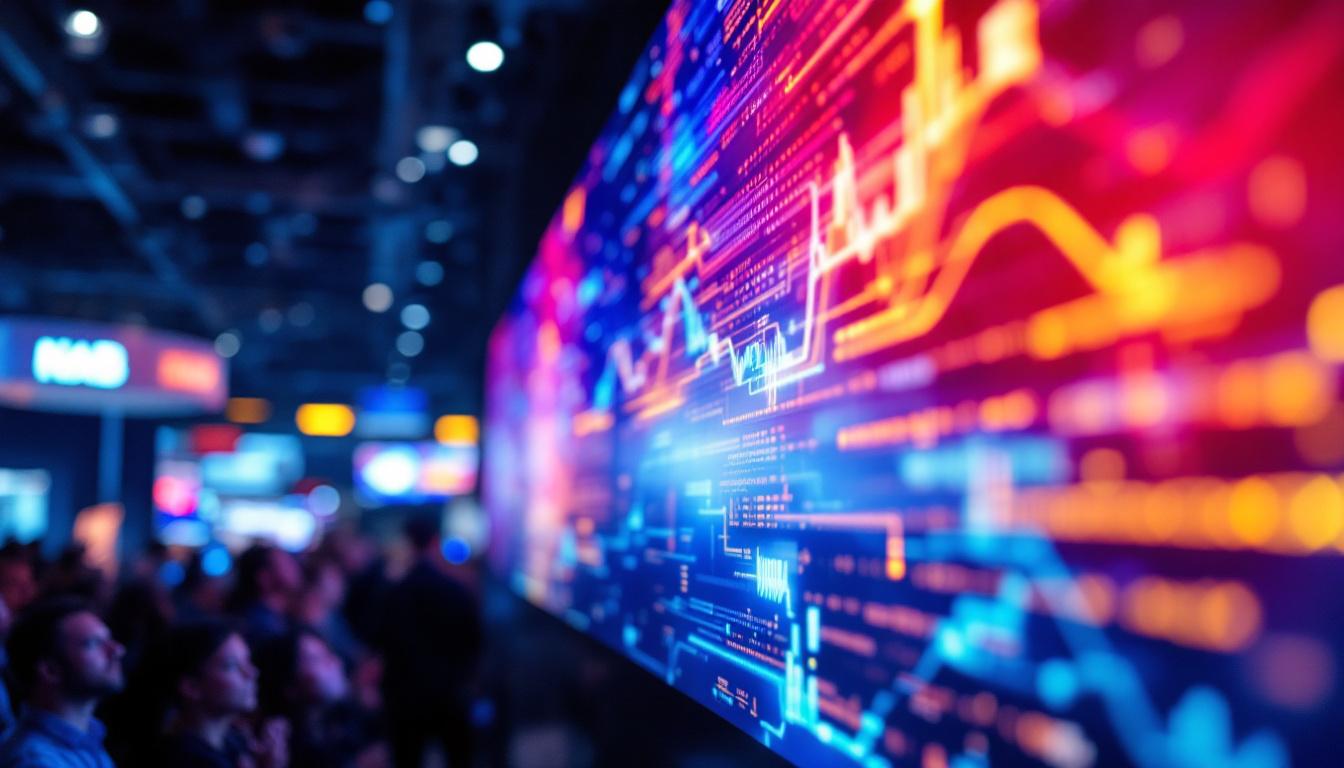
The NAB Show is one of the most influential events in the broadcast, media, and entertainment industries, showcasing the latest innovations in technology and content creation. Among the standout technologies at the show, LED displays have become a focal point, revolutionizing how visual content is presented both on-site and in production environments. This article delves into the intricacies of LED displays as featured at the NAB Tradeshow, explaining their technology, applications, and why they are essential for modern broadcasting and live events.
Understanding LED Display Technology
LED, or Light Emitting Diode, displays have transformed the landscape of digital visuals. Unlike traditional LCD or projection-based screens, LED displays use an array of tiny diodes that emit light directly, creating vivid images with exceptional brightness and contrast. This technology not only enhances the viewing experience but also contributes to energy efficiency, making LED displays a more sustainable choice in the long run.
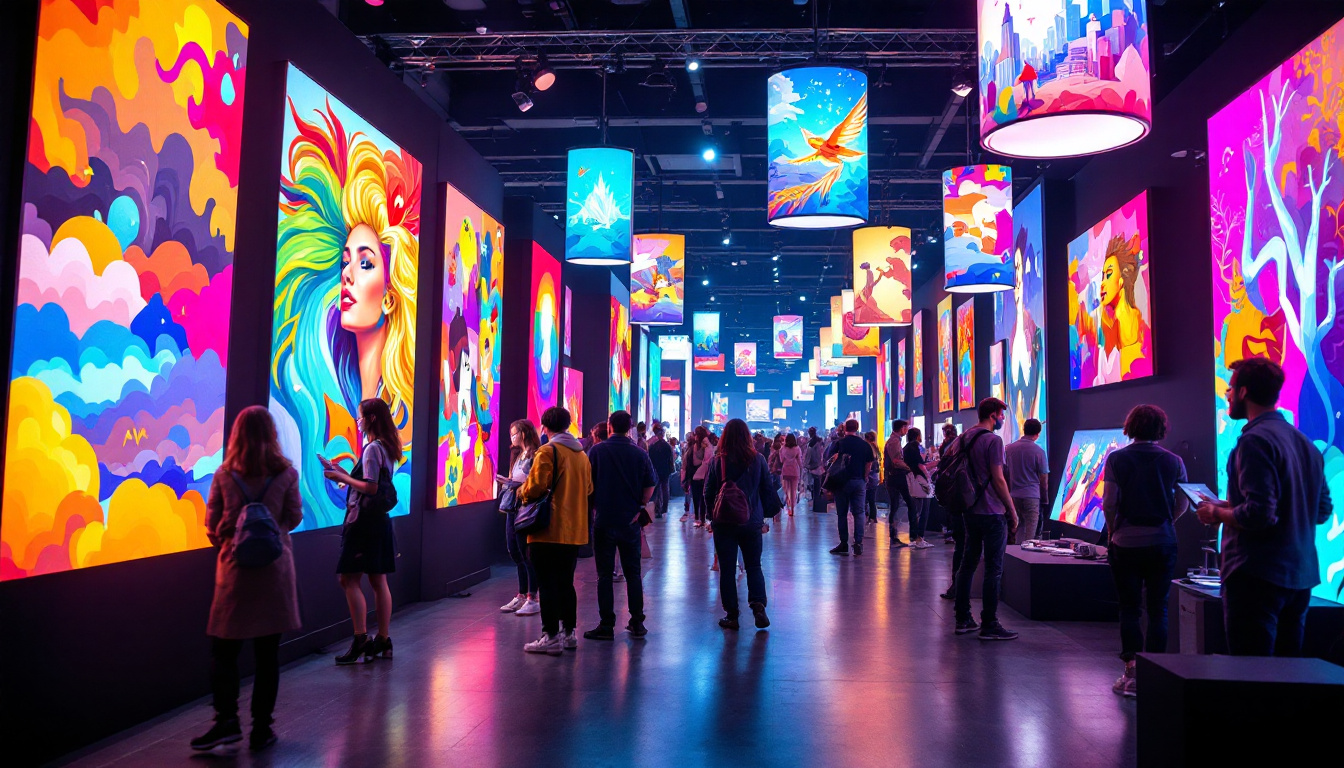
At the NAB Tradeshow, LED displays are often highlighted for their modular design, allowing for flexible configurations that can range from small indoor panels to massive outdoor video walls. This adaptability makes them ideal for a variety of broadcast and live event settings. The ability to easily assemble and disassemble these displays also facilitates quick setups and tear-downs, which is crucial in fast-paced environments like live sports and concerts, where time is of the essence.
How LED Displays Work
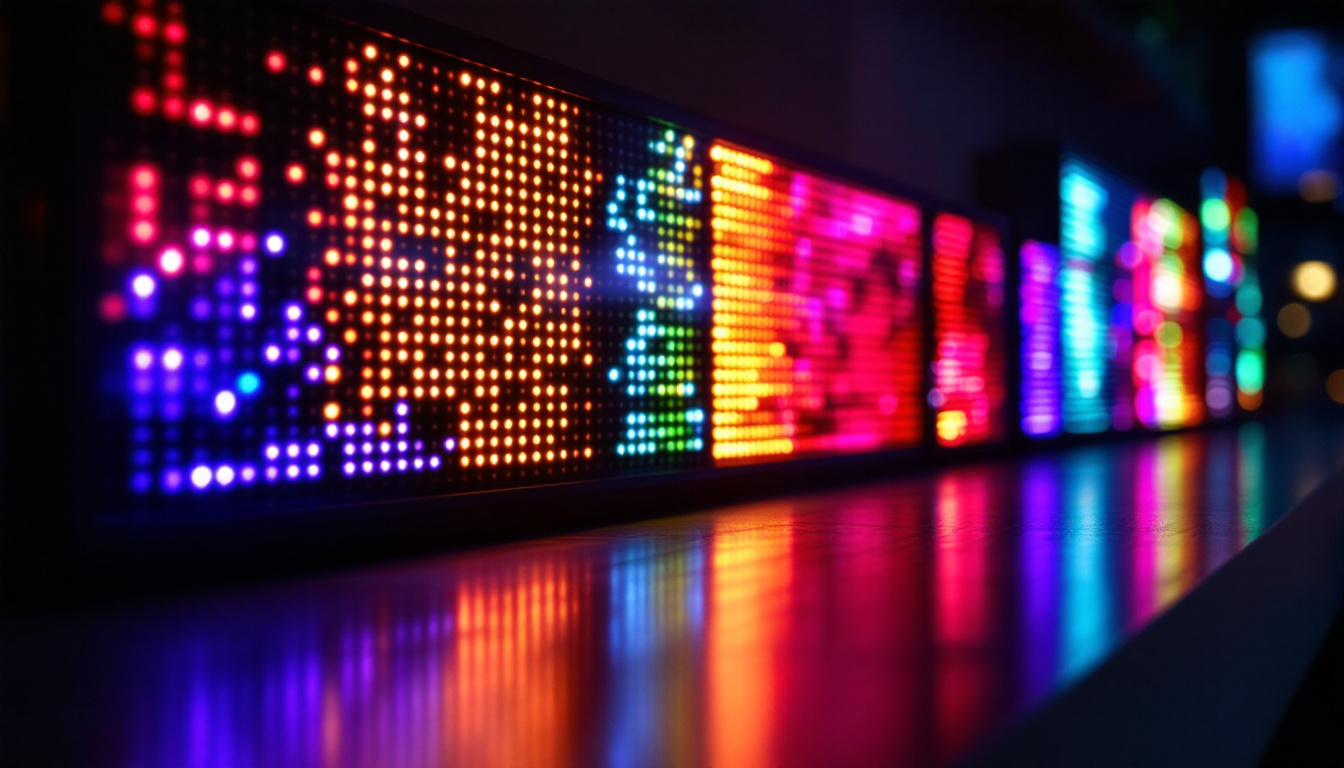
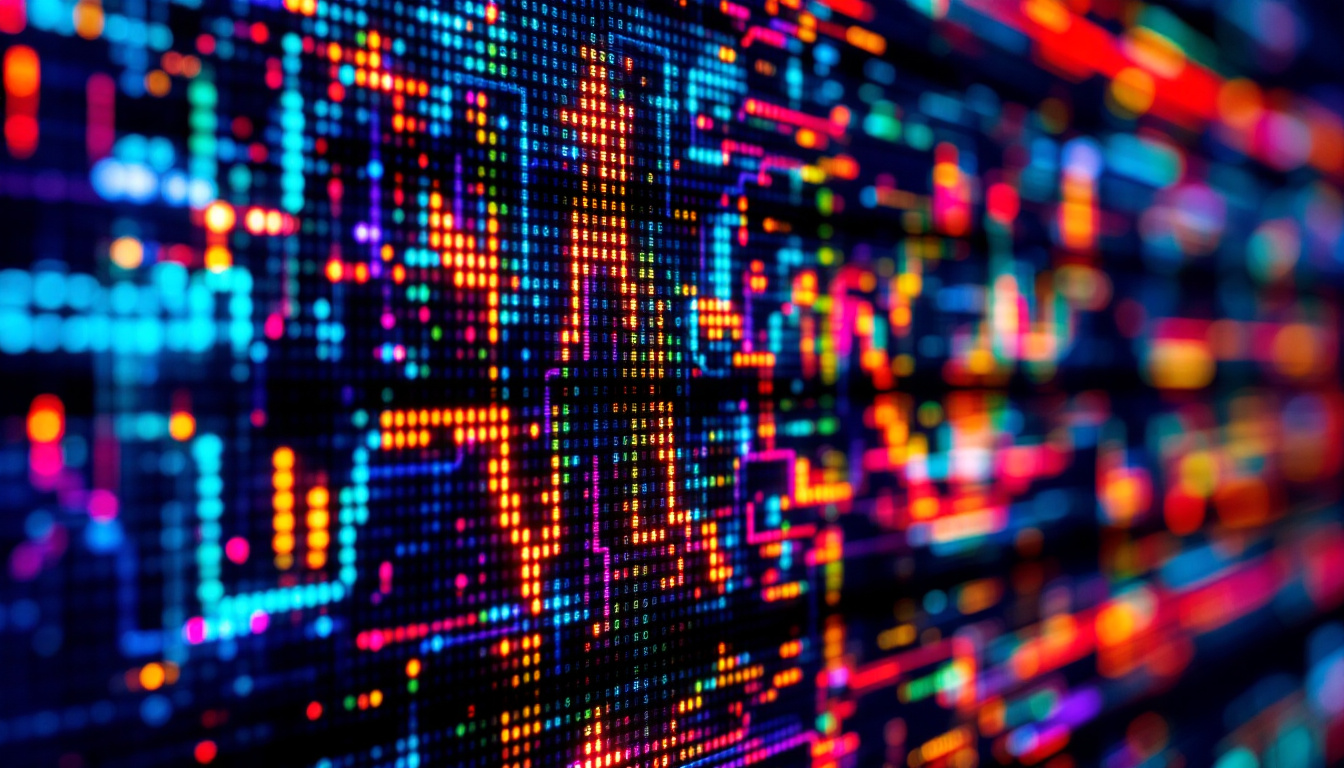
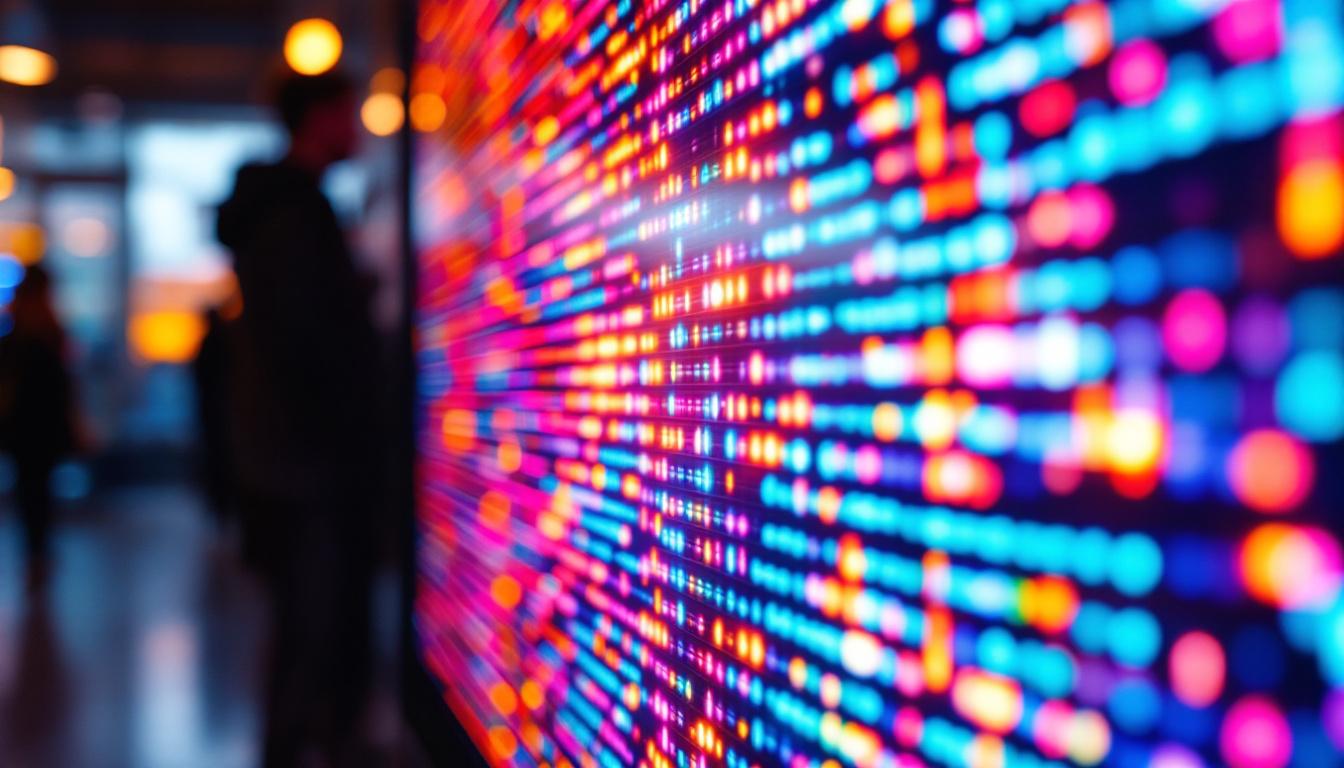
Each LED pixel consists of red, green, and blue diodes that combine to produce a full spectrum of colors. By controlling the intensity of each diode, the display can render detailed images with high color accuracy. The direct emission of light means LED displays can achieve brightness levels exceeding 1,000 nits, far surpassing many other display technologies. This capability is particularly beneficial in environments with high ambient light, where traditional displays may struggle to maintain visibility.
Furthermore, LED displays feature high refresh rates and low latency, which are critical for live broadcasting where motion clarity and real-time responsiveness are paramount. These characteristics ensure smooth video playback without motion blur or ghosting effects. The advanced technology behind LED displays also allows for dynamic content, enabling broadcasters to create engaging and interactive experiences that captivate audiences, whether in a stadium or at home.
Types of LED Displays at NAB
At the NAB Show, several types of LED displays are showcased, each tailored to specific use cases:
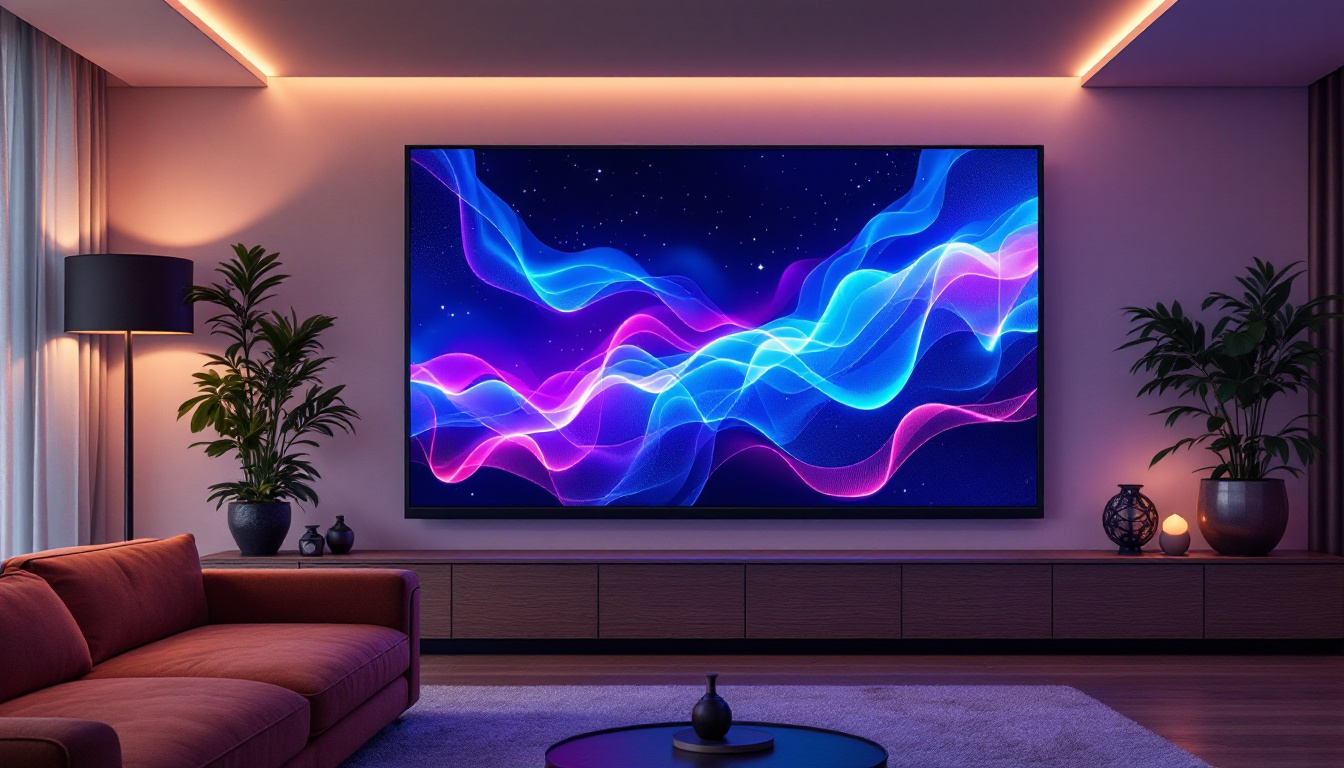
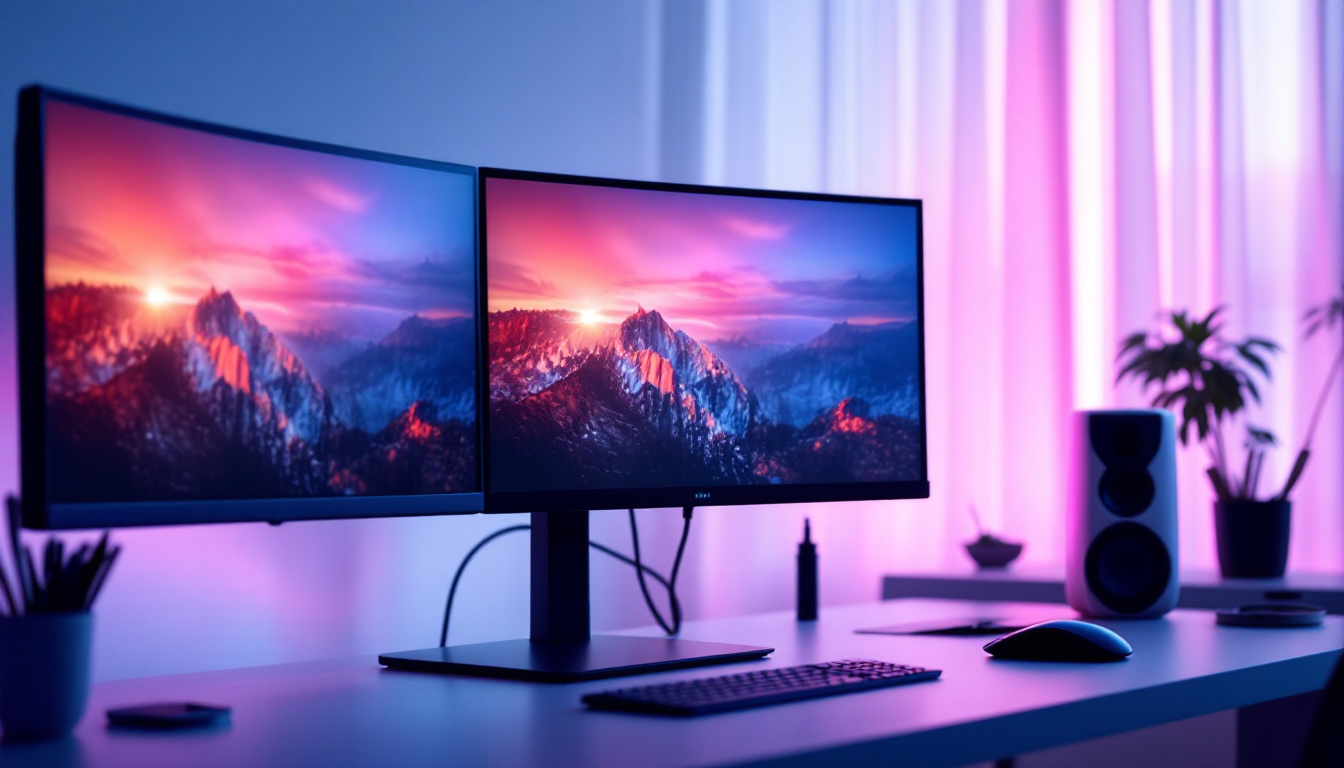
- Indoor LED Displays: Designed for controlled lighting environments, these displays offer high resolution with pixel pitches as small as 0.9mm, making them suitable for studio backdrops and control rooms. Their ability to deliver sharp images even at close viewing distances enhances the overall production quality of broadcasts.
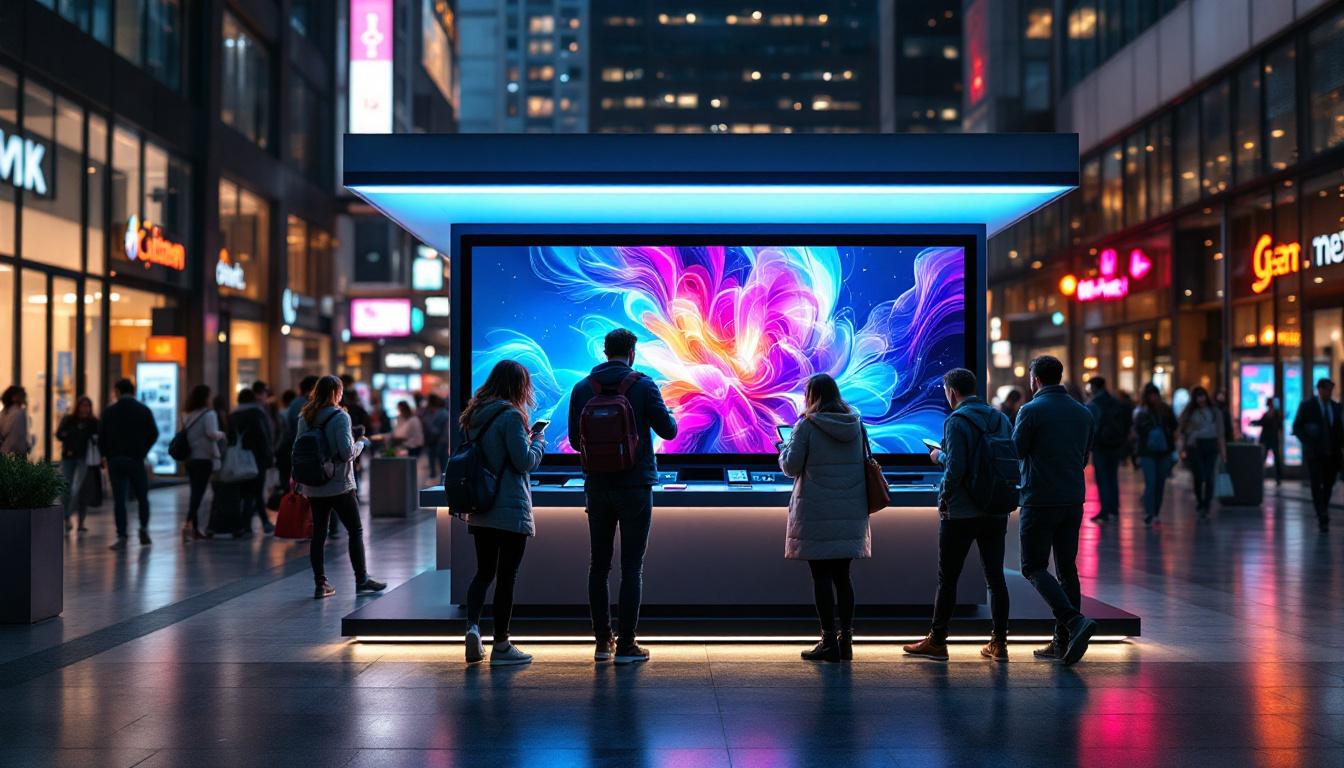
- Outdoor LED Displays: Built to withstand weather elements, these screens feature higher brightness levels (up to 5,000 nits) and rugged enclosures, ideal for stadiums, concerts, and outdoor broadcasts. These displays are engineered to maintain performance in varying weather conditions, ensuring that audiences have a clear view regardless of rain or shine.
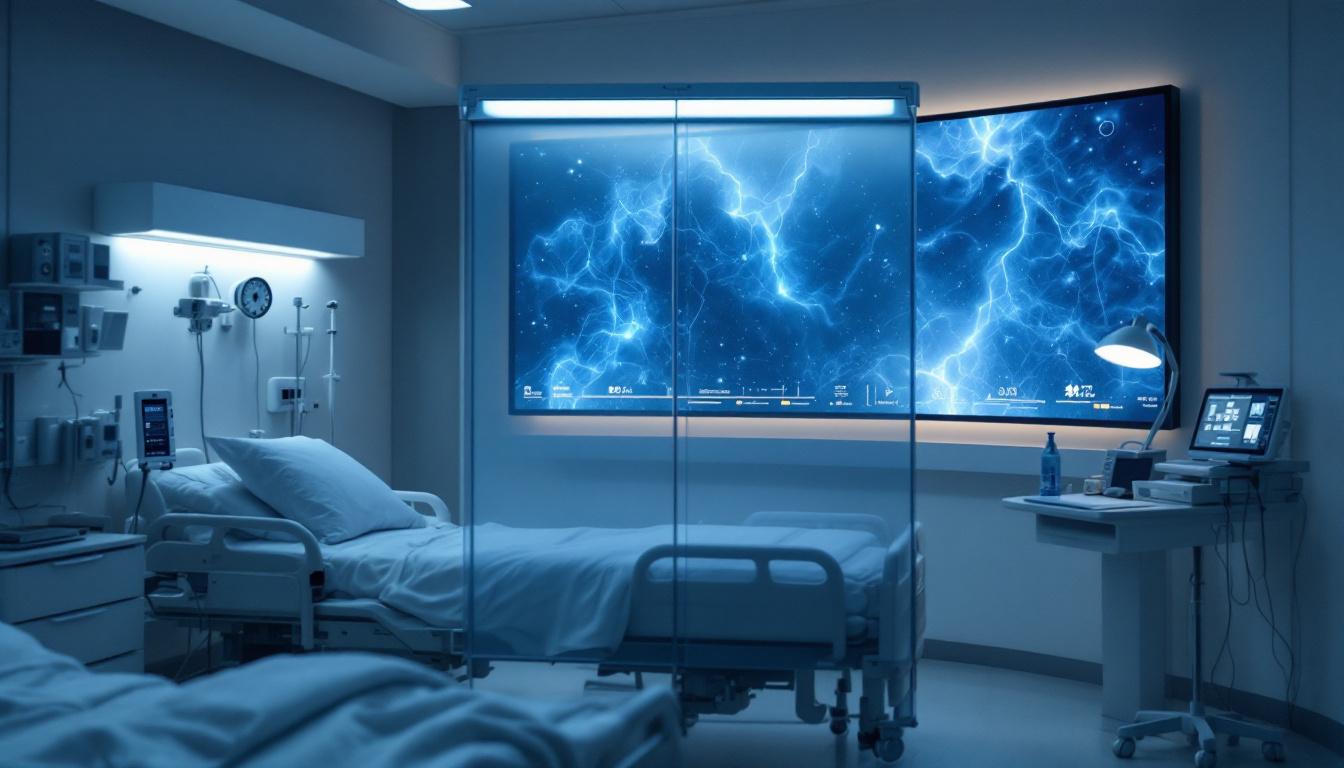
- Flexible and Transparent LED Screens: Innovations in LED technology have led to flexible panels that can curve around surfaces and transparent displays that integrate seamlessly with glass, opening new creative possibilities for set design and advertising. These types of displays are revolutionizing the way brands engage with consumers, allowing for immersive experiences that blend digital content with the physical environment.
Additionally, advancements in LED technology have introduced features such as pixel mapping and content management systems that allow for real-time updates and customization. This means that event organizers can tailor their visual displays to match the theme of their event or highlight specific sponsors, creating a more cohesive and engaging atmosphere. As the demand for high-quality visual content continues to rise, LED displays are set to play an increasingly prominent role in shaping the future of media and entertainment.
Applications of LED Displays in Broadcasting and Live Events
The versatility of LED displays has made them indispensable in the media industry. Their ability to deliver dynamic, high-impact visuals enhances storytelling and audience engagement across multiple platforms.
Studio and Set Design
Modern broadcast studios increasingly rely on LED walls as dynamic backdrops. Unlike static green screens, LED displays provide real-time, high-resolution imagery that can be adjusted instantly to match the content or mood of the program. This capability reduces post-production time and enhances the immersive experience for viewers.
For example, during the 2023 NAB Show, several broadcasters demonstrated virtual sets powered by LED walls, where hosts interacted with animated graphics and live data feeds displayed seamlessly behind them. This integration of technology and creativity is reshaping traditional studio workflows.
Live Event Production
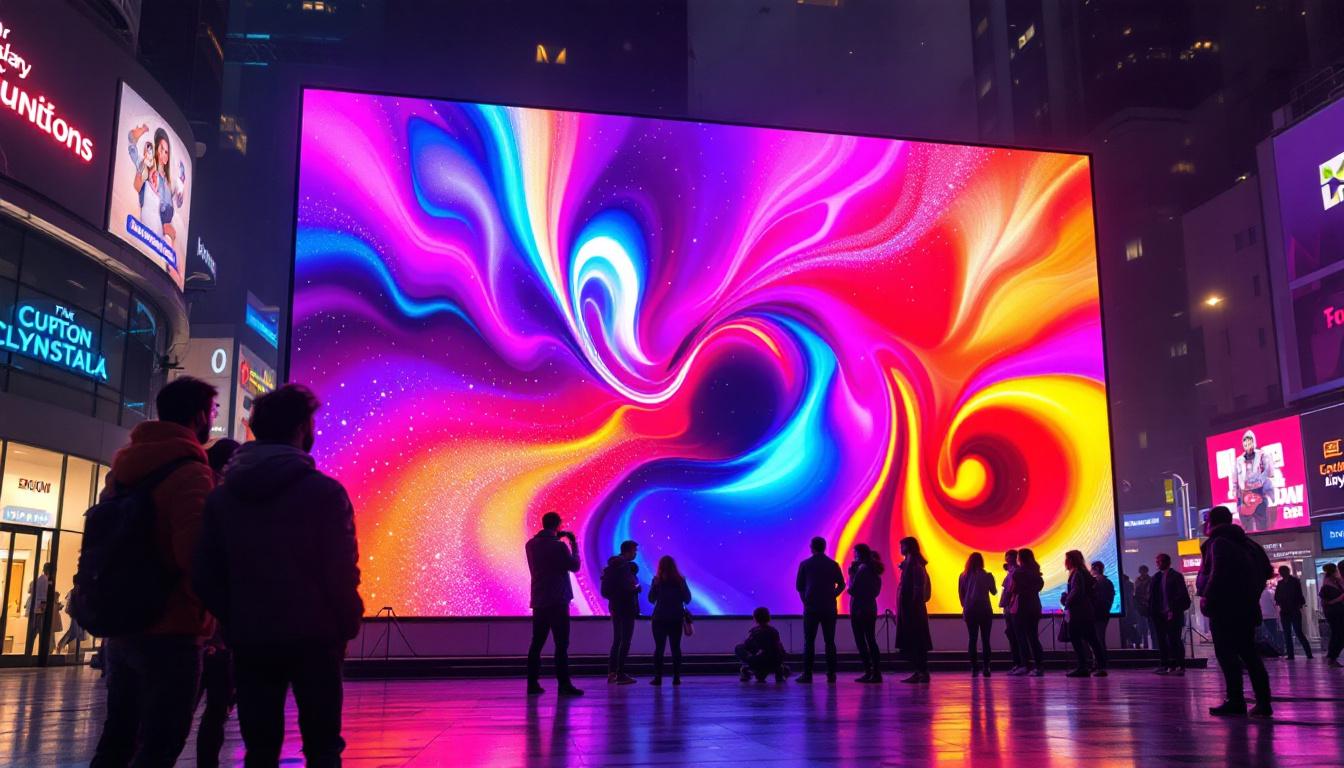
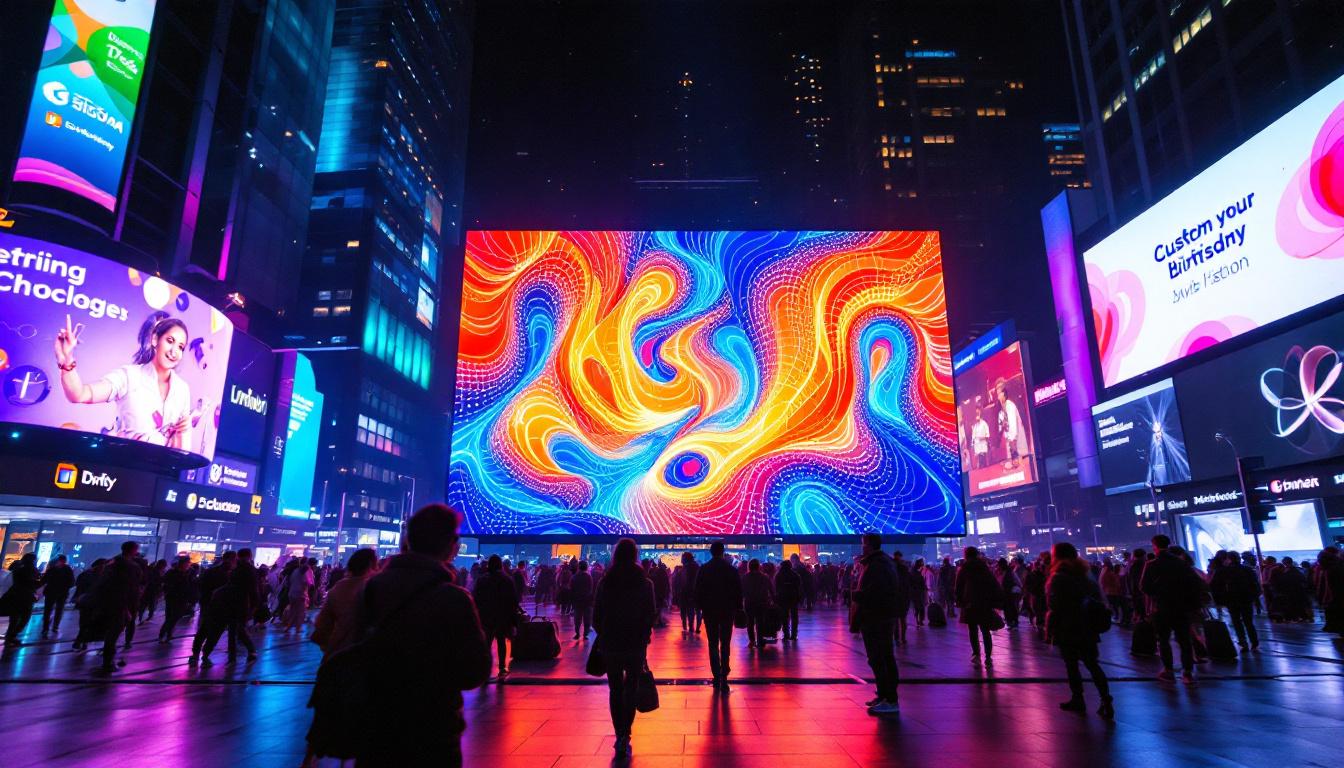
Live events such as concerts, sports broadcasts, and award shows benefit tremendously from LED displays. Large-scale LED video walls provide clear sightlines for audiences in vast venues, ensuring that every spectator can experience the event up close, regardless of their seating location.
Moreover, LED displays enable complex visual effects and branding opportunities that enhance the overall production value. For instance, the Super Bowl halftime show often employs massive LED screens to create immersive environments and synchronize visuals with live performances, demonstrating the technology’s impact on audience engagement.
Outdoor Advertising and Signage
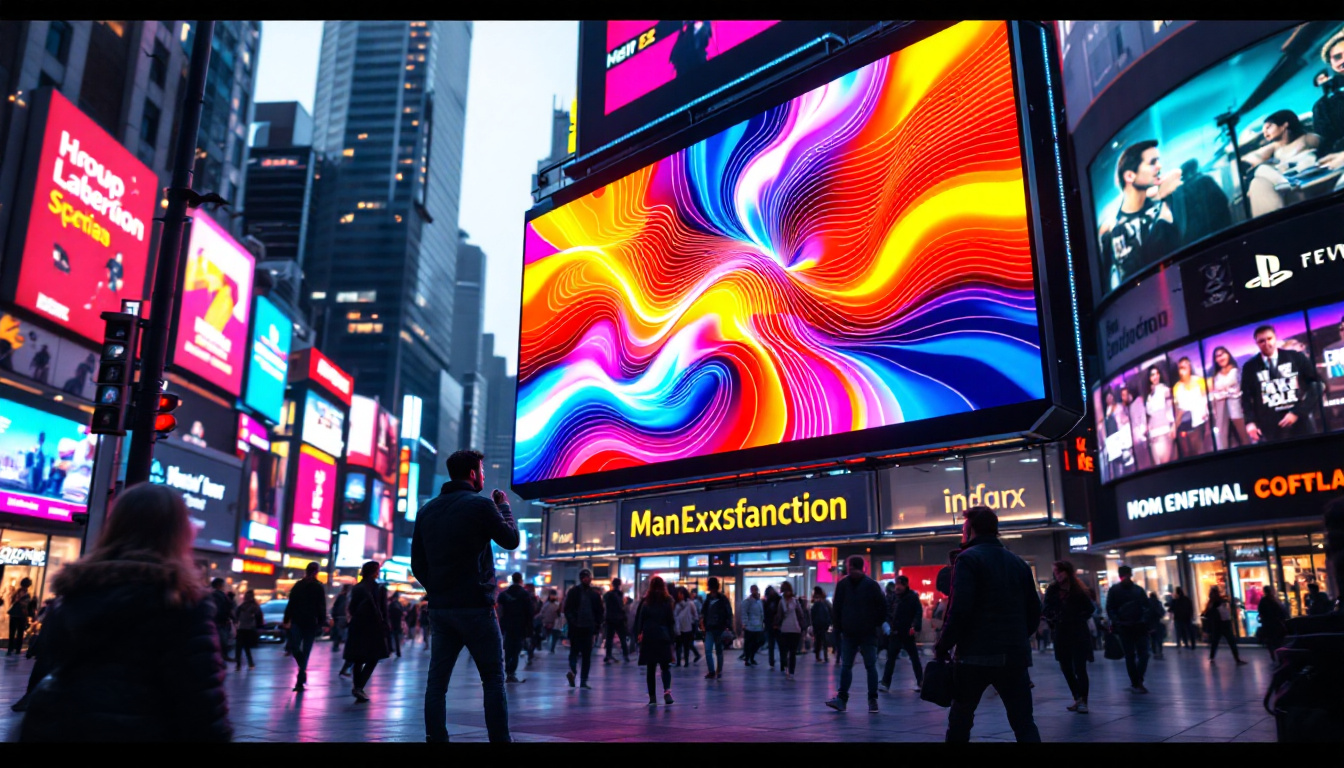
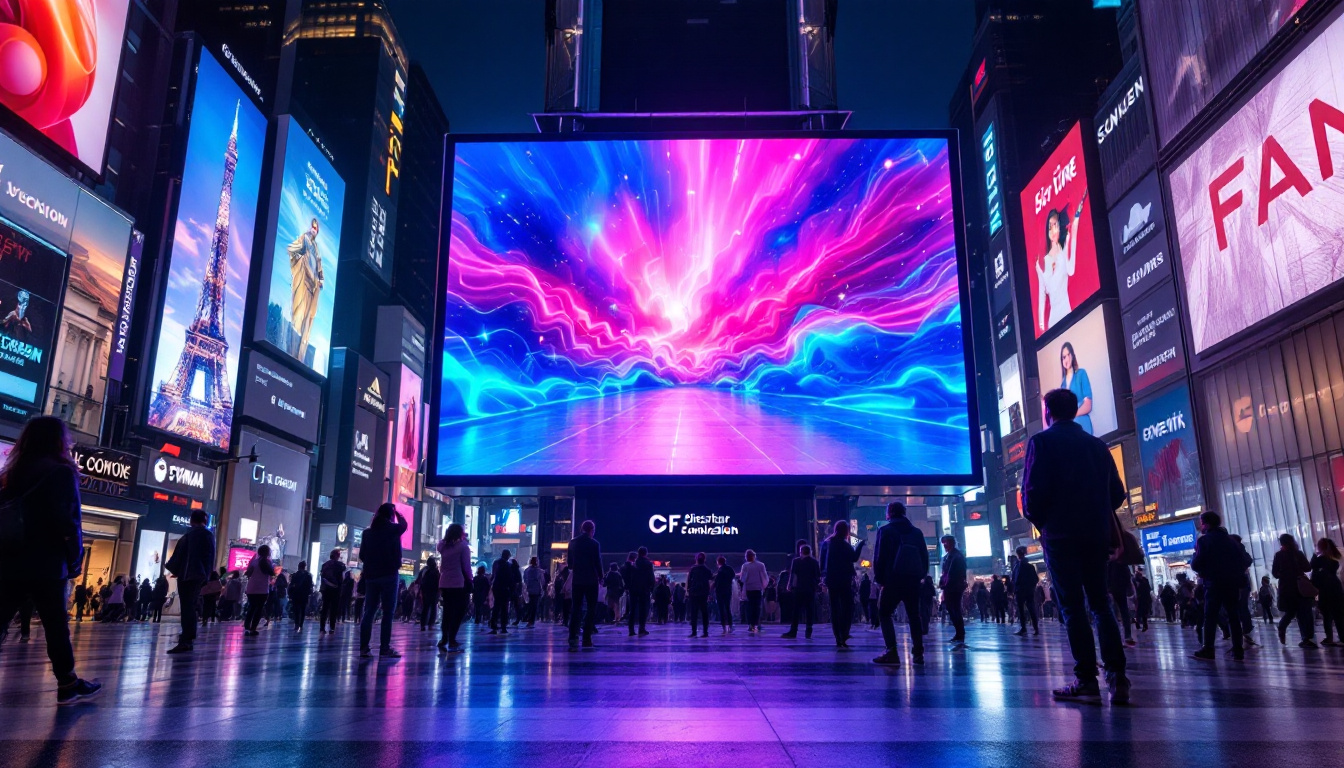
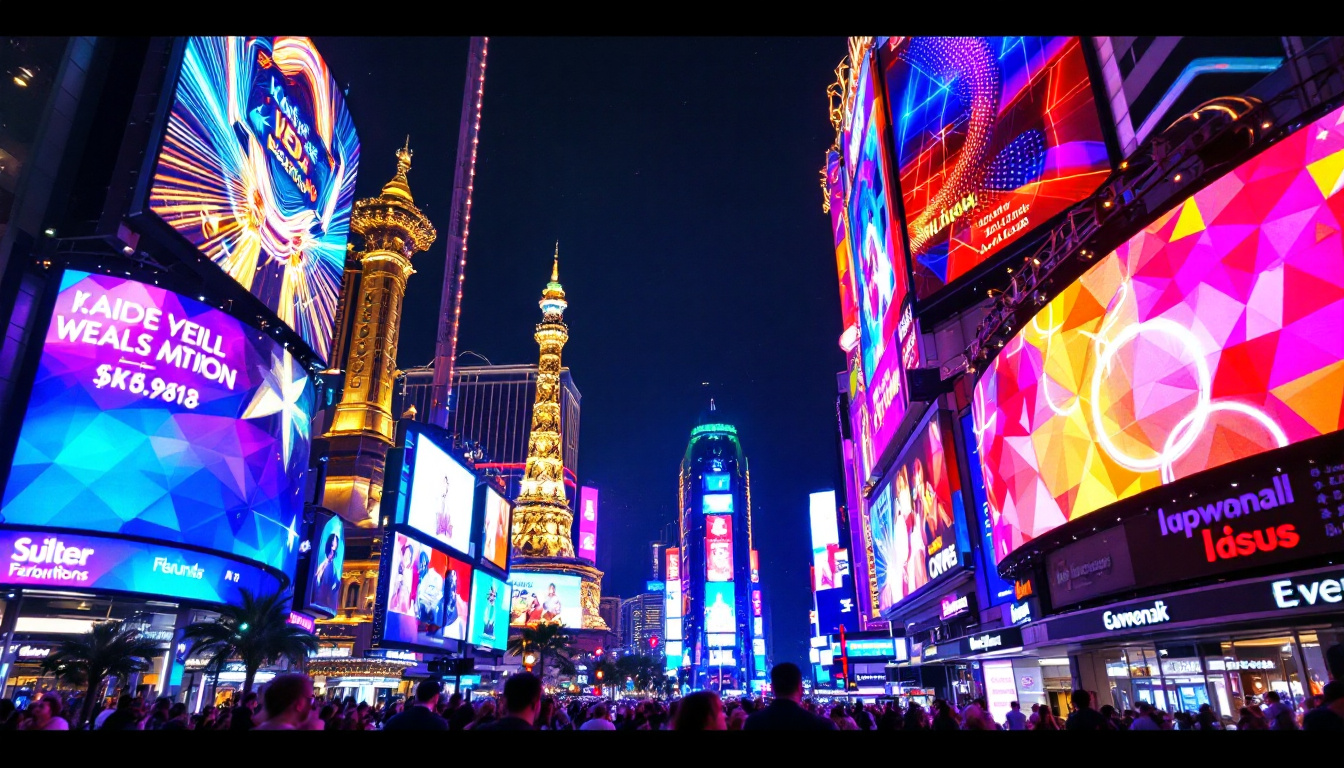
Beyond broadcasting, LED displays are widely used in outdoor advertising, leveraging their brightness and durability to capture attention in busy urban environments. Digital billboards equipped with LED technology can update content in real-time, allowing for targeted advertising campaigns that respond to time of day, weather, or audience demographics.
At NAB, several companies showcased LED signage solutions that integrate with broadcast content, enabling seamless transitions between advertising and live event visuals, a trend that is gaining traction in the media ecosystem.
Key Advantages of LED Displays Highlighted at NAB
The NAB Tradeshow emphasizes several benefits of LED displays that make them the preferred choice for broadcasters and event producers alike.
Superior Image Quality and Brightness
One of the primary advantages of LED displays is their ability to deliver unparalleled image quality. With high brightness levels, these screens maintain visibility even in direct sunlight or brightly lit studios. The wide color gamut and high contrast ratios contribute to vibrant, lifelike images that enhance viewer experience.
Scalability and Flexibility
LED displays are inherently modular, allowing users to customize screen size and shape to fit specific needs. This scalability is crucial for broadcasters who require different setups for studio production, outdoor events, or mobile units. The ease of assembly and disassembly also facilitates quick deployment and transport, which is essential for live event production.
Energy Efficiency and Longevity
Compared to traditional lighting and display technologies, LEDs consume less power and have longer operational lifespans. This efficiency reduces operational costs and environmental impact, aligning with the growing industry focus on sustainability.
Enhanced Interactivity and Integration
Modern LED displays support advanced control systems that enable real-time content changes, interactive graphics, and integration with broadcast workflows. This interactivity is vital for live productions where content must adapt dynamically to unfolding events.
Future Trends in LED Display Technology
The NAB Show not only highlights current technologies but also offers a glimpse into the future of LED displays. Several emerging trends promise to further enhance the capabilities and applications of this technology.
MicroLED and MiniLED Innovations
MicroLED and MiniLED technologies represent the next generation of LED displays, offering even higher resolution, improved contrast, and thinner form factors. These advancements will enable ultra-high-definition displays suitable for close-up viewing in studios and consumer devices alike.
During the 2024 NAB Show, several manufacturers unveiled MicroLED prototypes demonstrating superior brightness and color accuracy, signaling a shift towards more immersive and detailed visual experiences.
AI-Driven Content Optimization
Artificial intelligence is increasingly being integrated into LED display systems to optimize content delivery based on audience engagement, environmental conditions, and contextual data. AI algorithms can adjust brightness, color balance, and content scheduling automatically, ensuring optimal viewing experiences at all times.
Augmented Reality (AR) and LED Integration
The convergence of AR technology with LED displays is opening new creative avenues for broadcasters. By combining physical LED backdrops with AR overlays, producers can create hybrid environments that blend real and virtual elements seamlessly. This fusion was a highlight at NAB, showcasing how storytelling can evolve through immersive technologies.
Choosing the Right LED Display for Your Needs
Selecting the appropriate LED display requires careful consideration of several factors, especially for broadcast professionals and event organizers aiming to maximize impact and efficiency.
Pixel Pitch and Resolution
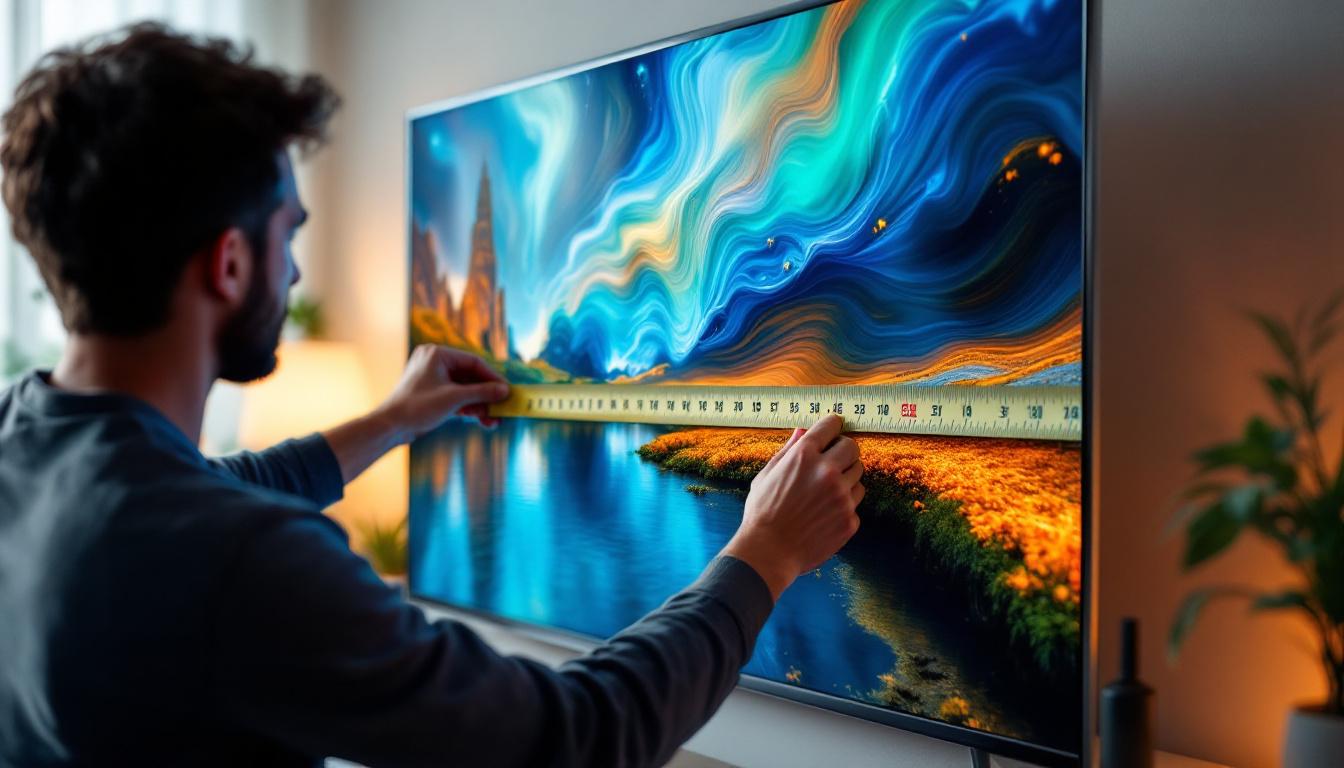
Pixel pitch—the distance between individual LED pixels—is a critical specification that affects image clarity. Smaller pixel pitches (sub-2mm) are ideal for close-viewing environments like studios, while larger pitches are suitable for outdoor or large venue applications where viewers are farther away.
Brightness and Environmental Suitability
Understanding the ambient lighting conditions where the display will be used is essential. Outdoor displays require higher brightness and weatherproofing, while indoor displays can prioritize resolution and color accuracy.
Connectivity and Control Systems
Modern LED displays should support versatile input options and integrate seamlessly with existing broadcast infrastructure. Features like network control, remote management, and compatibility with popular media servers streamline operations and content management.
Budget and Total Cost of Ownership
While LED displays represent a significant investment, considering factors such as energy consumption, maintenance, and lifespan is crucial for evaluating total cost of ownership. The NAB Tradeshow often highlights solutions that balance performance with cost-effectiveness.
Conclusion
The NAB Tradeshow continues to be a pivotal platform for showcasing advancements in LED display technology, reflecting the evolving demands of the broadcast and live event industries. LED displays offer unmatched versatility, image quality, and operational benefits that enhance content delivery and audience engagement.
As LED technology progresses, with innovations like MicroLED, AI integration, and AR convergence, broadcasters and event producers are equipped with powerful tools to create immersive and impactful experiences. Understanding the technical aspects and practical applications of LED displays is essential for industry professionals seeking to stay at the forefront of media technology.
Whether for studio backdrops, large-scale live events, or dynamic advertising, LED displays are shaping the future of visual storytelling, making them a cornerstone of modern broadcast technology showcased prominently at the NAB Tradeshow.
Explore Cutting-Edge LED Display Solutions with LumenMatrix
As the NAB Tradeshow demonstrates, the future of visual storytelling is bright with LED display technology. If you’re looking to elevate your brand’s presence, captivate audiences, or create unforgettable visual experiences, look no further than LumenMatrix. Our comprehensive range of LED display modules, from Indoor and Outdoor LED Walls to innovative Transparent and Custom LED Displays, is designed to meet the diverse needs of modern broadcasting and live events. Discover how LumenMatrix is pioneering the revolution in visual communication and check out our LED Display Solutions to see how we can enhance your next project.