In today’s digital age, LED displays have become an essential medium for communication, advertising, and entertainment. From massive outdoor billboards to intricate indoor signage, LED technology offers unparalleled brightness, flexibility, and durability. However, the true power of LED displays lies in their customization capabilities, allowing businesses and organizations to tailor screen panels to their unique needs. This article delves into the world of custom screen panels, explaining the technology behind LED displays, their applications, and how customization can elevate visual communication.
Understanding LED Display Technology
What is an LED Display?
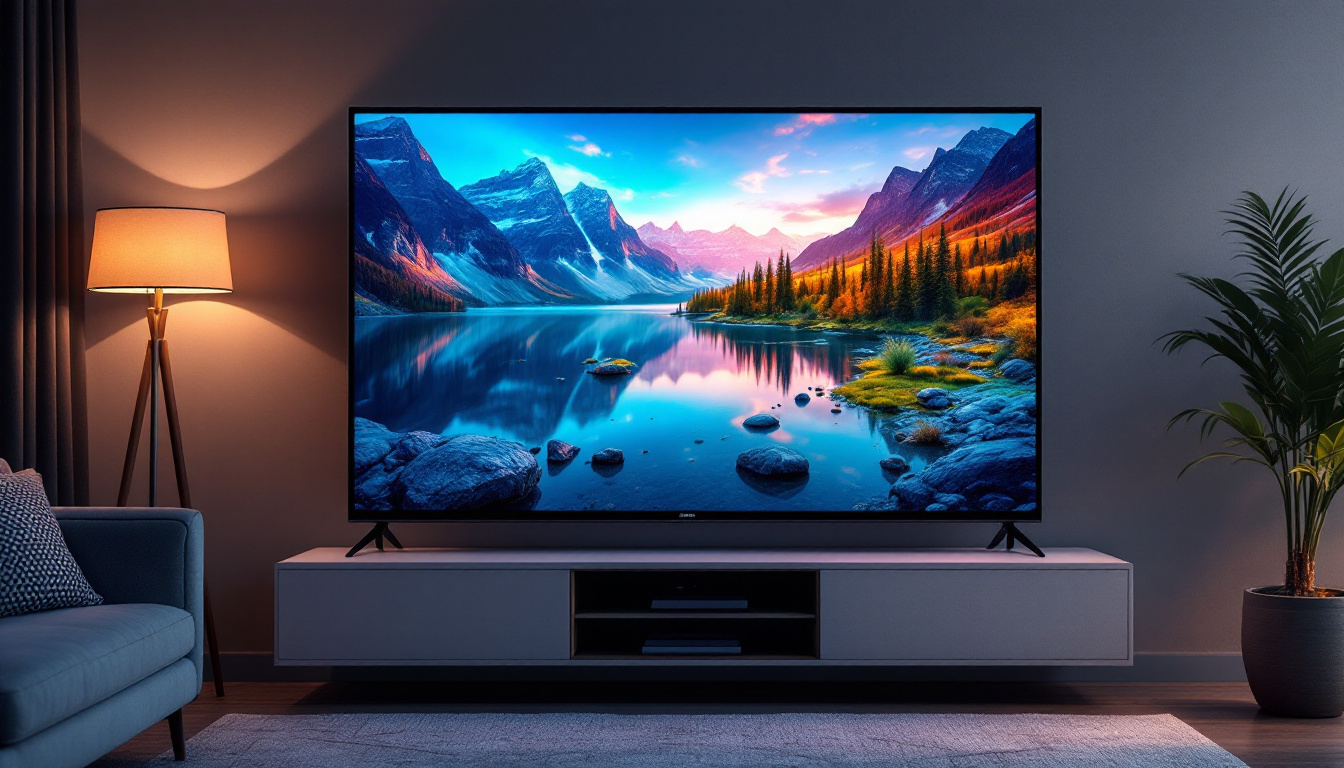
An LED (Light Emitting Diode) display is a flat panel that uses an array of tiny light-emitting diodes to produce images, videos, or text. Unlike traditional LCD screens that rely on backlighting, LED displays emit their own light, resulting in higher brightness levels and better contrast ratios. This self-illumination characteristic makes LED screens highly visible even in direct sunlight, which is why they are commonly used in outdoor environments.
The core component of an LED display is the LED module, which consists of multiple diodes arranged in a grid. These modules are combined to form larger screen panels, which can be scaled to virtually any size. The resolution and clarity of the display depend on the pixel pitch — the distance between individual LEDs — with smaller pitches providing higher resolution and finer detail.
Types of LED Displays
LED displays come in various forms, each suited to different applications:
- Indoor LED Displays: Designed for controlled lighting environments, indoor LED screens typically have smaller pixel pitches (1.2mm to 4mm) for high-resolution imagery, making them ideal for retail, corporate events, and broadcast studios.
- Outdoor LED Displays: Built to withstand weather conditions, these displays have larger pixel pitches (typically 6mm to 20mm) and higher brightness levels (up to 7,000 nits or more) to ensure visibility in daylight. Common uses include billboards, stadium screens, and public information displays.
- Transparent LED Screens: These innovative displays allow light to pass through, enabling them to be installed on glass surfaces without obstructing views. They are popular in retail storefronts and architectural applications.
- Flexible and Curved LED Displays: Utilizing bendable substrates, these screens can be shaped to fit unique architectural designs or create immersive visual experiences.
The Advantages of Custom Screen Panels
Tailored to Specific Needs
One of the greatest benefits of custom LED screen panels is their adaptability. Standard displays may not always fit the spatial or functional requirements of a project. Custom panels allow designers and engineers to specify dimensions, shapes, pixel pitches, and brightness levels to perfectly match the environment and intended use.
For example, a retail store might require a curved LED wall that wraps around a column, while a sports arena may need a massive rectangular display with ultra-high brightness and weatherproofing. Customization ensures that the display integrates seamlessly into the physical space and meets performance expectations.
Enhanced Visual Impact
Custom LED panels enable creative freedom that can significantly enhance visual storytelling. By choosing the right pixel pitch and resolution, businesses can ensure crisp images and smooth video playback. Additionally, custom shapes and sizes allow for unique installations that grab attention and differentiate a brand.
In advertising, this can translate to higher engagement and recall rates. Studies have shown that digital signage with dynamic content can increase customer engagement by up to 400% compared to static signs. Custom LED panels provide the canvas to maximize this effect.
Optimized for Environment and Usage
Environmental factors such as ambient light, viewing distance, and weather conditions play a crucial role in display performance. Custom panels can be engineered with specific brightness levels, IP ratings (Ingress Protection), and cooling systems to ensure longevity and reliability.
For instance, outdoor displays in harsh climates require robust enclosures and efficient heat dissipation to prevent damage. Indoor screens might prioritize color accuracy and uniformity for close-up viewing. Customization ensures that the display performs optimally in its intended setting, reducing maintenance costs and downtime.
Key Components and Considerations in Custom LED Screen Panels
Pixel Pitch and Resolution
Pixel pitch is arguably the most critical factor in LED display customization. It determines the density of LEDs per square meter and directly impacts image clarity. A smaller pixel pitch means more LEDs are packed into a given area, resulting in sharper images suitable for close viewing distances.
For example, a pixel pitch of 1.5mm is ideal for indoor applications where viewers are close to the screen, such as conference rooms or retail displays. Conversely, a pixel pitch of 10mm or more is suitable for large outdoor billboards viewed from hundreds of feet away.
Brightness and Color Calibration
Brightness is measured in nits, with typical indoor LED displays ranging from 800 to 1,500 nits, while outdoor displays can exceed 7,000 nits to combat sunlight glare. Customization allows for brightness tuning based on ambient lighting conditions, ensuring visibility without excessive power consumption.
Color calibration is equally important to maintain consistent and accurate color reproduction across the entire screen. Advanced calibration techniques can adjust for LED aging, temperature variations, and module inconsistencies, resulting in a uniform and vibrant display.
Structural Design and Mounting Options
Custom LED panels can be designed with various structural considerations, including weight, thickness, and mounting mechanisms. Lightweight panels facilitate easier installation and reduce structural load, which is critical for suspended or curved installations.
Mounting options range from wall-mounted frames to free-standing structures and even mobile setups for events. Custom engineering ensures that the panels fit securely and safely, conforming to building codes and safety standards.
Control Systems and Software Integration
Modern LED displays rely on sophisticated control systems that manage content playback, synchronization, and diagnostics. Custom panels often come with tailored software solutions that integrate with existing IT infrastructure, enabling remote management and real-time monitoring.
Integration with content management systems (CMS) allows dynamic scheduling, multi-zone content display, and interactive features such as touch or sensor-based responses. This level of customization enhances operational efficiency and user engagement.
Applications of Custom LED Screen Panels
Advertising and Digital Billboards
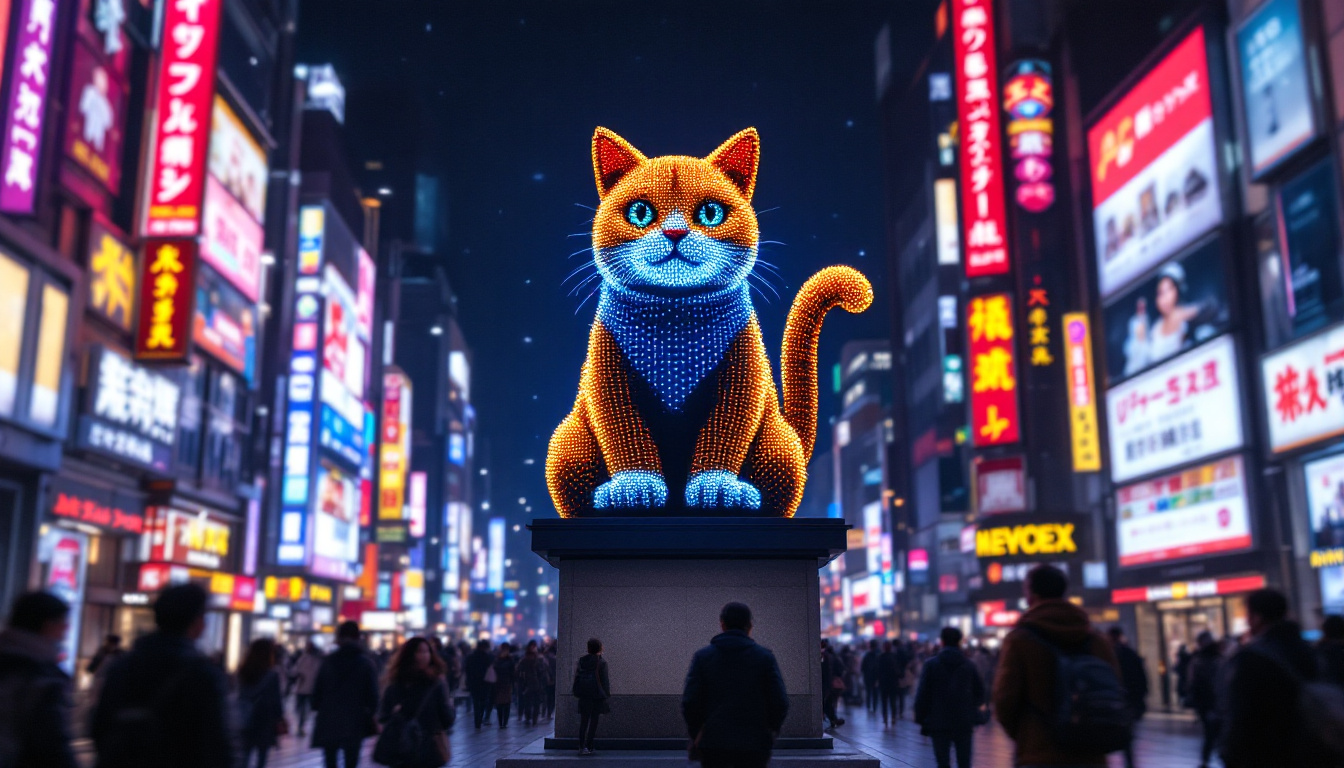
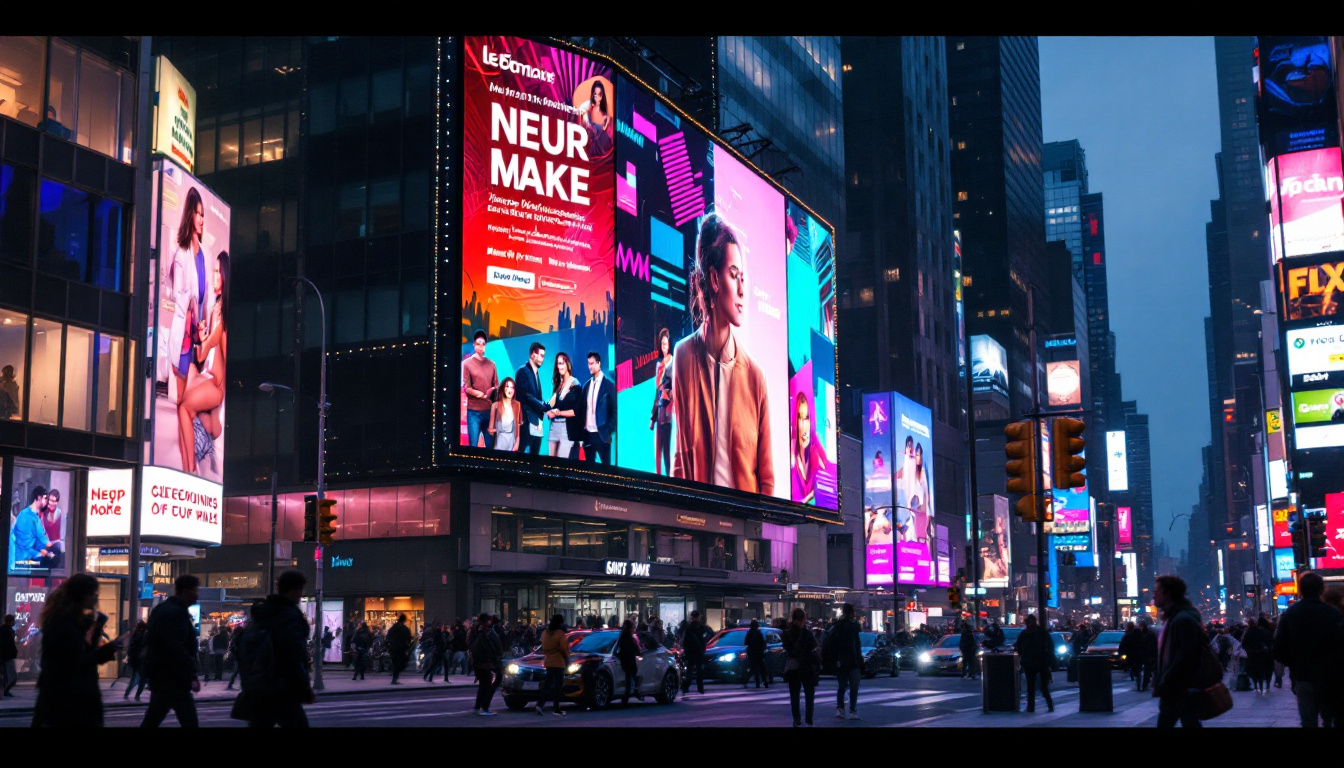
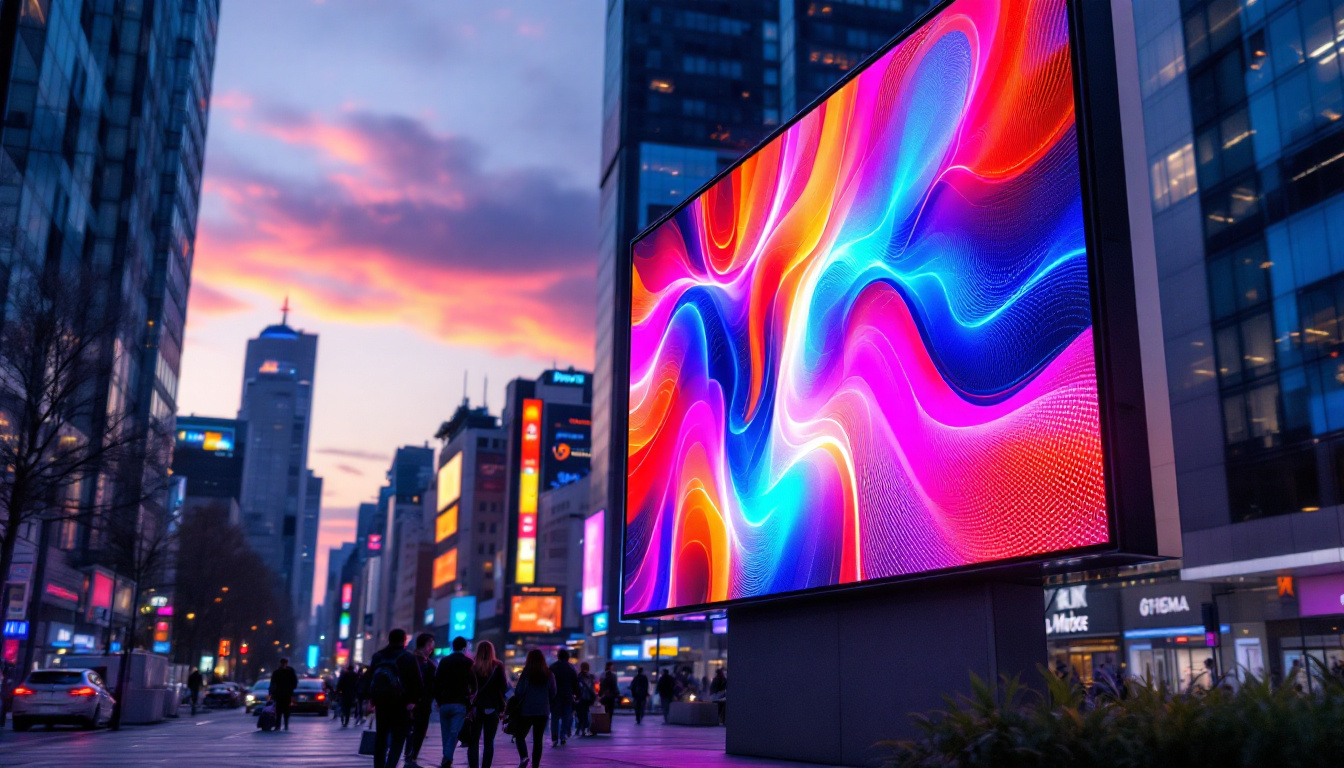
Custom LED panels revolutionize outdoor advertising by delivering high-impact visuals that capture attention in busy urban environments. Brands can leverage large-format, high-brightness displays with tailored dimensions to fit unique billboard spaces, including irregular shapes or curved surfaces.
Dynamic content capabilities allow advertisers to update messages in real-time, target specific demographics, and even incorporate interactive elements. According to industry reports, digital out-of-home advertising is expected to grow at a compound annual growth rate (CAGR) of over 10% through 2027, highlighting the increasing demand for customizable LED solutions.
Sports and Entertainment Venues
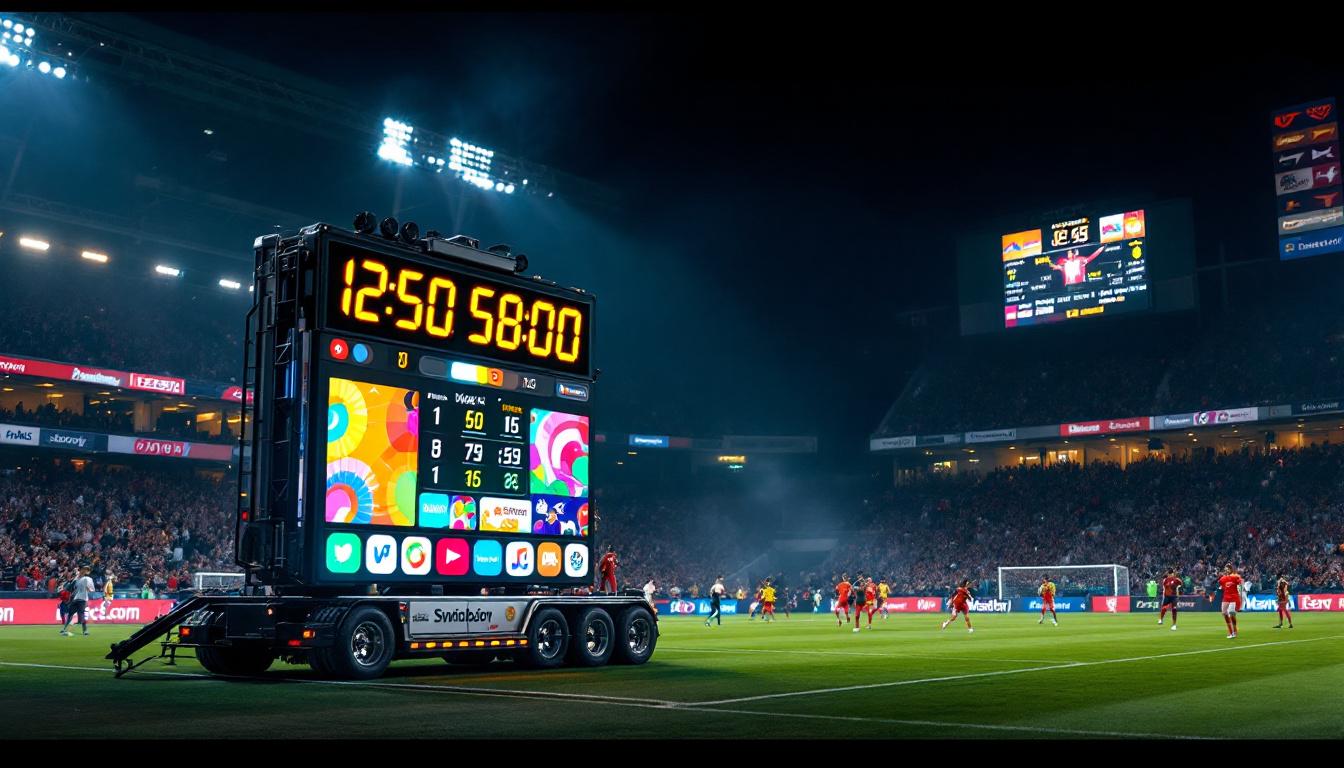
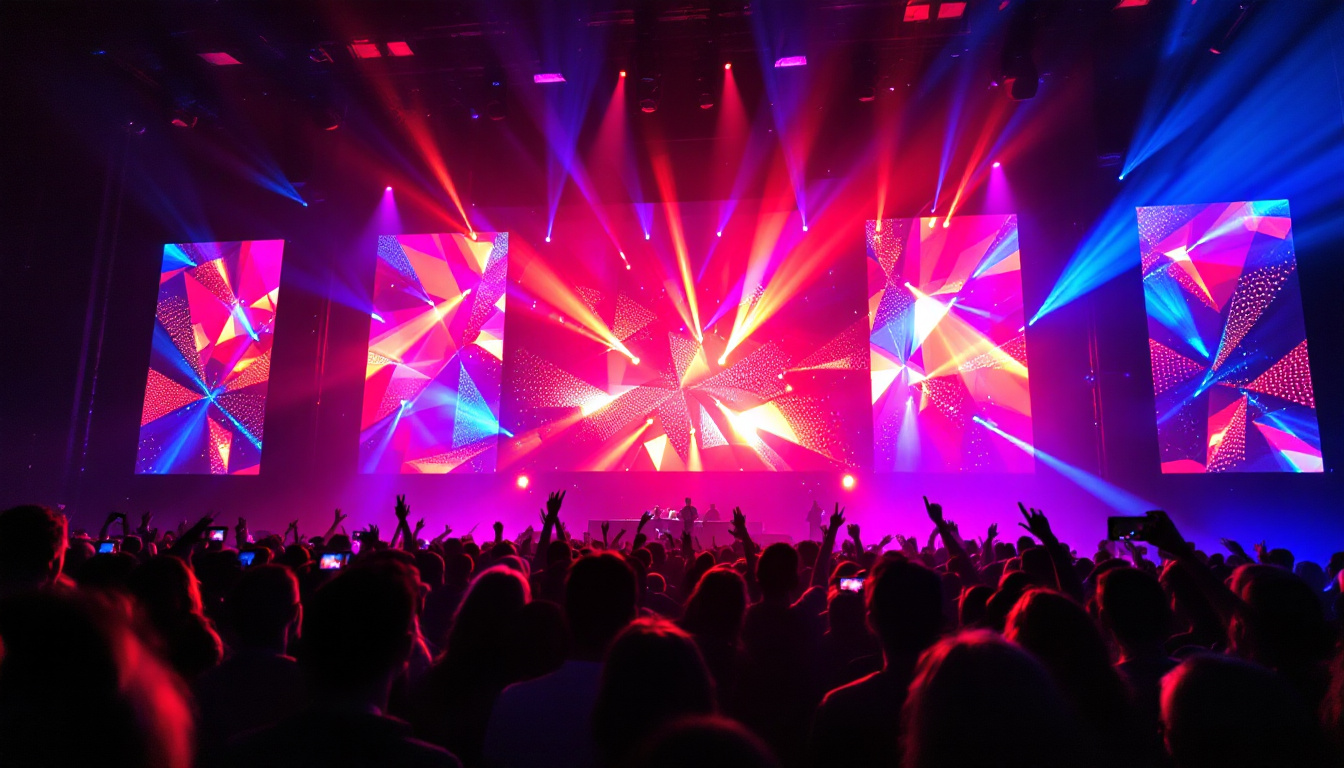
Stadiums and arenas utilize custom LED screens to enhance the spectator experience. From giant scoreboards to ribbon displays lining the stands, these panels provide live video feeds, instant replays, and interactive content.
Customization is vital to accommodate the varied viewing angles, distances, and lighting conditions within large venues. Additionally, ruggedized panels ensure durability against weather and impact. Enhanced visual engagement in sports venues has been linked to increased fan satisfaction and longer attendance times.
Corporate and Retail Environments
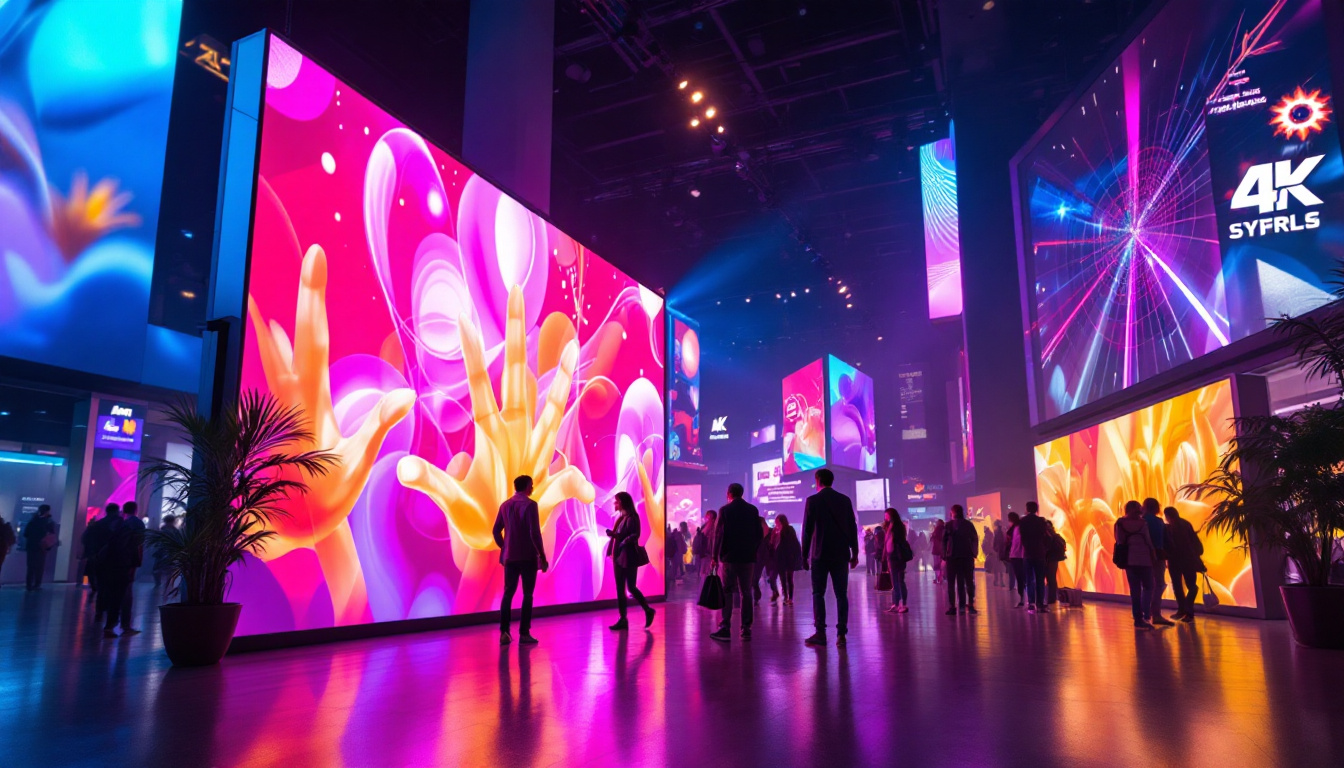
In corporate settings, custom LED panels serve as digital signage, video walls, and presentation backdrops. Tailored designs help reinforce brand identity and improve communication during conferences, trade shows, and lobbies.
Retailers use custom LED displays to create immersive shopping experiences, highlight promotions, and guide customer flow. Transparent LED screens on storefronts attract passersby without blocking natural light, blending technology with architecture.
Transportation and Public Spaces
Custom LED panels are increasingly deployed in airports, train stations, and urban centers for wayfinding, real-time information, and public safety announcements. Their adaptability allows for integration into existing infrastructure and compliance with accessibility standards.
High reliability and ease of maintenance are critical in these environments, where downtime can cause significant disruptions. Custom engineering ensures that panels meet these stringent operational requirements.
Future Trends in Custom LED Display Technology
MicroLED and MiniLED Innovations
Emerging technologies like MicroLED and MiniLED promise even greater resolution, brightness, and energy efficiency. MicroLED displays consist of microscopic LEDs that offer superior contrast and color accuracy, rivaling OLED technology without the risk of burn-in.
As manufacturing processes improve and costs decrease, these technologies will become more accessible for custom applications, enabling ultra-high-definition displays in both indoor and outdoor settings.
Interactive and Smart LED Displays
The integration of sensors, cameras, and AI is transforming LED displays into interactive platforms. Custom panels can now respond to audience movements, gestures, or environmental changes, creating personalized and engaging experiences.
Smart LED displays also incorporate data analytics, allowing businesses to measure viewer engagement and optimize content strategies in real-time.
Sustainability and Energy Efficiency
With growing environmental concerns, the LED industry is focusing on sustainability. Custom panels are being designed with recyclable materials, lower power consumption, and advanced thermal management systems.
Energy-efficient LED displays not only reduce operational costs but also contribute to corporate social responsibility goals, an increasingly important factor for consumers and stakeholders alike.
Choosing the Right Partner for Custom LED Screen Panels
Expertise and Experience
Selecting a manufacturer or integrator with proven expertise in custom LED solutions is crucial. Experienced partners understand the nuances of design, engineering, and installation, ensuring a smooth project lifecycle from concept to deployment.
Quality Assurance and Support
High-quality components and rigorous testing protocols guarantee reliability and longevity. Additionally, comprehensive after-sales support, including maintenance, software updates, and troubleshooting, is vital to protect the investment.
Collaborative Design Process
A collaborative approach allows clients to communicate their vision and requirements clearly, resulting in a tailored solution that meets or exceeds expectations. Visualization tools, prototypes, and mock-ups can aid decision-making and reduce risks.
Conclusion
Custom screen panels powered by LED technology represent a powerful tool for modern visual communication. Their flexibility in size, shape, resolution, and functionality unlocks creative possibilities across a wide range of industries. By understanding the technical aspects and benefits of customization, businesses can make informed decisions that maximize impact, efficiency, and return on investment.
As LED technology continues to evolve, embracing custom solutions will be key to staying ahead in a competitive digital landscape. Whether for advertising, entertainment, corporate communications, or public information, custom LED displays offer a bright future for engaging audiences worldwide.
Discover the Future of Visual Engagement with LumenMatrix
Ready to transform your visual communication strategy with custom LED display solutions? LumenMatrix is at the forefront of LED display innovation, offering a diverse range of products from Indoor and Outdoor LED Walls to specialized solutions like Vehicle Displays, LED Posters, and Transparent Displays. Embrace the future with our cutting-edge technology designed to captivate your audience and amplify your message. Check out LumenMatrix LED Display Solutions today and see how we can help you create unforgettable visual experiences.