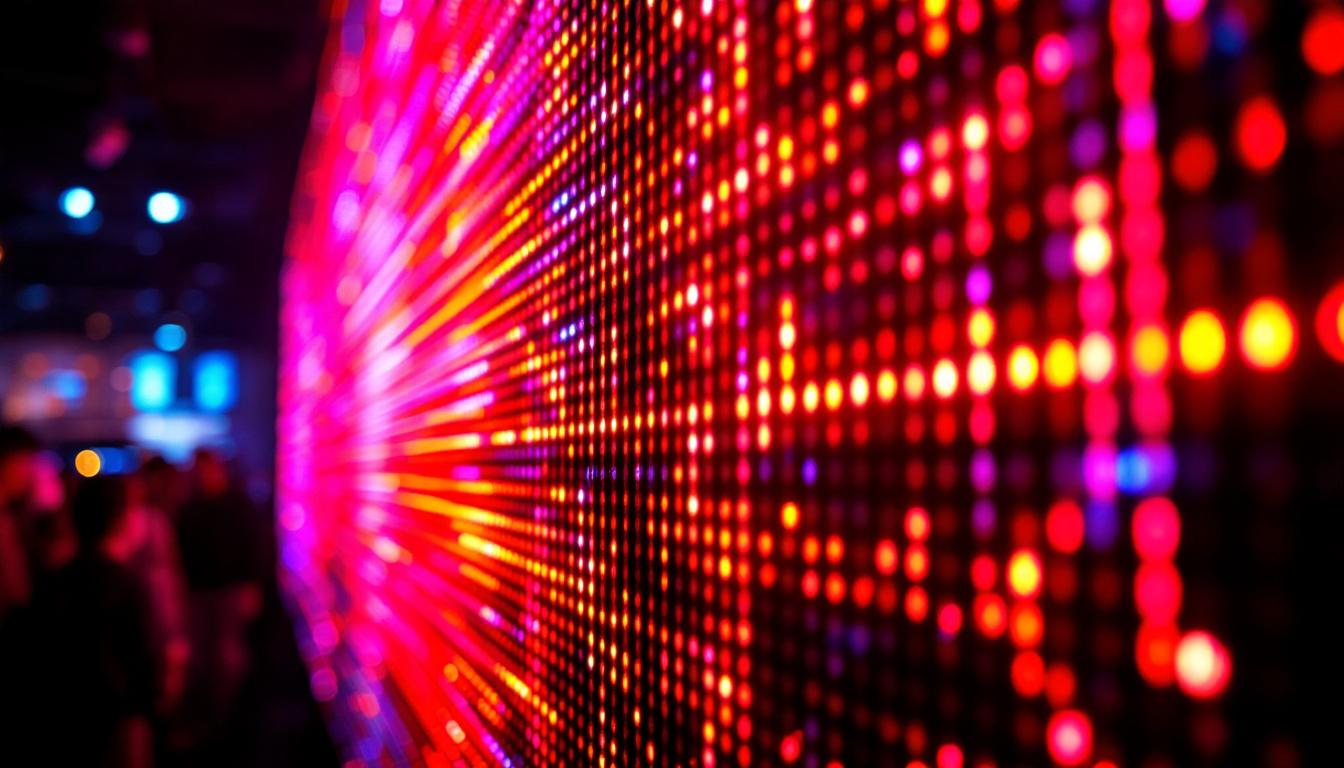
In today’s fast-paced digital world, visual communication plays a pivotal role in capturing attention and conveying messages effectively. Among the many display technologies available, LED displays stand out for their brightness, versatility, and energy efficiency. One particular type of LED display that has gained popularity for its dynamic visual impact is the Jumpotron. This article delves into what a Jumpotron is, how it works, its applications, and why it has become a preferred choice for advertisers, event organizers, and urban planners alike.
What Is a Jumpotron?
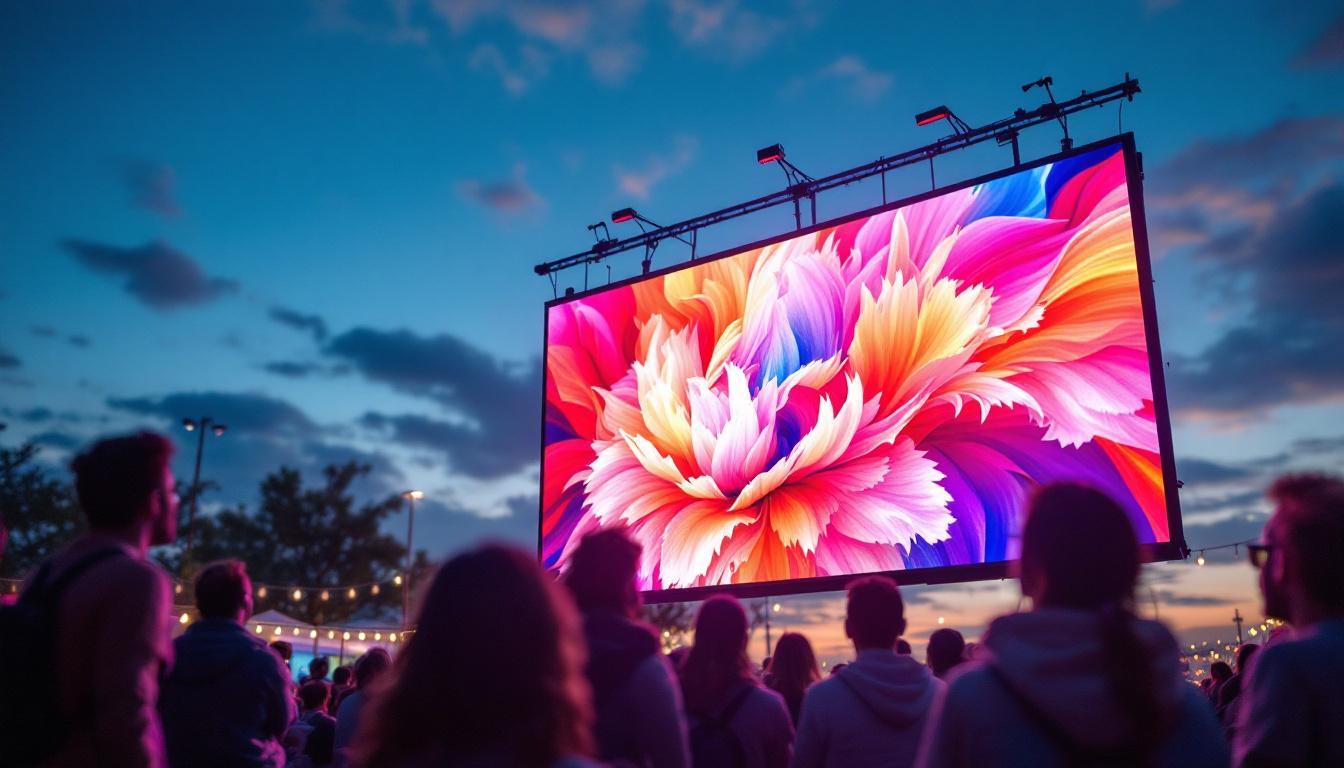
The term “Jumpotron” refers to a large-scale LED display screen commonly used in public venues such as sports stadiums, concert arenas, and outdoor advertising spaces. Unlike traditional static billboards or smaller digital screens, Jumpotrons are designed to deliver vibrant, high-resolution images and videos that can be viewed clearly from great distances.
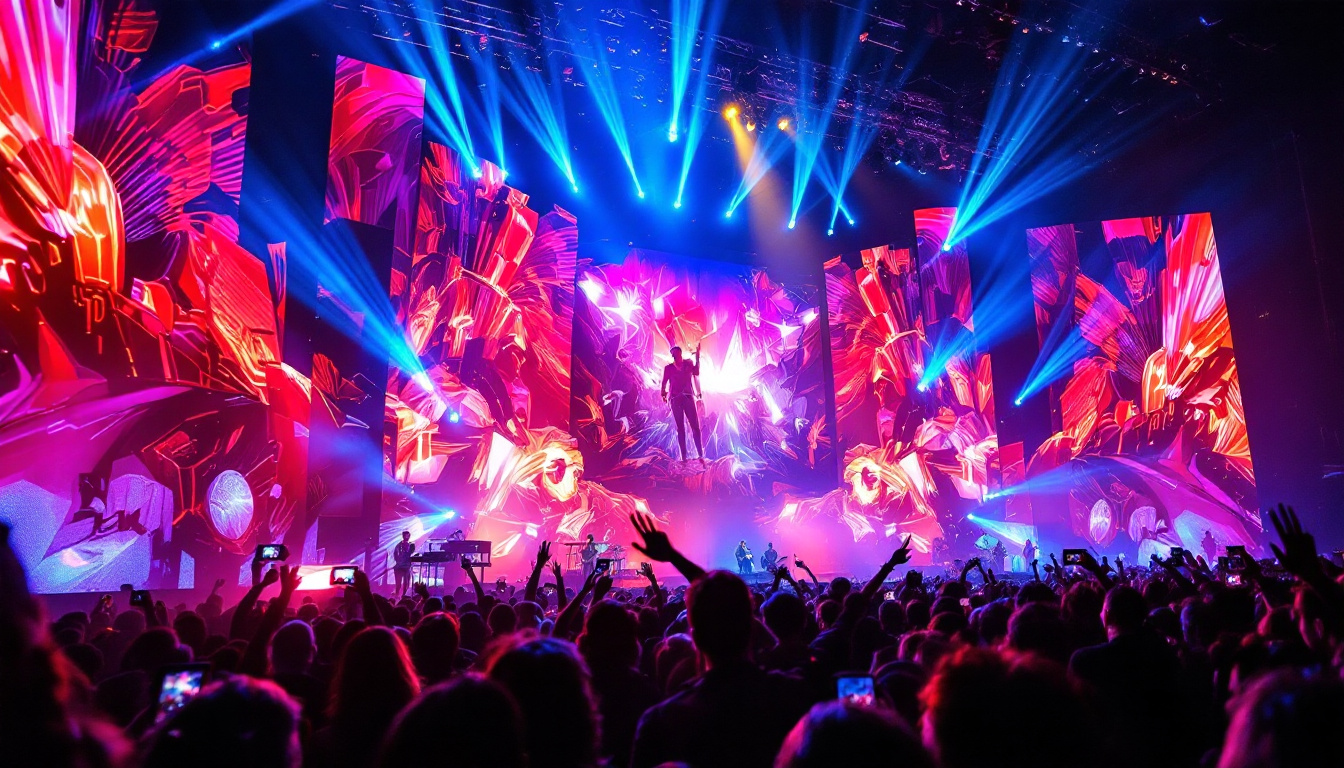
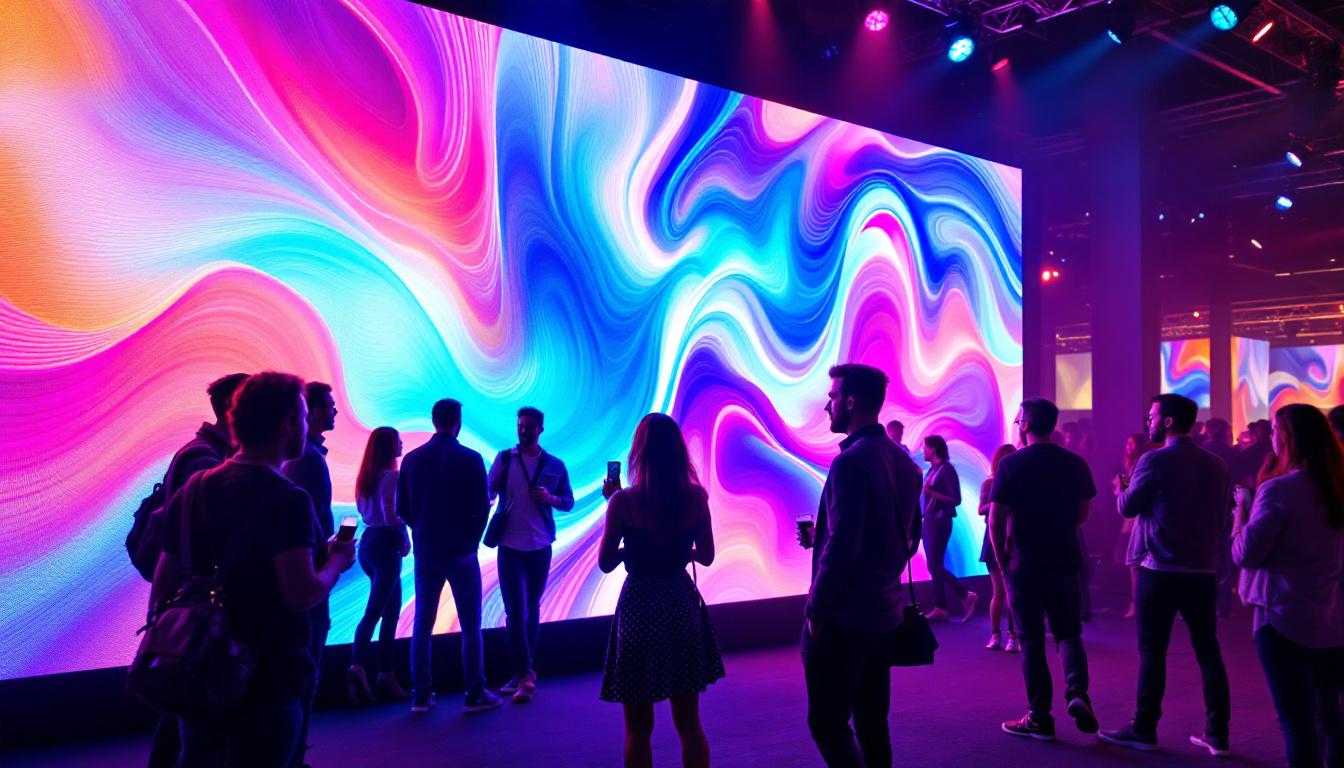
The name “Jumpotron” is often associated with the iconic video boards installed in major sports arenas, where it’s used to show instant replays, live game footage, and interactive content. These displays have evolved from simple scoreboards into sophisticated multimedia platforms that enhance the spectator experience and provide valuable advertising real estate. In addition to sports, Jumpotrons are increasingly being utilized in concerts and festivals, where they serve not only to display the performers but also to create immersive visual experiences that engage the audience on multiple levels.
Key Characteristics of Jumpotrons
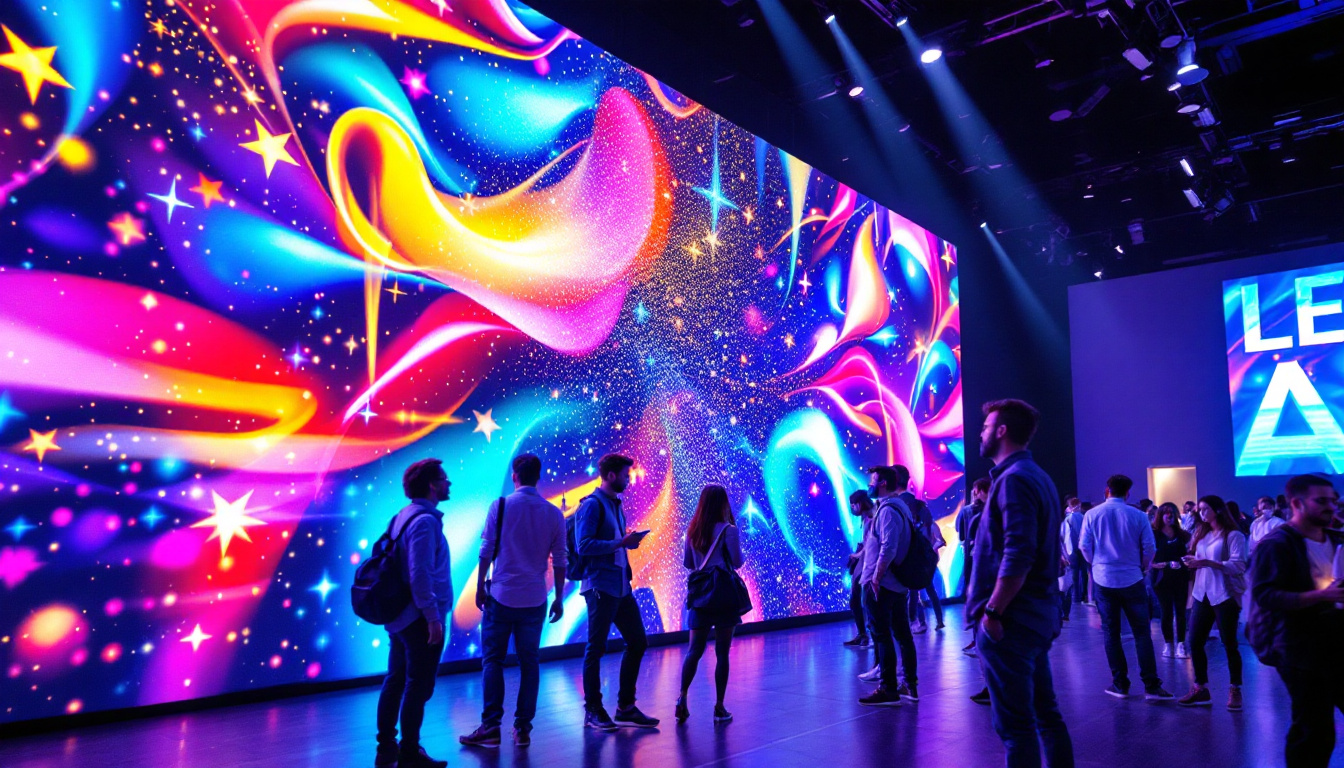
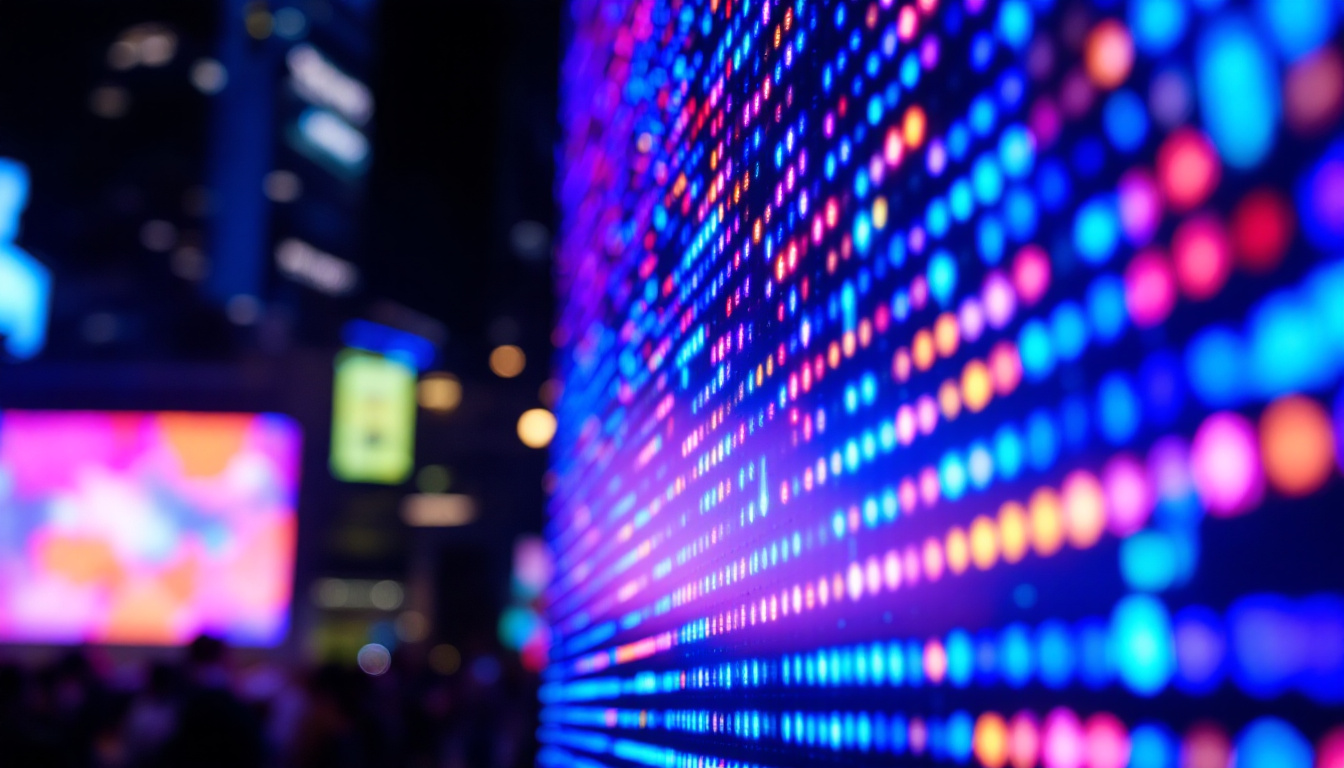
Jumpotrons are characterized by their immense size, high brightness levels, and ability to display full-motion video content. Typically constructed from thousands of tiny light-emitting diodes (LEDs), these displays can produce millions of colors with precise control over brightness and contrast. This makes them ideal for outdoor environments where sunlight can otherwise wash out less powerful screens. Furthermore, the technology behind Jumpotrons has advanced significantly, allowing for higher pixel densities that result in sharper images, making them suitable for close-up viewing as well.
Another defining feature is their modular design. Jumpotron panels are composed of smaller LED modules that can be assembled to create screens of virtually any size and shape, allowing for customized installations tailored to specific venue requirements. This flexibility not only accommodates various architectural designs but also enables quick repairs and upgrades, ensuring that the displays remain operational and relevant over time. Additionally, many Jumpotrons are equipped with advanced software that allows for real-time content management, enabling operators to easily switch between different feeds, advertisements, and interactive elements, thereby maximizing engagement and revenue potential.
How Do Jumpotron LED Displays Work?
Understanding the technology behind Jumpotrons requires a brief overview of LED display fundamentals. At their core, these displays consist of an array of LEDs arranged in a grid. Each LED acts as a pixel capable of emitting light in red, green, and blue (RGB) colors. By varying the intensity of each color, the display can render a wide spectrum of hues.
LED Modules and Pixel Pitch
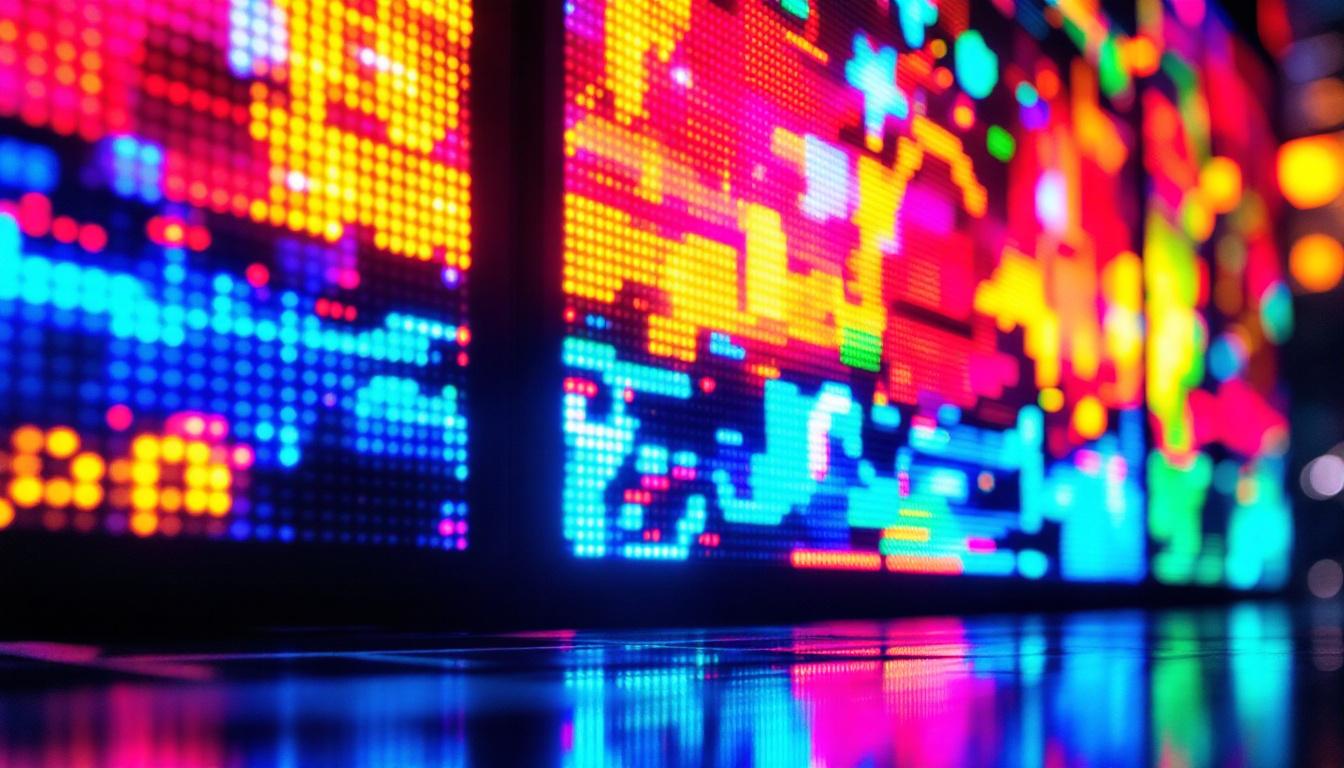
Jumpotrons are built from LED modules, which are small panels containing a fixed number of LEDs. These modules are connected to form the larger screen. One important specification is the pixel pitch, which refers to the distance between the centers of two adjacent pixels. A smaller pixel pitch means higher resolution and sharper images, especially at close viewing distances.
For example, a Jumpotron with a pixel pitch of 10mm means there is a 10-millimeter gap between pixels. While smaller pixel pitches are ideal for indoor or close-range viewing, outdoor Jumpotrons typically have pixel pitches ranging from 10mm to 20mm to balance resolution with visibility at longer distances.
Brightness and Refresh Rate
Brightness is a critical factor for Jumpotrons, especially since many are used outdoors in direct sunlight. Modern Jumpotron displays can reach brightness levels of 5,000 to 8,000 nits or more, ensuring that content remains visible and vibrant regardless of ambient light conditions.
The refresh rate, measured in hertz (Hz), indicates how many times per second the display updates its image. Higher refresh rates reduce flicker and provide smoother motion, which is especially important for video playback and live broadcasts. Most Jumpotrons operate at refresh rates of 1,000 Hz or higher to deliver flicker-free viewing on camera and to the human eye.
Control Systems and Content Management
Jumpotrons are driven by sophisticated control systems that manage the display’s content, brightness, color calibration, and timing. These systems allow operators to schedule advertisements, switch between live feeds and prerecorded videos, and integrate interactive elements such as social media feeds or real-time statistics.
Content management software plays a vital role in ensuring seamless operation. It supports multiple input sources, including HDMI, SDI, and IP streams, enabling versatility in the types of content displayed. Additionally, remote monitoring and diagnostics help maintain optimal performance and minimize downtime.
Applications of Jumpotron LED Displays
The versatility and impact of Jumpotron LED displays have made them indispensable in a variety of settings. Their ability to deliver high-quality visuals on a grand scale opens up numerous possibilities for communication and entertainment.
Sports and Entertainment Venues
Jumpotrons are perhaps most famously associated with sports arenas and concert venues. They provide spectators with instant replays, player statistics, and engaging animations that enhance the live event experience. For example, the AT&T Stadium in Texas features one of the largest Jumpotron displays in the world, measuring approximately 160 feet wide and 72 feet tall, delivering crystal-clear images to over 100,000 attendees.
Beyond sports, concert organizers use Jumpotrons to display live footage of performers, visual effects, and interactive content, creating immersive environments that captivate audiences.
Outdoor Advertising and Digital Billboards
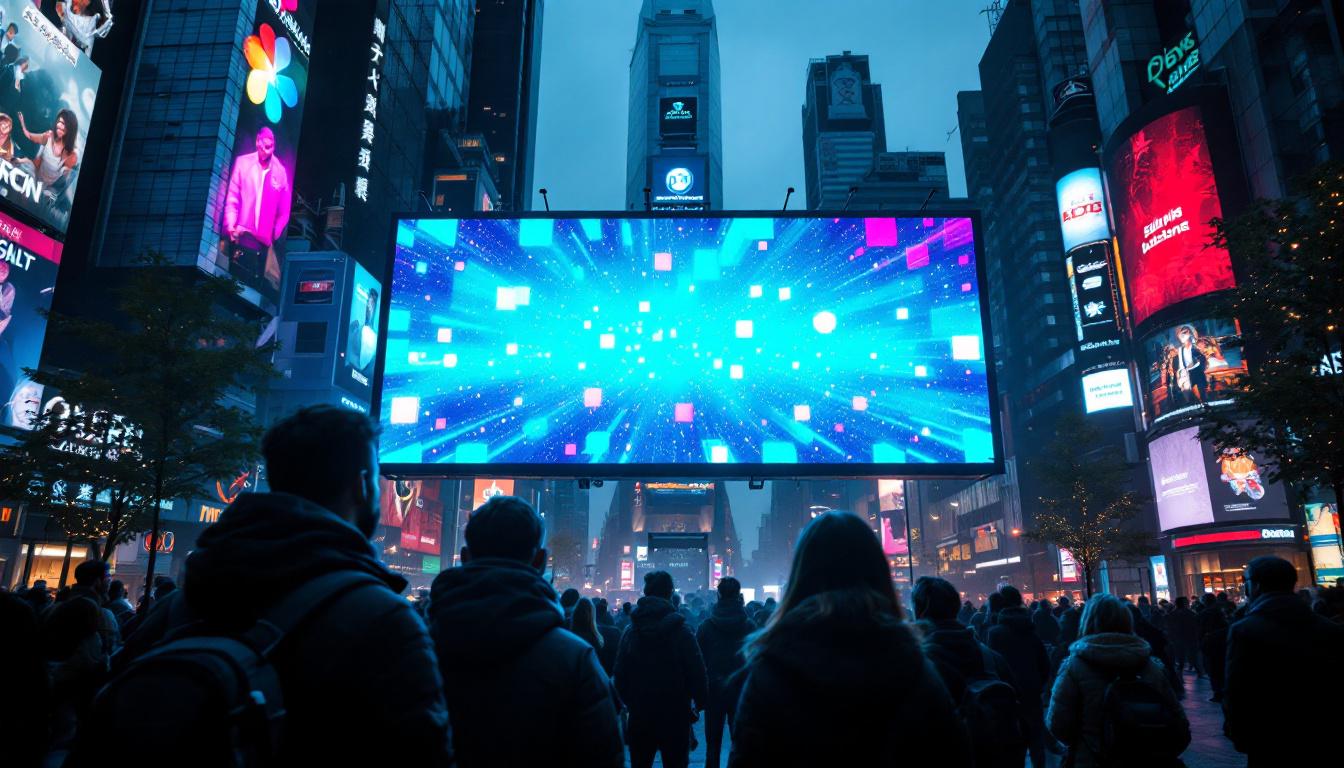
Jumpotrons have revolutionized outdoor advertising by enabling dynamic, eye-catching campaigns that can be updated in real-time. Unlike traditional billboards, digital Jumpotron displays allow advertisers to rotate multiple ads throughout the day, target specific demographics, and incorporate motion graphics to increase engagement.
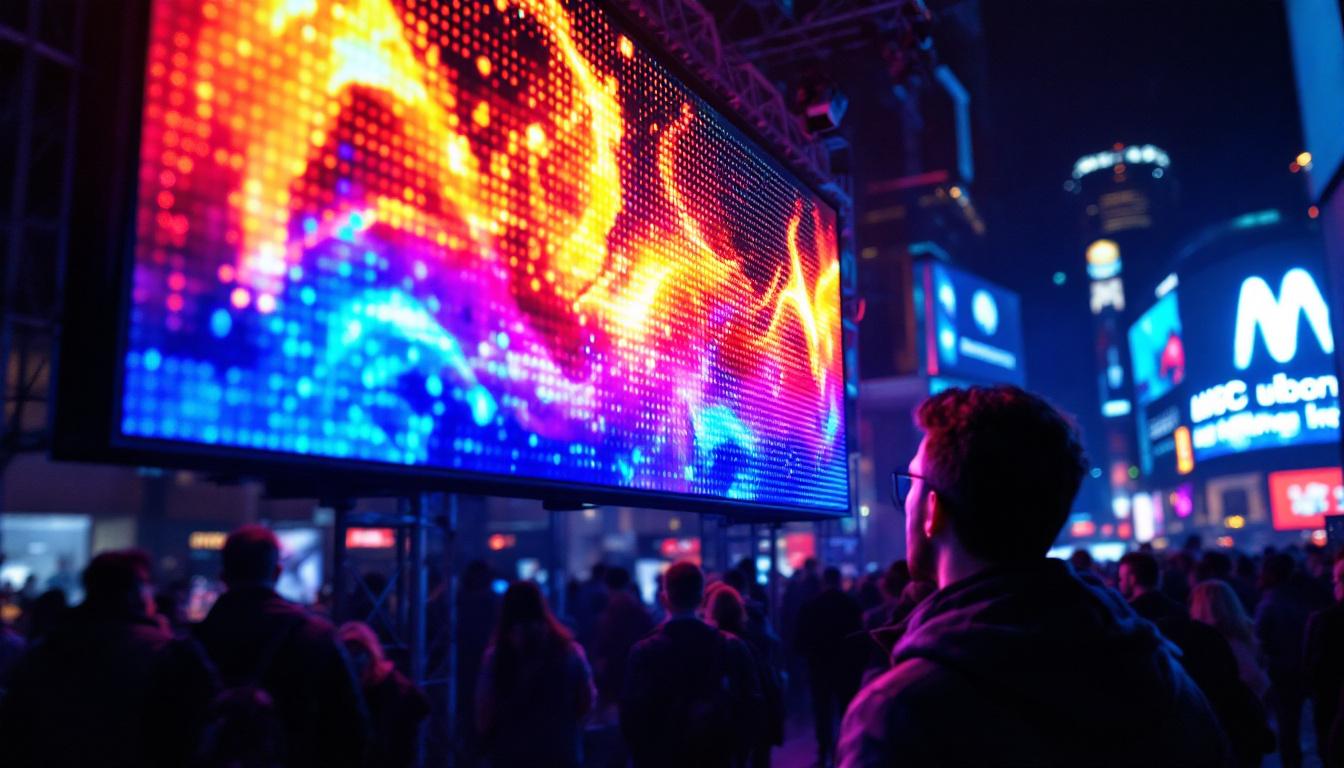
In urban centers like Times Square in New York City or Piccadilly Circus in London, Jumpotron-style LED displays dominate the landscape, contributing to the vibrant, high-energy atmosphere while generating significant advertising revenue.
Public Information and Transportation Hubs
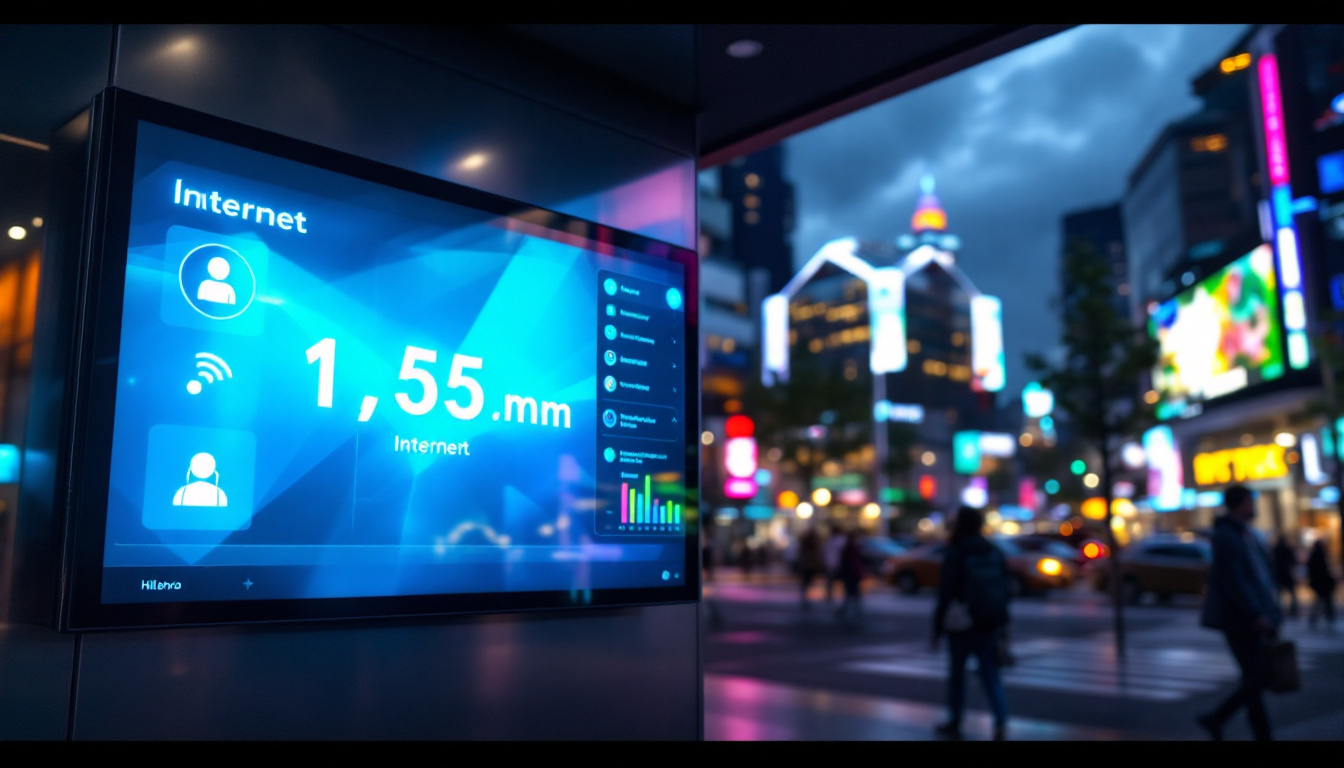
Transportation hubs such as airports, train stations, and bus terminals utilize Jumpotron displays to provide travelers with real-time information, including arrival and departure times, gate changes, and emergency announcements. The high visibility and clarity of these displays ensure that critical information is communicated effectively to large crowds.
Similarly, city planners use Jumpotrons for public service messaging, event promotion, and community engagement, making them valuable tools for urban communication strategies.
Advantages of Using Jumpotron LED Displays
Choosing a Jumpotron LED display offers several benefits that make it an attractive option for businesses and organizations looking to maximize their visual impact.
Exceptional Visibility and Brightness
Jumpotrons are engineered to deliver outstanding brightness levels, ensuring that content remains visible even in direct sunlight. This makes them ideal for outdoor use where traditional displays might struggle to maintain clarity.
Energy Efficiency and Longevity
Compared to older display technologies such as incandescent or fluorescent lighting, LEDs consume significantly less power and have longer lifespans. Modern Jumpotrons can operate continuously for tens of thousands of hours with minimal maintenance, reducing operational costs over time.
Flexibility and Customization
The modular design of Jumpotrons allows for customization in size, shape, and resolution to suit specific venue needs. Whether it’s a curved display wrapping around a stadium or a massive rectangular billboard, Jumpotrons can be tailored to fit diverse environments.
Dynamic Content Capability
Unlike static signs, Jumpotrons support full-motion video, animations, and interactive content. This dynamic capability enables advertisers and event organizers to engage audiences more effectively and adapt messaging in real-time.
Challenges and Considerations When Installing Jumpotrons
While Jumpotrons offer numerous advantages, there are important factors to consider to ensure successful deployment and operation.
Initial Investment and Installation
The upfront cost of purchasing and installing a Jumpotron can be substantial, especially for large-scale displays. This includes expenses related to structural support, electrical wiring, and integration with existing systems. However, many organizations view this as a worthwhile investment due to the display’s impact and longevity.
Maintenance and Technical Support
Maintaining a Jumpotron requires regular inspections, cleaning, and occasional repairs to individual LED modules. Access to skilled technicians and reliable support services is essential to minimize downtime and preserve image quality.
Environmental and Regulatory Compliance
Outdoor Jumpotrons must comply with local regulations regarding brightness levels, light pollution, and safety standards. Proper calibration and scheduling can help mitigate concerns about glare or distraction, particularly in residential areas.
The Future of Jumpotron LED Displays
As LED technology continues to advance, Jumpotrons are poised to become even more versatile and impactful. Innovations in micro-LEDs, flexible displays, and artificial intelligence-driven content management are set to redefine what these large-scale screens can achieve.
For instance, micro-LED technology promises higher resolution and improved energy efficiency, potentially allowing Jumpotrons to deliver cinema-quality visuals in outdoor settings. Additionally, AI-powered content systems can tailor advertisements and messages based on audience demographics and real-time data, maximizing engagement and return on investment.
Moreover, integration with augmented reality (AR) and virtual reality (VR) platforms could transform Jumpotrons from passive display surfaces into interactive portals, offering immersive experiences that captivate audiences in entirely new ways.
Conclusion
Jumpotron LED displays represent a powerful fusion of technology, design, and communication. Their ability to deliver bright, high-resolution, and dynamic content on a massive scale has transformed the way messages are conveyed in sports, entertainment, advertising, and public information sectors. While the initial investment and maintenance require careful planning, the benefits of enhanced visibility, energy efficiency, and content flexibility make Jumpotrons an invaluable asset in today’s visual landscape.
As technology evolves, the potential applications and capabilities of Jumpotron displays will expand, continuing to captivate audiences and drive innovation in digital communication.
Discover LumenMatrix’s Innovative LED Solutions
Ready to elevate your visual communication with the dynamic power of Jumpotron LED displays? LumenMatrix is at the forefront of LED display technology, offering a wide array of solutions designed to bring your brand to life. From immersive Indoor and Outdoor LED Wall Displays to versatile Vehicle and Floor LED options, our products are crafted to capture attention and create unforgettable experiences. Embrace the future of digital signage with our Custom, All-in-One, and Transparent LED Displays. Check out LumenMatrix LED Display Solutions today and see how we can help you make a lasting impression in the digital age.