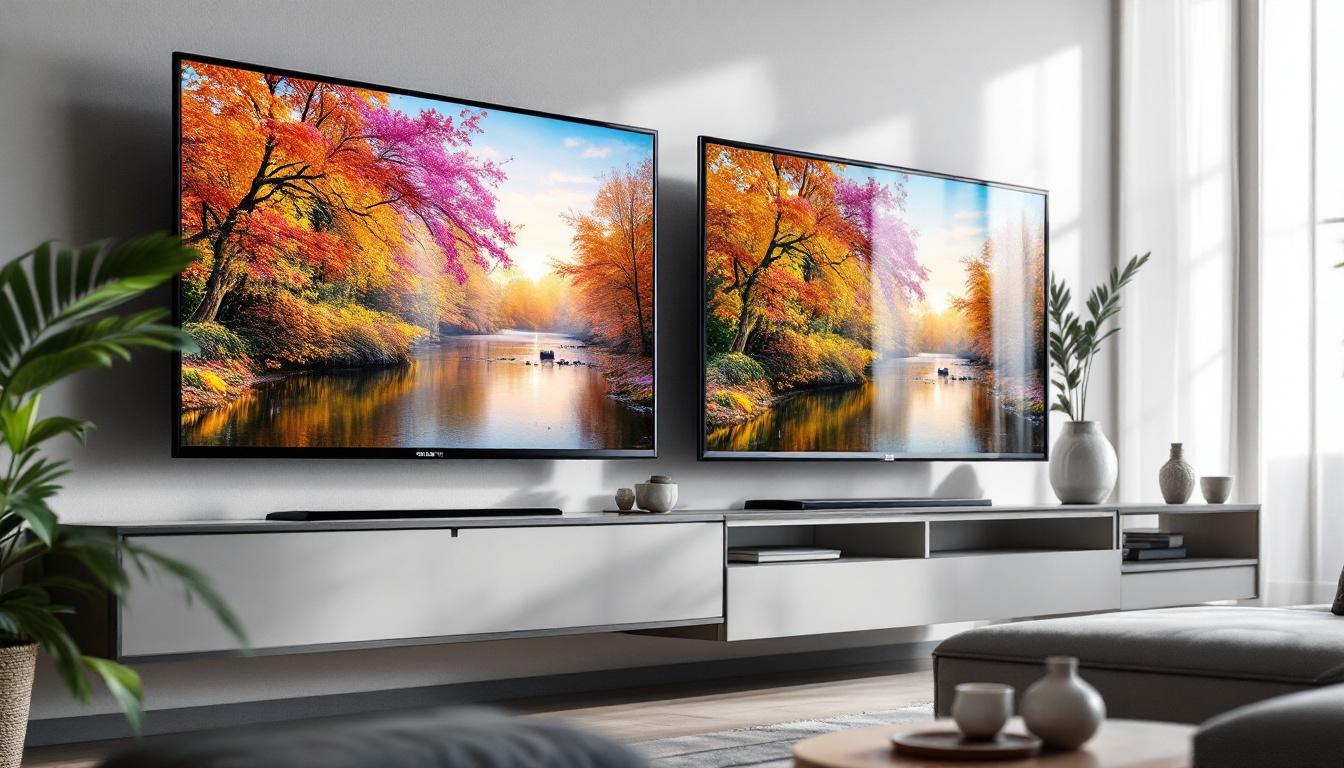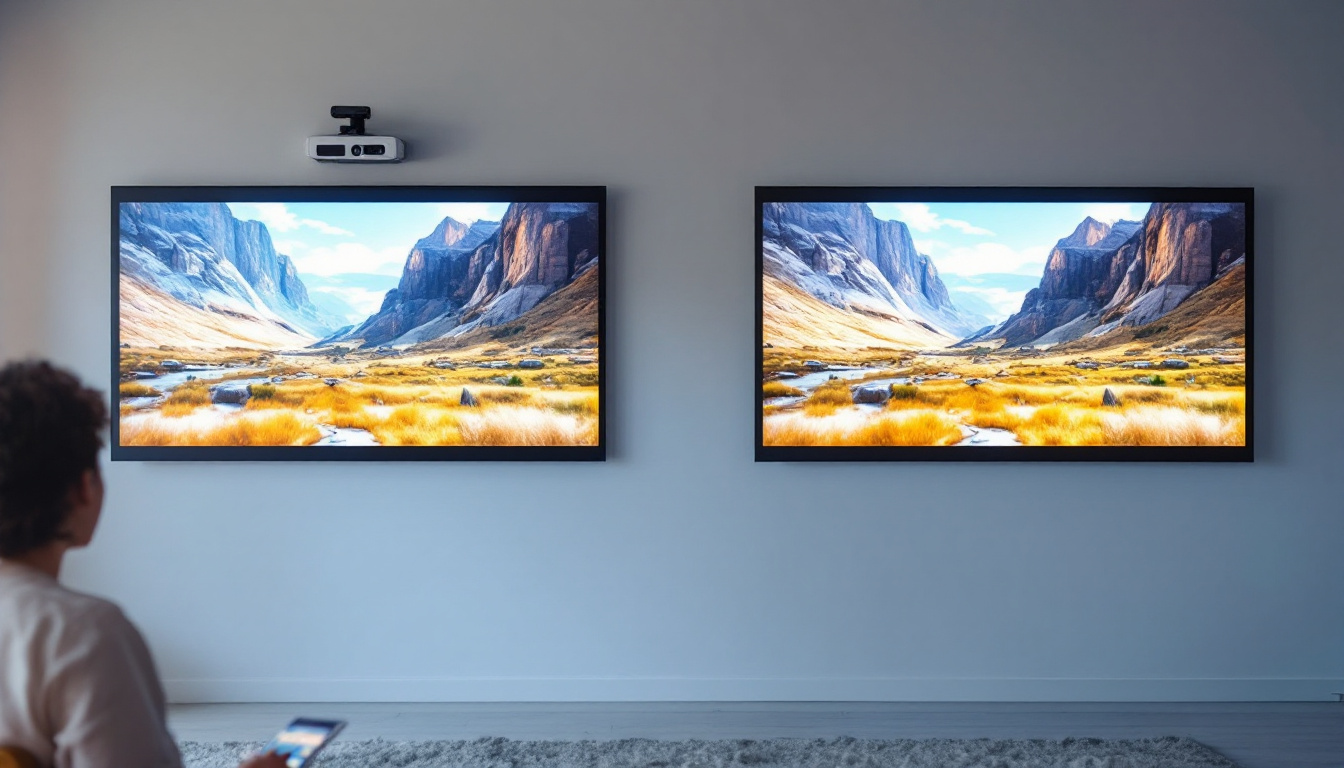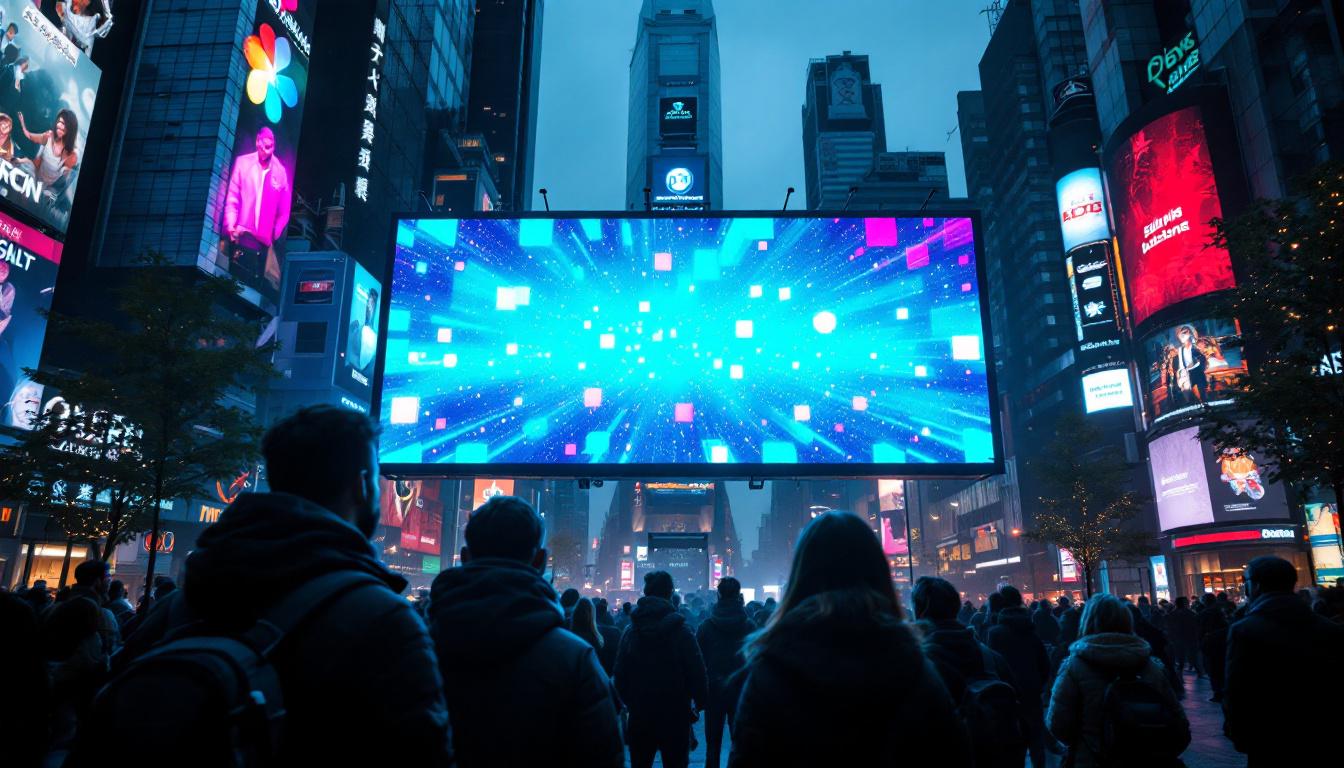
In today’s fast-paced media landscape, the way commercials are presented on TV has evolved tremendously. One of the most significant technological advancements driving this evolution is the use of LED displays. From vibrant colors to dynamic content delivery, LED technology has transformed commercial broadcasting and advertising. This article delves into the world of LED displays, explaining what they are, how they work, and why they have become indispensable in commercial TV advertising.
Understanding LED Display Technology
LED, or Light Emitting Diode, displays are screens that use an array of tiny light-emitting diodes to produce images. Unlike traditional LCD or plasma screens, LED displays offer superior brightness, contrast, and energy efficiency, making them ideal for commercial use.
At its core, an LED display consists of millions of tiny diodes that emit light when an electric current passes through them. These diodes can be arranged in various configurations, such as RGB (red, green, blue) pixels, to create a full spectrum of colors. This technology allows for incredibly vivid and sharp images that can be seen clearly even in bright environments. Furthermore, the rapid response time of LED displays minimizes motion blur, making them particularly suitable for fast-paced video content, such as sports or action films.
Types of LED Displays Used in Commercial TV
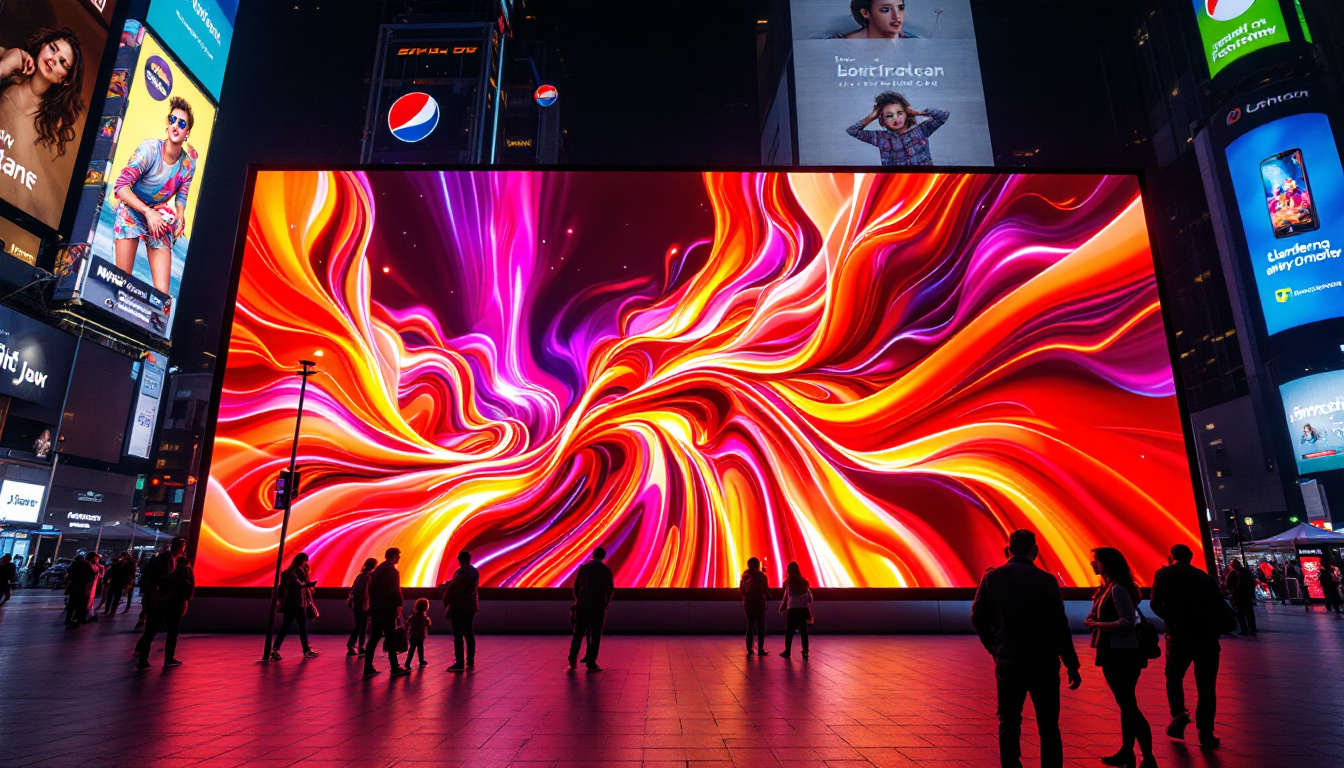
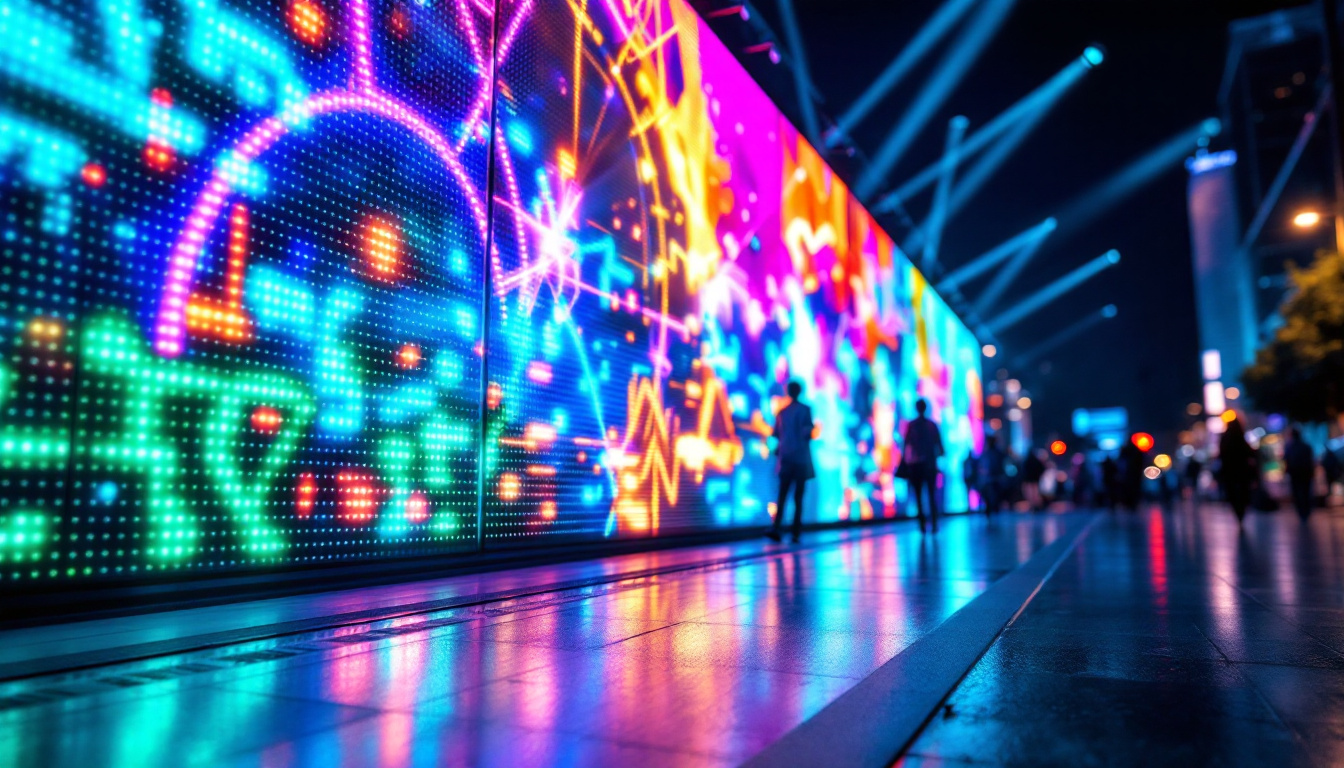
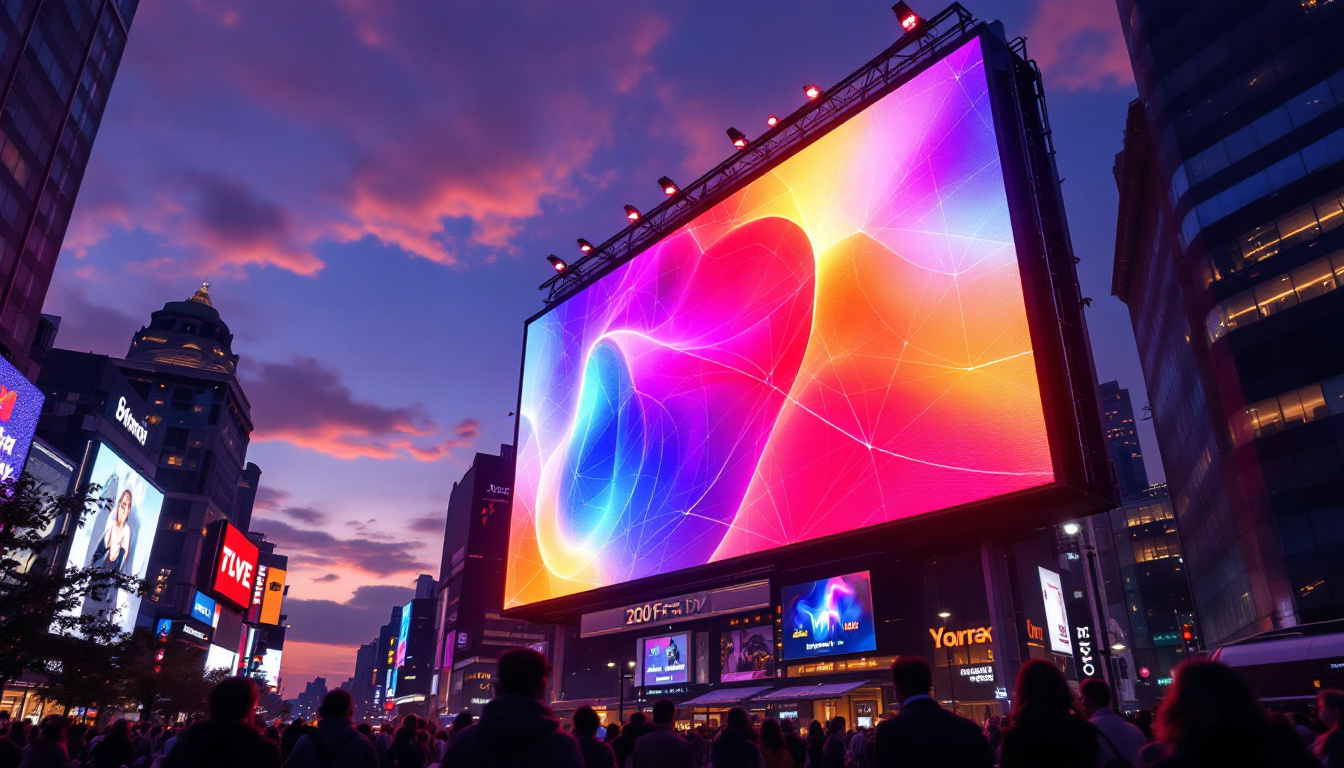
There are primarily two types of LED displays commonly used in commercial TV settings: direct-view LED and LED-backlit LCD displays. Direct-view LED displays are made entirely of LEDs and are often used in large-scale outdoor advertising screens and stadium displays. These offer exceptional brightness and durability, ensuring that the content remains visible even in direct sunlight or adverse weather conditions. Additionally, their modular design allows for easy scalability, making them a popular choice for events and large venues where flexibility is key.
On the other hand, LED-backlit LCD displays use LEDs as a backlight source behind an LCD panel. This technology is prevalent in indoor commercial TVs and digital signage due to its cost-effectiveness and high image quality. These displays can achieve impressive color accuracy and uniform brightness across the screen, which is essential for applications like retail displays and corporate presentations. Moreover, advancements in local dimming technology have further enhanced the contrast ratios of LED-backlit LCDs, allowing for deeper blacks and more vibrant colors, making them a versatile option for various commercial settings.
The Role of LED Displays in Commercial TV Advertising
LED displays have revolutionized the way commercials are broadcast and experienced by audiences. Their ability to deliver bright, high-contrast images ensures that advertisements stand out, capturing viewers’ attention more effectively than traditional display technologies.
In commercial TV advertising, the clarity and vibrancy of an LED display can make a significant difference in brand perception. Studies have shown that high-quality visuals increase viewer engagement and recall rates. For instance, a 2023 Nielsen report highlighted that commercials displayed on LED screens had a 35% higher recall rate compared to those on standard LCD screens.
Dynamic Content and Real-Time Updates
One of the standout features of LED displays is their ability to support dynamic content. Advertisers can update their commercials in real-time, tailoring messages to specific audiences or events. This flexibility is particularly valuable during live broadcasts, sports events, or breaking news segments where timely advertising can maximize impact.
Moreover, LED technology supports high frame rates and seamless video playback, allowing advertisers to use animations, interactive elements, and high-definition videos that captivate audiences. This dynamic content capability is a game-changer in the competitive world of commercial TV advertising.
Additionally, the integration of LED displays with data analytics tools allows advertisers to monitor viewer engagement metrics in real-time. By analyzing audience reactions and interactions, brands can refine their advertising strategies on the fly, ensuring that their messages resonate with viewers. This data-driven approach not only enhances the effectiveness of individual ads but also contributes to the overall optimization of advertising campaigns, leading to better ROI and more targeted marketing efforts.
Furthermore, the versatility of LED displays extends beyond mere advertising; they can also enhance the viewer experience by providing supplementary information, such as product details or promotional offers, directly alongside the commercial content. This dual functionality not only enriches the viewing experience but also encourages immediate consumer action, such as visiting a website or making a purchase, thereby bridging the gap between advertisement and consumer engagement in a more interactive manner.
Advantages of LED Displays Over Traditional Technologies
When comparing LED displays to older technologies like CRT, plasma, or even standard LCD, several advantages become clear. These benefits explain why LED has become the preferred choice for commercial TV and advertising.
Superior Brightness and Contrast
LED displays can achieve brightness levels exceeding 1,000 nits, which is crucial for visibility in various lighting conditions. This is especially important for commercials aired during daytime or in brightly lit environments. The high contrast ratio of LED displays also ensures deeper blacks and more vibrant colors, making advertisements visually striking. Furthermore, the ability of LED technology to maintain color accuracy at high brightness levels enhances the viewer’s experience, ensuring that the intended message of the advertisement is conveyed effectively and memorably.
Energy Efficiency and Longevity
LED technology is known for its energy efficiency. Compared to plasma or CRT displays, LEDs consume significantly less power, reducing operational costs for broadcasters and advertisers. Additionally, LED displays have a longer lifespan, often exceeding 100,000 hours of use, which translates to lower maintenance and replacement costs. This durability is particularly beneficial for outdoor advertising, where displays are exposed to harsh weather conditions. As a result, businesses can invest in LED technology with confidence, knowing that their advertising platforms will remain reliable and effective over time.
Flexibility in Size and Shape
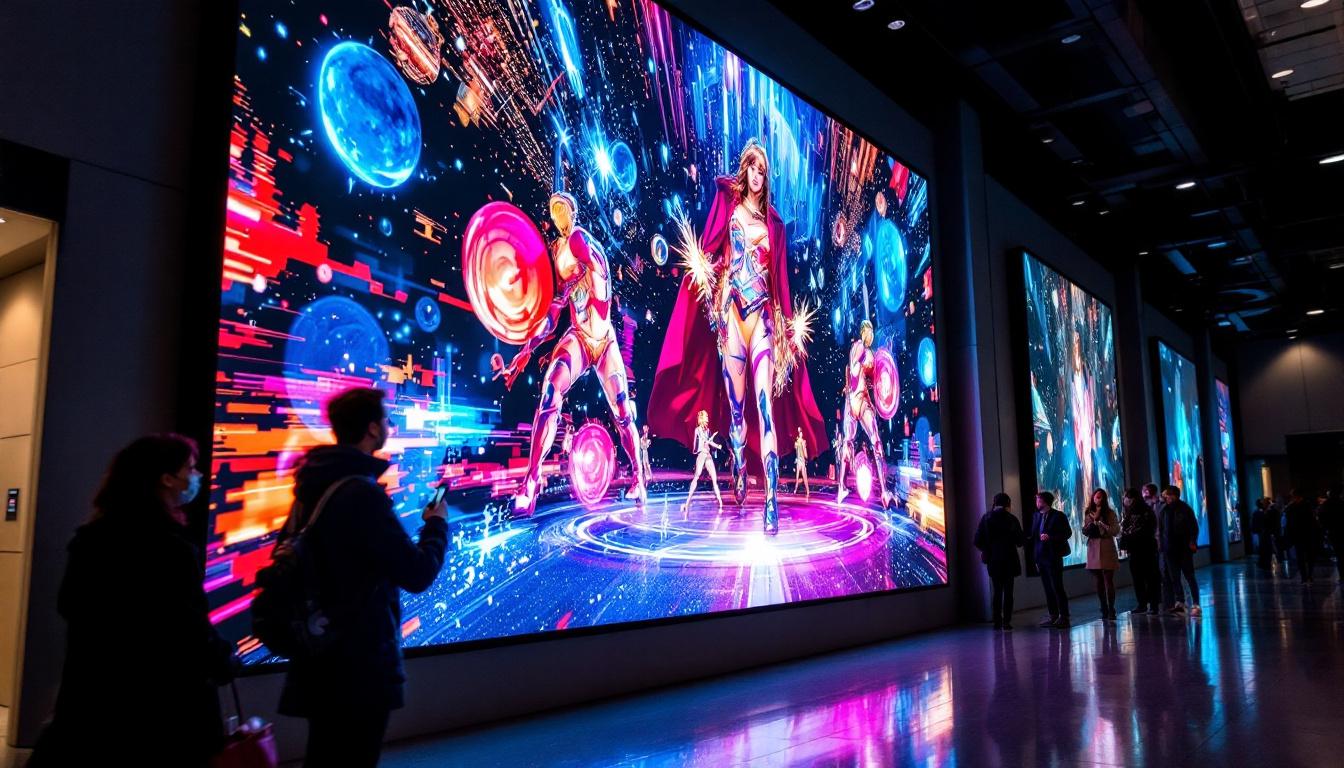
LED displays can be manufactured in a variety of sizes and shapes, from small indoor screens to massive outdoor billboards. This versatility allows advertisers to choose the perfect display for their commercial needs, whether it’s a compact screen for a retail store or a giant LED wall in a sports arena. Moreover, advancements in LED technology have led to the development of flexible and curved displays, enabling innovative designs that can fit into unconventional spaces. This adaptability not only enhances the aesthetic appeal of advertising installations but also allows for creative storytelling that captivates audiences in unique ways.
Enhanced Viewing Angles
Another significant advantage of LED displays is their wide viewing angles. Unlike traditional displays, which often suffer from color distortion and reduced brightness when viewed from the side, LED technology maintains consistent image quality from various angles. This characteristic is particularly beneficial in crowded environments, such as shopping malls or stadiums, where viewers may not be directly in front of the screen. By ensuring that everyone has a clear and vibrant view of the content, advertisers can maximize their reach and impact, making their campaigns more effective.
Seamless Integration with Digital Technology
LED displays also offer seamless integration with modern digital technologies, such as content management systems and real-time data feeds. This capability allows advertisers to display dynamic content that can be updated instantly, such as promotions, news, or social media feeds. The ability to change advertisements on the fly not only keeps the content fresh and engaging but also allows for targeted marketing strategies that can respond to audience behavior and preferences. This level of interactivity and responsiveness is a game-changer in the advertising landscape, providing businesses with a powerful tool to connect with their customers in real-time.
Challenges and Considerations in Using LED Displays for Commercial TV
Despite their many benefits, LED displays also come with certain challenges that advertisers and broadcasters must consider to optimize their use.
Initial Investment and Installation
The upfront cost of LED displays can be higher than other display technologies, particularly for large-scale installations. This includes not only the purchase price but also installation, calibration, and integration with existing broadcasting systems. However, many companies find that the long-term benefits outweigh these initial expenses.
Color Calibration and Maintenance
Maintaining consistent color accuracy across an LED display is critical for commercial advertising, where brand colors must be precise. Over time, LEDs can degrade unevenly, leading to color shifts. Regular calibration and maintenance are necessary to ensure the display continues to deliver high-quality visuals.
Environmental Impact and Disposal
While LEDs are more energy-efficient, their production and disposal involve environmental considerations. Proper recycling and disposal of LED components are essential to minimize ecological impact, especially for large commercial installations that may require periodic upgrades.
Future Trends in LED Display Technology for Commercial TV
The LED display industry is continuously evolving, with innovations that promise to further enhance commercial TV advertising.
MicroLED and MiniLED Technologies
Emerging technologies like MicroLED and MiniLED offer even higher resolution, better brightness, and improved energy efficiency. MicroLED, in particular, uses microscopic LEDs to create displays with exceptional image quality and durability. These advancements are expected to become more mainstream in commercial TV applications within the next few years.
Integration with Augmented Reality (AR) and Interactive Content
Future LED displays may incorporate augmented reality features and interactive capabilities, allowing viewers to engage with commercials in new and immersive ways. This could include touch-sensitive LED walls or integration with mobile devices to create personalized advertising experiences.
Enhanced Connectivity and AI-Driven Content
With the rise of AI and IoT, LED displays will become smarter, capable of adapting content based on viewer demographics, behavior, and environmental factors. This level of customization will make commercial TV advertising more targeted and effective, driving higher ROI for advertisers.
Conclusion
LED display technology has fundamentally transformed commercial TV advertising by offering unparalleled image quality, dynamic content capabilities, and operational efficiencies. While there are challenges to consider, the benefits far outweigh the drawbacks, making LED displays the preferred choice for advertisers seeking to captivate audiences and maximize impact.
As technology continues to advance, the integration of MicroLED, AR, and AI-driven content will further revolutionize how commercials are presented on TV. For businesses and broadcasters alike, staying informed about these developments is essential to harnessing the full potential of LED displays in commercial advertising.
Discover LumenMatrix’s Advanced LED Display Solutions
Ready to elevate your commercial TV advertising with the latest in LED display technology? LumenMatrix is at the forefront of innovation, offering a wide range of LED display solutions that are designed to captivate your audience and amplify your brand’s message. From Indoor and Outdoor LED Wall Displays to specialized options like Vehicle LED Displays and LED Sports Displays, our products are tailored to create immersive visual experiences. Embrace the future of advertising with our Custom, All-in-One, and Transparent LED Displays. Check out LumenMatrix LED Display Solutions today and transform the way you communicate with your audience.